Artwork
Forest Chamber Grotto at Juqu
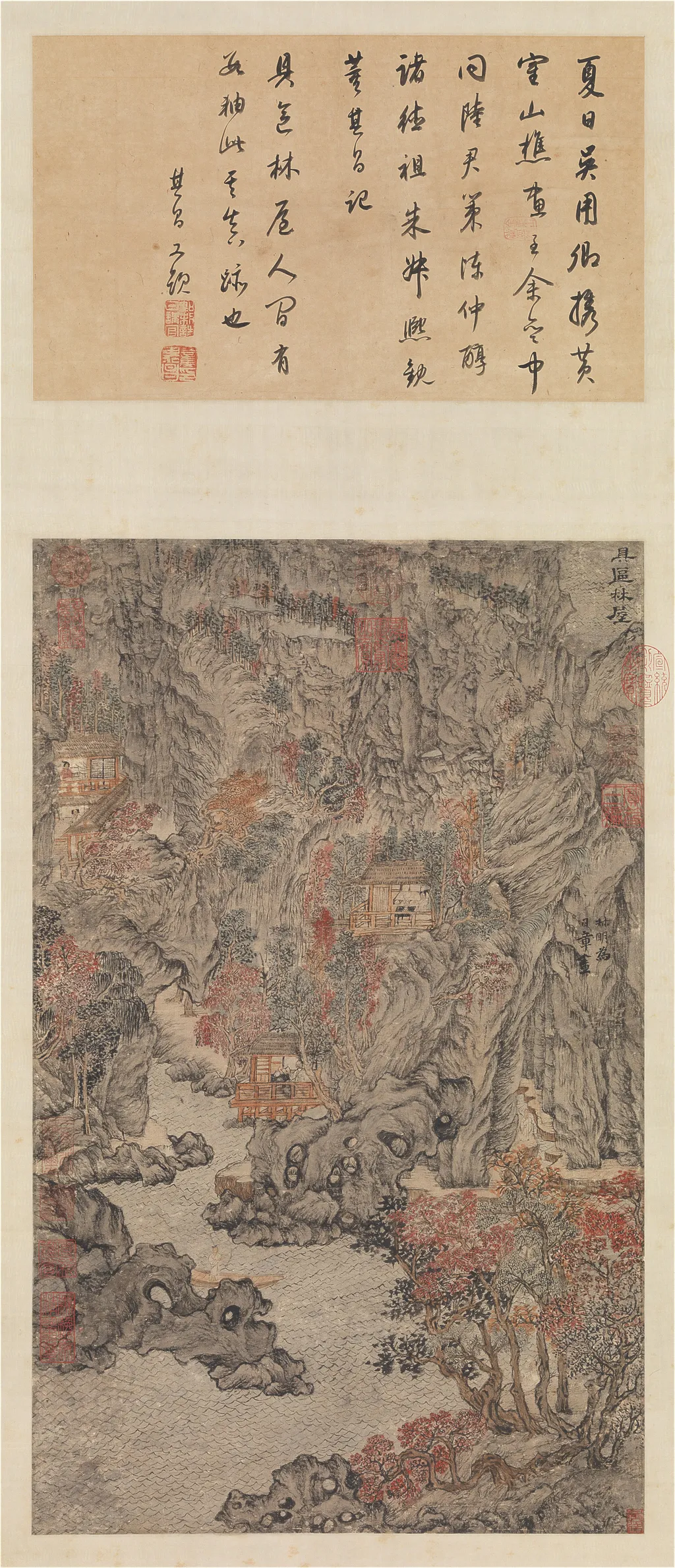
Forest Chamber Grotto at Juqu is an unspecified painting by the Yuan dynasty literati painting artist Wang Meng. It dates from 1350 and is held in the collection of the National Palace Museum.
About this work
Overview
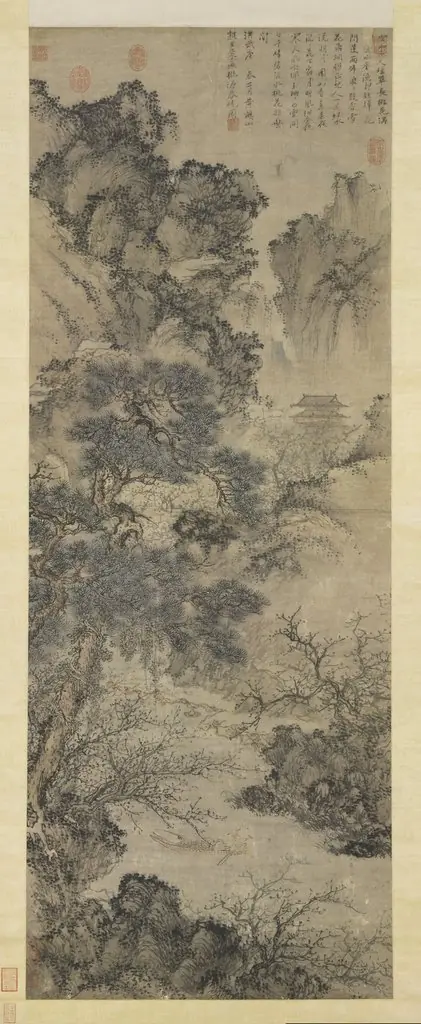
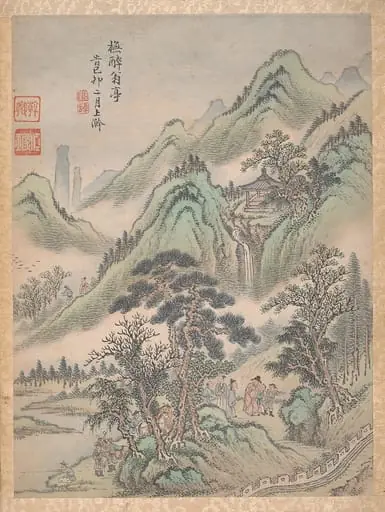
Painted around 1350 by Wang Meng, Forest Chamber Grotto at Juqu is a landscape scroll executed in ink and light color on silk. It resides in the National Palace Museum’s collection and exemplifies the Yuan dynasty’s introspective approach to nature. The composition centers on a secluded cave nestled within dense woodland, rendered with careful attention to spatial depth and atmospheric recession.
Subject & Meaning
The painting depicts a quiet, unpopulated forest grotto, suggesting a retreat from worldly concerns. The absence of human figures reinforces a contemplative mood, aligning with Daoist ideals of harmony with nature. The grotto, though unoccupied, implies a space for meditation or spiritual withdrawal, reflecting the cultural values of scholar-officials during a time of political instability.
Technique & Style
Foreground elements are rendered with heightened detail, while distant forms dissolve into soft washes, guiding the eye through a layered, immersive landscape.
Wang Meng employs a dense, layered brushwork technique known as ‘hemp-fiber texture strokes,’ building up foliage and rock surfaces with intricate, interwoven lines. Muted greens, browns, and grays create a subdued tonal range, enhancing the painting’s quietude. Foreground elements are rendered with heightened detail, while distant forms dissolve into soft washes, guiding the eye through a layered, immersive landscape.
History & Provenance
The work has been part of imperial collections since the Yuan dynasty and later entered the Qing court’s holdings. It was transferred to the National Palace Museum in Taipei following the relocation of artifacts during the mid-20th century. Its continuous preservation within elite collections underscores its recognized significance among Chinese literati painters.
Context
Created during the Yuan dynasty, when Han Chinese scholars often withdrew from official service under Mongol rule, the painting reflects a broader cultural turn toward personal expression through landscape. Wang Meng, a descendant of the famed painter Zhao Mengfu, contributed to a tradition that elevated nature as a vessel for moral and philosophical reflection, distinct from earlier, more decorative styles.
Legacy
Forest Chamber Grotto at Juqu influenced later Ming and Qing painters who sought to revive Yuan-era aesthetics. Its complex brushwork and meditative atmosphere became a model for literati landscape painting, reinforcing the idea that nature could embody inner states. The work remains a touchstone for understanding the spiritual dimensions of Chinese ink painting.
Artist & collection


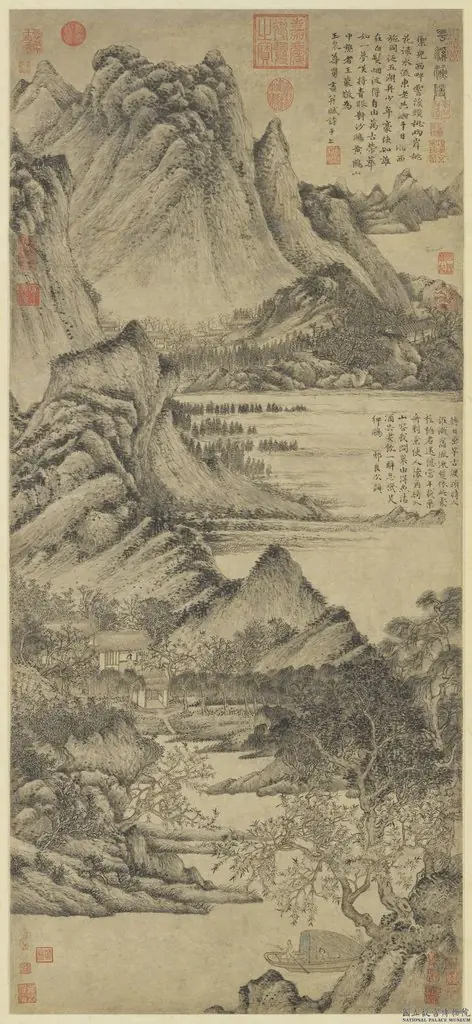
- Waiting for the Ferry on an Autumn River
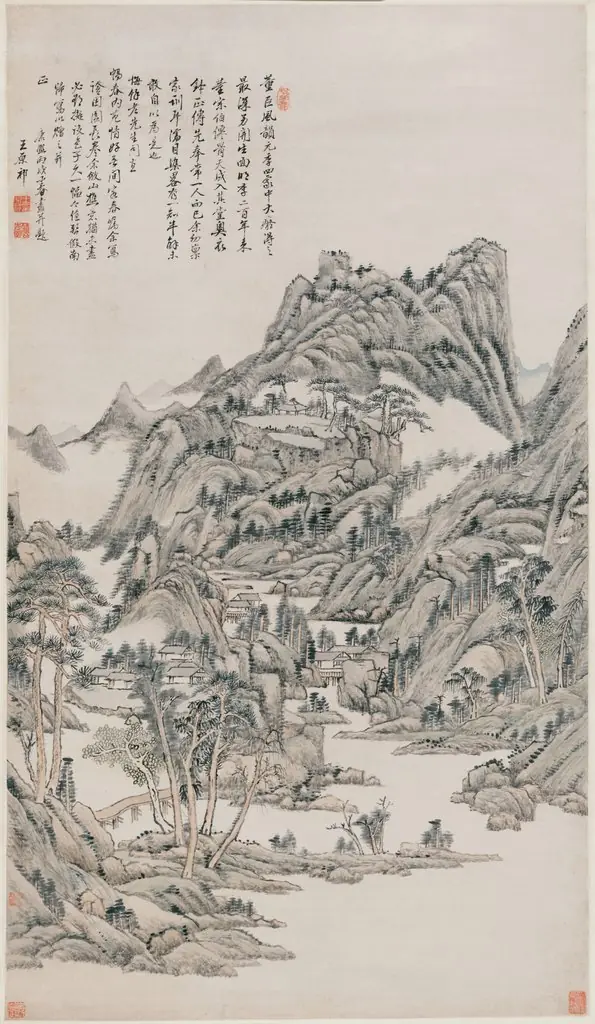 Landscape
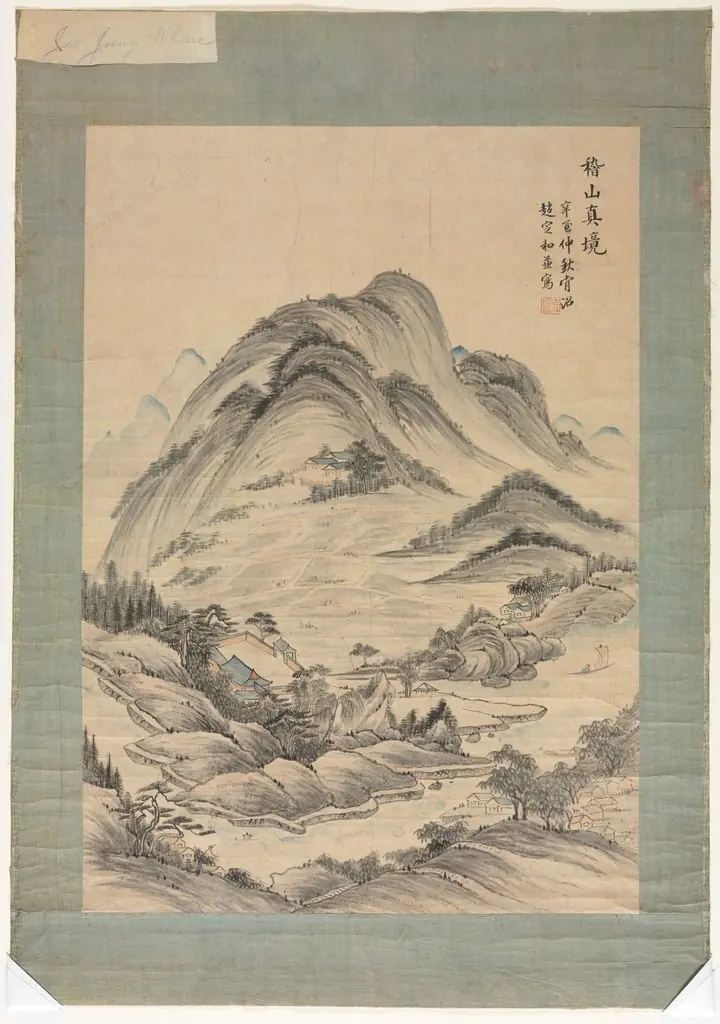 Landscape with Streams and Mountains
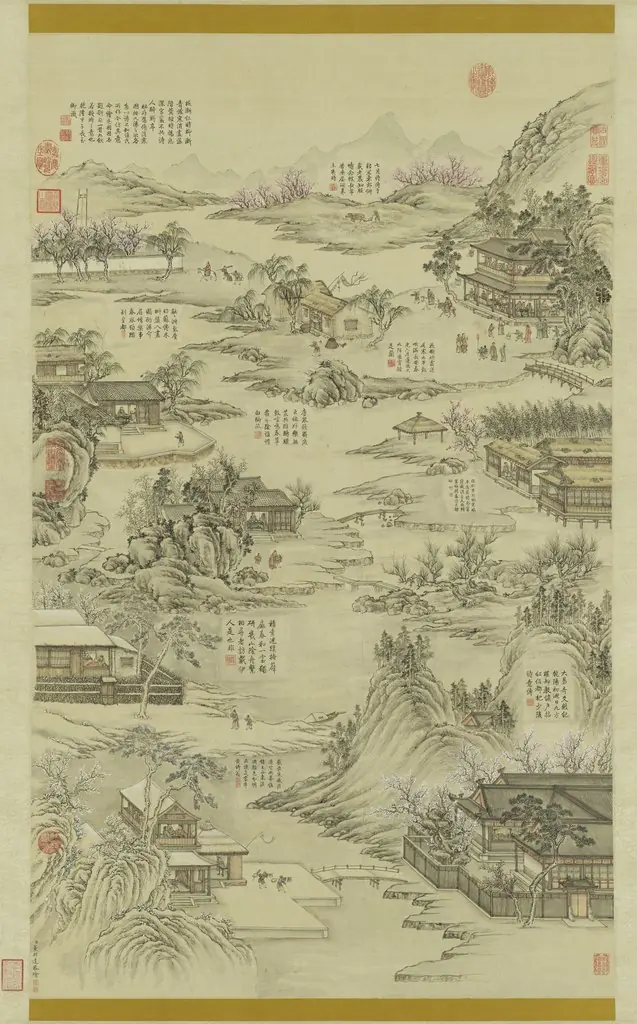 清董邦達九陽消寒 軸
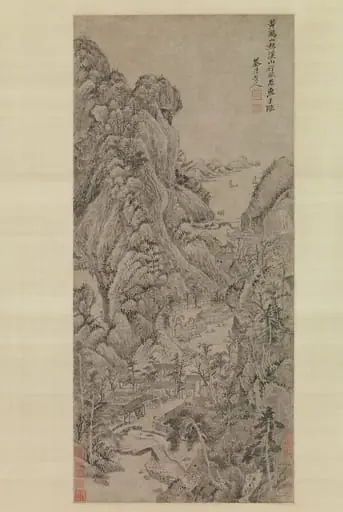 清 吳歷 倣王蒙溪山行旅圖 軸|Travelers among Streams and Mountains
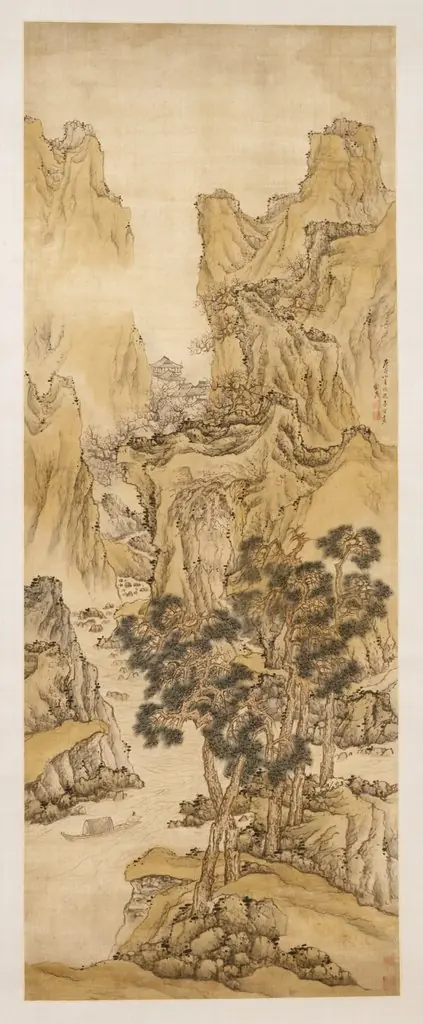 The Peach Blossom Spring
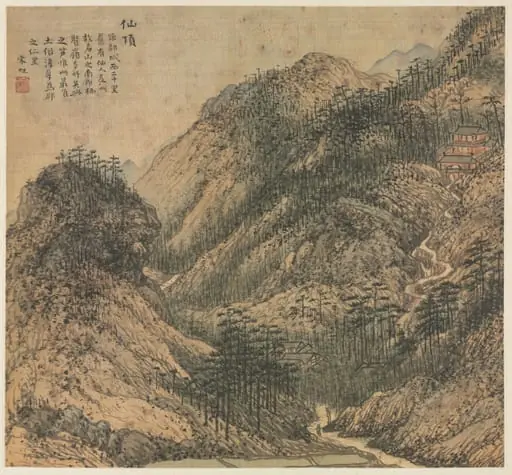 Xianding (Immortal's Peak)
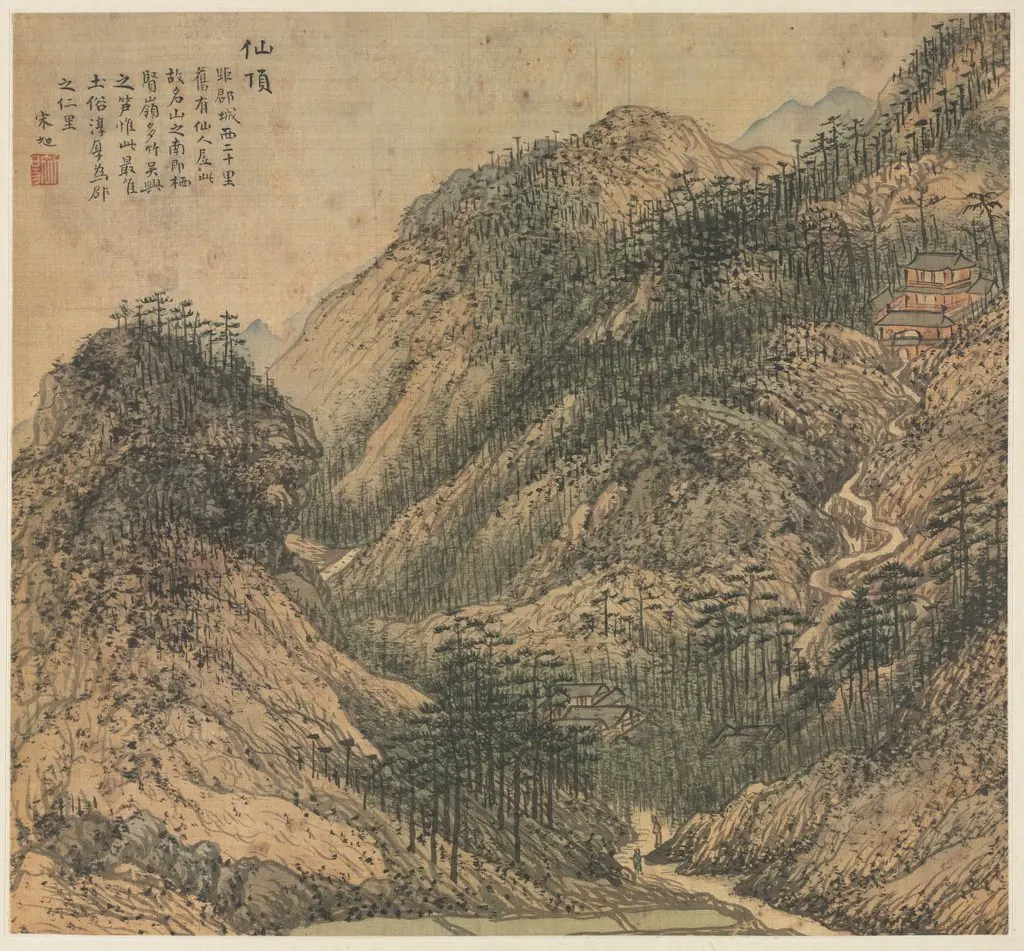 Xianding (Immortal's Peak)
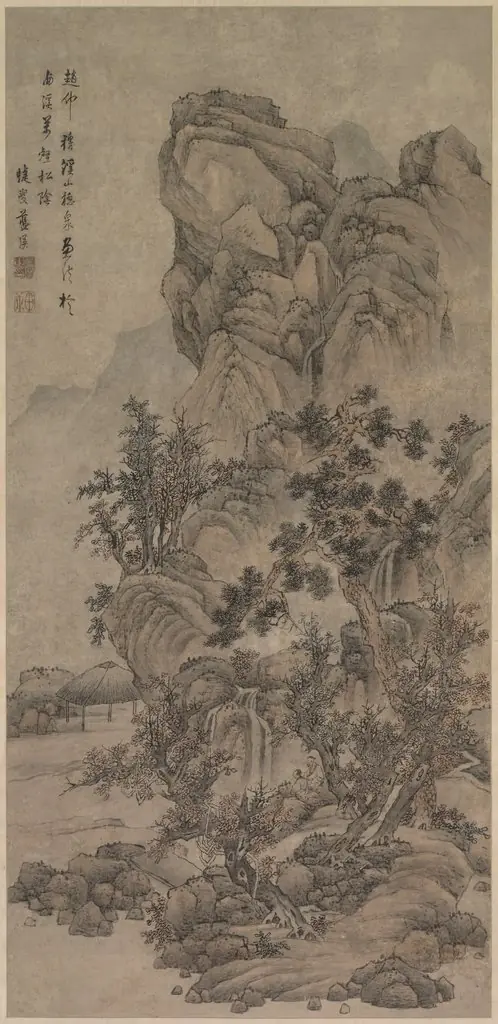 Landscape with Figures
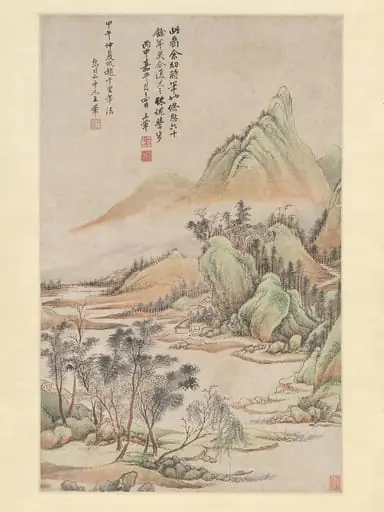 倣趙伯駒山水圖 軸|Landscape in the Style of Zhao Boju (Fang Zhao Boju shanshui)
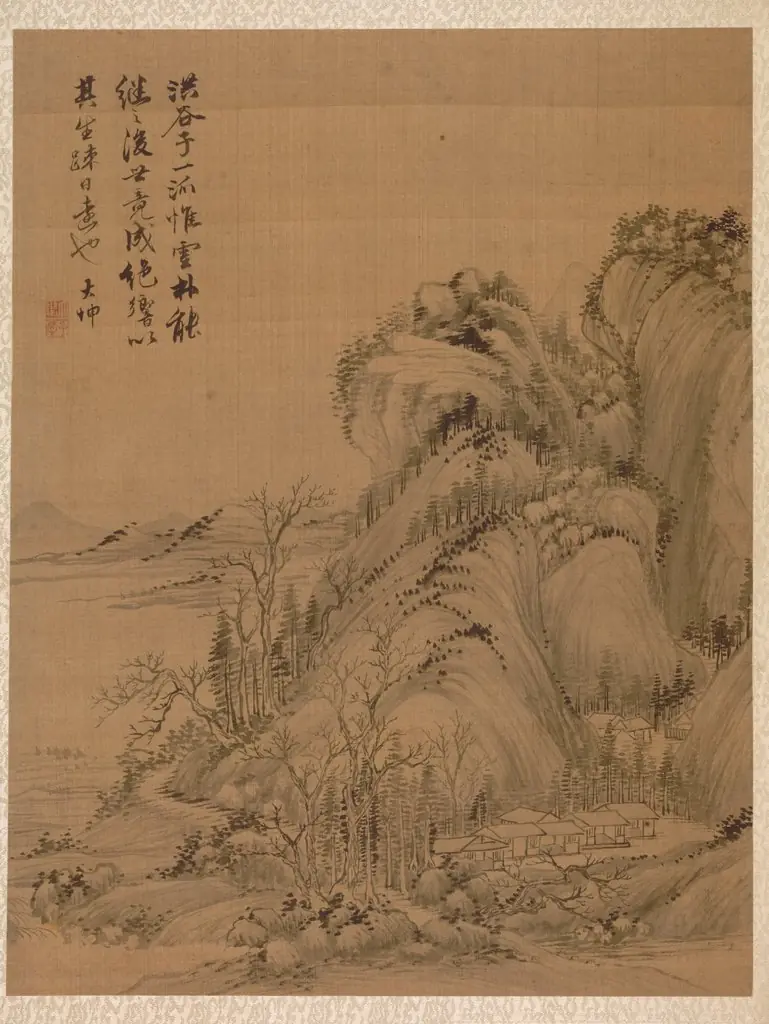 Landscape in the Style of Ching Hao
 清 陸漢 山水八開 冊|Eight landscapes