Artwork
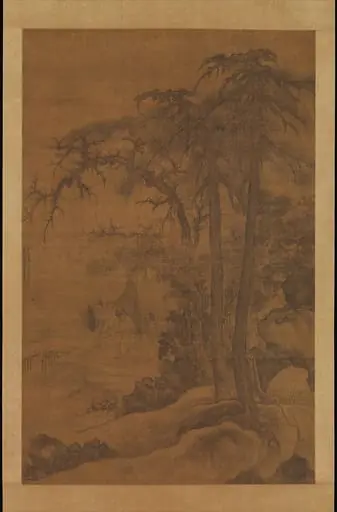
明 董其昌 春山暖翠圖 軸|Spring Mountains over Warm Greenery
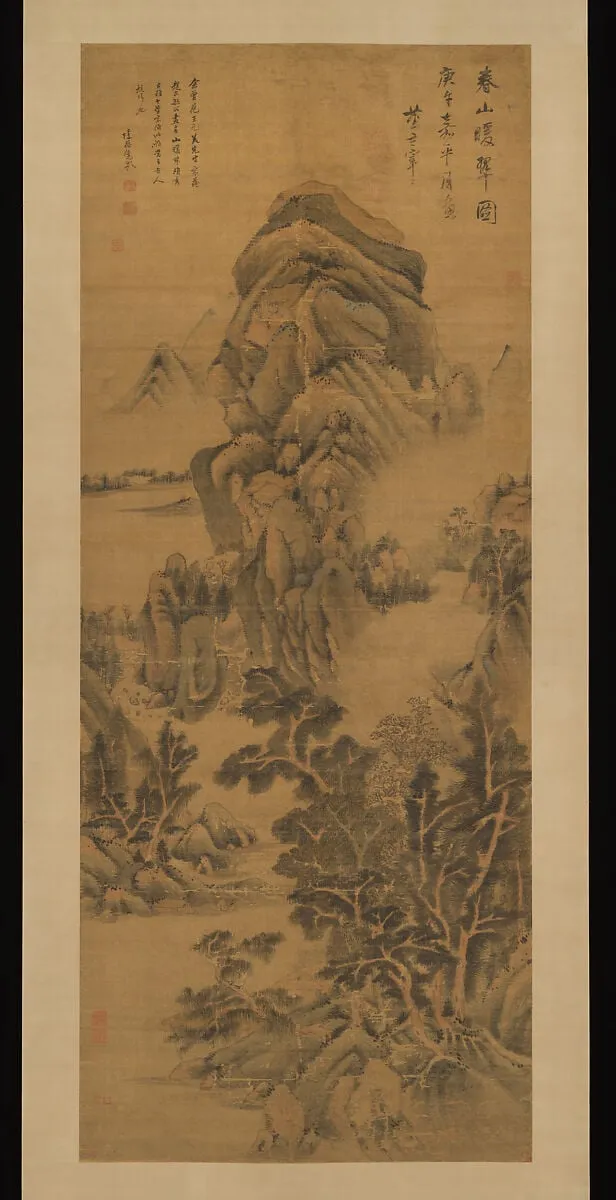
明 董其昌 春山暖翠圖 軸|Spring Mountains over Warm Greenery is an ink painting by the Baroque artist Dong Qichang. It dates from 1630 and is held in the collection of the Metropolitan Museum of Art.
About this work
His version feels loose, almost like calligraphy, each stroke does two jobs: shape the land and show the hand that made it.
You see soft gray mountains rising behind a tangle of bright green trees. The ink looks almost wet, like the brush just lifted off the silk.
Dong Qichang painted this in 1630, but he wasn’t just showing a place. He was arguing with earlier artists, saying their mountains were too stiff. His version feels loose, almost like calligraphy, each stroke does two jobs: shape the land and show the hand that made it.
If you like how the ink bleeds into the silk, look up cross-hatching next.
Subject & Meaning
The work titled "Spring Mountains over Warm Greenery" portrays a mountain alongside a tree, which are the principal visual elements noted in the documentation. As a hanging scroll executed in ink and color on silk in 1630, it belongs to the landscape genre and employs the traditional Chinese landscape iconography of mountainous terrain and vegetal forms. These motifs are characteristic of the genre and serve as the core subject of the composition, reflecting the artist's focus on natural scenery rather than narrative or figural content.
Technique & Style
Executed in 1630, this landscape painting by Dong Qichang utilizes ink and color applied to a silk support, formatted as a hanging scroll. The work depicts a composition of mountains and trees, characteristic of the landscape genre. As a piece created in China during the Ming dynasty, the application of pigment and ink on the textile surface defines its material presence.
The specific handling of the brushwork and the resulting formal qualities reflect the artist's approach to rendering natural elements within the established conventions of the period, though detailed condition reports or specific stylistic analyses beyond the medium and subject matter are not provided in the available records.
History & Provenance
Dong Qichang's hanging scroll Spring Mountains over Warm Greenery, dated to 1630, is held in the collection of the Metropolitan Museum of Art in New York. The work, executed in ink and color on silk, is classified as a landscape painting depicting mountains and trees. While the source material confirms the artwork's current location within the museum's holdings and its origin in China, the provided texts do not specify a unique inventory or accession number for this piece.
Furthermore, the available records contain no details regarding the painting's exhibition history or past display dates at the institution.
Context
Dong Qichang's 1630 hanging scroll Spring Mountains over Warm Greenery (明 董其昌 春山暖翠圖) exemplifies the late-Ming scholar-artist's landscape idiom, combining ink-color technique with a poetic rendering of rugged peaks and verdant foliage. The work, documented in both the artist's catalogue and the Metropolitan Museum's collection records, is classified as a landscape painting and is noted for its depiction of mountain and tree motifs. Scholars interpret the piece as part of Qichang's broader effort to revitalize classical Song-Yuan visual conventions while expressing personal retreat from the turbulent political climate of the era.
Legacy
The hanging scroll executed by Dong Qichang in 1630, titled 春山暖翠圖 (Spring Mountains over Warm Greenery), is held in the collection of the Metropolitan Museum of Art, a placement that signals its enduring reputation within the canon of Chinese landscape painting. As a work classified as a landscape genre and noted for its depiction of mountain and tree motifs, it exemplifies the artistic conventions that influenced subsequent Ming and Qing artists, though specific later receptions are not documented in the available records. Its inclusion in a major Western museum underscores a sustained scholarly interest in preserving and interpreting the piece as a representative example of 17th-century literati landscape.
Overview
Dong Qichang's Spring Mountains over Warm Greenery, created in 1630, is a hanging scroll rendered with ink and color on silk. This Ming dynasty painting depicts a serene mountainous landscape, featuring a prominent tree. The artist, also a notable theorist and calligrapher, was a significant figure whose work and ideas influenced the trajectory of Chinese art.
Artist & collection

Artist
Dong Qichang (Chinese: 董其昌; pinyin: Dǒng Qíchāng; Wade–Giles: Tung Ch'i-ch'ang; courtesy name Xuanzai (玄宰); 1555–1636) was a Chinese art theorist, calligrapher, painter, and politician of the later period of the Ming dynasty.

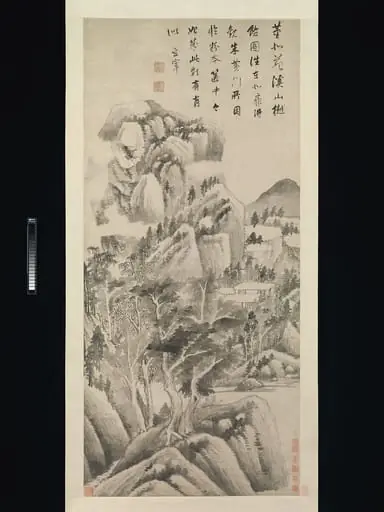
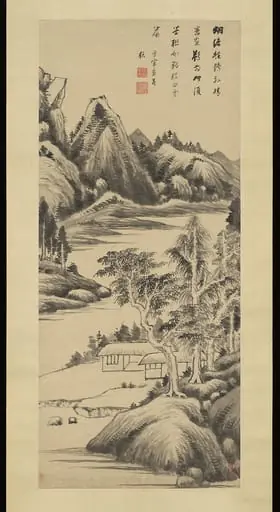
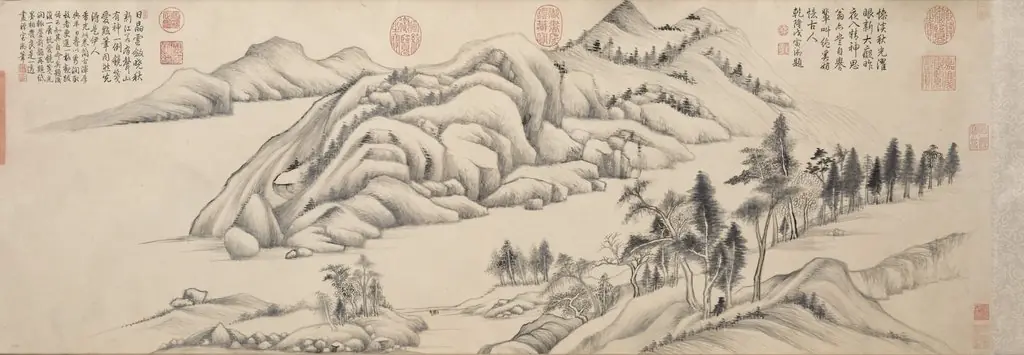
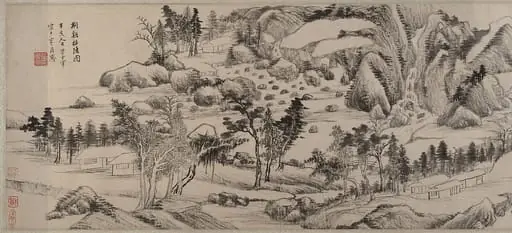
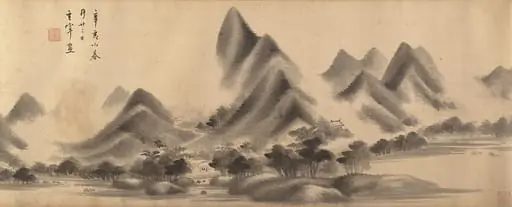
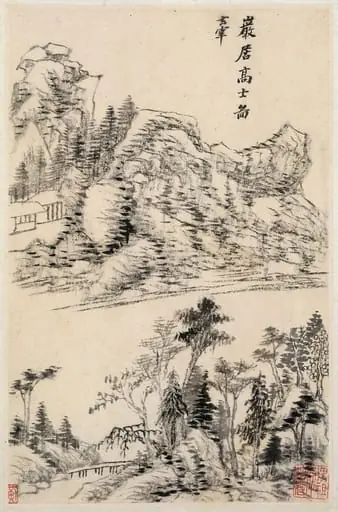
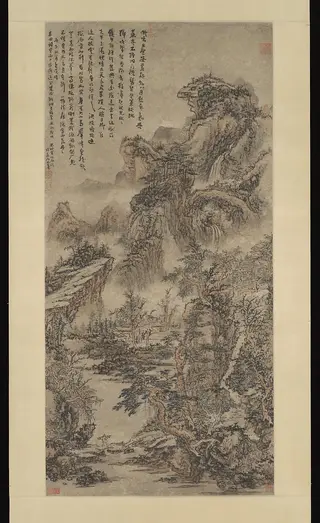
- 清 倣髡殘 蒸嵐昏巒圖 軸|Wooded Mountains at Dusk
![Summer Mountains (after Dong Yuan [active about ad 937-975]), by Huang Gongwang](https://artifactworldgallery.com/img/huang-gongwang--summer-mountains-after-dong-yuan-active-about-ad-937-975--a5e22b9ec870e011-w320.webp) Summer Mountains (after Dong Yuan [active about ad 937-975])
Summer Mountains (after Dong Yuan [active about ad 937-975])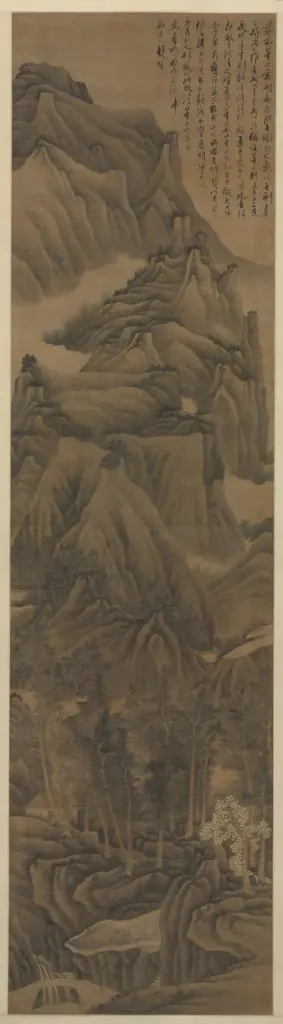 Landscape in the Style of Dong Yuan and Juran
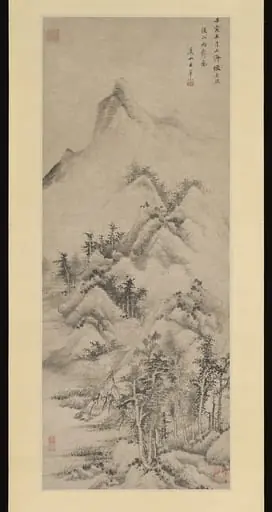 清 王翬 溪山雨霽圖 軸|Clearing after Rain over Streams and Mountains
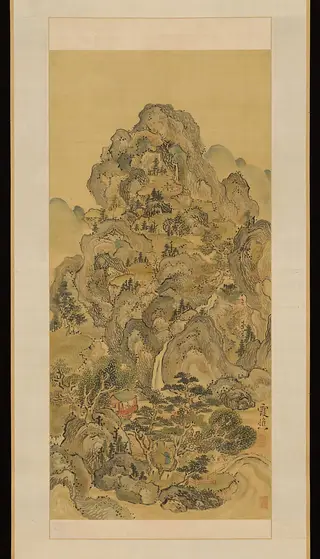 Untitled
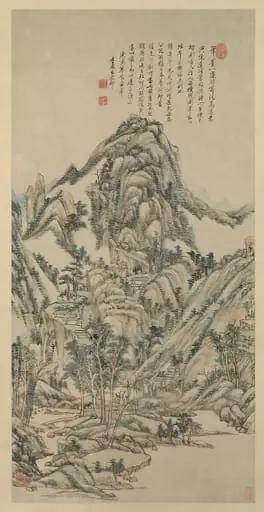 清 王原祁 為瞻亭畫七發妙劑圖 軸|Landscape for Zhanting
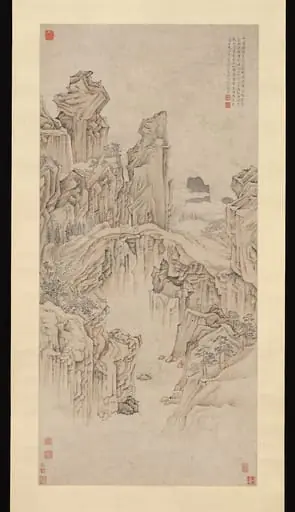 Untitled
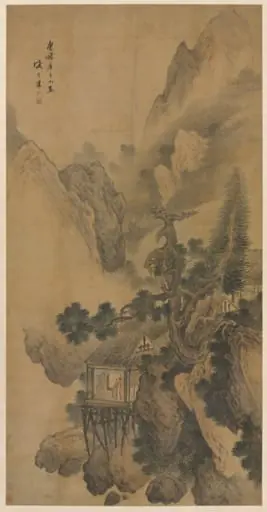 Lonely Retreat Overlooking a Misty Valley
 元 唐棣 松溪歸漁圖 軸|Returning Fishermen