Artwork
明 佚名 琴鶴圖 軸|Playing the zither for a crane
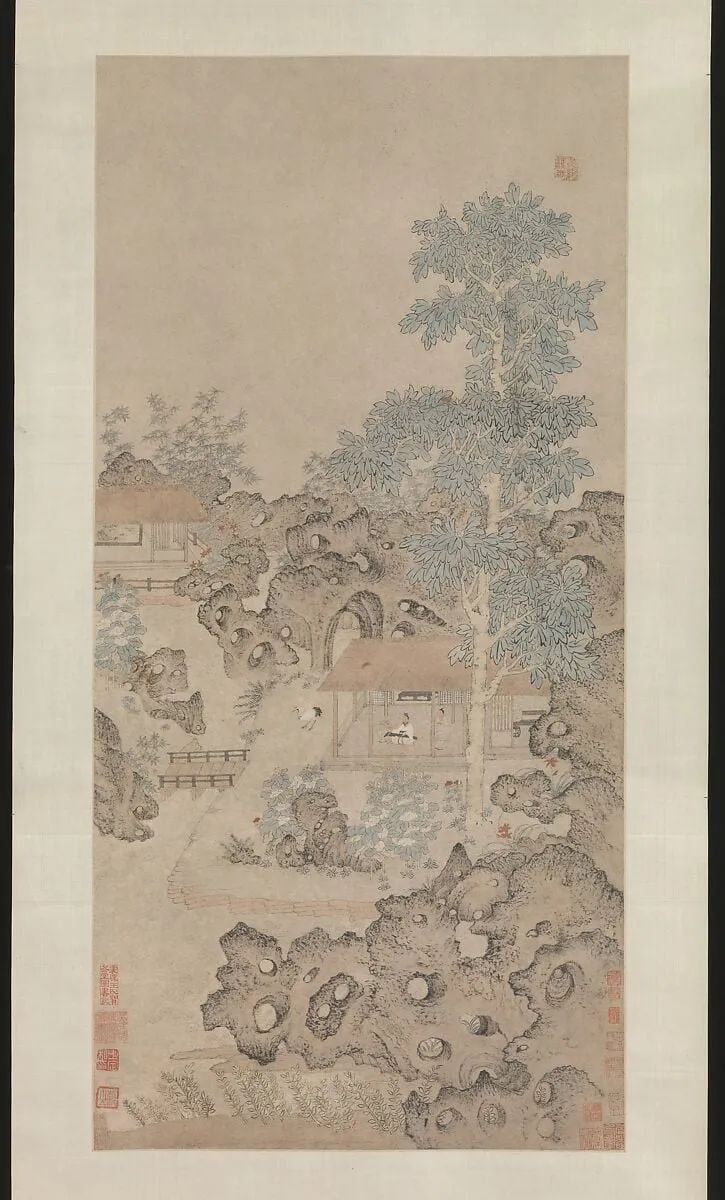
明 佚名 琴鶴圖 軸|Playing the zither for a crane is an ink painting. It dates from 1550 and is held in the collection of the Metropolitan Museum of Art. This Ming Dynasty hanging scroll, titled Playing the Zither for a Crane (琴鶴圖), depicts a serene outdoor scene.
- Accession no.
- 1972.278.3
- Credit line
- Ex coll.: C. C. Wang Family, Gift of Mr. and Mrs. Earl Morse, 1972
About this work
Subject & Meaning
The zither represents refinement, contemplation, and cultivated virtue, while the crane signifies longevity, transcendence, and noble character.
This hanging scroll portrays a man playing a zither alongside a crane within a landscape setting. The pairing of the zither (qin) and the crane forms one of the most enduring symbolic motifs in Chinese art, traditionally associated with the ideal of the scholarly gentleman. The zither represents refinement, contemplation, and cultivated virtue, while the crane signifies longevity, transcendence, and noble character.
Together, the two motifs express the harmonious union of human culture and natural longevity, a theme frequently invoked by literati painters. The landscape environment situates the figure in a reclusive, idealized natural world, reinforcing the association with Daoist and Confucian ideals of withdrawal, self-cultivation, and communion with nature.
Technique & Style
The painting is executed as a hanging scroll on paper, employing ink with subtle polychrome washes; the medium and support are characteristic of Ming-era Chinese works. An anonymous hand created the composition around 1550, rendering a solitary figure who plays a zither while a crane stands within a stylized landscape. The brushwork combines delicate line work with muted color accents, emphasizing the tranquil interaction between human activity and natural symbolism.
The work's formal balance places the musician and the crane within a continuous landscape, reflecting the genre's emphasis on expansive space and harmonious subject matter. The piece is housed in the Metropolitan Museum of Art and is documented as a painting from China.
History & Provenance
The hanging scroll Playing the zither for a crane is attributed to an anonymous Chinese painter and dated to 1550. Executed in ink and color on paper, it depicts a man, a crane, and a musical instrument within a landscape, placing its creation in the mid-Ming period. The work is held in the collection of the Metropolitan Museum of Art in New York.
No information regarding an original commission, prior owners, a specific accession number, or exhibition history is recorded in the available documentation.
Overview
This Ming Dynasty hanging scroll, titled Playing the Zither for a Crane (琴鶴圖), depicts a serene outdoor scene. An anonymous artist rendered a figure seated on rocks, engaged in playing a zither, while a crane stands nearby under a pine tree. Executed with ink and color on paper, the painting captures a moment of quiet communion between music, humanity, and the natural world.
Artist & collection

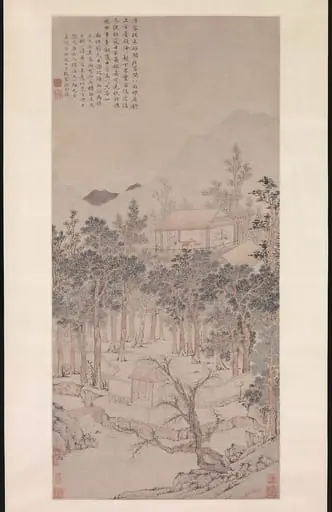
- 明 文徵明 樓居圖軸|Living Aloft: Master Liu's Retreat
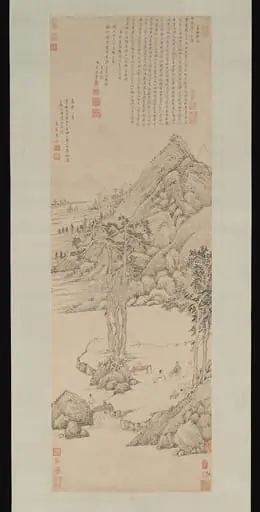 明 文嘉 為項元汴作山水圖 軸|Landscape dedicated to Xiang Yuanbian
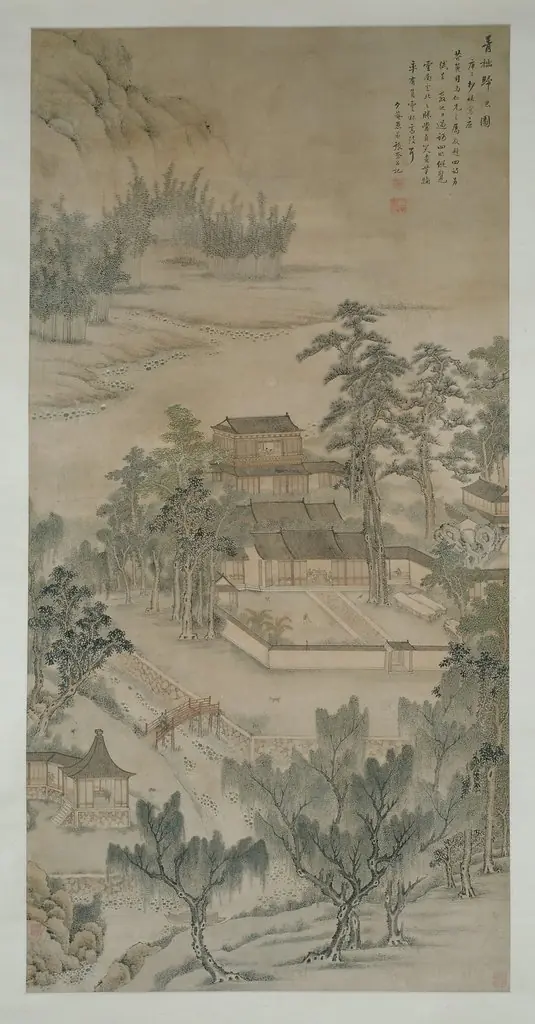 Mansion by the River
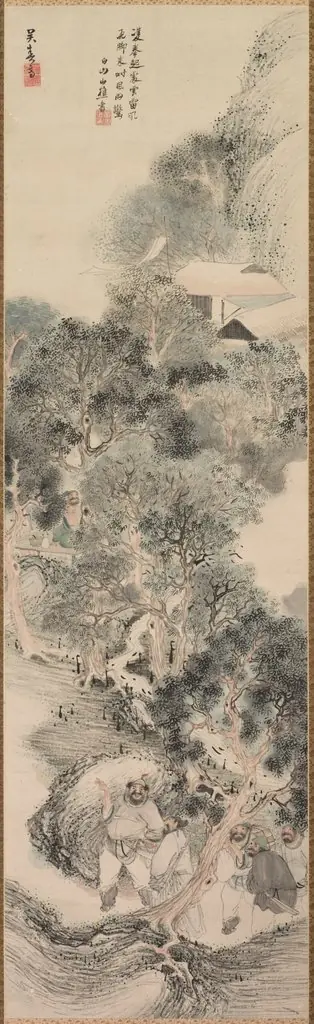 Water Margin Bandits
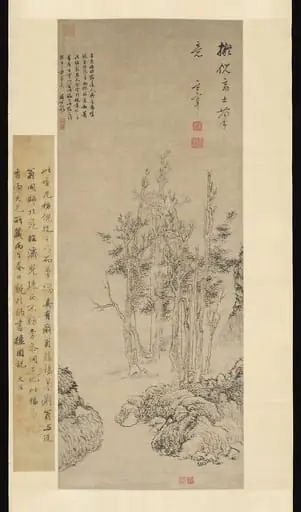 明 董其昌 倣倪瓚山水圖 軸|Landscape with Trees in the Manner of Ni Zan (1301–1374)
 Untitled
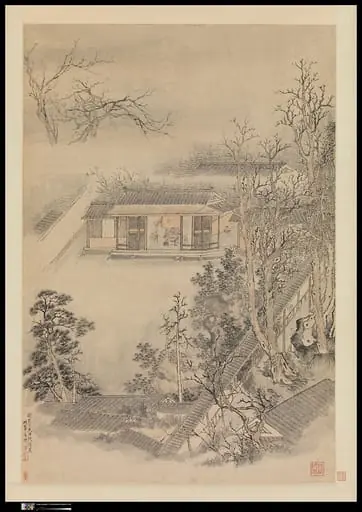 清 羅聘 篠園飲酒圖 軸|Drinking in the Bamboo Garden on the Lantern Festival
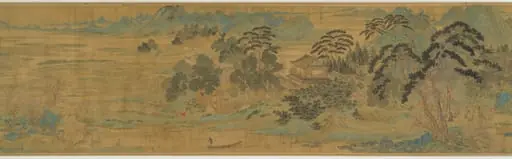 The Peach Blossom Spring 桃花源圖
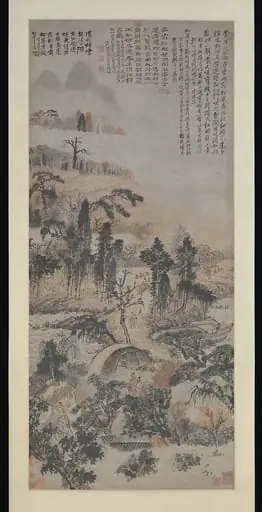 清 石濤 (朱若極) 秋林人醉圖 軸 紙本|Drunk in Autumn Woods
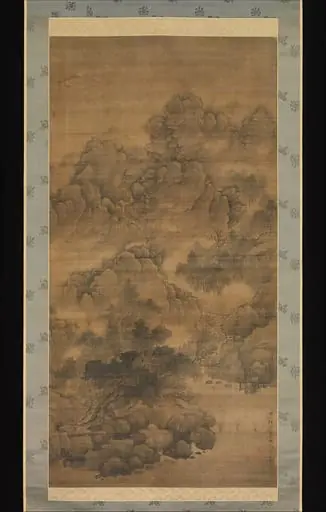 清 法若真 雲山圖軸|Cloudy Mountains
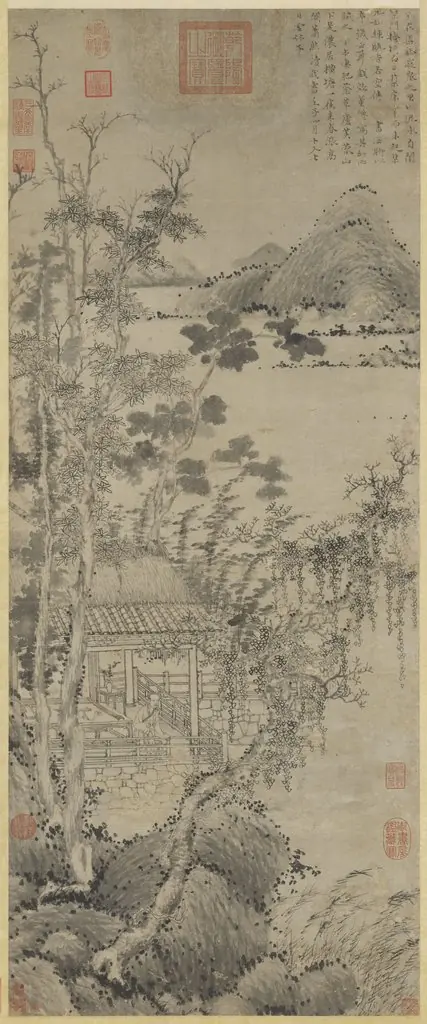 Qing Bi Pavilion
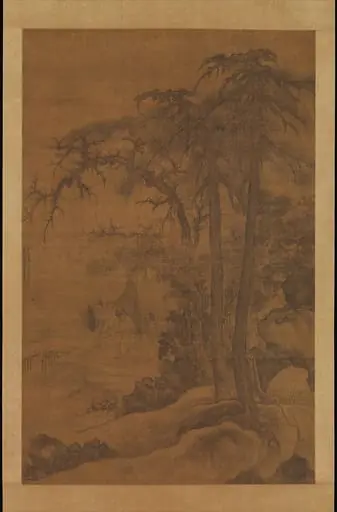 元 唐棣 松溪歸漁圖 軸|Returning Fishermen