Artwork
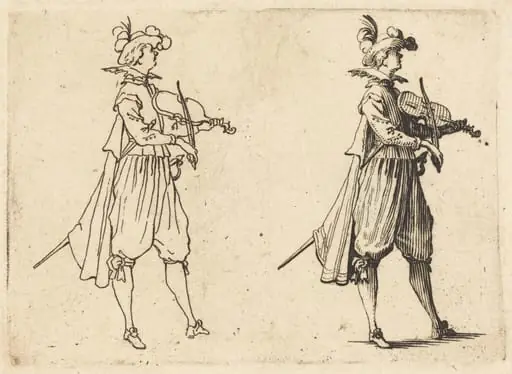
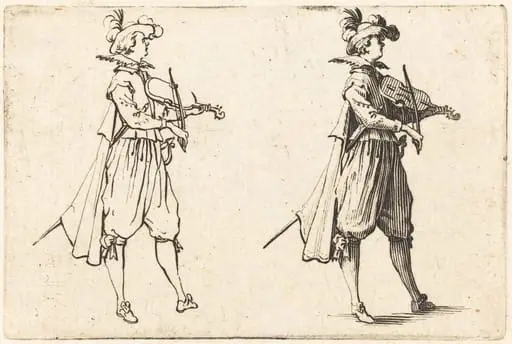
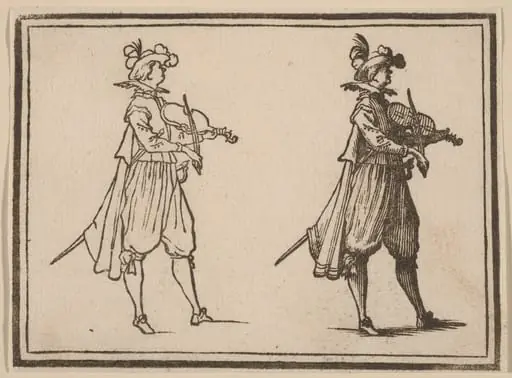
Two Studies of a Violinist Tuning His Instrument
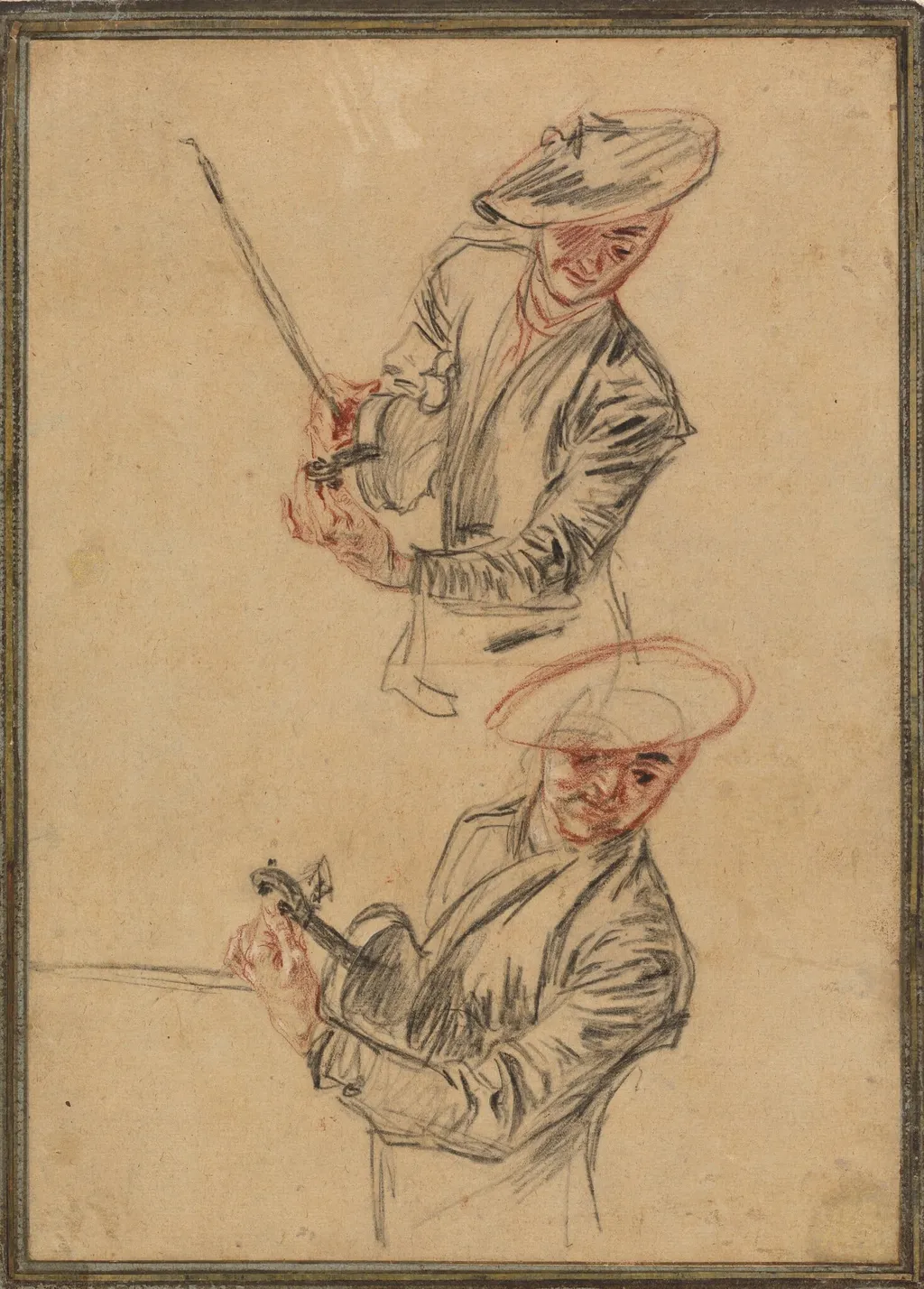
Two Studies of a Violinist Tuning His Instrument is a chalk drawing by the Baroque artist Jean Antoine Watteau. It dates from 1718 and is held in the collection of the National Gallery of Art.
About this work
Overview
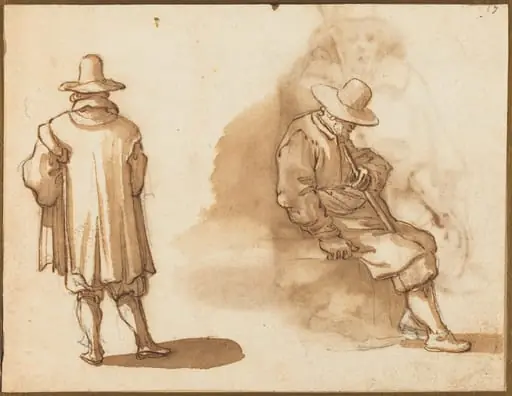
Antoine Watteau’s drawing entitled Two Studies of a Violinist Tuning His Instrument dates from 1718. Executed in black and red chalk heightened with white on a light‑brown laid paper, the work also bears a later brown‑ink framing line. It consists of two adjacent studies of the same figure, rendered as a rapid sketch.
Subject & Meaning
Both studies depict a solitary musician wearing a wide‑brimmed hat and a dark coat with light‑colored cuffs. He is captured in the act of adjusting the strings of his violin, his hands poised delicately over the instrument. The composition emphasizes a fleeting, everyday moment rather than a narrative scene.
Technique & Style
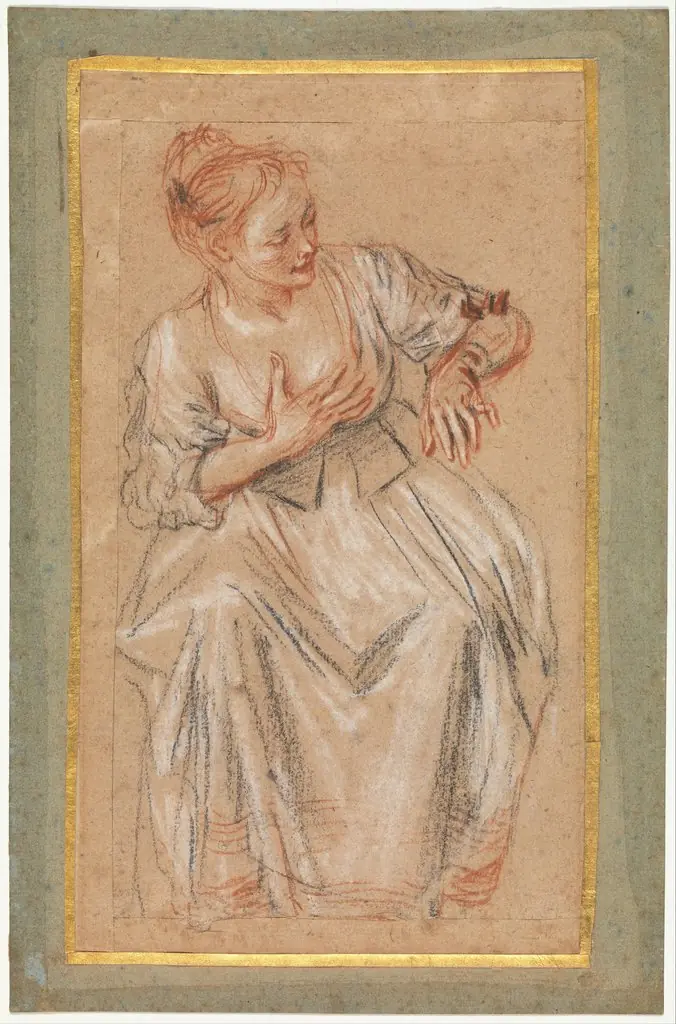
Watteau employed loose, gestural strokes to convey immediacy, using black chalk for outlines and red chalk to warm the face and hat. White chalk highlights add dimensionality, while the brown ink line that frames the drawing appears to have been added after the original execution. The paper’s light brown tone contributes a subtle tonal ground.
Context
Created in the early eighteenth century, the drawing reflects the Baroque interest in dynamic movement and the portrayal of ordinary life. Watteau’s quick, sketch‑like approach anticipates later developments in drawing as a means of studying gesture and character rather than producing finished compositions.
Own this work as a print
Artist & collection
Artist
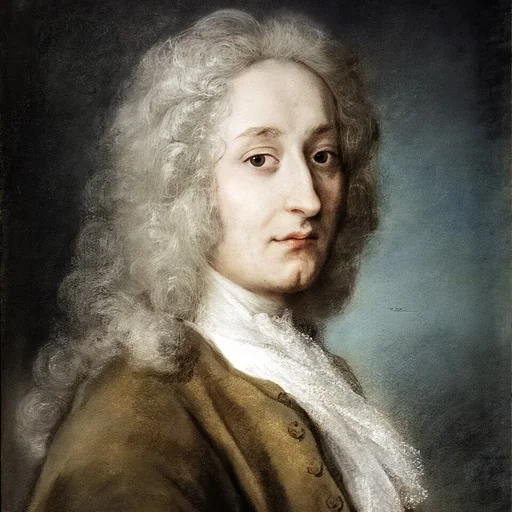
Jean-Antoine Watteau was a French painter and draughtsman whose brief career spurred the revival of interest in colour and movement, as seen in the tradition of Correggio and Rubens.