Artwork
Allegory on the flourishing of the Dutch fishery after the Second Anglo-Dutch War (1665–1667)
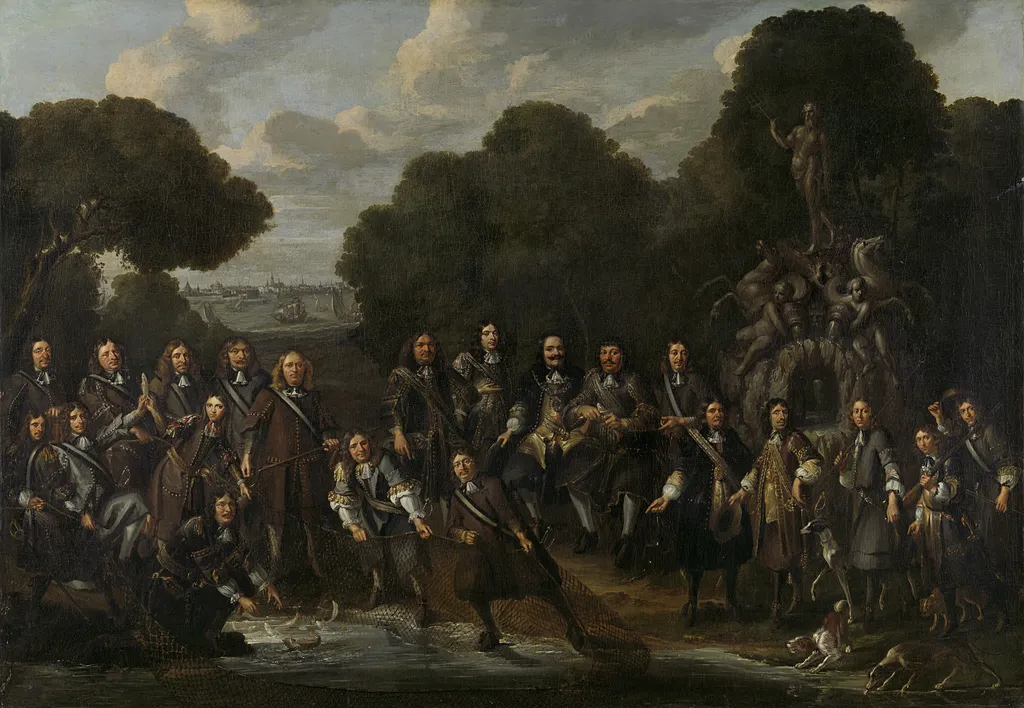
Allegory on the flourishing of the Dutch fishery after the Second Anglo-Dutch War (1665–1667) is an oil painting by the Dutch Golden Age artist Willem Eversdijck. It dates from 1669 and is held in the collection of the Rijksmuseum.
About this work
Technique & Style
Executed in 1669 by Willem Eversdijck, this allegorical work is an oil painting on canvas. The composition measures 114 cm in height and 162 cm in width. As an example of the allegory genre, the visual narrative incorporates a tree as a central depicted element to symbolize the subject matter. The work is classified as a painting and is currently held in the collection of the Rijksmuseum.
History & Provenance
No specific exhibition history or past display locations are documented in the provided sources.
The painting was created by Willem Eversdijck in 1669, executed in oil paint on canvas as an allegory on the flourishing of the Dutch fishery after the Second Anglo-Dutch War (1665–1667). The work is held in the collection of the Rijksmuseum, where it remains located. The sources do not provide further details on a specific commissioner, prior owners, or intermediate custody in the ownership chain between its creation and its accession into the museum.
No information is available in the provided sources regarding the circumstances of its commission, the identity of any patron, or the chain of provenance prior to its acquisition by the Rijksmuseum.
The painting is held in the collection of the Rijksmuseum in Amsterdam. While the specific inventory or accession number is not provided in the available records, the work is cataloged within the museum's holdings as a canvas oil painting by Willem Eversdijck. The artwork, created in 1669, measures 114 cm in height and 162 cm in width. No specific exhibition history or past display locations are documented in the provided sources.
Overview
Willem Eversdijck painted Allegory on the flourishing of the Dutch fishery after the Second Anglo-Dutch War in 1669. Executed in oil on canvas, the work belongs to the Dutch Golden Age and employs allegorical motifs to celebrate the post‑war recovery of the nation’s fishing industry.
Subject & Meaning
At the centre stands a sculpted female figure, likely representing abundance or prosperity, surrounded by figures in period dress. Some participants hold fishing nets, while others bear swords, juxtaposing the themes of maritime trade and military conflict that defined the era.
Context
The composition was produced shortly after the Second Anglo‑Dutch War (1665–1667), a conflict that disrupted Dutch maritime commerce. By portraying a thriving fishery, the work serves as a visual affirmation of economic resilience and national pride in the wake of wartime losses.
Own this work as a print
Artist & collection
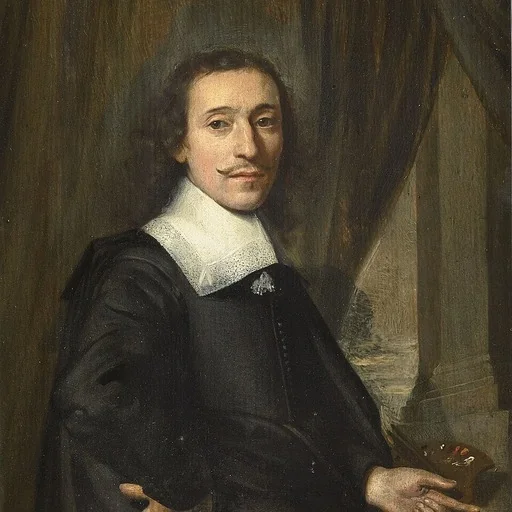
Artist
Willem Eversdijck (c. 1620-1671) was a Dutch Golden Age painter. He was the son of Cornelis Eversdijck and flourished at Goes about the year 1660. He is known for portraits and several of these were engraved by…

- En jagt hvori prinsesserne deltager, tildels i mandlige dragter
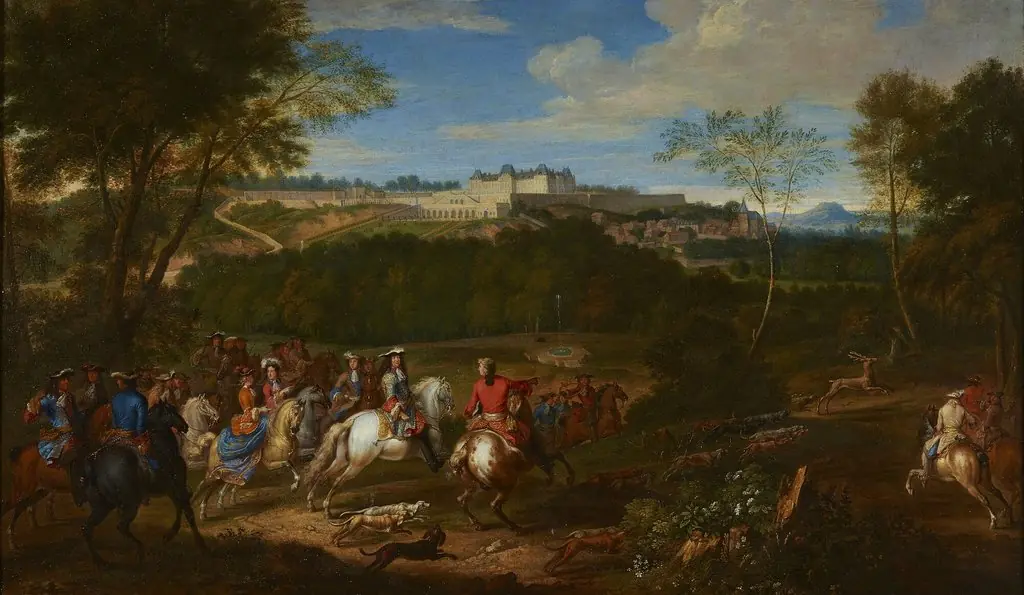 Louis XIV and his Court hunting in view of the castle of Meudon.
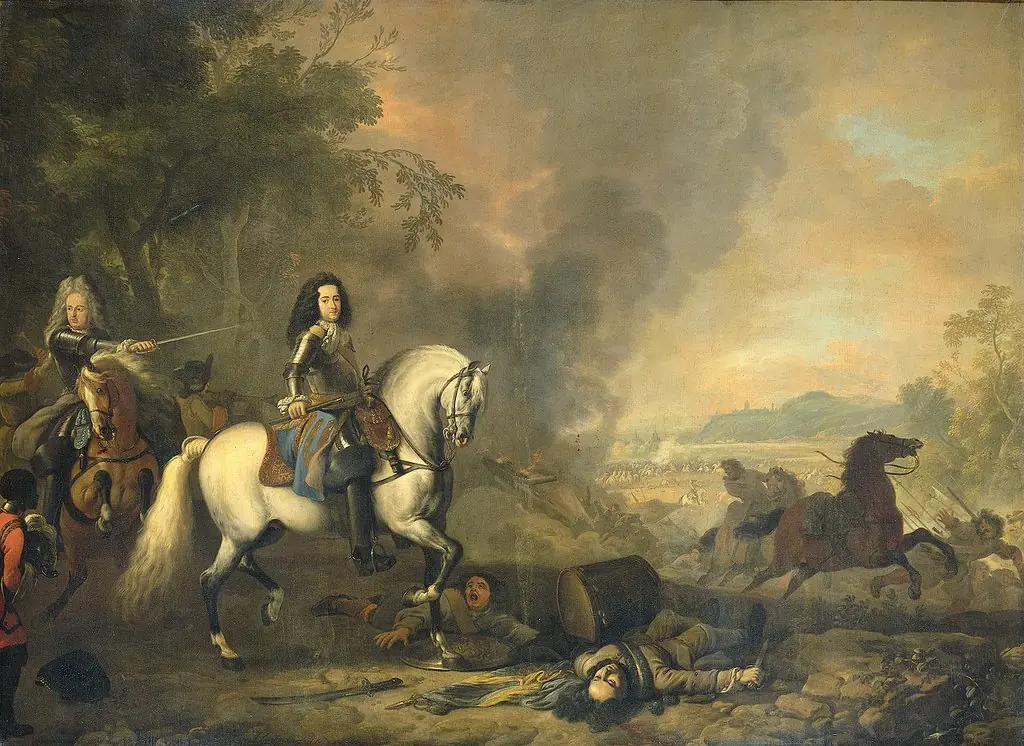 Equestrian Portrait of Hendrik Casimir II (1657-1696)
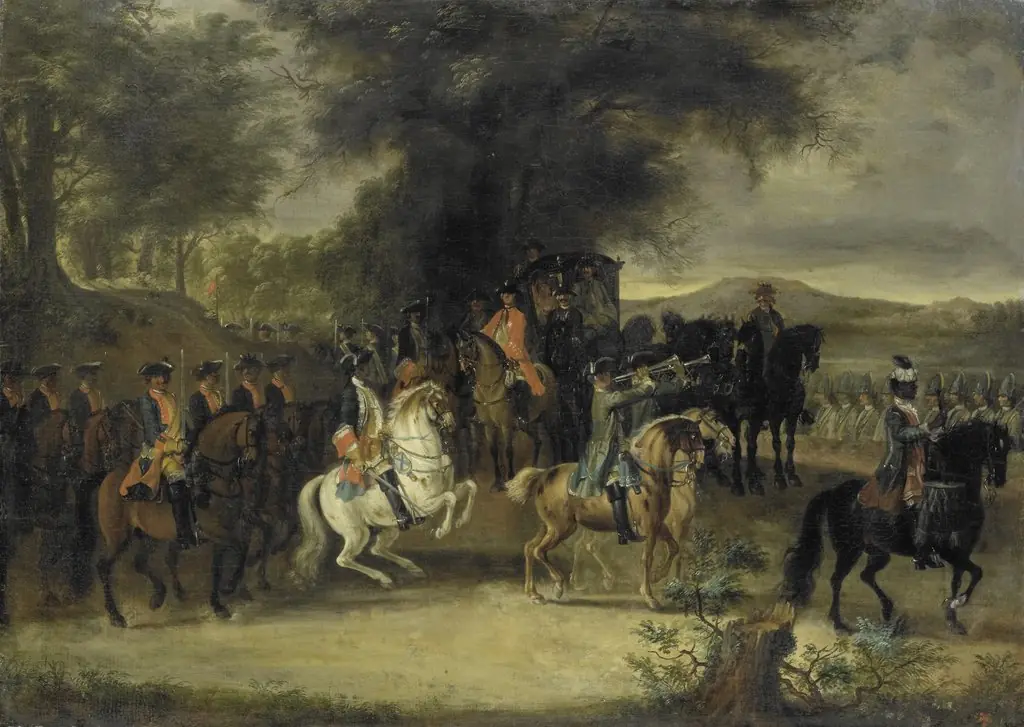 Inspection of a Cavalry Regiment, perhaps by William of Hesse-Homburg
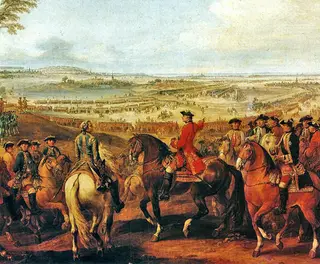 The Battle of Lauffeldt
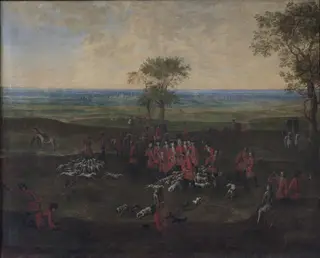 En jagt hvori prinsesserne deltager, tildels i mandlige dragter
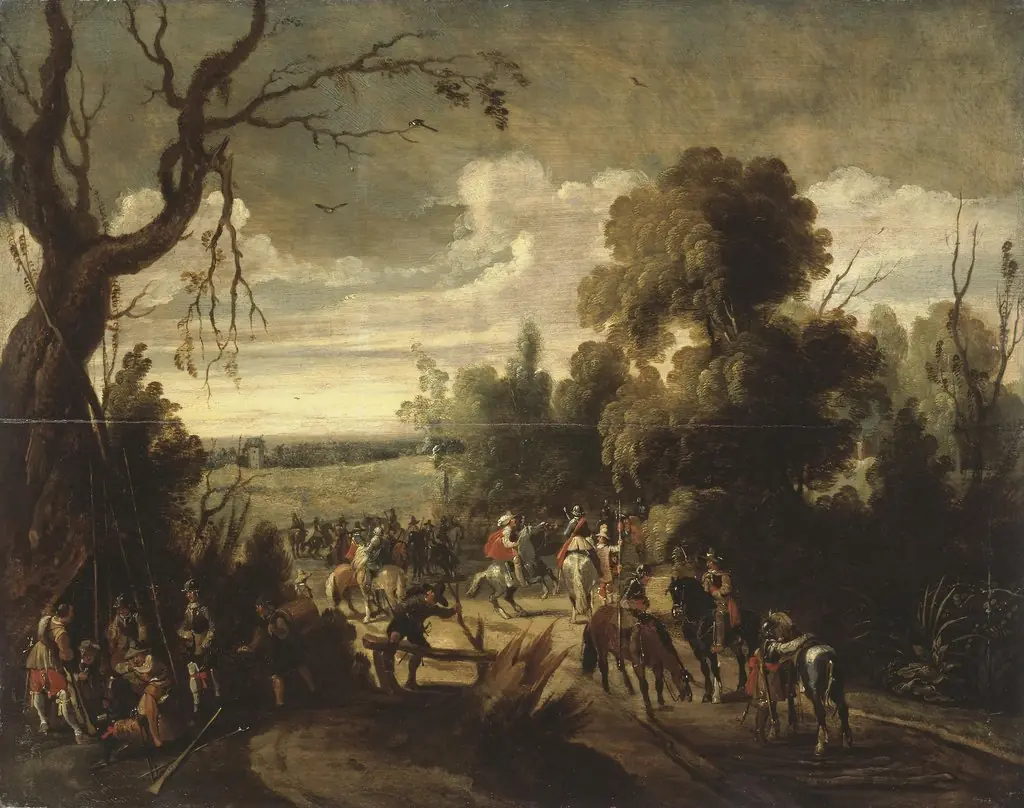 Rest of Cavalrymen
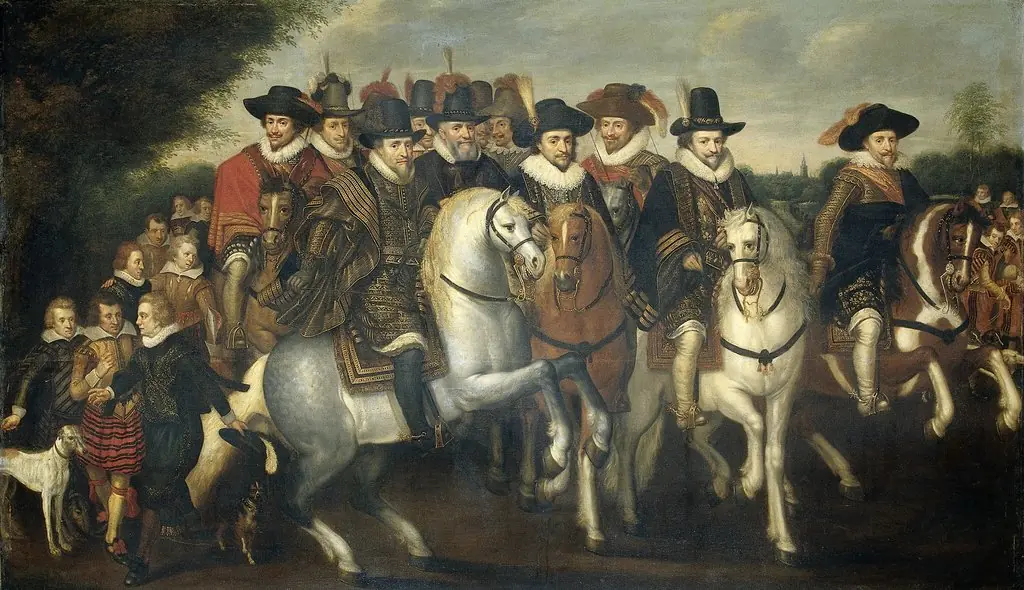 Prince Maurits accompanied by his two brothers, Frederick V, Elector of the Palatinate, and some counts of Nassau on horseback
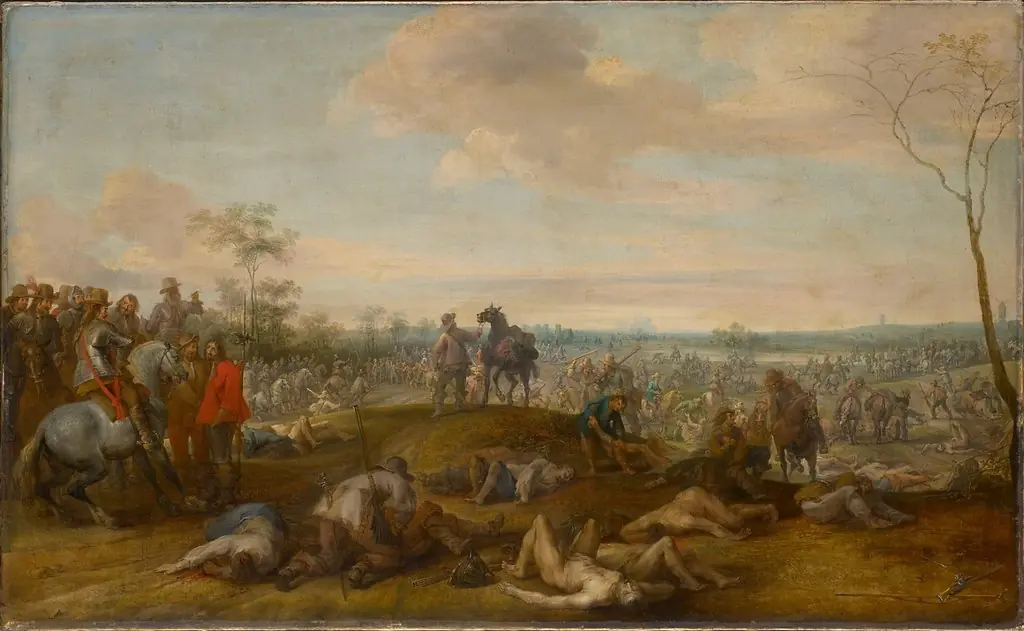 Battlefield
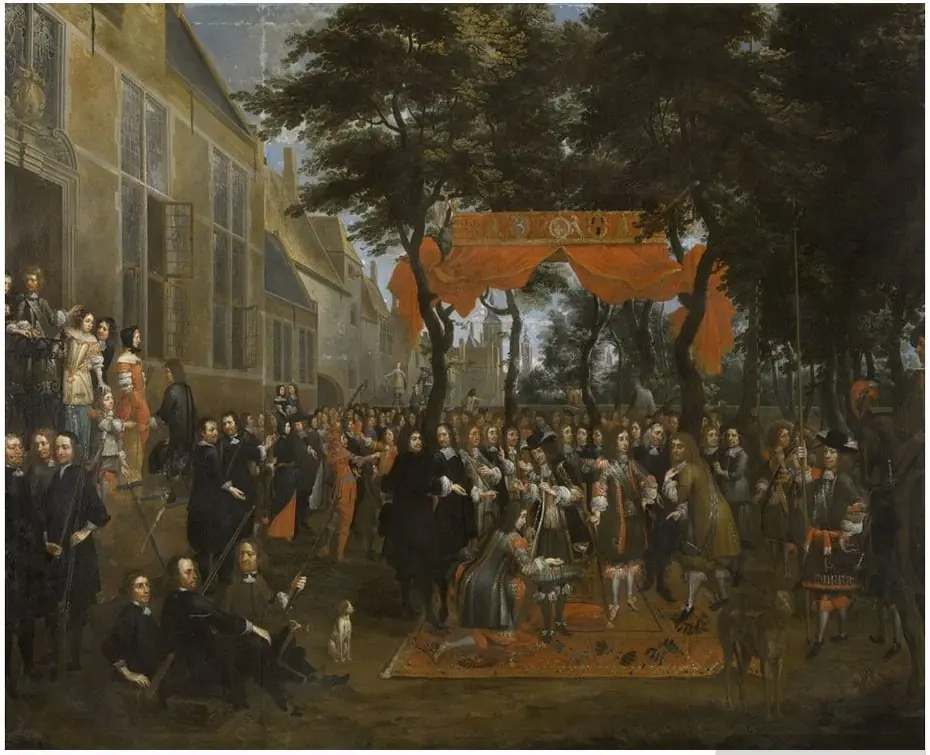 The Reception of Charles II and his Brothers
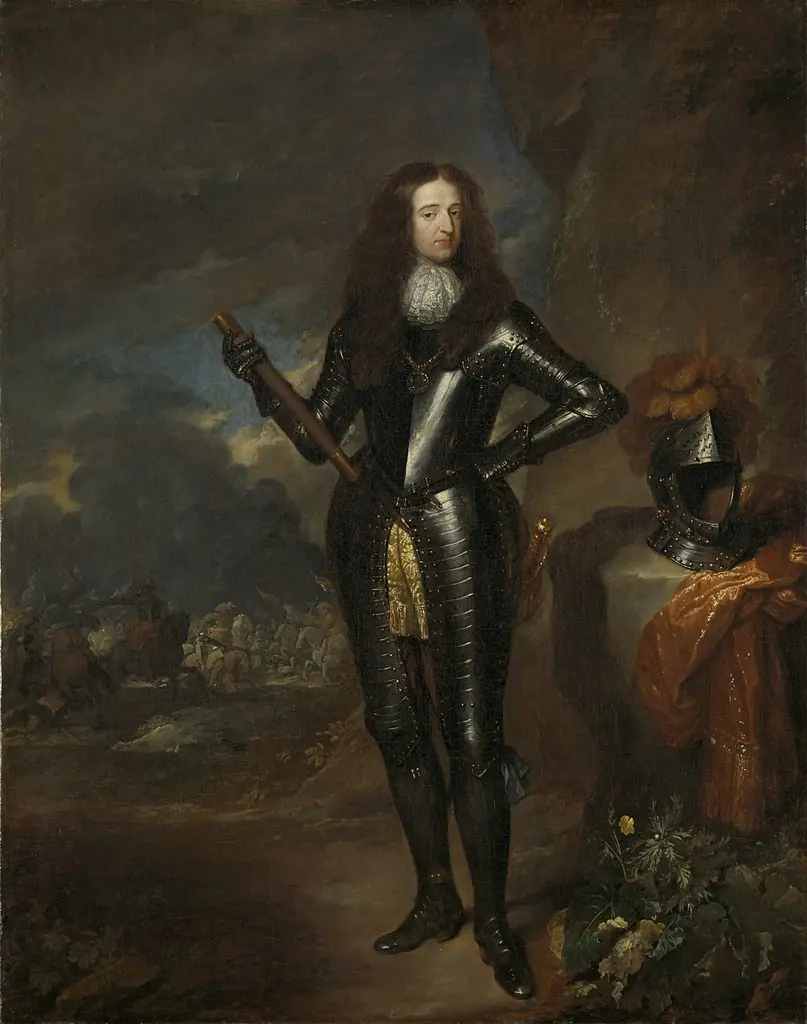 William III (1650-1702), Prince of Orange and since 1689, King of England
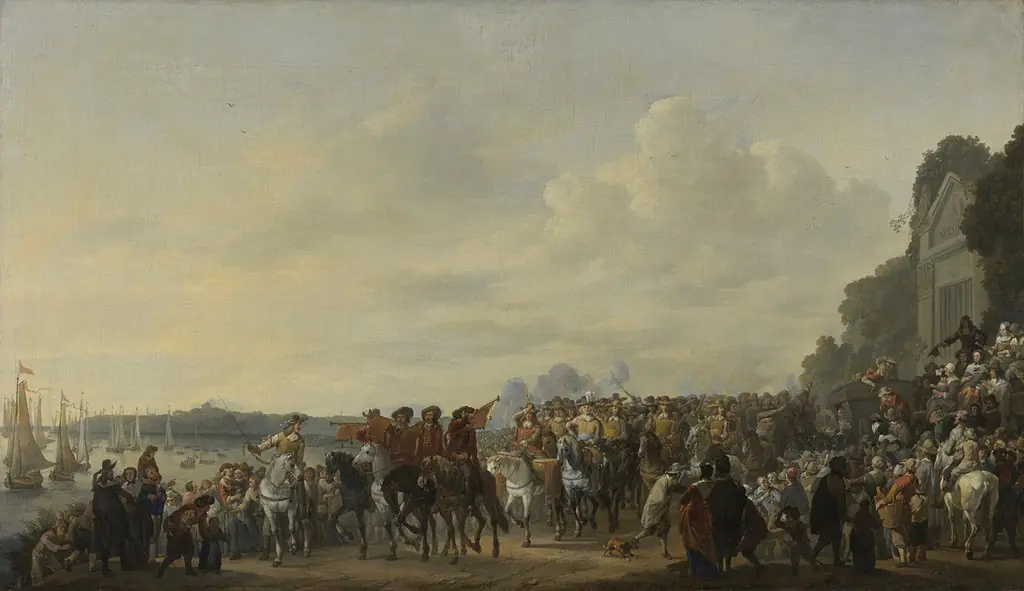 Charles II (1630-1685) stopping at the Estate of Wema on the Rotte on his Journey from Rotterdam to The Hague, 25 May 1660