Artwork
The Dog Killer
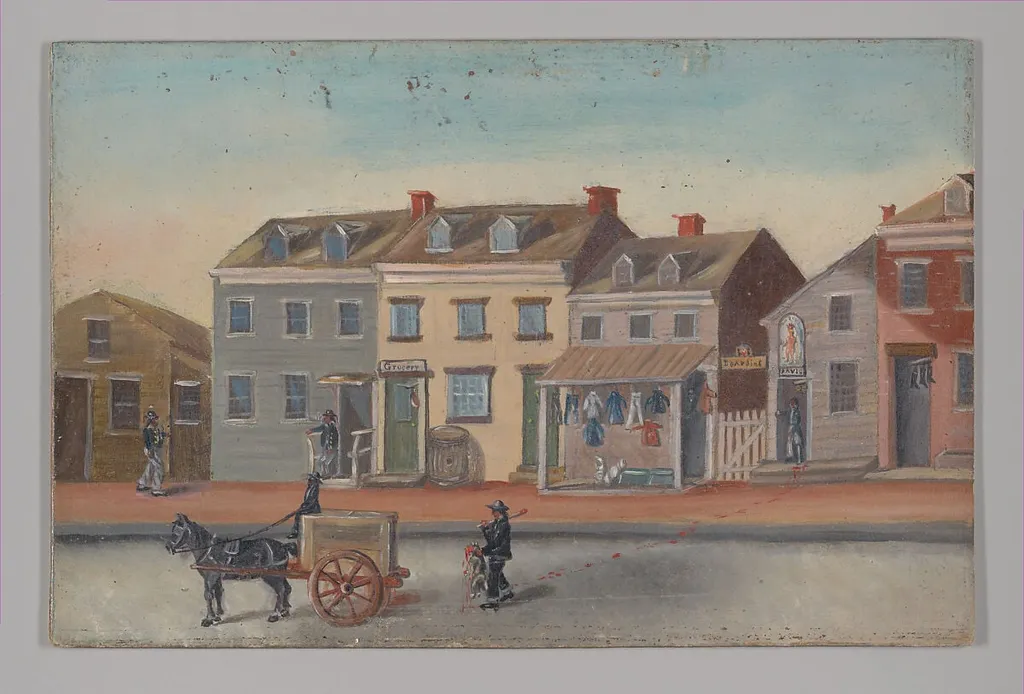
The Dog Killer is an oil painting by the Impressionist artist William P. Chappel. It dates from 1874 and is held in the collection of the Metropolitan Museum of Art.
About this work
History & Provenance
The work is held in the Metropolitan Museum of Art, where it is catalogued within The American Wing.
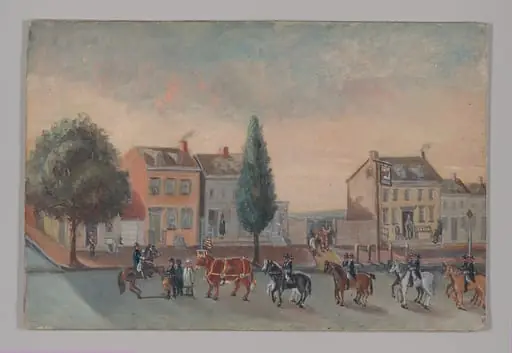
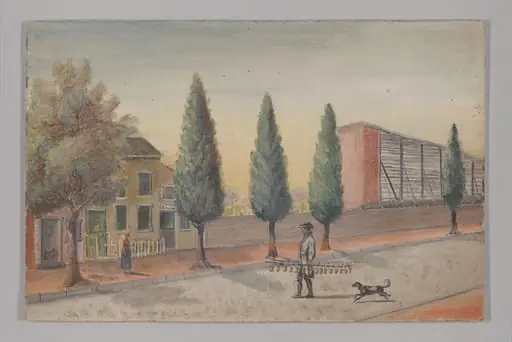
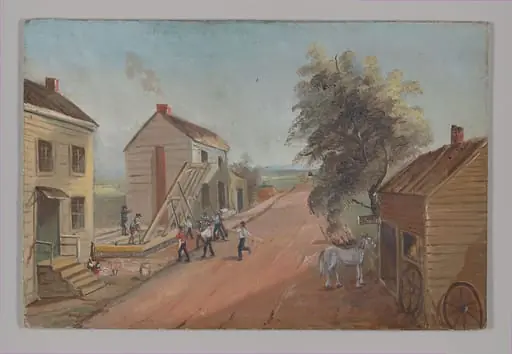
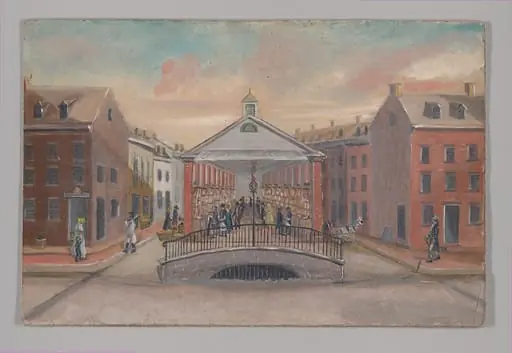
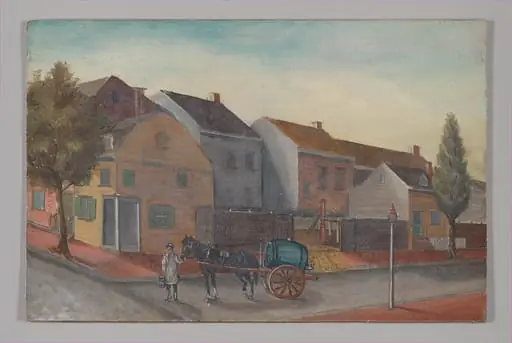
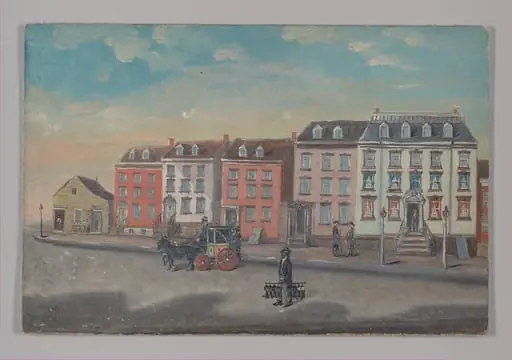
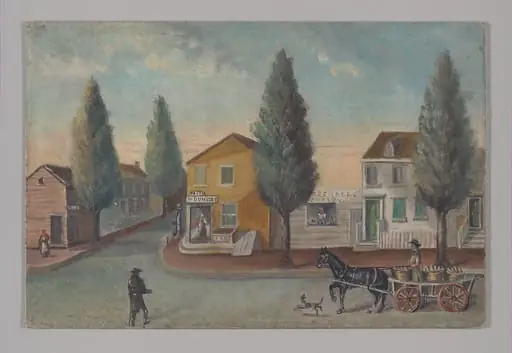
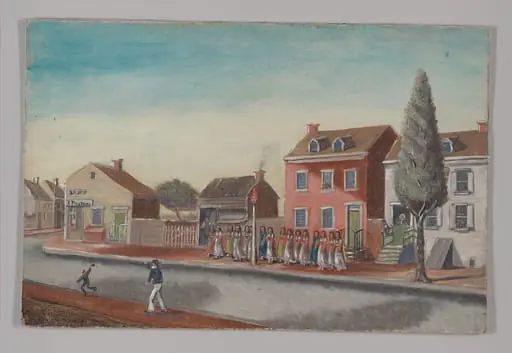
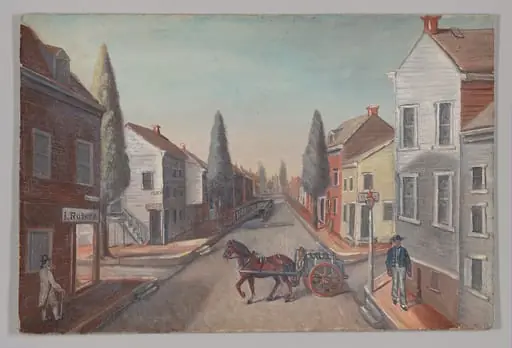
The Dog Killer is an oil painting on slate paper created by William P. Chappel in 1874. It depicts a genre scene featuring a man, a dog, a cart, and buildings, and measures 15.6 cm in height by 23.5 cm in width. The work is held in the Metropolitan Museum of Art, where it is catalogued within The American Wing.
The specific commission details and the ownership chain prior to its museum acquisition are not documented, and the available sources provide no accession number or exhibition history.
Overview
Titled "The Dog Killer," this oil painting on slate paper captures a vivid street scene from 1870s New York. The artwork, part of the American Wing collection, depicts a bustling urban environment where a dramatic event unfolds amidst daily life. It reflects the artist's interest in portraying the raw energy and specific moments of city existence, offering a glimpse into the period's social fabric and street dynamics.
Subject & Meaning
The painting centers on two men wielding clubs, actively pursuing a small dog through a busy New York street. Onlookers observe the chase from doorways, while horse-drawn carts continue their passage, creating a backdrop of everyday activity. This depiction of a 'gritty city moment' highlights a specific, perhaps unsettling, aspect of urban life, inviting viewers to consider the various reactions and interactions within a crowded public space.
Technique & Style
The artist utilized oil paint on slate paper, a smooth and inexpensive surface that facilitated rapid execution. This choice of medium contributed to the painting's distinctive visual quality. The composition features a stark contrast between the frantic movement of the fleeing dog and the largely static figures and elements surrounding it.
This stylistic approach lends the scene a 'snapshot' quality, freezing a fleeting moment in time with striking immediacy.
Artist & collection