Artwork
The Sewer
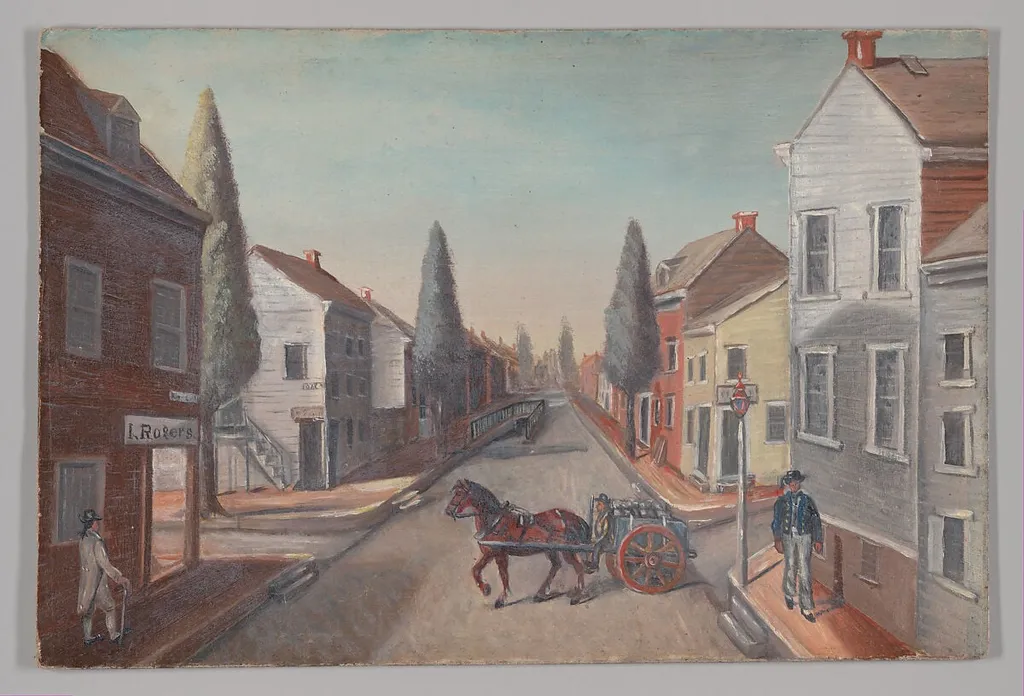
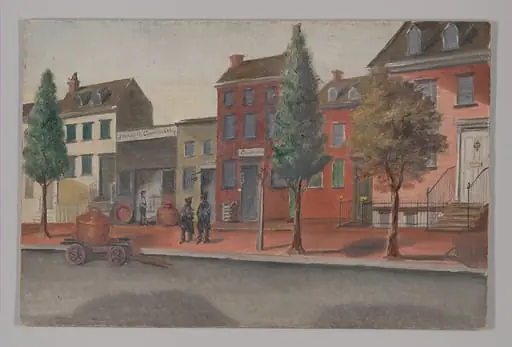
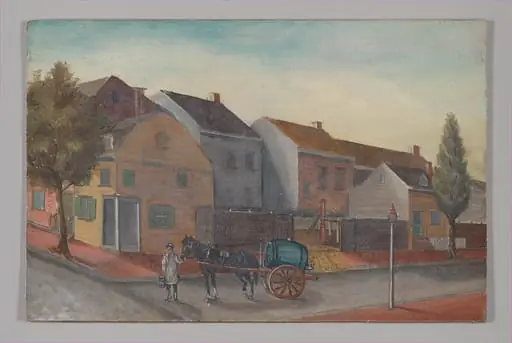
The Sewer is an oil painting by the Impressionist artist William P. Chappel. It dates from 1874 and is held in the collection of the Metropolitan Museum of Art.
About this work
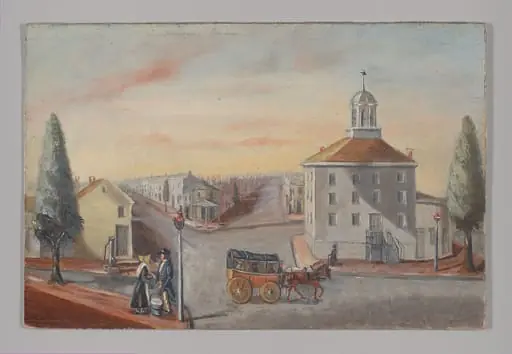
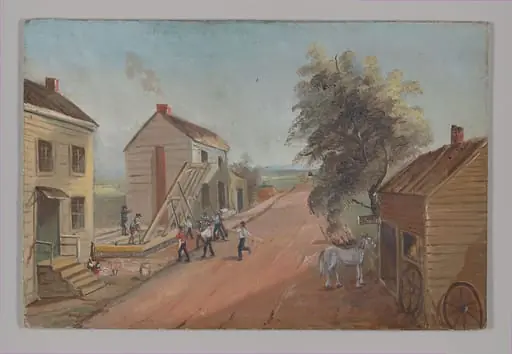
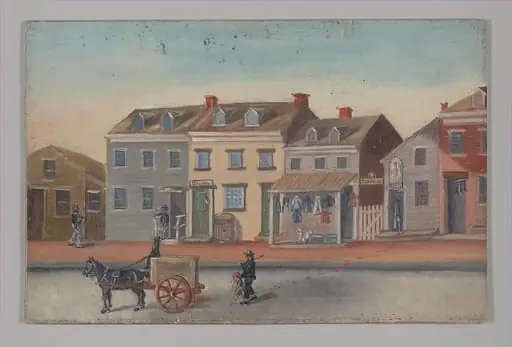
A muddy street after rain: two men in tall boots guide a two-horse wagon through the mire. William P. Chappel painted it in 1874 on slate paper, a cheap, gritty surface that roughens the scene. A sign painter by trade, he set down New York life plainly, with no studio polish.
Subject & Meaning
These elements together create a snapshot of contemporary American urban activity, suggesting the movement of people and goods within a municipal setting.
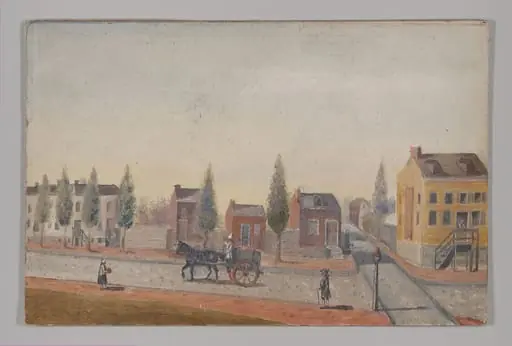
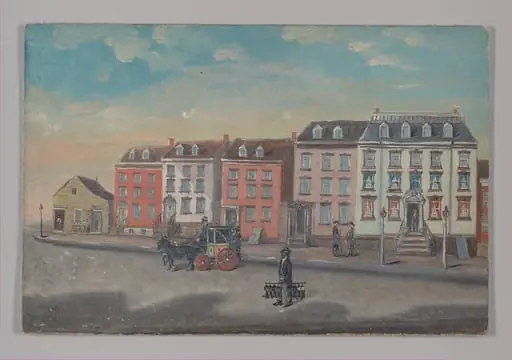
The painting titled The Sewer, executed by William P. Chappel in 1870 using oil on slate paper, portrays a composition that includes a horse, a man, a town, and a wagon. These elements together create a snapshot of contemporary American urban activity, suggesting the movement of people and goods within a municipal setting. The presence of a horse-drawn wagon alongside a pedestrian implies a working‑class context, while the surrounding townscape situates the scene within a recognizable civic environment.
By rendering these figures within the genre of a genre scene, Chappel documents everyday interactions that were characteristic of late‑19th‑century city life, inviting viewers to consider the social dynamics of the era.
Technique & Style
Executed in oil on slate paper, the painting measures roughly 15.6 cm by 23.5 cm and is classified within the American Wing’s genre‑scene collection. The support, slate paper, provides a rigid, slightly textured ground that the artist employed to render a modest urban tableau featuring a horse, a man, a town, and a wagon. As a genre scene, the composition emphasizes everyday activity, with careful attention to the arrangement of figures and objects.
The work is part of the Metropolitan Museum of Art’s collection, accessioned in 1870, and is documented as a painting by William P. Chappel.
History & Provenance
The Sewer is an oil painting on slate paper created by William P. Chappel in 1870. The work depicts a genre scene featuring a man, a horse, a wagon, and a town setting. It is currently held in the collection of the Metropolitan Museum of Art, where it is classified within The American Wing.
The physical dimensions of the piece are recorded as 15.6 units in height and 23.5 units in width. While the specific commission details and the full chain of ownership prior to its arrival at the museum are not detailed in the available records, the work's creation date is firmly established as 1870. The painting remains a part of the museum's permanent holdings, reflecting Chappel's contributions to American genre painting during the late nineteenth century.
The painting "The Sewer" by William P. Chappel is held in the collection of the Metropolitan Museum of Art, specifically within the institution's American Wing. Created in 1870, the work measures 15.6 by 23.5 units and depicts a genre scene featuring a man, a horse, a wagon, and a town setting. While the sources confirm the artwork's current location and classification, they do not provide a specific inventory or accession number, nor do they list any past or present exhibitions in which the piece has been displayed.
Overview
The Sewer, painted by William P. Chappel around 1874, is an oil genre scene rendered on slate paper. The composition captures a moment of urban life, depicting a muddy street after rain, where two men in tall boots guide a horse-drawn wagon. This work offers a glimpse into the practicalities and everyday realities of the city during the period.
Context
Chappel's background as a sign painter likely informed his direct and unpretentious approach to depicting city life. "The Sewer" avoids the idealized portrayals often found in academic art, instead offering an honest observation of New York's functional, less picturesque side. This work exemplifies a trend towards capturing the authentic character of the burgeoning metropolis, presenting the city as it truly was, without embellishment.
Artist & collection