Artwork
The Sower
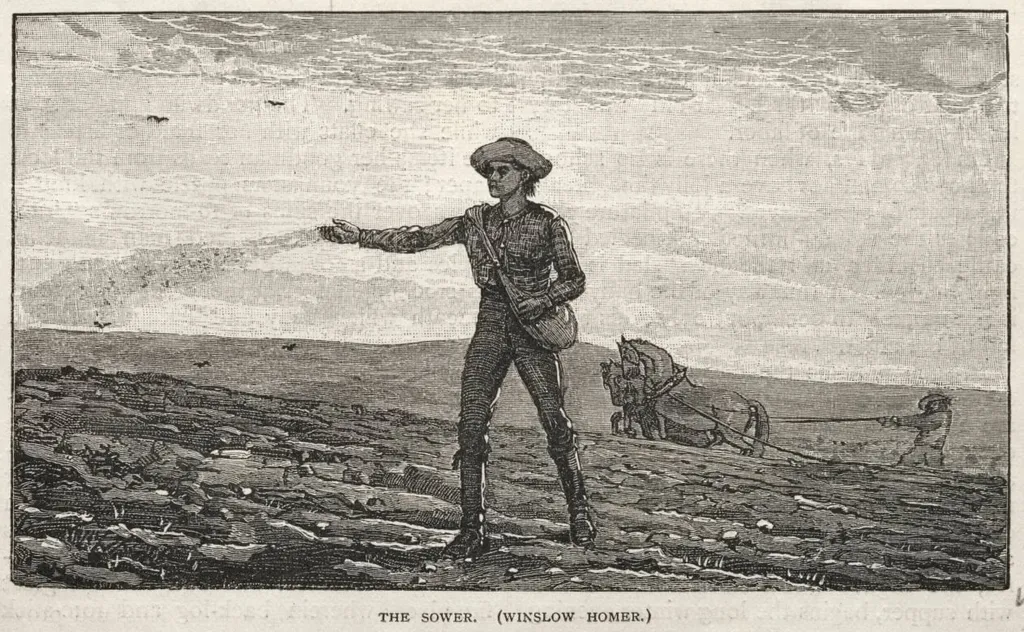
The Sower is a print by the Impressionist artist Winslow Homer. It dates from 1878 and is held in the collection of the Cleveland Museum of Art.
- Accession no.
- 1942.1430
- Credit line
- Purchase from the J. H. Wade Fund
About this work
This scene shows a quiet moment of farm work, where the man’s focus is on the task at hand.
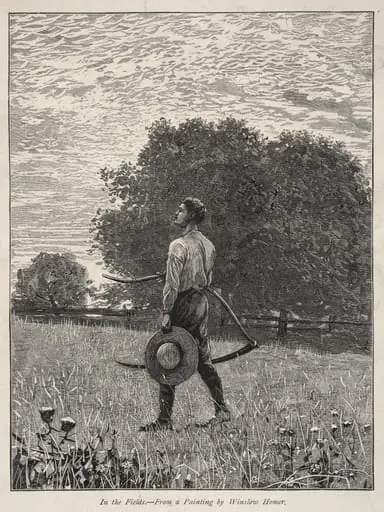
A man in work clothes stands on a field, stretching out his arm to toss seeds behind him. His hat is pulled low, and a horse and plow rest behind him, ready for planting. The sky is light but cloudy, and the ground looks dry and rough.
This scene shows a quiet moment of farm work, where the man’s focus is on the task at hand. The artist used simple lines and shading to create a clear picture of daily life.
Next, look up Winslow Homer (American, 1836–1910) to see more of his work.
Overview
Created in 1878, The Sower is a print by Winslow Homer, an American artist who transitioned from commercial illustration to fine art. The work captures a solitary farmer sowing seeds in a field, reflecting Homer’s growing interest in rural labor and the rhythms of agrarian life. Unlike his later marine scenes, this piece emphasizes quiet endurance rather than dramatic natural forces, grounding his artistic evolution in everyday observation.
Subject & Meaning
The figure, bent in focused motion, scatters seeds across dry, uneven earth. His low-brimmed hat and worn clothing suggest humility and routine. Behind him, a horse and plow stand idle, implying the cyclical nature of farming.
The scene avoids sentimentality, presenting labor as a quiet, necessary act. The stillness of the moment underscores the dignity of work, not as heroic, but as essential and unremarkable in its repetition.
Technique & Style
Homer employed ink and wash to achieve subtle tonal gradations, using minimal lines to define form and texture. The dry, cracked soil and the figure’s posture are rendered with economical strokes, avoiding excessive detail. The cloudy sky is suggested through soft washes, contrasting with the sharper contours of the man and tools.
This restrained approach prioritizes clarity and emotional restraint, aligning with his illustrative roots while moving toward a more personal visual language.
History & Provenance
Produced during Homer’s period of transition from illustration to fine art, The Sower was likely made for reproduction in periodicals or as a standalone print. It reflects his engagement with contemporary themes of rural America, following his Civil War-era illustrations. The work entered public collections in the early 20th century, preserved as part of a broader recognition of Homer’s contribution to American realism.
Context
In the late 1870s, American artists increasingly turned to rural life as industrialization reshaped society. Homer’s focus on the sower aligns with a broader cultural interest in the dignity of labor and the changing American landscape. Unlike European pastoral traditions, his depiction avoids idealization, instead presenting the farmer as part of a harsh, unyielding environment, a reflection of post-Civil War realism in American art.
Legacy
Though less celebrated than Homer’s seascapes, The Sower remains a significant example of his early commitment to depicting ordinary life with integrity. It influenced later American realists who sought to portray labor without romanticism. The print’s quiet power lies in its restraint, a testament to Homer’s ability to convey depth through simplicity, shaping how American art would represent the working class in the decades that followed.
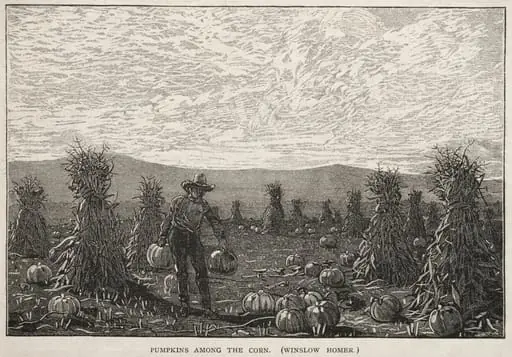
Artist & collection
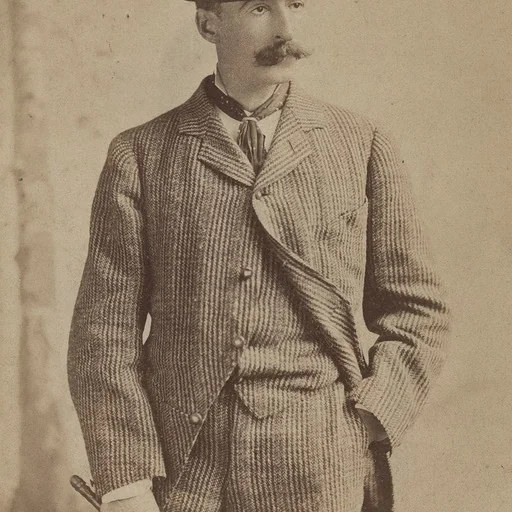
Artist
Winslow Homer (February 24, 1836 – September 29, 1910) was an American landscape painter and illustrator, best known for his marine subjects.