Artwork
Shooting the Rapids, Saguenay River
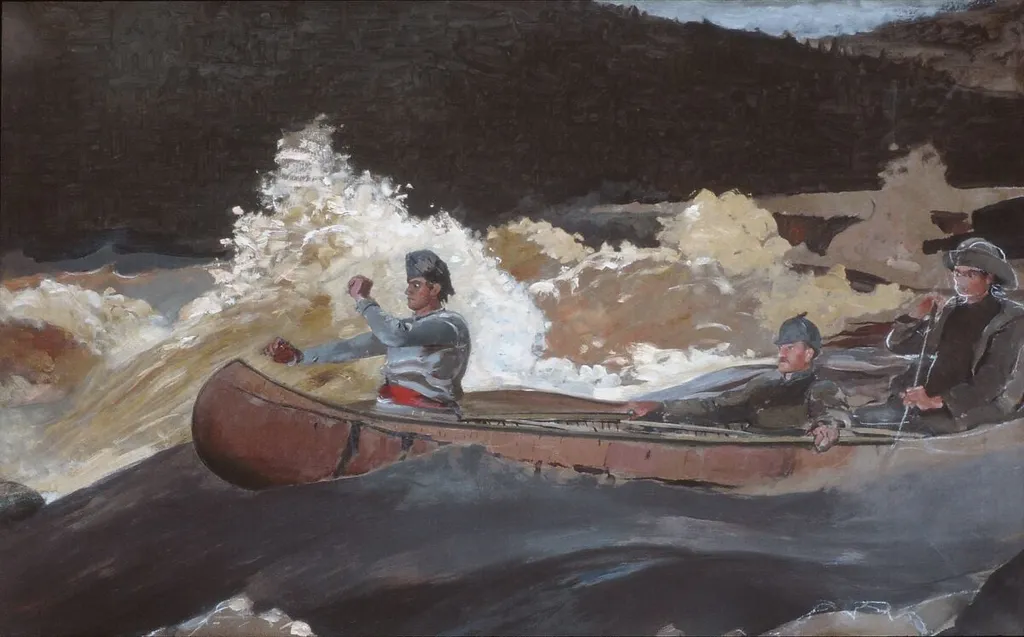
Shooting the Rapids, Saguenay River is an oil painting by the American scene painting artist Winslow Homer. It dates from 1908 and is held in the collection of the Metropolitan Museum of Art.
About this work
Subject & Meaning
This iconography aligns with the American scene painting genre, which often celebrated frontier encounters and the sublime qualities of the natural environment.
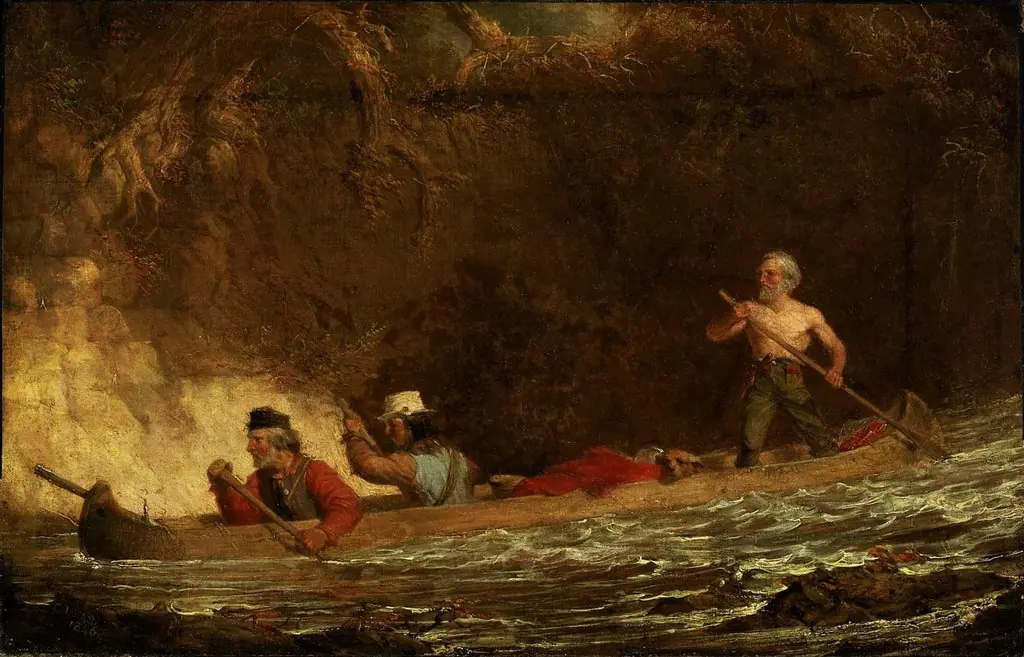
The painting shows a solitary figure in a small boat navigating the turbulent waters of the Saguenay River, a scene that emphasizes the interaction between humanity and the powerful natural landscape. By portraying the man engaged in the act of shooting the rapids, the work conveys themes of adventure, mastery, and the confrontational relationship with untamed nature. The river itself functions as both setting and symbolic force, representing the challenges and mysteries that early 20th-century explorers faced.
This iconography aligns with the American scene painting genre, which often celebrated frontier encounters and the sublime qualities of the natural environment.
Technique & Style
Shooting the Rapids, Saguenay River (1908) is an oil painting on canvas that additionally incorporates chalk, measuring approximately 76.2 cm in height by 122.6 cm in width. The work belongs to the American scene painting movement and is housed in the Metropolitan Museum of Art, where it is part of The American Wing collection. Its composition depicts a boat and a man on the Saguenay River, highlighting the force of the rapids. The surface combines broad oil washes with chalk accents to render texture and movement.
History & Provenance
Winslow Homer executed Shooting the Rapids, Saguenay River in 1908. Created as an oil painting on canvas incorporating chalk, the work measures approximately 76.2 by 122.6 centimeters. The piece depicts a genre scene featuring a boat and figures navigating the Saguenay River.
While specific details regarding its original commission or intermediate ownership history are not provided in the available records, the painting is currently held in the collection of the Metropolitan Museum of Art within its American Wing. The work is classified as an example of American scene painting, reflecting Homer's late-career focus on dramatic natural landscapes and human interaction with them.
Overview
Winslow Homer's "Shooting the Rapids, Saguenay River" portrays two individuals navigating a small vessel through turbulent waters. Created during the artist's seventies, the painting captures a precise moment of both peril and composure. Despite the wild appearance of the rapids, the men in the boat maintain their concentration, one managing the oars while the other leans to stabilize their craft, illustrating a direct engagement with nature's power.
Artist & collection
Artist
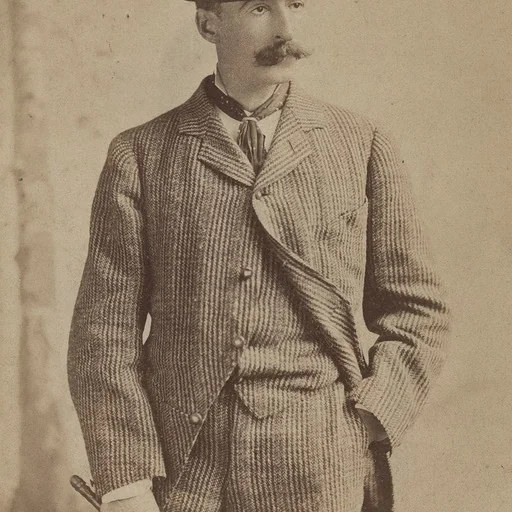
Winslow Homer (February 24, 1836 – September 29, 1910) was an American landscape painter and illustrator, best known for his marine subjects.

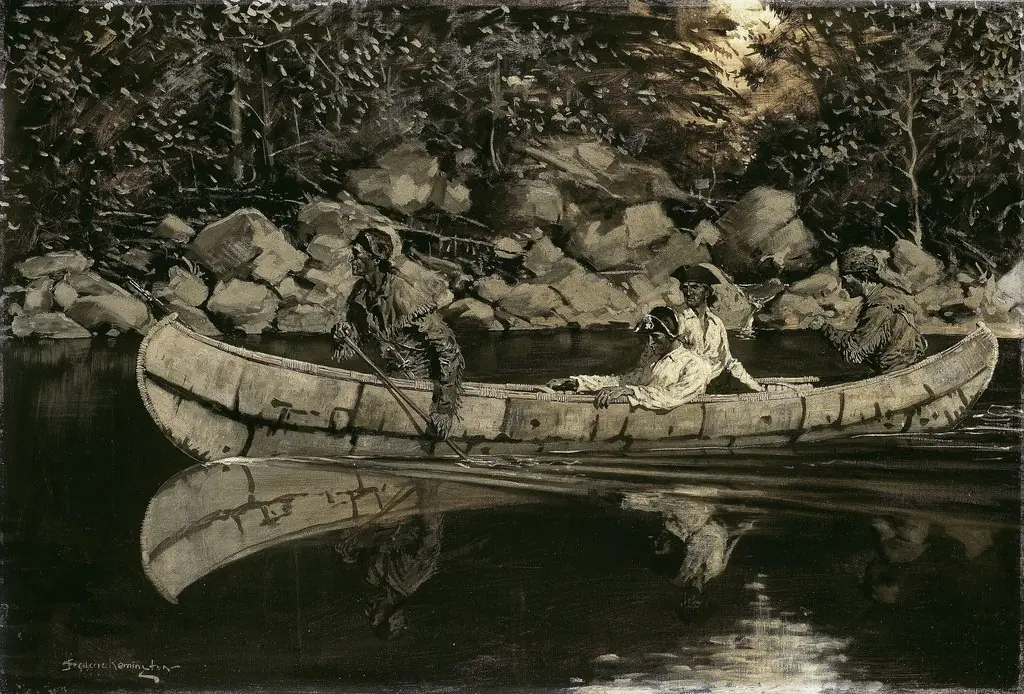
- Paddling the Wounded British Officer
 Paddling the Wounded British Officer
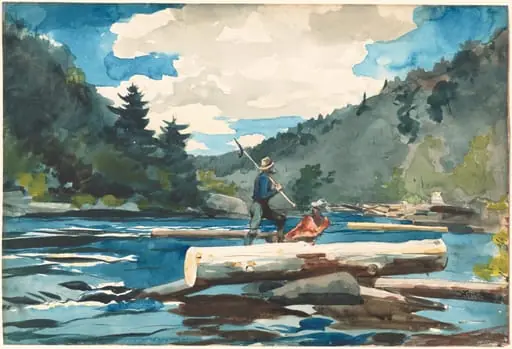 Hudson River, Logging
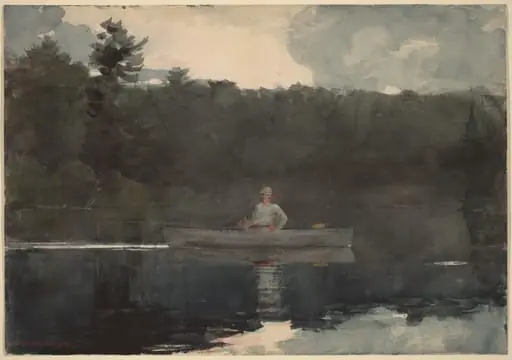 The Lone Fisherman
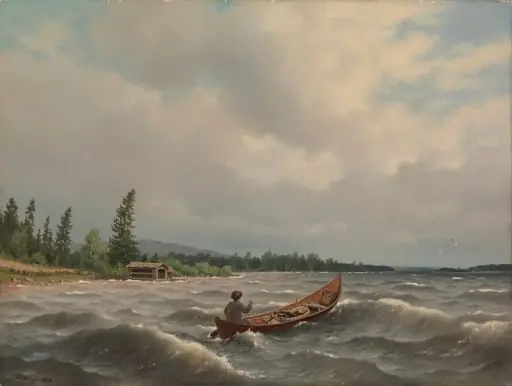 Savolaisvene järvellä
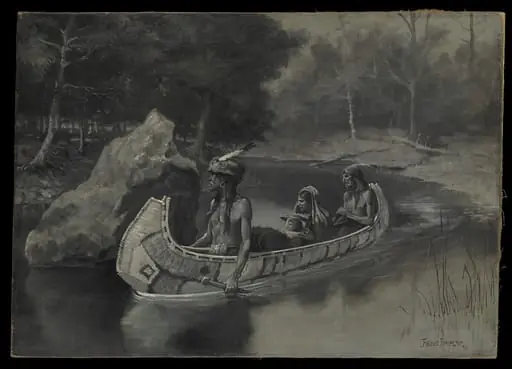 Pitched It Sheer into the River . . . Where It Still Is Seen in the Summer
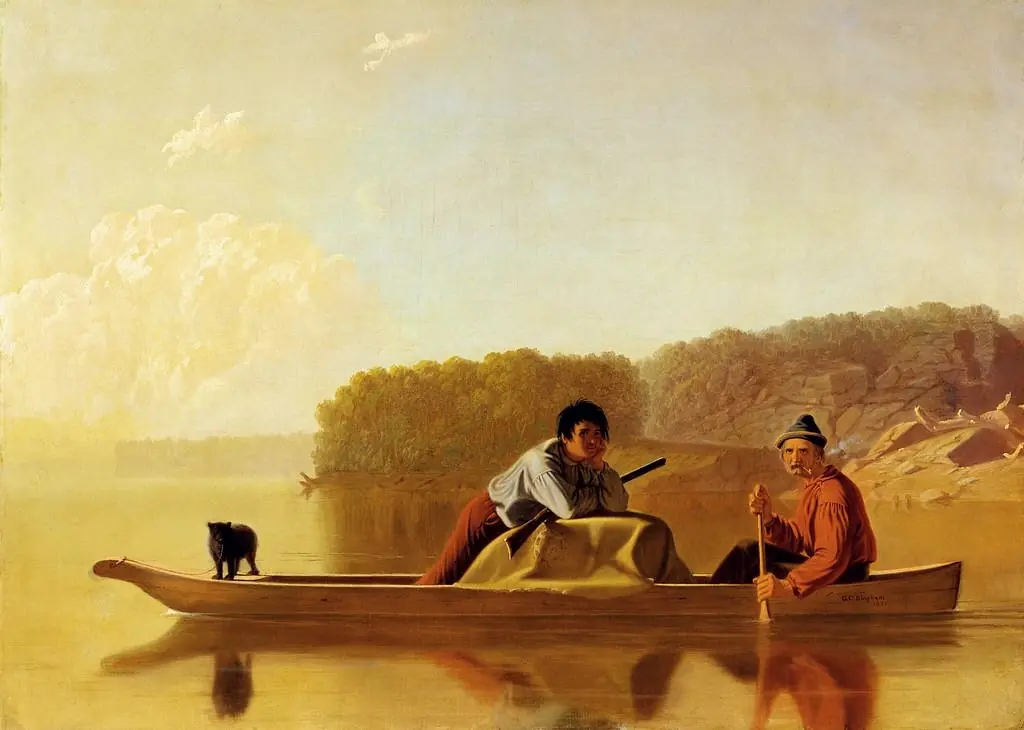 The Trappers' Return
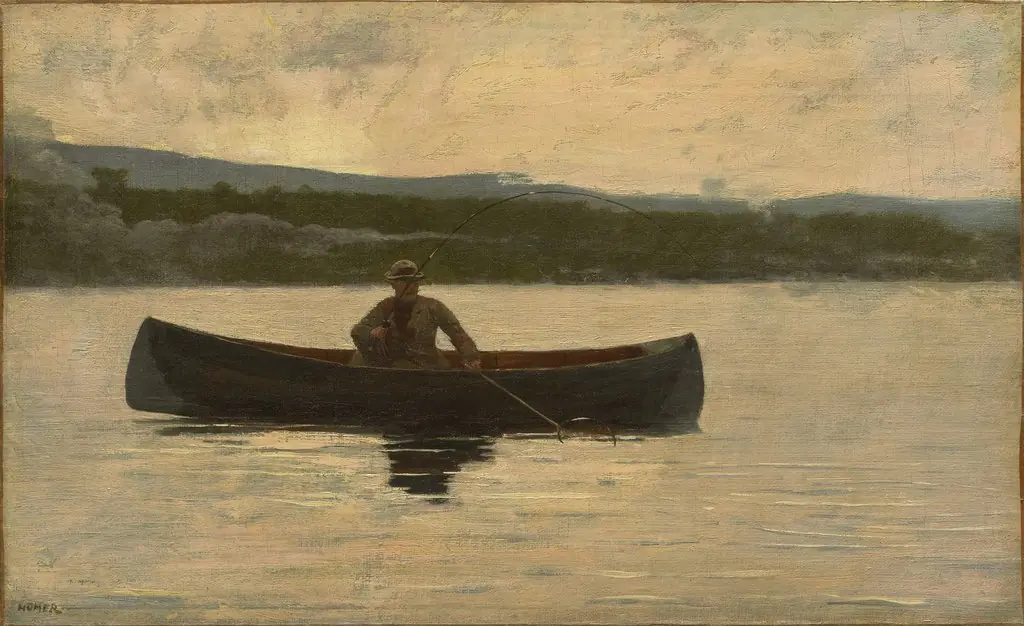 Playing a Fish
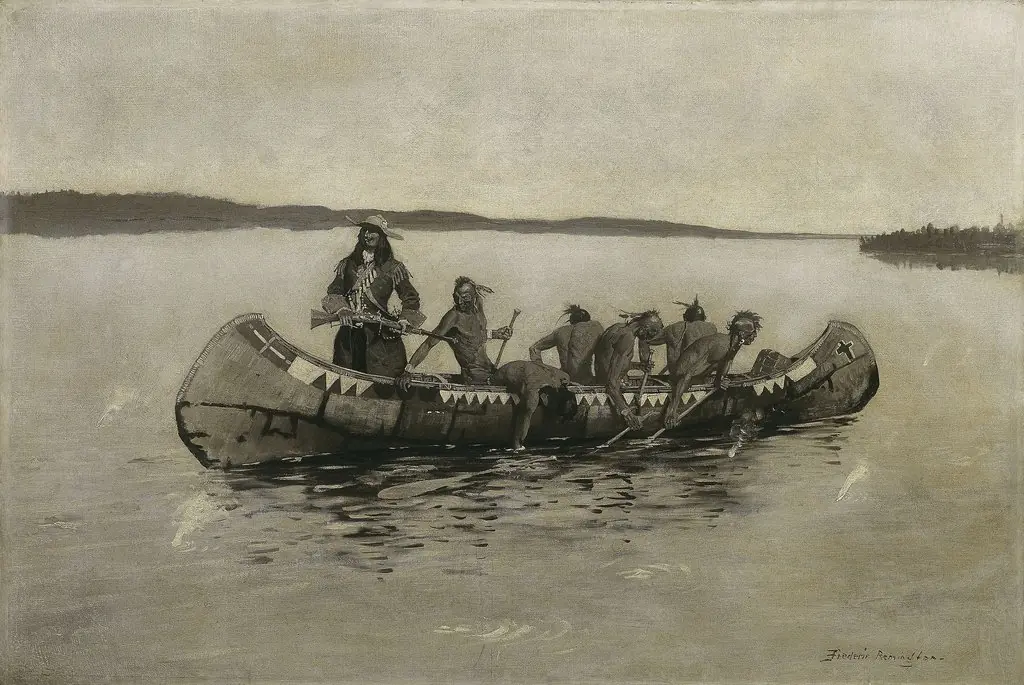 This Was a Fatal Embarkation
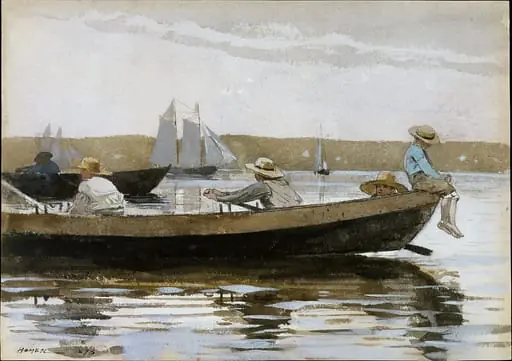 Boys in a Dory
 Voyageurs
 Fishermen