Artwork
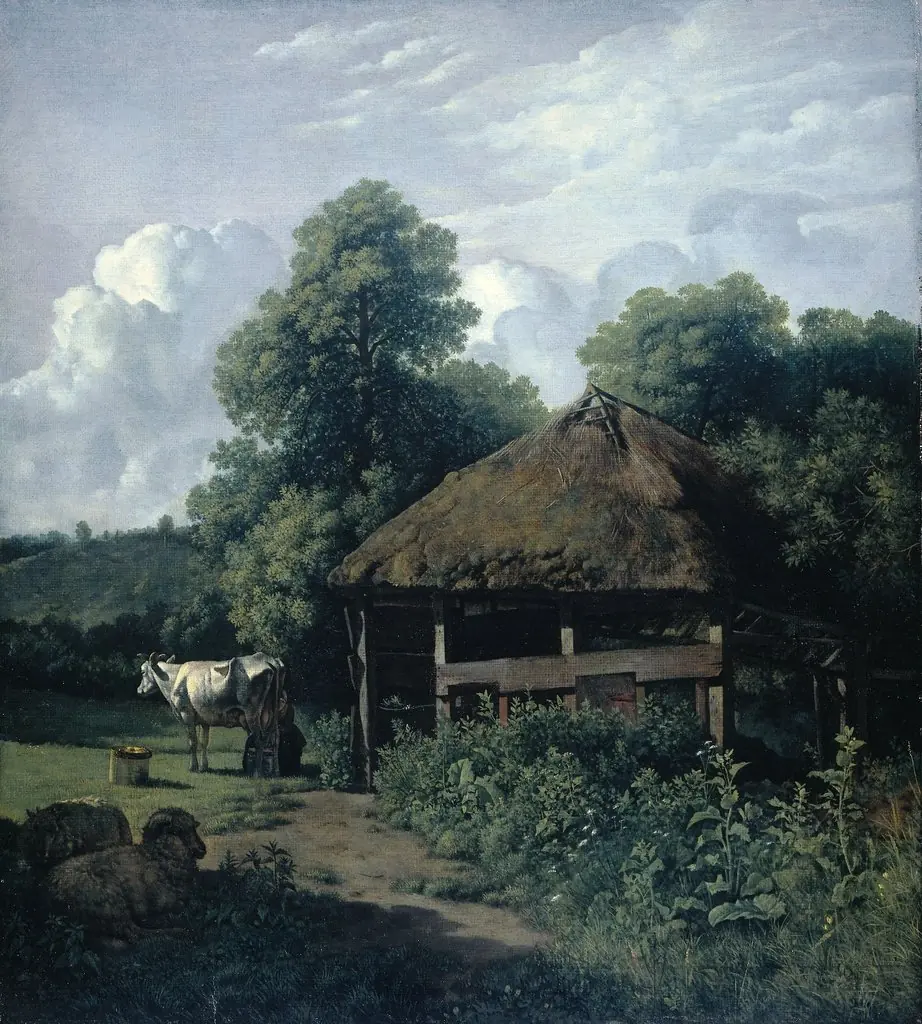
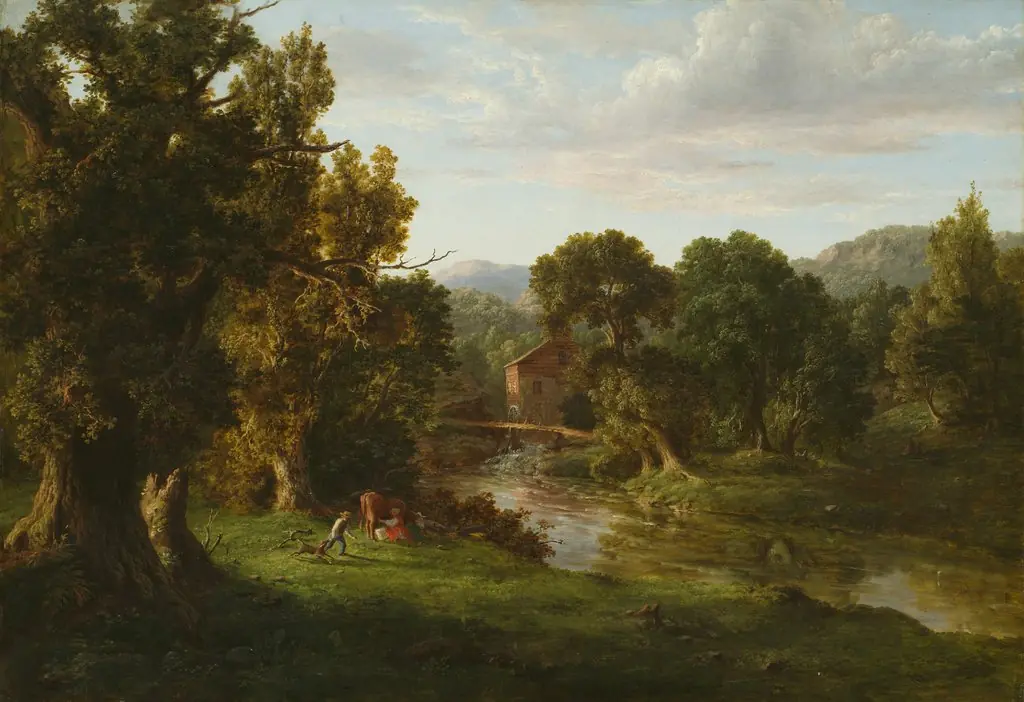
A Barn on the Bank of a Stream in Gelderland
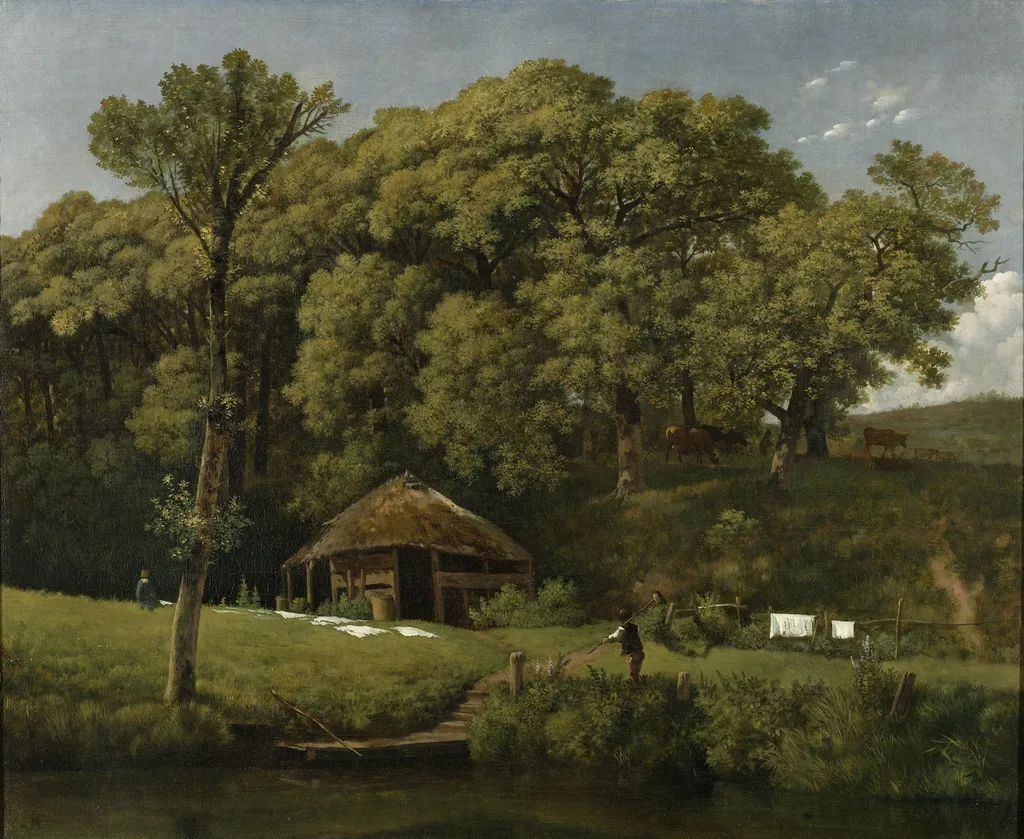
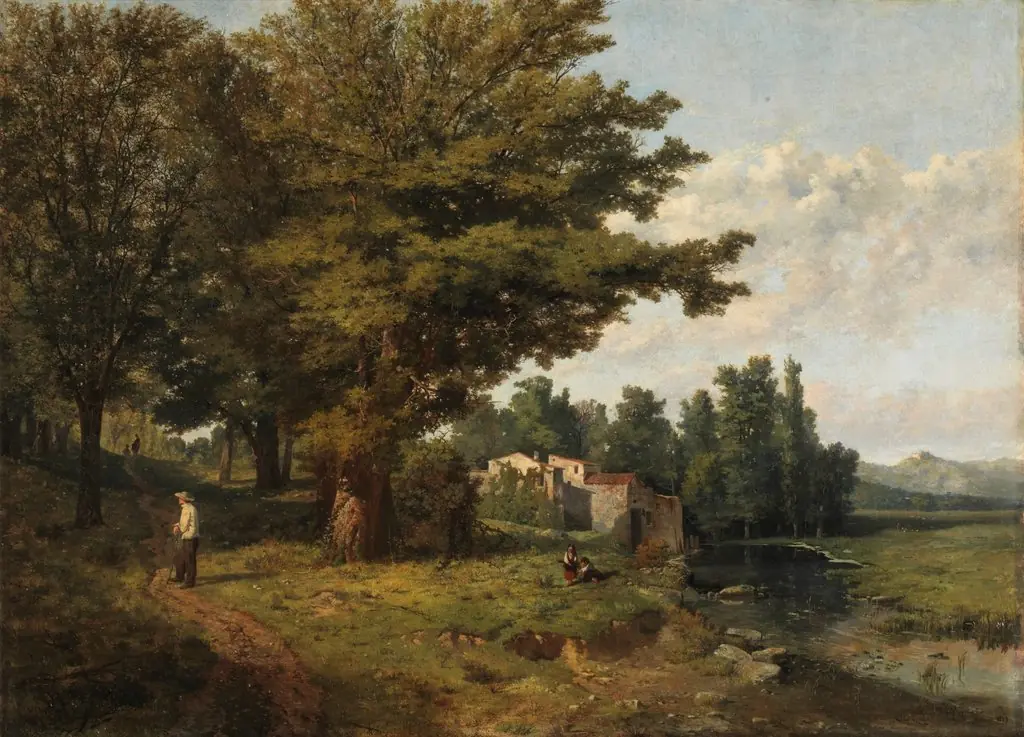
A Barn on the Bank of a Stream in Gelderland is an oil painting by the Biedermeier artist Wouter Johannes van Troostwijk. It dates from 1807 and is held in the collection of the Rijksmuseum.
About this work
Technique & Style
A Barn on the Bank of a Stream in Gelderland is executed in oil paint on canvas, a standard combination for early nineteenth-century Dutch landscape painting.
A Barn on the Bank of a Stream in Gelderland is executed in oil paint on canvas, a standard combination for early nineteenth-century Dutch landscape painting. The work is relatively small in scale, measuring 52.5 cm in height by 63 cm in width, with the horizontal orientation suiting its landscape subject. Classified as a painting, it belongs to the landscape genre and reflects the plein-air-influenced approach associated with Wouter Johannes van Troostwijk's late period, when he was working in Gelderland shortly before his death.
History & Provenance
The painting was created by Wouter Johannes van Troostwijk in 1807 as an oil on canvas landscape depicting a barn beside a stream in Gelderland. It entered the collection of the Rijksmuseum and is also held by Rijksmuseum Twenthe, where it remains part of their permanent holdings. The work was produced during the early phase of Dutch landscape painting, reflecting van Troostwijk's interest in naturalistic rural scenes.
Context
Wouter Johannes van Troostwijk's 1807 oil painting A Barn on the Bank of a Stream in Gelderland, housed in the Rijksmuseum, exemplifies early nineteenth-century Dutch landscape tradition. The work reflects the Romantic fascination with rural scenery while maintaining ties to the Dutch Golden Age's naturalistic conventions. Its composition and atmospheric rendering align with period genre conventions yet demonstrate evolving approaches to light and spatial depth. The painting's presence in the Rijksmuseum collection underscores its significance within Dutch art history.
Scholarly attention to van Troostwijk's oeuvre has emphasized his role in bridging neoclassical and romantic sensibilities within Dutch landscape painting.
The work's provenance and display context at the Rijksmuseum highlight its recognized status as a representative example of early nineteenth-century Dutch landscape art.
Overview
Wouter Johannes van Troostwijk’s oil painting A Barn on the Bank of a Stream in Gelderland was executed in 1807. The work belongs to the early‑19th‑century Biedermeier period and is part of the Rijksmuseum’s collection. It presents a quiet countryside scene rendered in a modest, naturalistic manner typical of the artist’s landscape practice.
Subject & Meaning
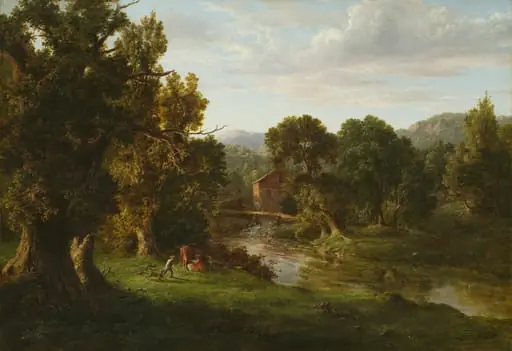
The composition centers on a modest thatched barn set beside a gently flowing stream, framed by a grassy clearing and a line of trees. A figure bent over near the structure suggests everyday labor, while a line of laundry hangs nearby and distant cows graze, emphasizing the rhythm of rural life and the harmony between human activity and nature.
Own this work as a print
Artist & collection
Artist
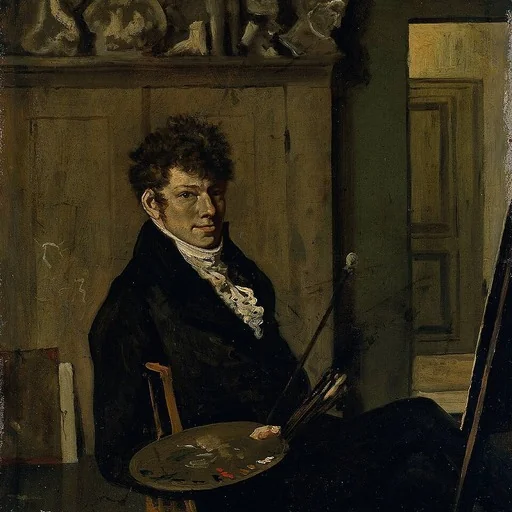
Wouter Johannes van Troostwijk
Wouter Johannes van Troostwijk (28 May 1782, Amsterdam - 20 September 1810, Amsterdam) was a Dutch painter and etcher. Most of his works are landscapes (featuring cattle) or cityscapes.