Artwork
Ceres
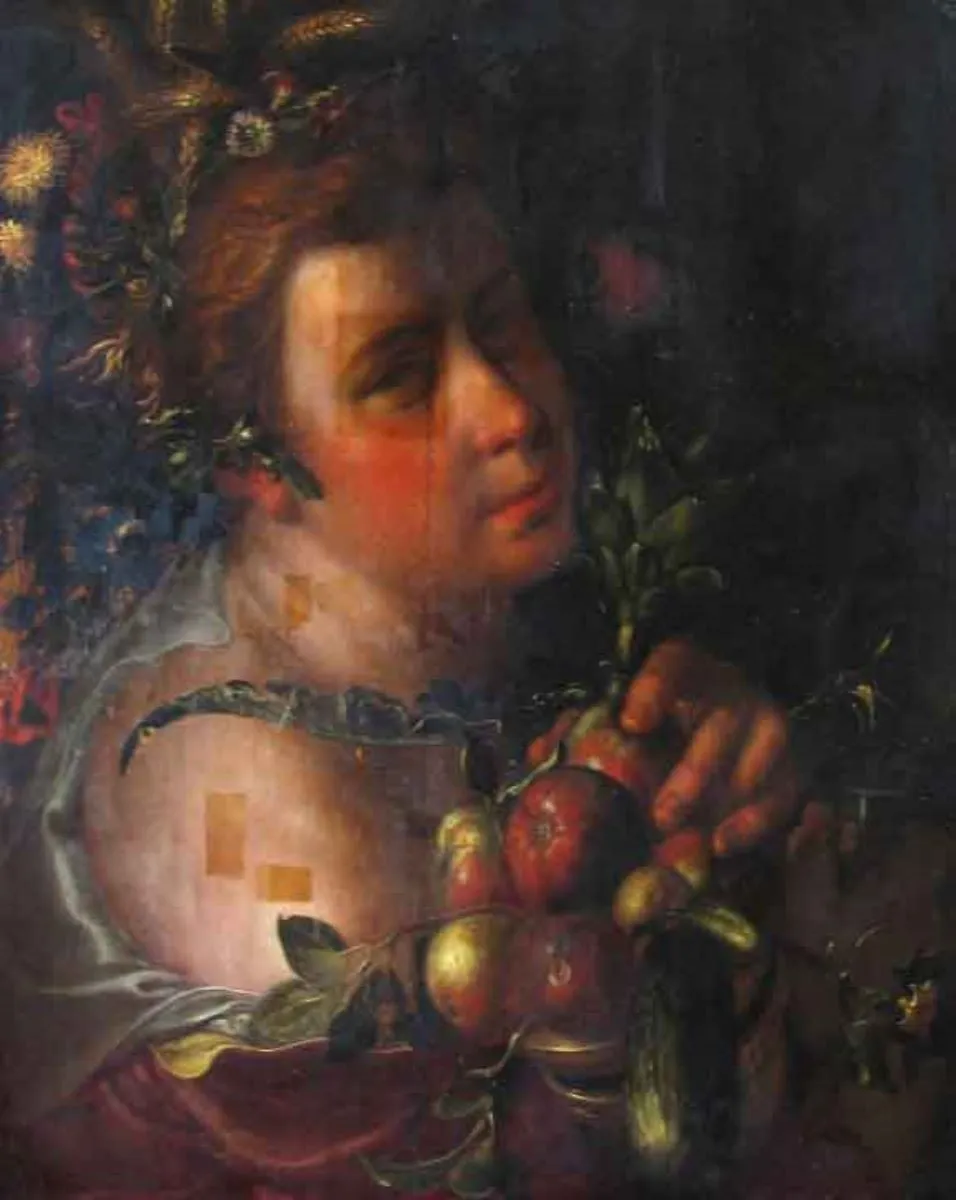
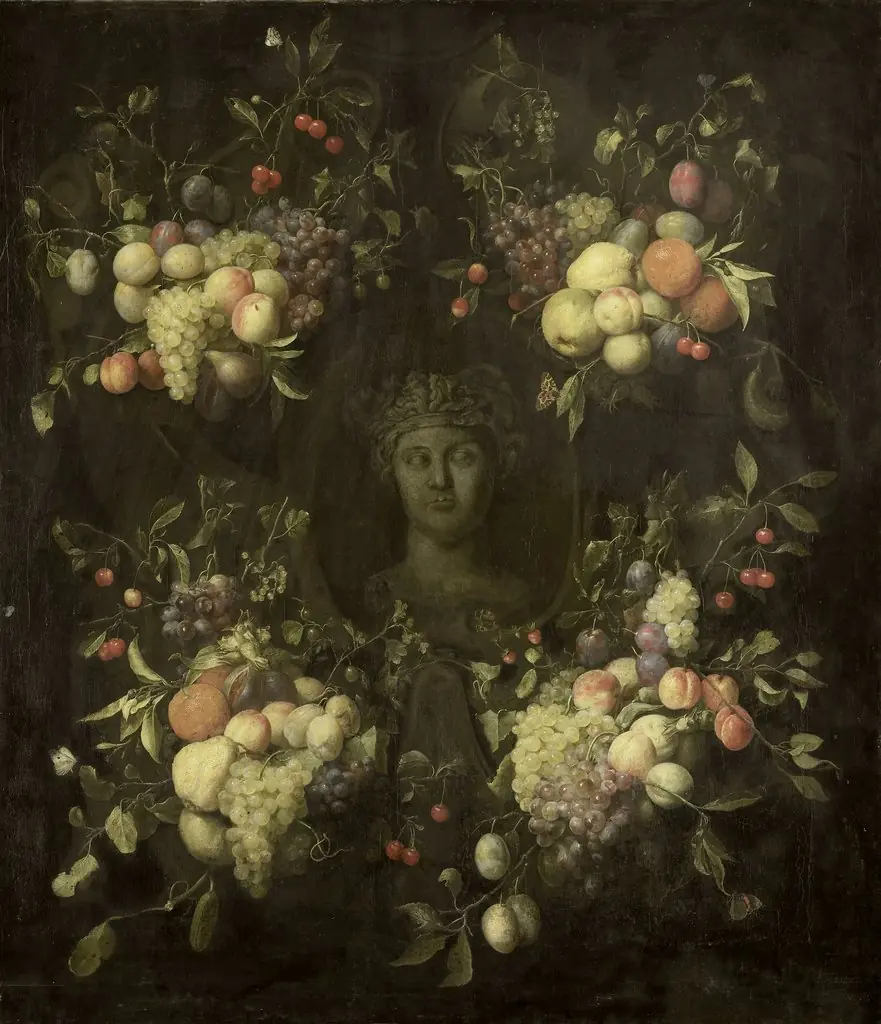
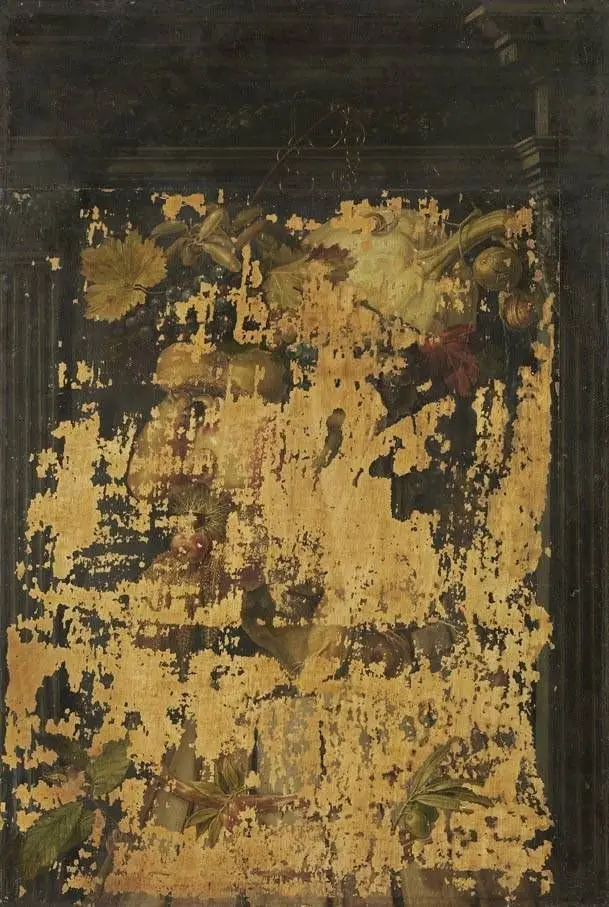
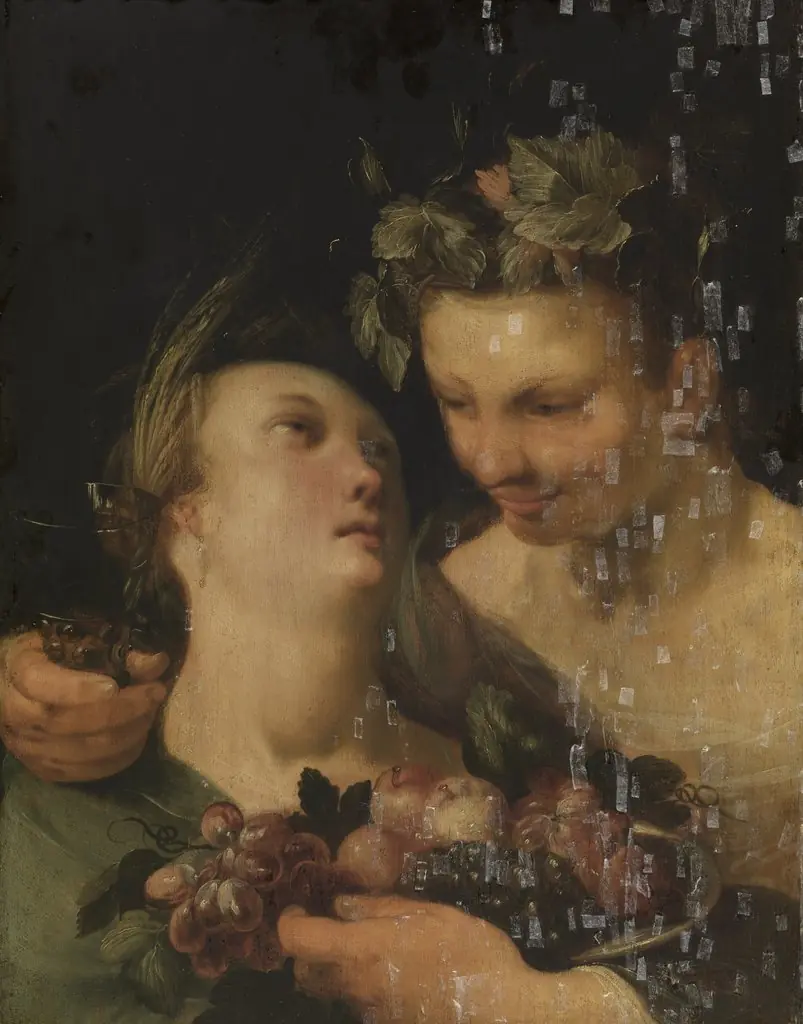
Ceres is an unspecified painting by the Baroque artist Joachim Wtewael. It dates from 1618 and is held in the collection of the Brukenthal National Museum.
About this work
Overview
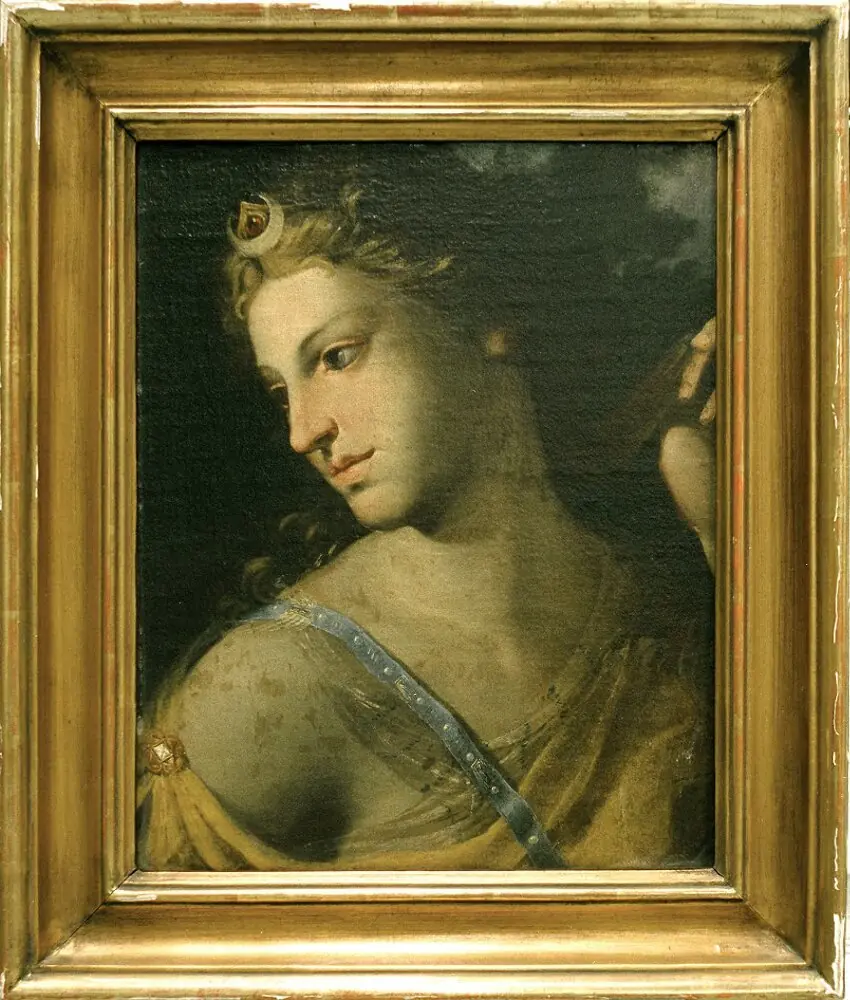
Ceres is a 1618 mythological painting by Joachim Anthonisz Wtewael, portraying the Roman goddess of agriculture in a serene and symbolic manner.
Subject & Meaning
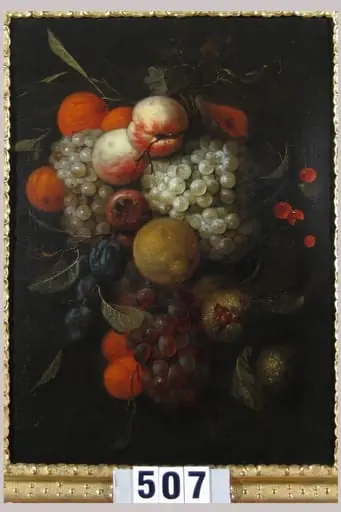
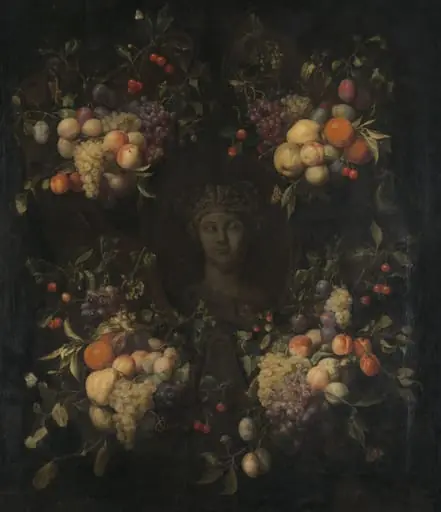
The subject is Ceres, identified by her attributes: a floral wreath and a bundle of fruits. Her calm demeanor and these symbols convey fertility and abundance, central to her mythological role.
Technique & Style
Wtewael employed chiaroscuro to create depth, emphasizing the subject's face by contrasting her with a dark background. A flowing red dress adds a vibrant accent, enhancing the overall visual balance.
History & Provenance
Created in 1618, specific provenance details are not provided in the available information.
Context
Painted during the Dutch Golden Age, Ceres reflects the period's interest in classical mythology and the artistic innovations of the time, such as the expressive use of chiaroscuro.
Legacy
While specific legacy details of this work are not provided, it contributes to the broader appreciation of Wtewael's contributions to Dutch Golden Age painting and the enduring depiction of mythological themes in art.
Artist & collection

Artist
Joachim Anthoniszoon Wtewael (Dutch pronunciation:; 1566 – 1 August 1638), also known as Uytewael (pronounced ), was a Dutch Mannerist painter and draughtsman, as well as a highly successful flax merchant, and town councillor of Utrecht.