Artwork
Landscape with Mountains and Rivers
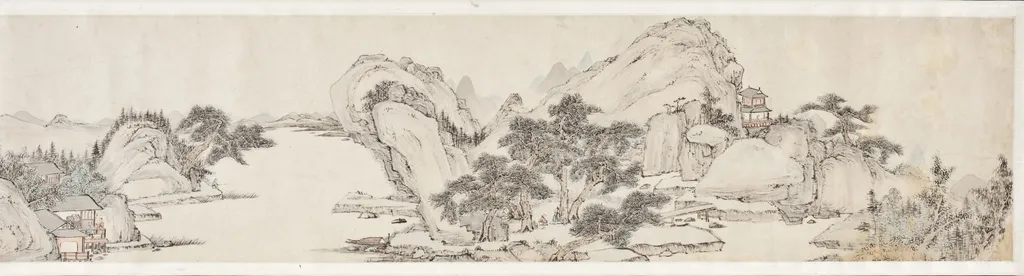
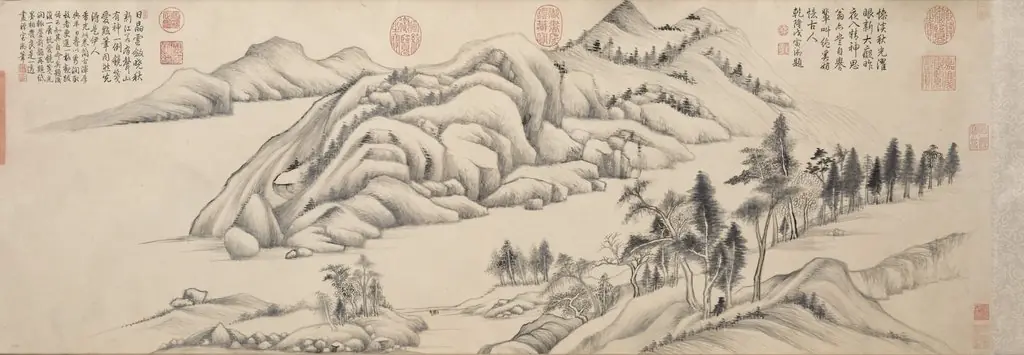
Landscape with Mountains and Rivers is an unspecified painting by the Ming dynasty painting artist Xiao Yuncong. It dates from 1669 and is held in the collection of the Los Angeles County Museum of Art.
About this work
Overview
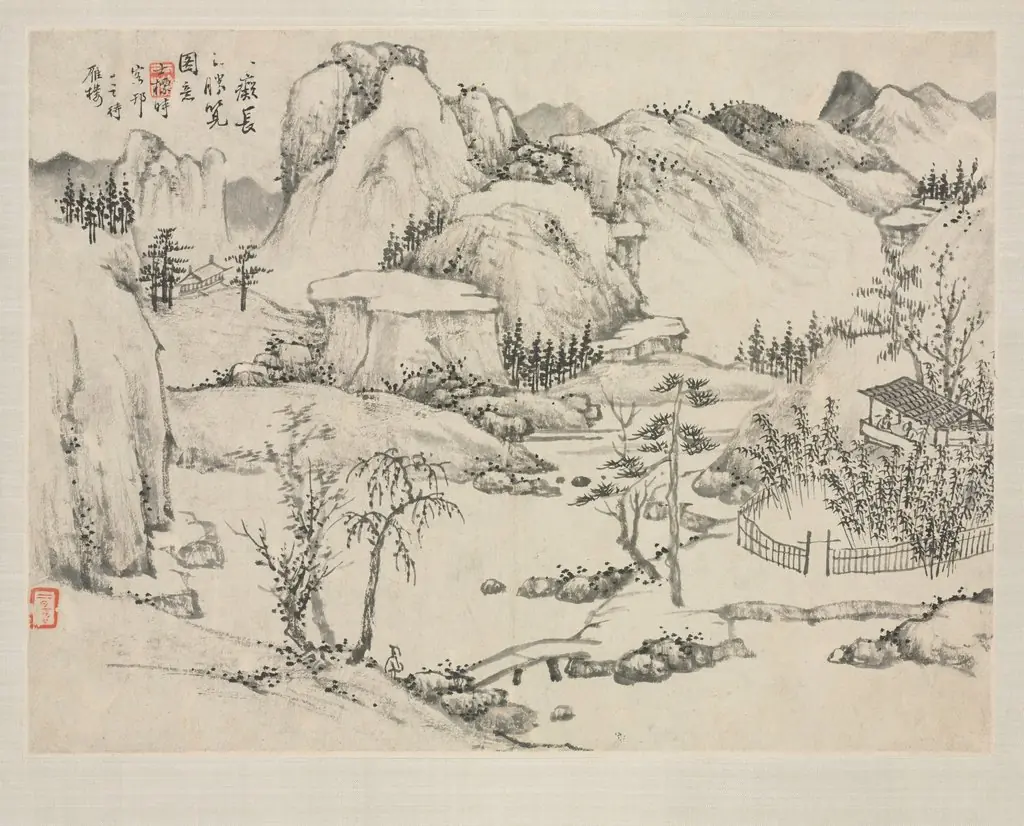
Created in 1669 by the Chinese painter Xiao Yuncong, this work presents a tranquil natural scene that combines mountains, rivers, and foliage.
Created in 1669 by the Chinese painter Xiao Yuncong, this work presents a tranquil natural scene that combines mountains, rivers, and foliage. Executed on paper with ink and color, the composition balances expansive landscape elements with modest human activity, inviting viewers to contemplate the harmony between humanity and the surrounding environment. The piece is part of the permanent collection of the Los Angeles County Museum of Art.
Subject & Meaning
The painting foregrounds a cluster of trees and modest structures populated by figures, suggesting a settled community within a broader wilderness. By juxtaposing cultivated spaces against the grandeur of distant peaks and flowing water, the artist emphasizes the coexistence of human life with the enduring rhythms of nature, a theme recurrent in traditional Chinese landscape art.
Technique & Style
Xiao Yuncong employs delicate brushwork characteristic of late Ming and early Qing literati painting, using layered ink washes to render atmospheric depth. Subtle tonal variations convey the misty ambience of the mountains, while finer lines delineate architectural details and figures, demonstrating a synthesis of expressive spontaneity and meticulous observation.
History & Provenance
The work entered the Los Angeles County Museum of Art’s collection through a mid‑20th‑century acquisition of Chinese paintings, though earlier ownership records remain sparse. Its presence in a major American museum reflects the growing interest in Qing‑period Chinese art among Western institutions during the post‑war period.
Context
Painted during a period of political transition in China, the piece reflects the literati’s retreat into nature as a source of personal solace and philosophical reflection. Xiao Yuncong, known for his scholarly approach, often used landscape as a vehicle for expressing moral ideals and a contemplative stance toward the changing world around him.
Artist & collection


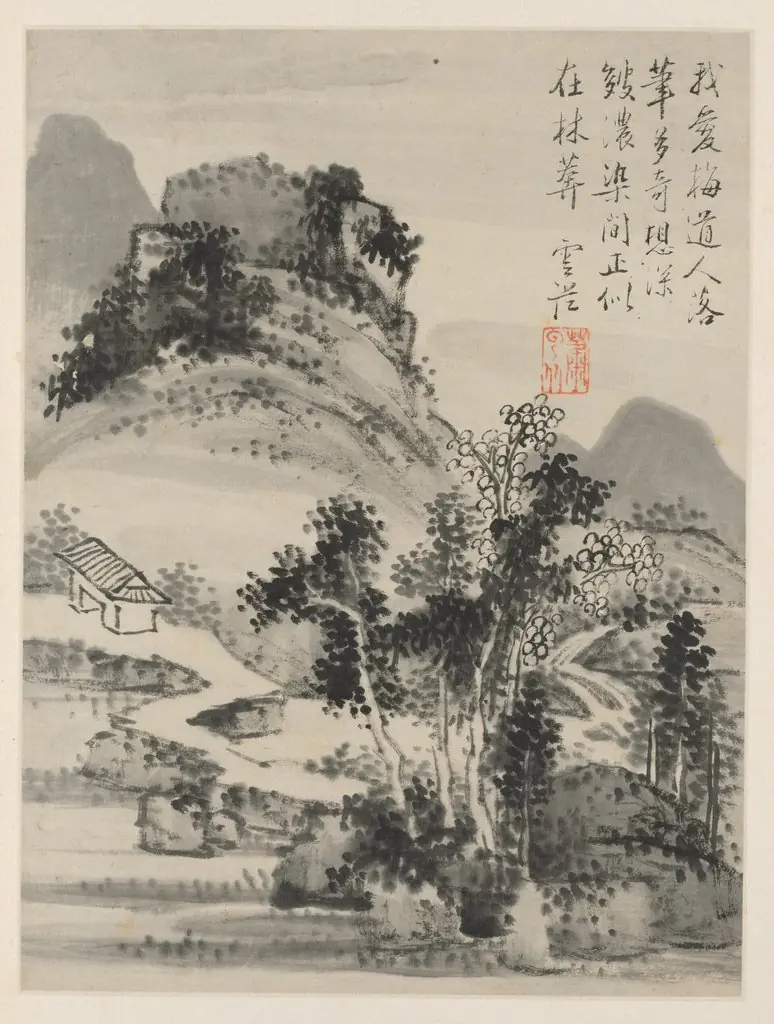 Album of Seasonal Landscapes, Leaf D (previous leaf 2)
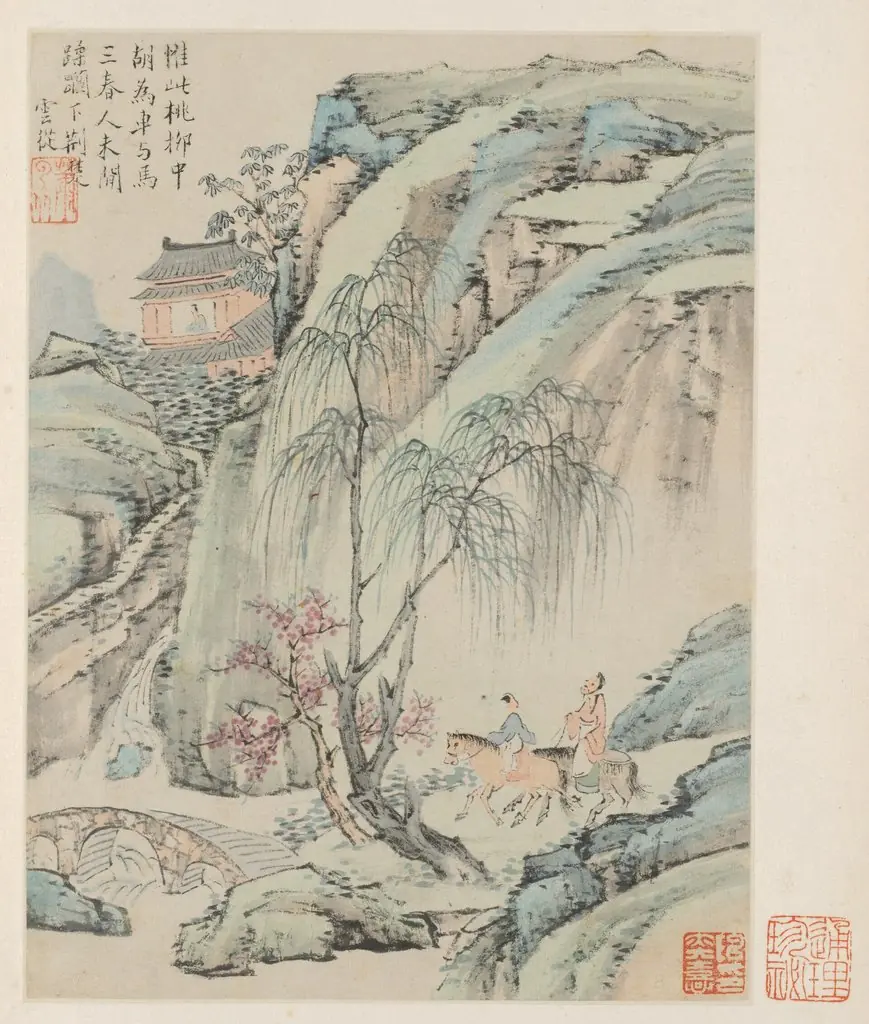 Album of Seasonal Landscapes, Leaf B (previous leaf 1)
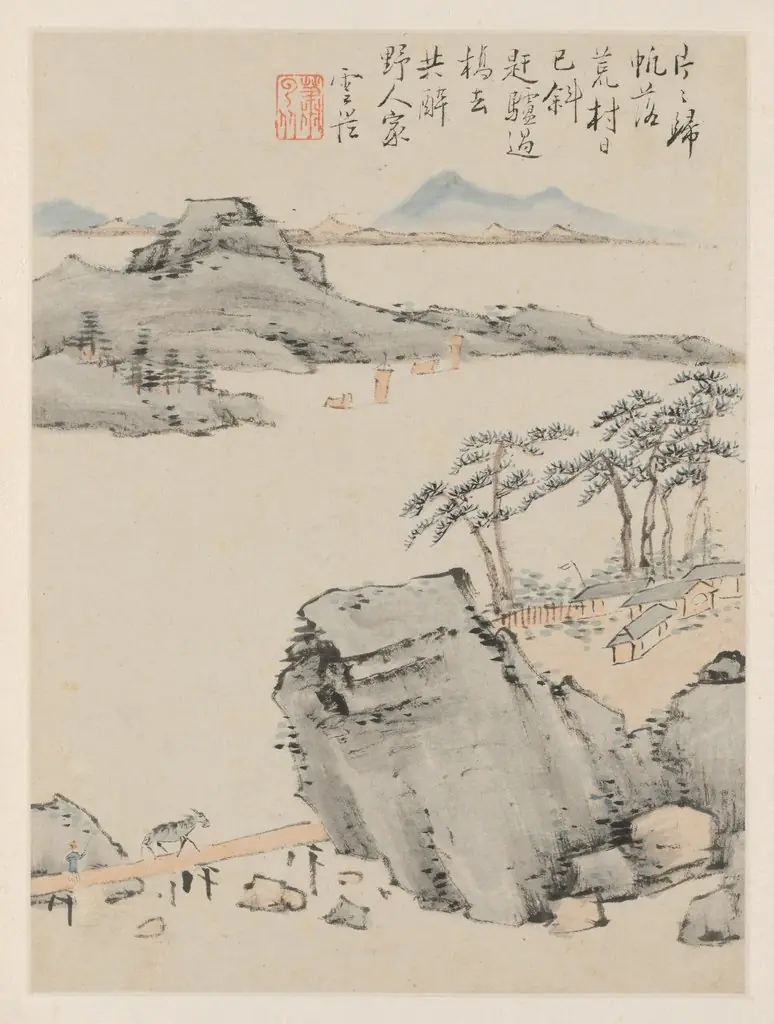 Album of Seasonal Landscapes, Leaf C (previous leaf 6)
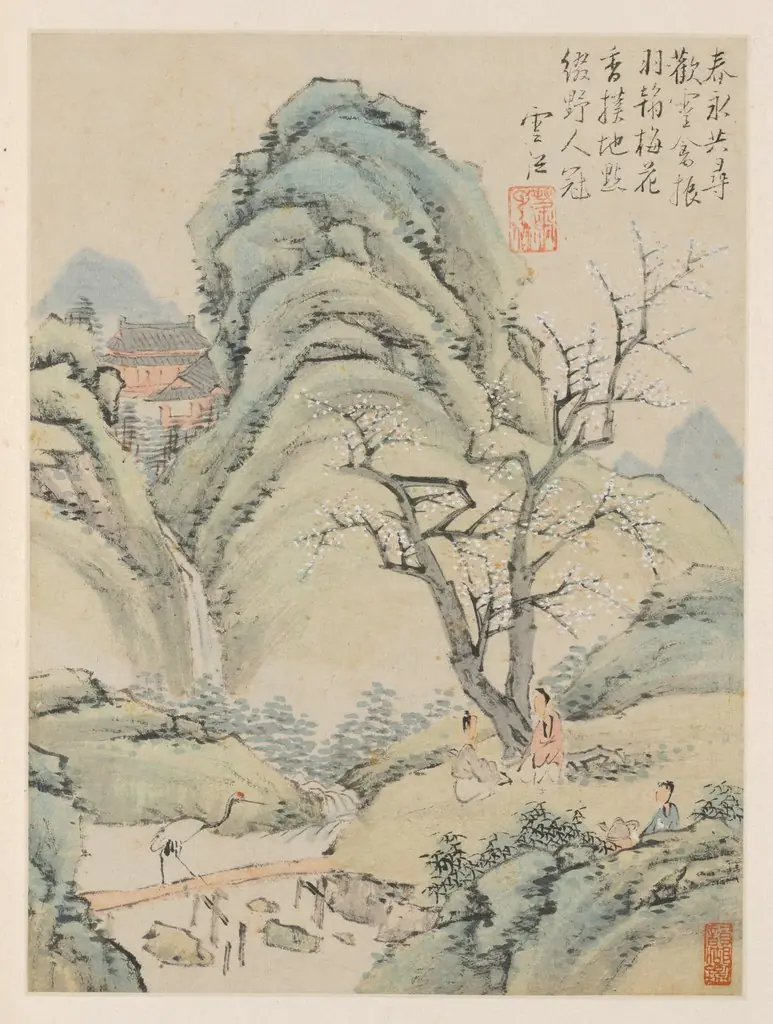 Album of Seasonal Landscapes, Leaf A (previous leaf 4)
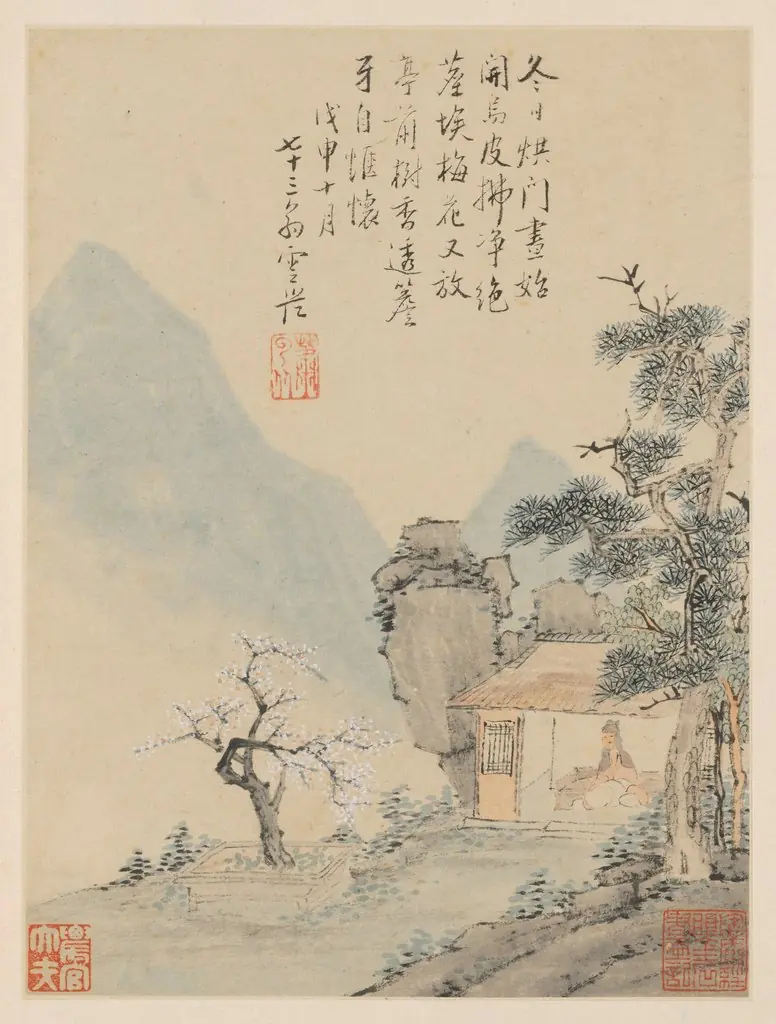 Album of Seasonal Landscapes, Leaf H (previous leaf 8)
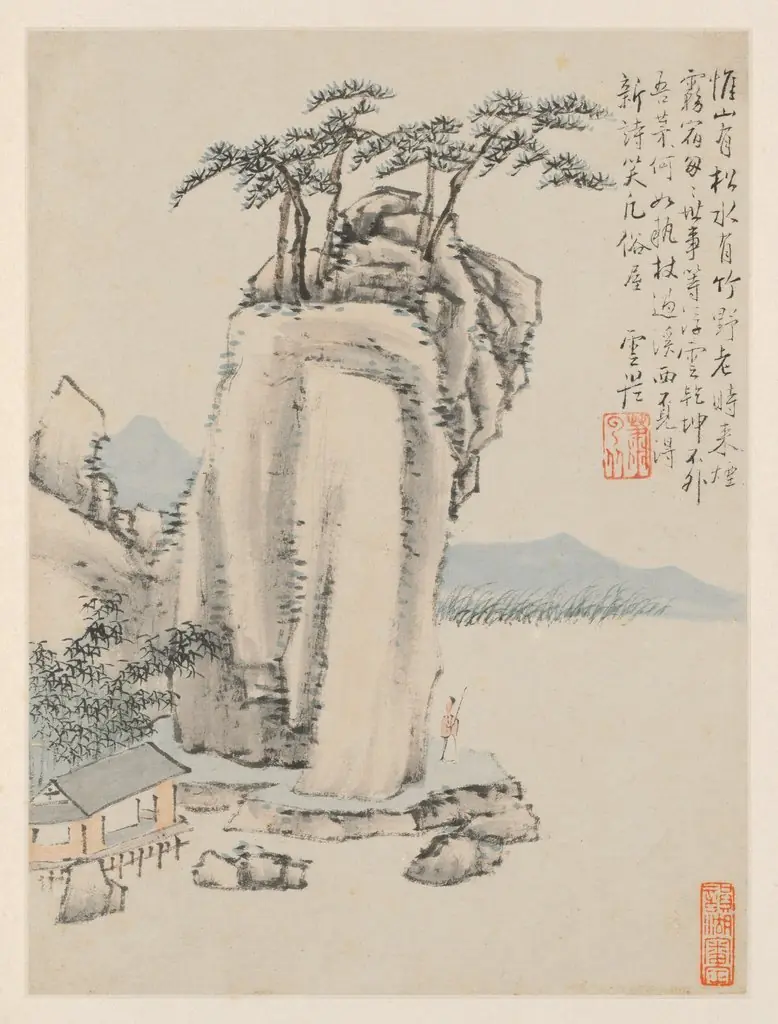 Album of Seasonal Landscapes, Leaf G (previous leaf 7)
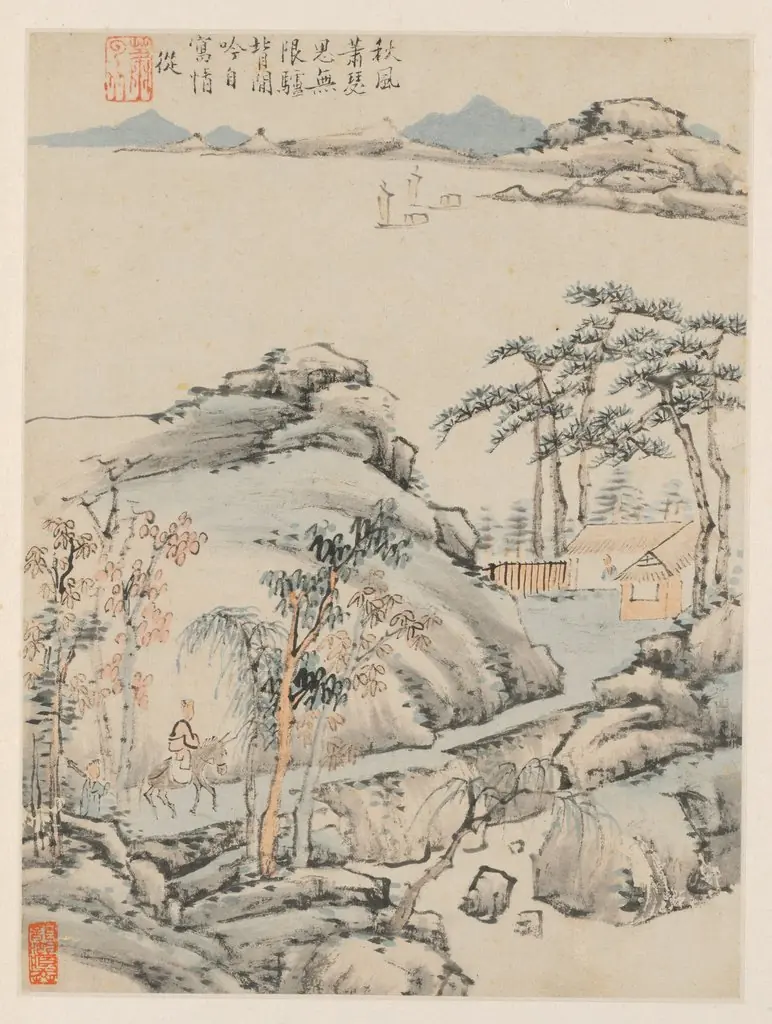 Album of Seasonal Landscapes, Leaf F (previous leaf 5)
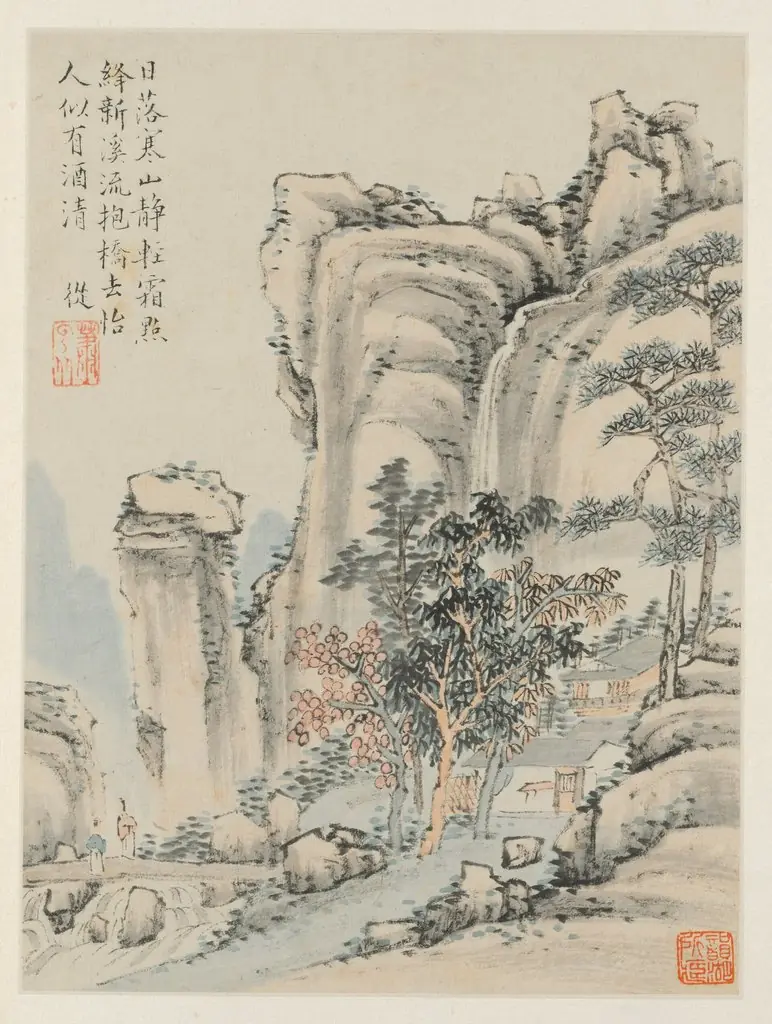 Album of Seasonal Landscapes, Leaf E (previous leaf 3)
- Dream Journey among Rivers and Mountains, Number 150
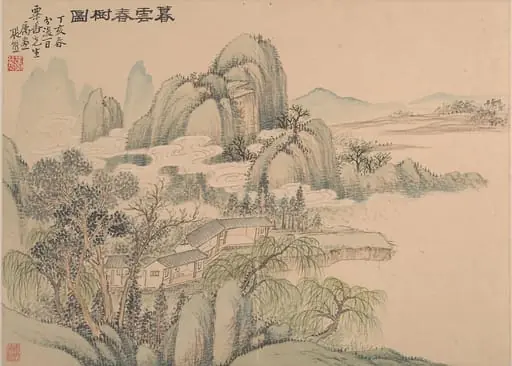 清 張熊 山水 冊頁|Landscape
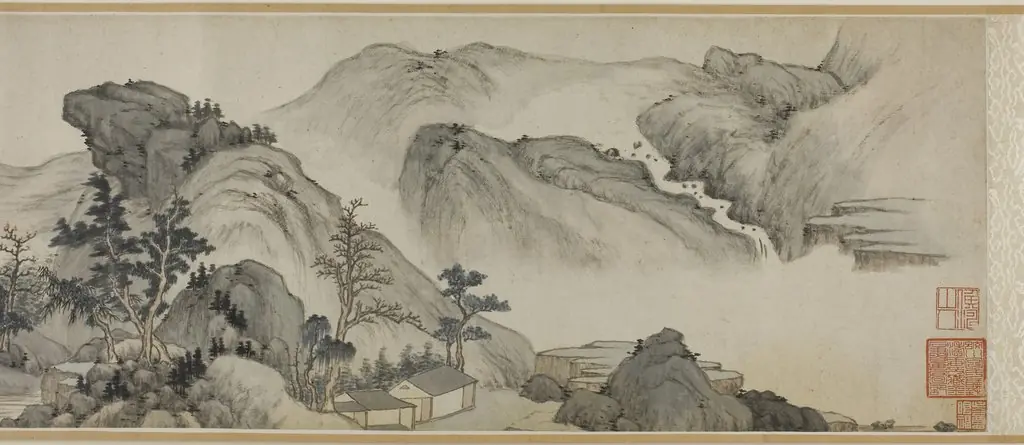 Recluse Dwellings in the Autumn Mountains
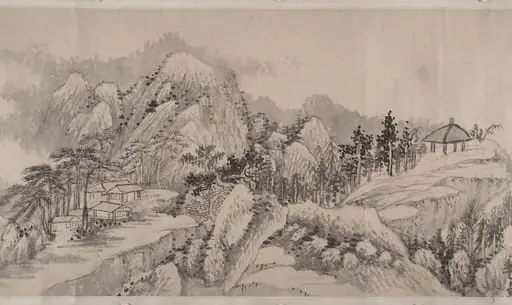 清 柳堉 幽谷深林圖 卷|Remote Valleys and Deep Forests
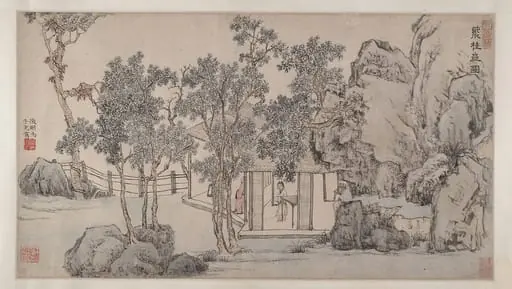 明 文徵明 叢桂齋圖 卷|The Cassia Grove Studio
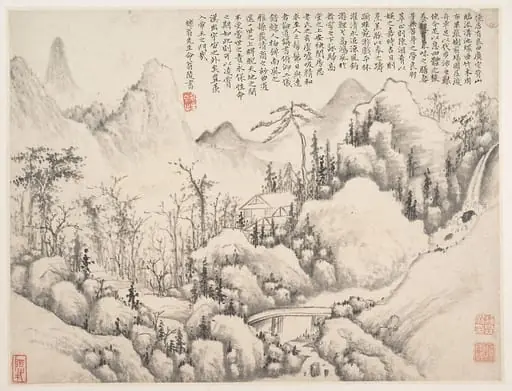 清 施霖 山莊圖 冊頁|Mountain Retreat, leaf from Album for Zhou Lianggong
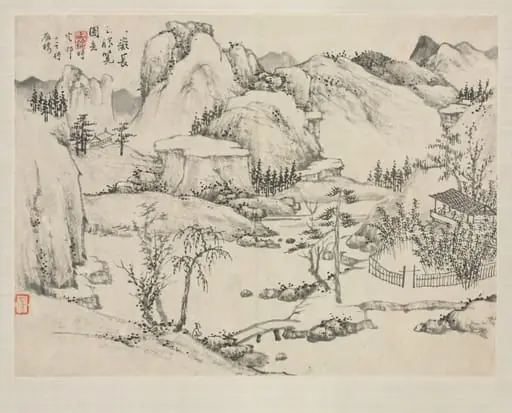 Landscape Album in Various Styles: Scenery of Mt. Changbai after Huang Gongwang
 Landscape Album in Various Styles: Scenery of Mt. Changbai after Huang Gongwang
 清 柳堉 山水圖 卷|Traveling Amid Streams and Mountains
 Untitled
 Spring Landscape
 River and Mountains on a Clear Autumn Day