Movement
Synthetism
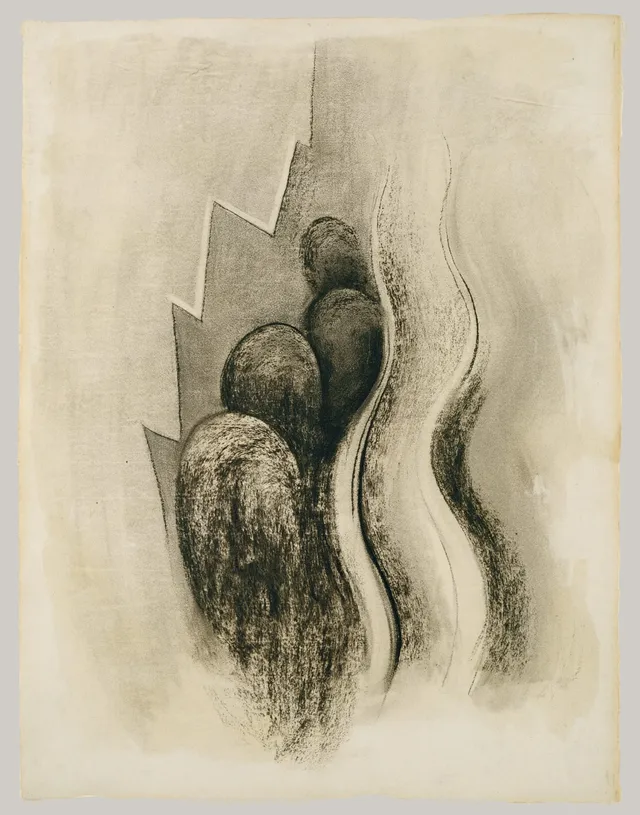
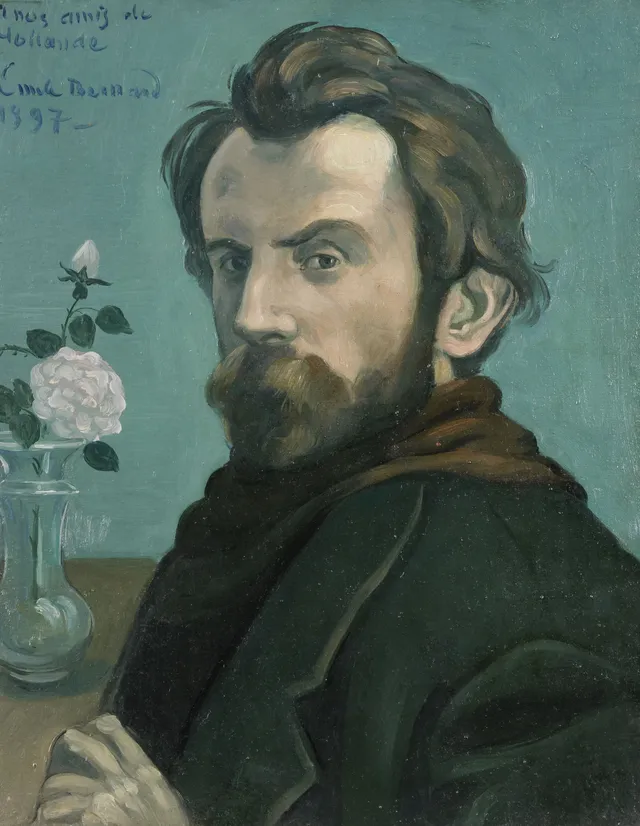
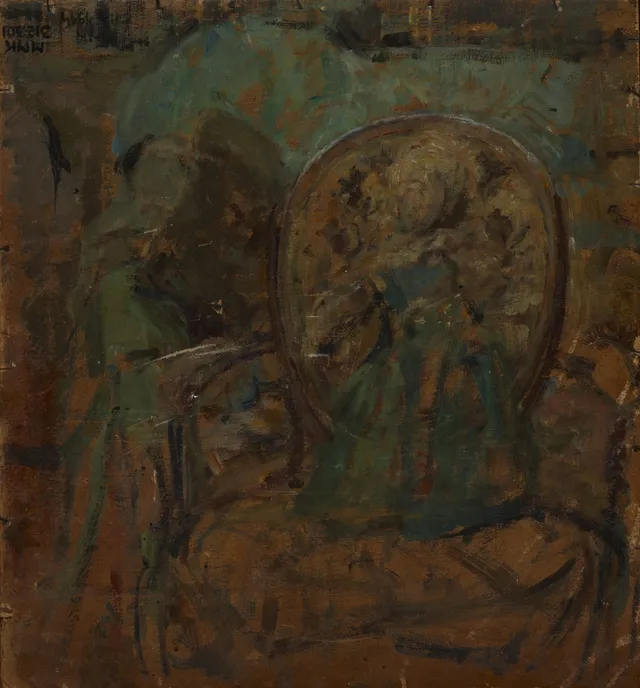
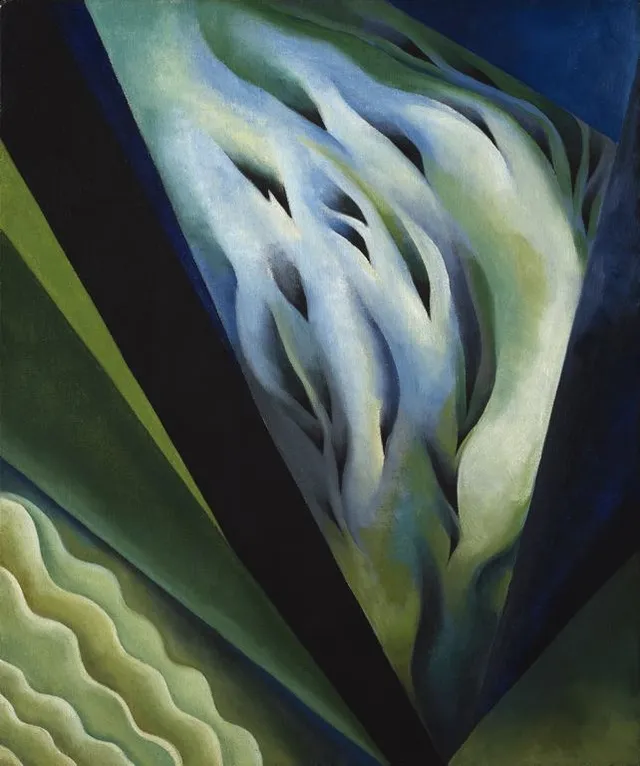
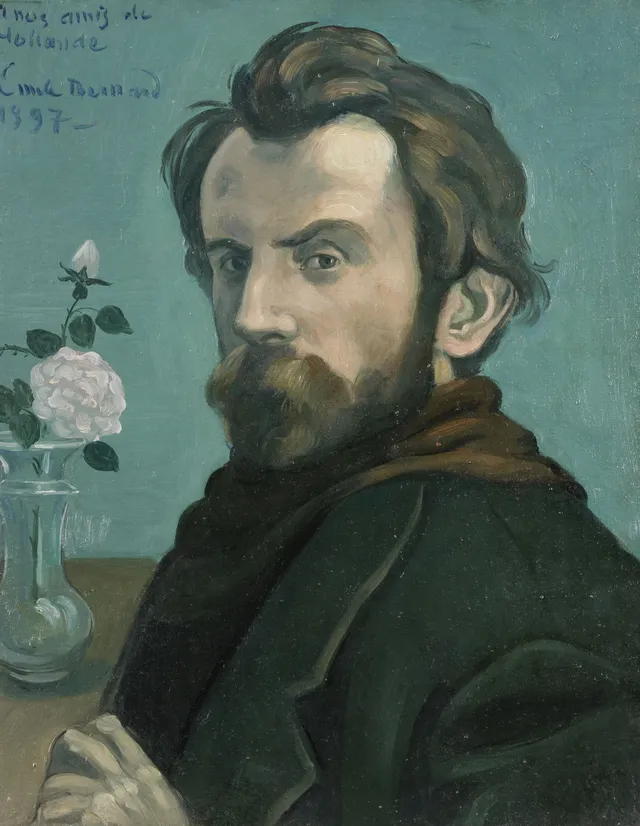
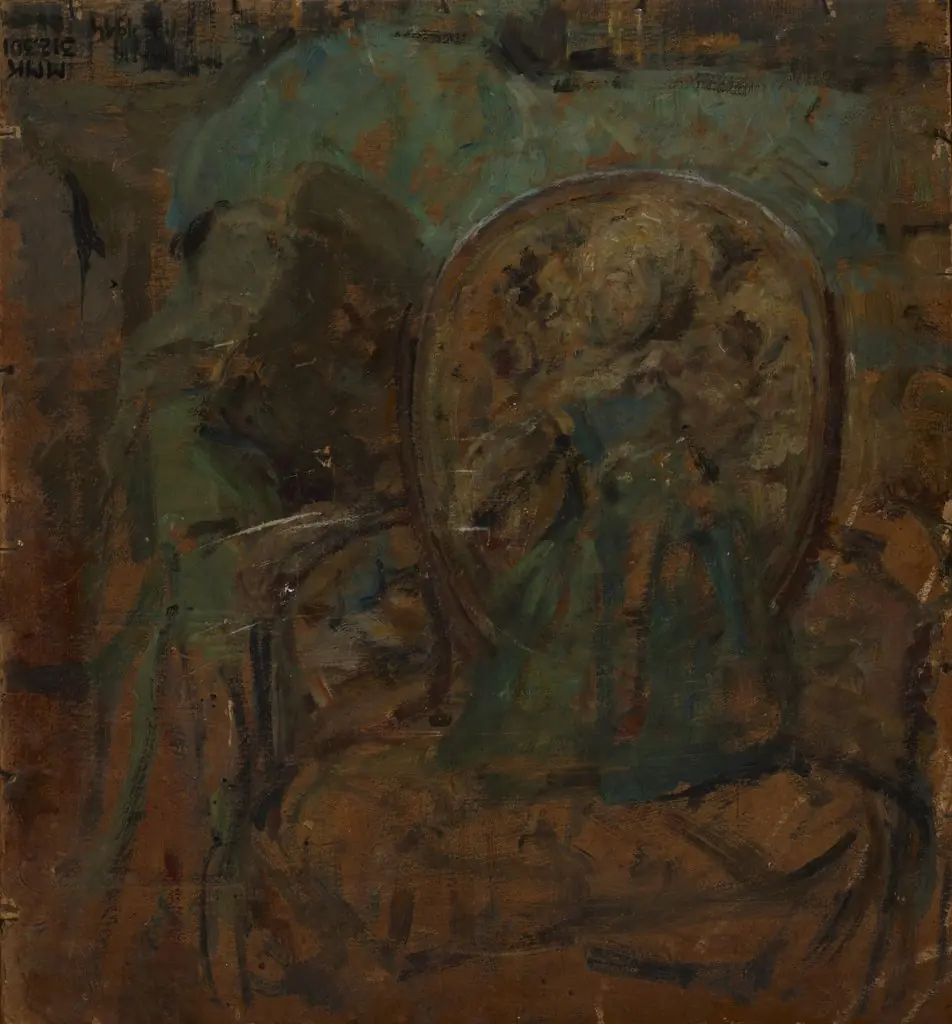
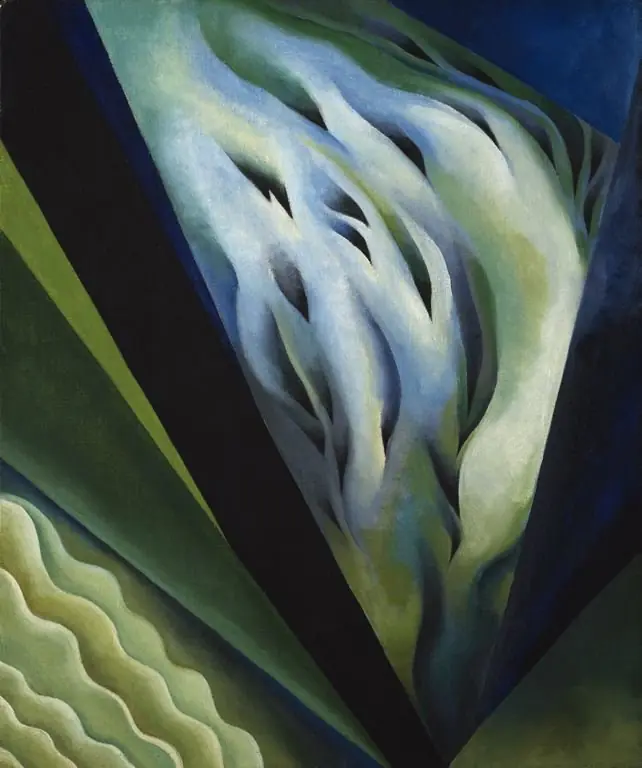
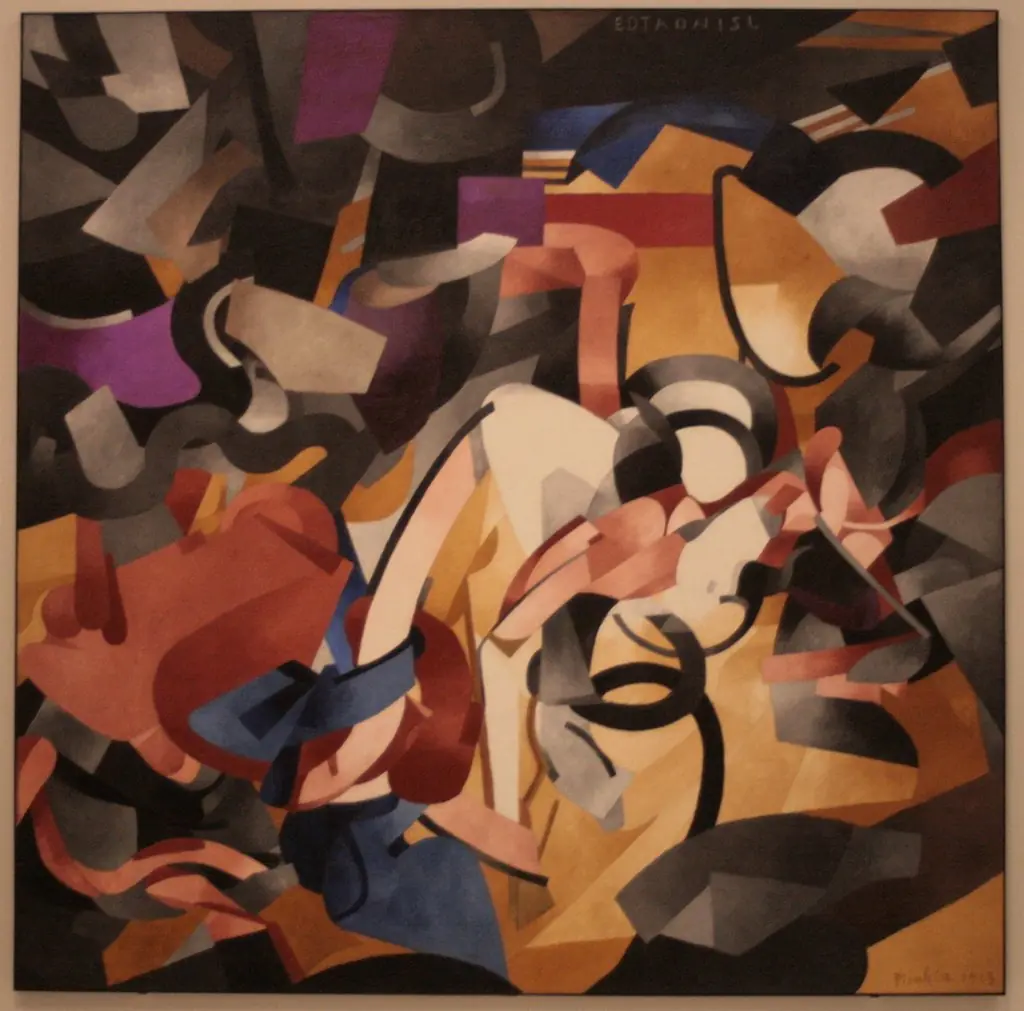
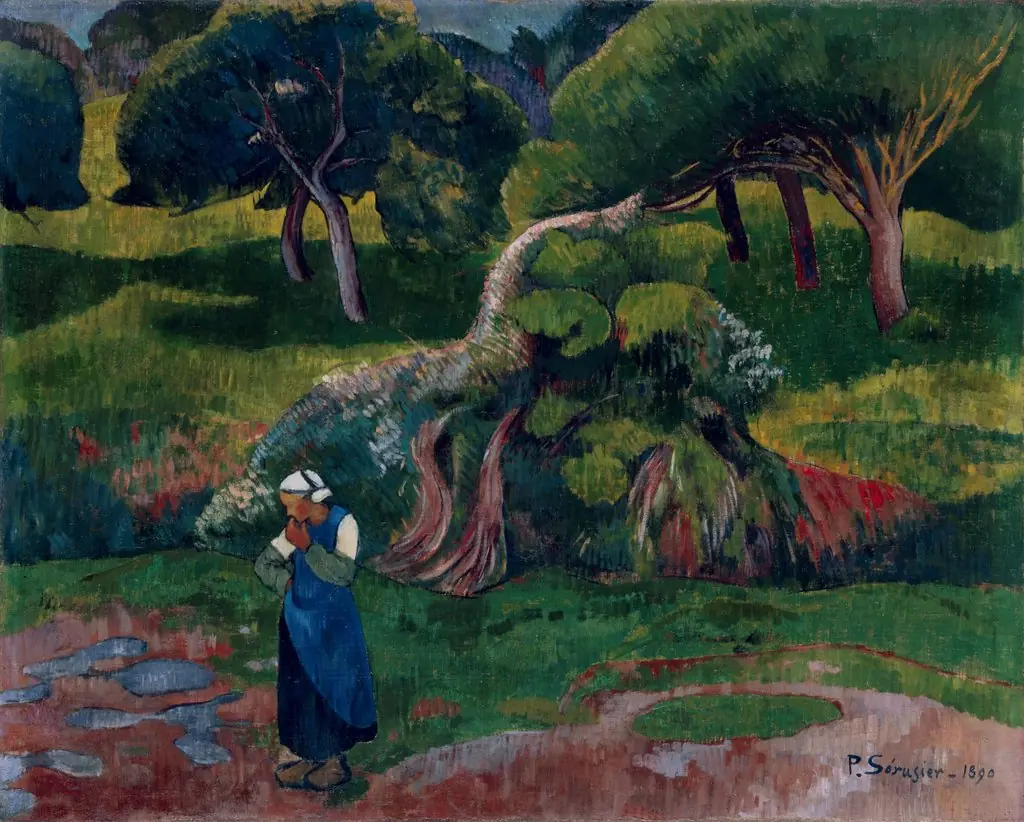
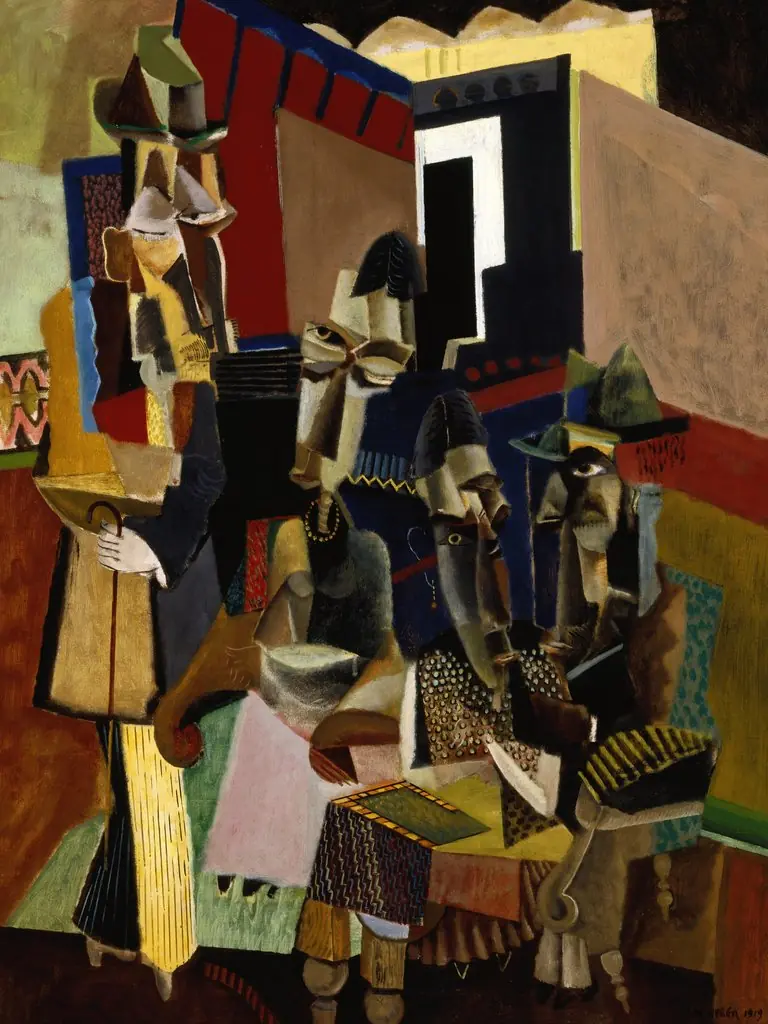
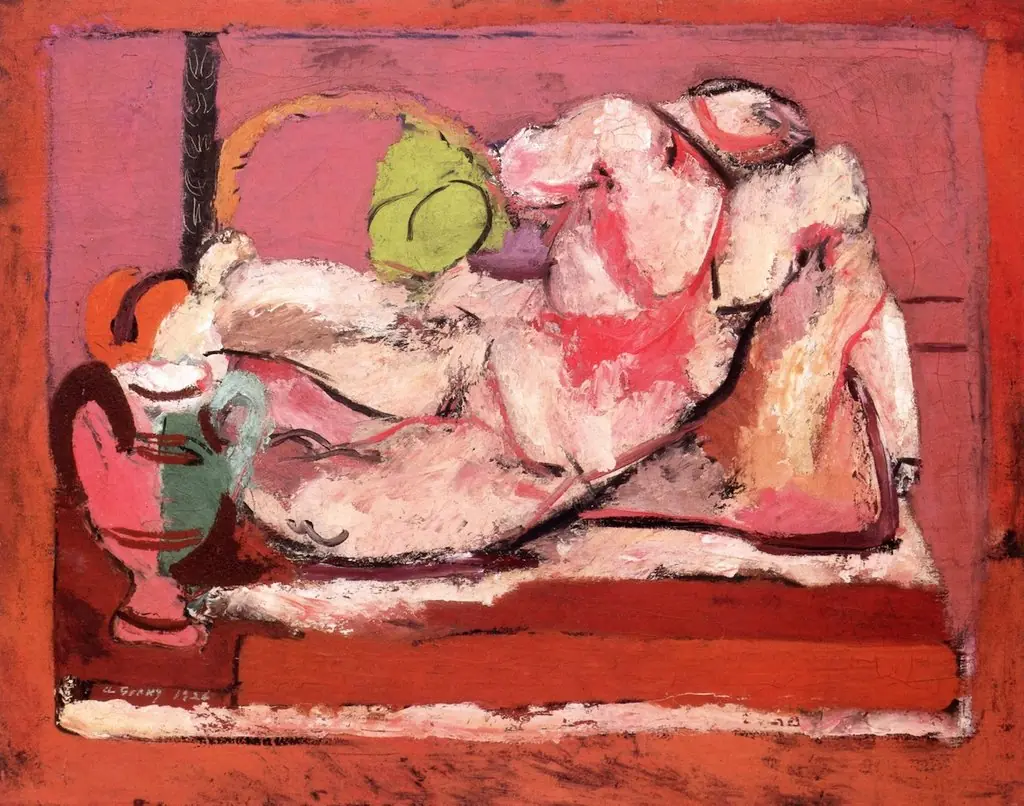
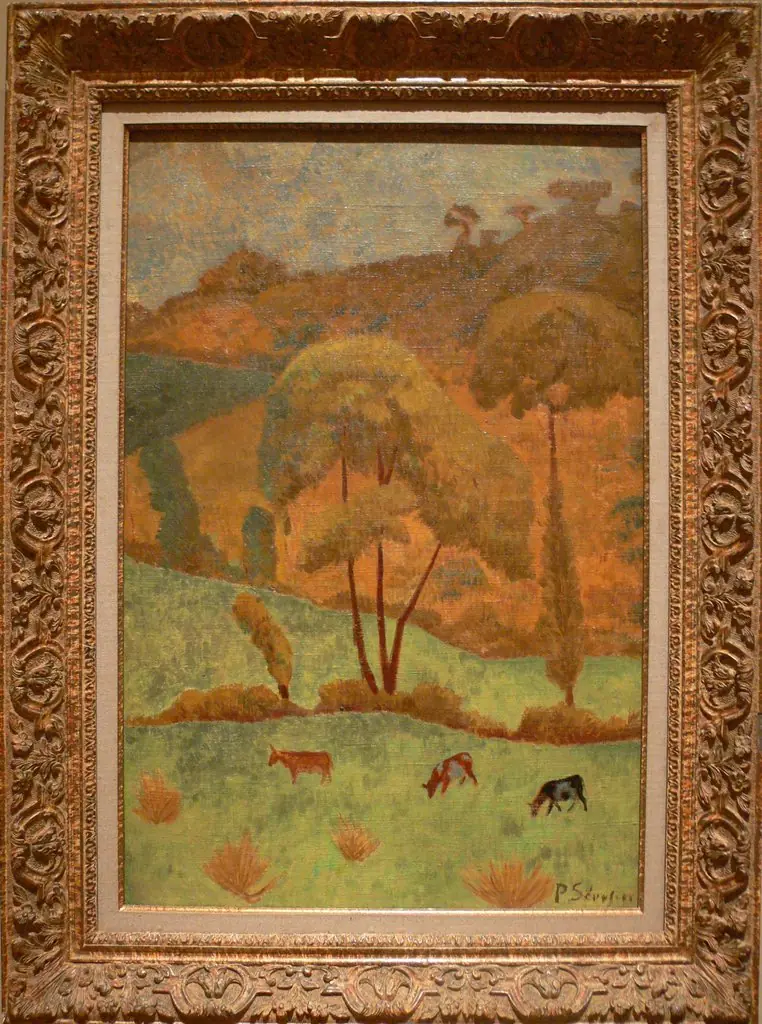
Synthetism is an art movement of the 1870–1900 period. The gallery holds 10 works in this movement, including works by Paul Gauguin, Émile Bernard and Paul Sérusier. Browse Synthetism paintings, portraits, pictures and artworks from the world's public-domain museum collections.
Synthetism was a style of painting that crystallised in the Breton fishing village of Pont-Aven in the late 1880s, the joint invention of Paul Gauguin and the young Émile Bernard. It emerged from a generation's dissatisfaction with Impressionism's devotion to fleeting optical sensation: where the Impressionists recorded what the eye saw, the Synthetists sought to fuse, or "synthesise," three things—the outward appearance of nature, the artist's feelings about the subject, and the purely aesthetic demands of line, colour and form. Colour was to be symbolic and expressive rather than observed. The term itself was made public in 1889, when Gauguin and Émile Schuffenecker mounted the "Exposition de Peintures du Groupe Impressionniste et Synthétiste" at the Café Volpini, on the fringes of that year's Paris Universal Exhibition.
Visually, Synthetism is defined by bold, flat fields of non-naturalistic colour, drastically simplified forms, compressed space, and strong dark contours. This last technique—heavy outlines enclosing zones of pure colour, in the manner of medieval stained glass and cloisonné enamel—was termed Cloisonnism by the critic Édouard Dujardin in 1888, after experiments by Bernard and Louis Anquetin. Japanese woodblock prints and so-called "primitive" and folk art were further touchstones. The founding masterpiece is Gauguin's *Vision after the Sermon* (1888), where Breton women witness Jacob wrestling the angel against a flaming vermilion ground.
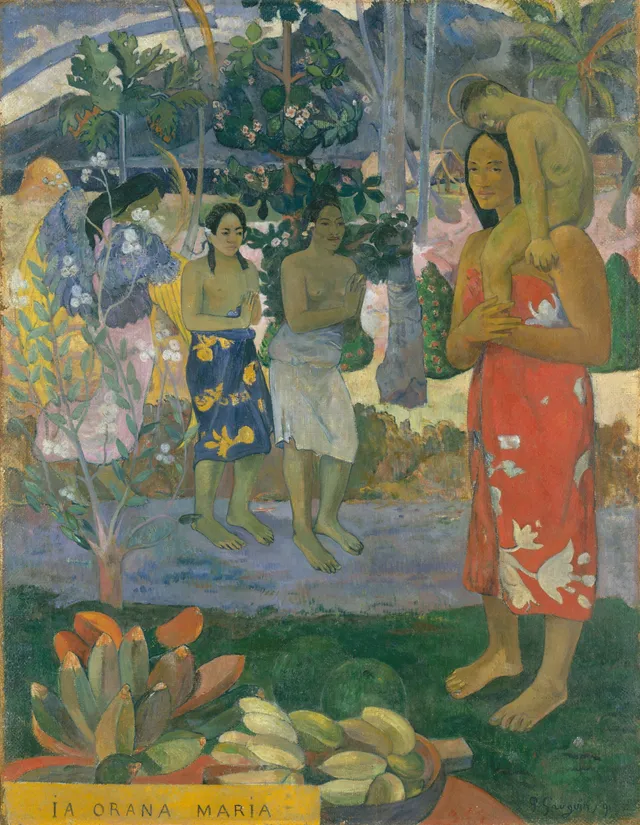
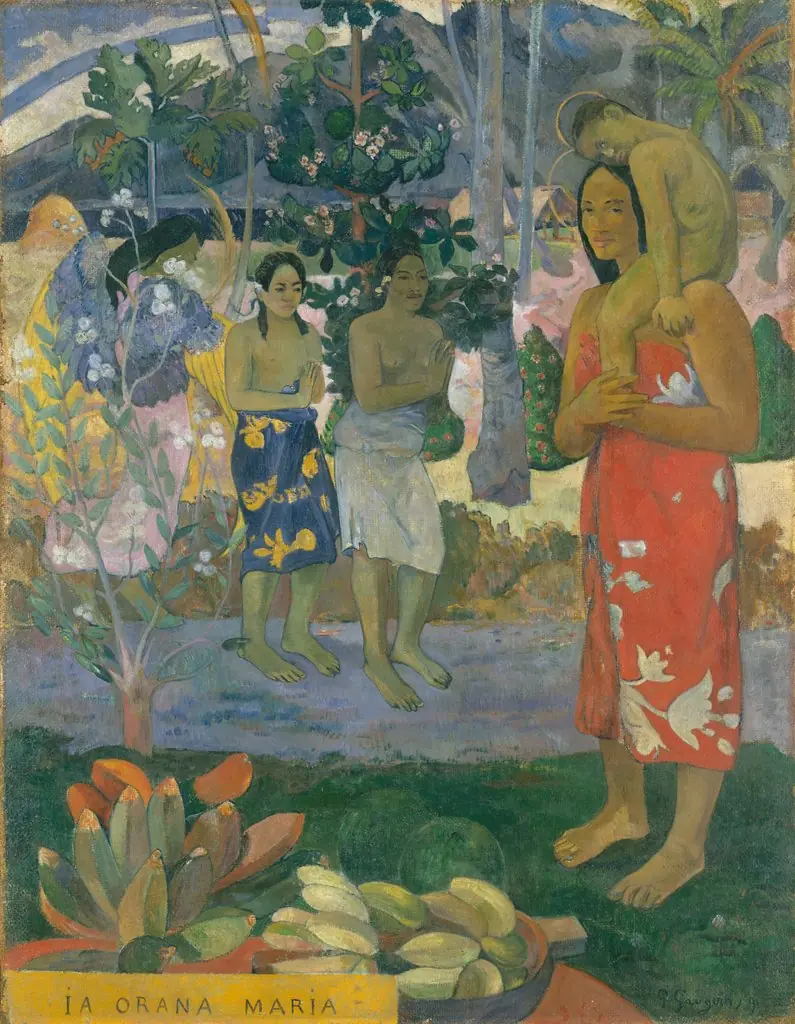
The principal artists were Gauguin, Bernard, Anquetin and Paul Sérusier. In October 1888 Sérusier painted a tiny, near-abstract landscape under Gauguin's direction; carried back to Paris as *The Talisman*, it became the rallying icon of the Nabis, the "prophets" who extended Synthetist ideas toward decoration and abstraction. Gauguin carried the language to the South Seas, where works such as *Ia Orana Maria* (1891, now in the Metropolitan Museum of Art) transposed Christian iconography into a Tahitian idiom of flat, glowing colour.
Closely bound to Cloisonnism and forming a current within the broader Symbolist movement, Synthetism proved one of Post-Impressionism's most consequential developments. Its liberation of colour and contour from descriptive duty fed directly into the Nabis, the Fauves and early modernist abstraction, making Pont-Aven a genuine cradle of twentieth-century painting.
Key artists
Works
Frequently asked questions
What is Synthetism?
Synthetism is an art movement. A Post-Impressionist style championed by Gauguin and Émile Bernard at Pont-Aven in the late 1880s, synthesizing observed form with symbolic meaning and emotional color.
How many Synthetism works does Artifact World Gallery have?
Artifact World Gallery holds 10 public-domain Synthetism works, all free to view and download.
Who are the key Synthetism artists?
Key Synthetism artists in the collection include Paul Gauguin, Émile Bernard and Paul Sérusier.
When did Synthetism take place?
Synthetism dates from 1870–1900.
Where can I see Synthetism works?
Synthetism works in the collection are held by Art Institute of Chicago, Metropolitan Museum of Art and San Francisco Museum of Modern Art.