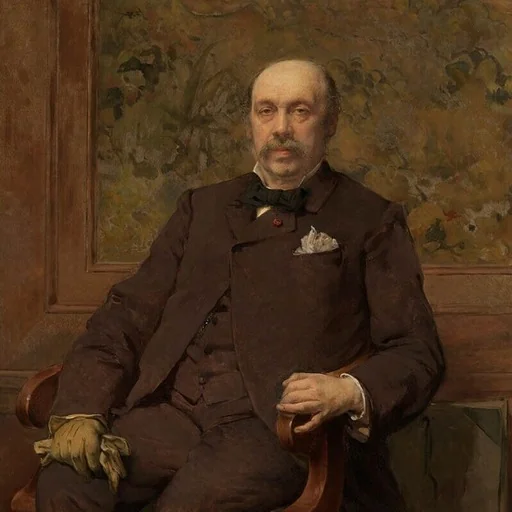
Movement
Post-romanticism
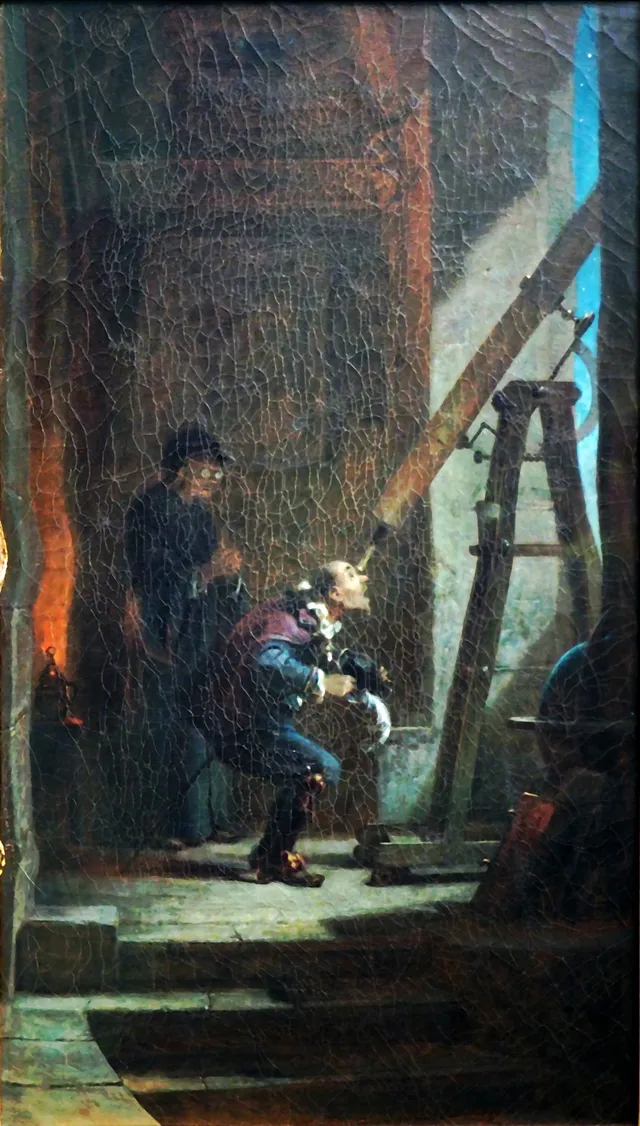
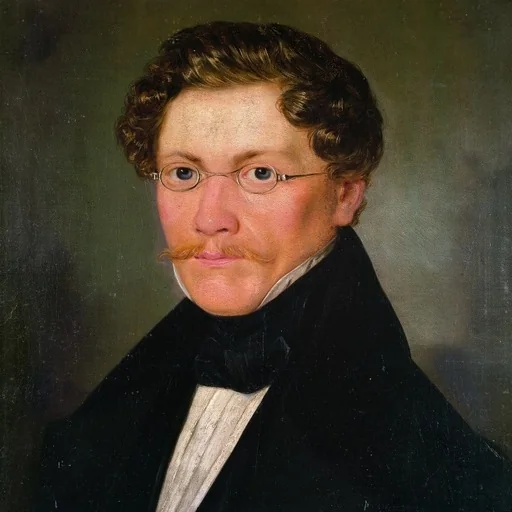
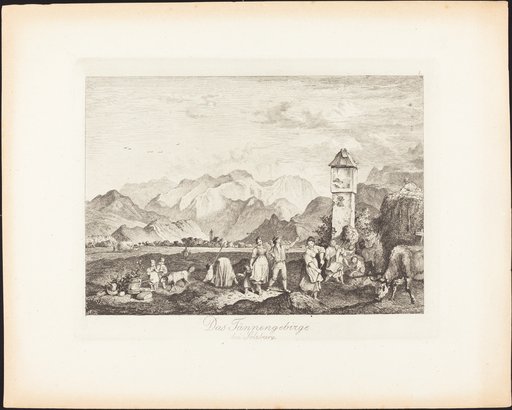
Post-romanticism is an art movement. The gallery holds 1 work in this movement, including works by Jean-François Portaels, Luis Ricardo Falero and Carl Spitzweg. Browse Post-romanticism paintings, portraits, pictures and artworks from the world's public-domain museum collections.
"Post-romanticism" is less a single, manifesto-driven school than a descriptive label for the persistence of the Romantic sensibility into the second half of the nineteenth century. Romanticism proper had flourished from the late 1700s to the mid-1800s, emerging across Europe as a reaction against Enlightenment rationalism and classical restraint in the unsettled decades after the French Revolution of 1789. It prized imagination, raw emotion, individual genius and the sublime power of nature. As Realism and, later, Impressionism advanced toward the everyday and the optical, a broad cohort of painters continued to cultivate reverie, nostalgia, the exotic and the fantastic — carrying Romantic feeling forward even as the avant-garde moved on.
What unites these post-Romantic currents is theme more than technique. The storms, ruins, moonlight and longing of Caspar David Friedrich's generation survive, but they are frequently rendered with the polished, meticulous finish of academic painting or the snug intimacy of the Biedermeier interior rather than the heroic bravura of high Romanticism. The range is wide, running from quiet domestic genre scenes to lush mythological fantasy, but a shared taste for sentiment, storytelling and escape binds them.
The German wing is anchored by Carl Spitzweg (1808–1885), the best-known painter of the Biedermeier epoch, celebrated for affectionately humorous studies of eccentrics and dreamers — among them *The Poor Poet* (1839) and stargazing figures akin to our own *The Astrologer*. His contemporary Ludwig Richter (1803–1884) distilled an idyllic vision of German folk life as one of the century's most beloved illustrators. Beyond the German lands, Jean-François Portaels (1818–1895), founder of the Belgian Orientalist school, channelled Romantic exoticism into biblical and Near-Eastern subjects gathered on travels through Greece, Constantinople, the Levant and Egypt. The Spanish painter Luis Ricardo Falero (1851–1896) pushed the fantastical extreme, populating celestial and mythological scenes with nudes and even illustrating the astronomer Camille Flammarion.
Post-romanticism thus forms a connective tissue between high Romanticism and the fin-de-siècle. Its dreamlike preoccupations fed directly into Symbolism, its travelogue subjects into Orientalism, and its polished idealism into academic fantasy, while its quieter side overlaps with Biedermeier and the genre tradition that Realism would soon challenge.
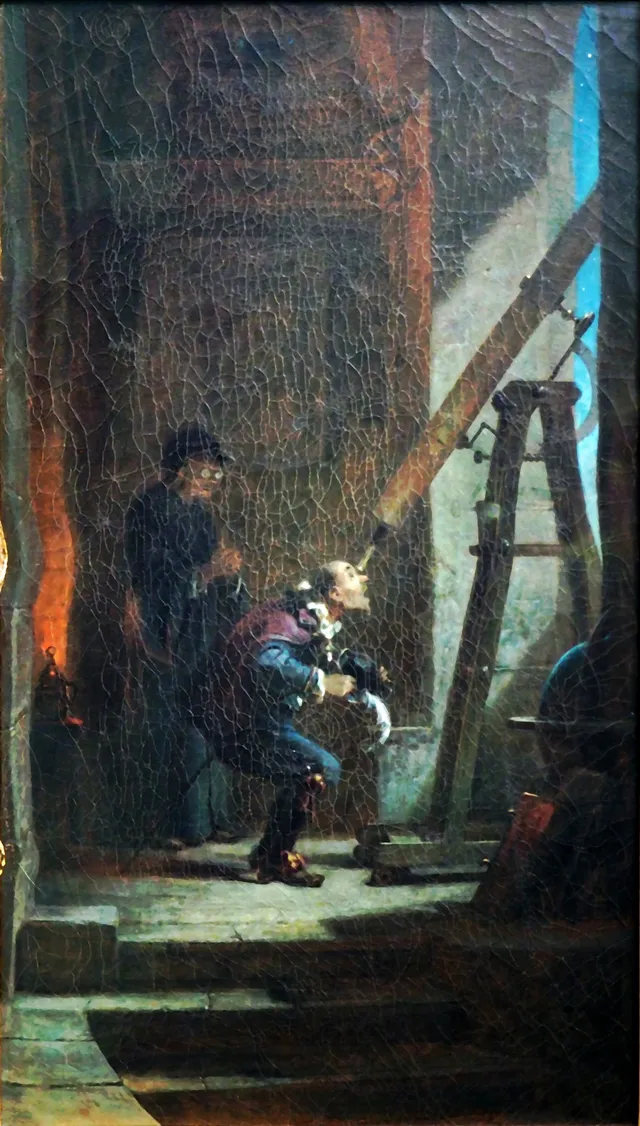
Key artists
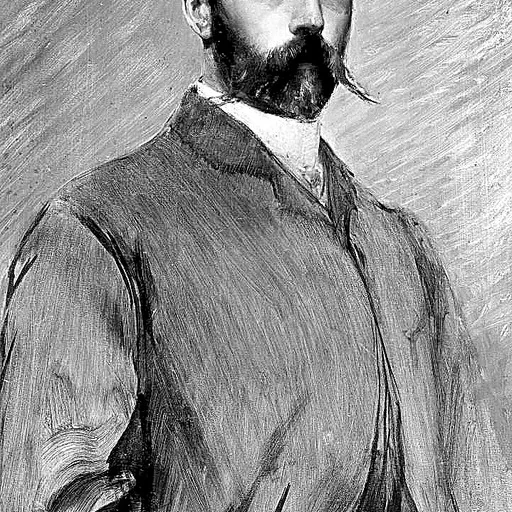
Works
Frequently asked questions
What is Post-romanticism?
Post-romanticism is an art movement. The broad terrain of European painting after the Romantic generation — roughly the second half of the 19th century — in which Romantic subjects and moods persisted but without the movement's programmatic energy.
Who are the key Post-romanticism artists?
Key Post-romanticism artists in the collection include Jean-François Portaels, Luis Ricardo Falero and Carl Spitzweg.
Where can I see Post-romanticism works?
Post-romanticism works in the collection are held by Hamburger Kunsthalle.