Subject
Coal
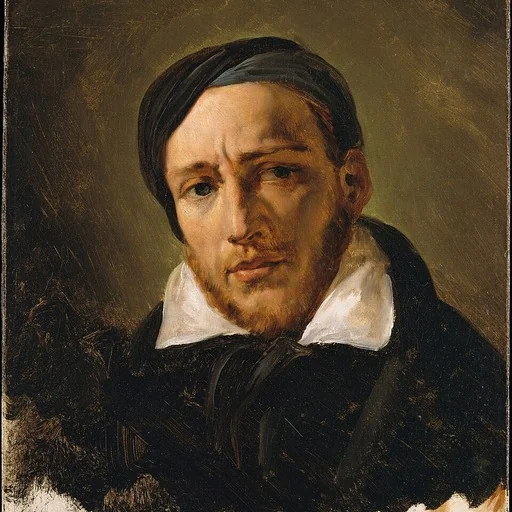
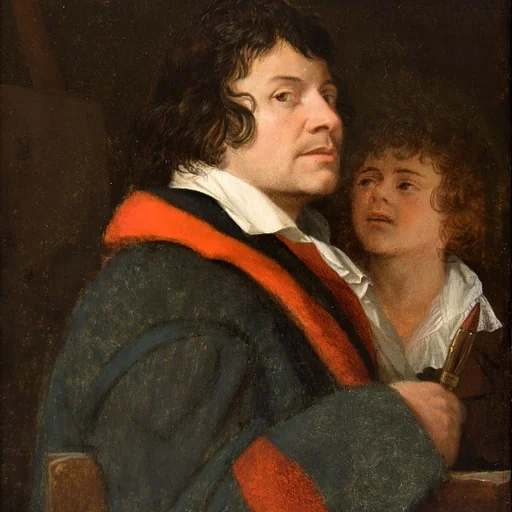
Coal is a subject in art. The gallery holds 50 works in this subject in art, including works by Théodore Géricault, Georges Michel and Caesar van Everdingen.
Coal is a combustible black or brownish-black sedimentary rock, formed as layers called coal seams. Coal is mostly carbon with variable amounts of other elements, chiefly hydrogen, sulfur, oxygen, and nitrogen.
Key artists
Overview
Coal is a combustible black or brownish-black sedimentary rock formed as layers called coal seams. Composed primarily of carbon, it also contains variable amounts of hydrogen, sulfur, oxygen, and nitrogen. Formed over millions of years through the coalification of decaying plant matter, coal transitions from peat to lignite, bituminous coal, and finally anthracite depending on the heat and pressure endured during deep burial. While used for thousands of years, its role remained limited until the Industrial Revolution, when the steam engine transformed it into a primary driver of global industrialization. Today, it remains a major source of electricity and industrial fuel, though its severe environmental impact has driven global efforts to phase it down.
Iconography & meaning
In visual art, coal carries dual associations with elemental warmth and industrial toil. As a fuel, it features in domestic and seasonal scenes, such as braziers providing heat in allegories of winter. Conversely, the rise of industrial capitalism imbued coal with darker symbolism tied to grueling labor, environmental degradation, and wealth inequality. The concentrated power of coal drove massive factories and urbanized workforces, creating stark juxtapositions between industrial wealth and smoke-choked slums. Observers like Alexis de Tocqueville described the civilized man turning back into a savage in these settings, while Friedrich Engels documented the miserable conditions of coal workers, linking the rock to the social conflicts and ideological movements, including communism, that arose in response to industrialization.
Across movements & periods
The artistic treatment of coal shifted dramatically from pre-industrial to industrial periods. In ancient and medieval times, its use was localized and small-scale, valued by artisans for metalworking and lime burning. Early depictions, when they existed, focused on its functional role in heating. By the 18th and 19th centuries, the Industrial Revolution transformed coal into the central force of modern life. Artistic representations shifted toward the monumental scale of extraction and its social consequences, capturing massive open pits, rail networks, and the concentrated labor of urbanized workers. By the late 20th century, as environmental concerns mounted, the motif became increasingly associated with ecological destruction and climate change, reflecting a transition from a symbol of progress to a symbol of crisis.
Legacy
The cultural and environmental legacy of coal is defined by its central role in creating the modern world and the subsequent urgent need to abandon it. Coal fueled the rise of industrial capitalism and the labor movements that opposed it. However, its combustion is the largest source of global carbon dioxide emissions, contributing significantly to climate change and premature death. In 2024, over fifteen billion tonnes of carbon dioxide were emitted from burning coal. International agreements, including the Glasgow Climate Pact, call for phasing down coal use to meet global warming targets. As societies transition to dispersed, cleaner energy technologies, the concentrated economic and political power structures built on coal are expected to fundamentally reshape, marking the end of an era that defined global geopolitics for two centuries.
Works
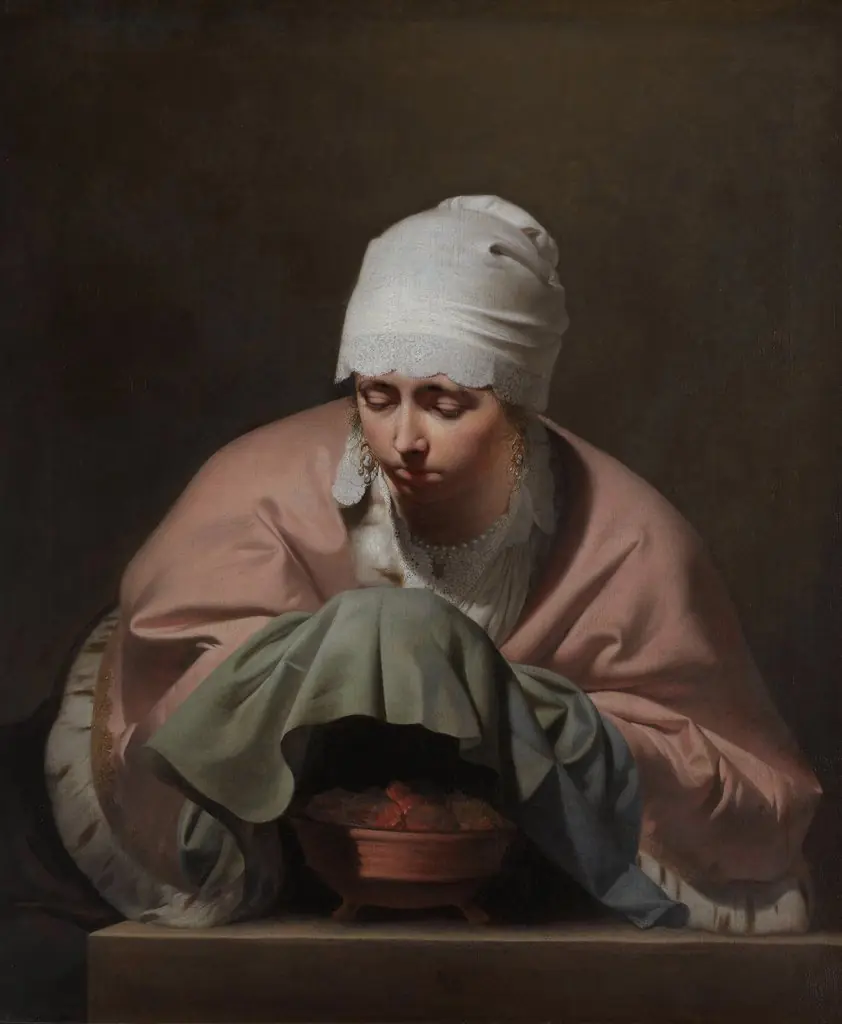 A Young Woman Warming her Hands over a Brazier: Allegory of Winter
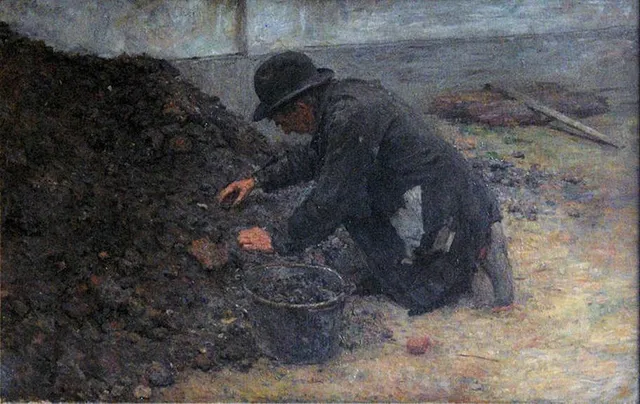
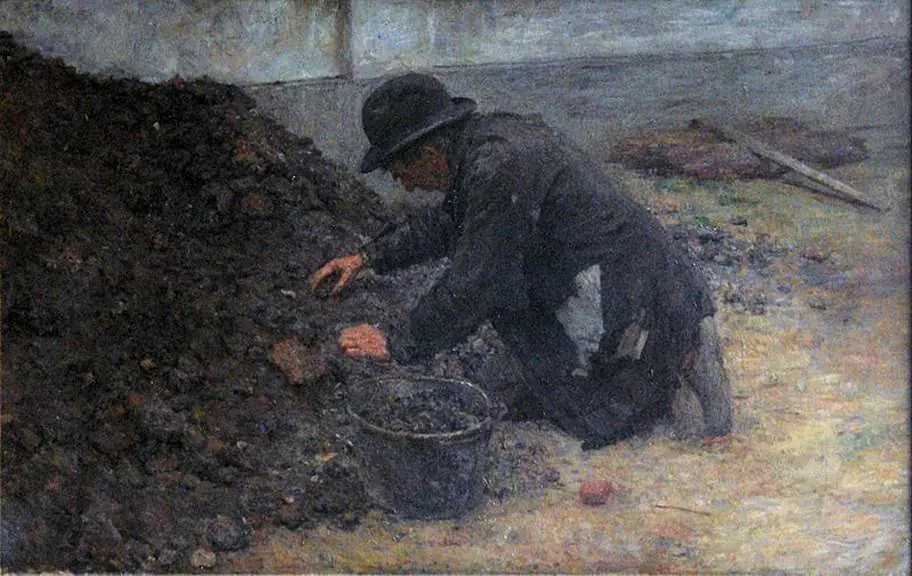 Cinder clearance
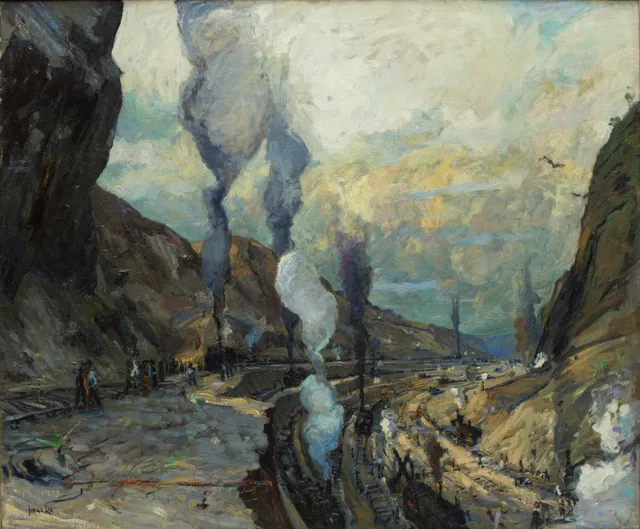
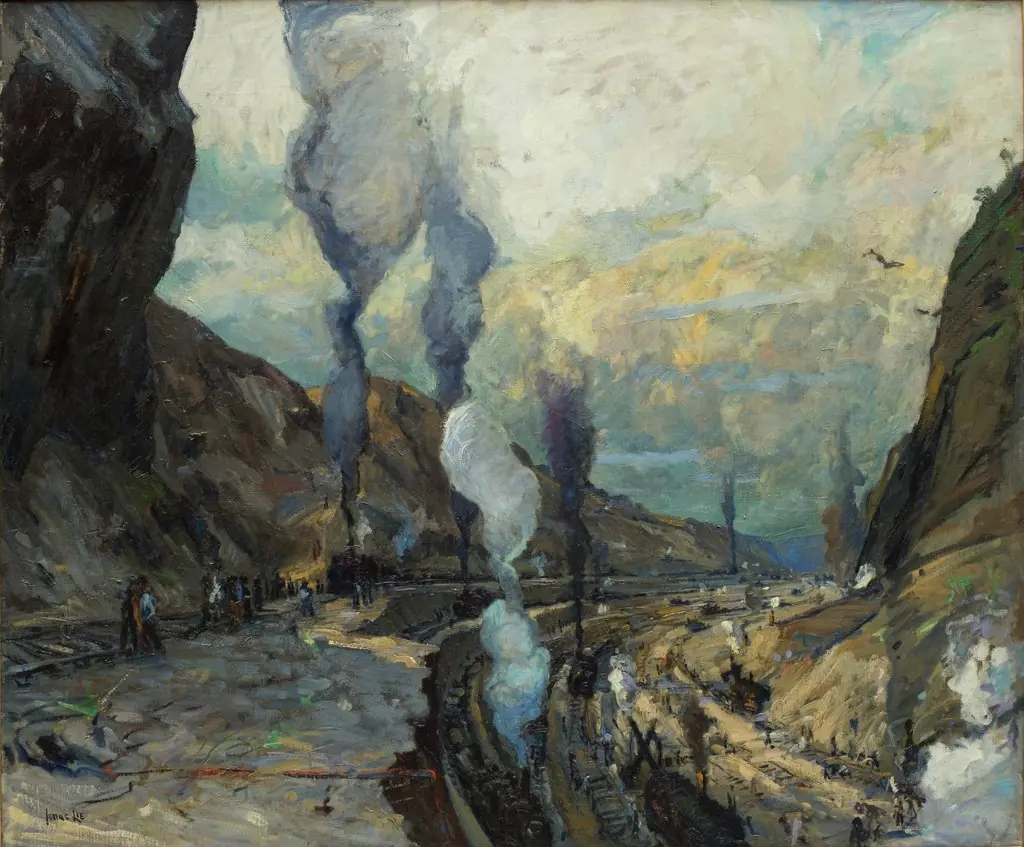 Culebra Cut
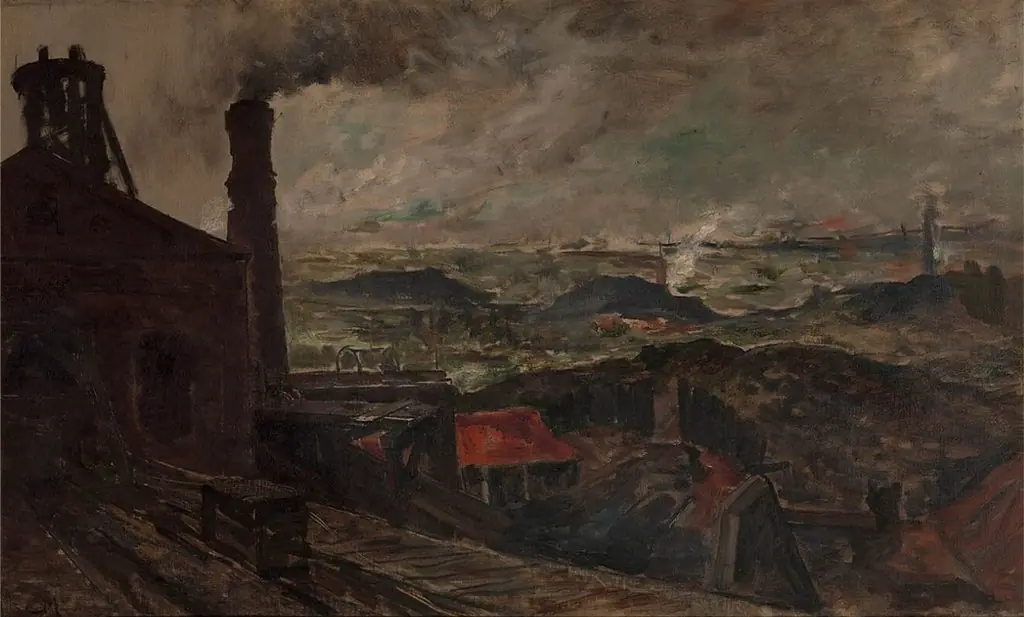 Mining Area
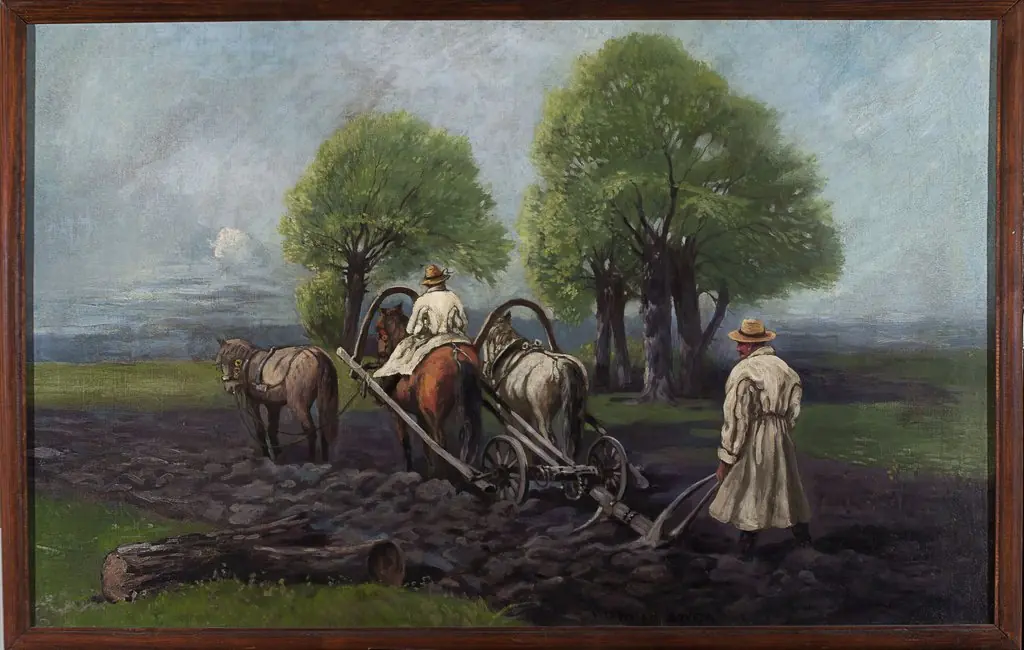 Ploughing
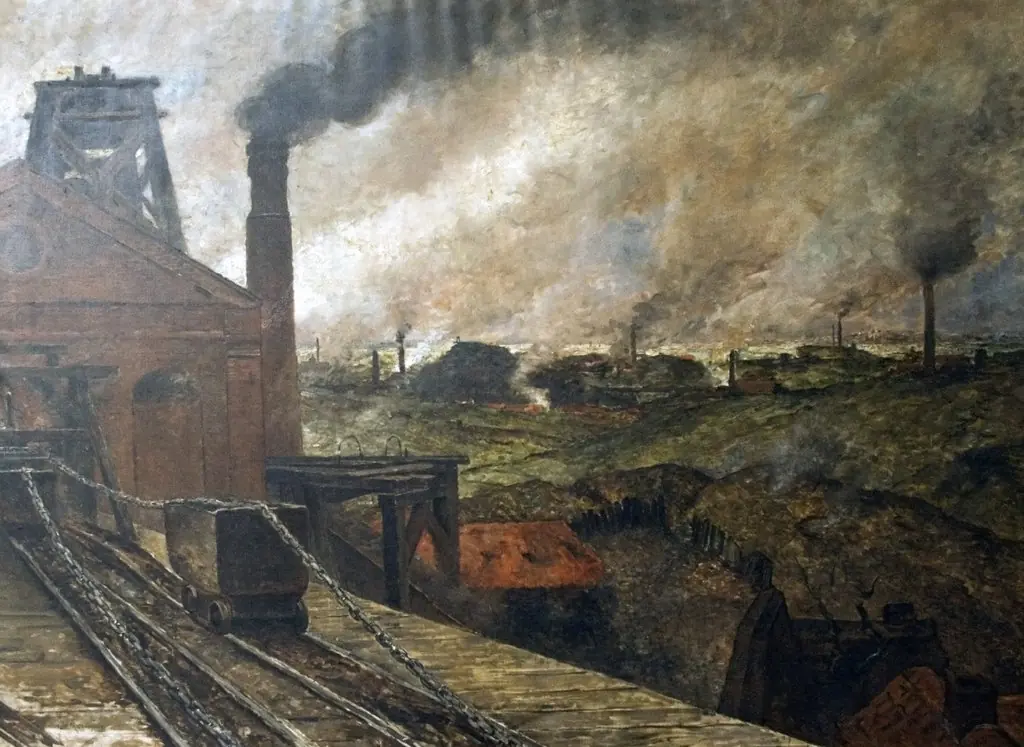 Black Country – Borinage
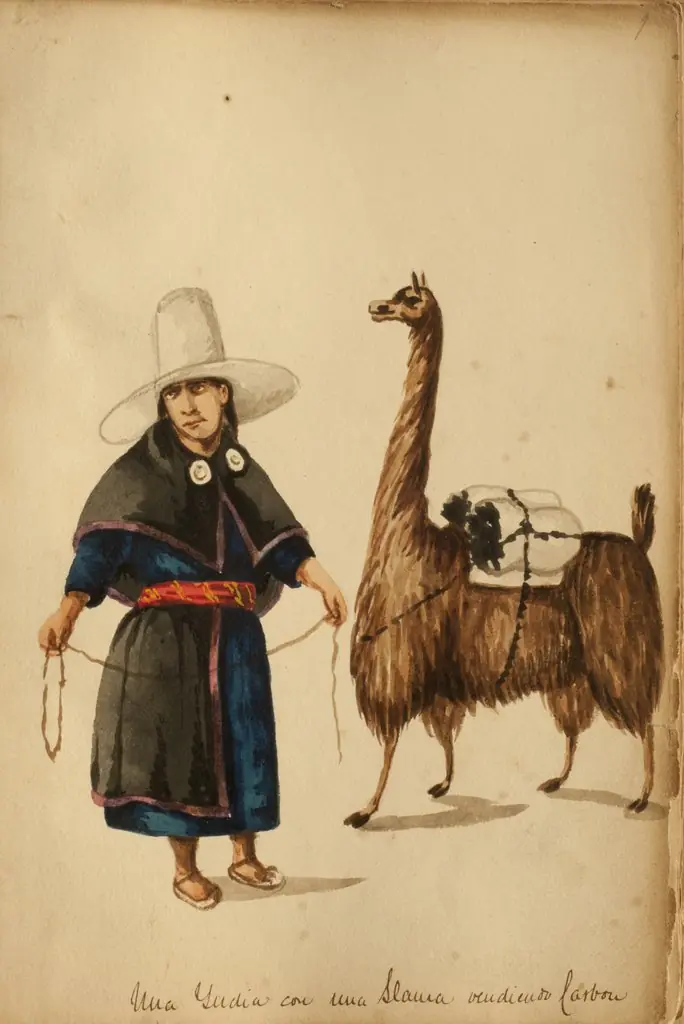 An Indian with a llama selling coal
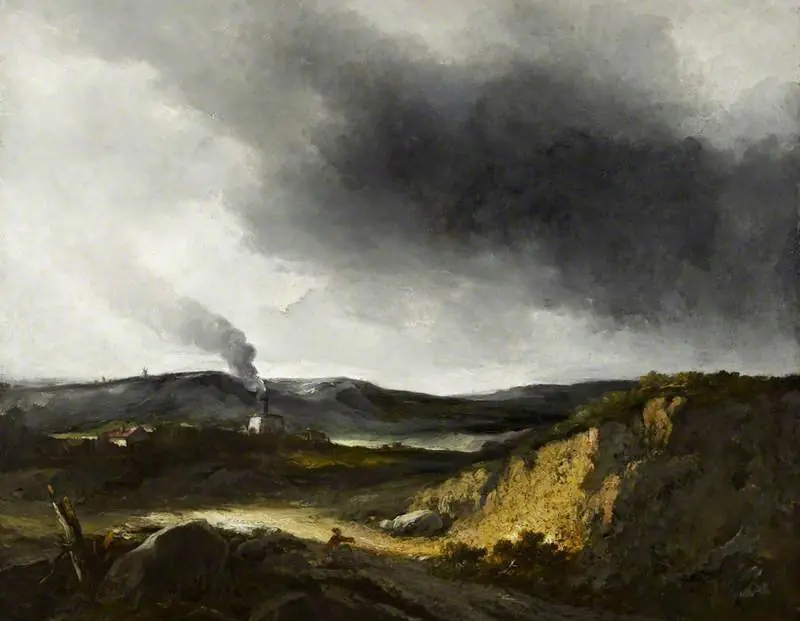 The Lime Kiln
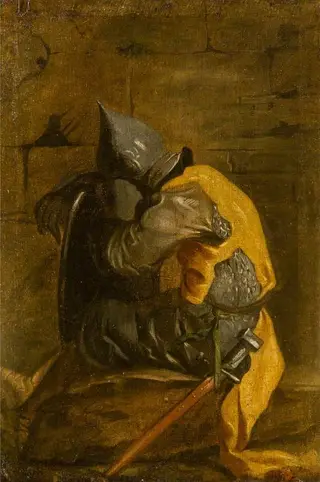 A Figure in Armour
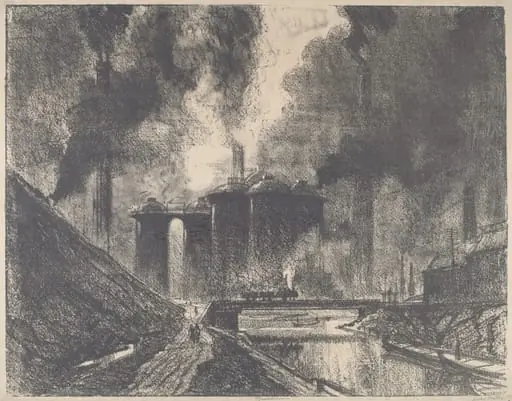 Work Castles, Wolverhampton
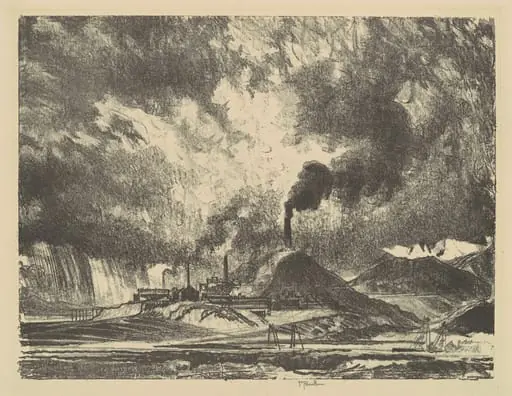 Anaconda, Montana
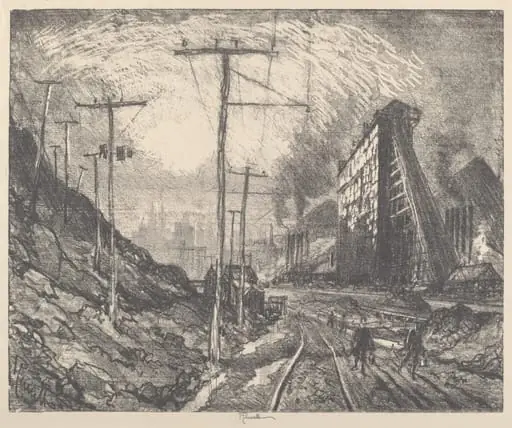 Shenandoah
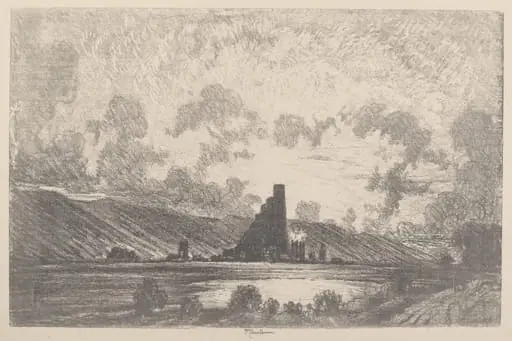 Work Castles, Wilkesbarre
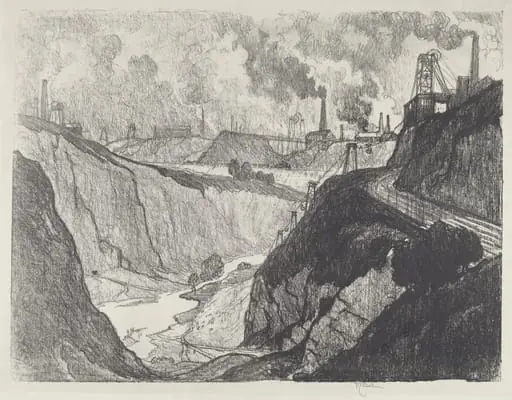 The Iron Mine
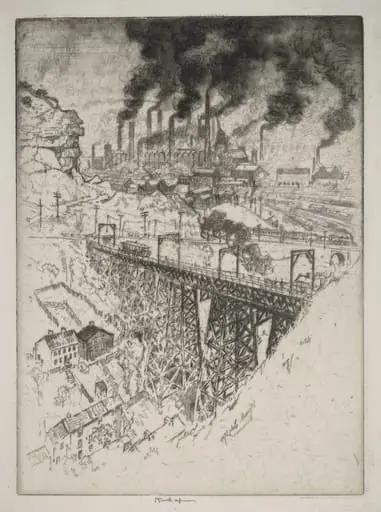 Edgar Thomson Works, Bessemer
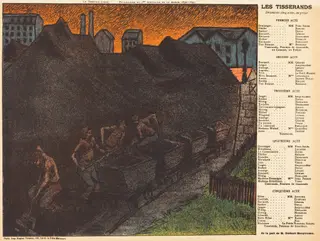 Les Tisserands
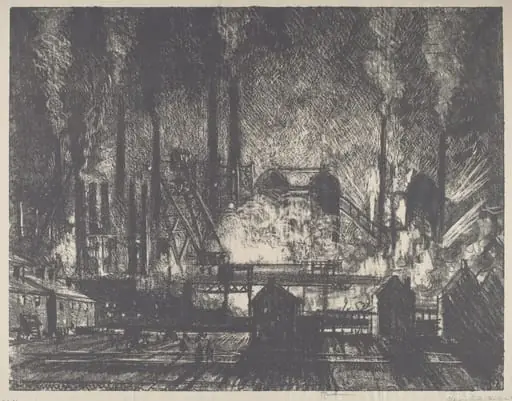 Changing Shifts, Charleroi
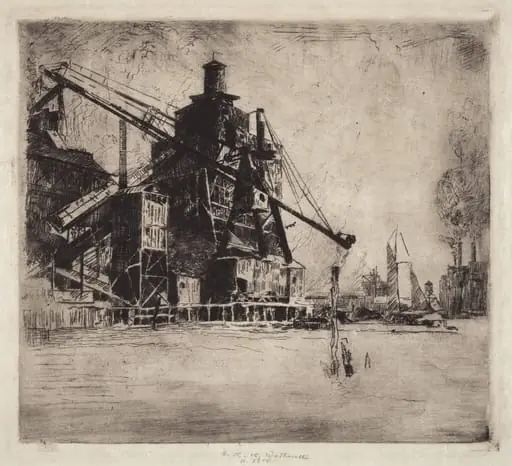 Otto Coke and Coal Hoist
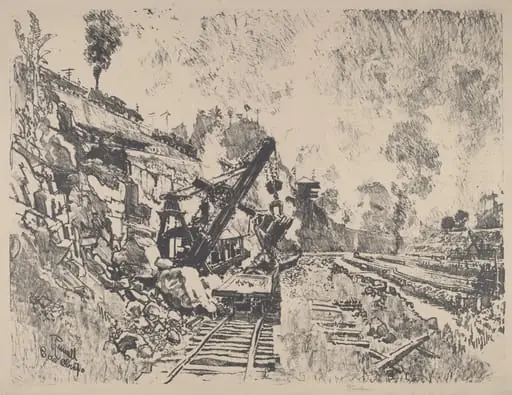 Steam Shovel at Work in Culebra Cut
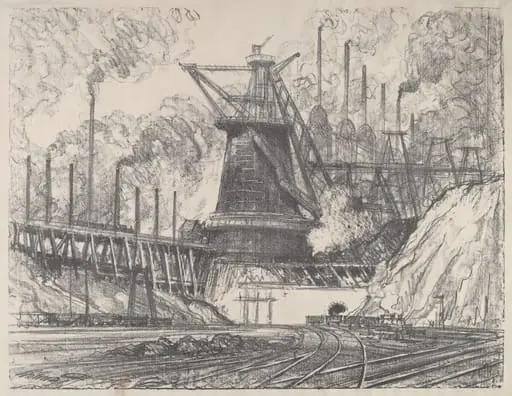 The Big Mill, Gary, Indiana
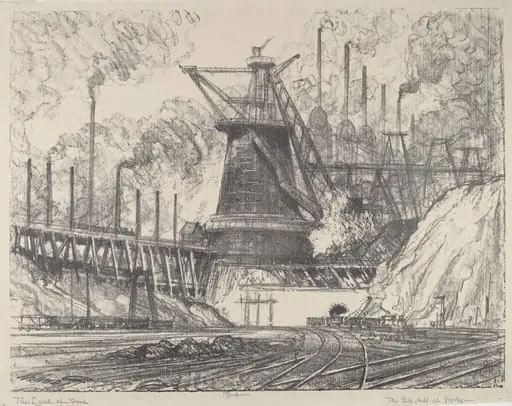 The Big Mill, Gary, Indiana
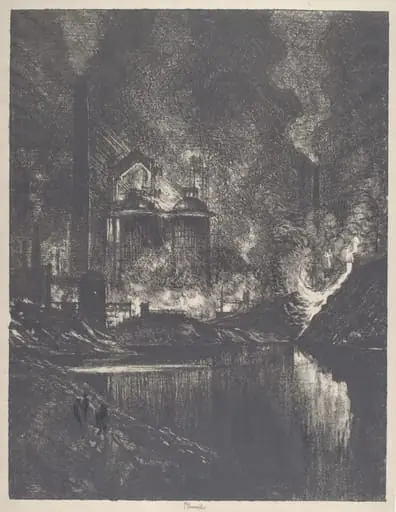 The Lake of Fire, Charleroi
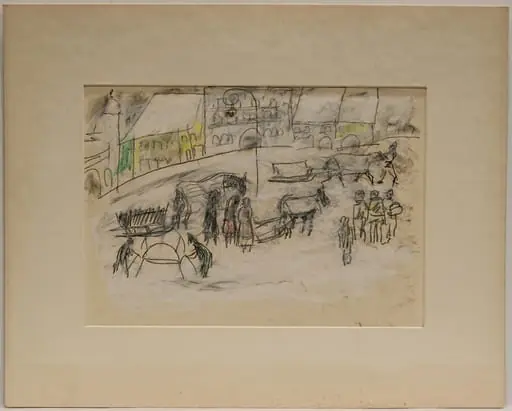 Peisaj de iarnă
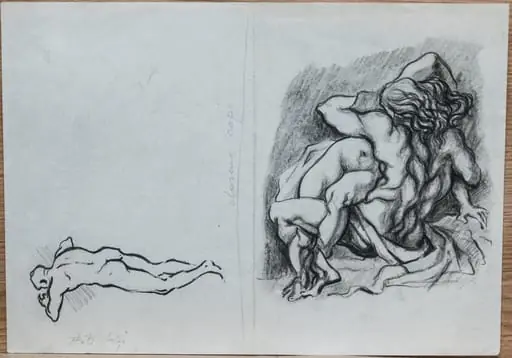 Desene copii
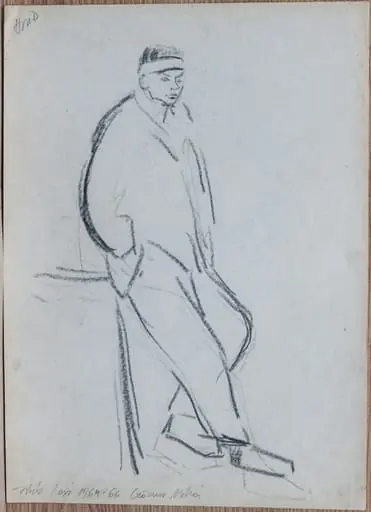 verso: Portret
 Desene după Grigorescu
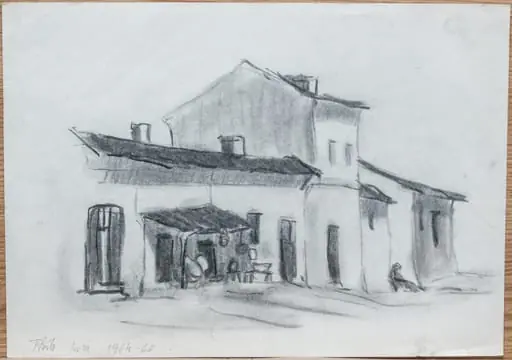 Peisaj cu casă
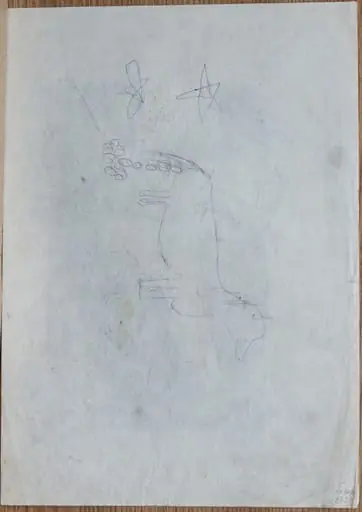 Desen după o poză din Tahiti
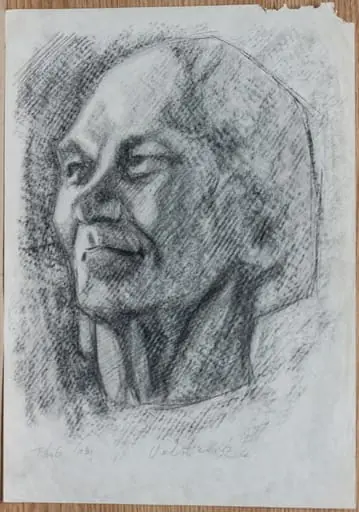 Voltaire
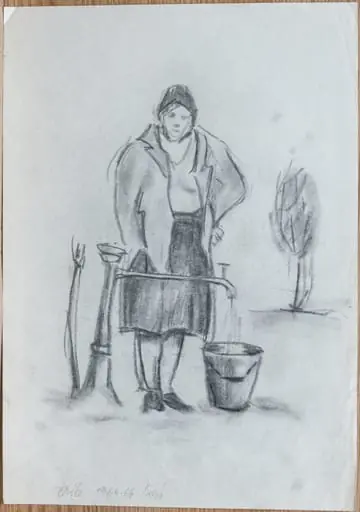 Femeie lângă canal
 Colegul de clasă Crăciun Mihai
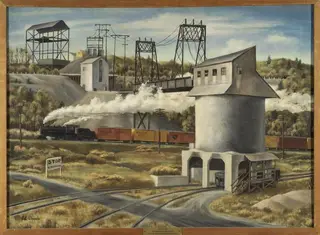 Gravel-Silo
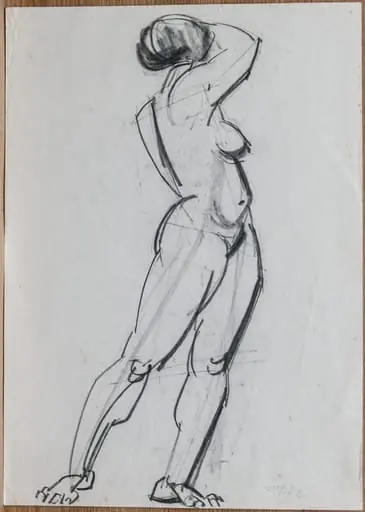 Crochiu 7
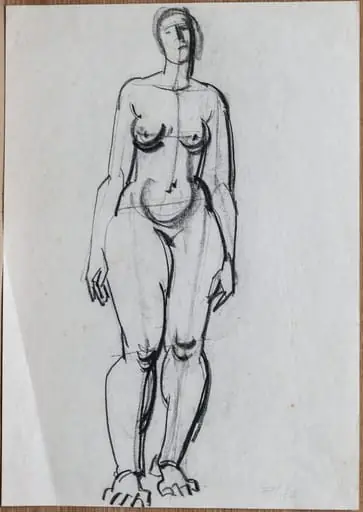 Crochiu 2
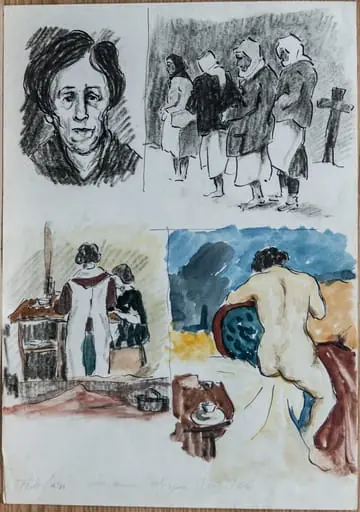 Desene după Tonitza
 Crochiu 9
 Crochiu 1
 Peisaj cu case
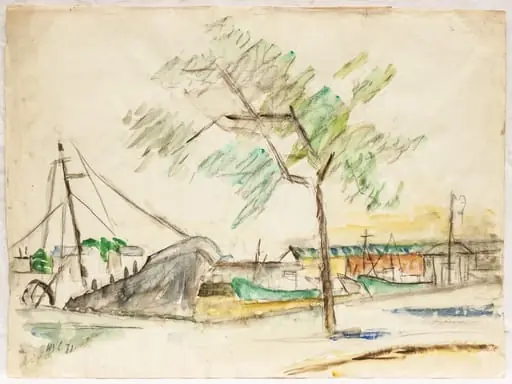 Peisaj cu pomi
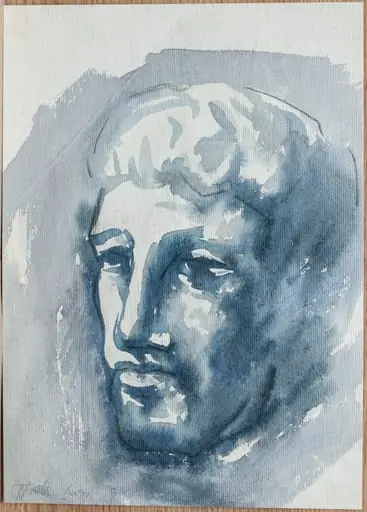 verso: Schiță de compoziție cu 2 personaje
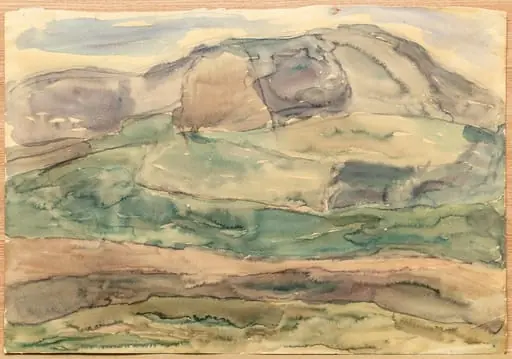 Dealuri dobrogene
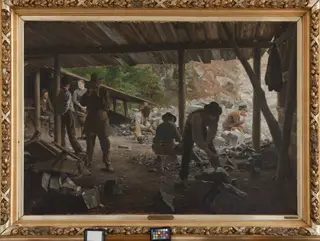 Stone Workers
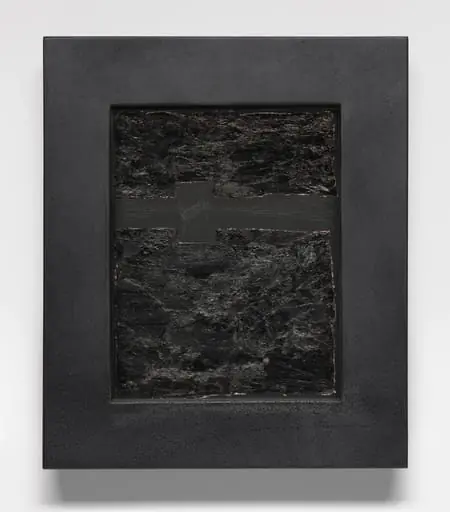 Untitled
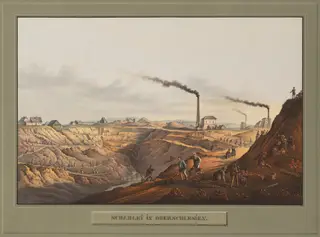 Scharley in Oberschleisien
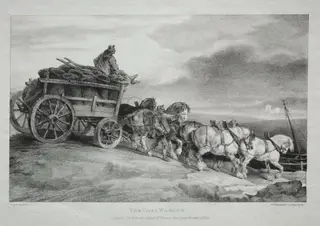 The Coal Wagon
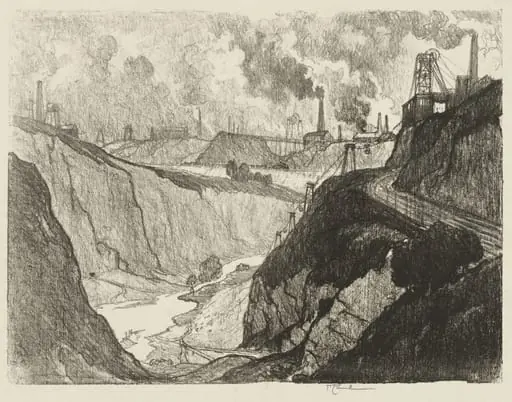 English War Work: The Iron Mine
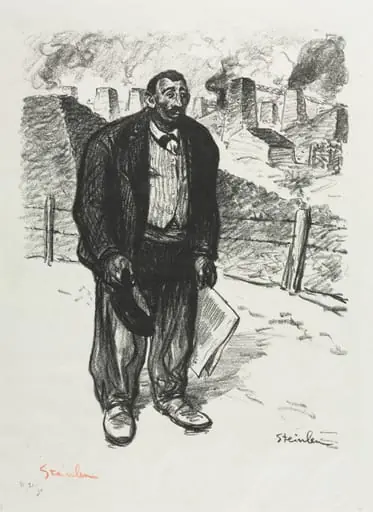 L'Honnête ouvrier
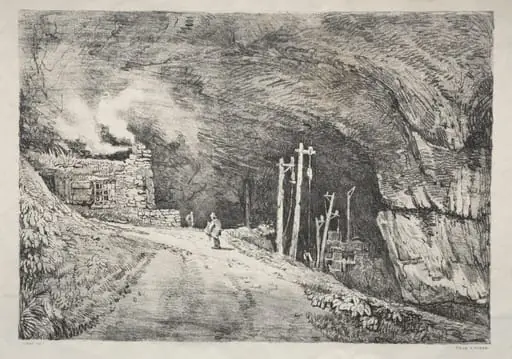 A Series of Ancient Buildings and Rural Cottages in the North of England: Peak Cavern
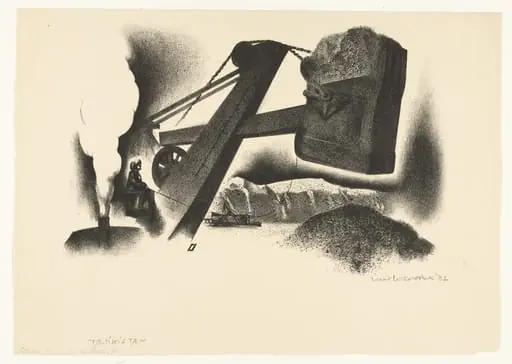 Untitled
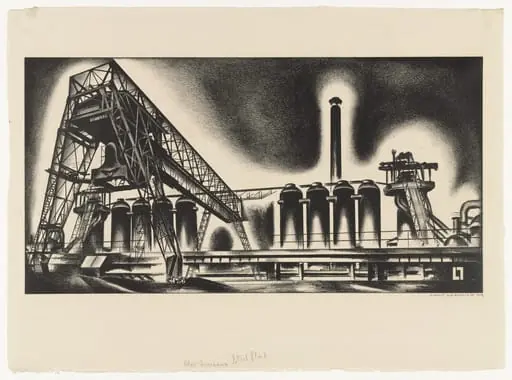 Untitled
Frequently asked questions
What is Coal?
Coal is a combustible black or brownish-black sedimentary rock, formed as layers called coal seams.
How many Coal works does Artifact World Gallery have?
Artifact World Gallery holds 50 public-domain Coal works, all free to view and download.
Who are the key Coal artists?
Key Coal artists in the collection include Théodore Géricault, Georges Michel and Caesar van Everdingen.
Where can I see Coal works?
Coal works in the collection are held by Gavrila Simion Eco-Museum Research Institute Tulcea, National Gallery of Art and Cleveland Museum of Art.