
Subject
Human
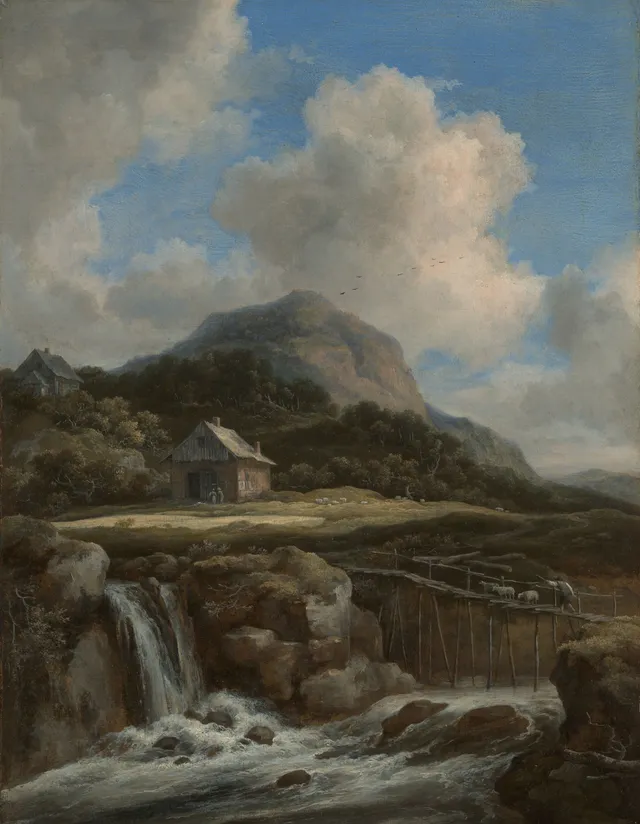
Human is a subject in art. The gallery holds 113 works in this subject in art, including works by Chinese Qing Dynasty, Camille Pissarro and George Loring Brown.
The human figure is among the oldest and most persistent subjects in all of art. The earliest undisputed depiction of a person is the Venus of Hohle Fels, a mammoth-ivory carving from southwestern Germany dated to at least 35,000 years ago. It belongs to the broader tradition of Upper Paleolithic "Venus" figurines, small portable sculptures that spread from France to Siberia during the Gravettian culture (roughly 30,000–20,000 BCE), typically emphasizing the breasts, belly, and hips while reducing the head and limbs. Whether they served as fertility tokens, deities, or self-images remains debated, but they establish the body as art's founding theme.
Ancient civilizations codified the figure into systems of proportion. Egyptian artists used a grid-based canon that held the human form to fixed ratios for millennia. The Greeks pursued an idealized naturalism: the sculptor Polykleitos wrote a treatise, the Kanon, and embodied it in the Doryphoros (c. 440 BCE), whose weight-shifted contrapposto stance and balanced harmony, or symmetria, became a touchstone for Western depictions of the body.
After the medieval period, the Renaissance returned the figure to the center of art and grounded it in observation. Donatello's bronze David (c. 1430) is often cited as the first free-standing nude since antiquity. Leonardo da Vinci's Vitruvian Man (c. 1490), drawn from the Roman architect Vitruvius's idea that the body fits within a circle and a square, married anatomy to geometry, while Michelangelo and Albrecht Dürer (1471–1528) made the study of musculature and proportion fundamental to artistic training. Giorgione's Sleeping Venus (c. 1508) inaugurated the reclining female nude as a genre.
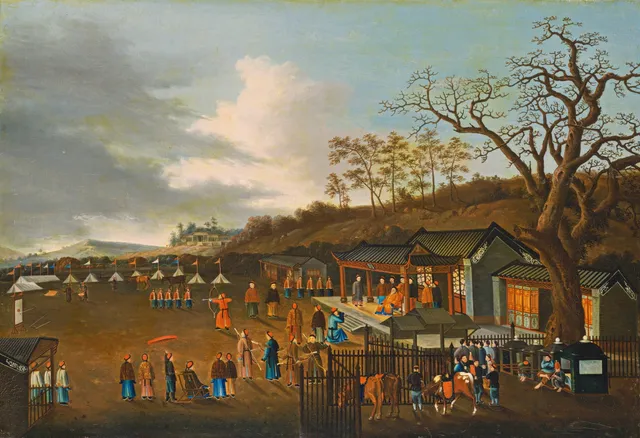
Beyond the formal nude, the human presence pervades portraiture, history painting, and genre scenes, and animates landscape as well: figures give scale and narrative to works such as the Qing-dynasty Archery Contest, the staffage in Sanford Robinson Gifford's A Home in the Wilderness, and the bathers and strollers of Georges Seurat. From the nineteenth century onward, Realists, Impressionists, and Modernists overturned classical idealization—Manet, Picasso, and others reimagining the body in confrontational or abstracted terms.
The figure thus links virtually every period and movement, from Paleolithic carving to contemporary art, remaining the chief vehicle through which artists explore identity, beauty, mortality, and what it means to be human.
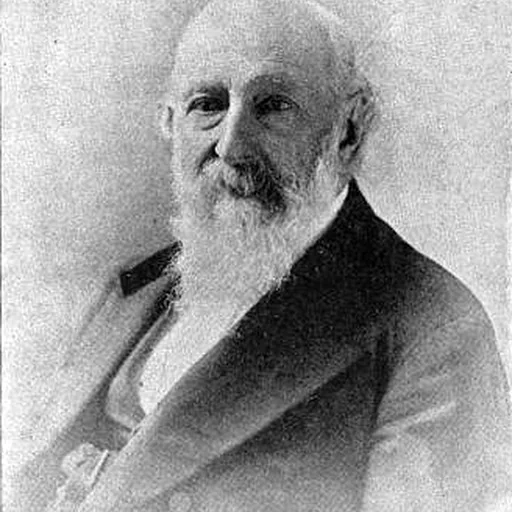
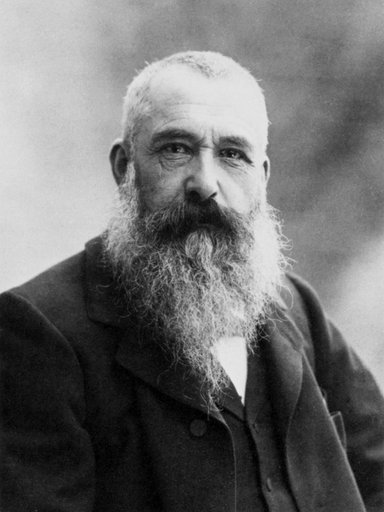
Key artists

Overview
The human, classified as Homo sapiens, is the sole extant species of the genus Homo and the most abundant and widespread primate on Earth. Characterized by bipedal locomotion, minimal body hair, and large complex brains, humans possess advanced cognitive capacities including introspection, episodic foresight, and self-awareness. These traits have facilitated the development of sophisticated technology, articulated language, and cumulative culture. As highly social beings, humans organize into complex, cooperating and competing groups ranging from kinship networks to political states, establishing diverse values, norms, and rituals. The species emerged approximately 300,000 years ago in Africa before migrating globally, transitioning from hunter-gatherer societies to sedentary civilizations following the advent of agriculture and animal domestication.
Iconography & meaning
In visual and cultural representation, the human form serves as the primary vehicle for exploring existence, social organization, and the natural world. The cognitive capacity for abstraction and symbolic communication allows humans to express ideas, beliefs, and identities through art. Representations of the human figure often interrogate humanity's relationship with the environment, a concept deeply rooted in various cultural narratives that separate humans from the rest of the animal kingdom. This perceived exceptionalism, historically justified through creation stories or the definition of humans as rational beings, finds modern echoes in philosophical concepts like human dignity and human rights. Artistic depictions of humans consequently embody these existential inquiries, reflecting values regarding personal freedom, moral principles, and the search for meaning.
Across movements & periods
The artistic treatment of the human subject has evolved alongside humanity's own transition from early foraging societies to complex civilizations. Initially emerging in Africa alongside the development of advanced cognition and symbolic thought, human representation has shifted in tandem with societal changes. The Neolithic Revolution, which introduced permanent settlements and domestication, spurred new visual forms reflecting sedentary life, governance, and expanded populations. Over subsequent millennia, as human influence on the planet intensified to the point of defining a proposed geological epoch, the Anthropocene, artistic depictions have increasingly reflected the complex interplay between humans and their transformed ecosystems. Throughout these shifts, the human figure has remained a constant, adapted to convey the prevailing social norms, spiritual beliefs, and environmental realities of diverse cultures and historical periods.
Legacy
The legacy of depicting the human form is intrinsically tied to the species' ongoing evolutionary and cultural trajectory. The same cognitive abilities that enable the creation of art, such as abstract thought and the transmission of knowledge across generations, have driven technological and social advancements that now pose existential questions. Human impact on global ecosystems has become so profound that it threatens planetary boundaries, a reality that contemporary artistic representations increasingly grapple with. The cultural afterlife of the human subject in art persists as a reflection of this dual nature: the capacity for profound social and artistic achievement, and the simultaneous potential for civilizational collapse. Consequently, the depiction of humans remains a critical mirror for evaluating the species' past, its current environmental dominance, and its uncertain future.
Works
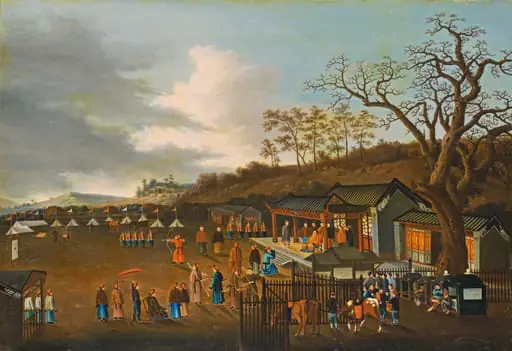 Archery Contest
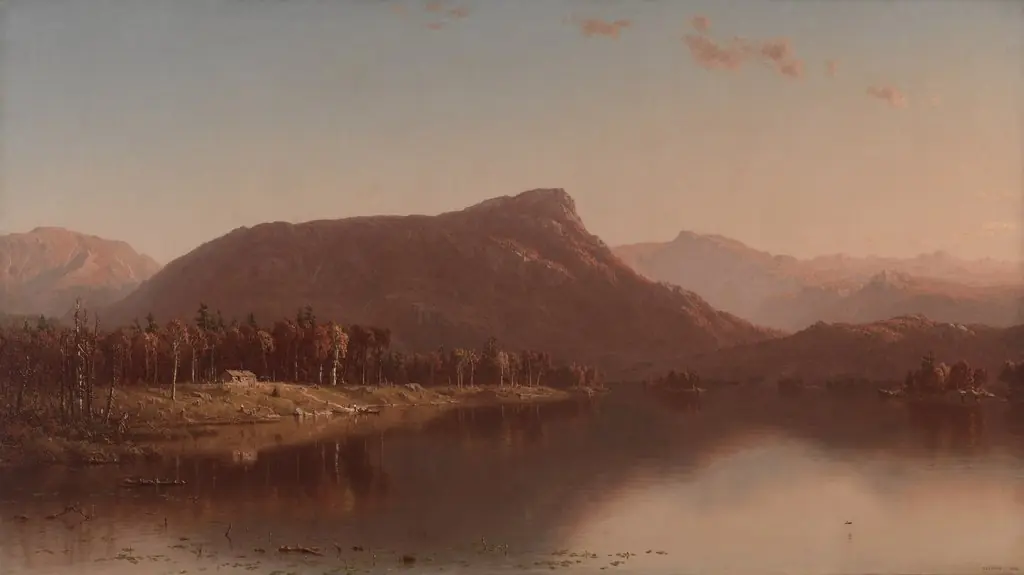 A Home in the Wilderness
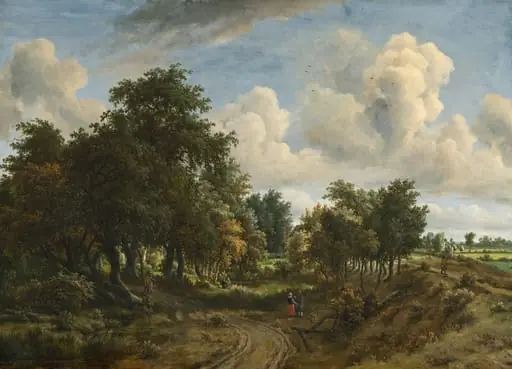 A Wooded Landscape
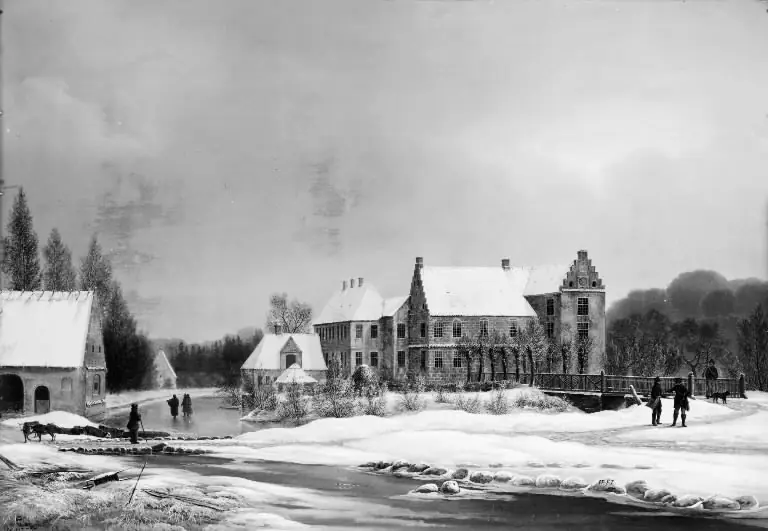 Prospekt af hovedgården Lykkesholm på Fyn. Vinter
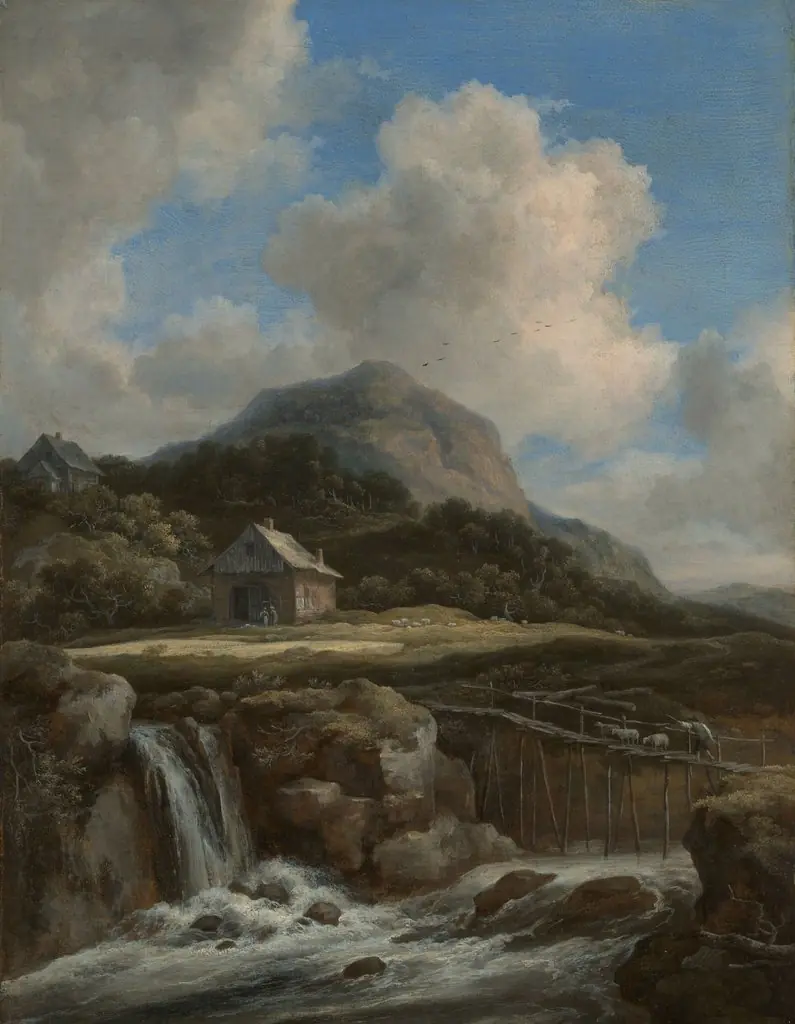 Mountain Torrent
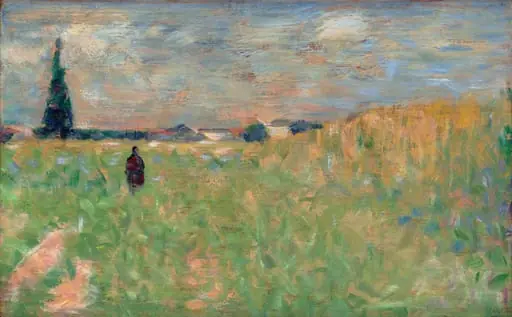 A Summer Landscape
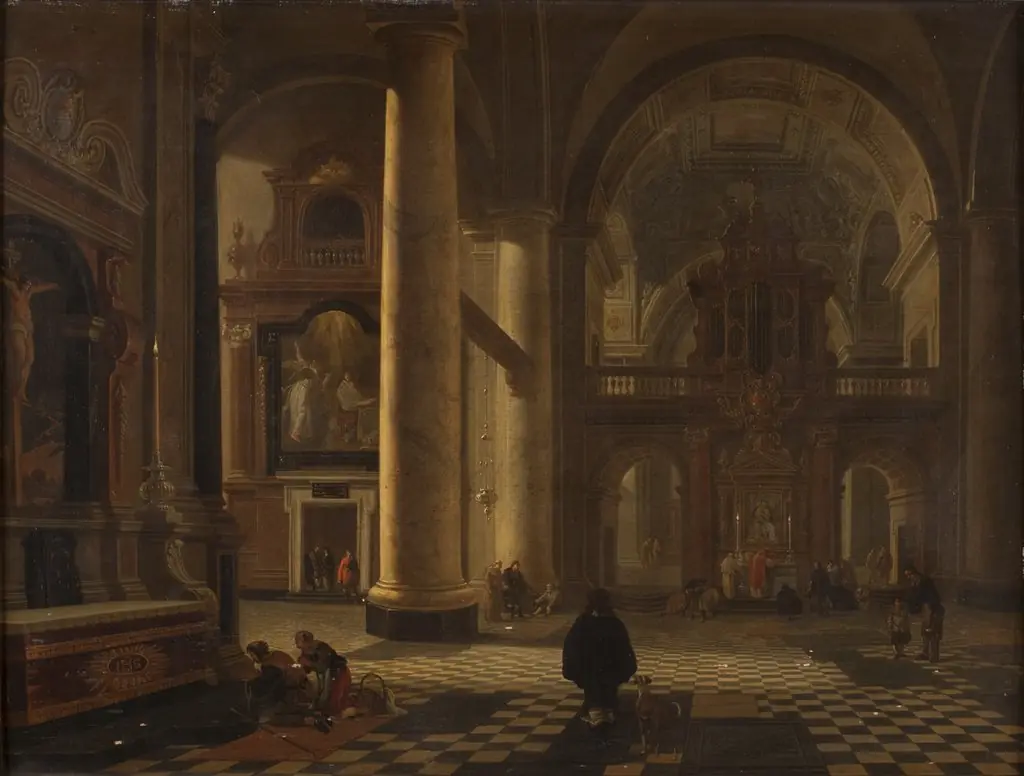 Interior of a Catholic Church
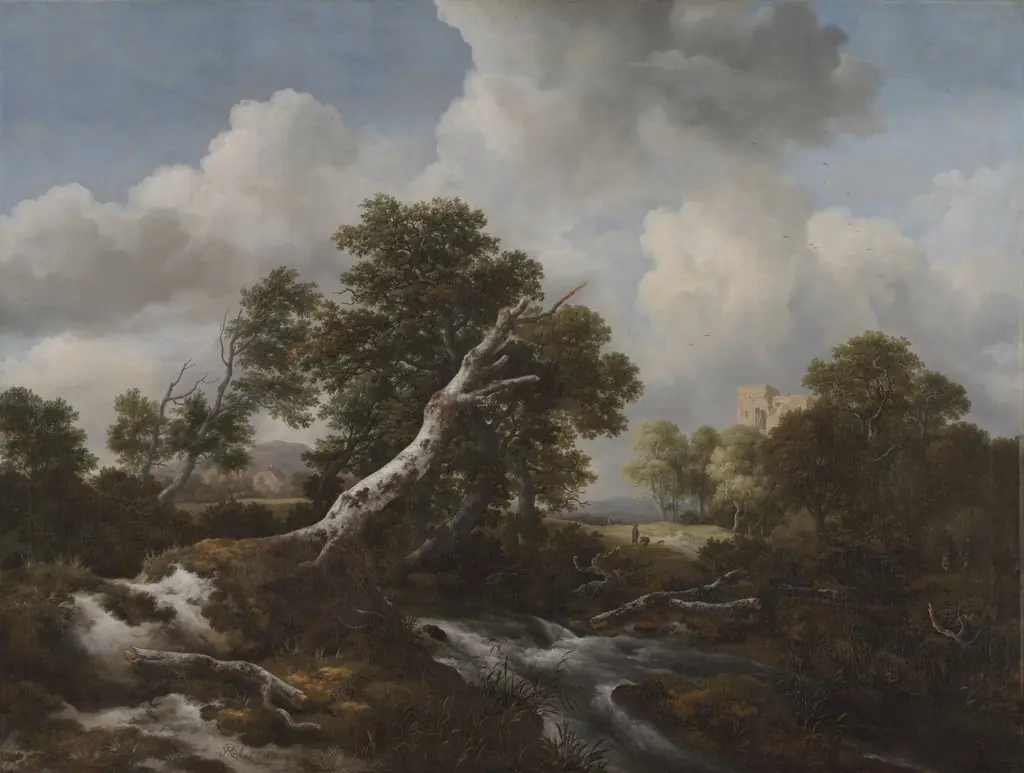 Low Waterfall in a Wooded Landscape with a Dead Beech Tree
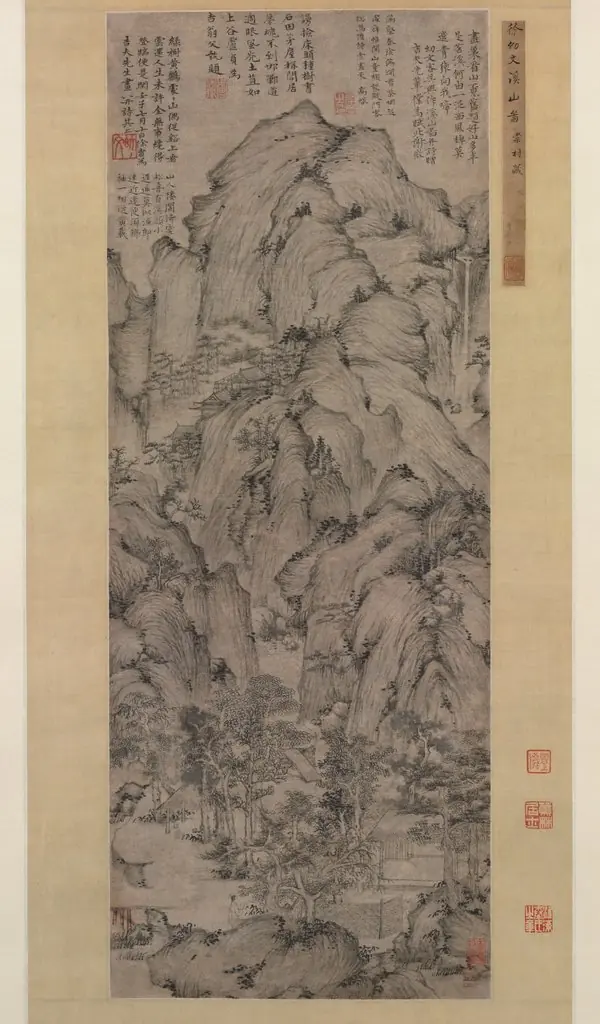 Streams and Mountains
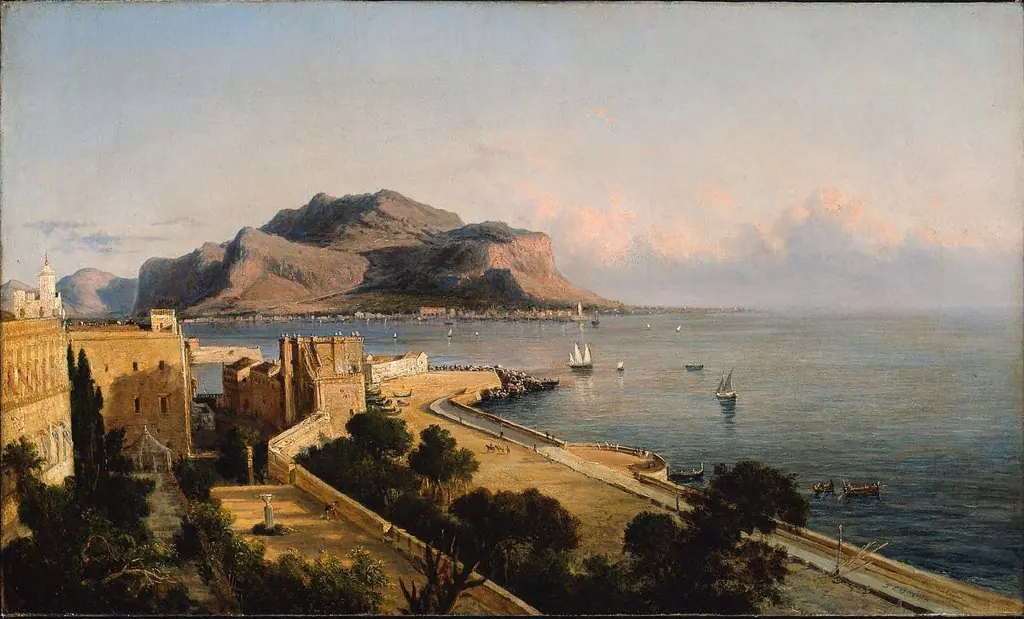 Monte Pellegrino at Palermo, Italy
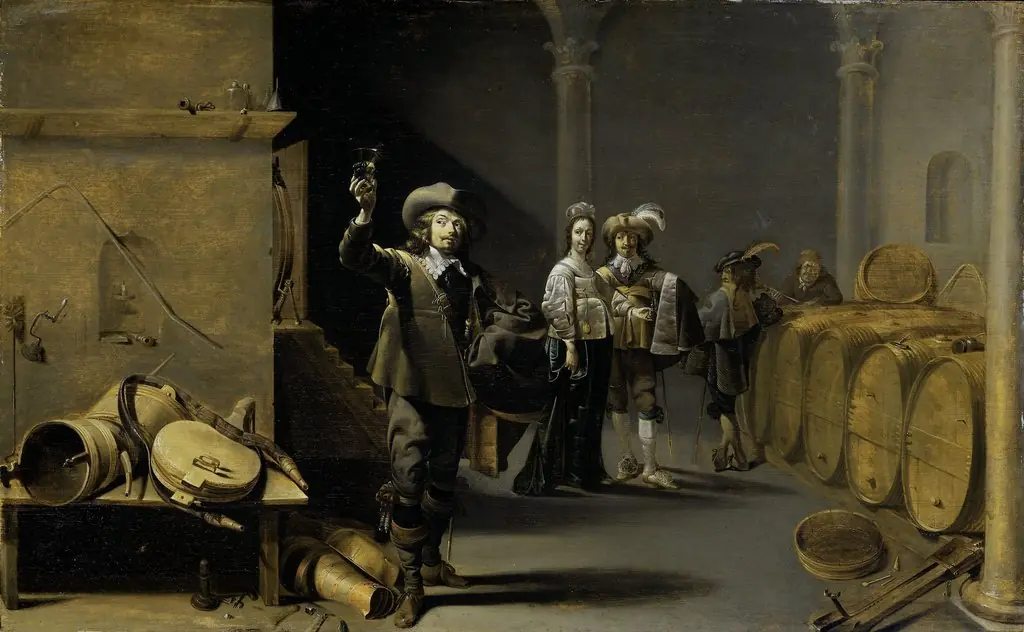 The wine connoisseurs
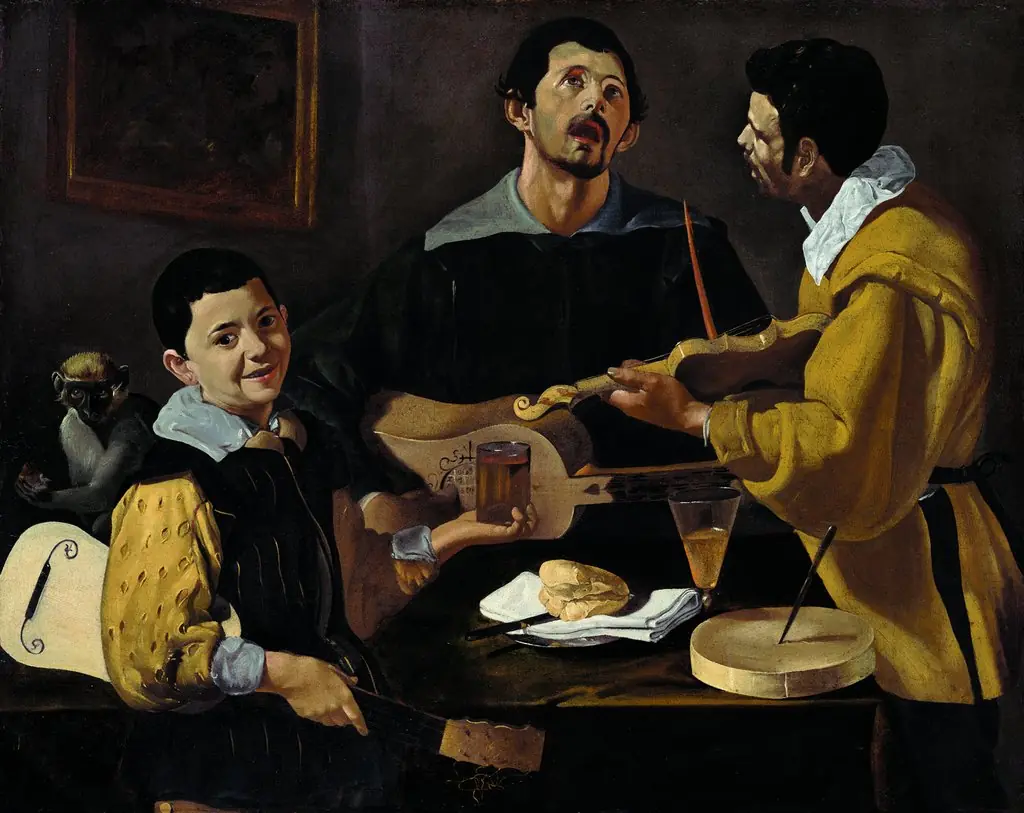 Three Musicians
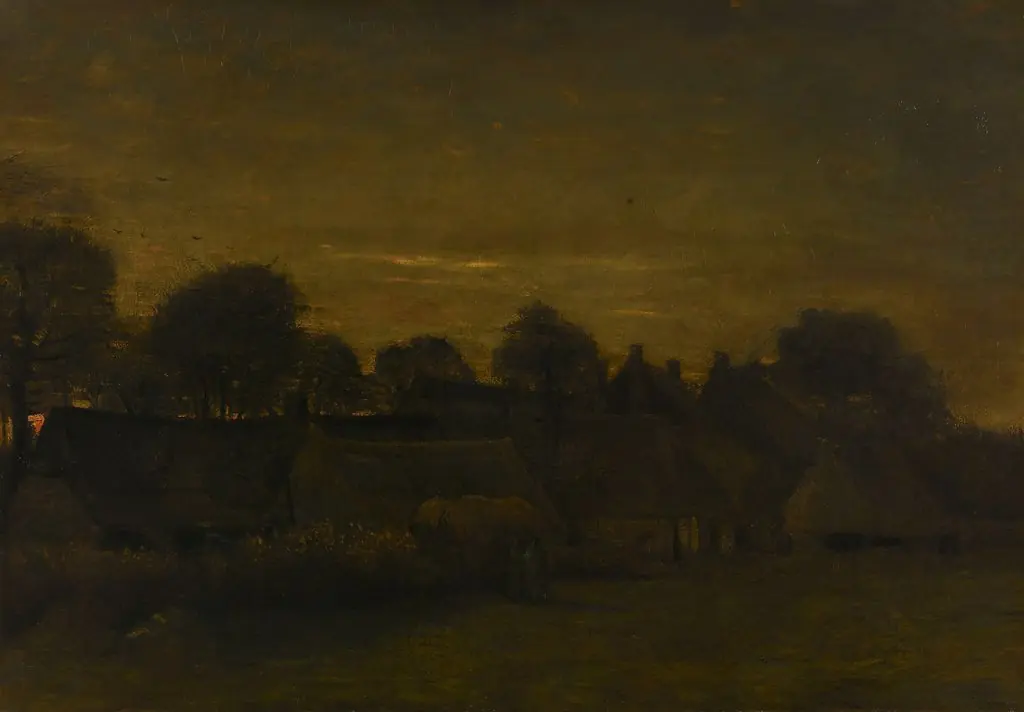 Farming Village at Twilight
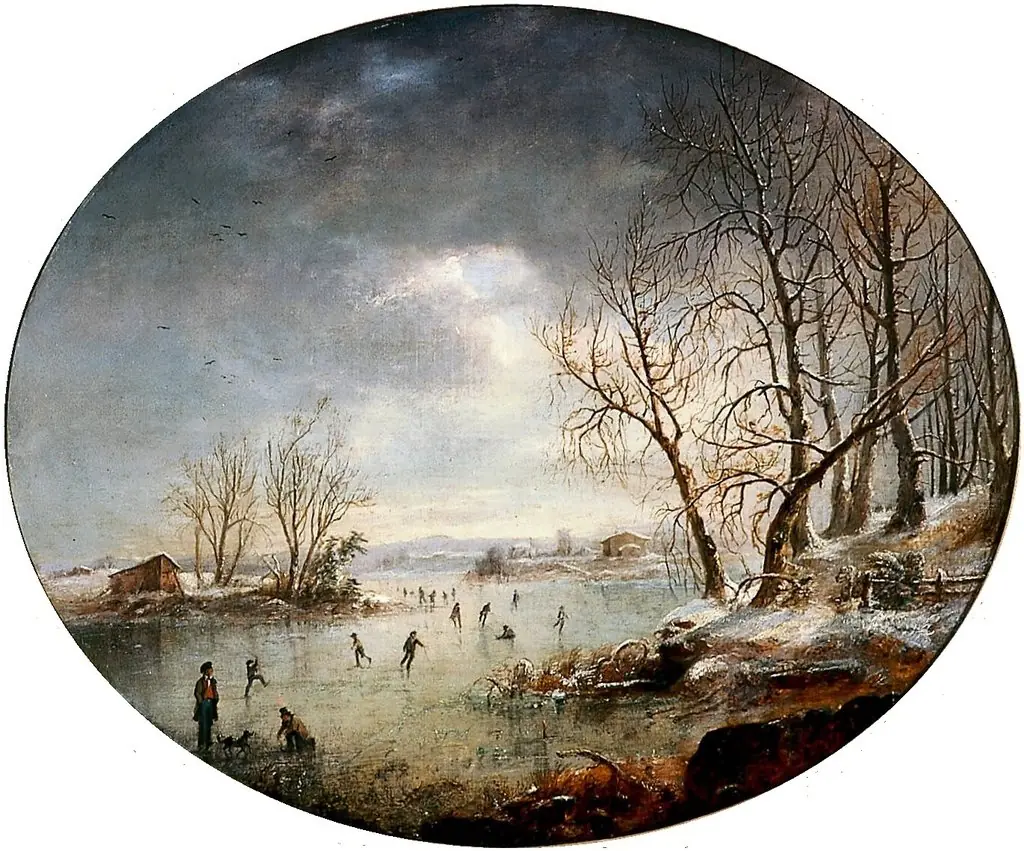 Winter Scene in New Jersey
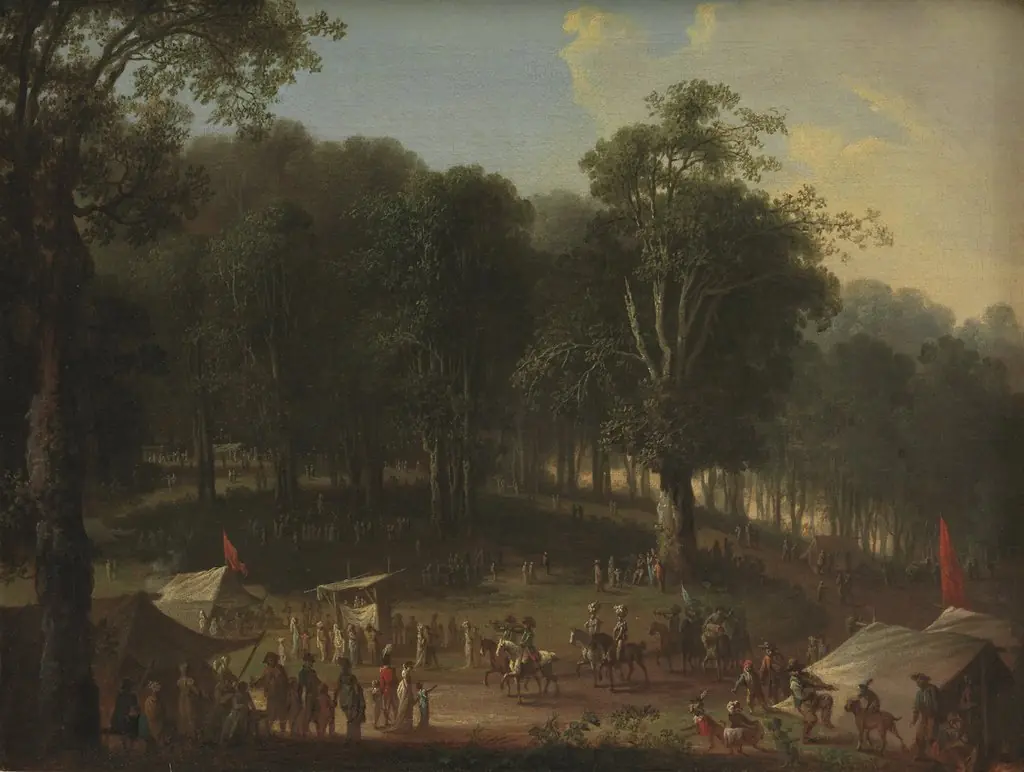 A Troup of Performers Arriving at the Fair at Dyrehavsbakken Near the Deer Park, North of Copenhagen
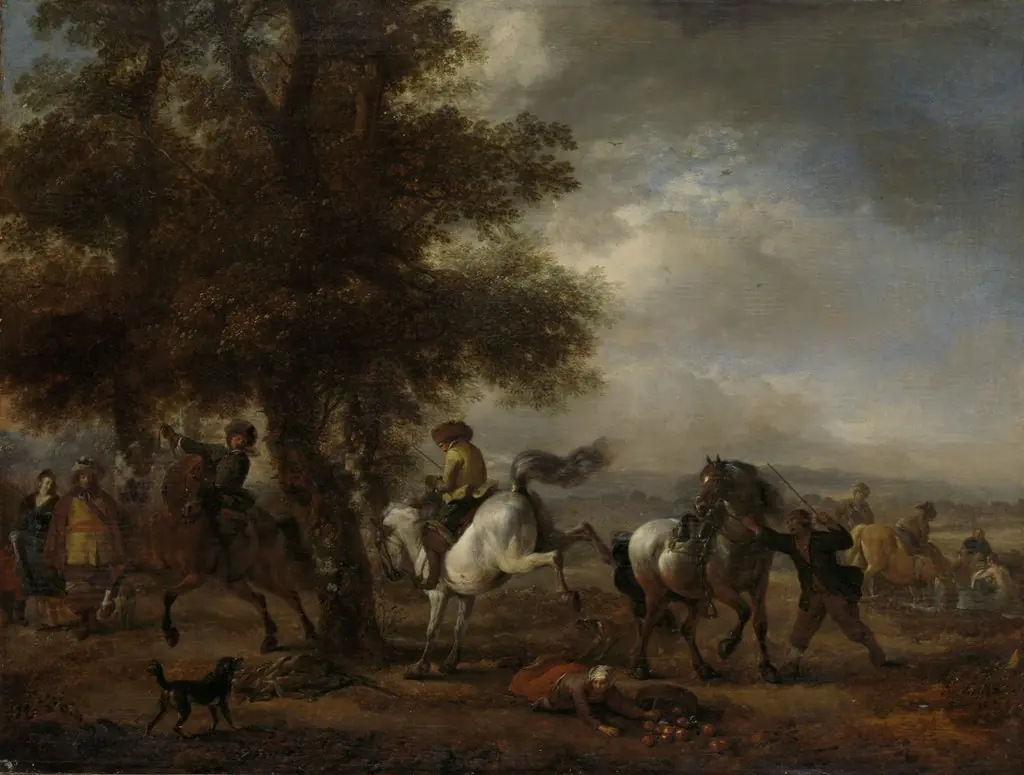 The bucking gray
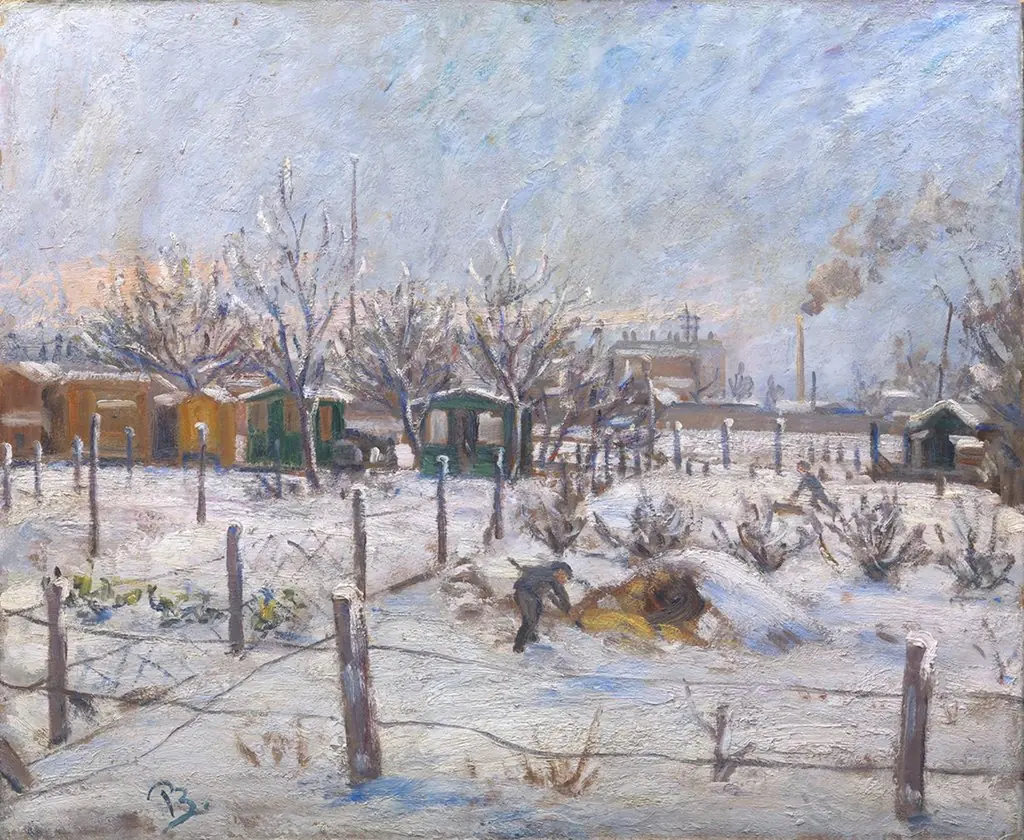 Winter at Nørrebro
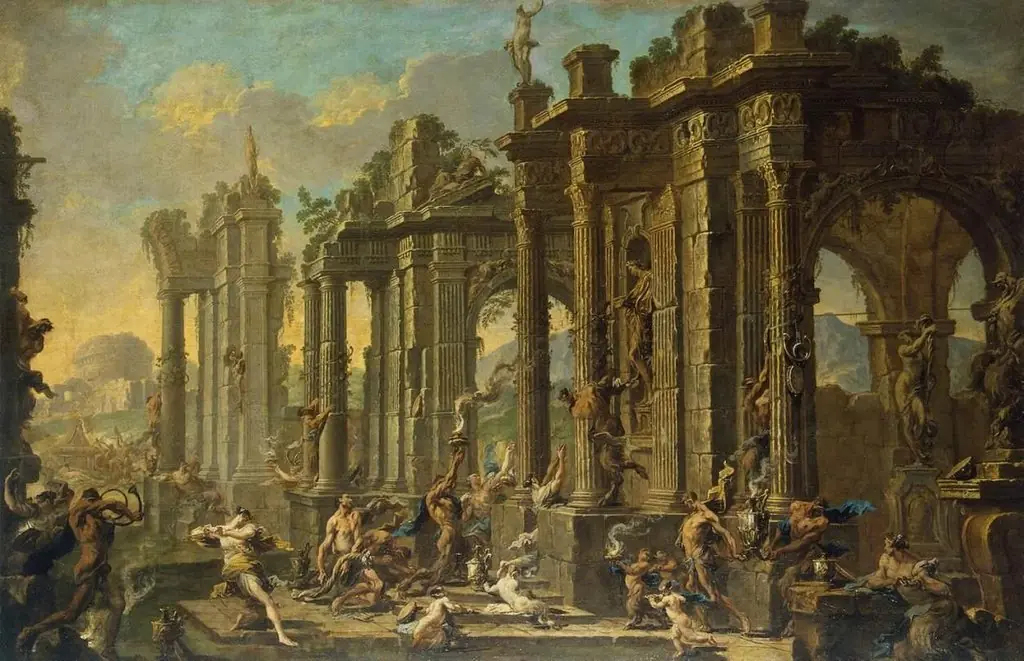 Bacchanalia
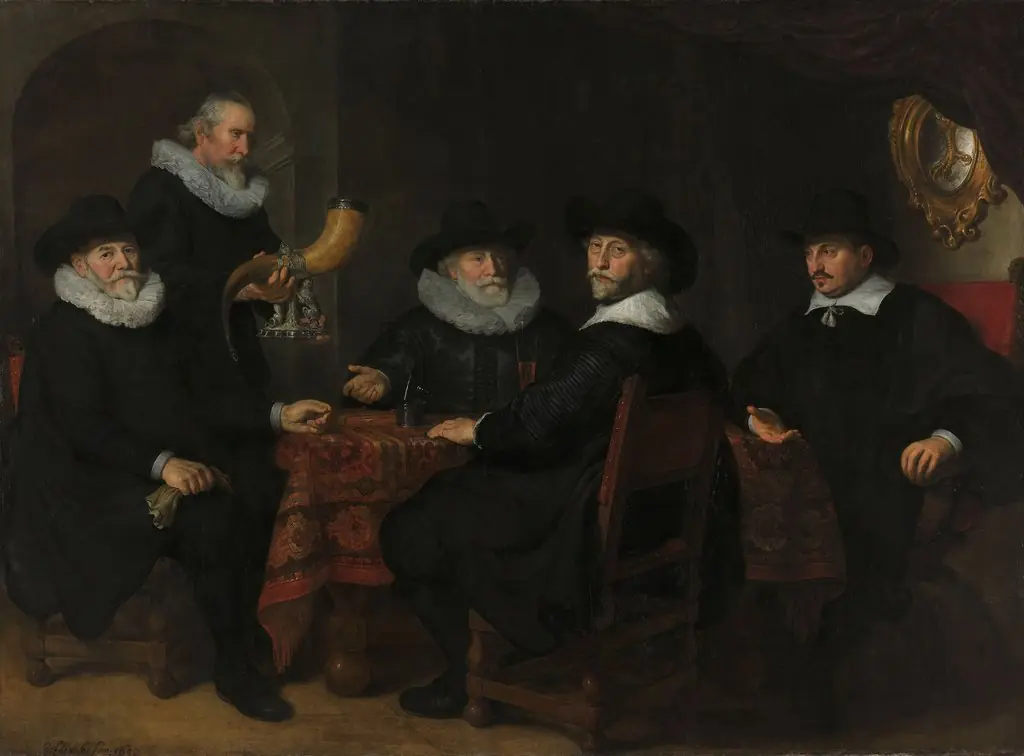 Four directors of the arquebusier's guild, Amsterdam, 1642
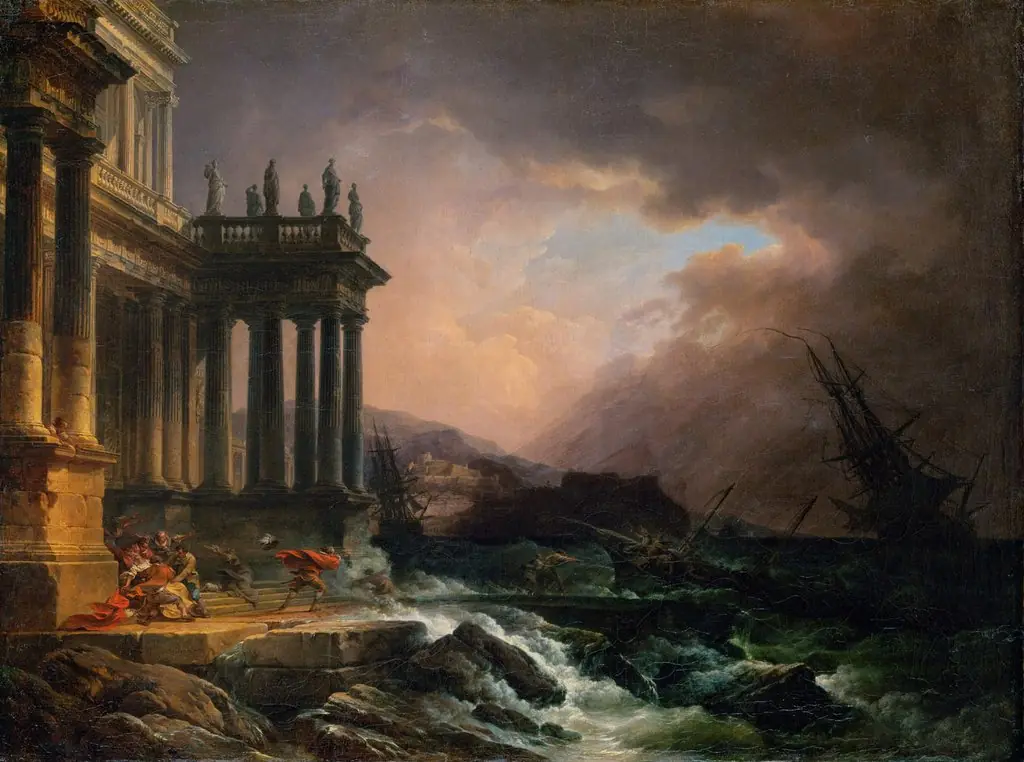 Marine
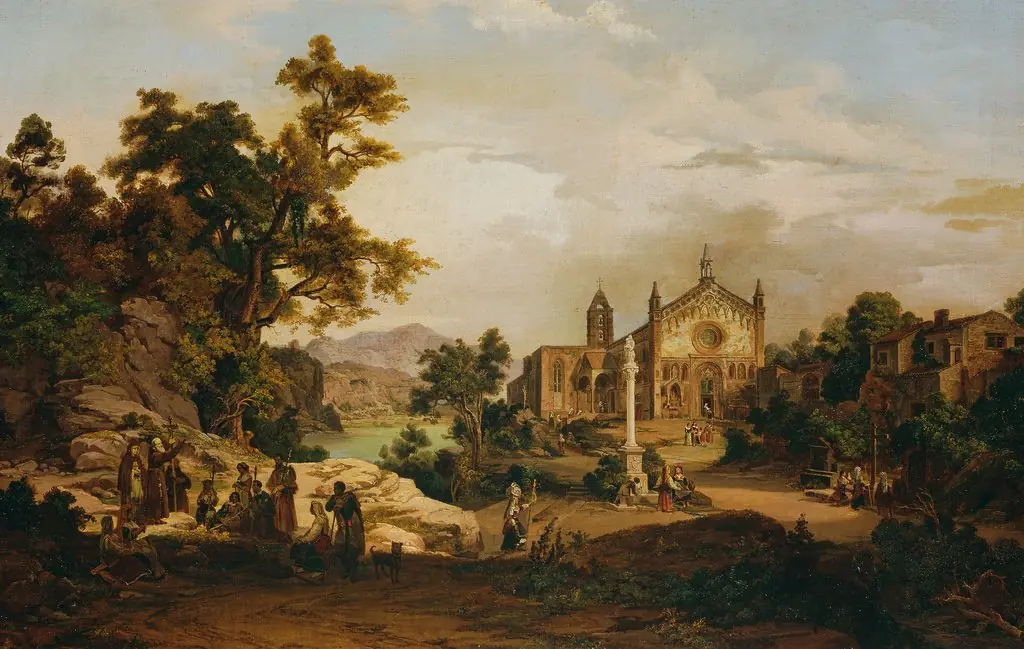 Italienische Landschaft mit Pilgern
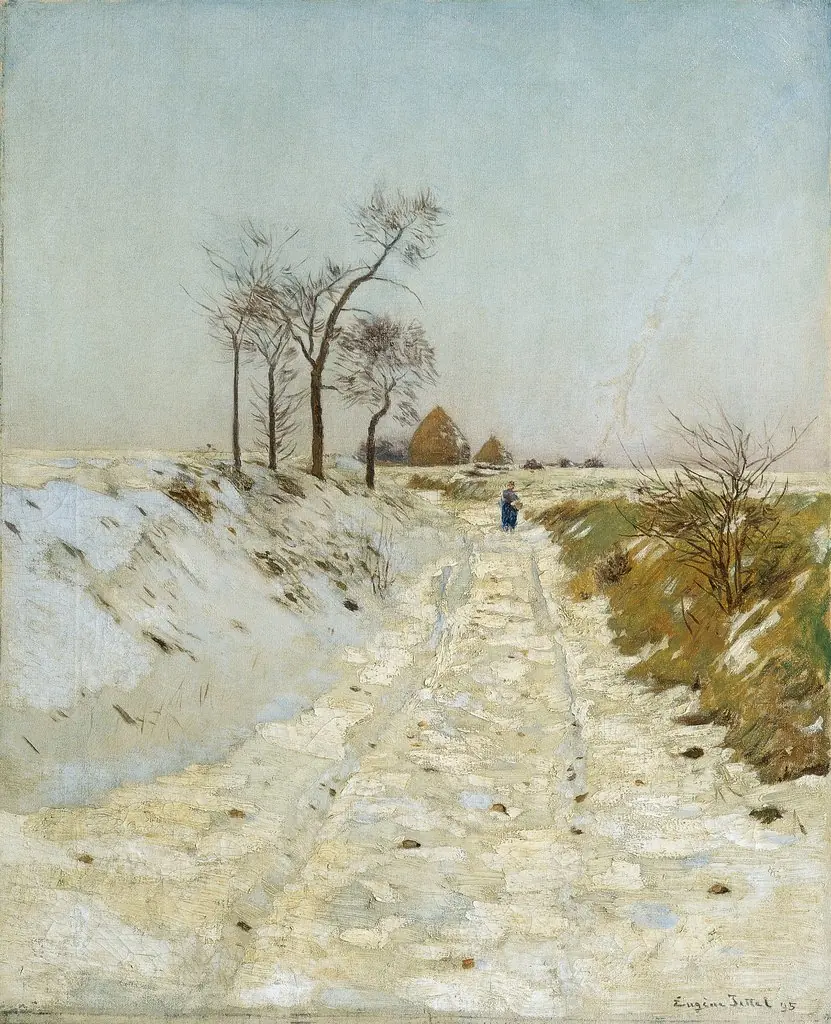 Hohlweg im Winter
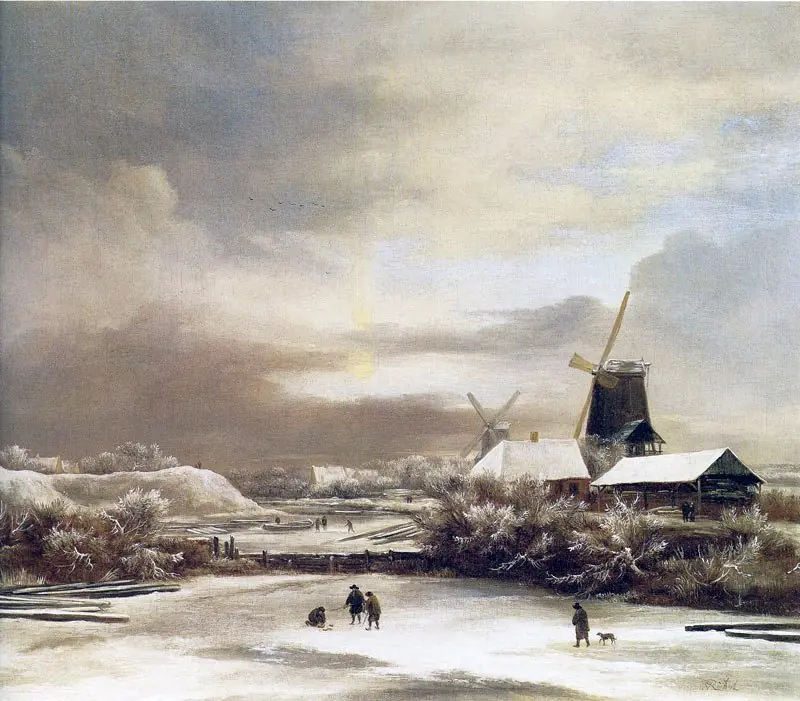 Winter Landscape with Two Windmills
 Landscape with the Fall of Icarus
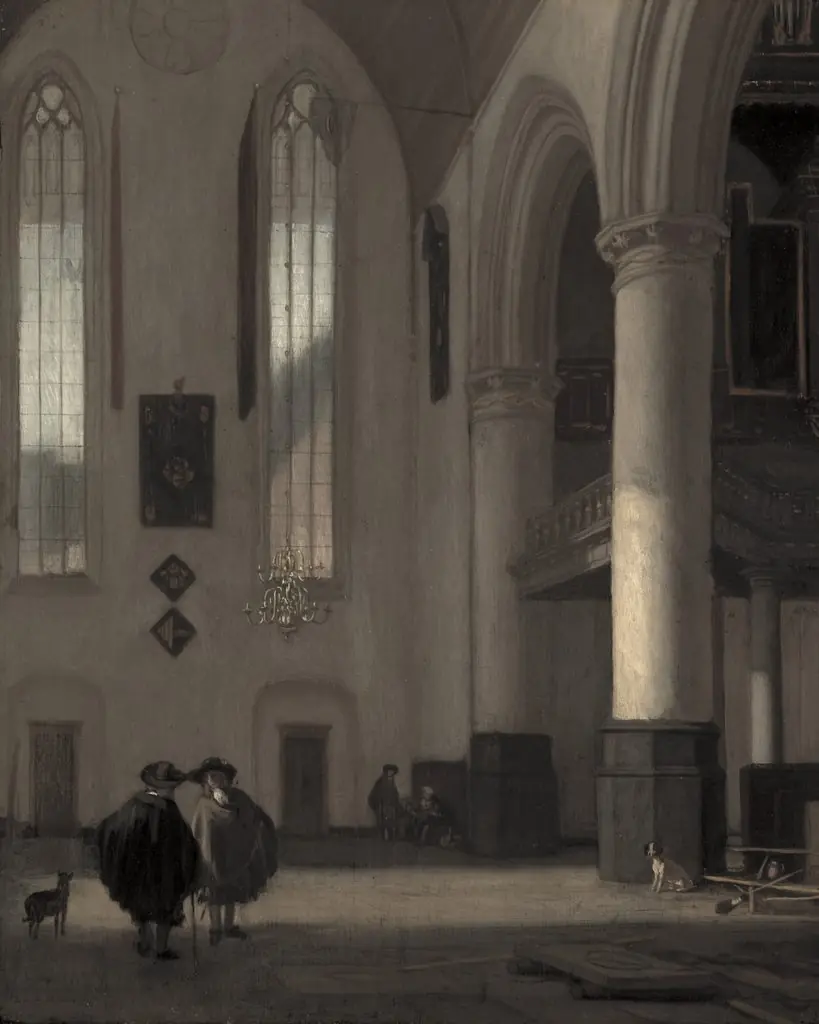 Interior of a Protestant Church
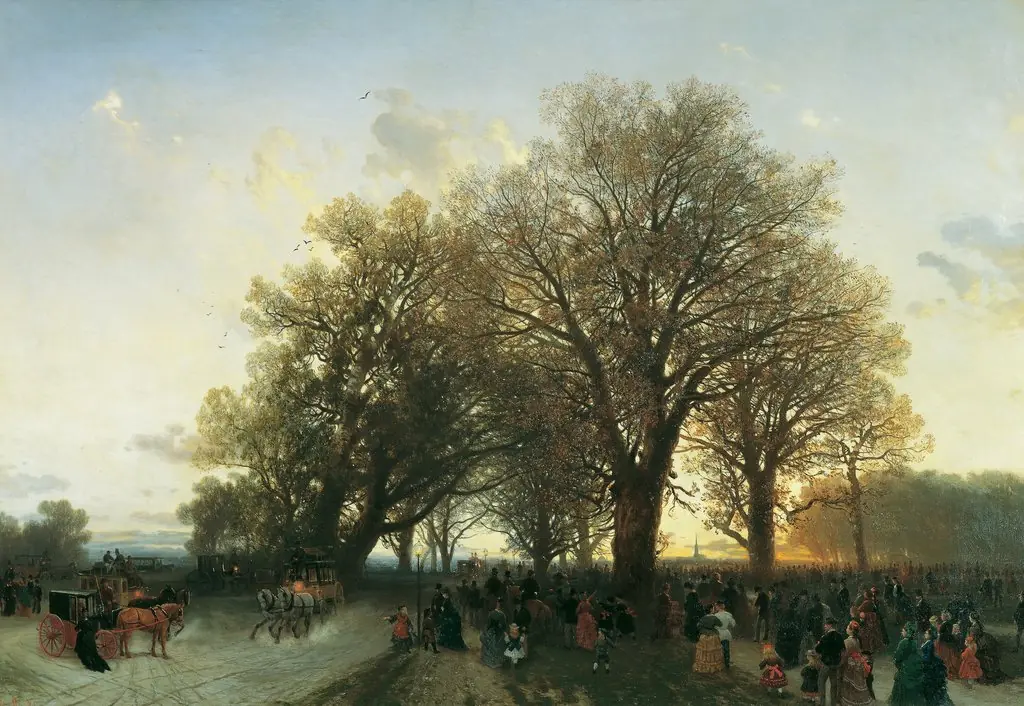 Auf dem Heimweg von der Weltausstellung im Wiener Prater 1873
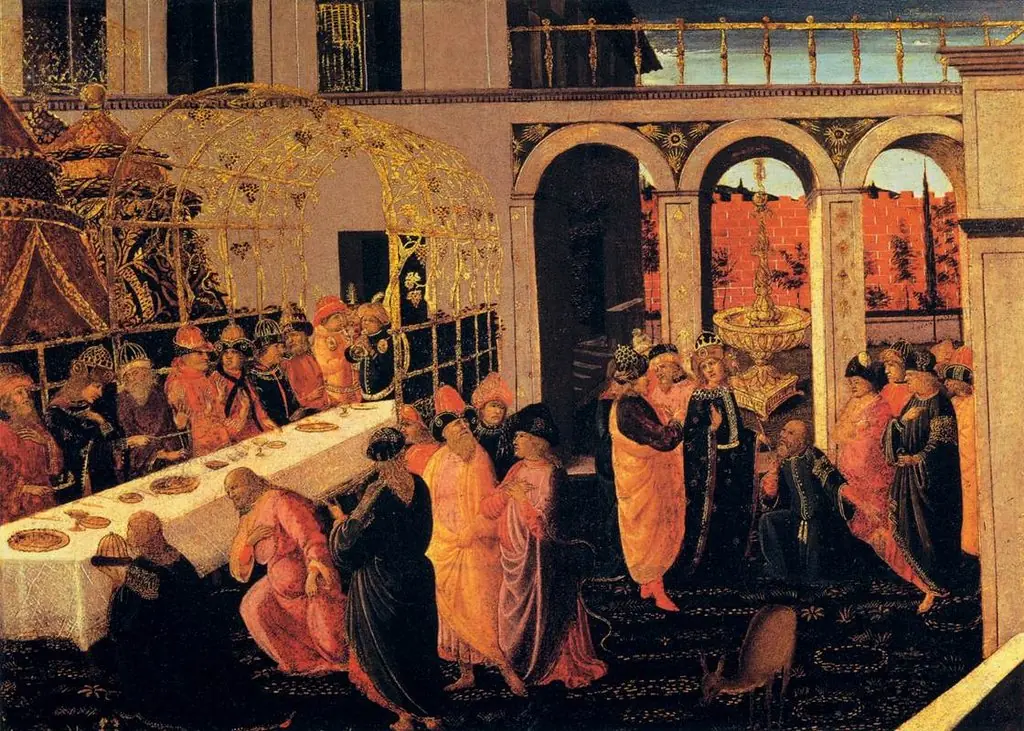 The Banquet of Ahasuerus
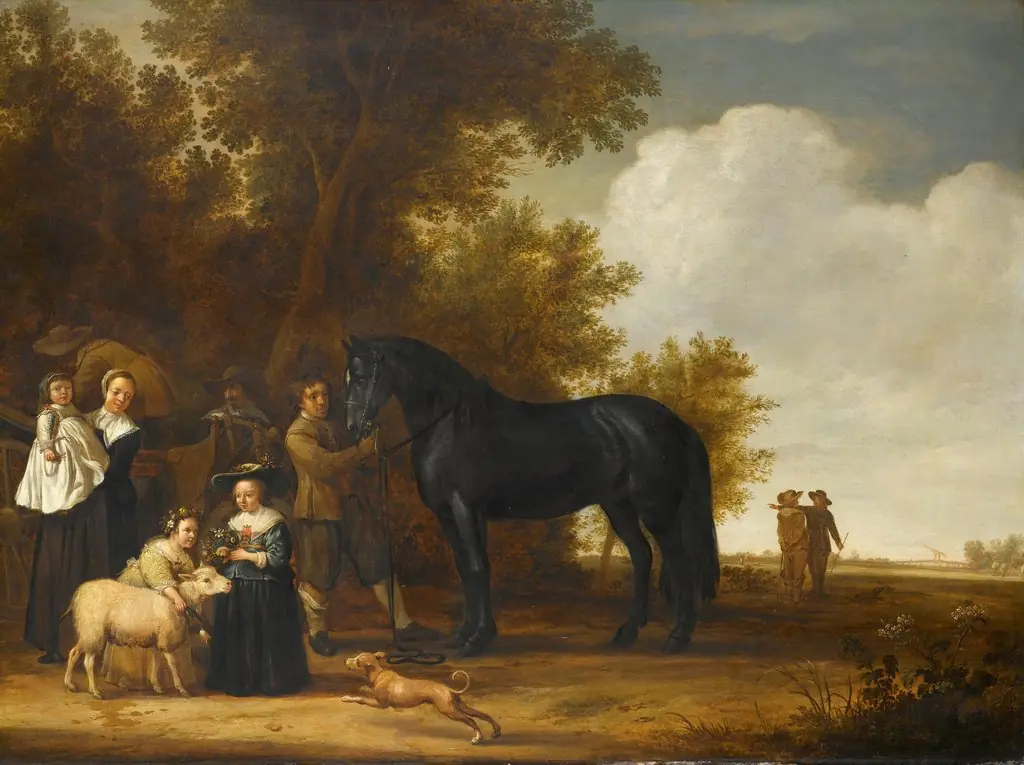 Group portrait in a landscape
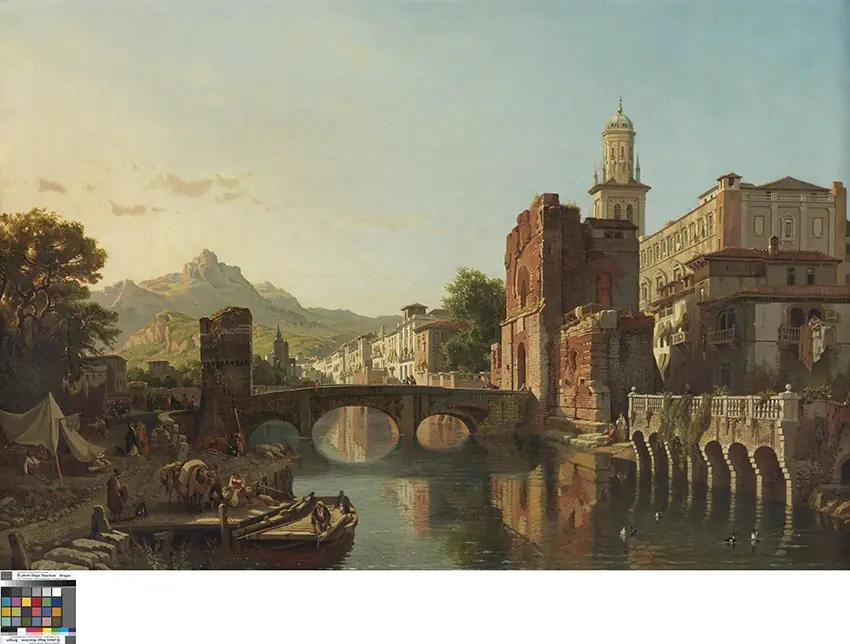 Stadsgezicht in Spanje
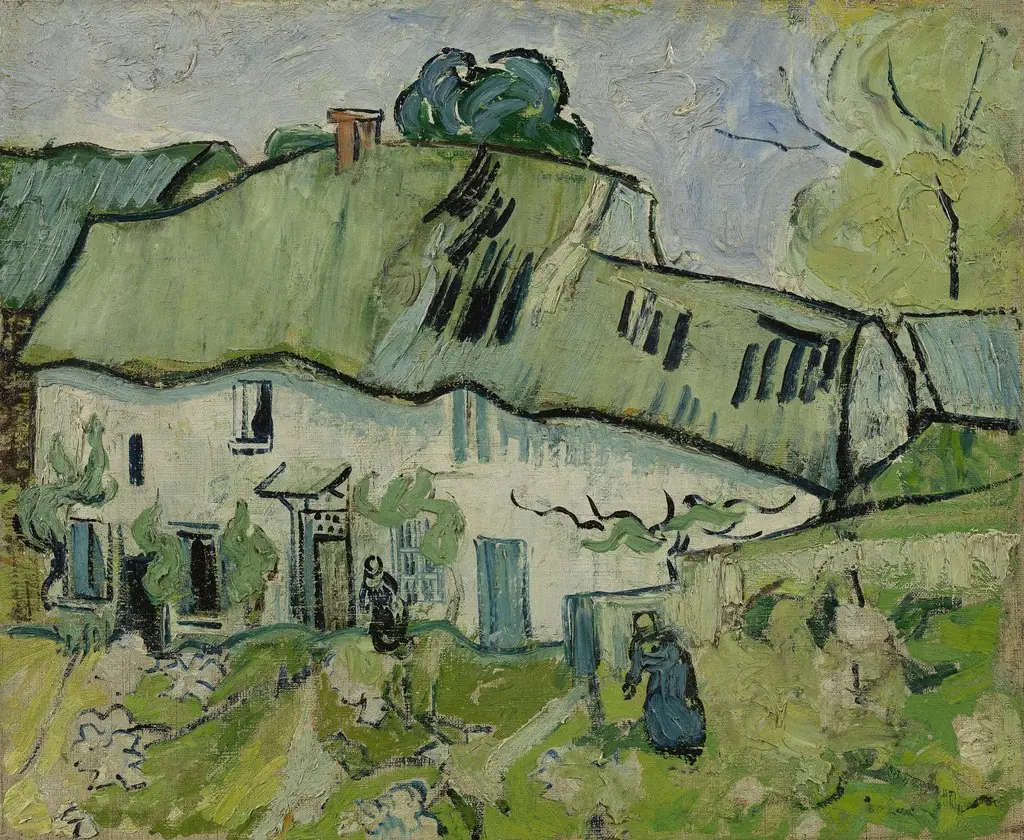 Farmhouse
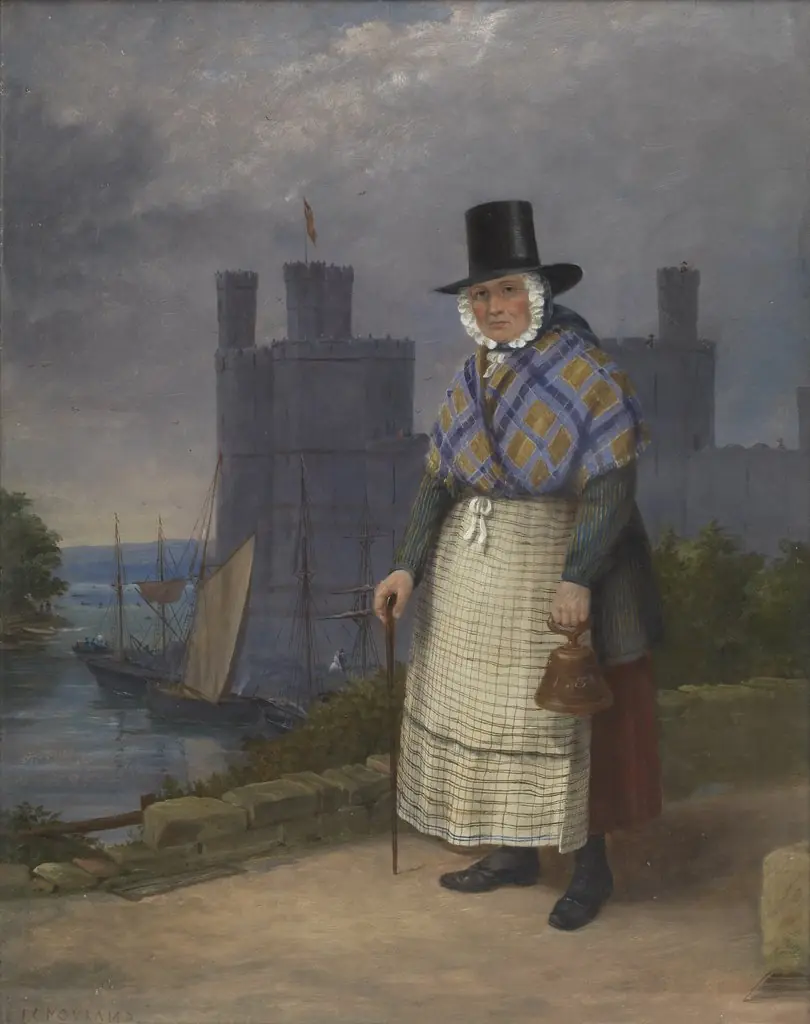 Bellringer of Caernarvon in costume of trade
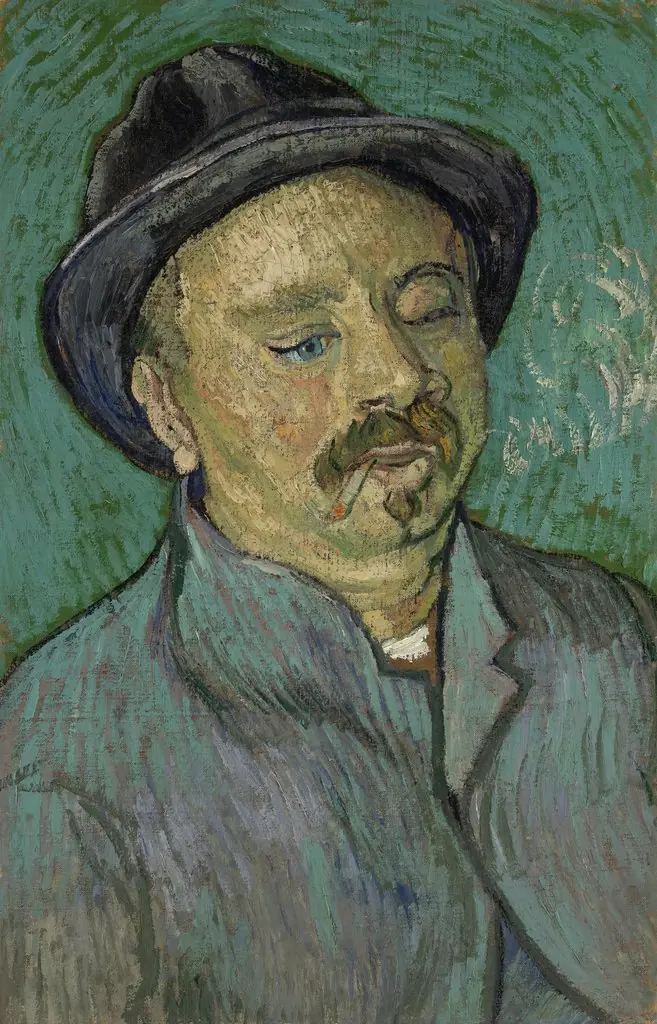 Portrait of a One-Eyed Man
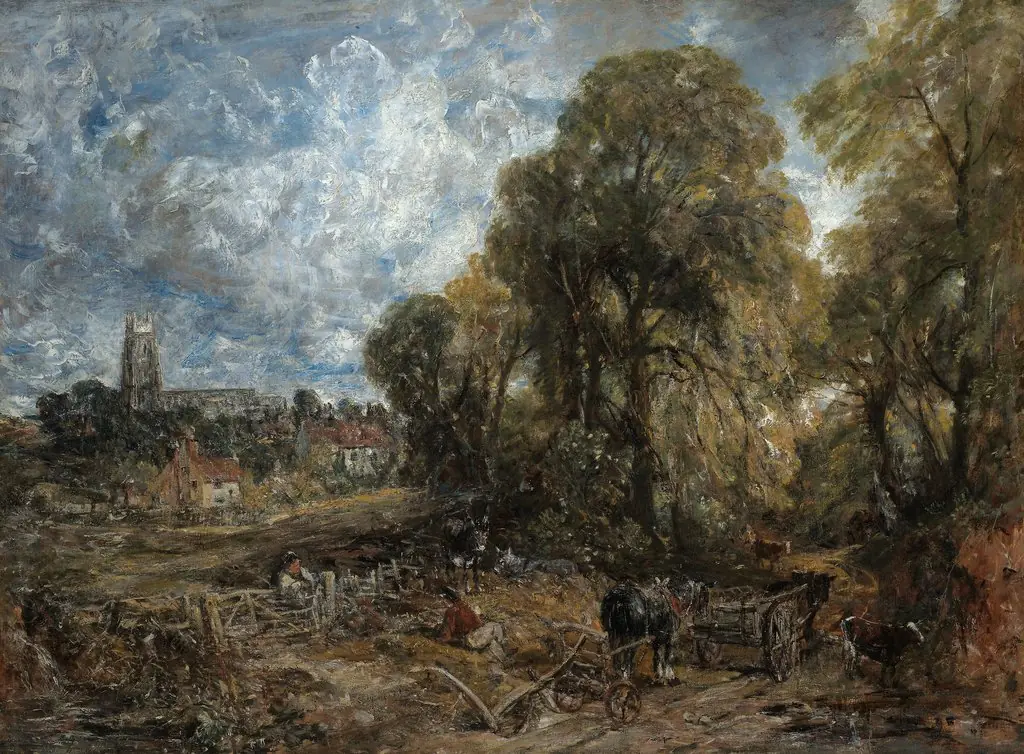 Stoke-by-Nayland
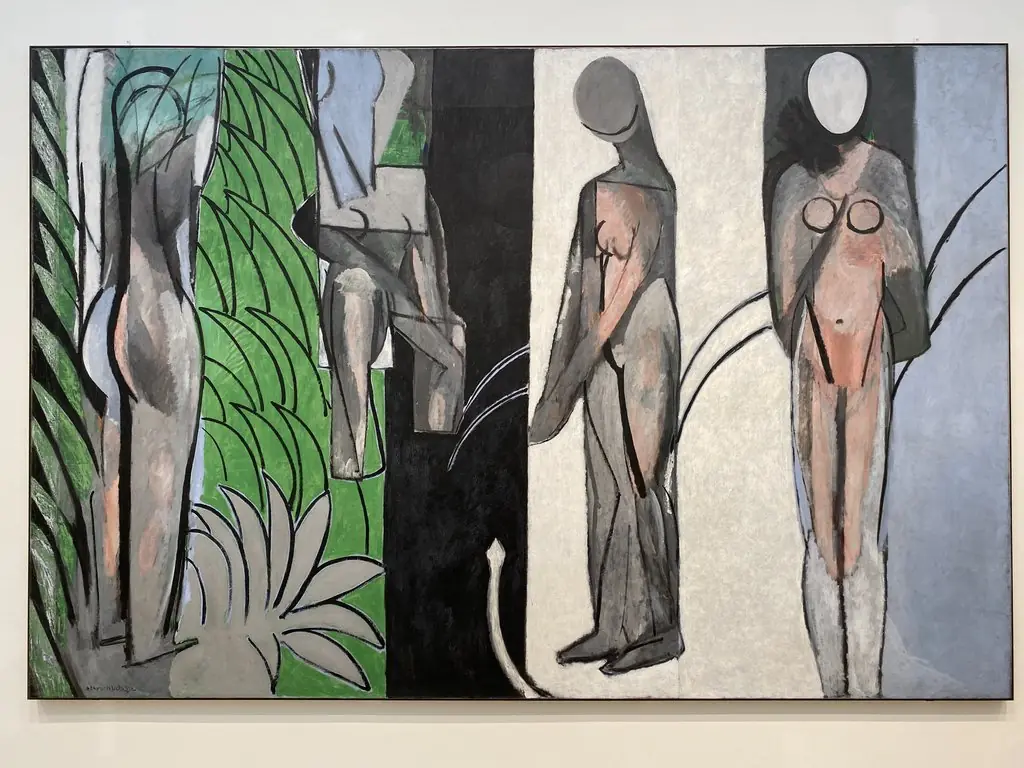 Bathers by a River
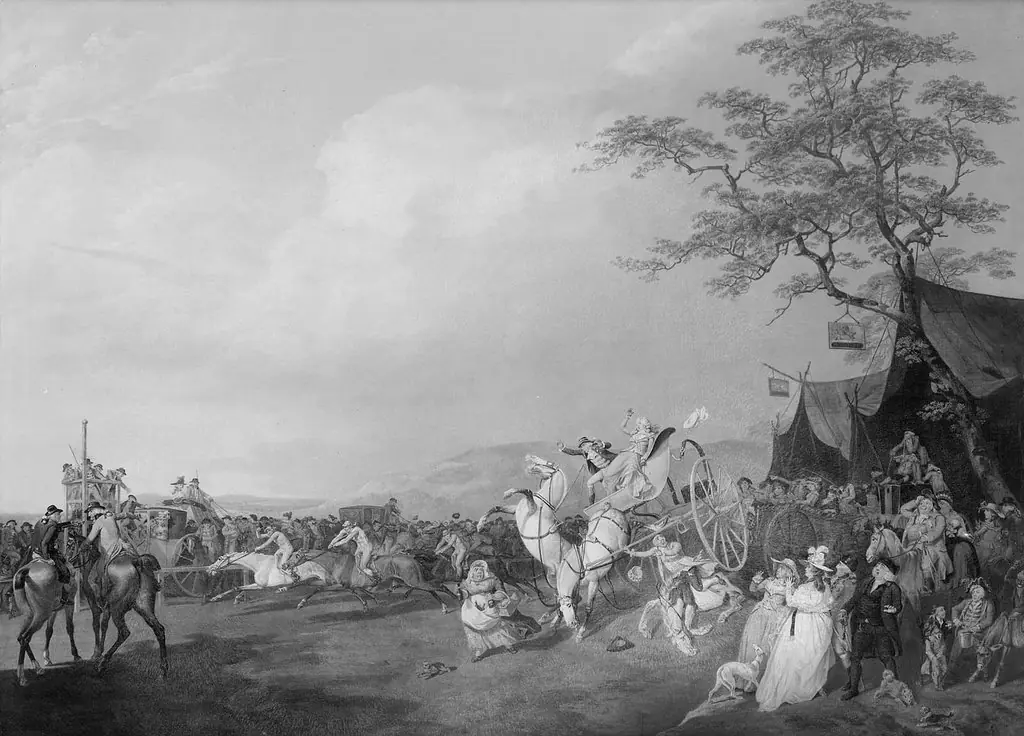 Gig Upsetting at the Races
 The Peasant Wedding
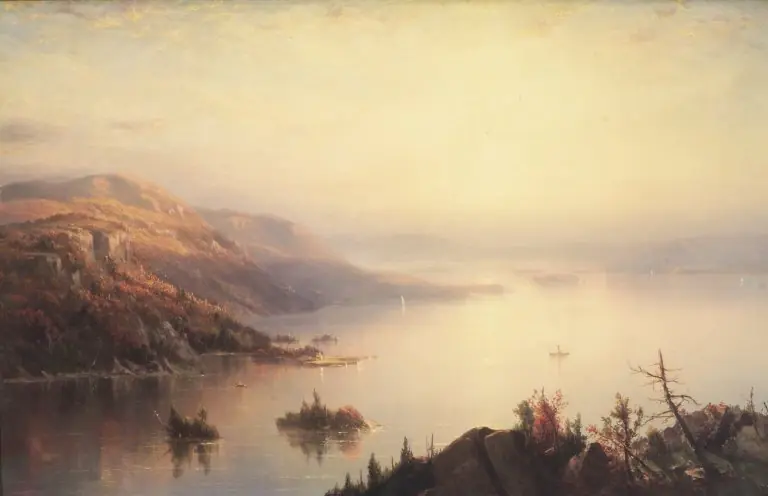 Lake George
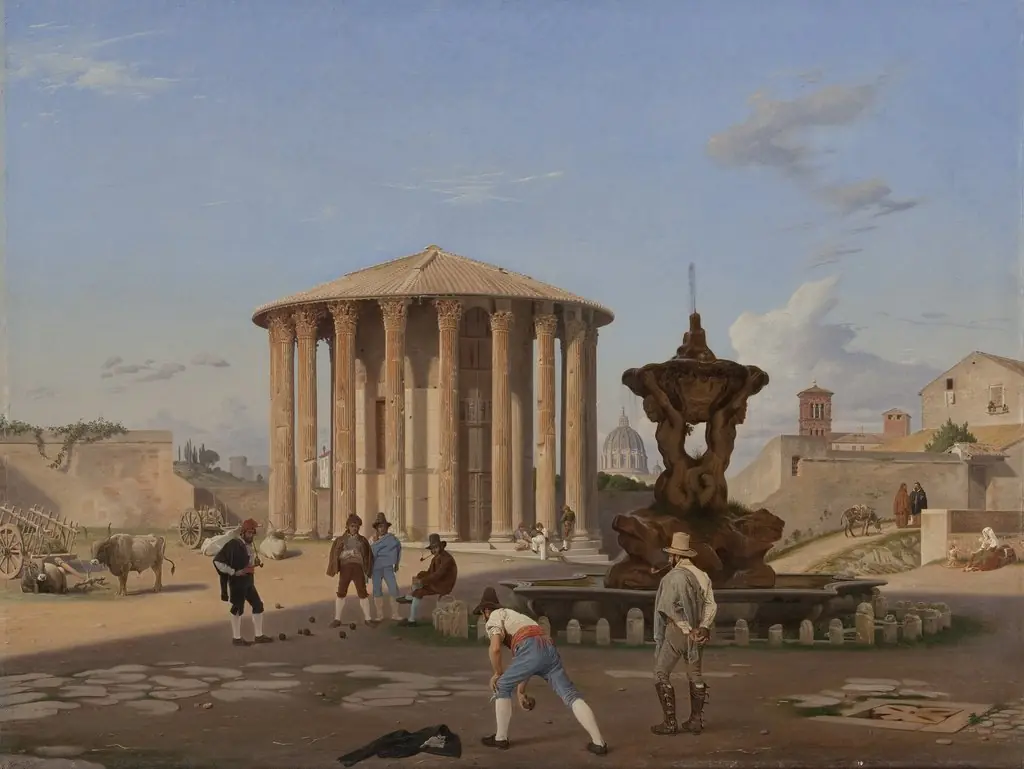 Vestatemplet med dets omgivelser
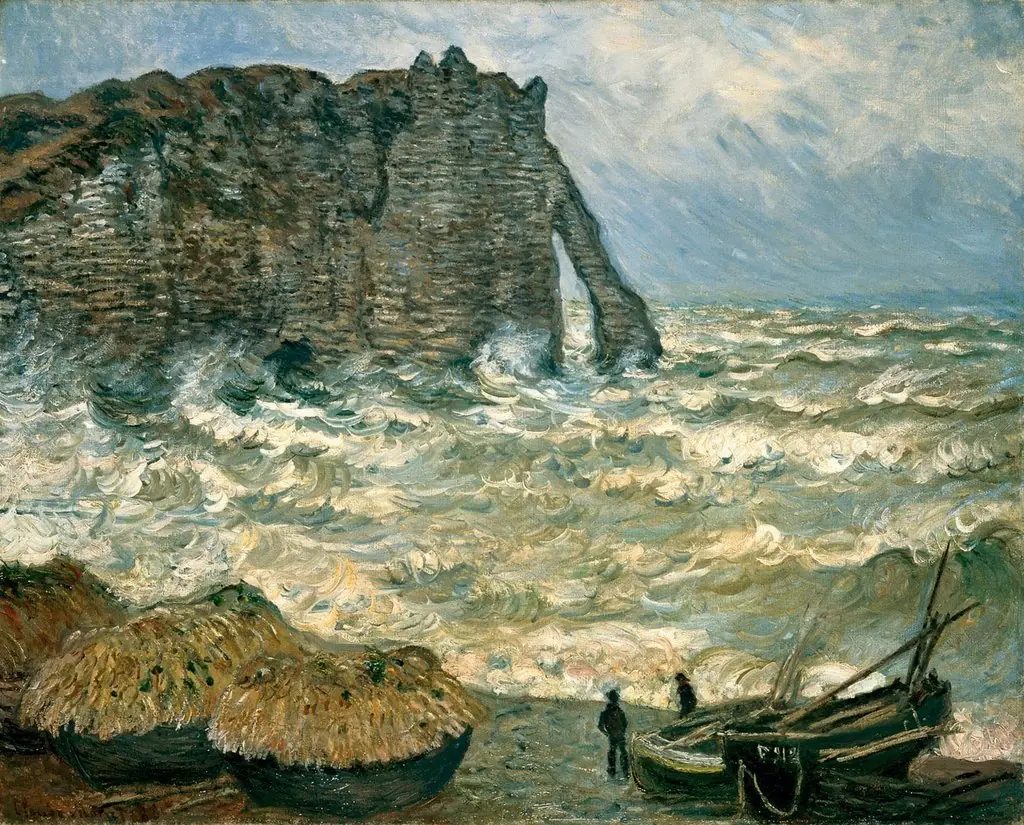 Etretat, Rough Seas
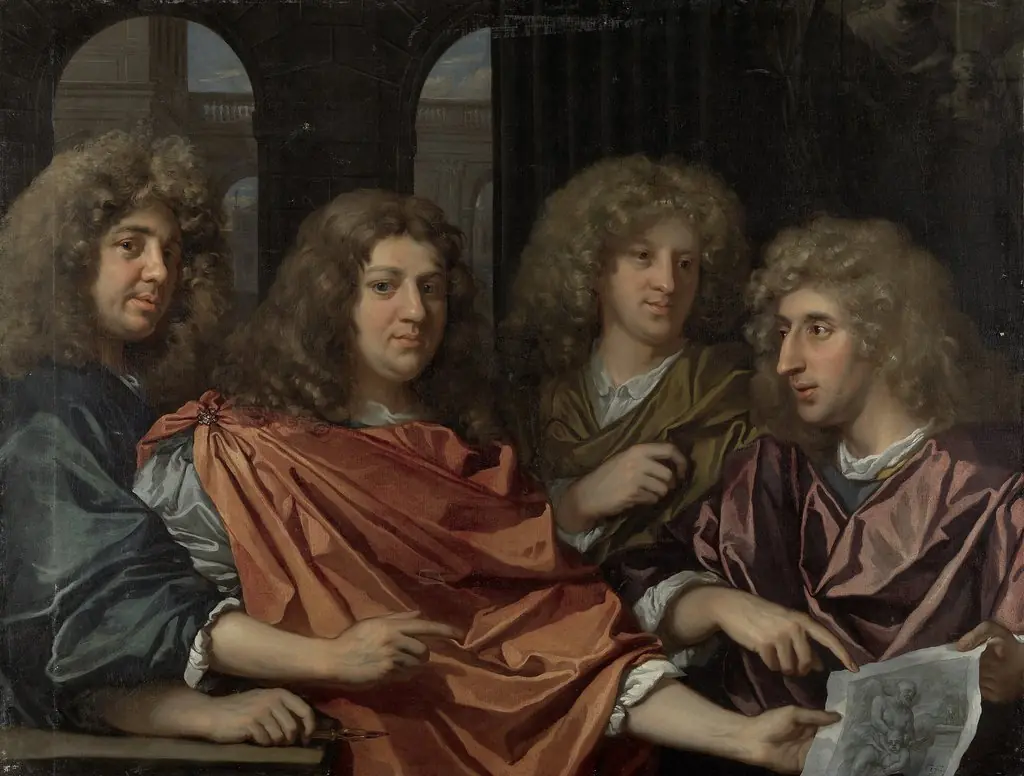 Groepsportret van vier kunstenaars
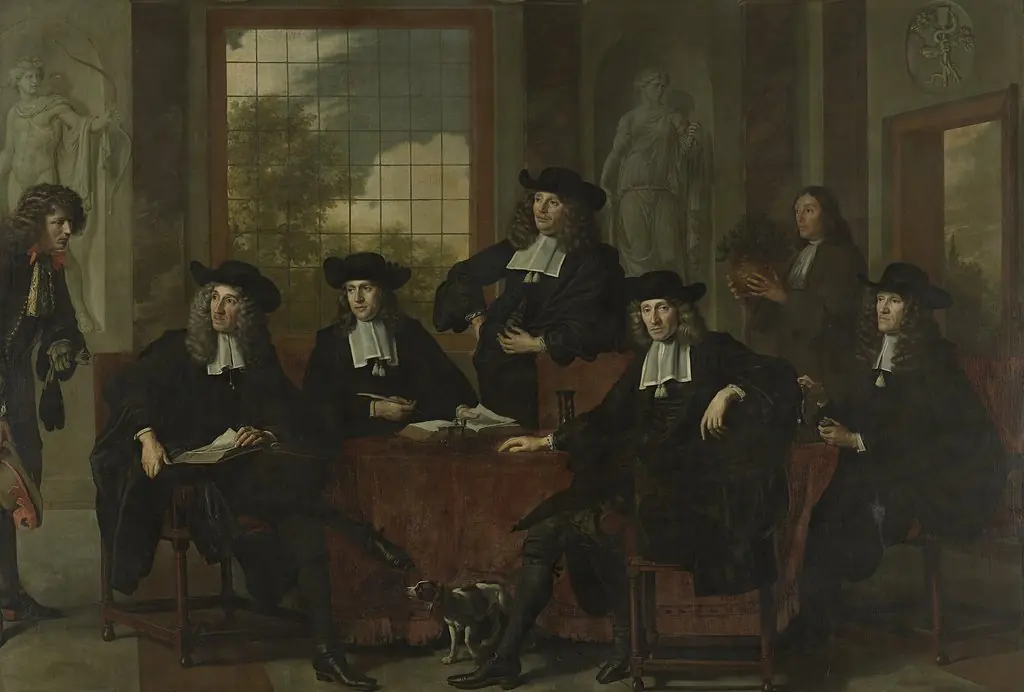 The superintendents of the Collegium Medicum in Amsterdam
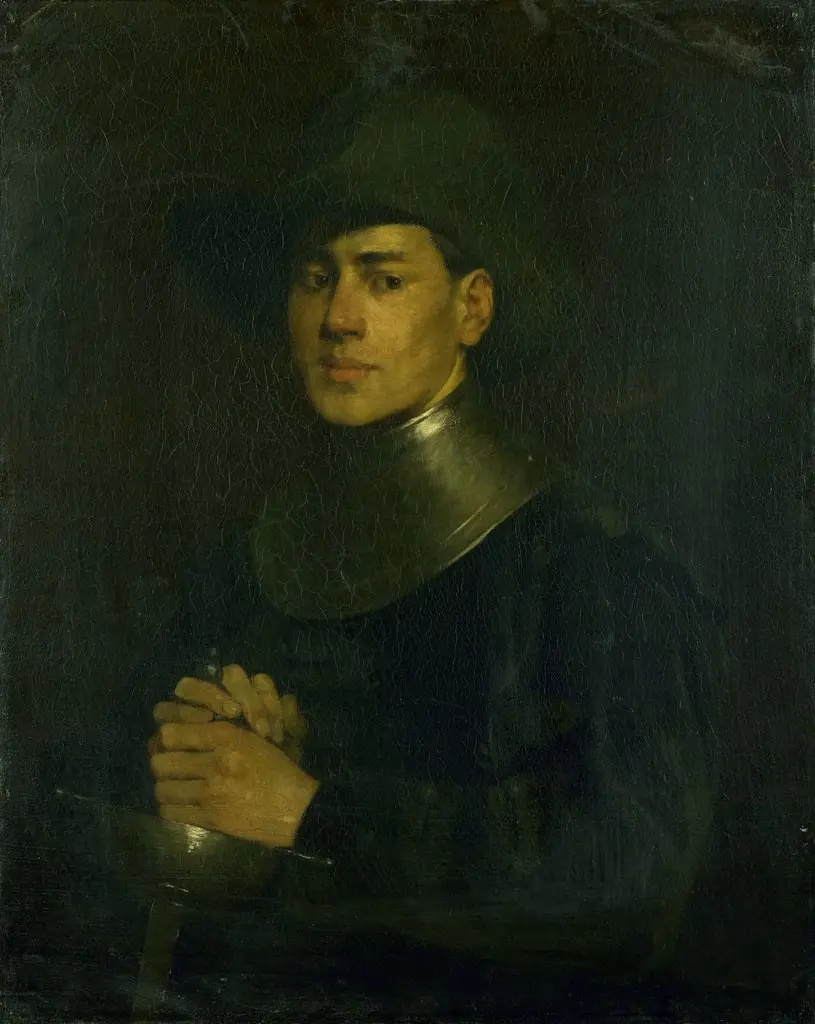 De cavalier
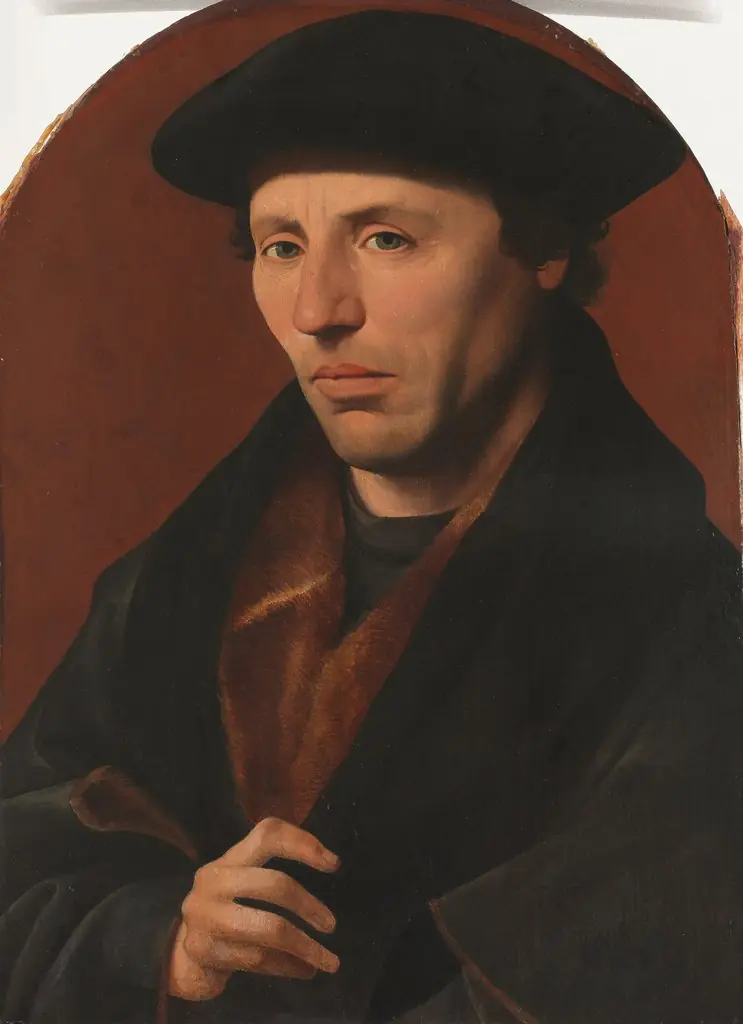 Portrait of a Haarlem Citizen
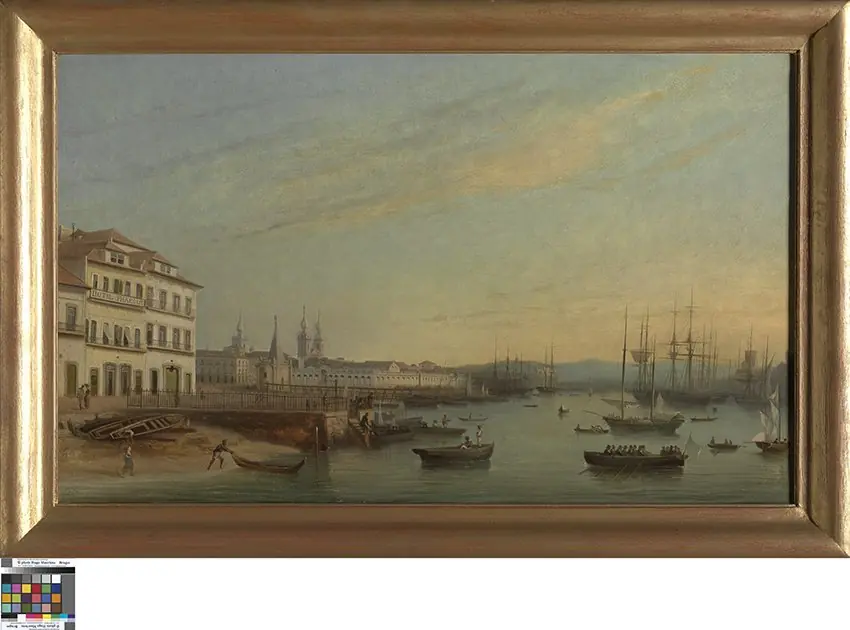 Haven
Haven The lute player
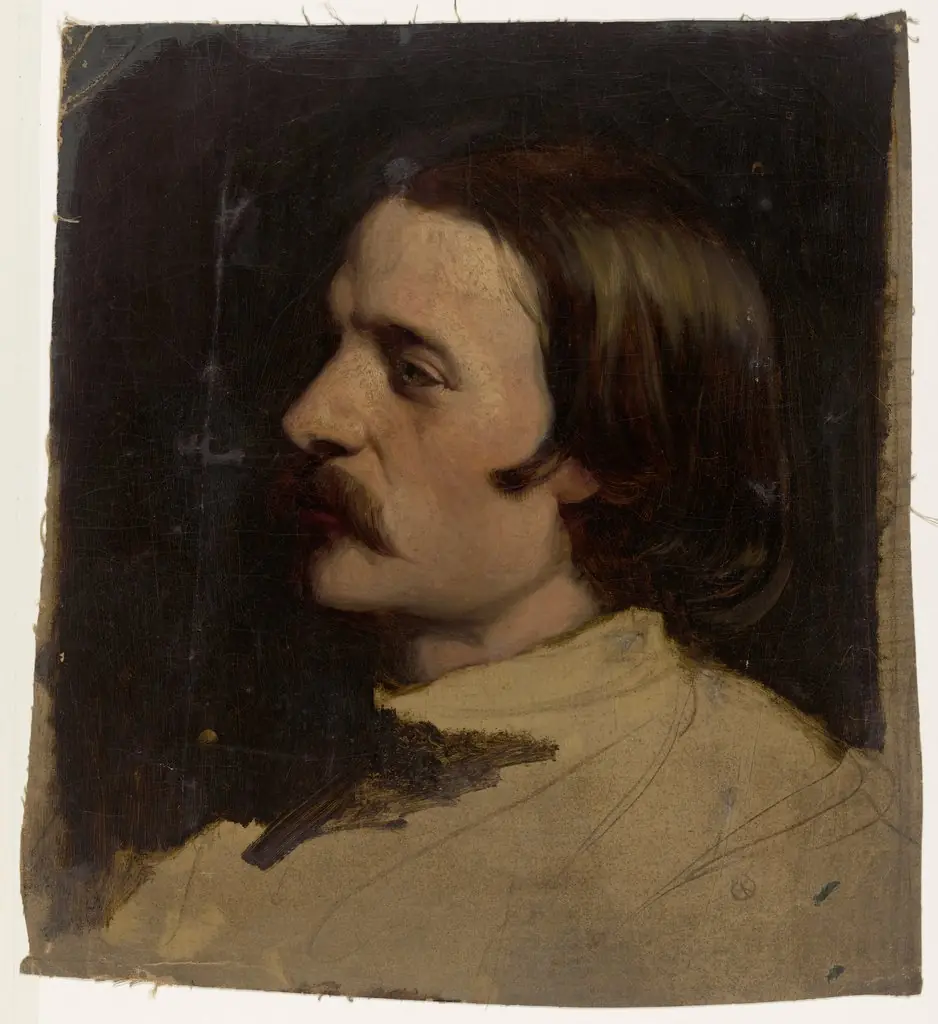 Studiekop naar links
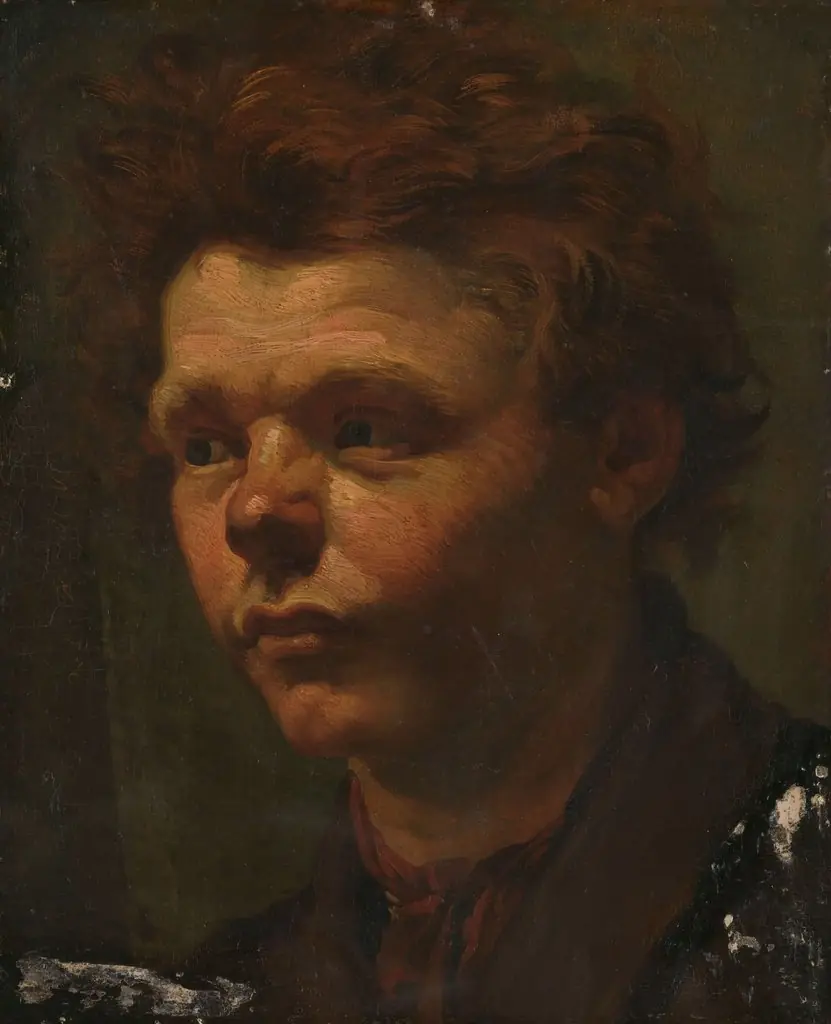 Portrait Study
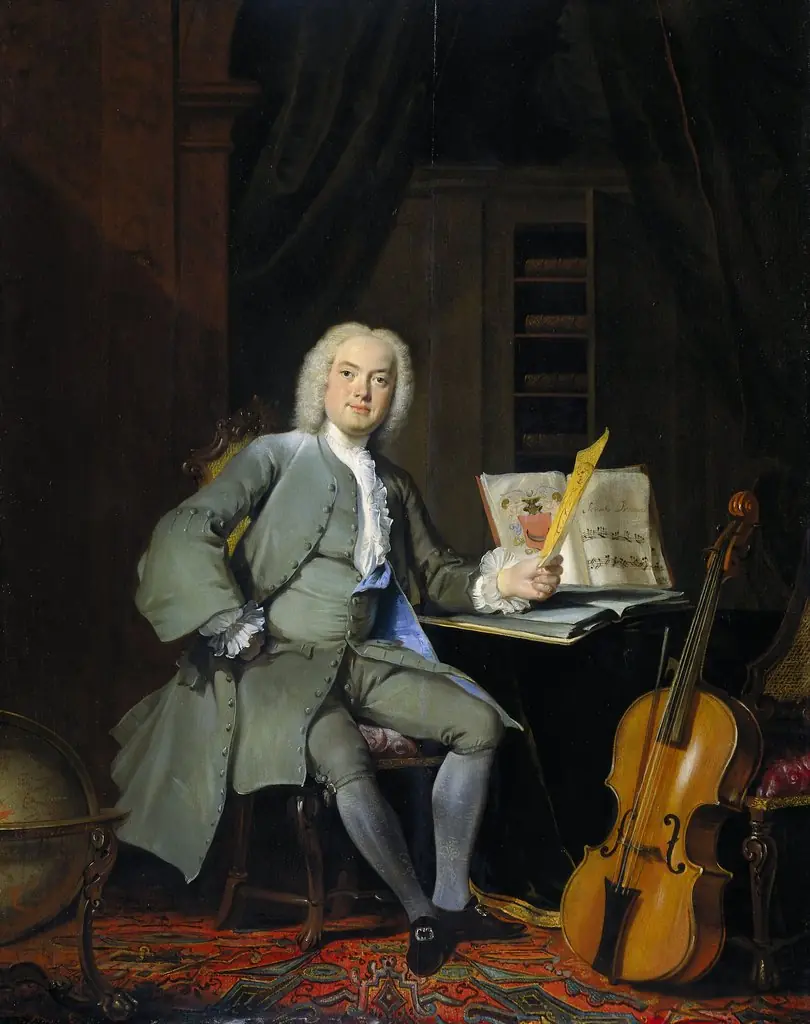 Portrait of a Member of the Van der Mersch Family
 Shipwreck
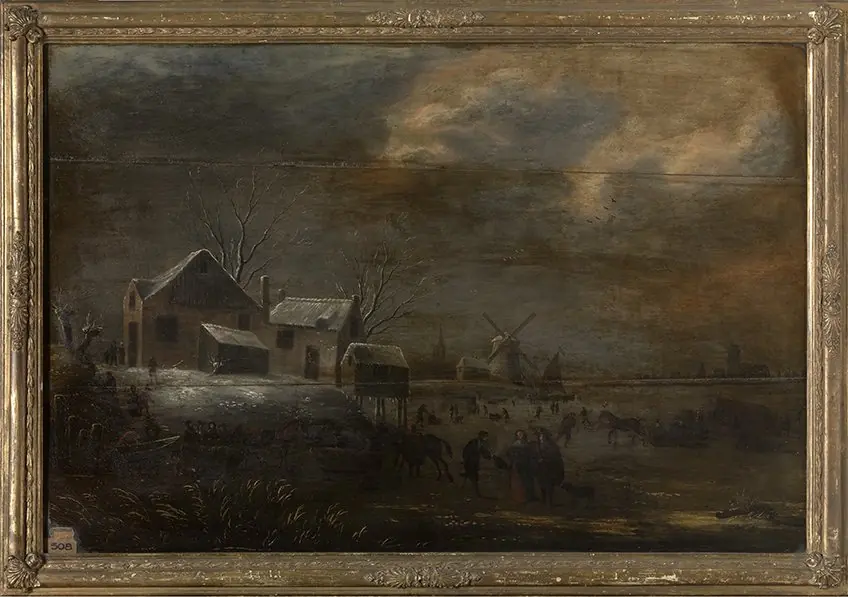 Winterlandschap met ijspret
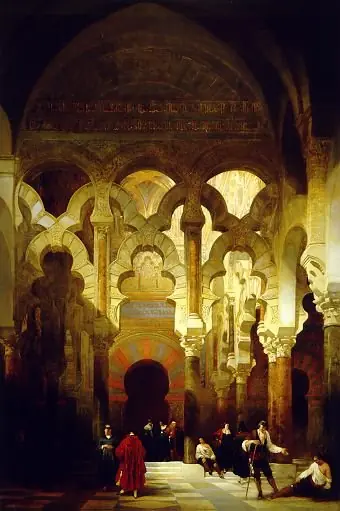 Interior of the Mosque, Córdoba
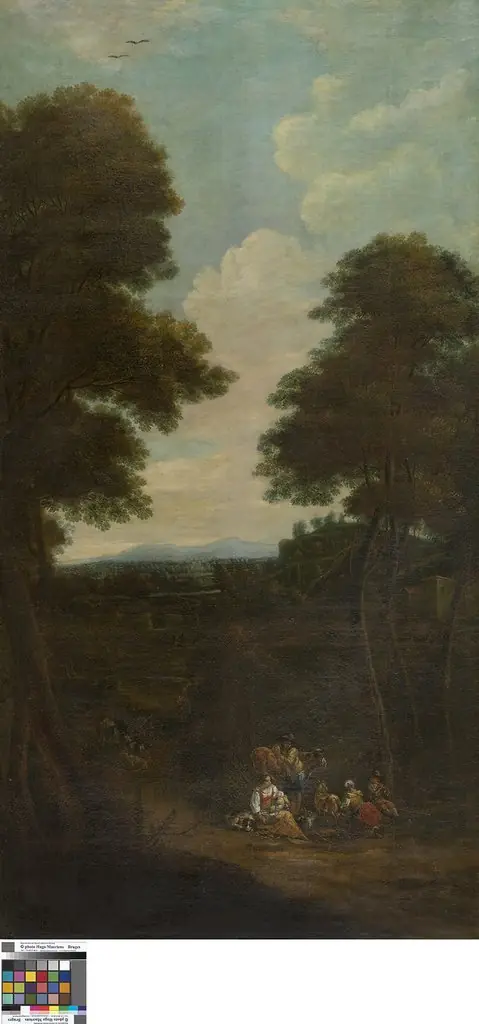 Landschap
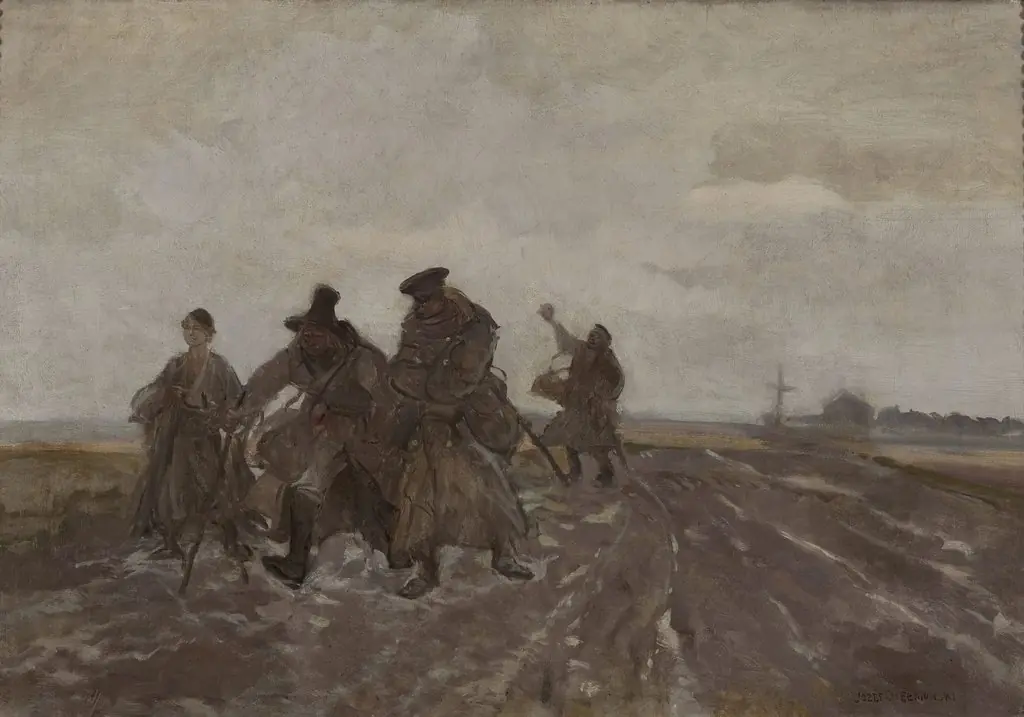 On the road
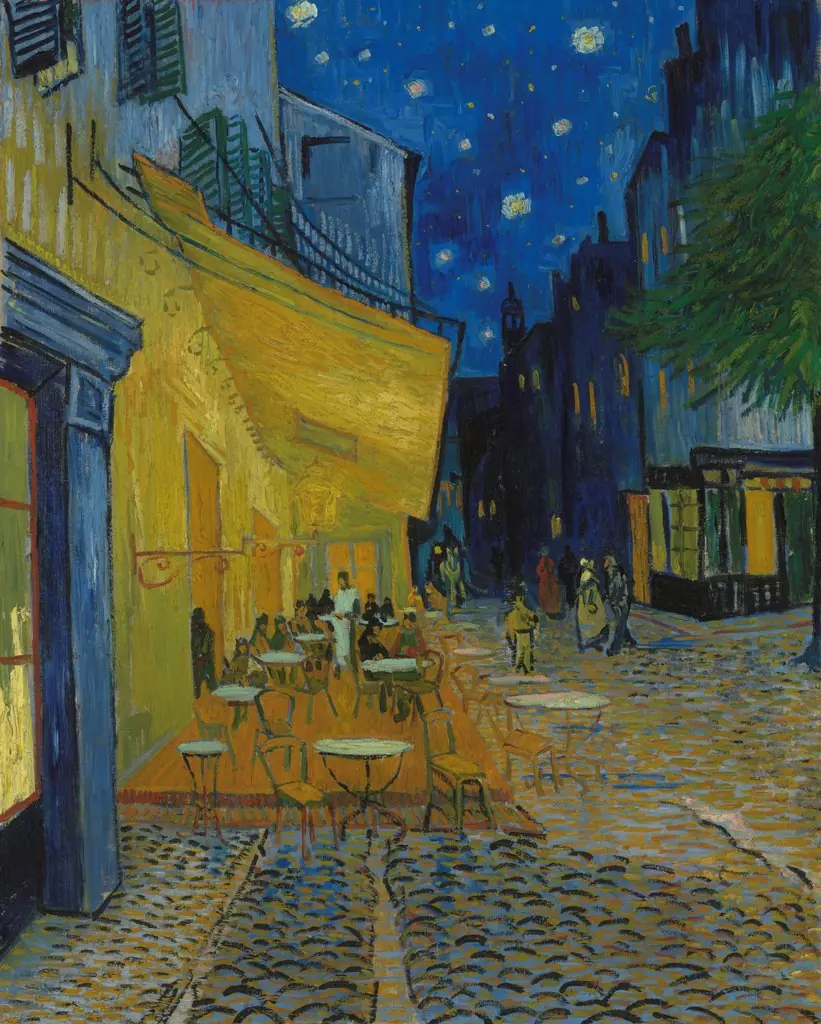 Café Terrace at Night
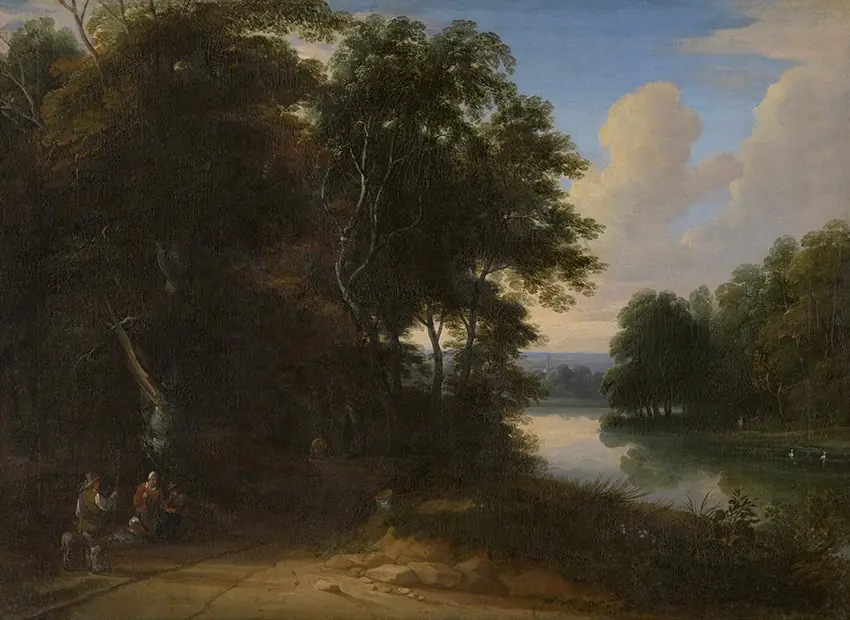 Boslandschap met rivier
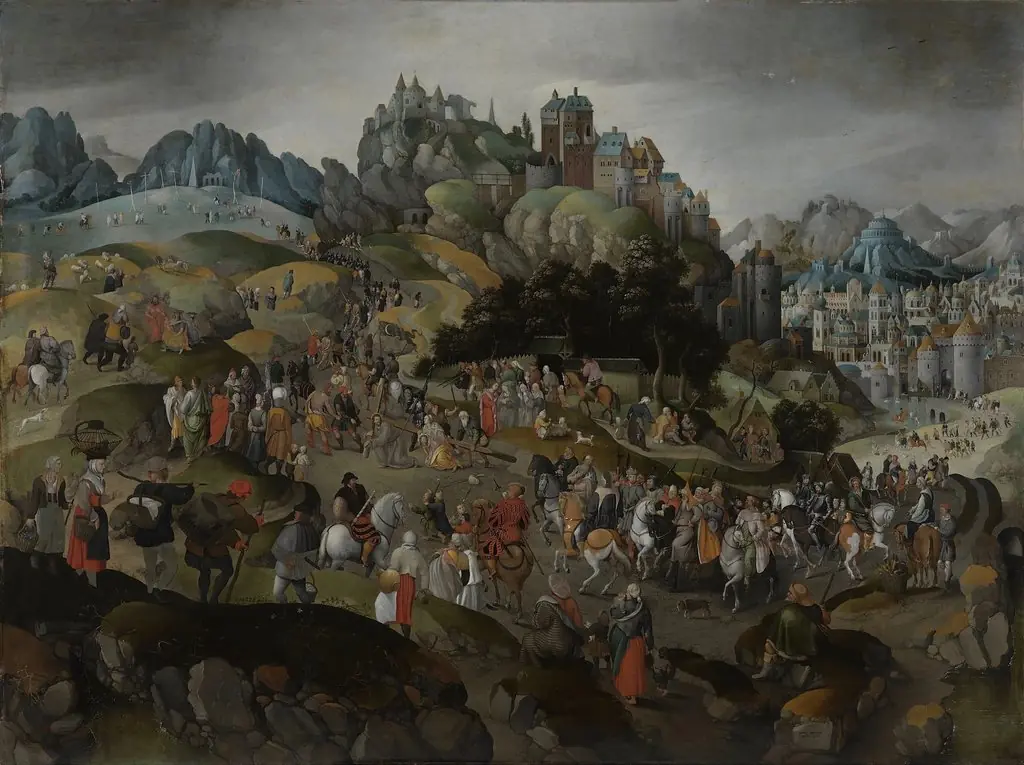 Christ carrying the Cross
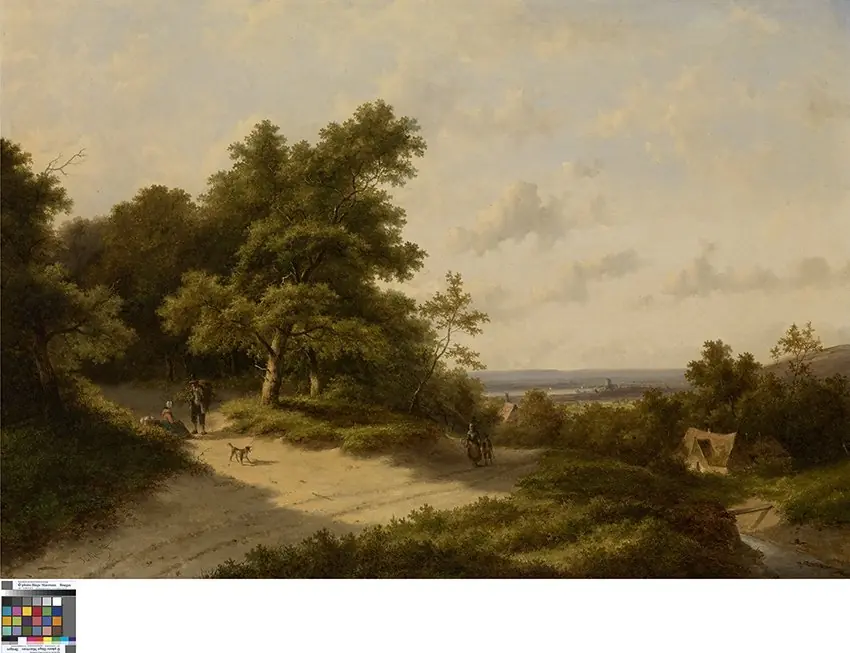 Landschap
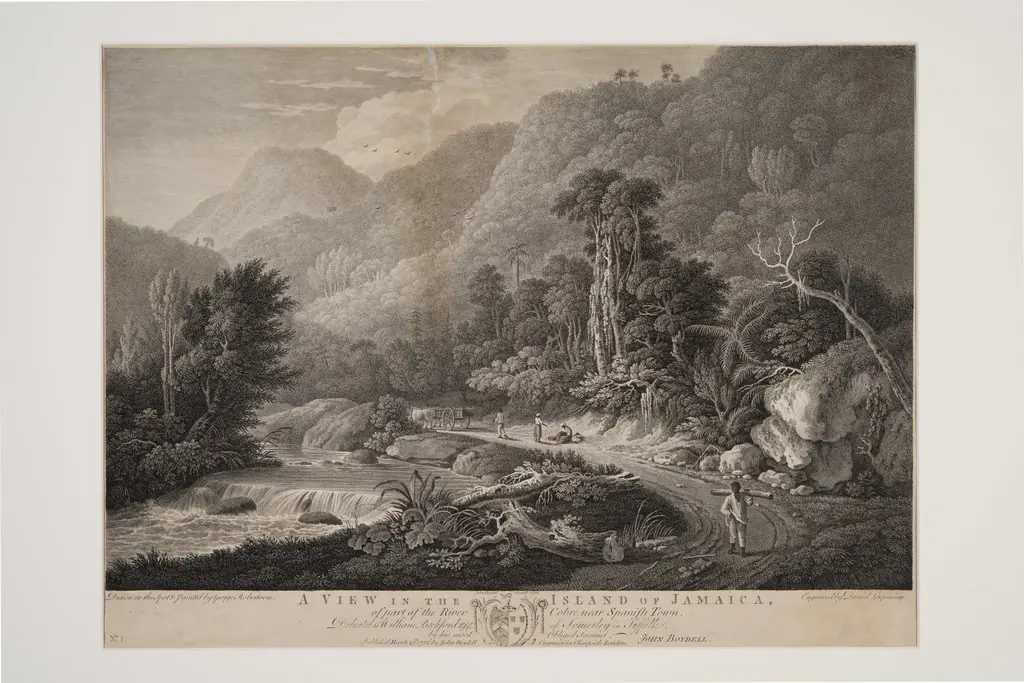 A View in the Island of Jamaica, of Part of the River Cobre near Spanish Town
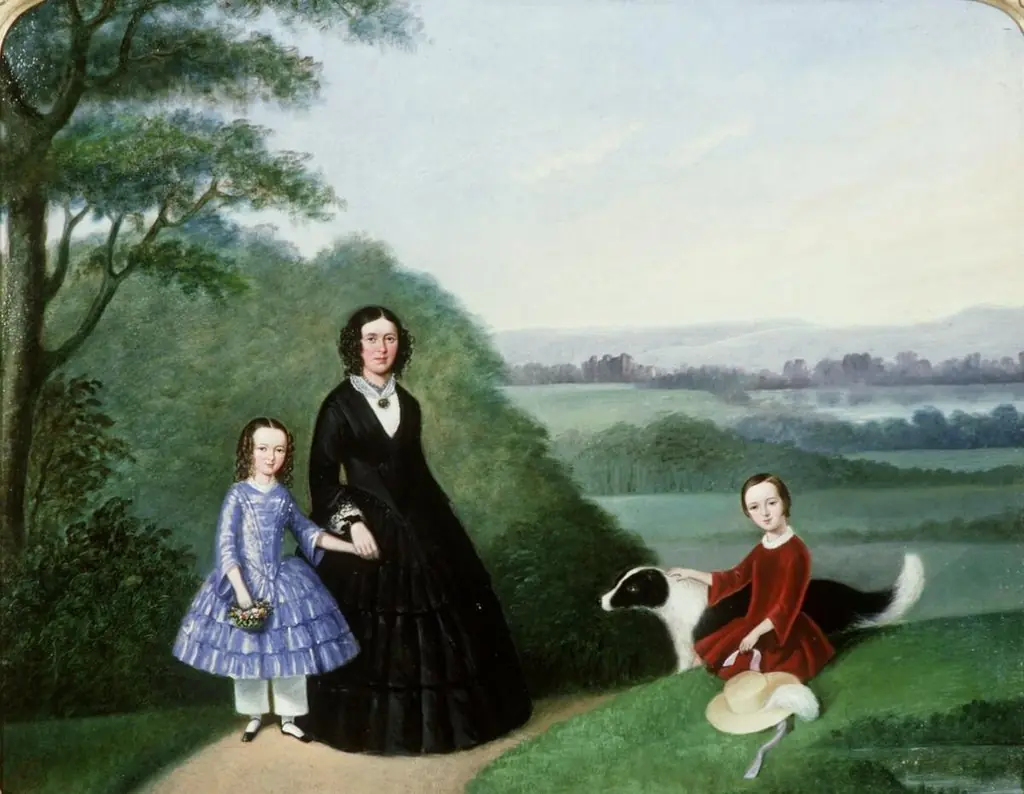 Conversation work
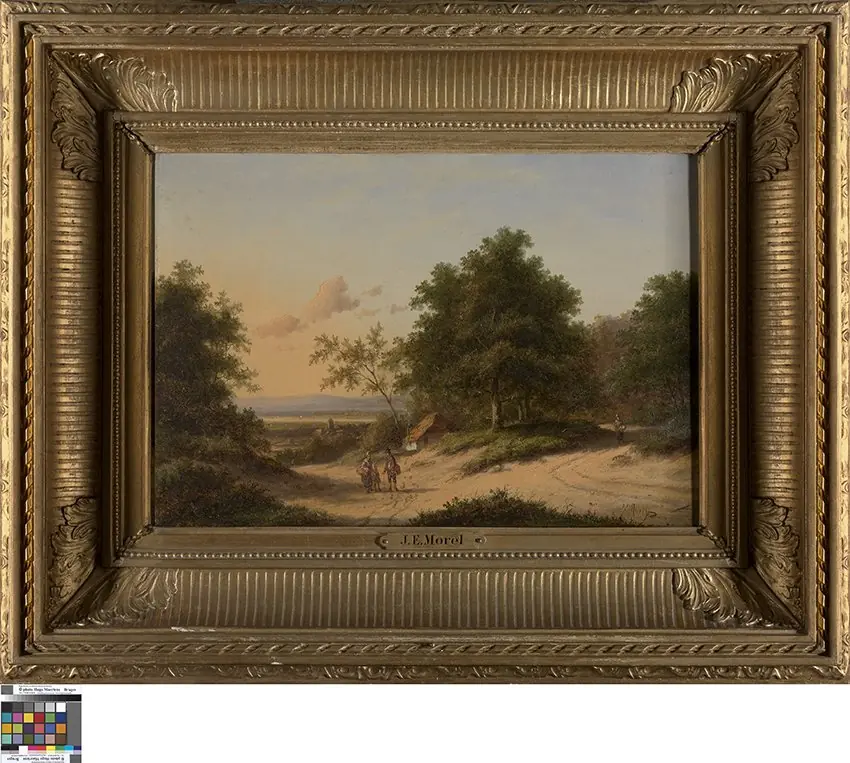 Boslandschap
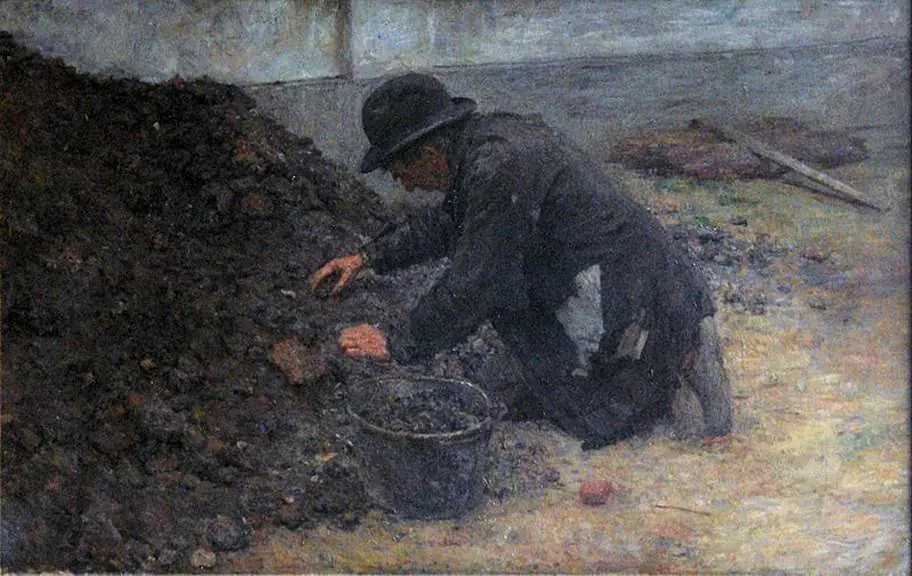 Cinder clearance
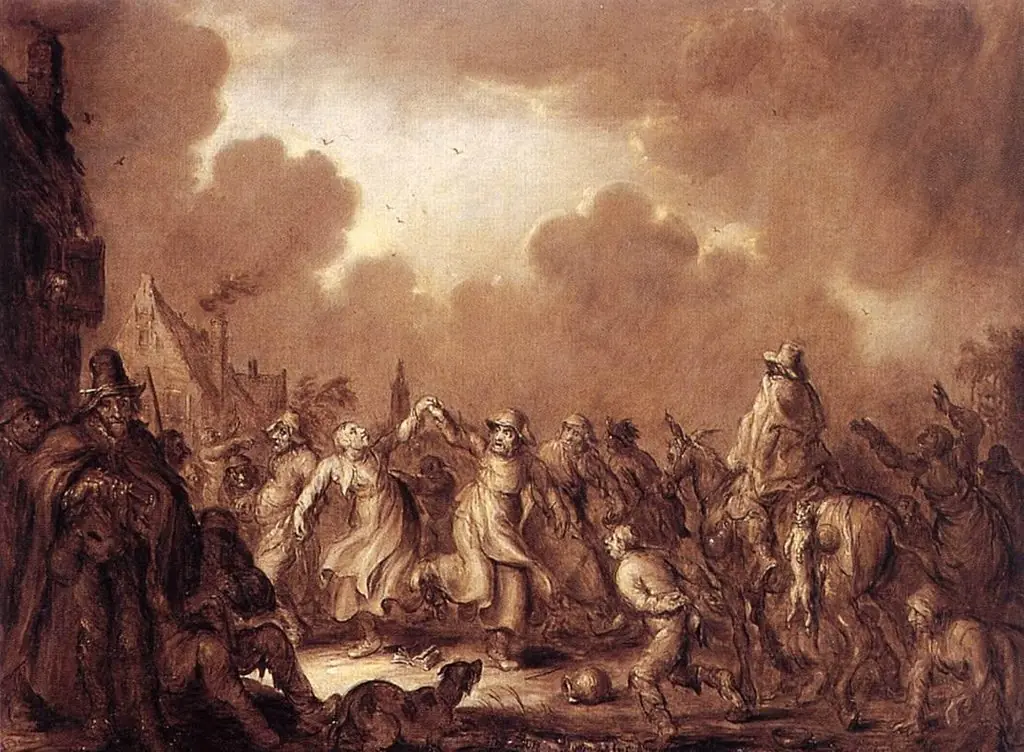 Fools Have the Most Fun
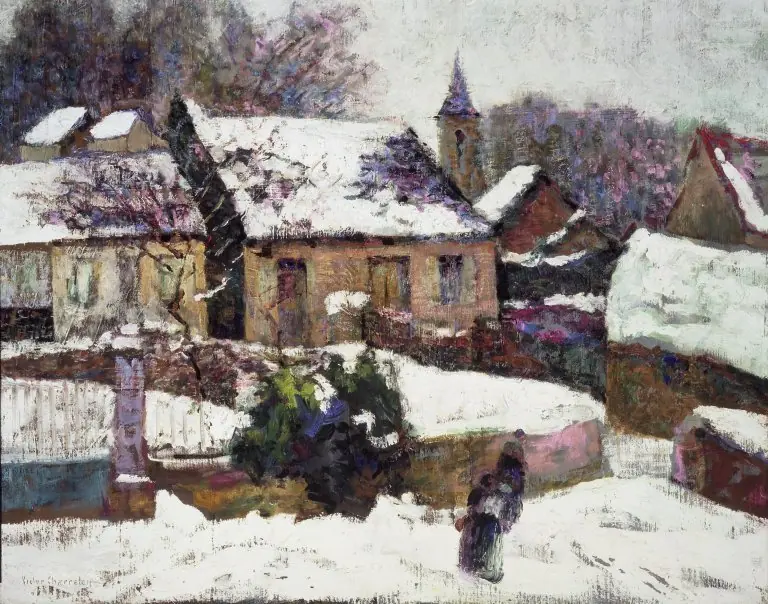 Wet Snow, Auvergne
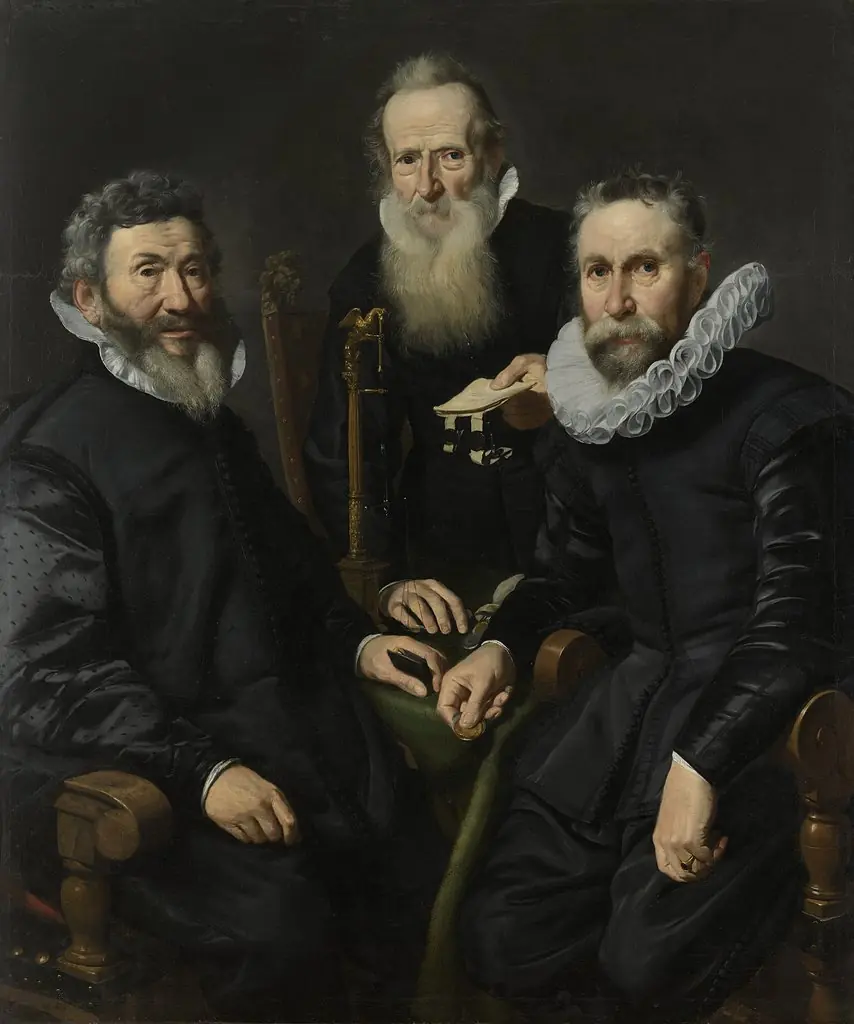 Group Portrait of an unidentified Board of Governors
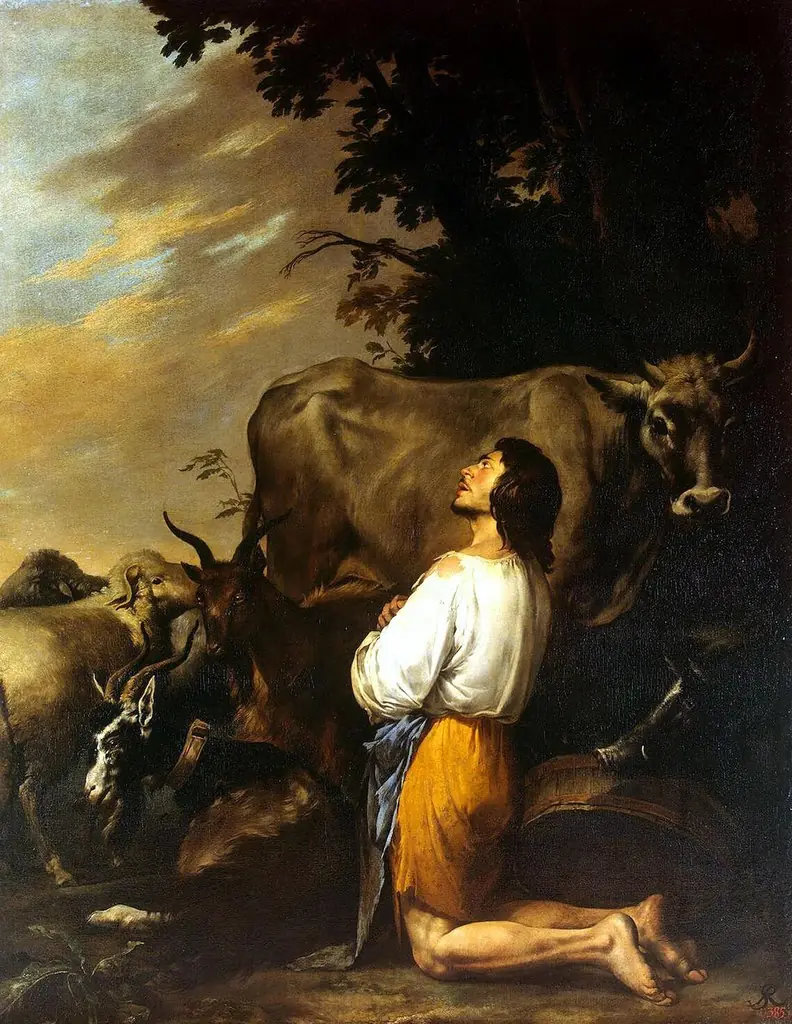 Prodigal Son
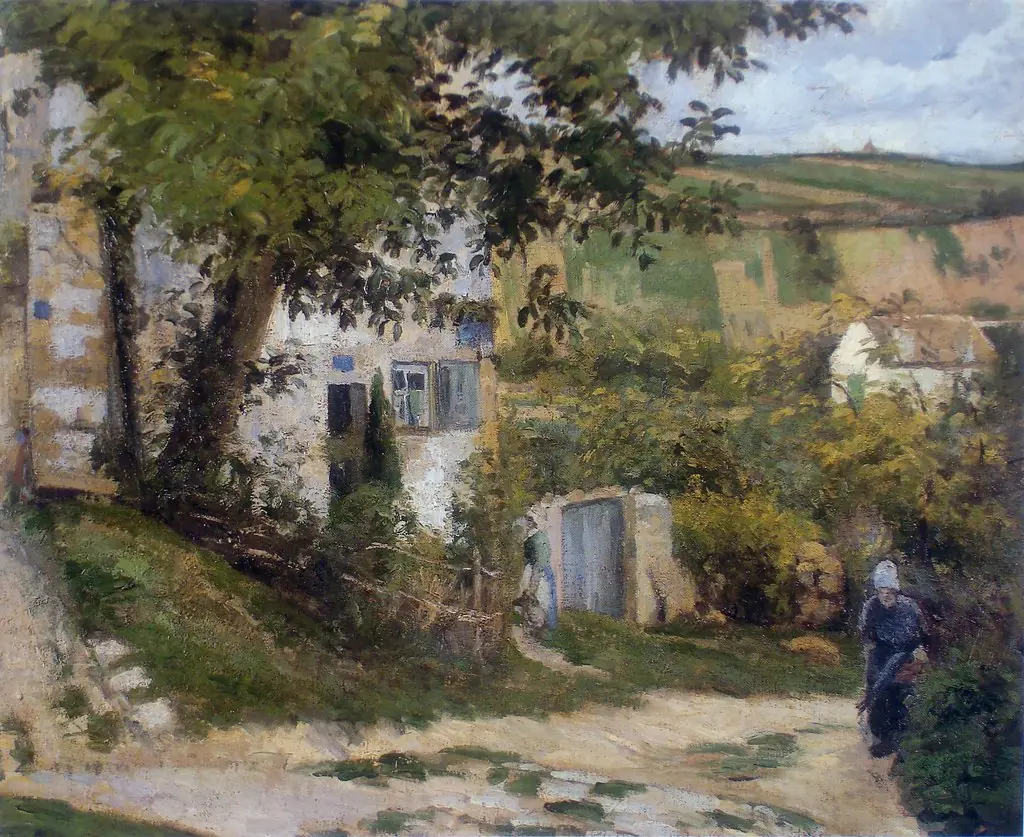 Rue de la Côte-du-Jalet, the 'Rondest House', Pontoise
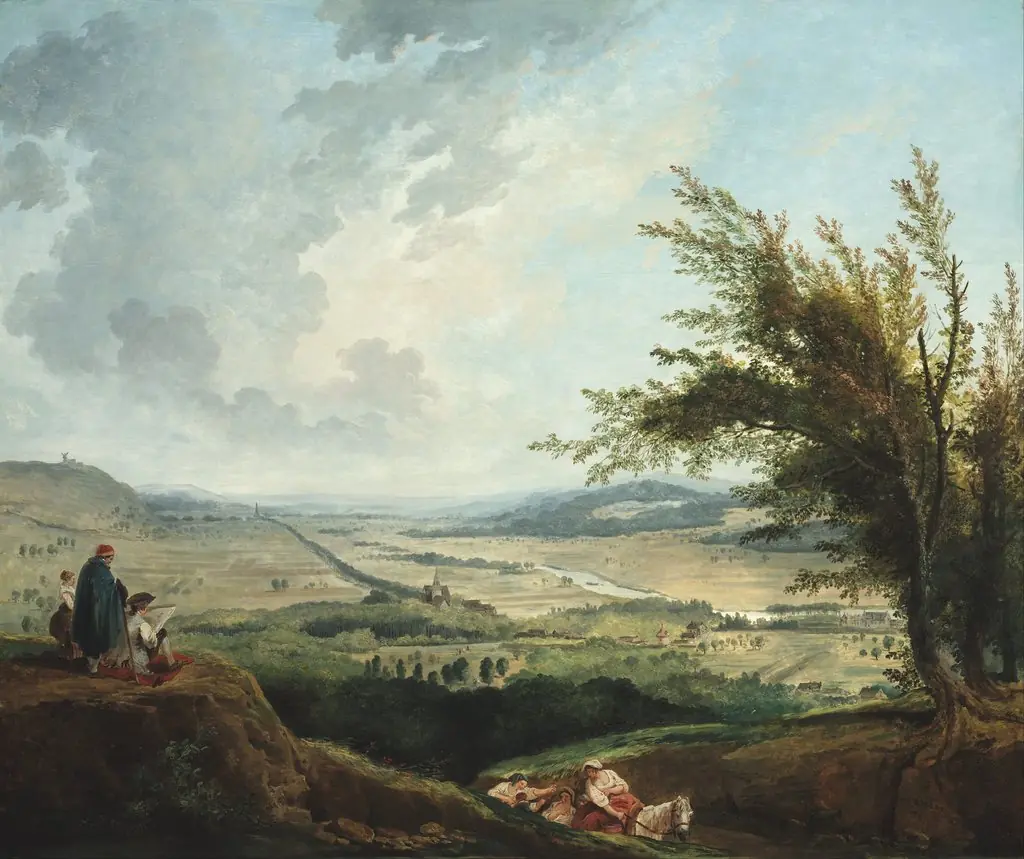 An Extensive Landscape Near Paris
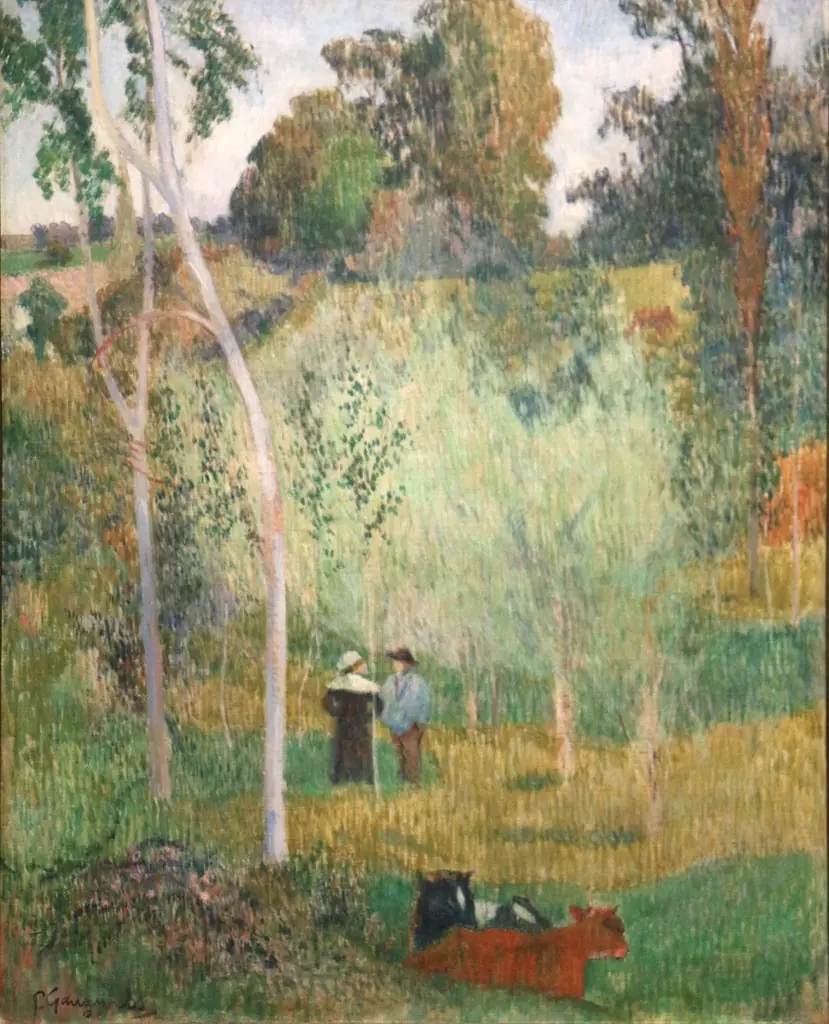 Conversation in the fields. Pont-Aven
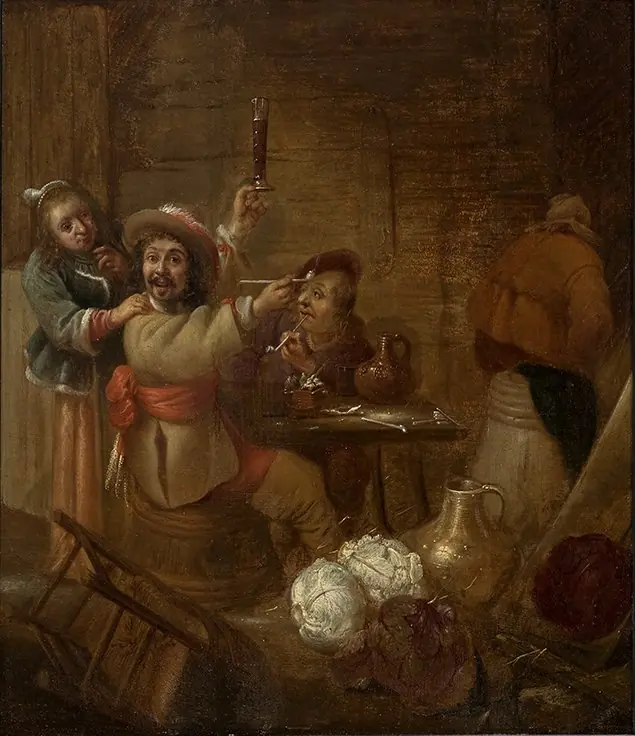 Tavern scene
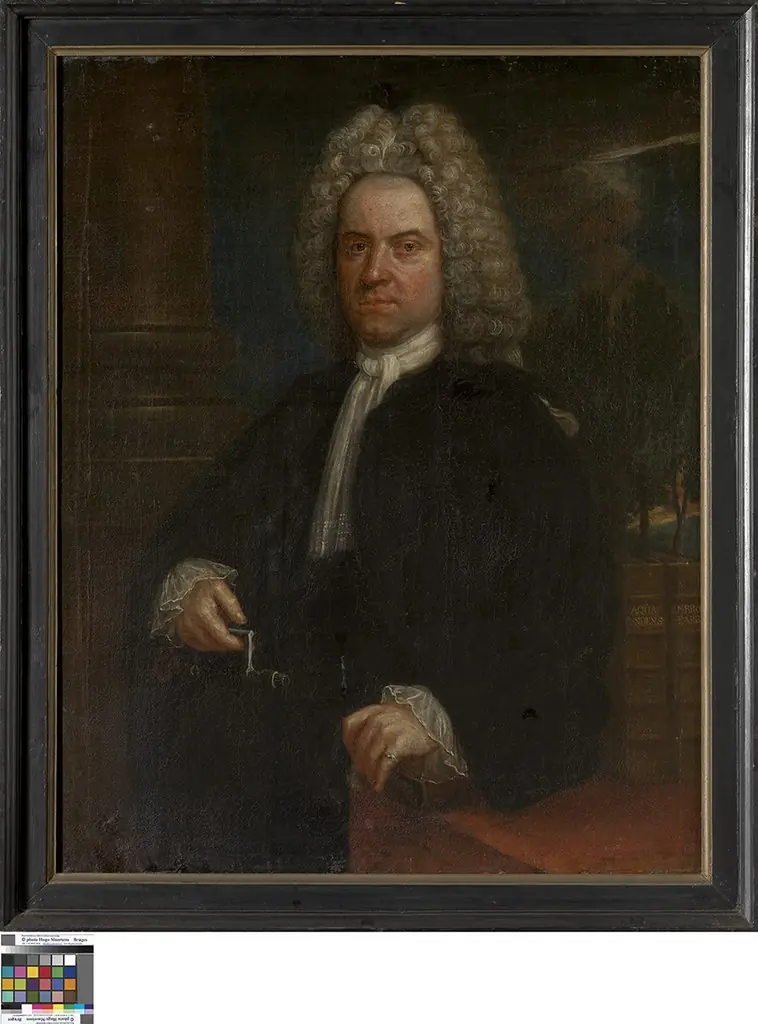 Portret van Joannes van Ockerhout
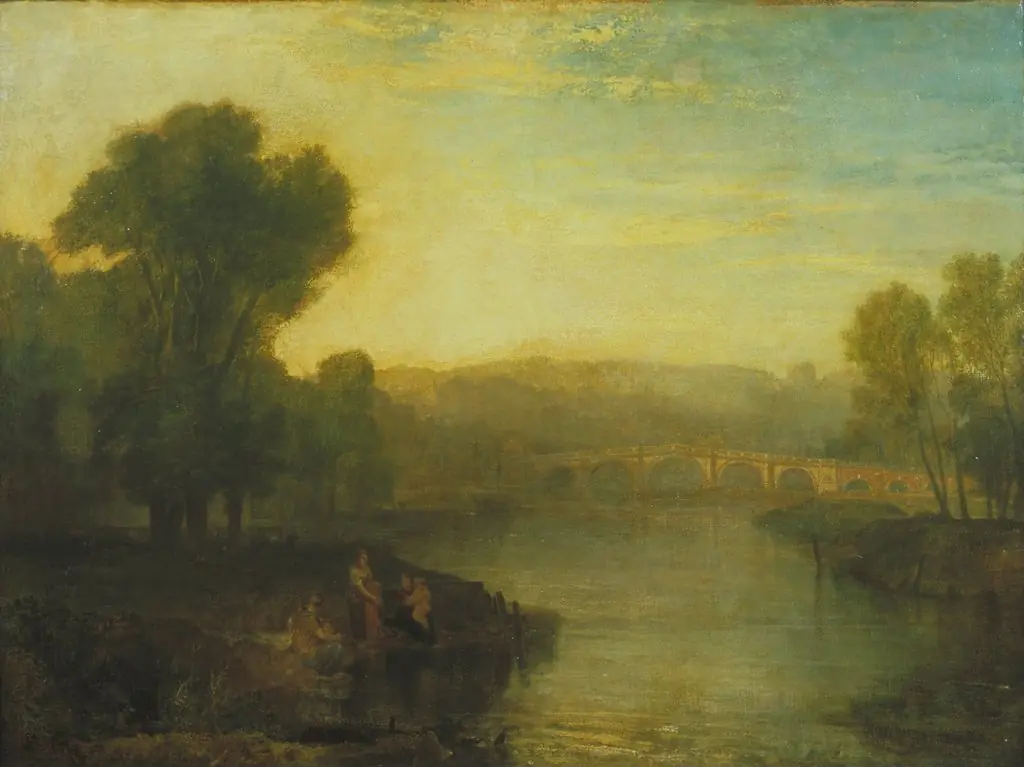 View of Richmond Hill and Bridge
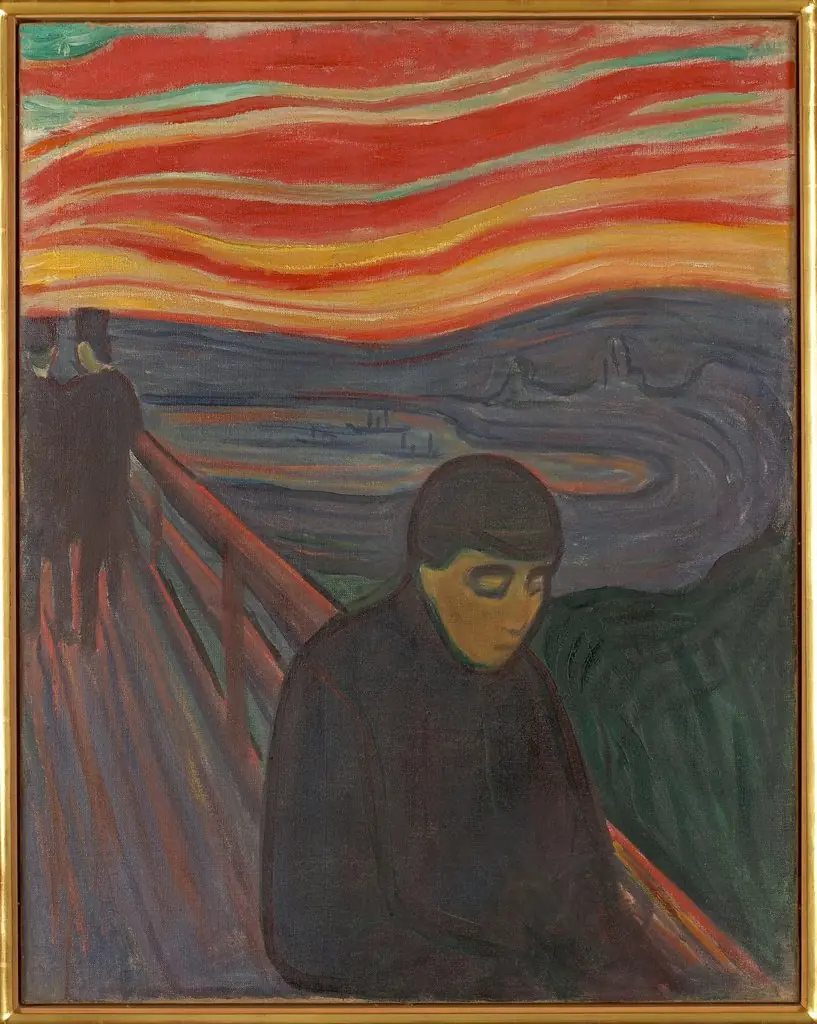 Despair
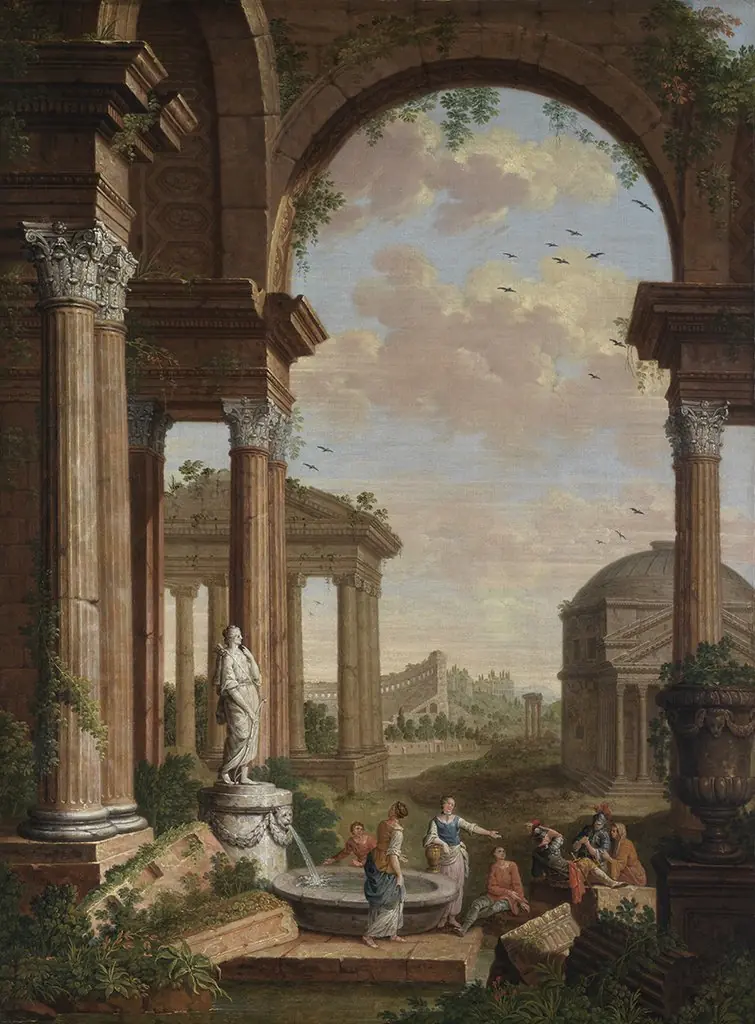 Landscape with Roman Ruins
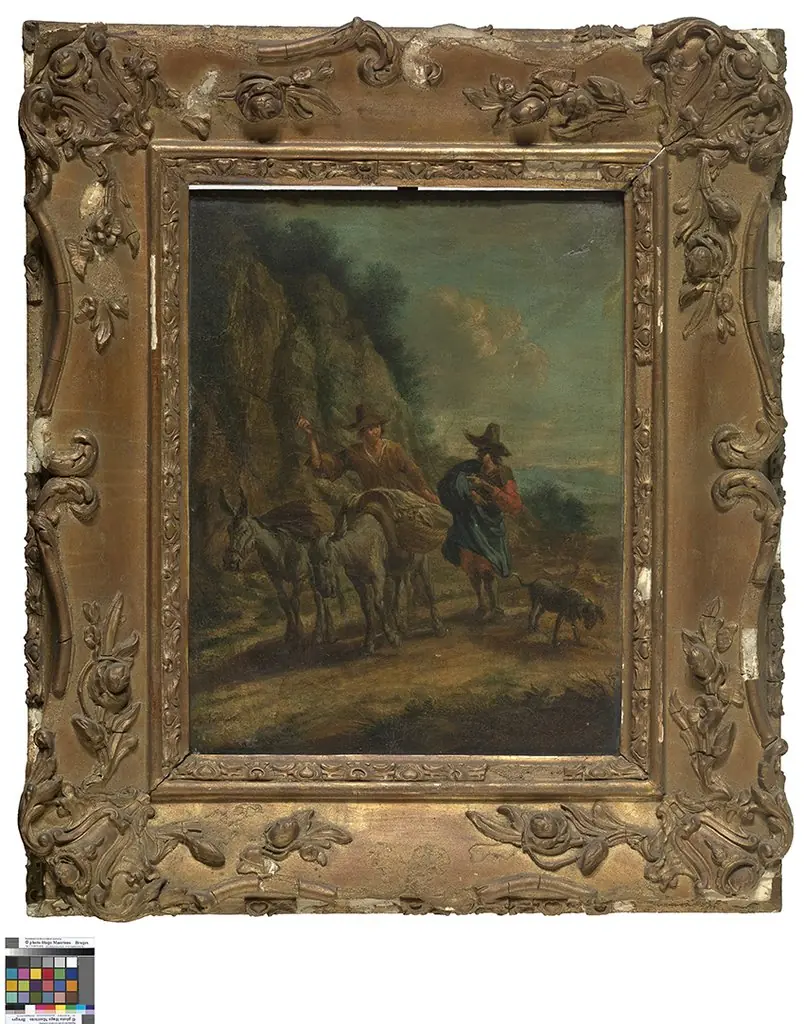 Ezeldrijvers
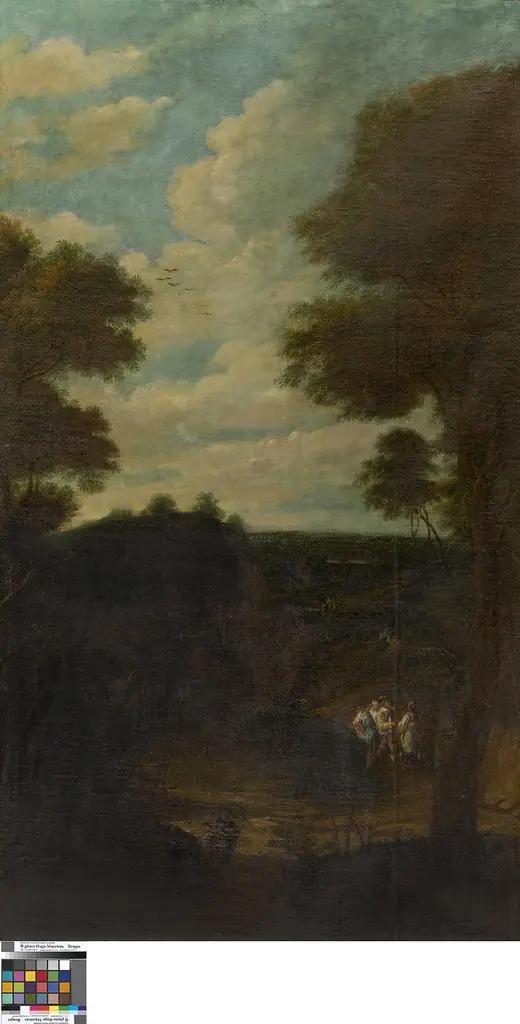 Landschap
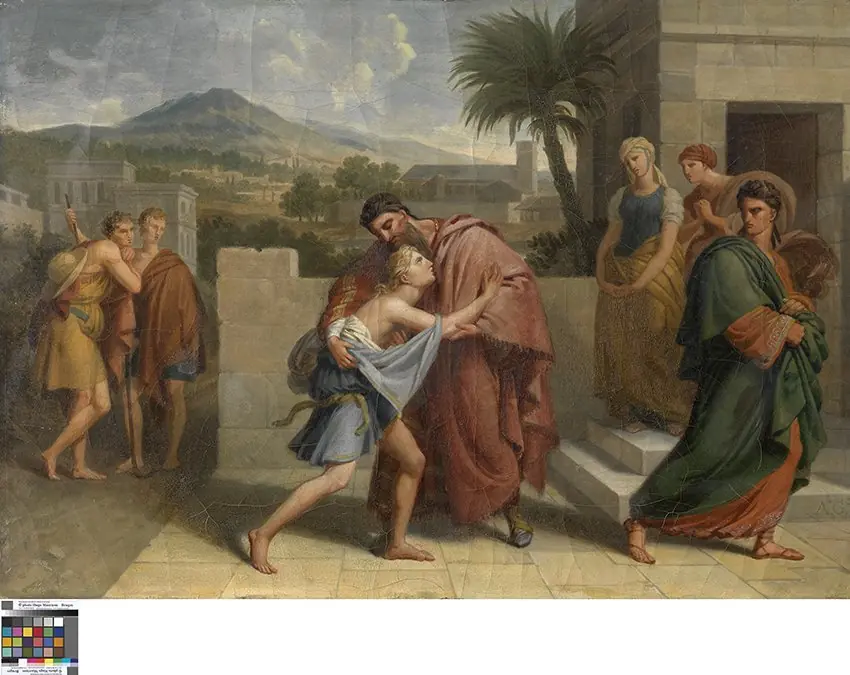 De thuiskomst van de verloren zoon
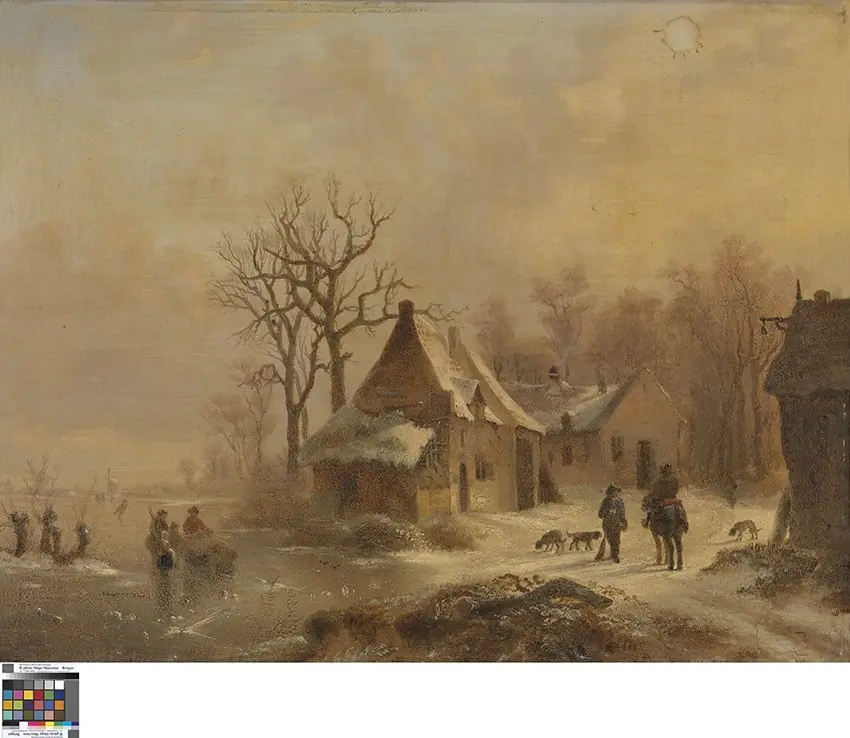 Winterlandschap
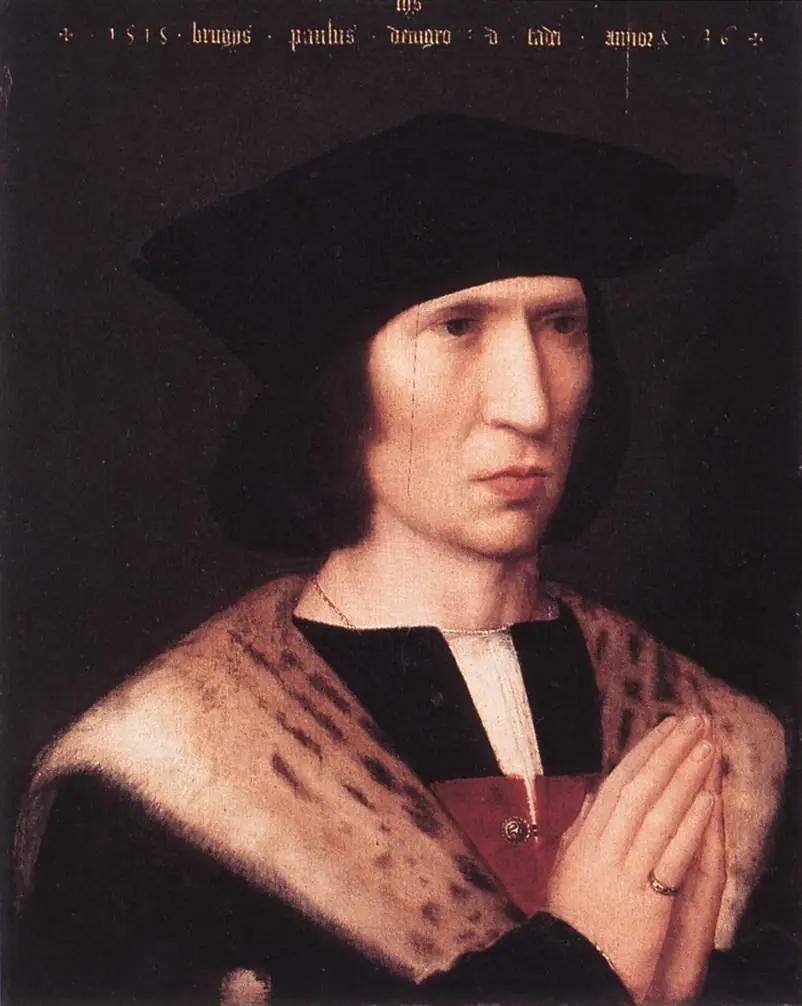 Portrait of Paulus de Nigro
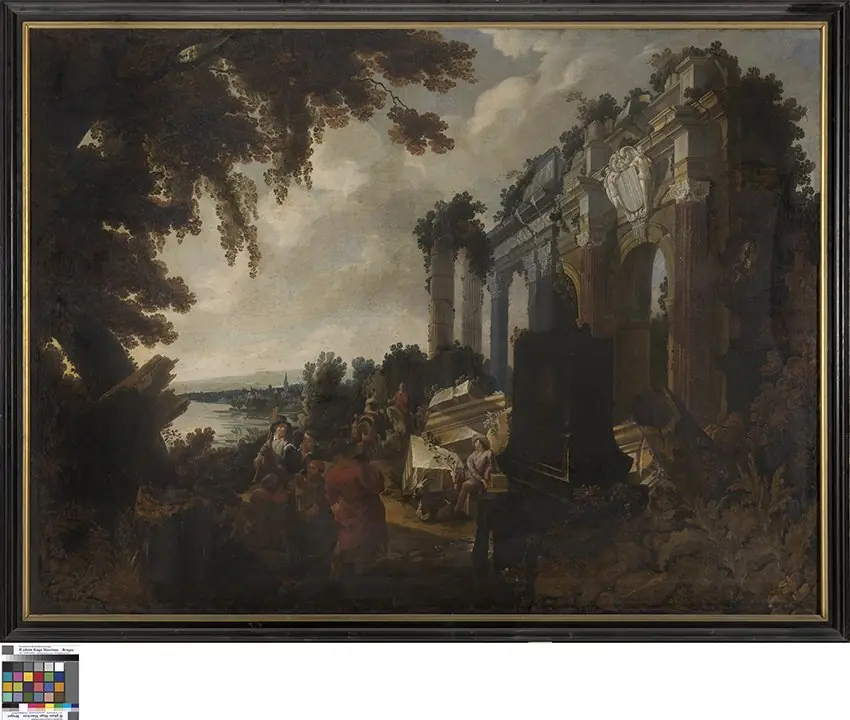 Landschap met ruïnes
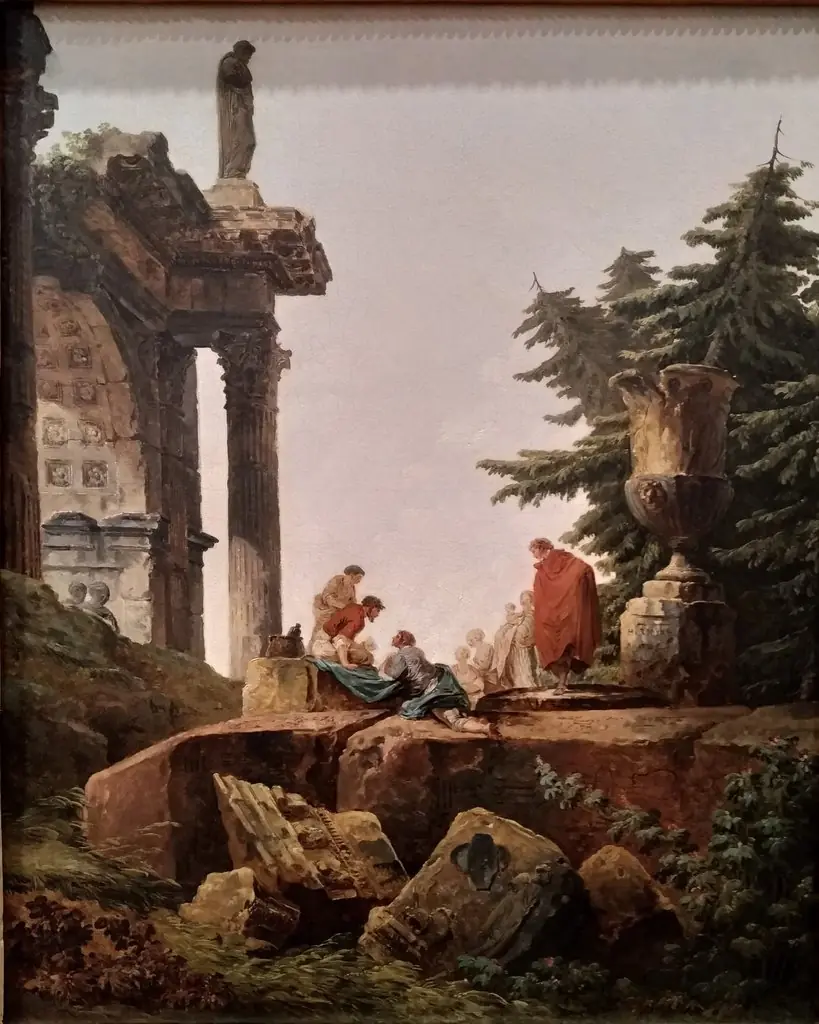 Arch of Triumph in Ruins
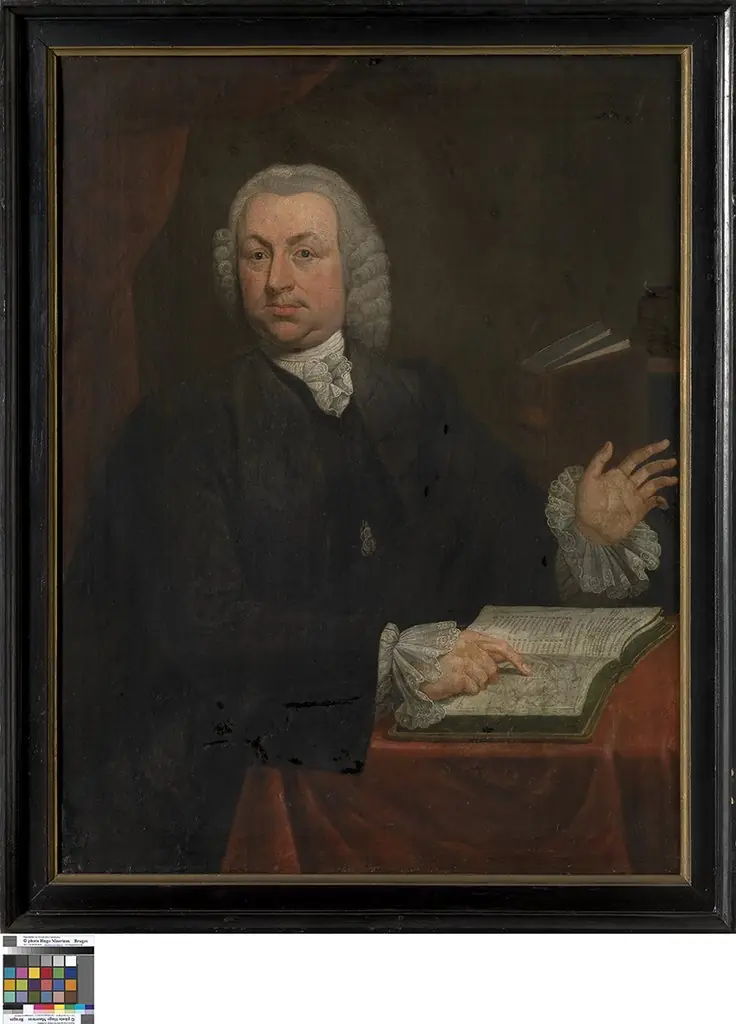 Portret van Carolus Toomkens
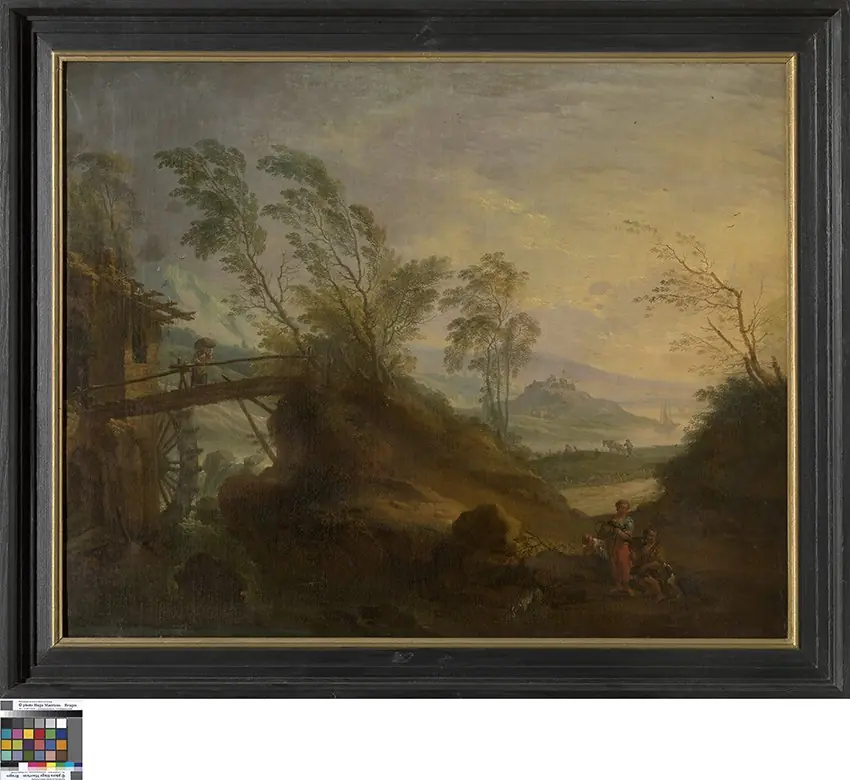 Landschap
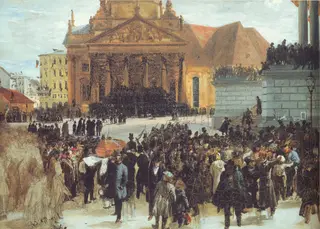 Laying out the March Dead
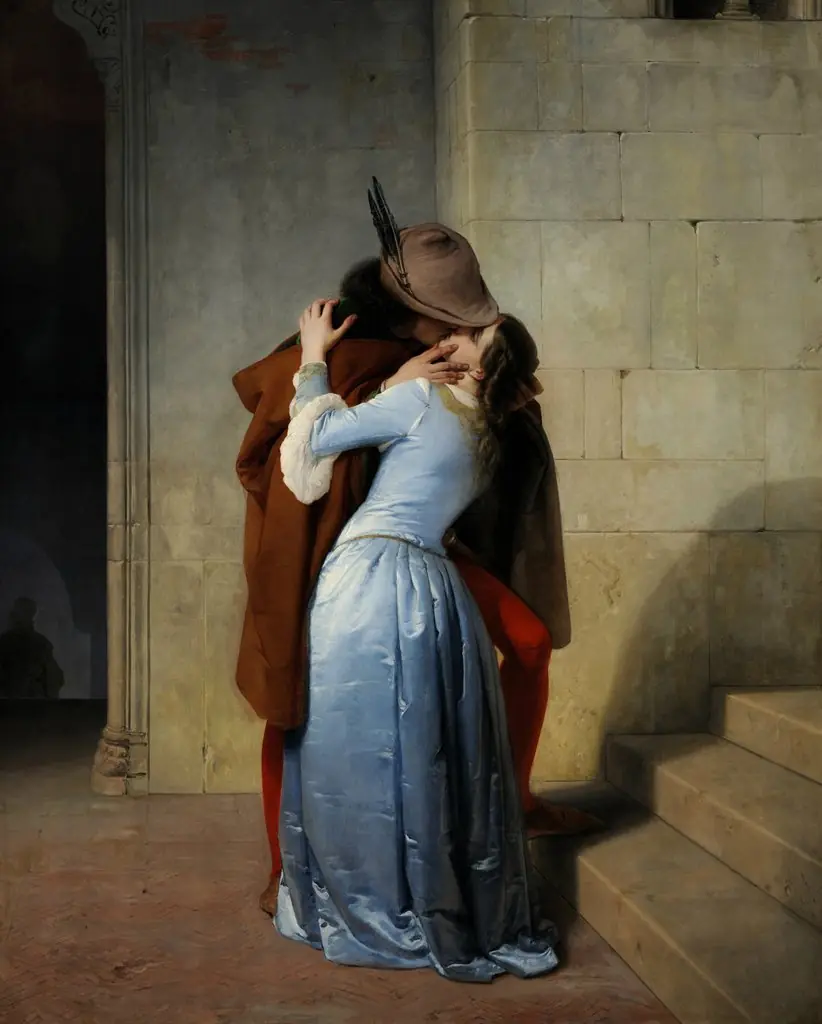 The Kiss
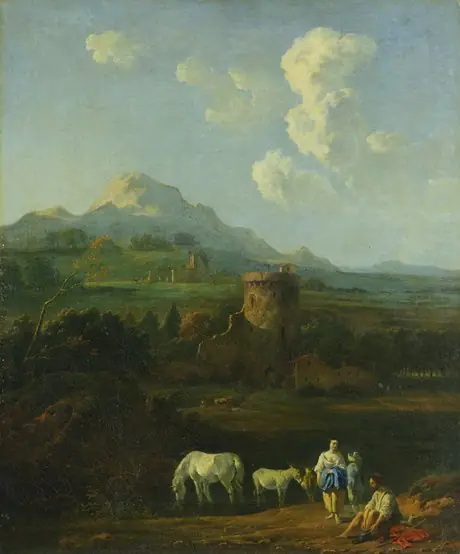 Landscape with figures.
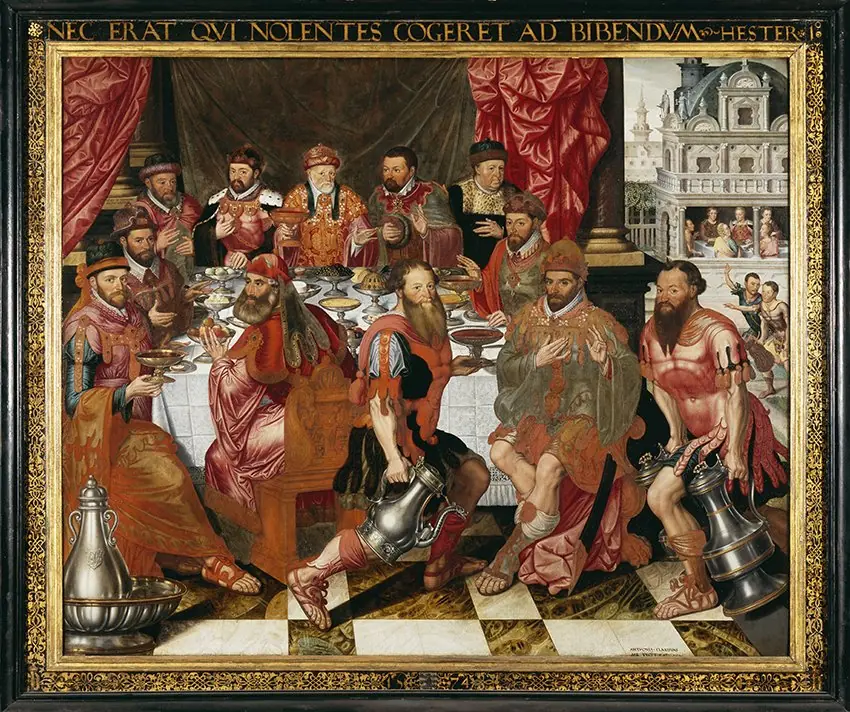 Banquet
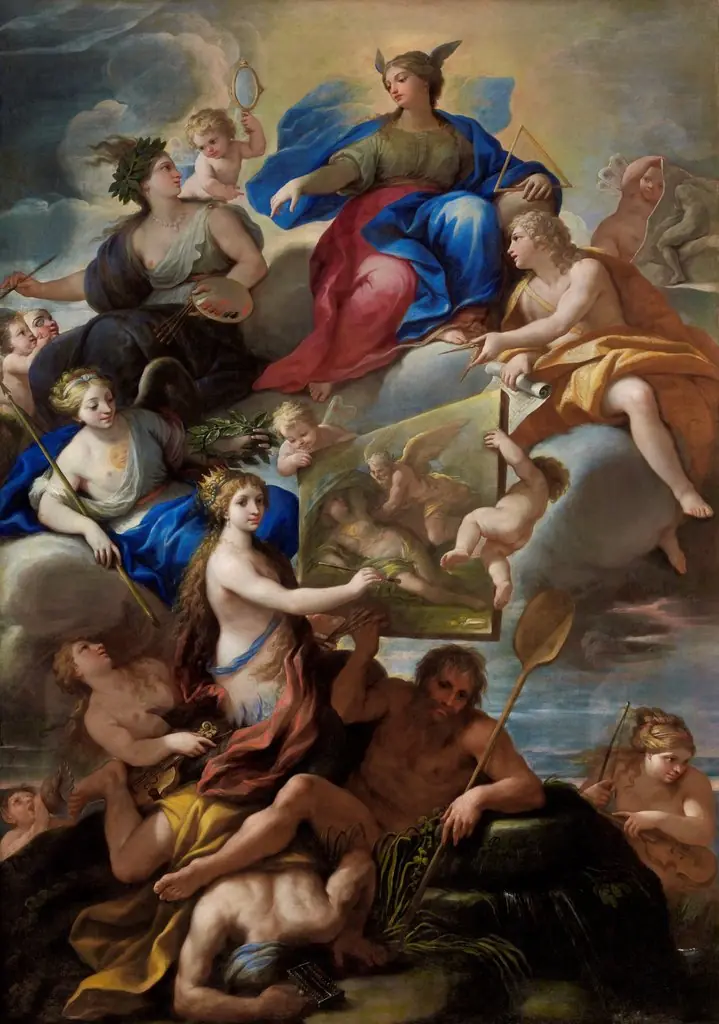 Allegory of Knowledge and the Arts in Naples
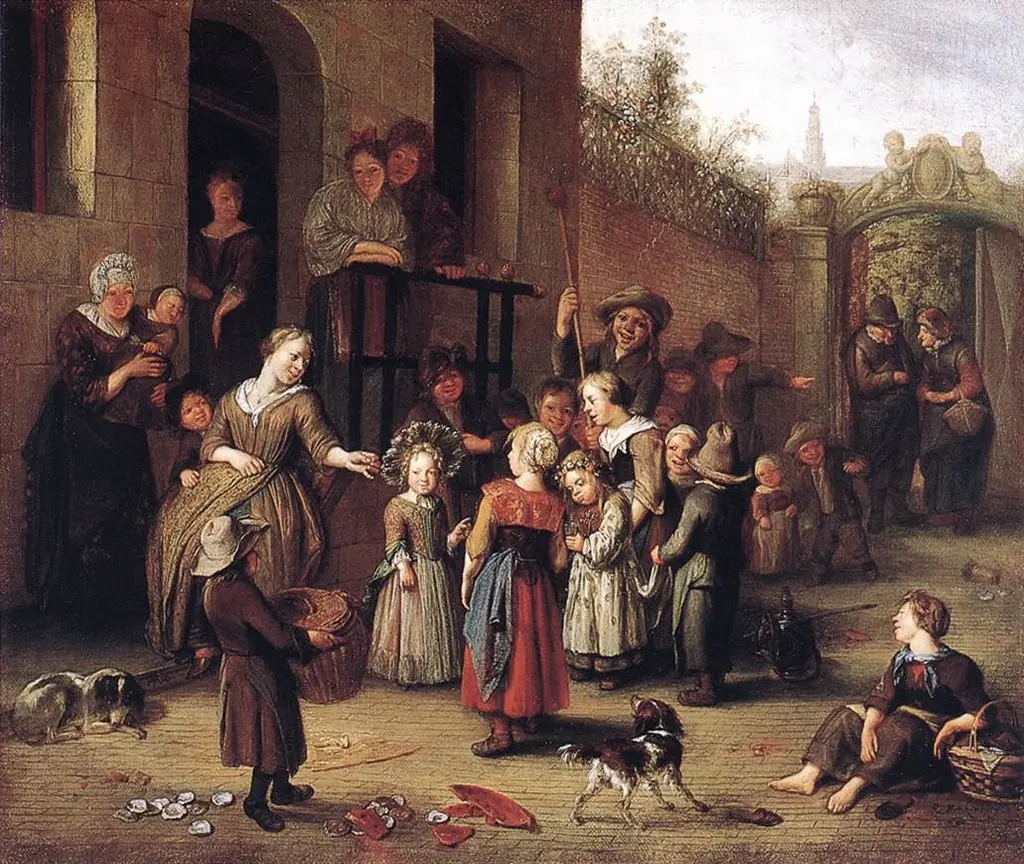 May Queen Festival (or The Flower-Feast of Whitesuntide, or Pentecost)
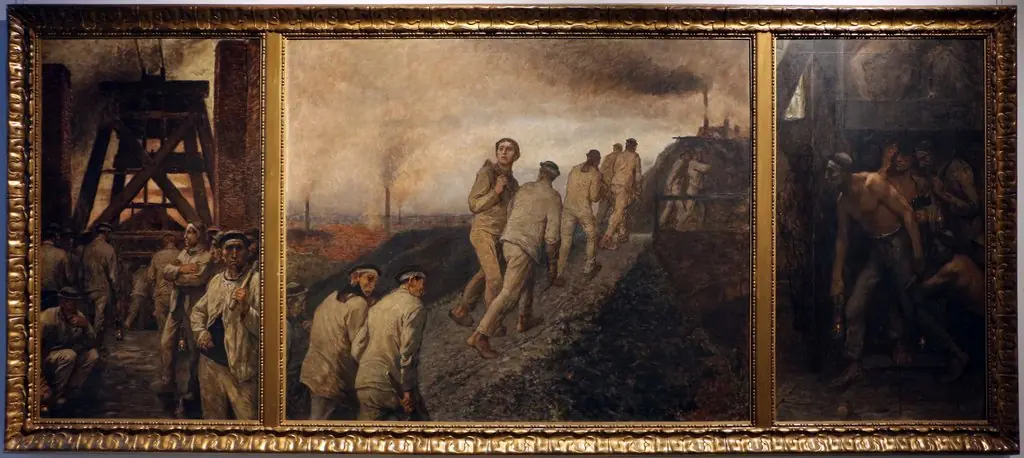 Triptych of the Mine
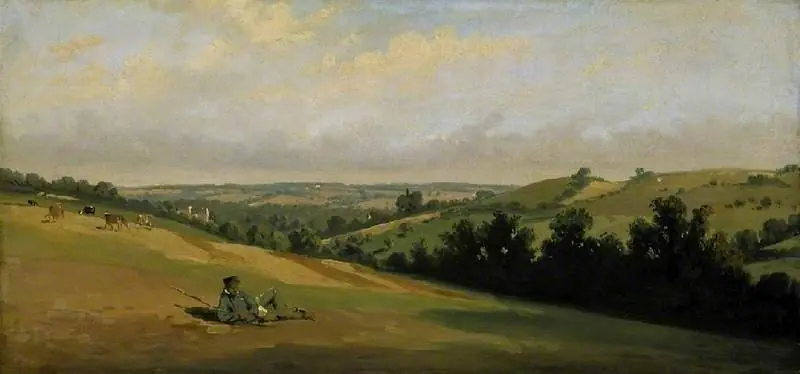 Young man reclining on the downs
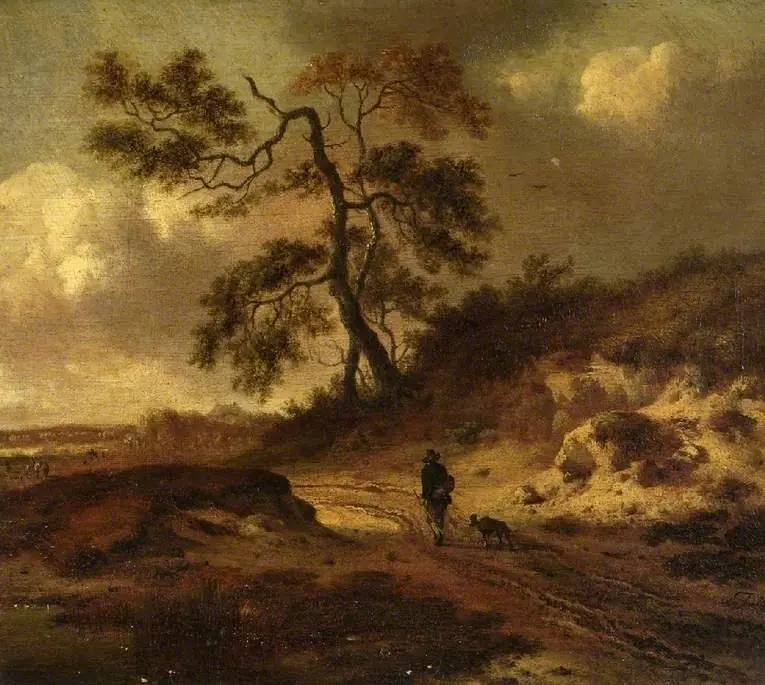 Landscape with a man and a dog
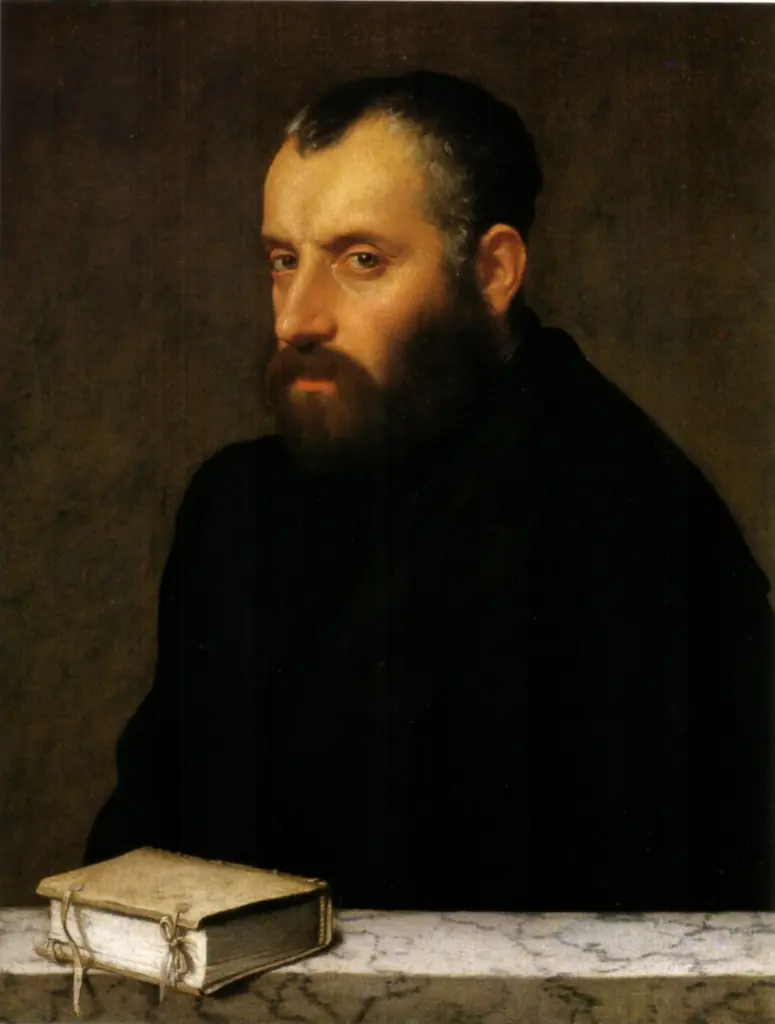 portrait of a learned man
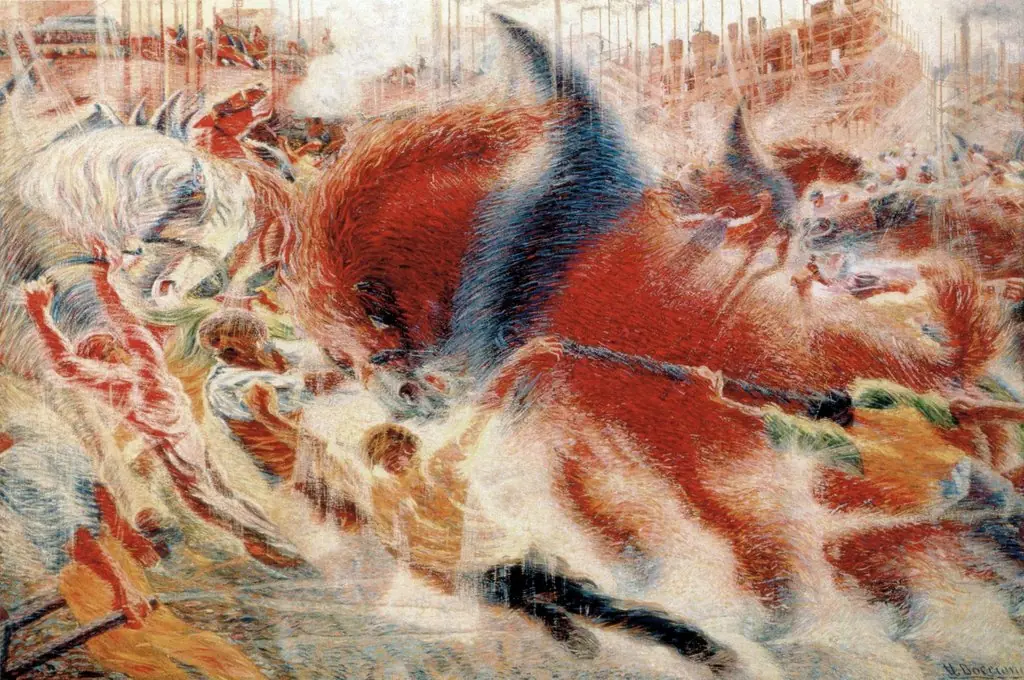 The City Rises
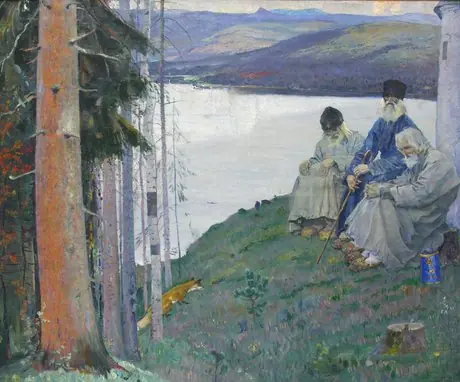 Three old men
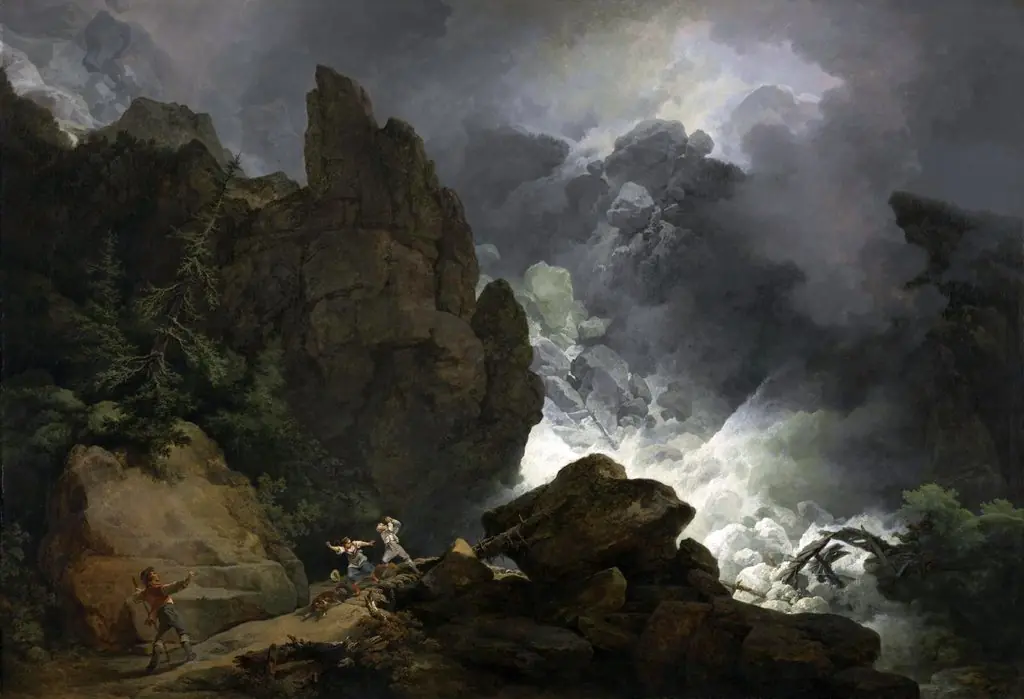 An Avalanche in the Alps
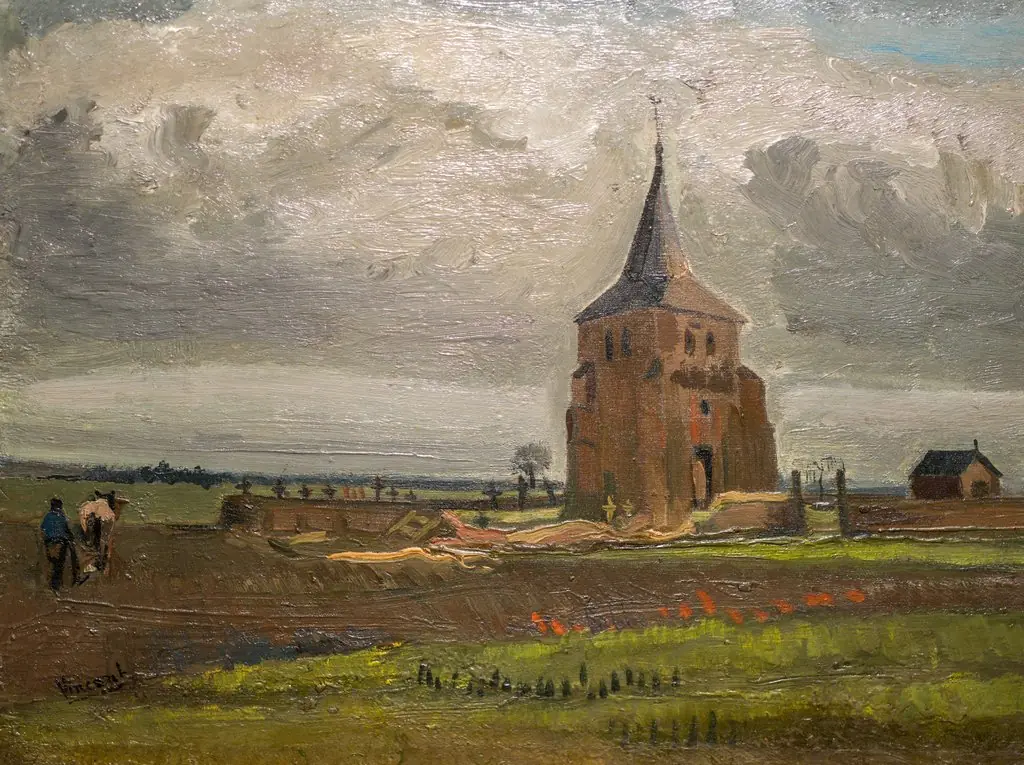 The Old Tower at Nuenen
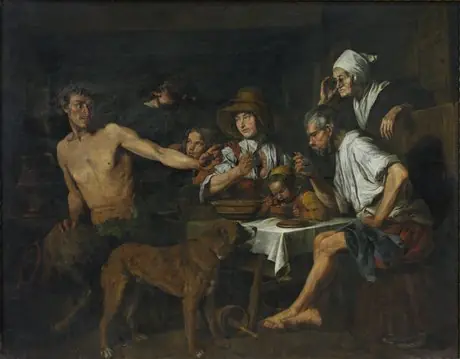 Satyr as a Guest of the Peasant
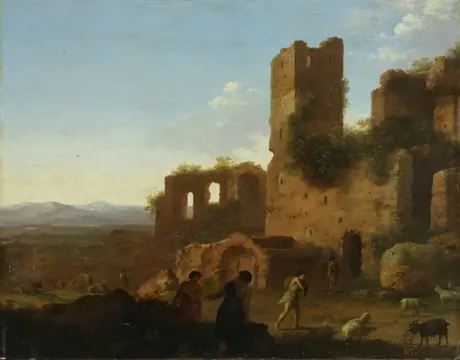 Landscape with figures and ruins
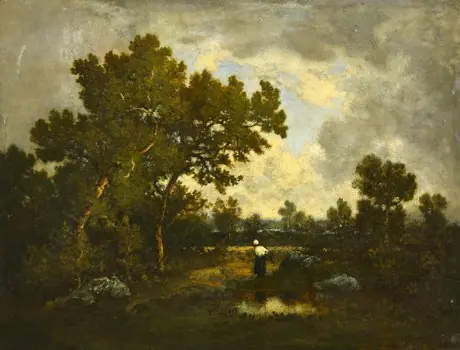 Landscape
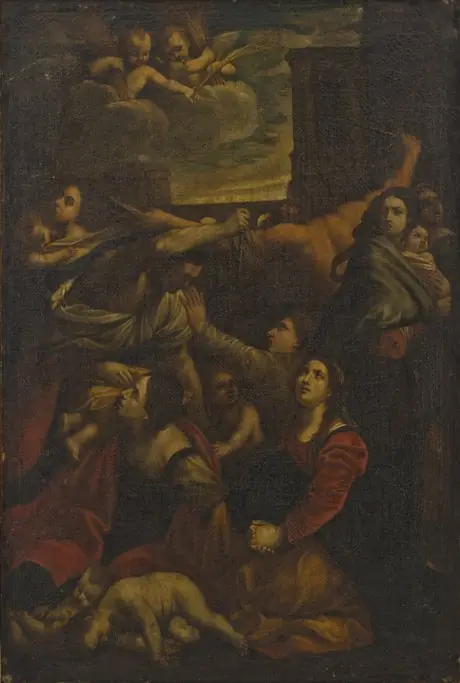 Massacre of the Innocents
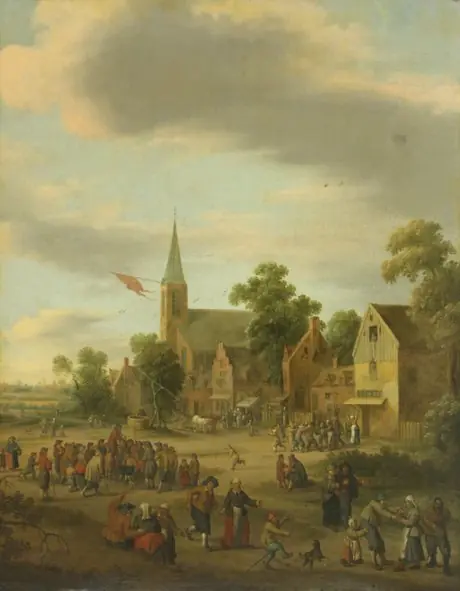 Village street. Red letter day
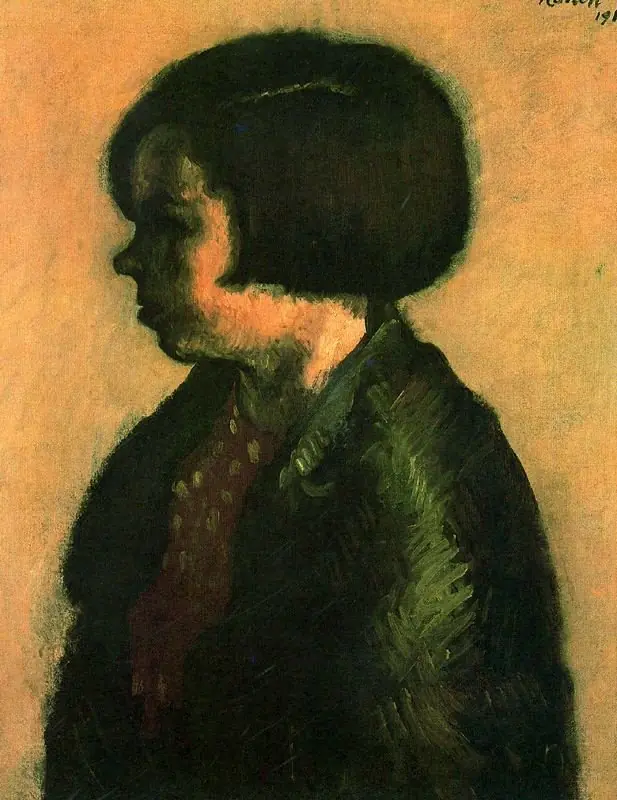 Assumpció
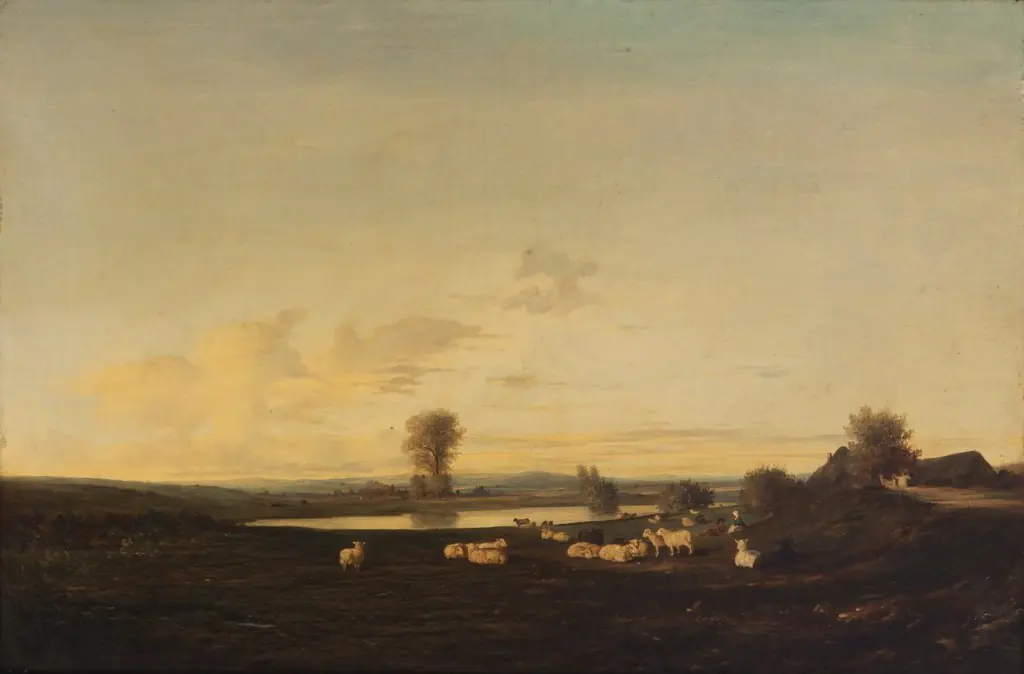 Landscape with people and animals
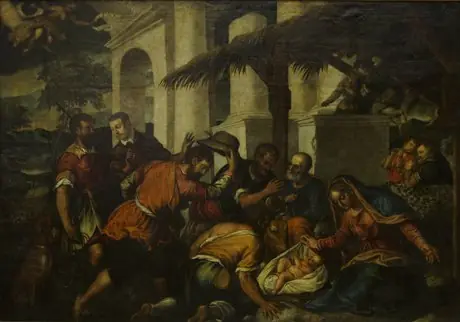 The birth of Jesus and adoration of the shepherds
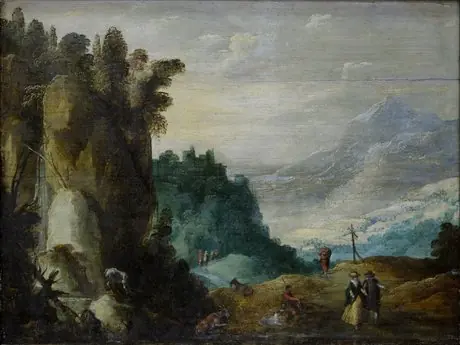 Мountain landscape
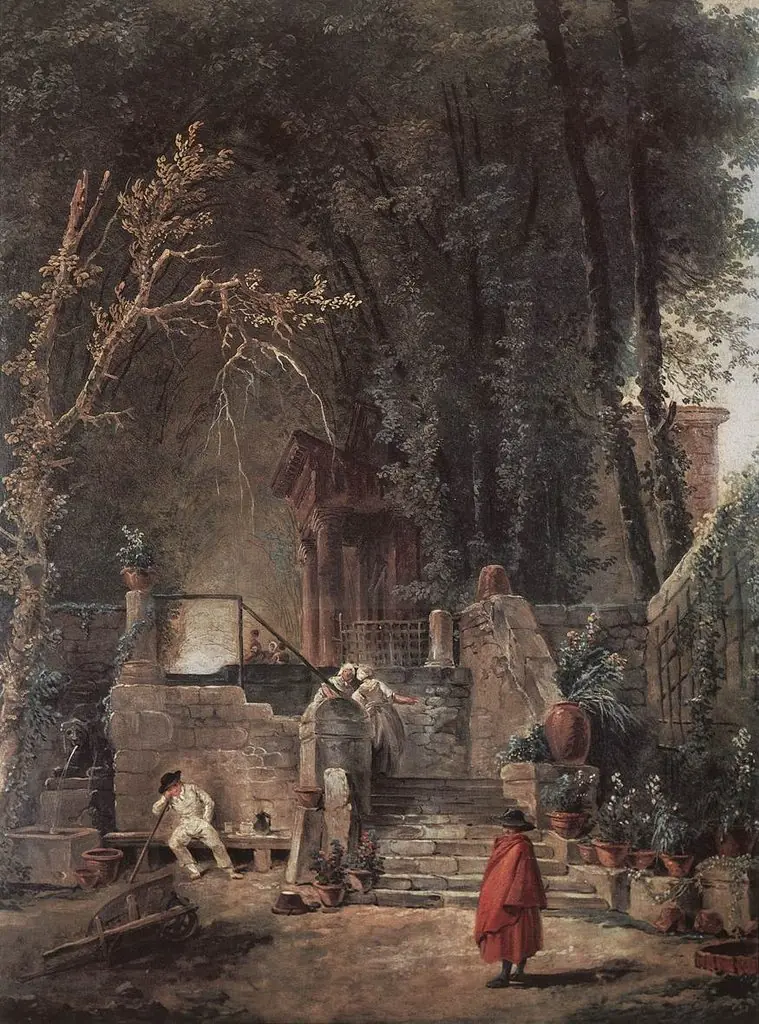 Italian Park
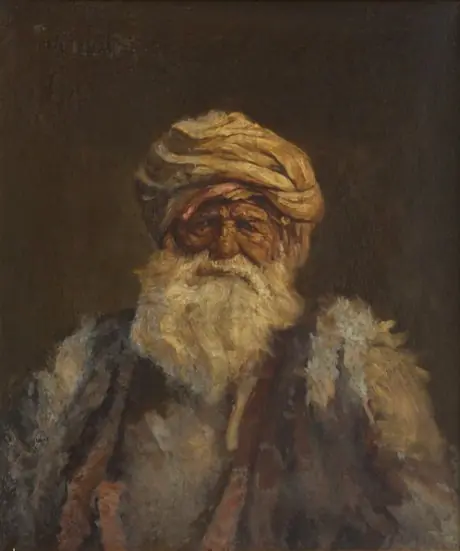 Portrait of an old man
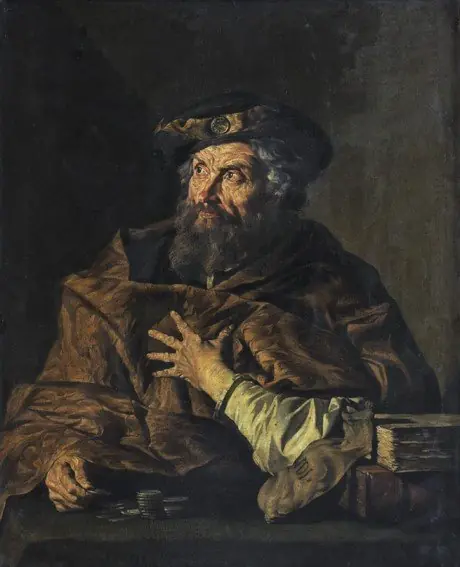 Դրամափոխը
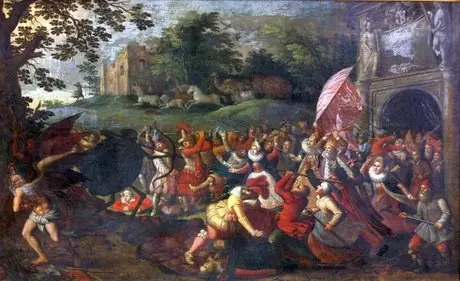 The victory of death
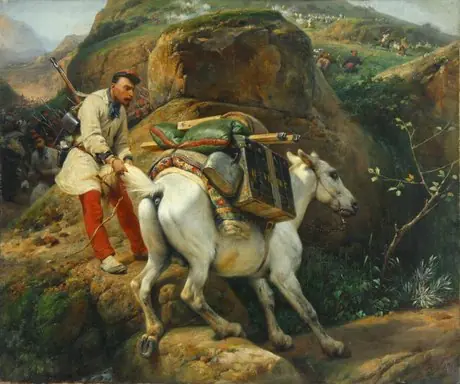 The scene of war
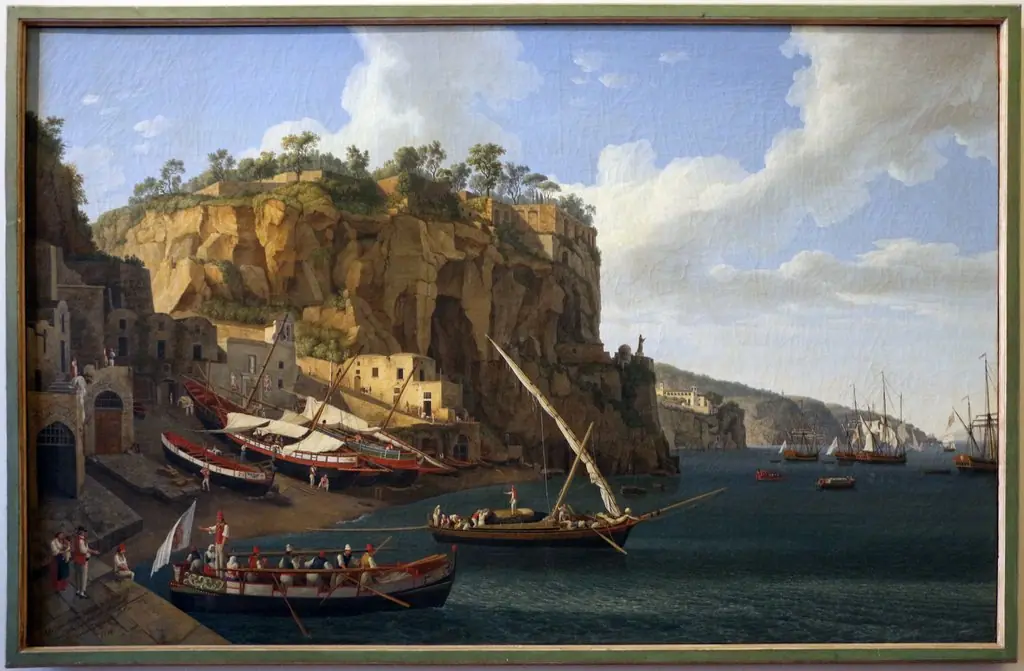 View of the Small Marina of Sorrento
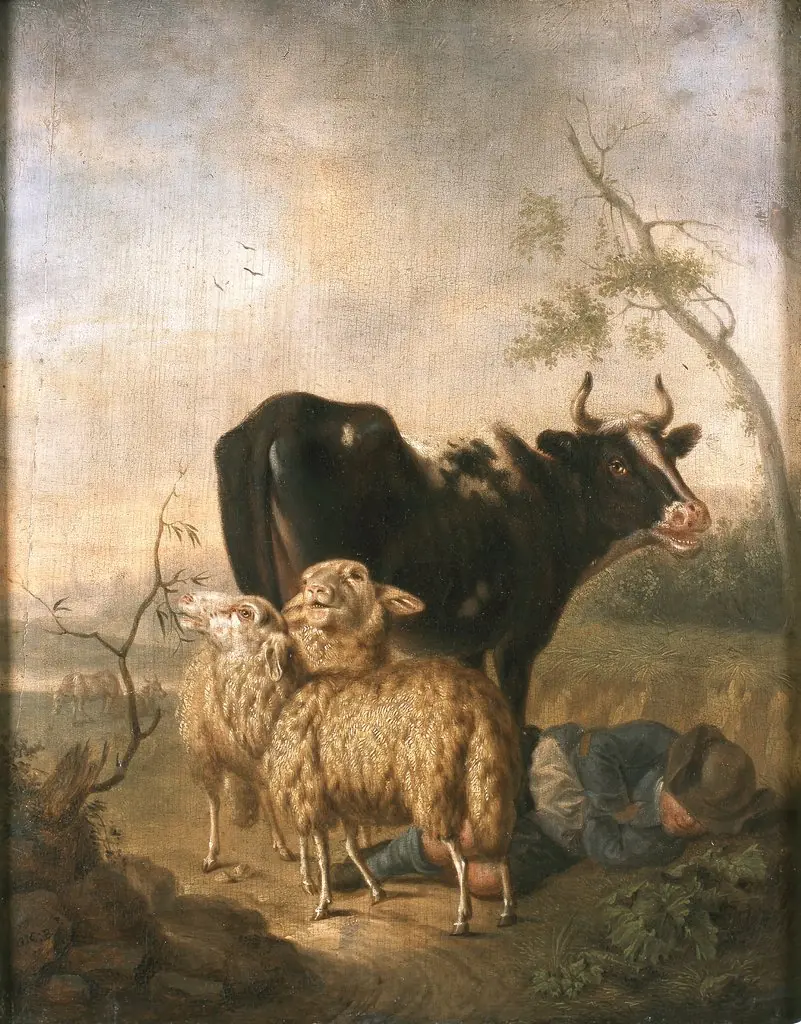 Landscape with cow and sheep
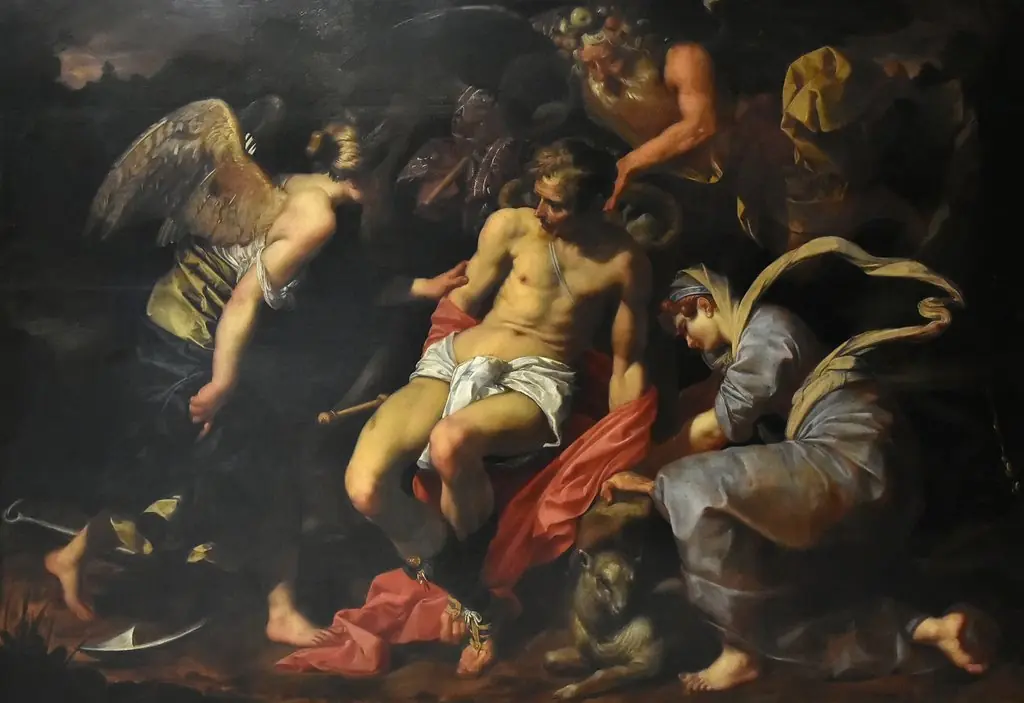 Allegory of the burdens of time
Frequently asked questions
What is Human?
Humans (Homo sapiens, meaning 'thinking man' or 'wise man') are the most abundant and widespread species of primates, characterized by bipedality, hairlessness, and large, complex brains enabling the development of advanced technology, culture, and language.
How many Human works does Artifact World Gallery have?
Artifact World Gallery holds 113 public-domain Human works, all free to view and download.
Who are the key Human artists?
Key Human artists in the collection include Chinese Qing Dynasty, Camille Pissarro and George Loring Brown.
Where can I see Human works?
Human works in the collection are held by Groeningemuseum, Rijksmuseum and National Gallery of Armenia.