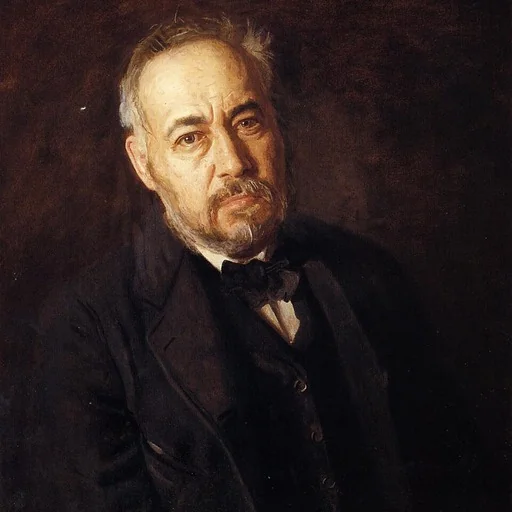
Subject
Trouser
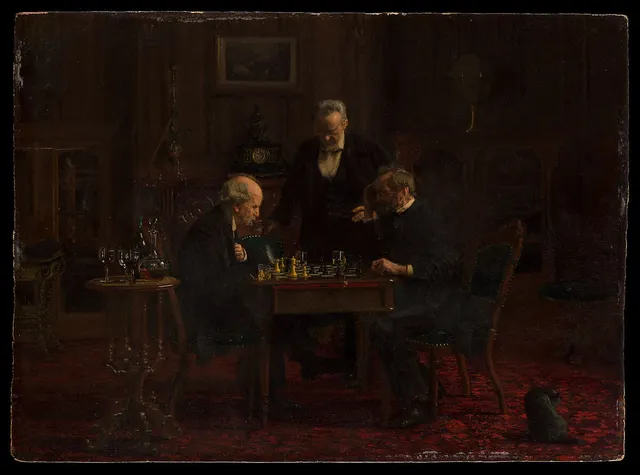
Trouser is a subject in art. The gallery holds 50 works in this subject in art, including works by Thomas Eakins, Anders Zorn and Marie-Louise Carven.
Calzone is an Italian oven-baked folded pizza. A typical calzone is made from salted bread dough, baked in an oven and stuffed with prosciutto or salami, mozzarella or ricotta, and Parmesan or pecorino, as well as an egg.
Key artists
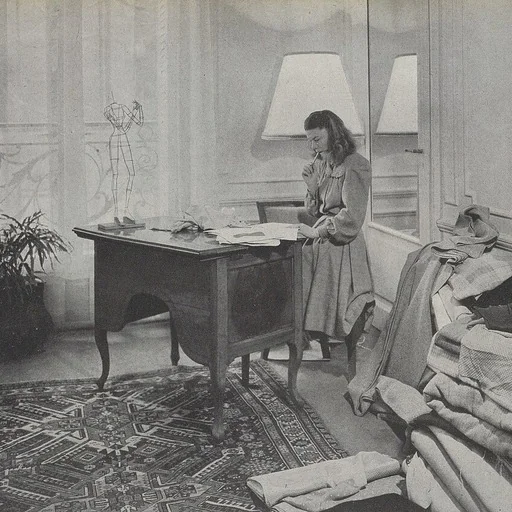
Overview
Trousers are a fundamental garment in human clothing, defined as an outer garment worn on the lower body that covers both legs separately from the waist to the ankles. The subject recurs in art and material culture not merely as fashion documentation but as a lens through which historians trace social hierarchy, gender norms, labor, and cultural exchange. From ancient woolen riding pants discovered in western China to contemporary high-fashion tailoring, trousers have served as both practical attire and symbolic marker. Their depiction and collection in museums reveal evolving attitudes toward masculinity, class mobility, and bodily propriety across millennia.
Iconography & meaning
The iconography of trousers carries layered significance. In 18th-century Britain, trousers were firmly working-class dress, associated with sailors and miners, signaling manual labor and lower social standing. The transformation of their meaning occurred when the Prince of Wales, later George IV, wore trousers at Brighton in the early 19th century, converting them into fashionable informal daywear and eventually acceptable formal attire by the 1820s. In the 20th century, jeans acquired rebellious connotations when adopted by 1960s youth movements as symbols of anti-fashion and resistance to conspicuous consumption. The trouser also operates within gendered symbolism: the opera tradition of trouser roles, where women perform male characters, and the all-female Takarazuka theatre troupe founded in 1913 in Japan, demonstrate how the garment becomes a vehicle for exploring gender fluidity and desire. Archaeological evidence suggests the earliest trousers, dating to 3000-3300 BC in western China, were designed for horseback riding, making the garment iconographically linked to mobility, warfare, and nomadic power.
In the collection
The subject of trousers appears across museum collections in varied forms that document social and technological history. The Victoria and Albert Museum holds a pair of English cotton trousers from 1810-1820, retaining the fall-front closing of earlier breeches, acquired from Harrods in 1913 as part of Talbot Hughes's collection. The Smithsonian's National Museum of American History preserves a pair of modified Wrangler jeans from 1970, patched and lengthened by their owner, representing DIY fashion and the personalization of mass-produced garments. The Weltmuseum Wien has featured trousers in contemporary art contexts, including installations addressing environmental and social themes. The Merchant Tailor Museum documents tailoring history. These collections span from hand-sewn cotton formalwear to industrially produced denim, illustrating the garment's material evolution and its role in documenting everyday life, labor, and self-expression.
Across movements & periods
The treatment of trousers across periods reflects broader technological and social transformations. Prehistoric woolen trousers with wide crotches designed for riding spread through Eurasia via horseback cultures, reaching the Mediterranean where Greeks and Romans initially rejected them as barbarian. European adoption accelerated during the Renaissance, though breeches dominated from the 16th to early 19th centuries. The Industrial Revolution demanded durable workwear, leading to American denim jeans in the late 19th century. Women's adoption of trousers accelerated during the World Wars as female factory workers required practical clothing, paralleling the women's rights movement. In contemporary fashion, the high-waisted wide-leg trouser has cycled back as a refined alternative to casual wear, with designers like The Row and Michael Kors reviving tailored silhouettes. Manufacturing evolved from hand-sewing to sewing machine mass production, and好人 to CAD/CAM systems and stretch fabrics, while sustainability concerns now drive innovation in organic and recycled materials.
Notable depictions
Notable depictions of trousers include the earliest known examples from western China, dated 3000-3300 BC, reconstructed through archaeological research and documentary film. The Prince of Wales's adoption of trousers at Brighton around 1820 marks a pivotal moment in menswear history, documented through the V&A's fall-front pair. In performance, trouser roles in opera emerged as castrati declined in the late 18th century, with characters like Cherubino in The Marriage of Figaro and Siebel in Faust becoming standard repertoire for mezzo-sopranos. The Takarazuka troupe's pants roles, developed since 1913, constitute a distinct Japanese theatrical tradition. In contemporary fashion, Julia Roberts's Michael Kors fitting and Kate Moss's Burberry appearance exemplify the wide-leg trouser's return, while Diane Keaton's Annie Hall look and Katharine Hepburn's suiting remain touchstones for tailored womenswear.
Legacy
The legacy of trousers extends beyond garment history into ongoing cultural negotiations. The garment's trajectory from stigmatized workwear to universal acceptance mirrors broader democratization of dress. The DIY patching of 1970s jeans, as preserved at the Smithsonian, anticipated contemporary interest in sustainable fashion and personalization. Trouser roles in opera and theatre continue to challenge binary gender assumptions, while the Takarazuka tradition maintains its cultural significance in Japan. Archaeological research on ancient trousers, including attempts to reverse-engineer the oldest known examples, connects heritage science with public education through documentary film. The trouser's persistence as both utilitarian object and fashion statement, from nomadic riding gear to The Row's luxury tailoring, demonstrates its remarkable adaptability. Current manufacturing challenges, including ethical labor practices and environmental sustainability, indicate that the garment's history remains an active field of innovation and debate.
Works
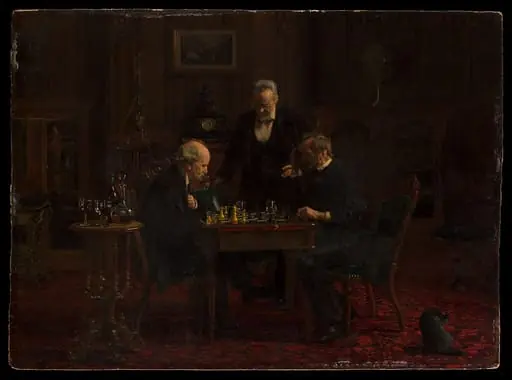 The Chess Players
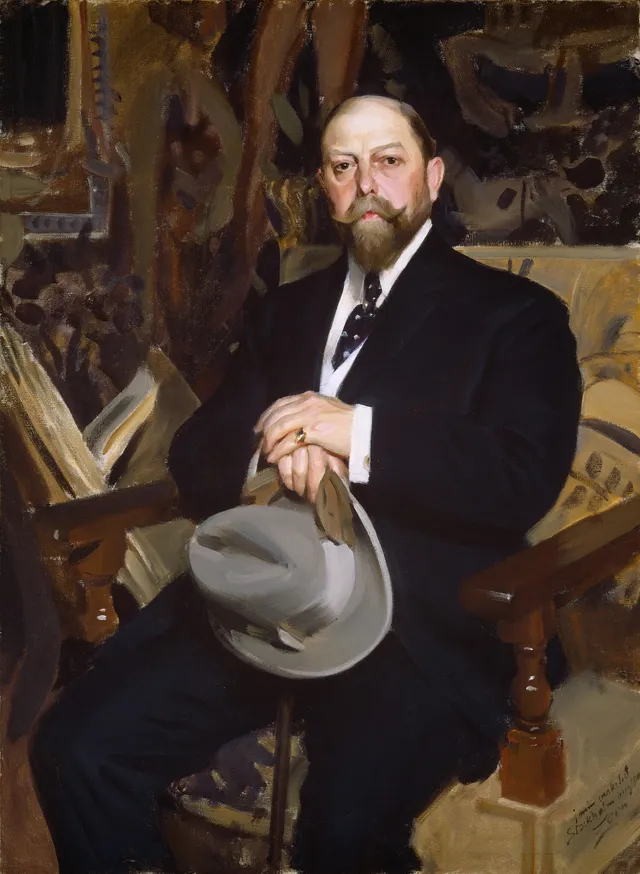
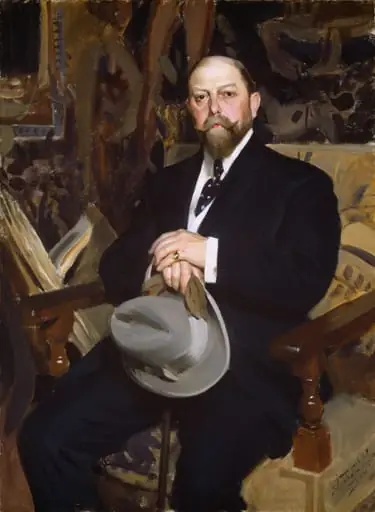 Hugo Reisinger
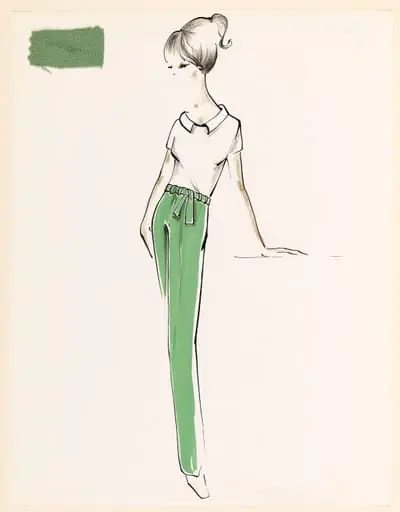 Haut blanc à manches courtes et pantalon vert à ceinture nouée
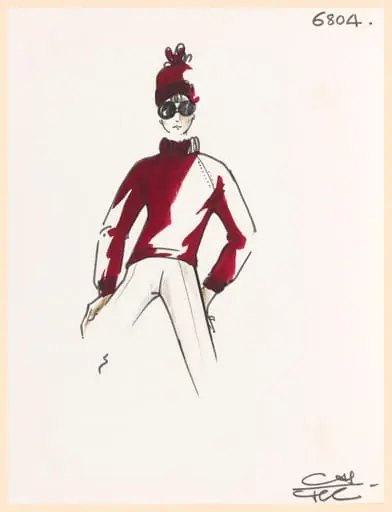 Pull-over à manches longues pourpre, bonnet assorti, pantalon et lunettes de soleil
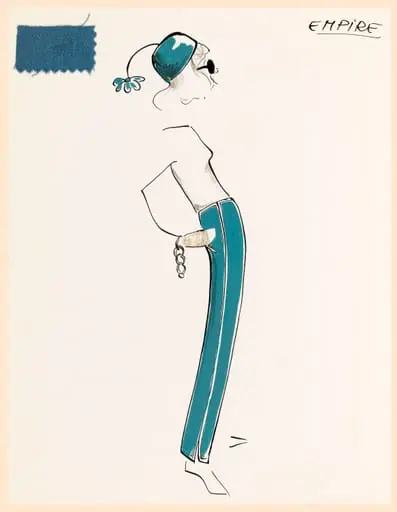 Empire
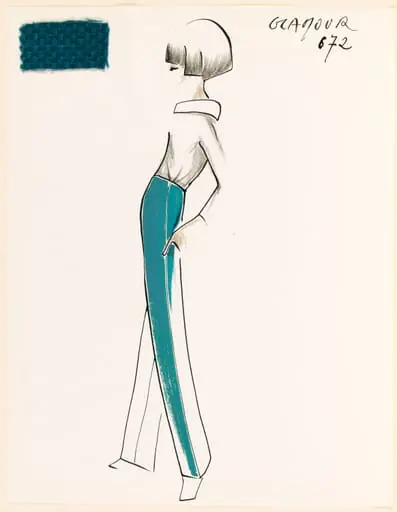 GLAMOUR
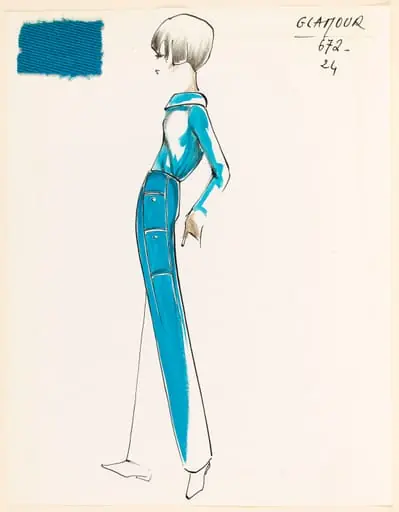 Glamour
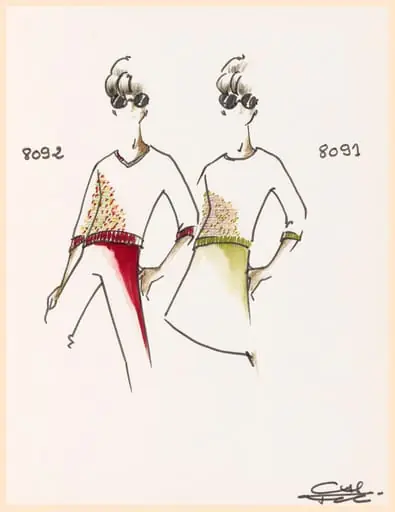 Pull-over à manches trois quarts et à encolure V à motifs multicolores, pantalon cerise et lunettes de soleil
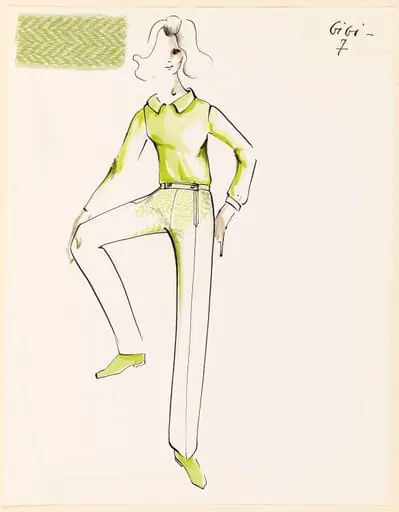 Gigi
Gigi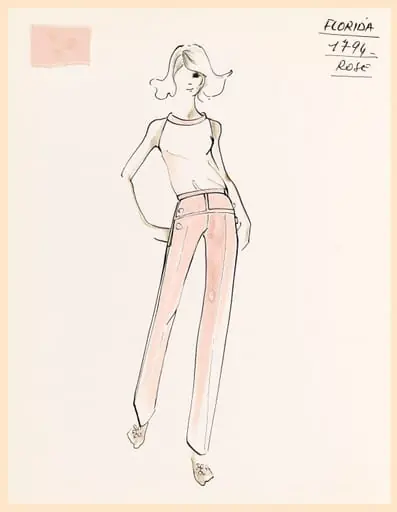 Florida
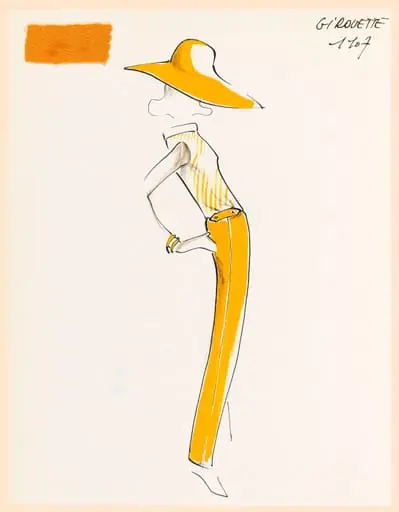 Girouette
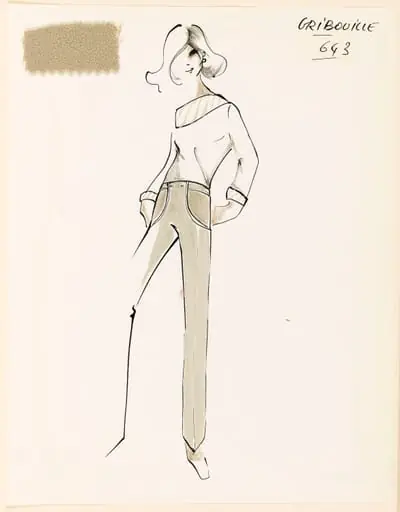 Gribouille
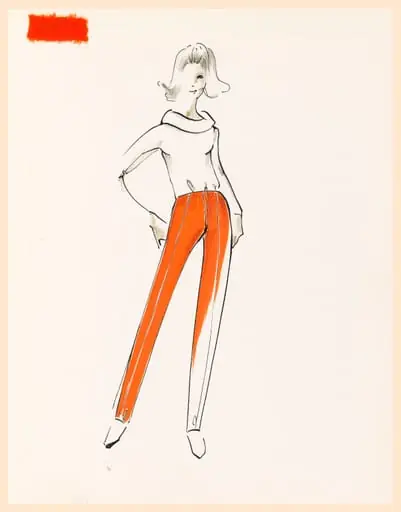 Pull-over à manches longues et à encolure épaisse et pantalon orange
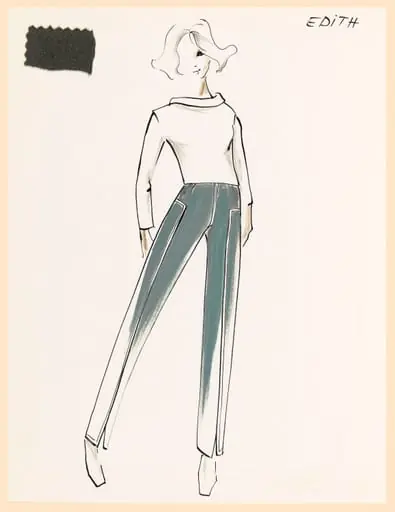 Edith
Edith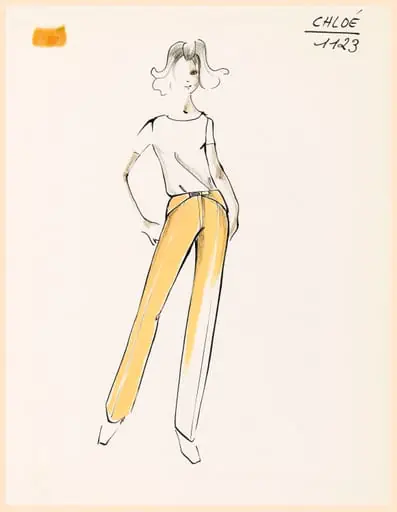 Chloé
Chloé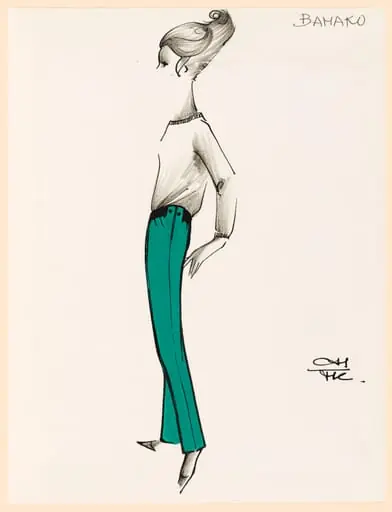 Bamako
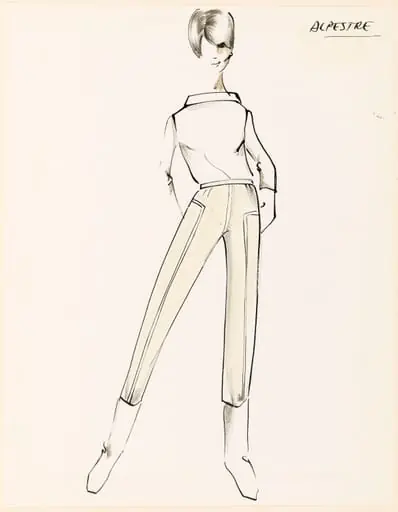 Alpestre
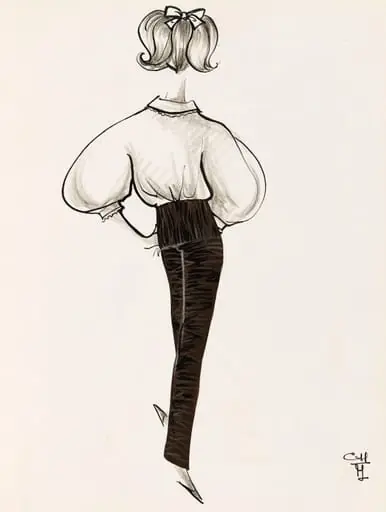 Pantalon marron à large ceinture
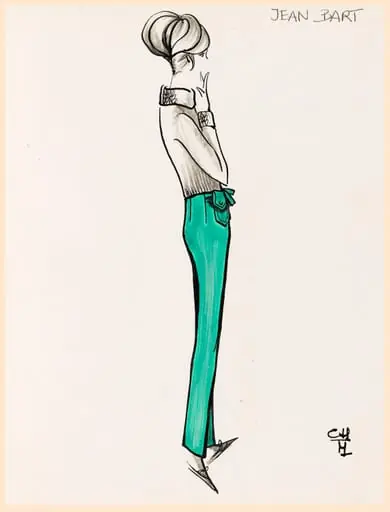 Jan Bart
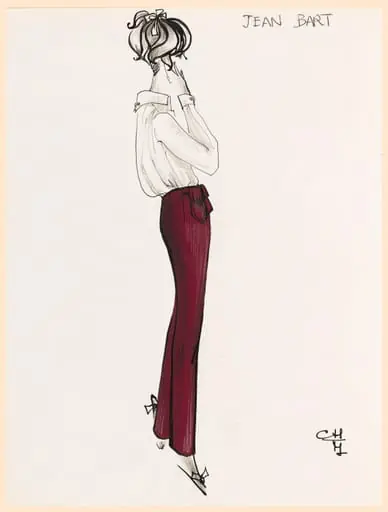 Jean Bart
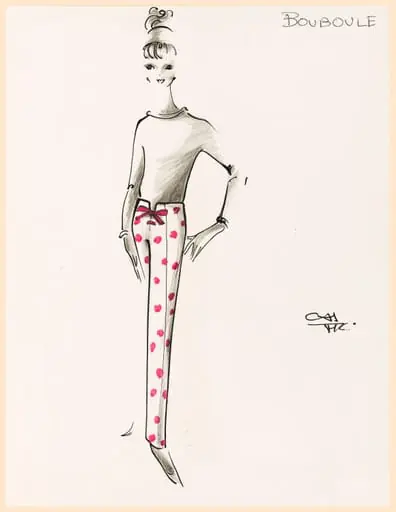 Bouboule
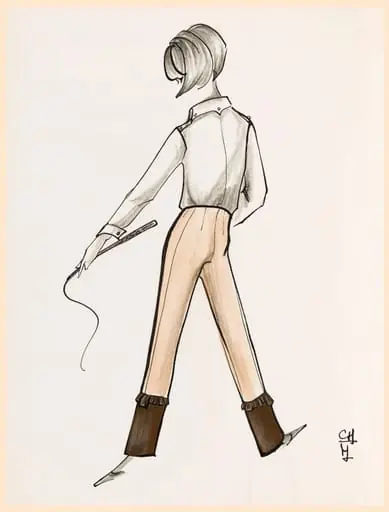 Pantalon rose et bas de la jambe marron
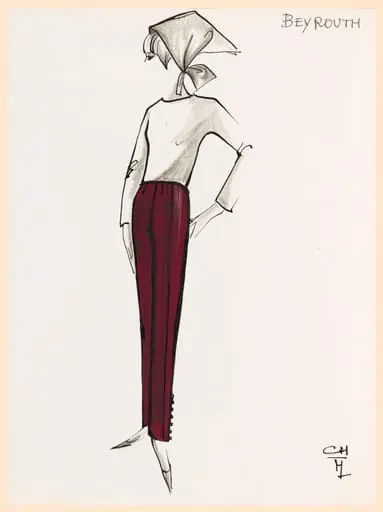 Beyrouth
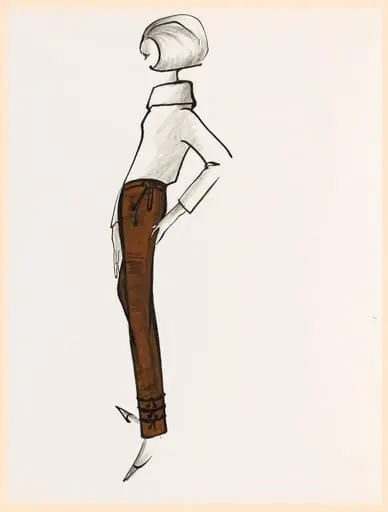 Pantalon marron avec applications sur le bas de la jambe
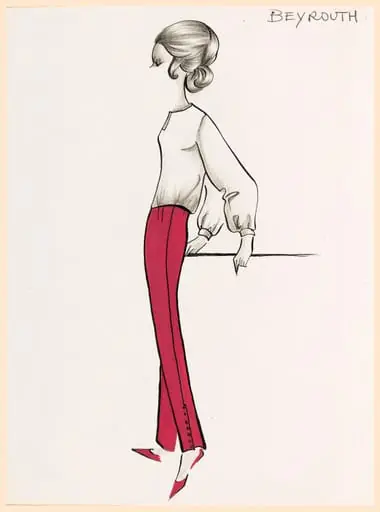 Beyrouth
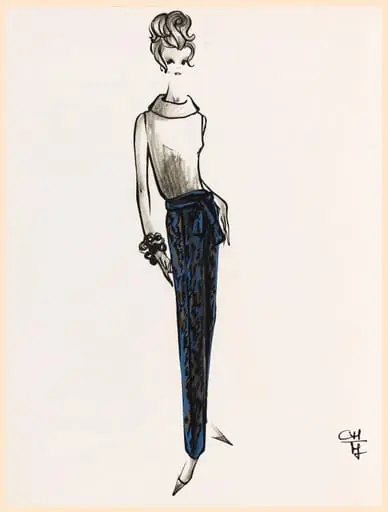 Pantalon bleu et marron
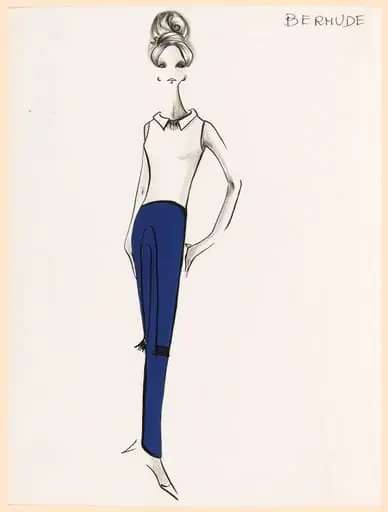 Bermude
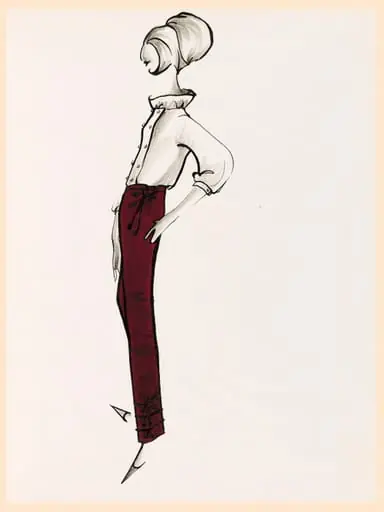 Pantalon bordeaux avec applications en bas de la jambe
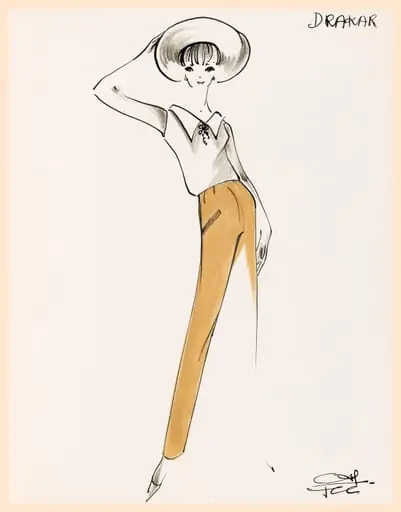 Drakar
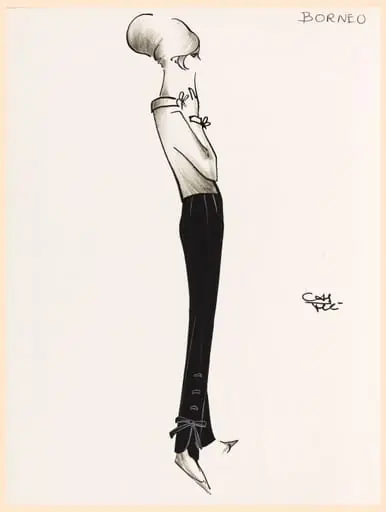 Bornéo
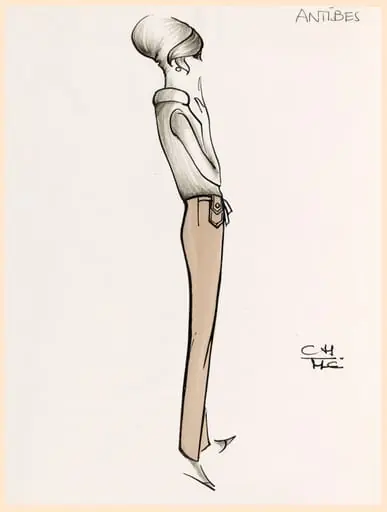 Antibes
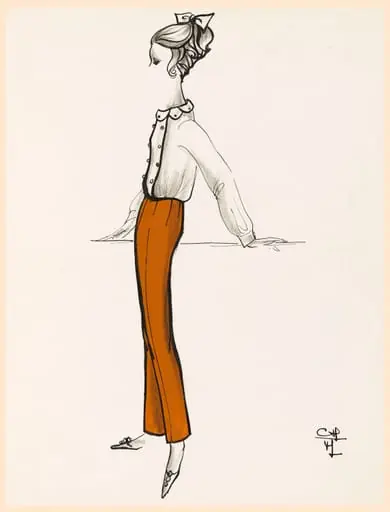 Pantalon marron
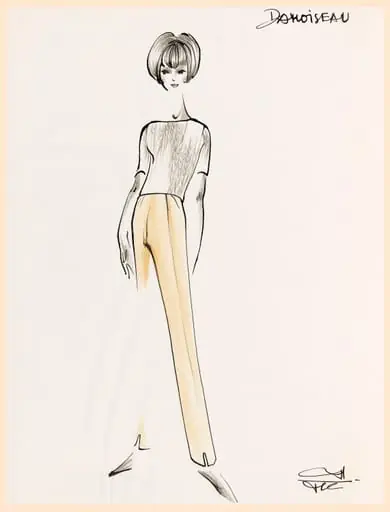 Damoiseau
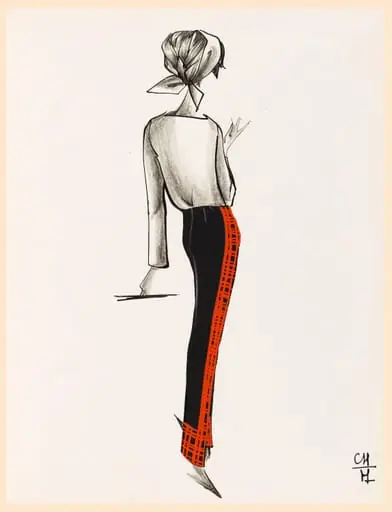 Pantalon noir à motif rouge sur le côté et le bas de la jambe
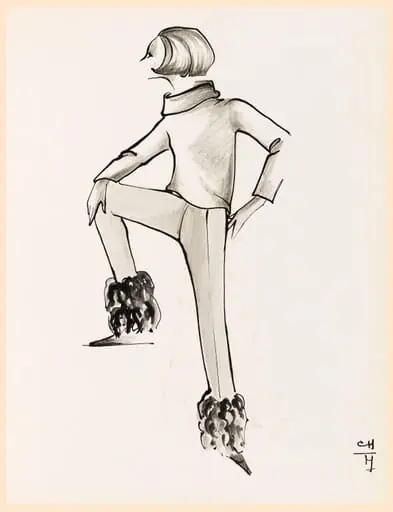 Pantalon avec fourrure au bas de la jambe
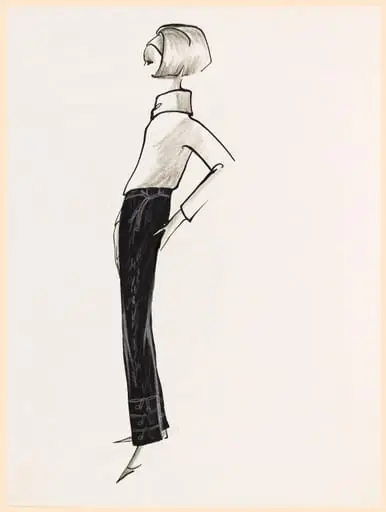 Pantalon noir avec applications sur le bas de la jambe
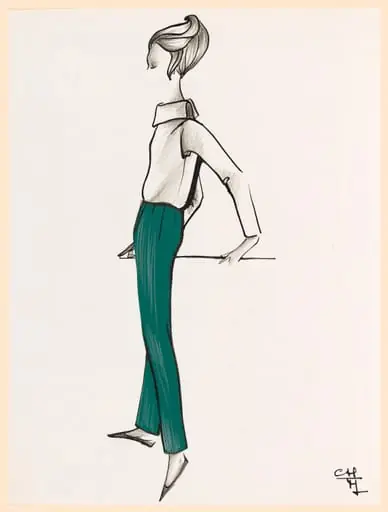 Pantalon vert sapin
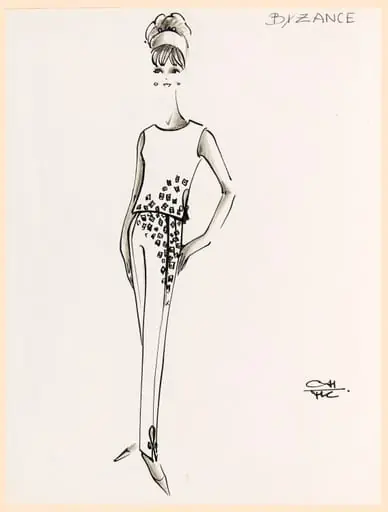 Byzance
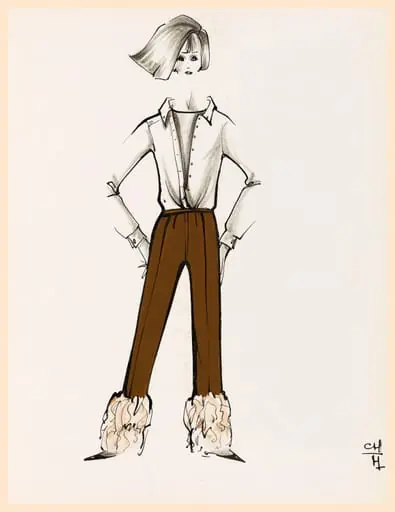 Pantalon marron avec fourrure blanche au bas de la jambe
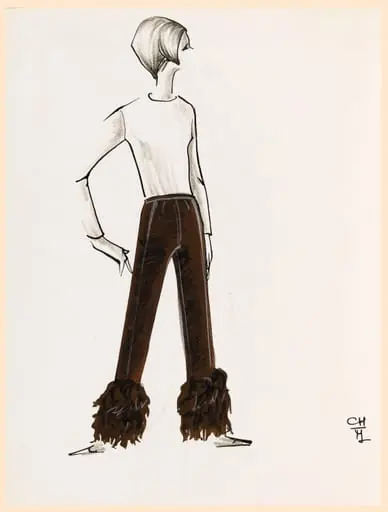 Pantalon marron avec fourrure de la même couleur au bas de la jambe
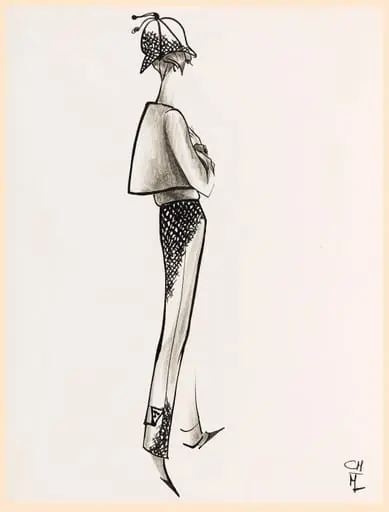 Pantalon à motif noir
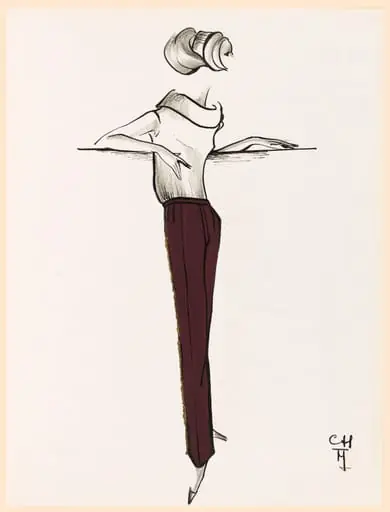 Pantalon bordeaux à pli
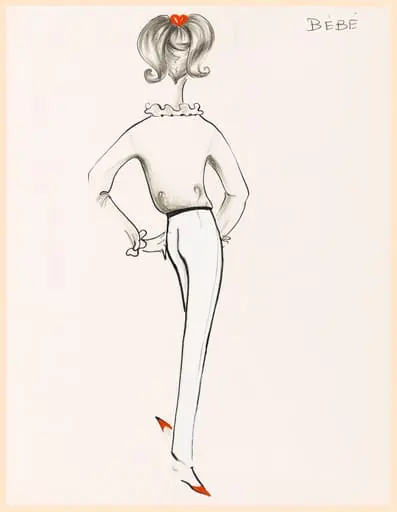 Bébé
Bébé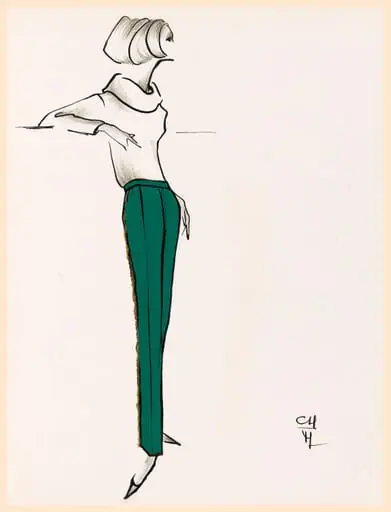 Pantalon vert sapin à pli
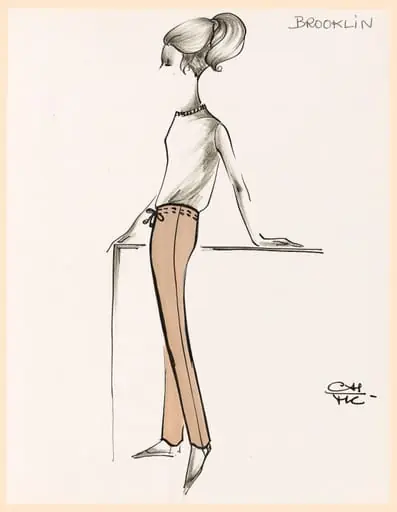 Brooklin
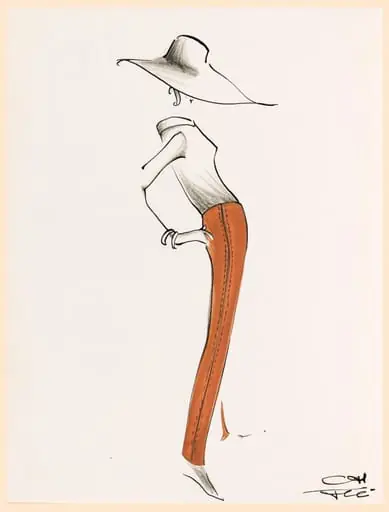 Pantalon marron avec surpiqûres le long de la jambe
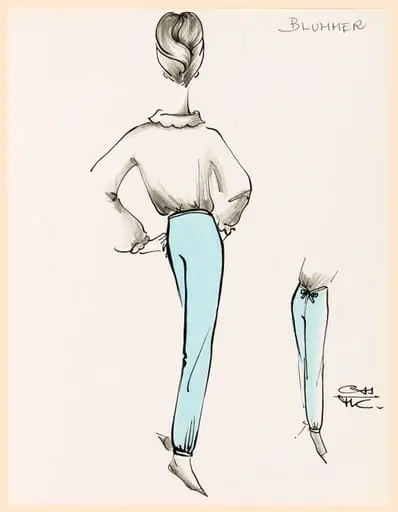 Blummer
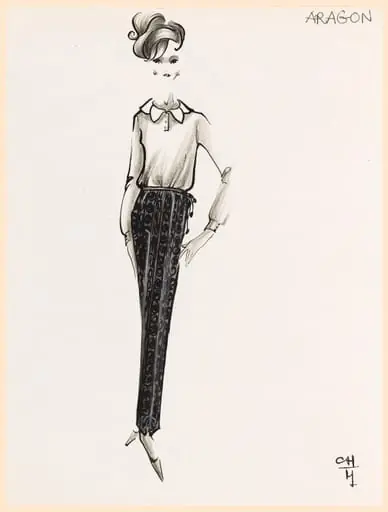 Aragon
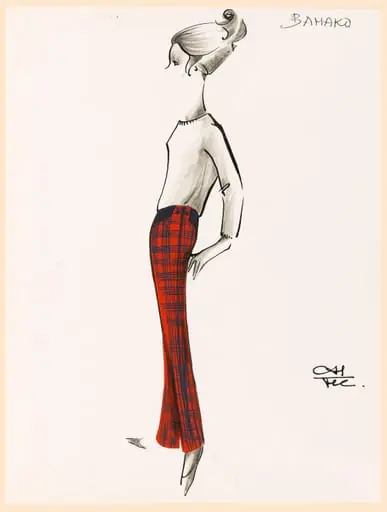 Bamako
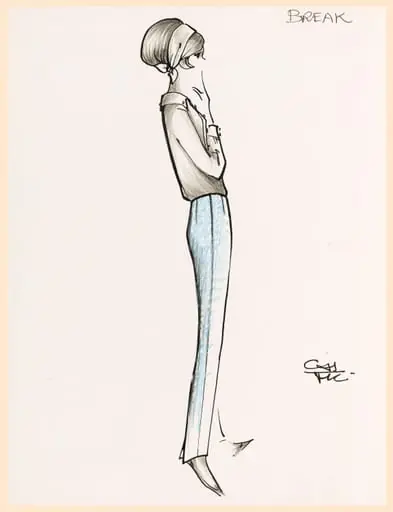 Break
Break
Frequently asked questions
What is Trouser?
Trouser is a subject in art. Calzone is an Italian oven-baked folded pizza.
How many Trouser works does Artifact World Gallery have?
Artifact World Gallery holds 50 public-domain Trouser works, all free to view and download.
Who are the key Trouser artists?
Key Trouser artists in the collection include Thomas Eakins, Anders Zorn and Marie-Louise Carven.
Where can I see Trouser works?
Trouser works in the collection are held by Palais Galliera - Musée de la Mode de la Ville de Paris, National Gallery of Art and Metropolitan Museum of Art.