Museum
Historical & Ethnological Society of Greece
Historical & Ethnological Society of Greece is a museum. 127 works from its collection are in this catalog, including Thomas Phillips and Peter von Hess.
About Historical & Ethnological Society of Greece
Overview
The Historical and Ethnological Society of Greece (HESG) is a private entity founded in 1882 in Athens, dedicated to collecting, preserving, and promoting relics and testimonies that illuminate the history of Modern Greece. Established approximately fifty years after Greek independence during a period of economic and social advancement, the Society aims to provide material evidence confirming the continuity between Ancient Greece and the modern state. Its activities are primarily channeled through the National Historical Museum, located in the Old Parliament House, and an annex on Hydra Island.
The Society also maintains a significant archive and library, having published its Bulletin since 1883 to disseminate scientific articles on history and ethnography.
History & Founding
The Society was founded in May 1882 by a group of eminent scholars, scientists, journalists, and writers concerned with gathering historical and ethnological collections. Key founding members included scholar and journalist Timoleon Filimon, folklorist Nikolaos Politis, historian Spyridon Lambros, writer Dimitrios Kambouroglou, journalist Babis Anninos, historian and geographer Antonios Miliarakis, and poet Georgios Drossinis. The founders' primary goal was to collect items that would serve as evidence of the strong bond between Ancient Greece and the modern Greek state, establishing the first historical museum in Greece after the War of Independence.
By 1885, the Society had already collected 600 objects, largely through donations from 59 contributors who supported the mission to preserve national heritage.
Building & Architecture
The Society's collection is currently housed in the National Historical Museum, located in the Old Parliament House on Stadiou Street in Athens. This neoclassical building served as the seat of the Hellenic Parliament from 1875 until 1932. Prior to its transfer to the Old Parliament in 2001, the collection was housed in the main building of the National Technical University.
The museum's exhibition spaces utilize the corridors and rooms of the historic parliamentary building, while the great central hall of the National Assembly is used for conferences and events. A branch of the museum has also been organized and operated on the island of Hydra since 2001.
Collection Highlights & Notable Holdings
The collection focuses on the period from the fall of Constantinople in 1453 to the Second World War, with a particular emphasis on the Greek Revolution of 1821 and the subsequent establishment of the modern Greek state. Notable holdings include weapons, personal belongings, and memorabilia from historical personalities, as well as historical paintings by Greek and foreign artists. The Society prioritized historical, ethnographic, and folkloric artifacts over ancient antiquities, aiming to reinforce national identity.
The collection features a large array of traditional Greek costumes from various regions, manuscripts, and items acquired through the Exhibition of the Monuments of the Holy Struggle in 1884, which significantly contributed to the museum's early holdings.
Significance & Legacy
As the oldest collection of its kind in Greece, the Historical and Ethnological Society of Greece played a crucial role in establishing a national narrative through material culture. The Society's collecting policy was driven by the intent to present objects as 'national monuments' that illustrated historical significance, unbroken continuity, and the cultural representation of the Greek nation. By focusing on the modern era and the War of Independence, the Society distinguished itself from institutions focused on antiquity, thereby shaping the public understanding of modern Greek history.
The Society's work laid the foundation for the National Historical Museum, which continues to serve as a primary repository for the nation's modern historical memory.
What to see at Historical & Ethnological Society of Greece
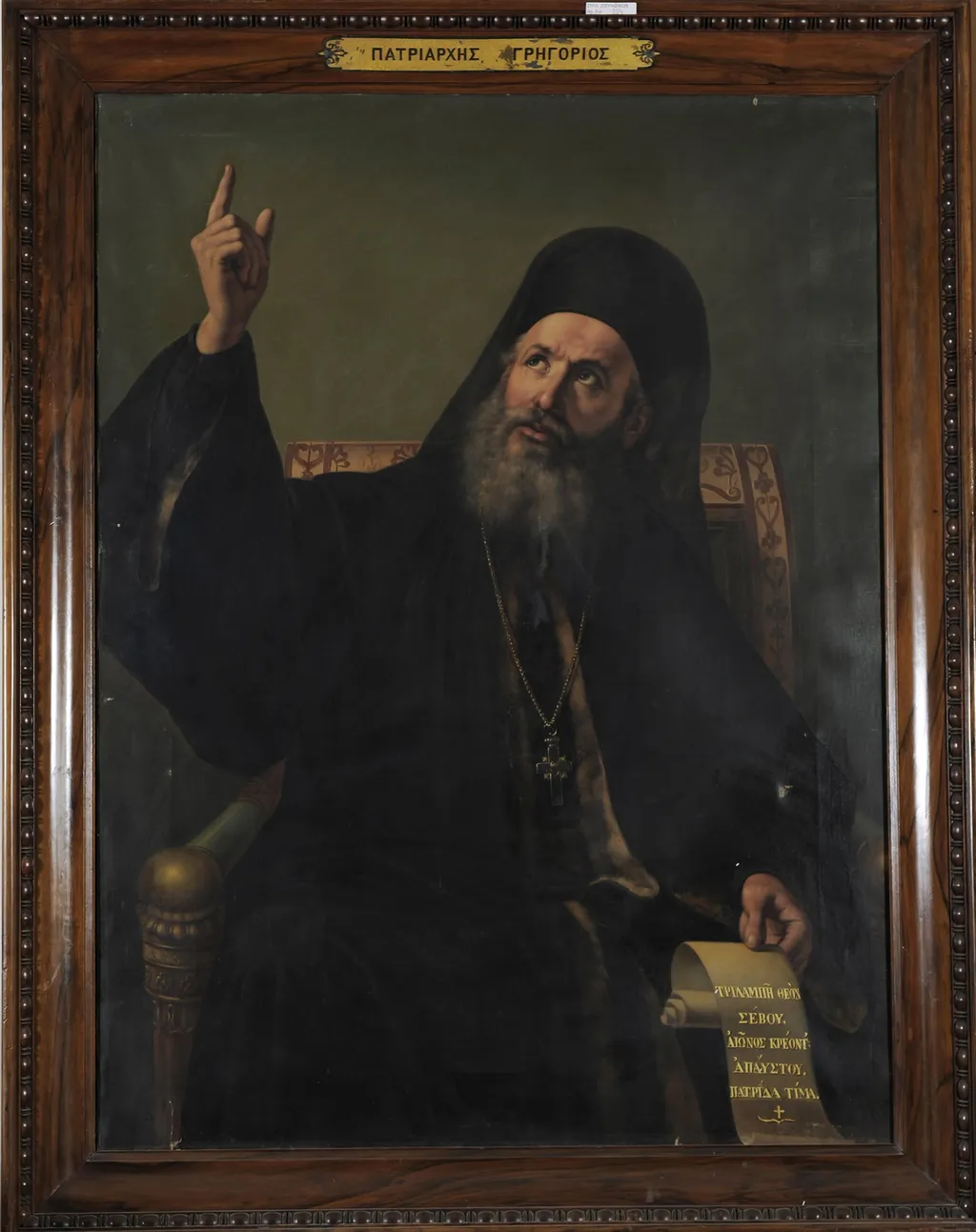
Start with Προσωπογραφία του Γρηγορίου Ε' Πατριάρχη Κωνσταντινουπόλεως by Tsokos Dionysios.
See all highlights at Historical & Ethnological Society of Greece →Works from Historical & Ethnological Society of Greece
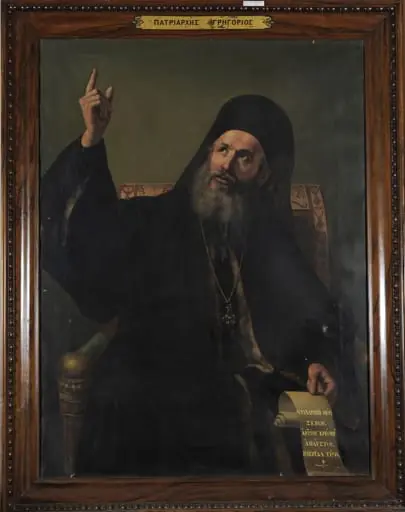 Προσωπογραφία του Γρηγορίου Ε' Πατριάρχη Κωνσταντινουπόλεως
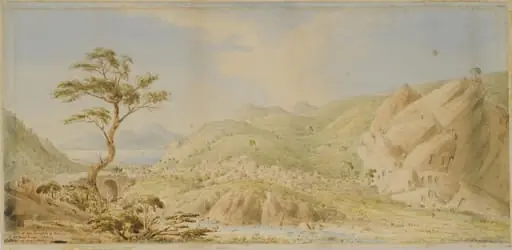 Αρχαία ερείπια κοντά στο Δαφνί
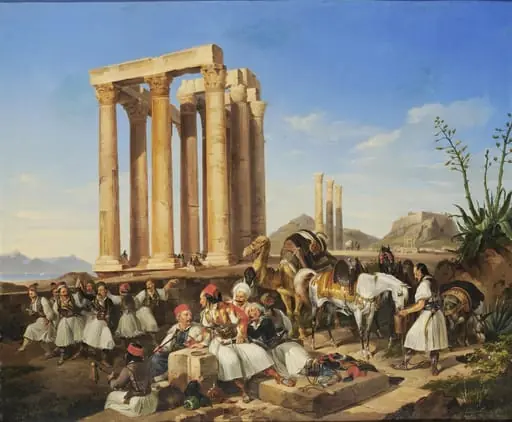 Εορτασμός της Καθαράς Δευτέρας στους στύλους του Ολυμπίου Διός στην Αθήνα
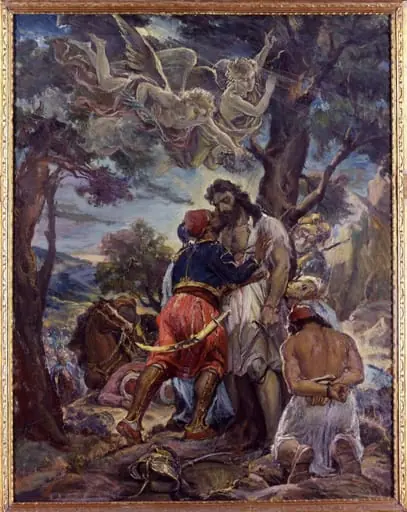 Ο Ιμπραήμ ασπάζεται το νεκρό Παπαφλέσσα μετά τη μάχη στο Μανιάκι
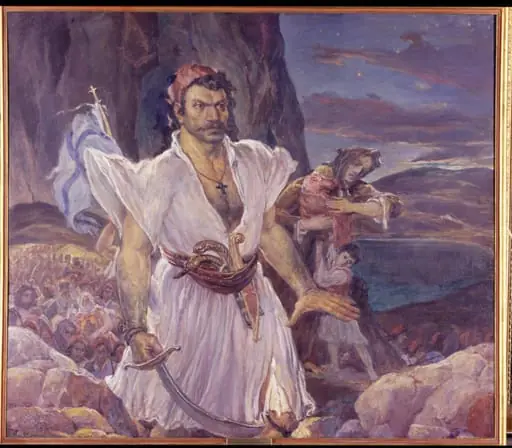 Σκηνή από την Έξοδο του Μεσολογγίου
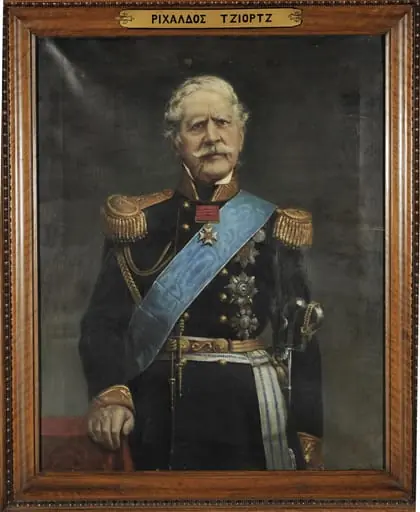 Προσωπογραφία του Ριχάρδου Τσωρτς
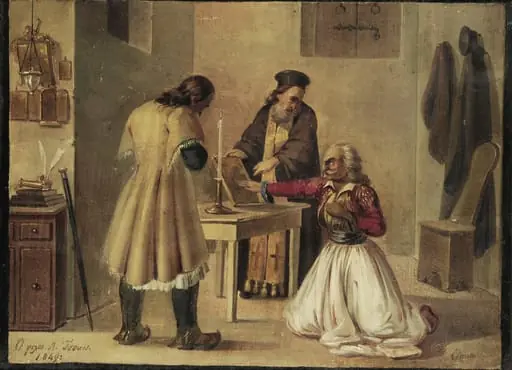 Όρκος
Όρκος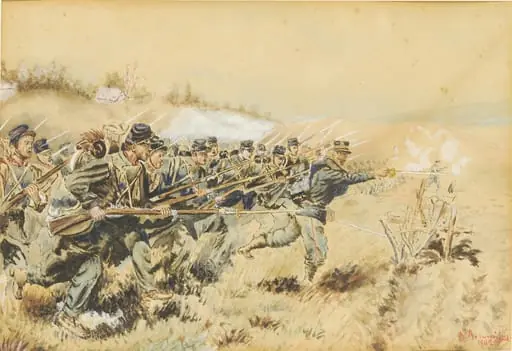 Υδατογραφία του ελληνικού στρατού κατά τον Ελληνοτουρκικό πόλεμο του 1897
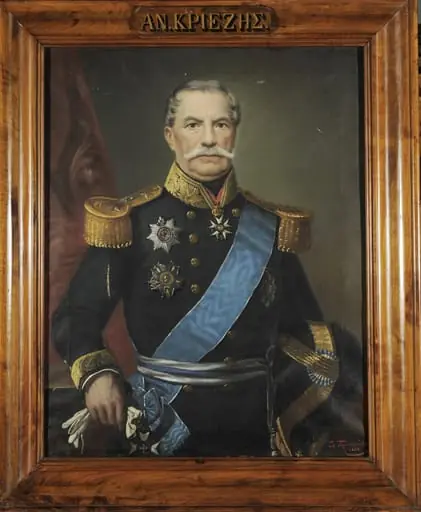 Προσωπογραφία του Αντωνίου Κριέζη
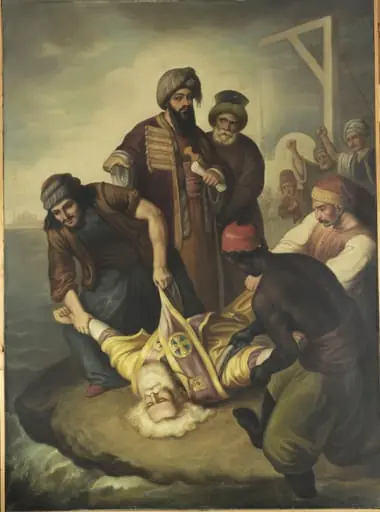 Το σώμα του Πατριάρχη Κωνσταντινουπόλεως Γρηγορίου Ε΄ ρίπτεται στο Κεράτιο κόλπο
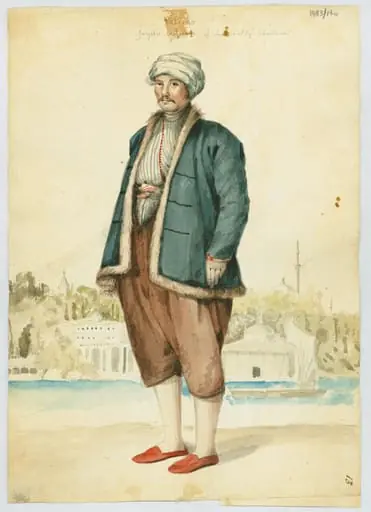 Πατρινός προξενικός γιασακτσής (σωματοφύλακας) "στην υπηρεσία του Κου Cartwright"
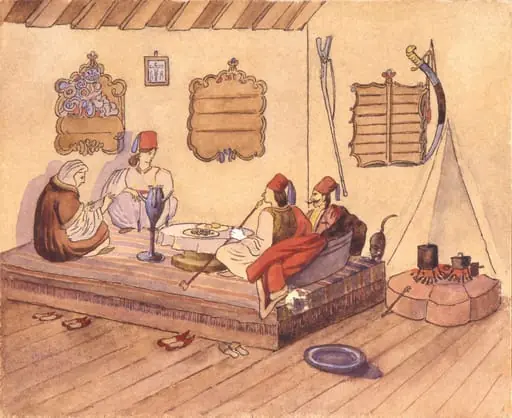 Γεύμα σε κατοικία στη Λαμία
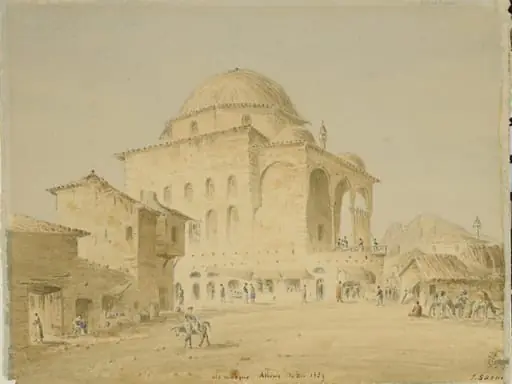 Το Τζαμί του Τζισδαράκη στο Μοναστηράκι
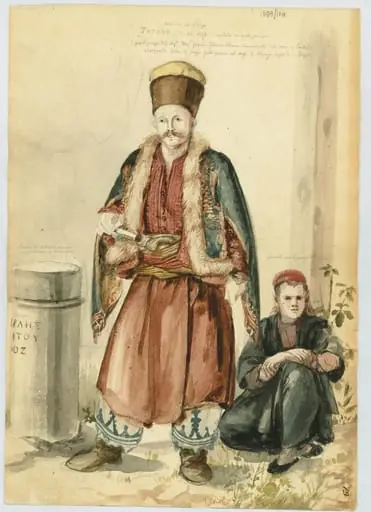 Ο τάταρος του Αλή Πασά "στην υπηρεσία του στρατηγού Adam" και ο νεαρός υπηρέτης του
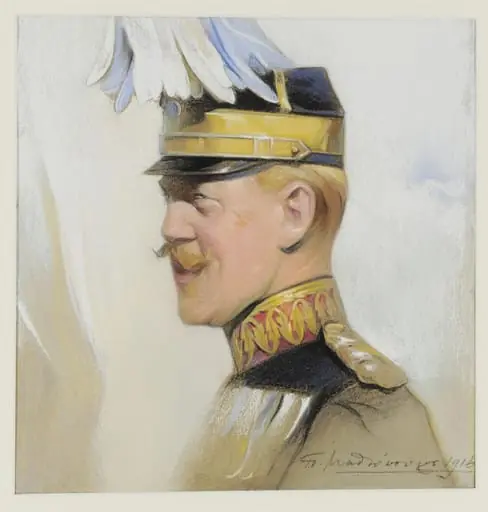 Προσωπογραφία του Κωνσταντίνου Α'
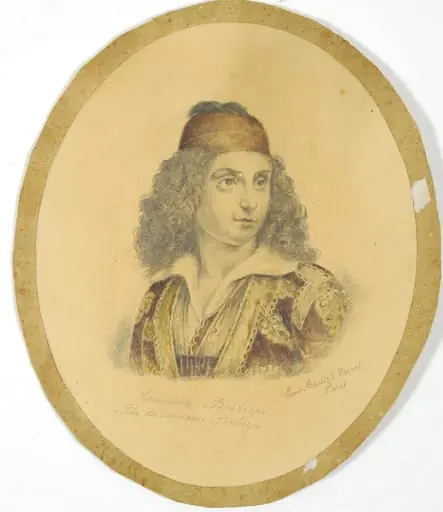 Προσωπογραφία του Θεμιστοκλή Βισβίζη
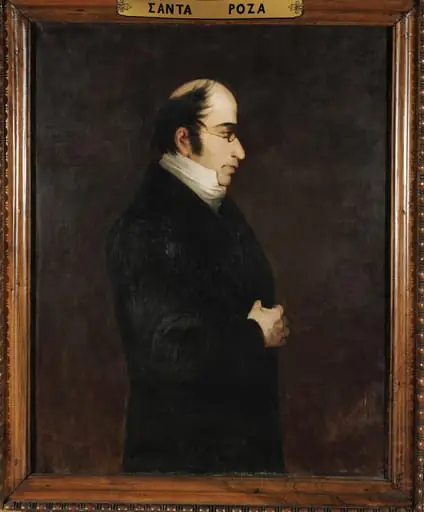 Προσωπογραφία του Σανταρόζα
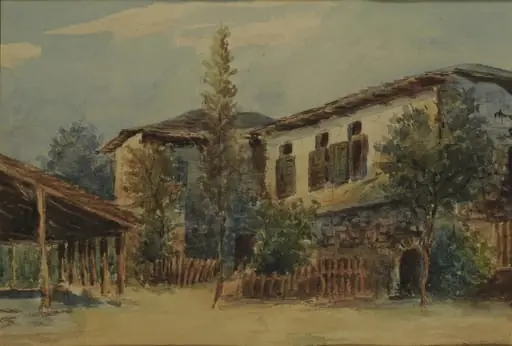 Το σχολείο της Ζαγοράς του Πηλίου
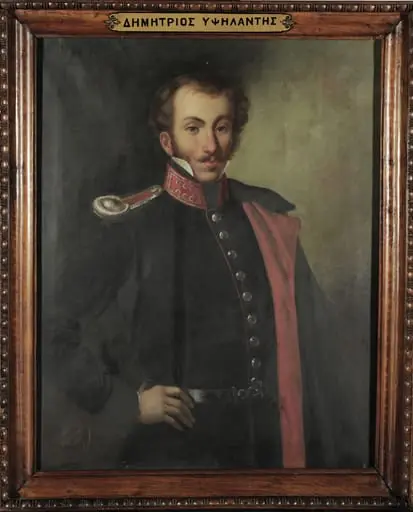 Προσωπογραφία του Δημητρίου Υψηλάντη
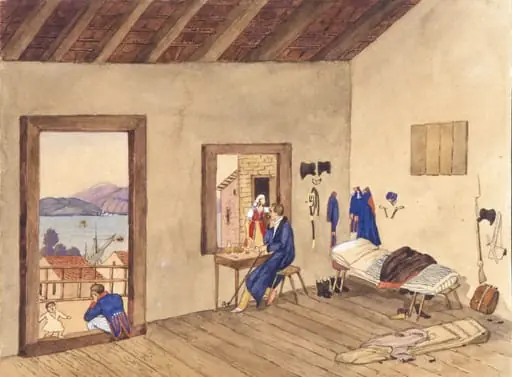 Το δωμάτιο του L. Kollnberger στη Ναύπακτο
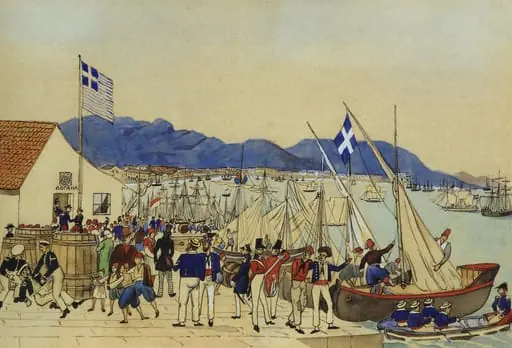 Η καθημερινή κίνηση μπροστα από το τελωνείο του Πειραιά
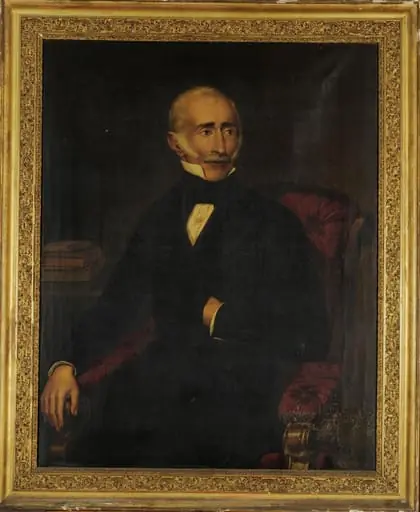 Προσωπογραφία του Ανδρέα Λουριώτη
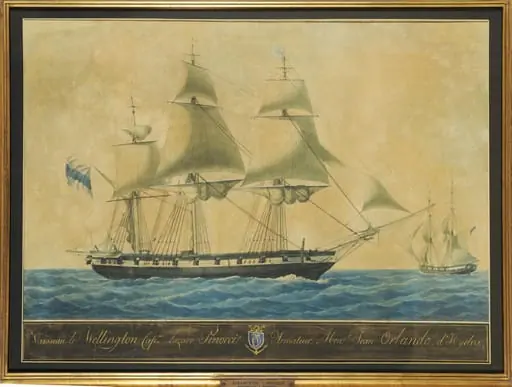 Το πλοίο "Ουέλιγκτον" του Ι. Ορλάνδου
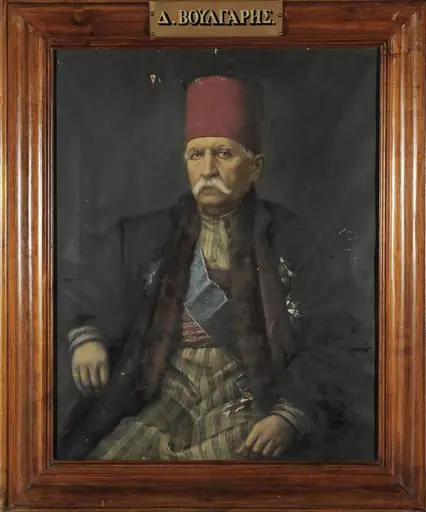 Προσωπογραφία του Δημητρίου Βούλγαρη
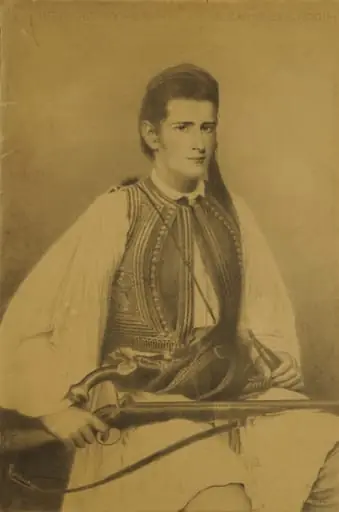 Προσωπογραφία του Σαμουήλ Γκρίντλεϋ Χάου
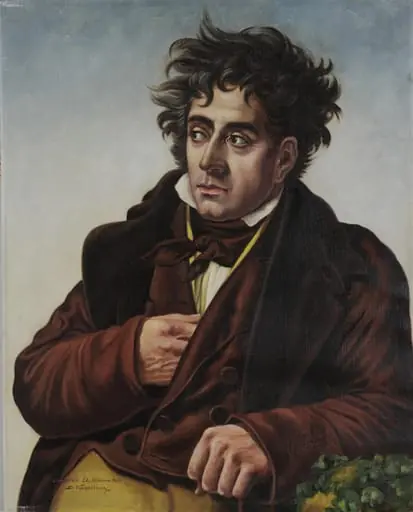 Προσωπογραφία του Chateaubriand
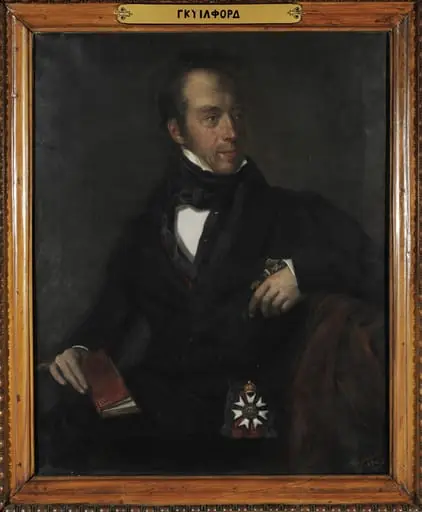 Προσωπογραφία του Frederick North
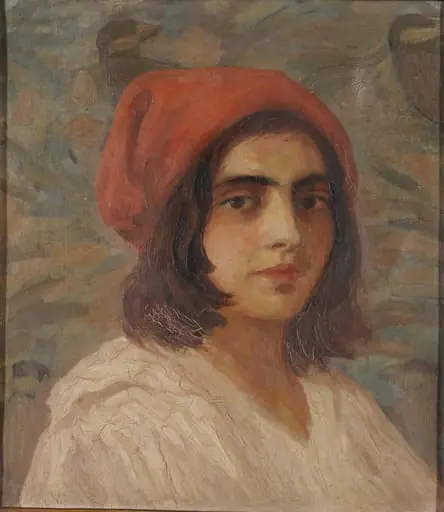 Προσωπογραφία της Φρόσως Σκουμπουρδή - Βυζαντίου
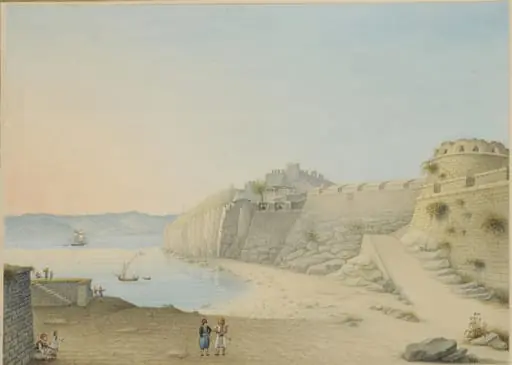 Η περιοχή Αρβανιτιά στο Ναύπλιο
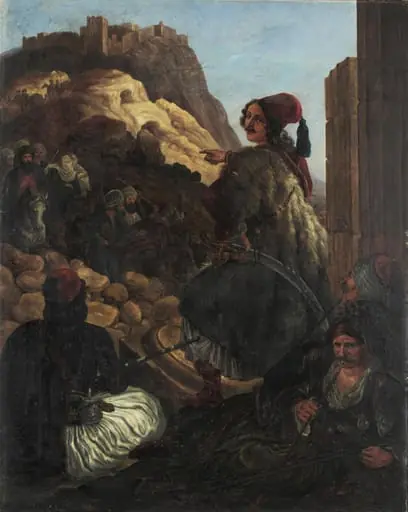 Ο Πανουργιάς Πανουργιάς κυριεύει τον Ακροκόρινθο (Η άλωση του Ακροκορίνθου, Ιανουάριος 1822)
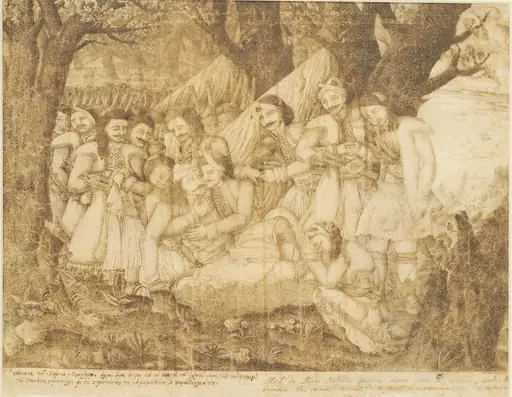 Ο θάνατος του Μάρκου Μπότσαρη
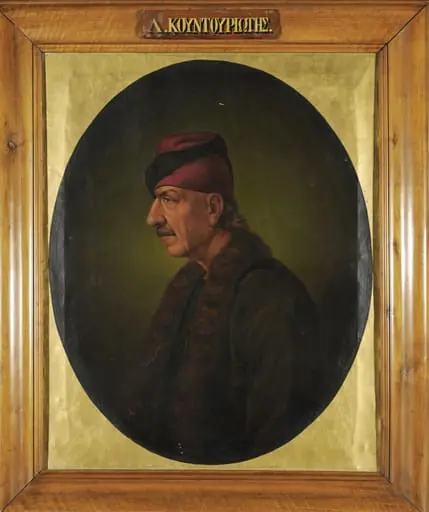 Προσωπογραφία του Λαζάρου Κουντουριώτη
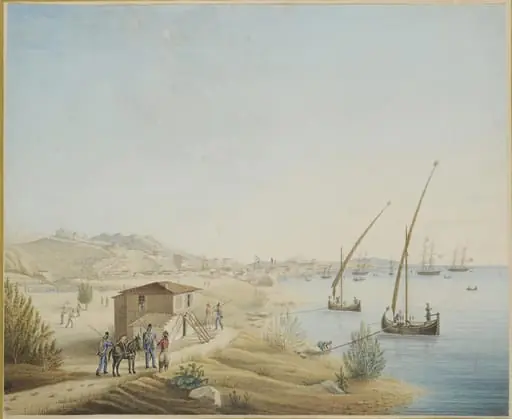 Το λιμάνι της Πάτρας
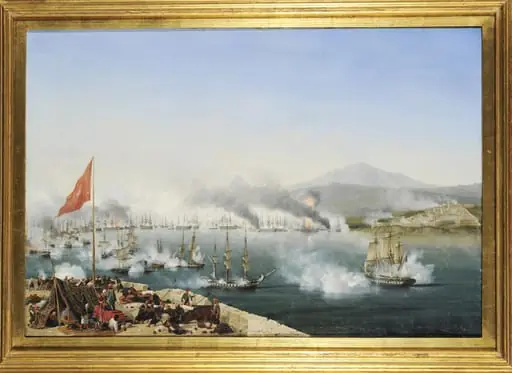 Η Ναυμαχία του Ναυαρίνου
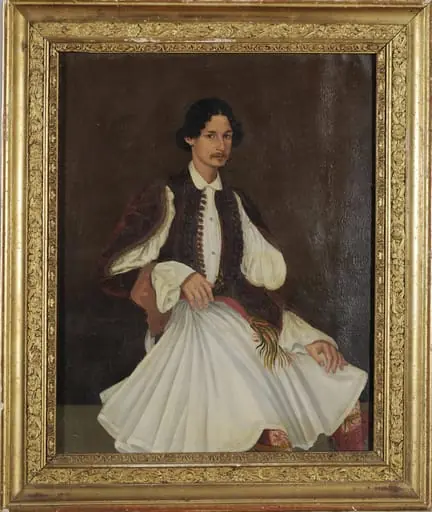 Προσωπογραφία του Αχιλλέα Αγγέλου Γέροντα
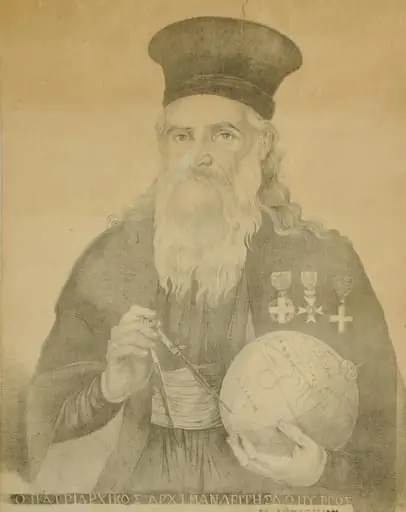 Προσωπογραφία του Διονυσίου Πύρρου