Artwork
Melanie Becker, f. Wolff
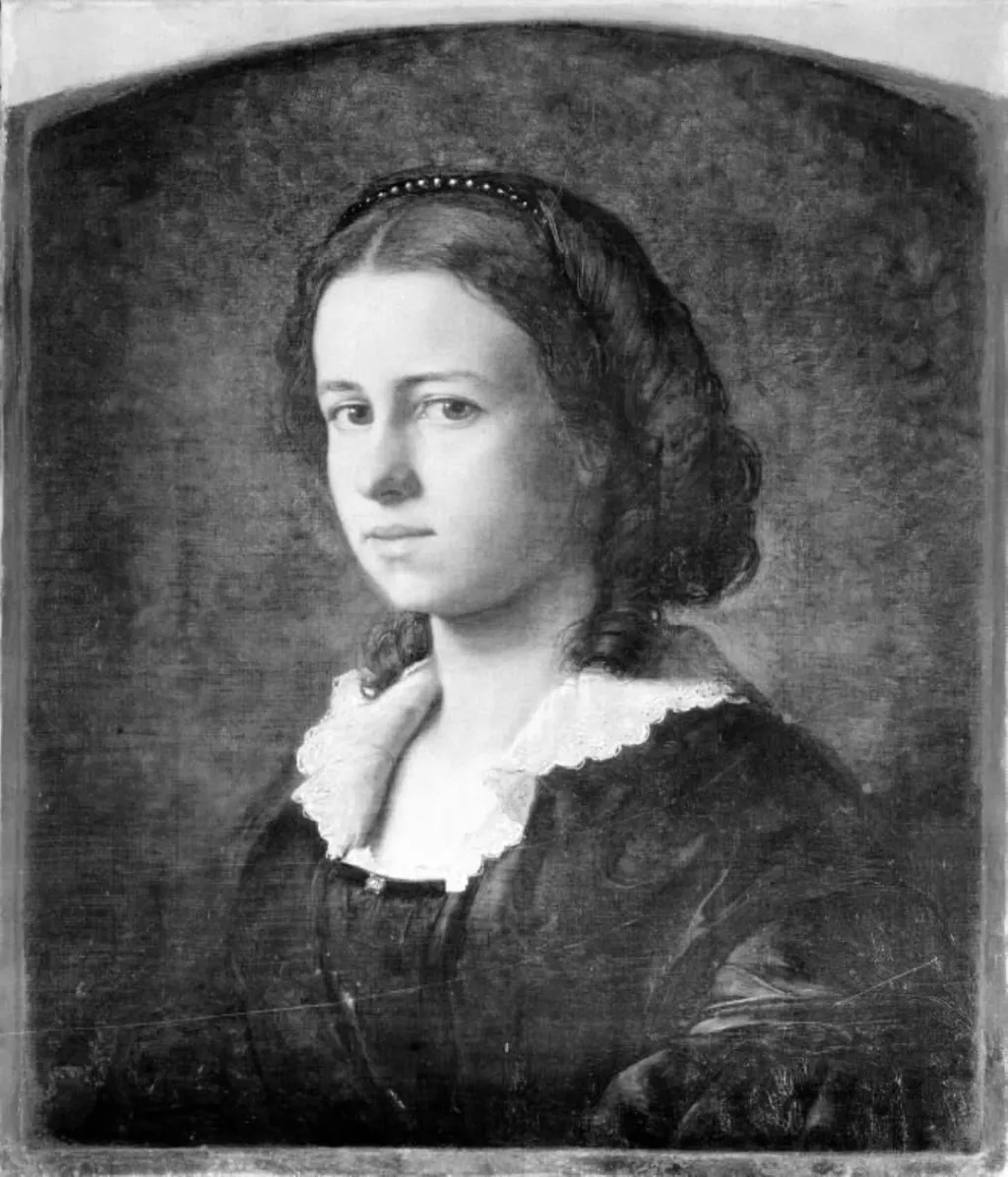
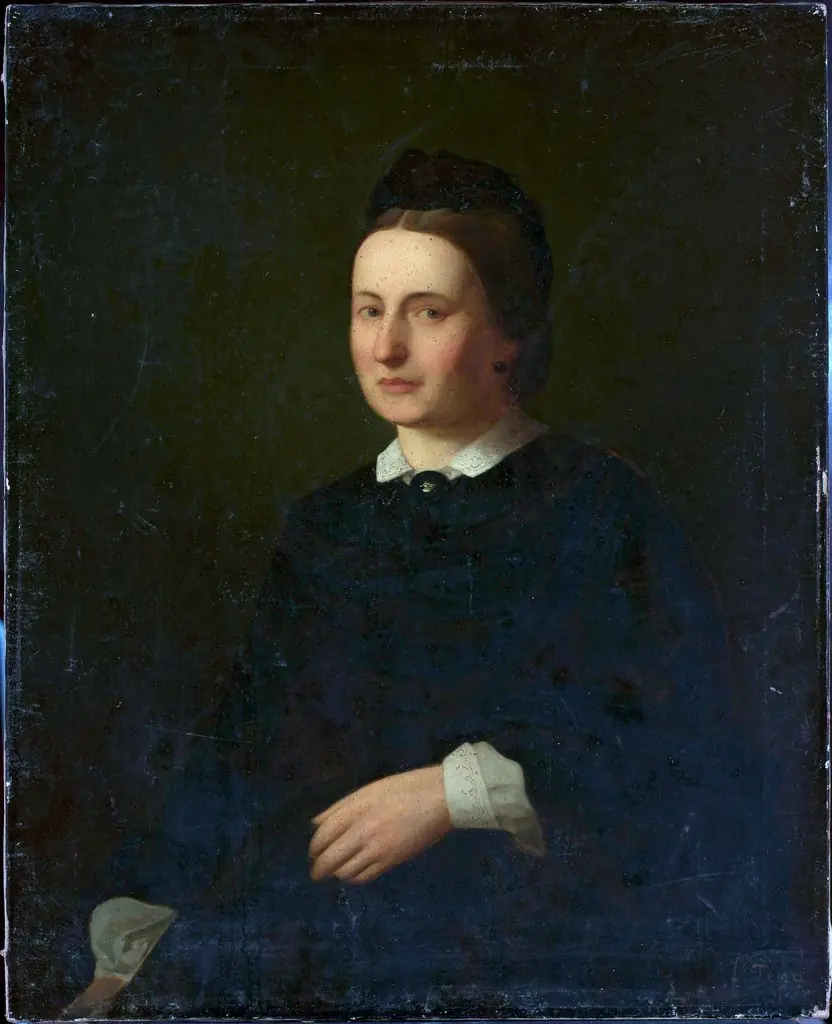
Melanie Becker, f. Wolff is a photography by the Impressionist artist Unknown. It dates from 1862 and is held in the collection of the Statens Museum for Kunst. Created in 1862, this portrait depicts Melanie Becker, wife of Wolff, in a quiet, intimate composition.
About this work
Overview
Rendered in black and white, the image reflects early photographic techniques that prioritized tonal nuance over sharp detail.
Created in 1862, this portrait depicts Melanie Becker, wife of Wolff, in a quiet, intimate composition. Rendered in black and white, the image reflects early photographic techniques that prioritized tonal nuance over sharp detail. Held by the Museum of Ethnography, the work captures a private moment with the restraint typical of mid-19th-century portraiture, where the subject’s presence is conveyed through light and texture rather than elaborate setting.
Subject & Meaning
Melanie Becker is portrayed with solemn dignity, her dark hair neatly gathered and her attire modest, featuring a high collar adorned with lace and a thin dark ribbon. The absence of jewelry or decorative elements suggests a focus on personal identity rather than social status. Her direct gaze and stillness invite contemplation, reflecting a cultural preference for reserved, introspective femininity in domestic portraiture of the period.
Technique & Style
The image employs soft focus and diffused lighting, characteristic of early photographic processes like the collodion wet plate. Shadows fall gently across the face and hair, creating depth without harsh contrast. The blurred edges and muted tones resemble the sfumato technique of Renaissance painting, where transitions between light and dark are smoothed to evoke a sense of quiet realism rather than mechanical precision.
History & Provenance
The photograph entered the collection of the Museum of Ethnography in the late 19th or early 20th century, likely as part of a broader effort to document personal and familial life across social classes. Its origin as a private portrait, possibly commissioned by family or friends, contrasts with its current institutional context, where it serves as a record of everyday life in mid-Victorian Europe.
Context
In the 1860s, photography was transitioning from novelty to established medium, often used to memorialize individuals in domestic settings. This portrait aligns with trends in middle-class portraiture, where modesty and emotional restraint were valued. The plain background and subdued lighting reflect both technical limitations and aesthetic ideals that favored sincerity over spectacle.
Legacy
Though not widely exhibited, the portrait contributes to the historical record of early photographic portraiture in Europe. Its quiet composition and tactile rendering offer insight into how individuals were visually represented before the dominance of sharp, commercial photography. It remains a subtle example of how light and texture could convey presence without spectacle.
Artist & collection