Artwork
Rocky Landscape with a River and a Waterfall
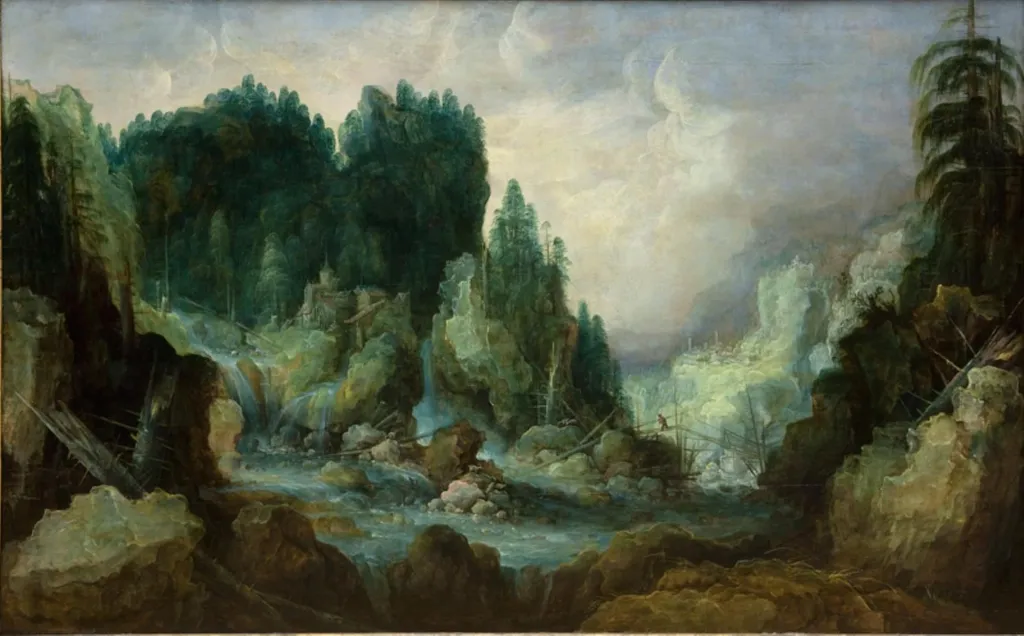
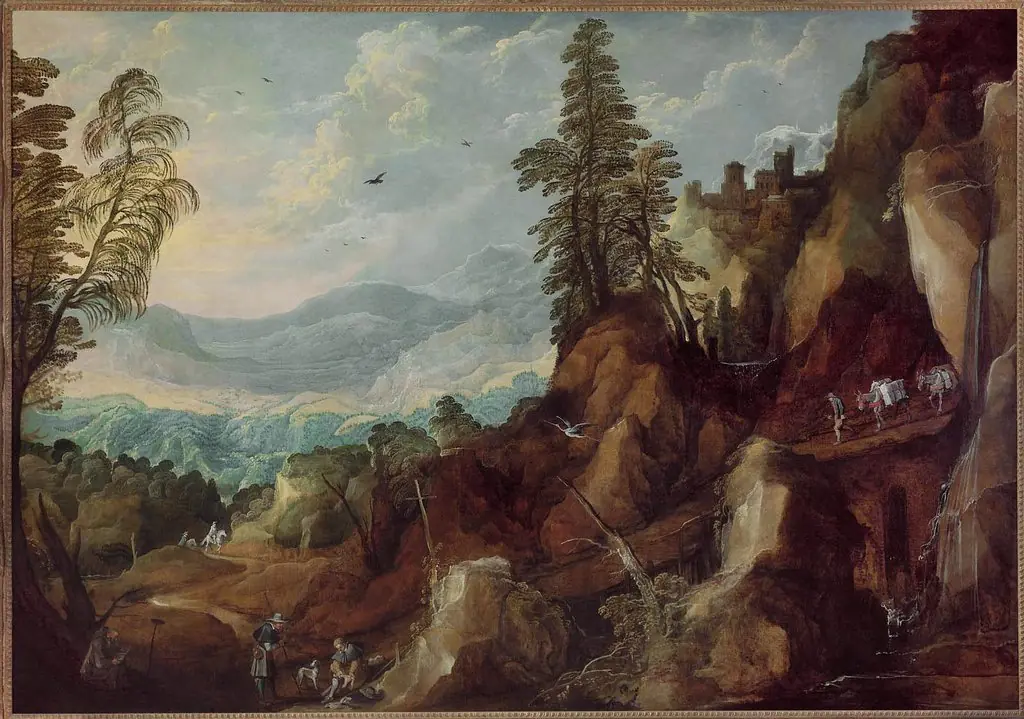
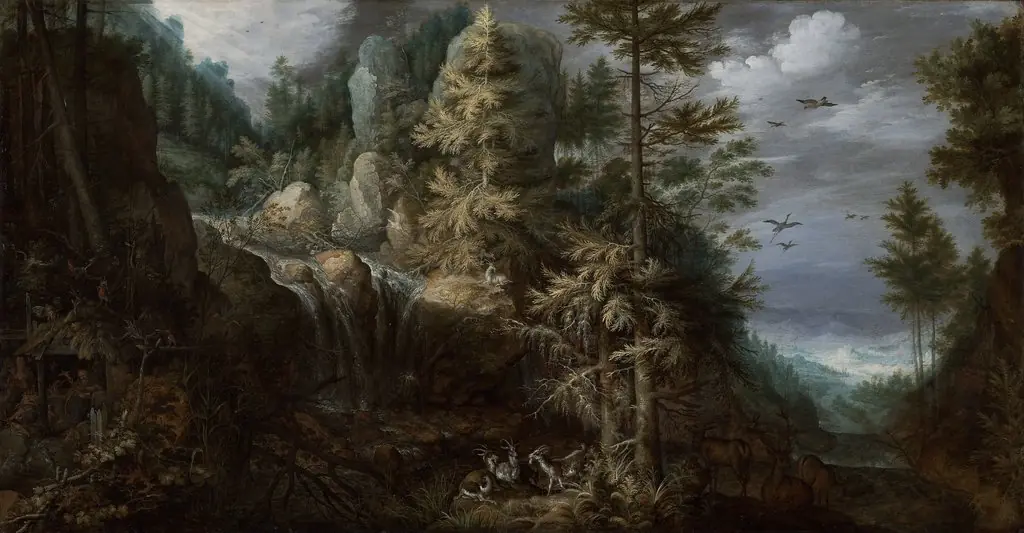
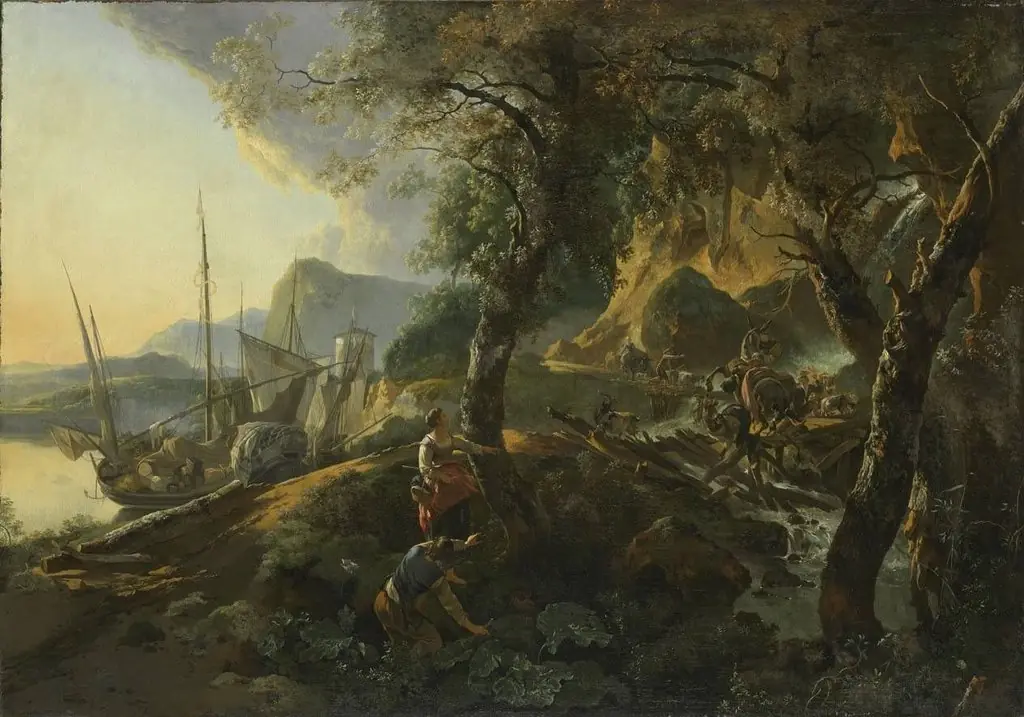
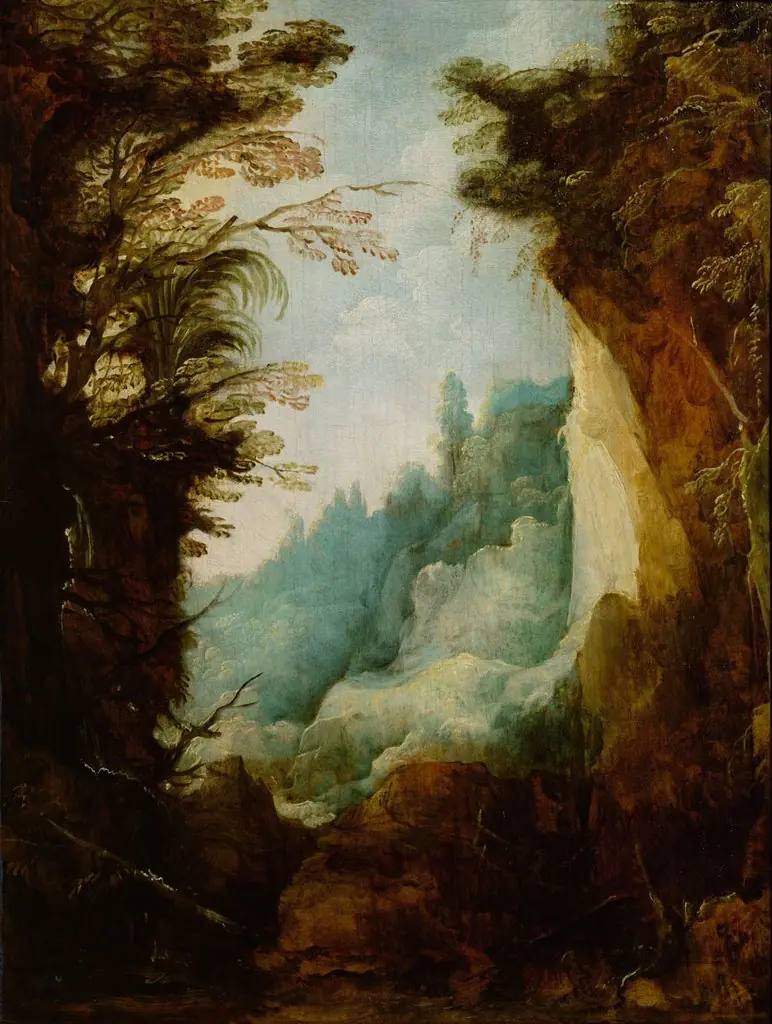
Rocky Landscape with a River and a Waterfall is an unspecified painting by Unknown. It dates from 1619 and is held in the collection of the Statens Museum for Kunst. Painted around 1619, this landscape depicts a rugged river valley dominated by a cascading waterfall.
About this work
Overview
The scene is rendered in oil on panel, with a muted, atmospheric sky and a stream meandering through clustered boulders.
Painted around 1619, this landscape depicts a rugged river valley dominated by a cascading waterfall. The scene is rendered in oil on panel, with a muted, atmospheric sky and a stream meandering through clustered boulders. It is currently held in the collection of the Museum of Ethnography, though its origins lie in a European tradition of naturalistic landscape painting rather than ethnographic study.
Subject & Meaning
The composition presents nature as untamed and immersive, with no human figures or architectural elements to interrupt the wilderness. The waterfall and winding stream suggest the quiet force of water shaping stone over time. The absence of narrative or symbolic figures invites contemplation of natural processes rather than moral or religious allegory.
Technique & Style
The artist employed thick, textured brushwork, particularly in the rocks and flowing water, to create a tactile sense of surface and movement. Soft, diffused lighting unifies the scene, while deep shadows anchor the forms without harsh contrast. The pale, hazy sky and subtle blue-green tones in the water reflect a restrained palette focused on atmospheric harmony rather than vivid color.
History & Provenance
The painting entered the Museum of Ethnography’s collection in the late 19th century, likely as part of a broader acquisition of European artworks deemed relevant to cultural studies of nature. Its original commission or ownership prior to that is undocumented, and it has no known exhibition history before its inclusion in the museum’s holdings.
Context
Created during the early 17th century, this work aligns with Northern European landscape traditions that emphasized naturalism over idealization. While contemporaries like Rubens or Rembrandt explored dramatic lighting and human presence, this piece reflects a quieter, more introspective approach, valuing the quiet grandeur of unpopulated terrain.
Legacy
Though not widely reproduced or studied in mainstream art history, the painting contributes to a lesser-known strand of early Baroque landscape art that prioritized texture and mood over spectacle. Its preservation in an ethnographic context underscores shifting 19th-century views of nature as a cultural artifact worthy of systematic collection.
Artist & collection