Artwork
The Fortune Teller
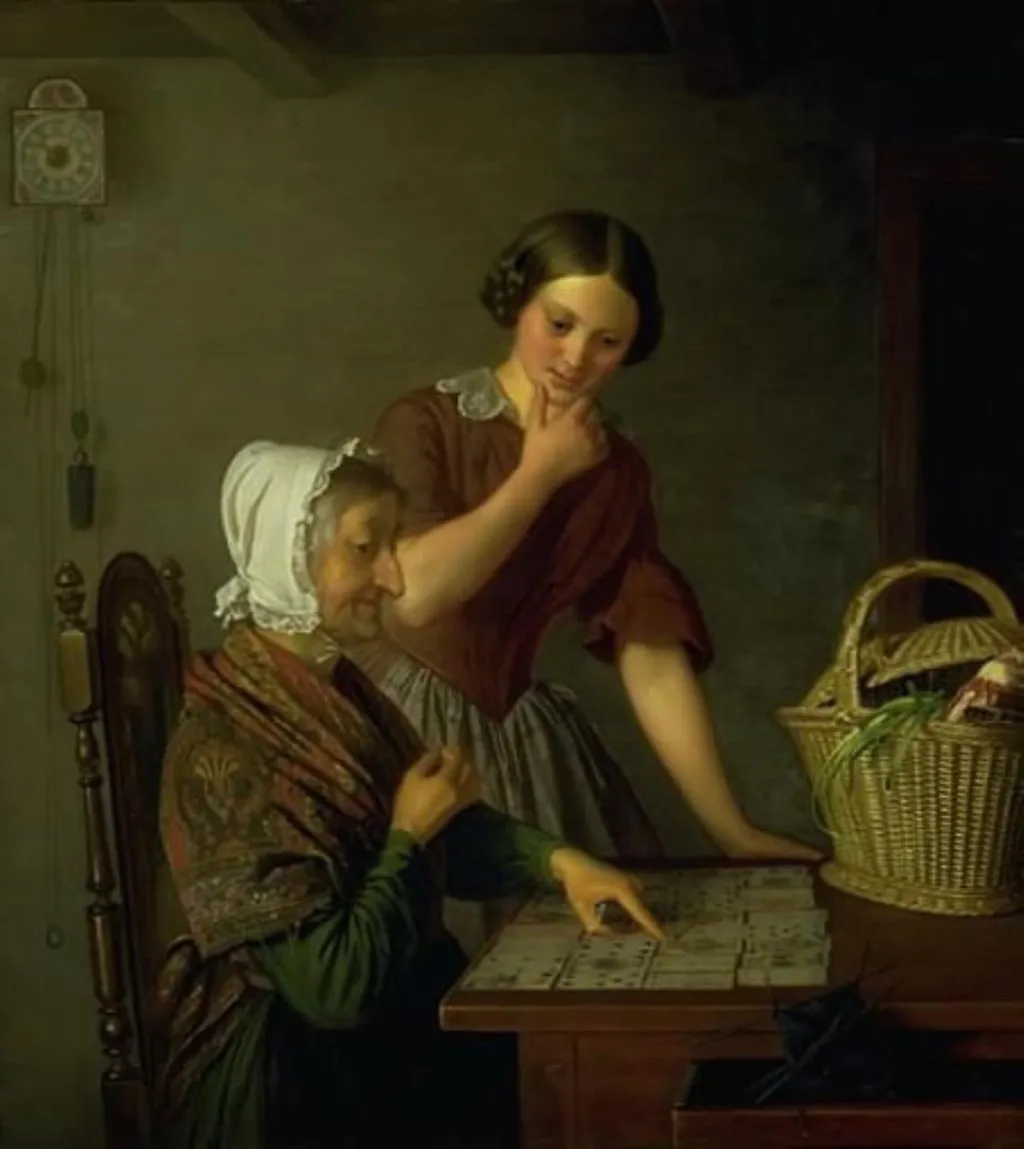
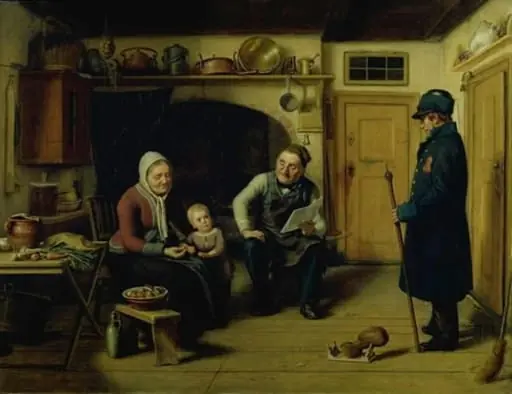
The Fortune Teller is a photography by Unknown. It dates from 1845 and is held in the collection of the Statens Museum for Kunst. Created around 1845, this image depicts a quiet moment between two women in a modest interior.
About this work
Overview
Created around 1845, this image depicts a quiet moment between two women in a modest interior. The scene captures a fortune-telling ritual, rendered with subtle attention to gesture and atmosphere. The work is part of the Museum of Ethnography’s collection, where it serves as a record of domestic and spiritual practices in 19th-century rural life.
Subject & Meaning
The image portrays an older woman reading cards for a younger one, who leans in with focused attention. The act suggests a transmission of knowledge or fate, common in folk traditions. The basket beside the table may hold ritual objects, hinting at layered cultural beliefs. The intimacy of the moment underscores trust and vulnerability between the figures.
Technique & Style
Soft, directional lighting isolates the women’s faces and hands, drawing focus to the cards and the touch of the younger woman’s fingers on the elder’s chin. The use of chiaroscuro enhances emotional depth, while the muted palette and unadorned setting emphasize realism over theatricality. Brushwork is restrained, favoring naturalism over embellishment.
History & Provenance
The work was likely made in the mid-1840s and entered the Museum of Ethnography’s holdings in the late 19th or early 20th century. Its origins as a photographic or painted image remain unclear, but its preservation suggests it was valued as an ethnographic document rather than a fine art object.
Context
In 19th-century Europe, fortune-telling by card reading was a widespread folk practice, especially among rural and lower-income communities. Such rituals often occurred in private homes, blending superstition with social bonding. This image reflects a moment when spiritual guidance was sought outside formal religious institutions.
Legacy
The image endures as a quiet testament to everyday spiritual customs, preserved not for its artistic innovation but for its anthropological insight. It contributes to broader studies of gender, ritual, and oral tradition in pre-industrial societies, offering a glimpse into lives rarely documented in official records.
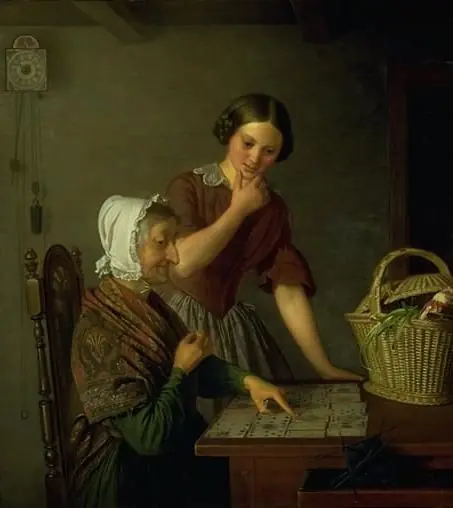
Artist & collection









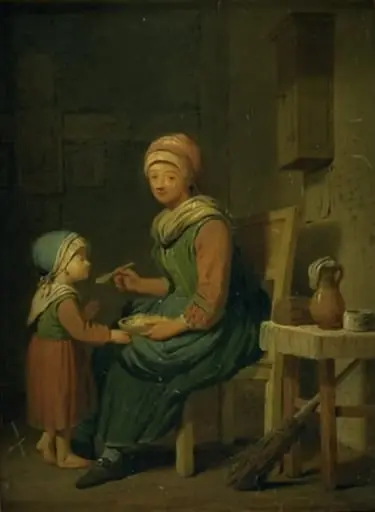 En bondekone, som giver sin datter noget at spise
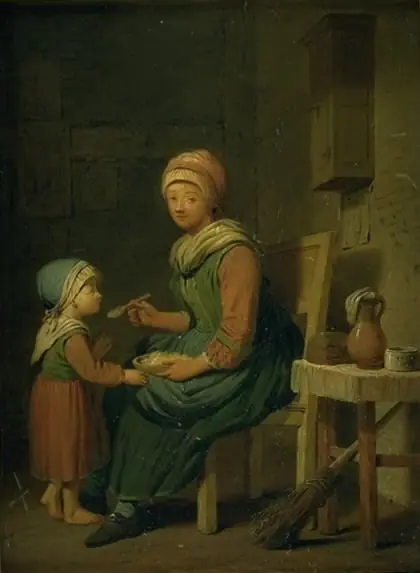 En bondekone, som giver sin datter noget at spise
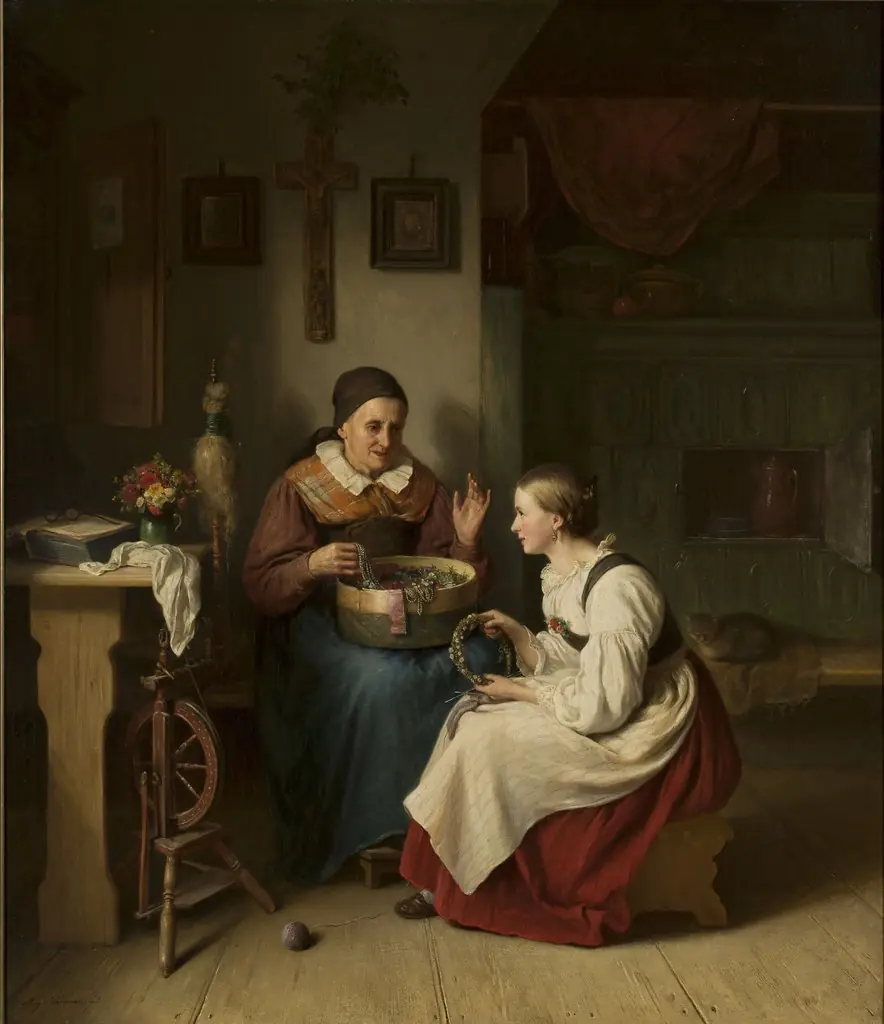 Grandmother with her granddaughter
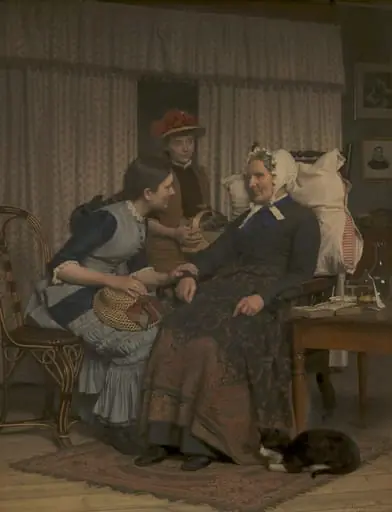 Sygebesøg hos det gamle tyende
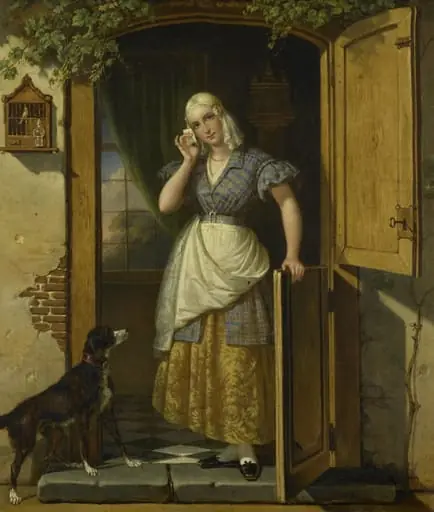 Love Note
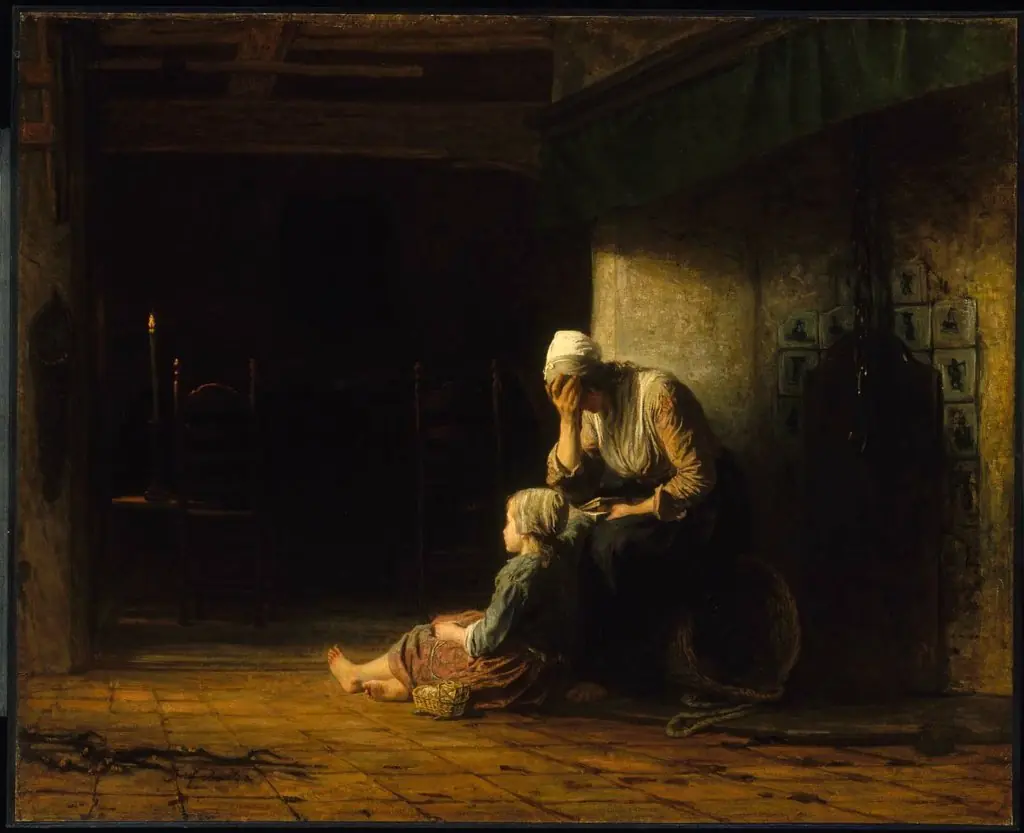 The Day before Parting
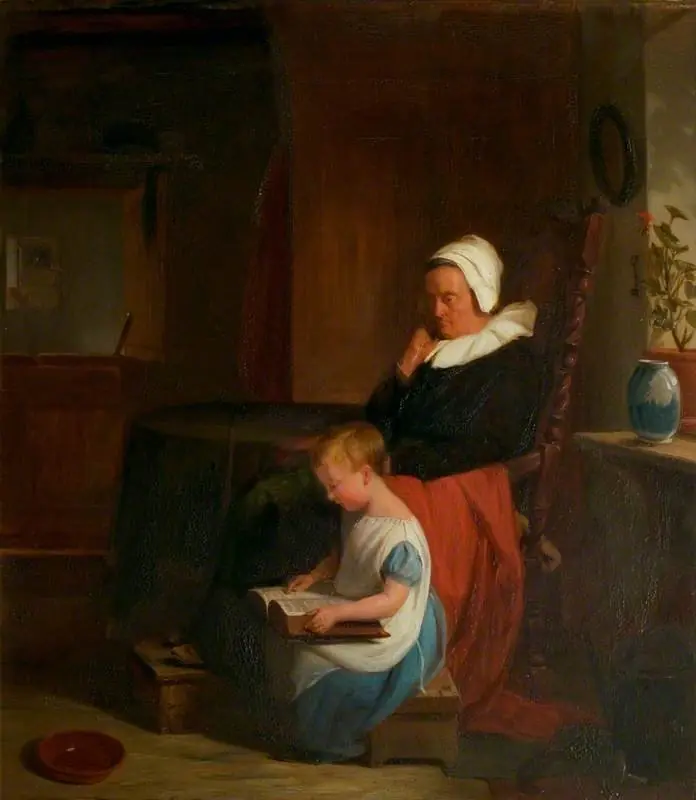 Reading the Scriptures
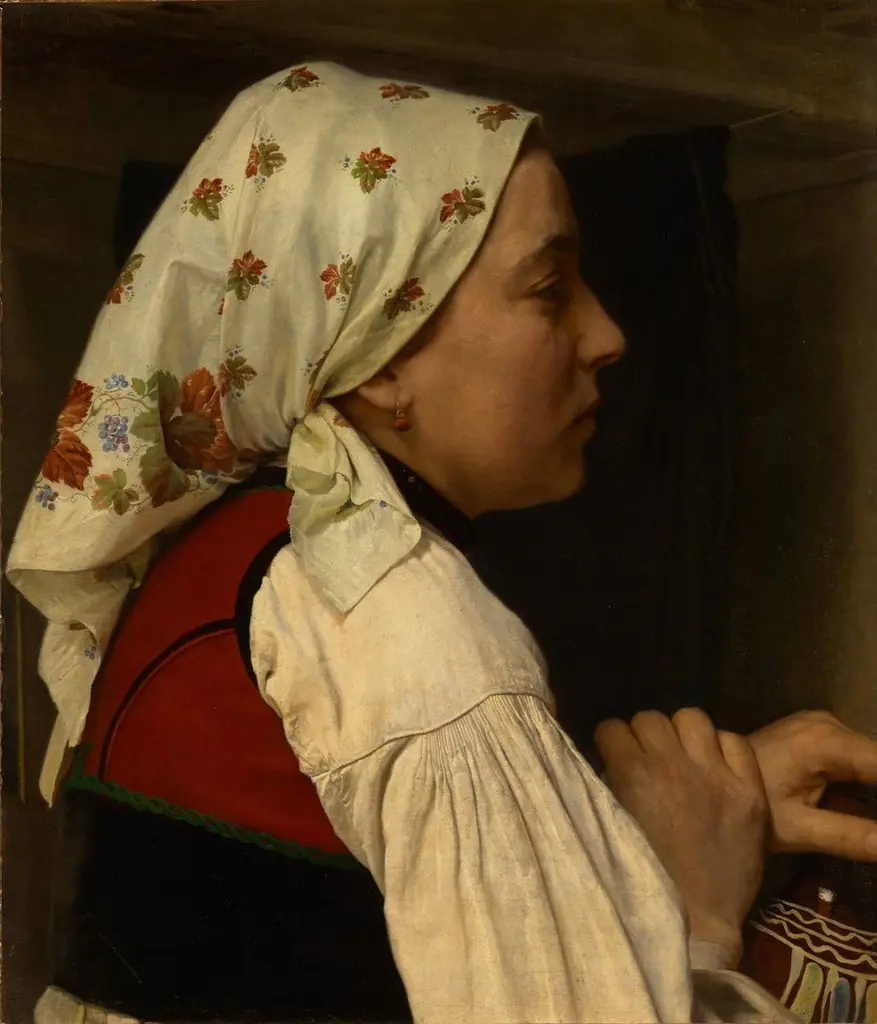 Szekler Woman
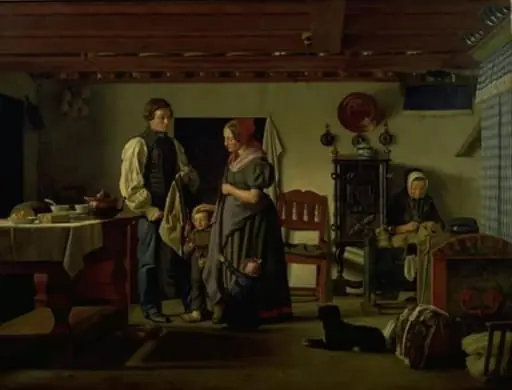 Reservesoldatens afsked med sin familie
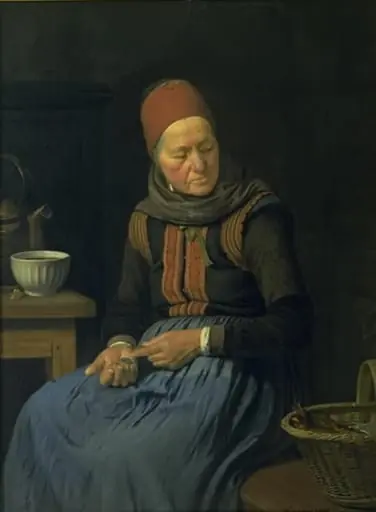 En amagerkone
- The Fortune Teller
 Vægteren på nytårsvisit. Køkkenscene