Artwork
The Suicide of Lucretia
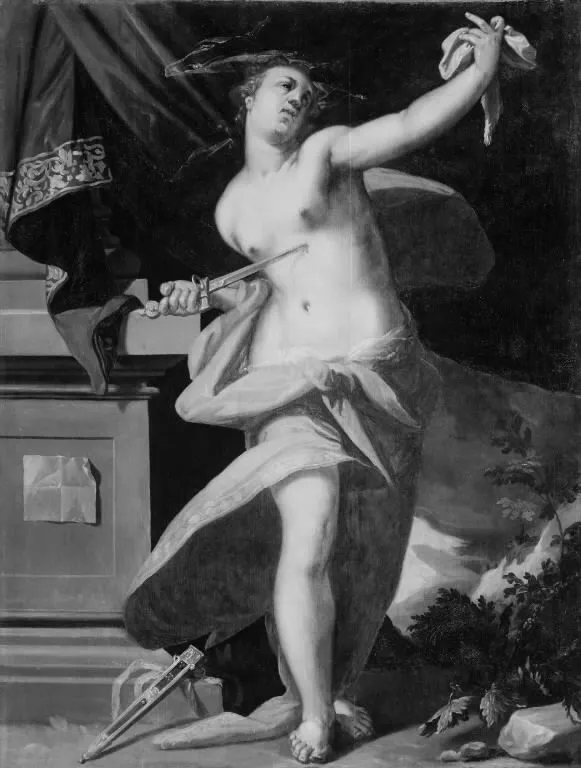
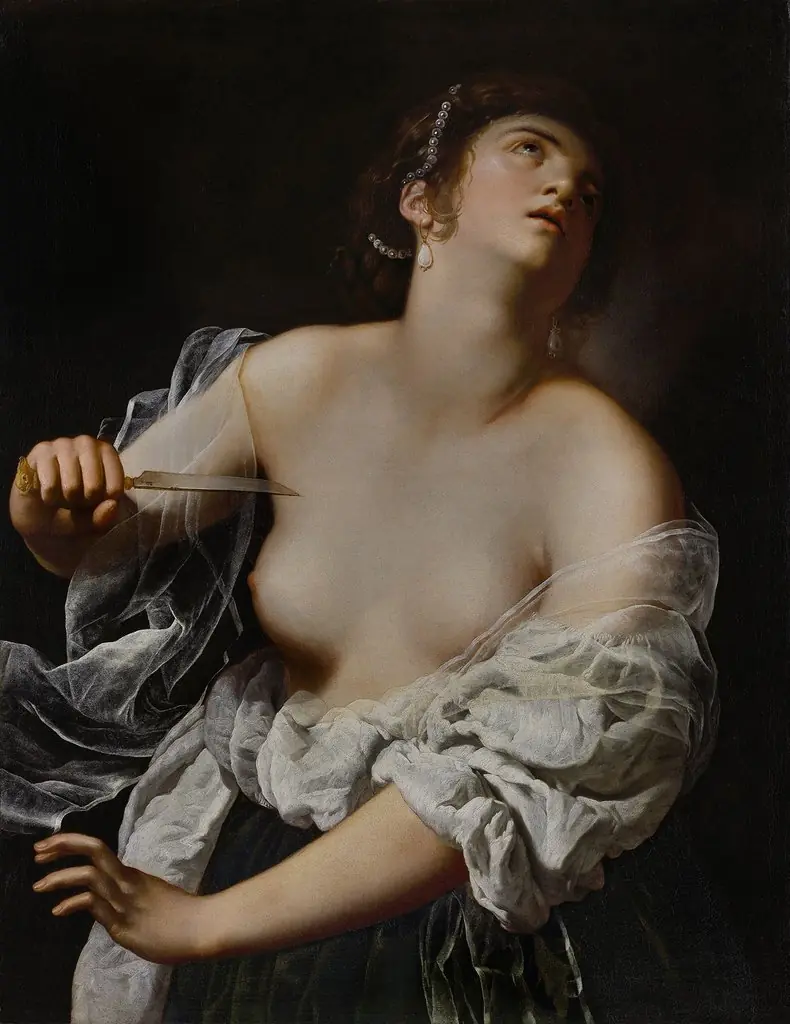
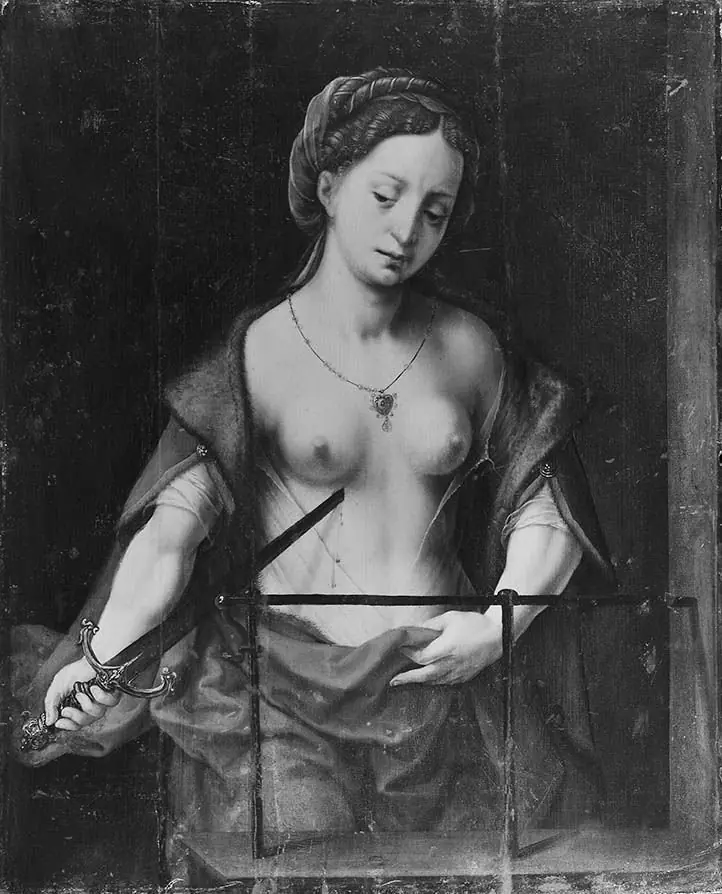
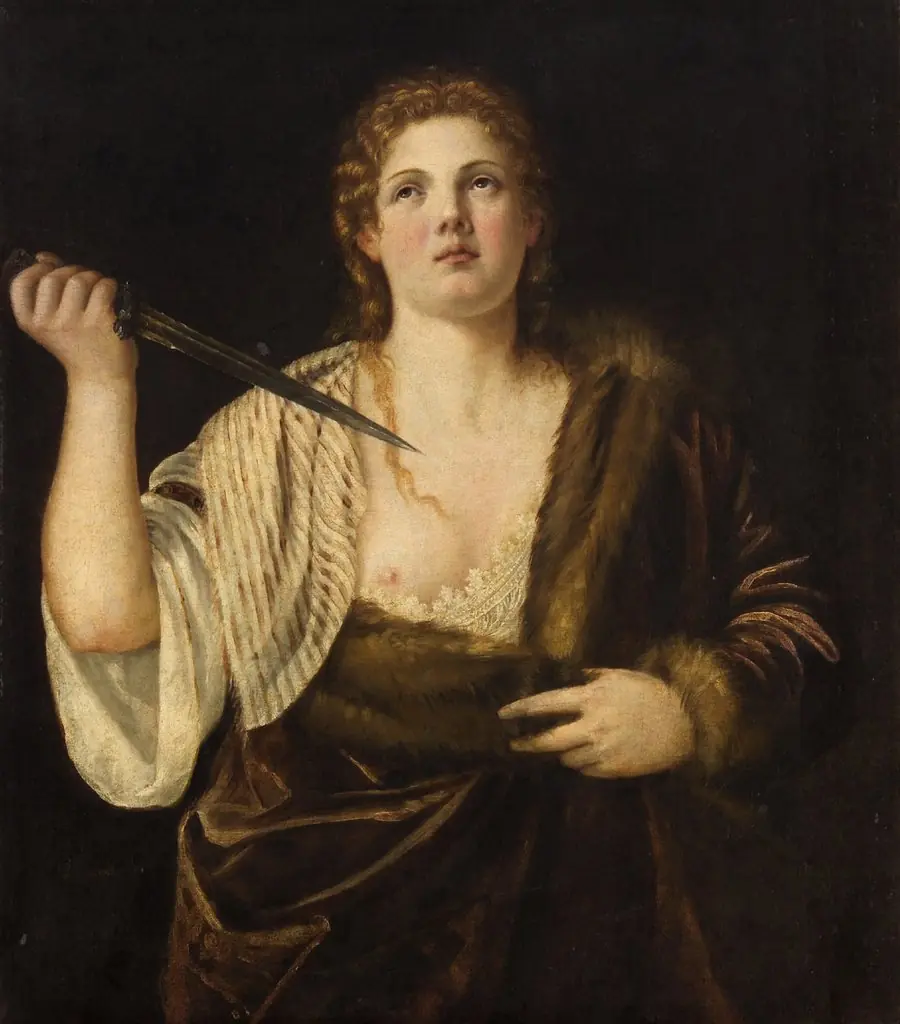
The Suicide of Lucretia is an unspecified painting by the Mannerist artist Abraham Bloemaert. It dates from 1594 and is held in the collection of the Statens Museum for Kunst.
About this work
Subject & Meaning
Bloemaert's 1586 work treats the subject as history painting, focusing on Lucretia as the central figure.
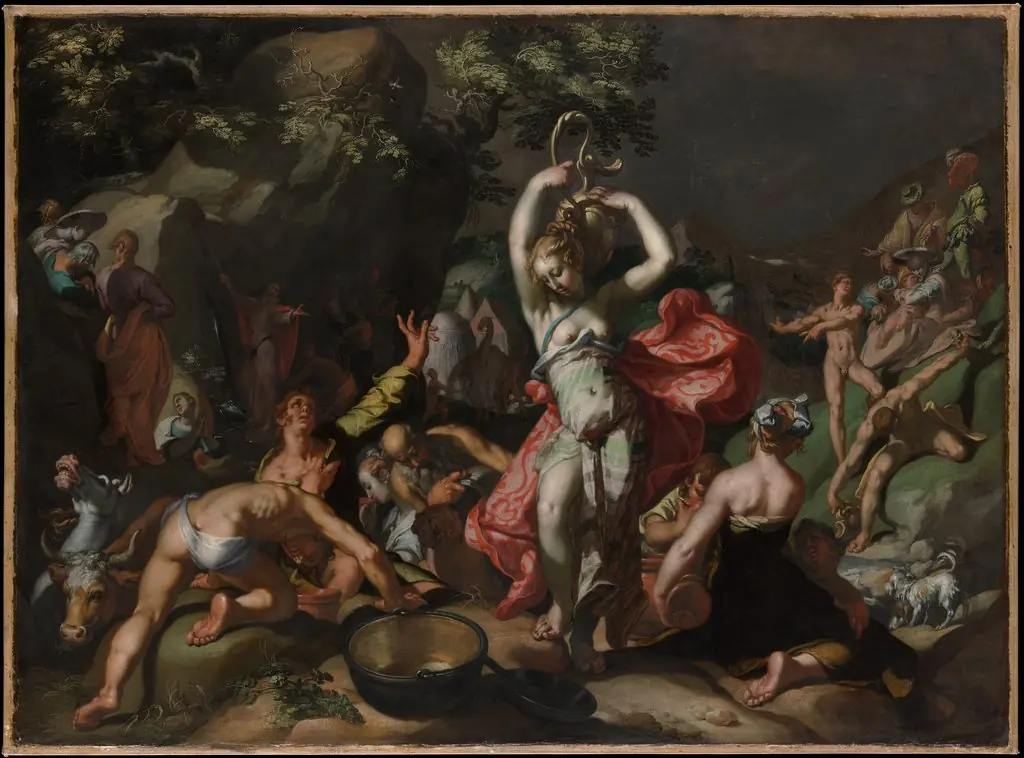
The painting depicts the suicide of Lucretia, a Roman noblewoman whose self-inflicted death became one of the most frequently represented tragic episodes from ancient history in early modern European art. Bloemaert's 1586 work treats the subject as history painting, focusing on Lucretia as the central figure. The narrative, drawn from Livy's account of the early Roman Republic, was traditionally invoked as a moral exemplar of chastity and virtuous resistance to dishonor, with Lucretia's suicide presented as the catalyst that spurred the overthrow of the Tarquin monarchy and the founding of the Roman Republic.
By staging the moment of her death, Bloemaert participates in a long iconographic tradition that used Lucretia to embody ideals of female virtue, personal honor, and civic consequence, transforming a private act into a politically charged symbol of moral courage.
Technique & Style
The work is an oil painting on canvas created in 1586 by Abraham Bloemaert. It portrays the figure of Lucretia in the moment of self-inflicted death, rendered with meticulous brushwork that emphasizes the dramatic tension of the narrative. The composition relies on chiaroscuro to model forms, while the surrounding drapery and background landscape contribute to a balanced yet emotionally charged visual rhythm.
These stylistic choices reflect the conventions of Dutch history painting in the late sixteenth century, combining narrative clarity with a heightened sense of pathos.
History & Provenance
The Suicide of Lucretia is a history painting by Abraham Bloemaert dated 1586. According to the Wikidata record, the work was created with an inception date of 1586-01-01 and depicts the suicide of Lucretia. The painting is held in the collection of the Statens Museum for Kunst, where it remains located.
No further details regarding its commission, earlier ownership, or chain of custody prior to its acquisition by the museum are documented in the available sources.
The sources do not provide information on who commissioned the work, its intermediate owners, or the circumstances of its creation beyond the artist and date.
The Suicide of Lucretia, painted by Abraham Bloemaert in 1586, is held by the Statens Museum for Kunst in Denmark, according to Wikidata records. The painting is catalogued as part of that museum's collection and is classified as a history painting depicting the suicide of Lucretia. No further exhibition history or accession details are documented in the available sources.
Overview
Abraham Bloemaert’s 1594 canvas, titled The Suicide of Lucretia, presents a dramatic moment from the Roman legend of Lucretia. Executed in the late‑Mannerist idiom, the work shows the heroine poised with a dagger, her body illuminated against a dimly lit backdrop. The painting is part of the permanent collection of Denmark’s Statens Museum for Kunst.
Context
In the late sixteenth century, the story of Lucretia served as a moral exemplar of virtue and civic duty, resonating with contemporary debates about honor and governance. Bloemaert’s choice of this subject aligns with the period’s fascination with classical antiquity and the didactic potential of historical painting.
Artist & collection

Artist
Abraham Bloemaert (25 December 1566 – 27 January 1651) was a Dutch painter and printmaker who used etching and engraving.