Artwork
Reisealtar mit sechs Szenen aus dem Leben Mariae
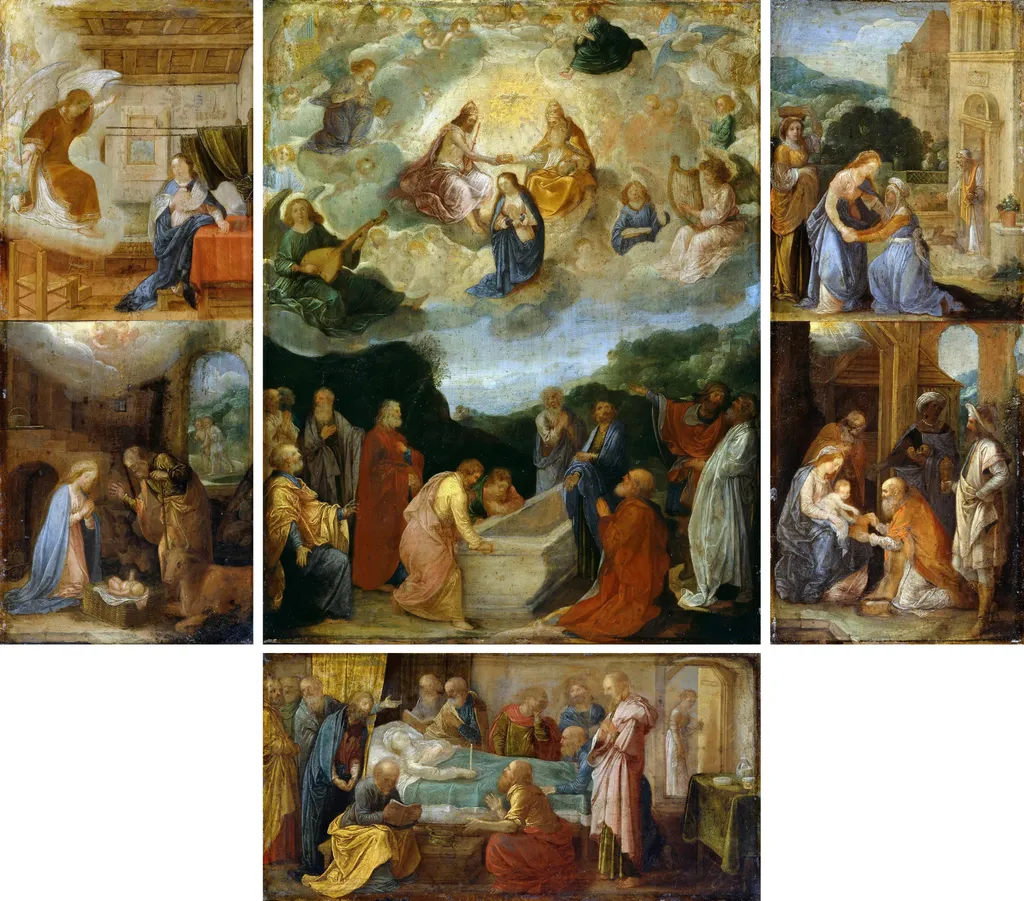
Reisealtar mit sechs Szenen aus dem Leben Mariae is an oil painting by the Early Baroque Italian artist Adam Elsheimer. It dates from 1600 and is held in the collection of the Gemäldegalerie Berlin.
About this work
This painting is called Reisealtar mit sechs Szenen aus dem Leben Mariae, made by Adam Elsheimer in 1600.
The title suggests it depicts scenes from the life of Mary. This work is interesting because it's made on copper, which was a less common material for paintings at that time.
To learn more about similar artworks, look up the technique of chiaroscuro.
Overview
Adam Elsheimer, a German artist working in Rome around 1600, produced this small oil-on-copper panel as a portable devotional object.
Adam Elsheimer, a German artist working in Rome around 1600, produced this small oil-on-copper panel as a portable devotional object. Known as a Reisealtar, or travel altarpiece, it condenses six episodes from the Virgin Mary’s life into a single compact composition. The choice of copper as a support was unusual for the period, allowing for fine detail and luminous color, aligning with the intimate scale favored in cabinet paintings of the time.
Subject & Meaning
The panel presents six narrative scenes from the life of the Virgin Mary, likely including events such as the Annunciation, Nativity, and Assumption. Arranged without clear separation, the episodes unfold in a continuous visual rhythm, inviting contemplative viewing. The selection of moments emphasizes Mary’s role as both human and sacred, reflecting devotional practices that valued personal connection to biblical figures in early 17th-century Catholic culture.
Technique & Style
Elsheimer rendered the scenes with meticulous attention to atmospheric effects and subtle lighting, employing chiaroscuro to model forms and suggest depth. The copper surface enhanced the precision of brushwork and the brilliance of highlights, particularly in nocturnal or twilight settings. His landscapes, rendered with naturalistic detail, integrate figures into cohesive environments, departing from the flat symbolism of earlier altarpieces toward a more immersive, emotionally resonant style.
History & Provenance
Created during Elsheimer’s time in Rome, the work likely served a private or aristocratic patron seeking portable religious imagery. Its survival in relatively good condition suggests it was carefully preserved, possibly within a collector’s cabinet. While its early ownership is undocumented, its technical sophistication and rarity on copper indicate it was valued as a refined object, distinct from larger public altarpieces.
Context
In early 17th-century Rome, artists were redefining religious imagery through naturalism and emotional nuance. Elsheimer’s work emerged alongside Caravaggio’s innovations in light and realism, though his approach was quieter and more lyrical. The Reisealtar reflects a trend toward intimate, personal devotion, catering to collectors who desired spiritual engagement through small-scale, highly detailed works rather than monumental church commissions.
Legacy
Elsheimer’s mastery of light and landscape influenced a generation of Northern European painters, including Rembrandt and Rubens, who admired his ability to convey mood through subtle tonal shifts. Though his output was limited, his small-scale works helped bridge Italian Baroque naturalism with Northern European sensibilities. The Reisealtar stands as a testament to the power of quiet observation in religious art, shaping how later artists approached narrative and atmosphere.
Own this work as a print
Artist & collection
Artist
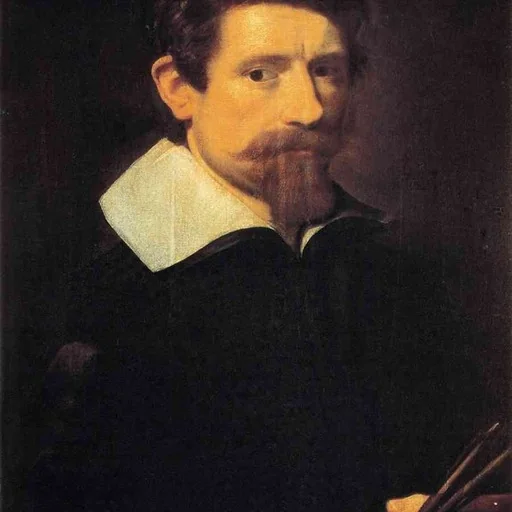
Adam Elsheimer (18 March 1578 – 11 December 1610) was a German Baroque painter who worked in Rome.

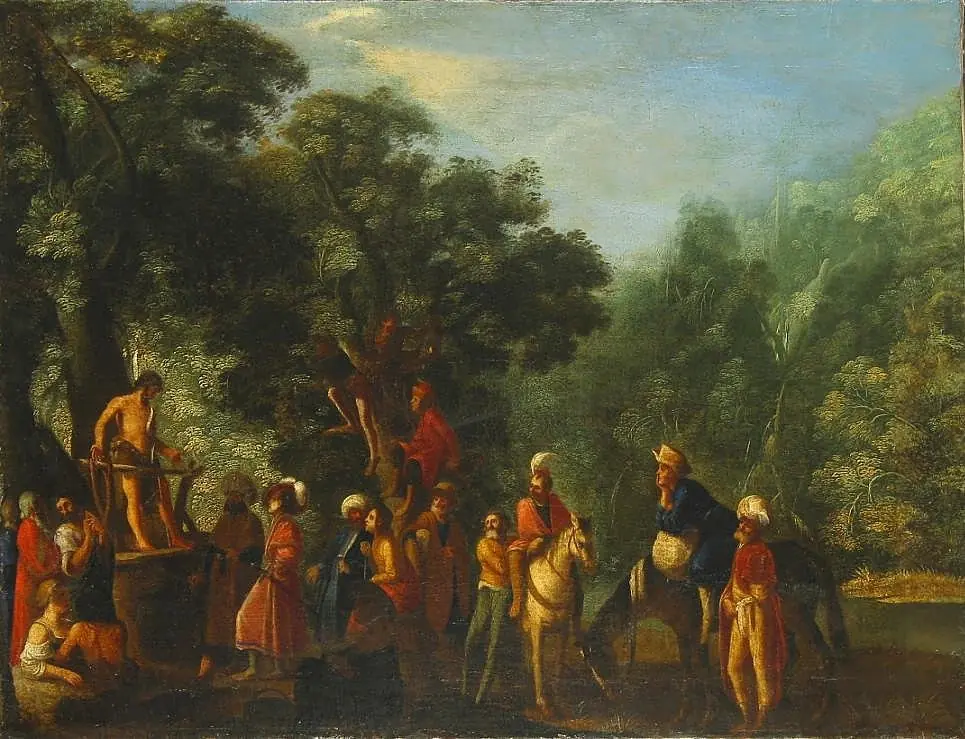
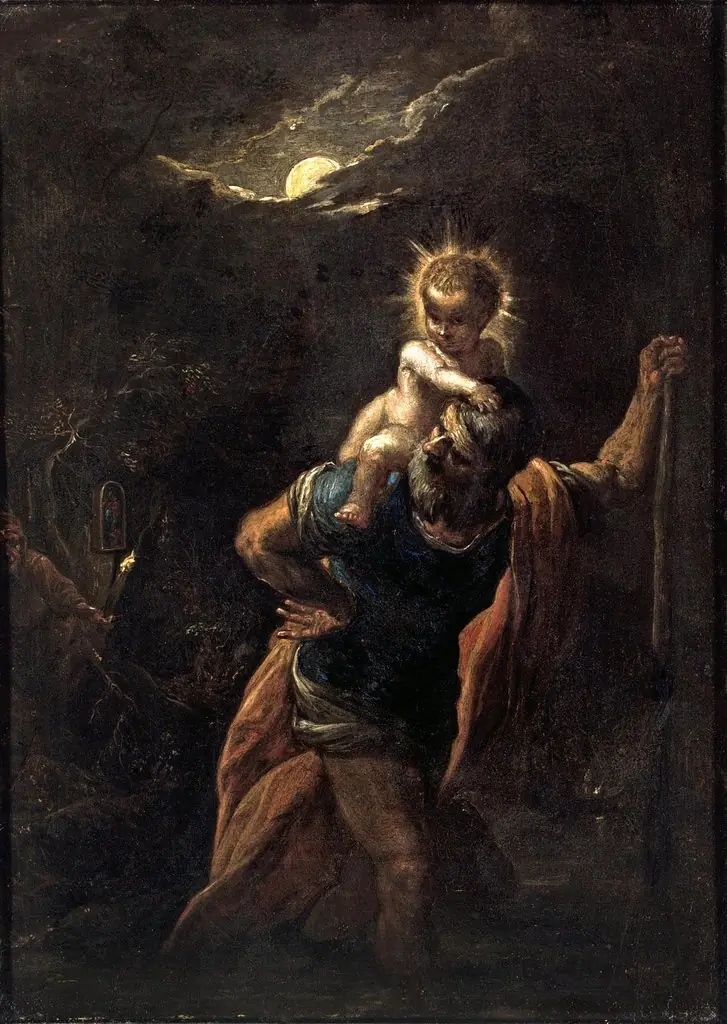
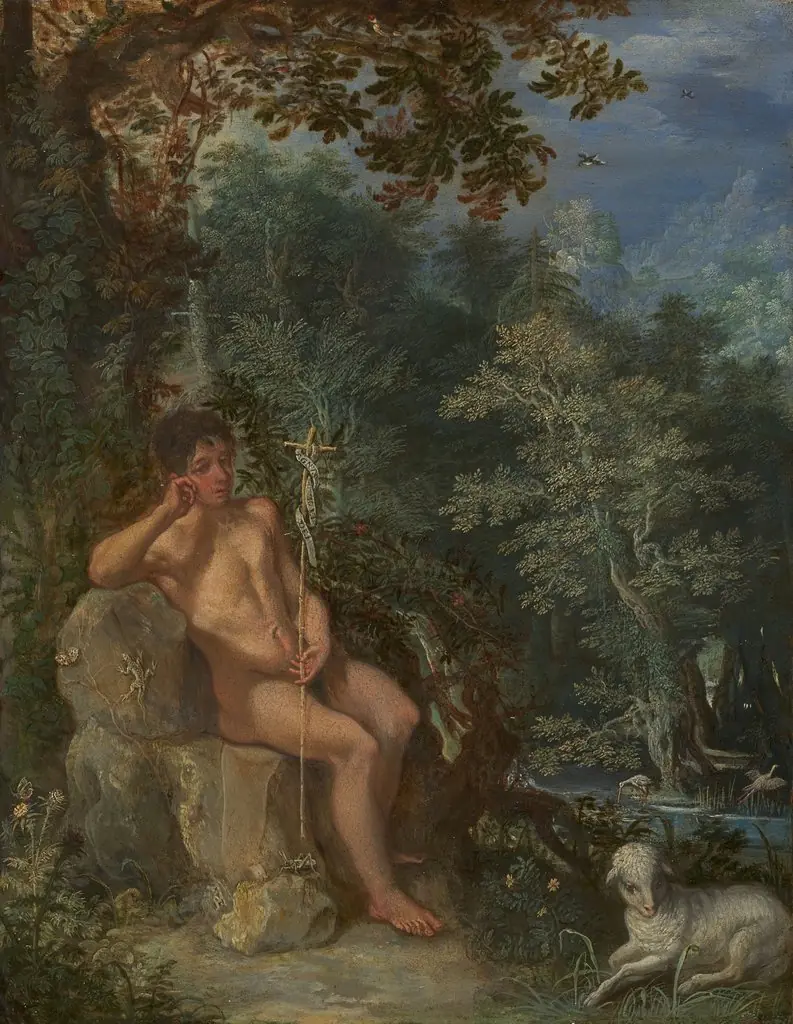
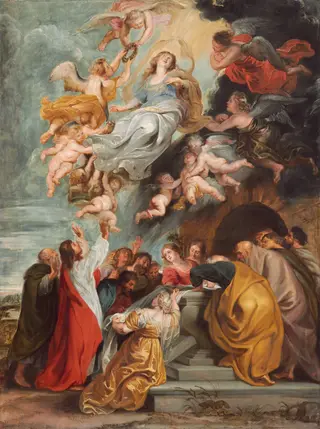
- The Assumption of the Virgin
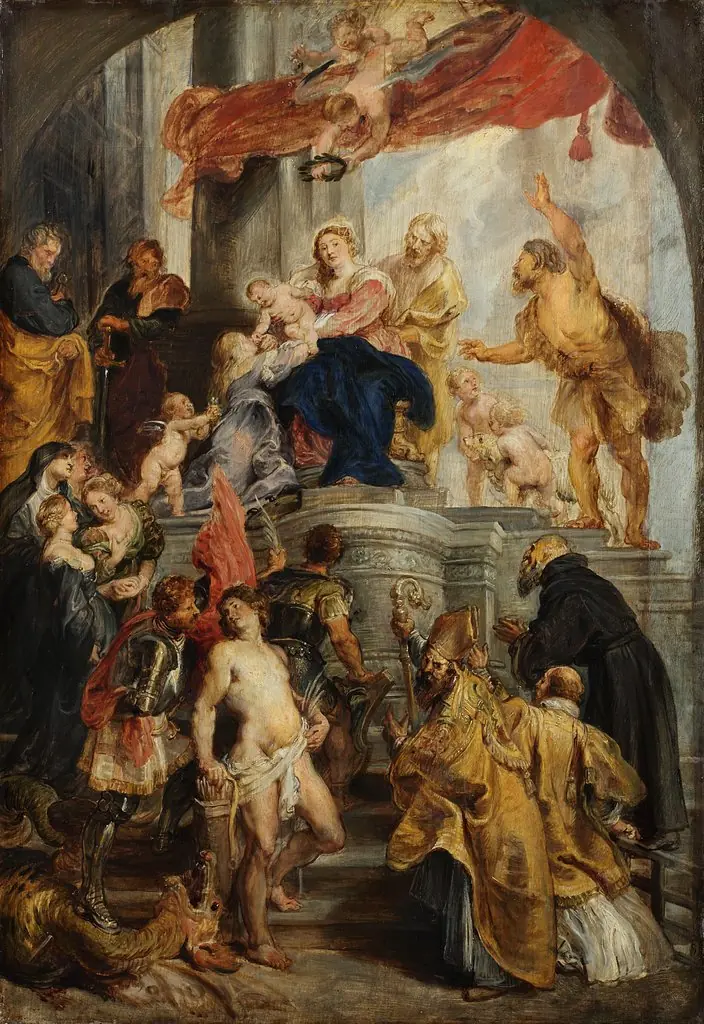 The Virgin and Child Enthroned with Saints by Peter Paul Rubens
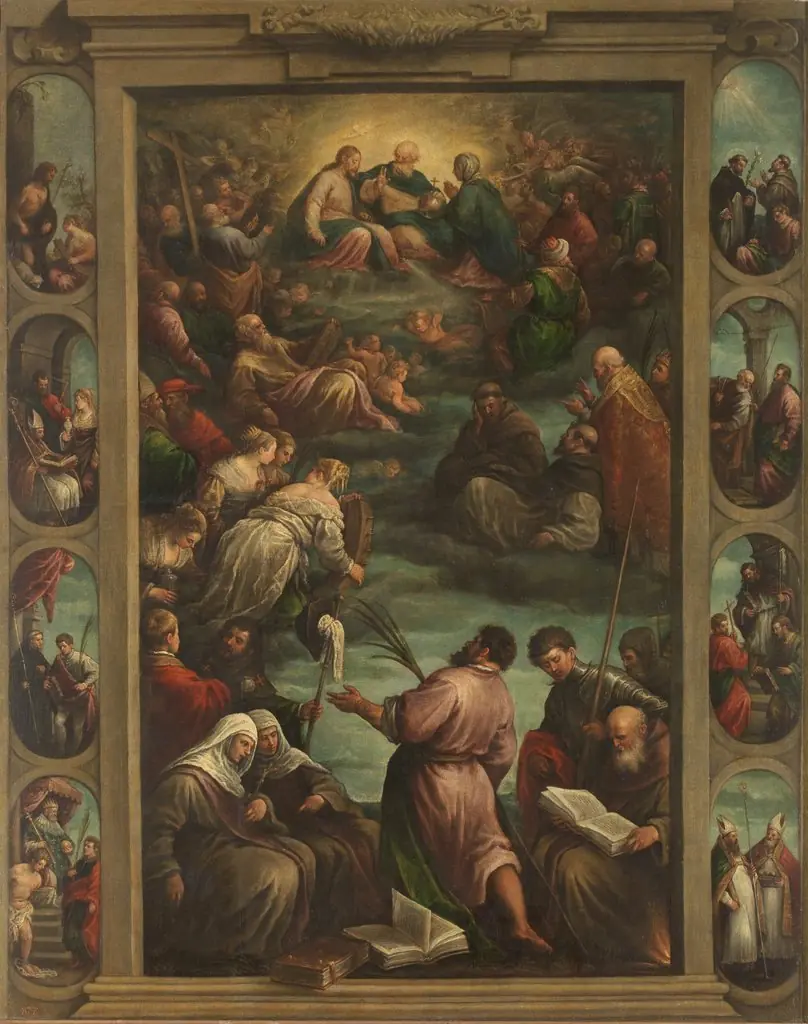 Virgin in Heaven
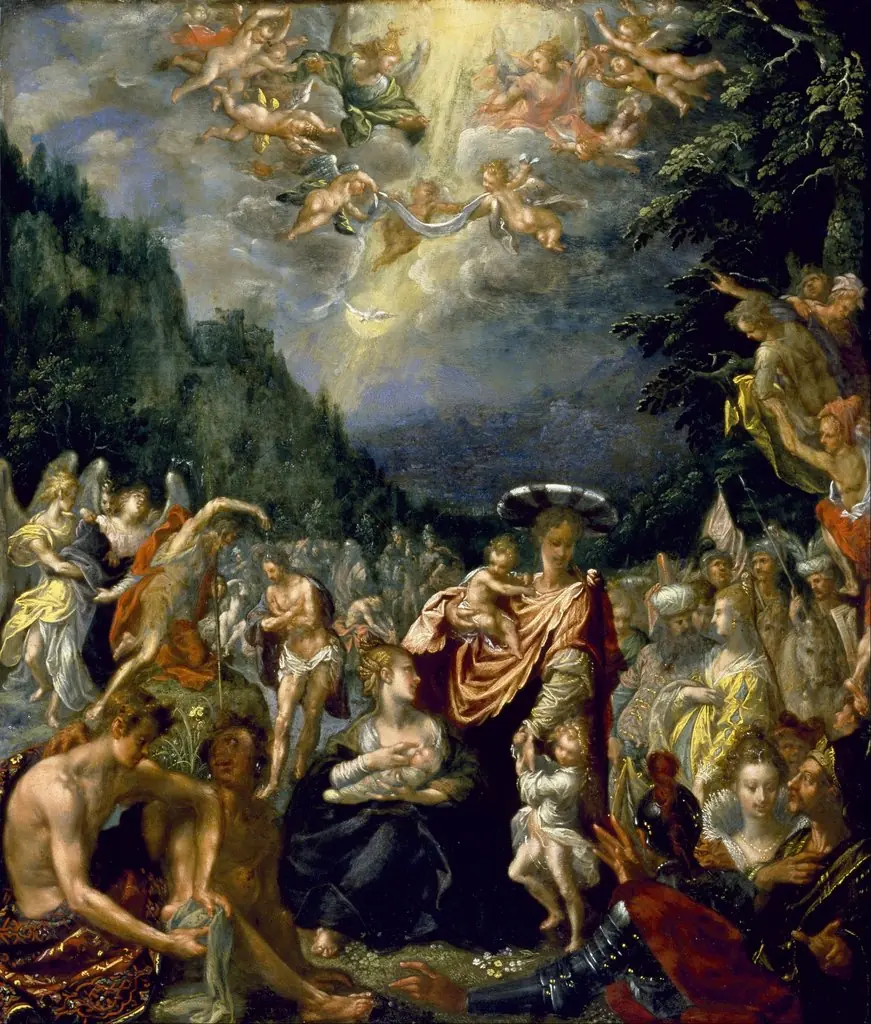 The Baptism of Christ
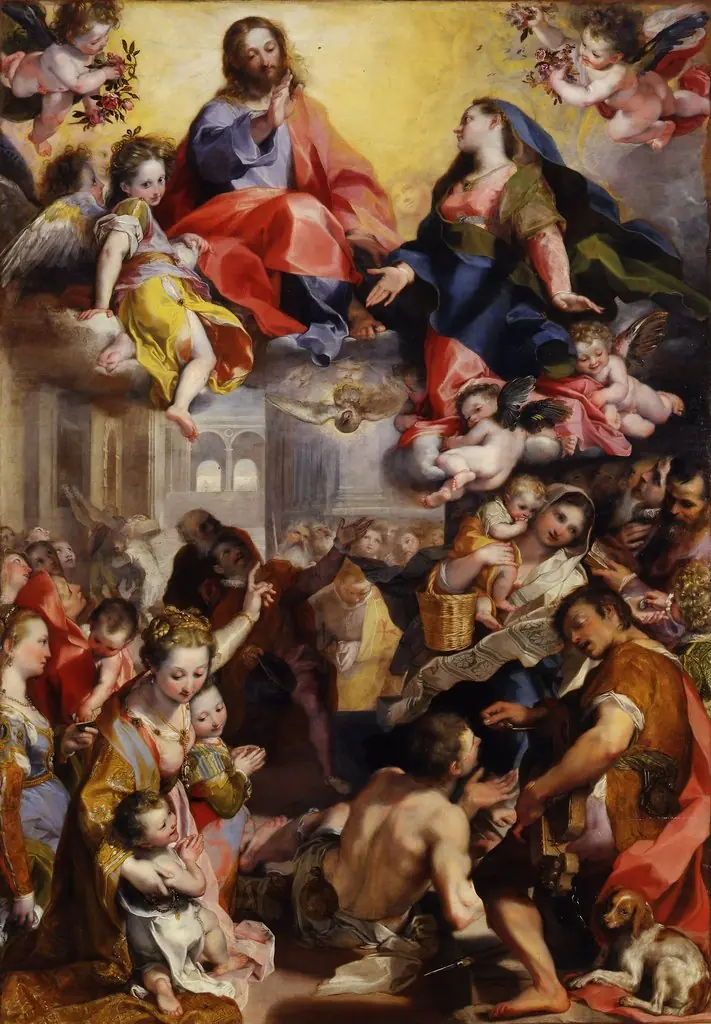 Madonna of the people
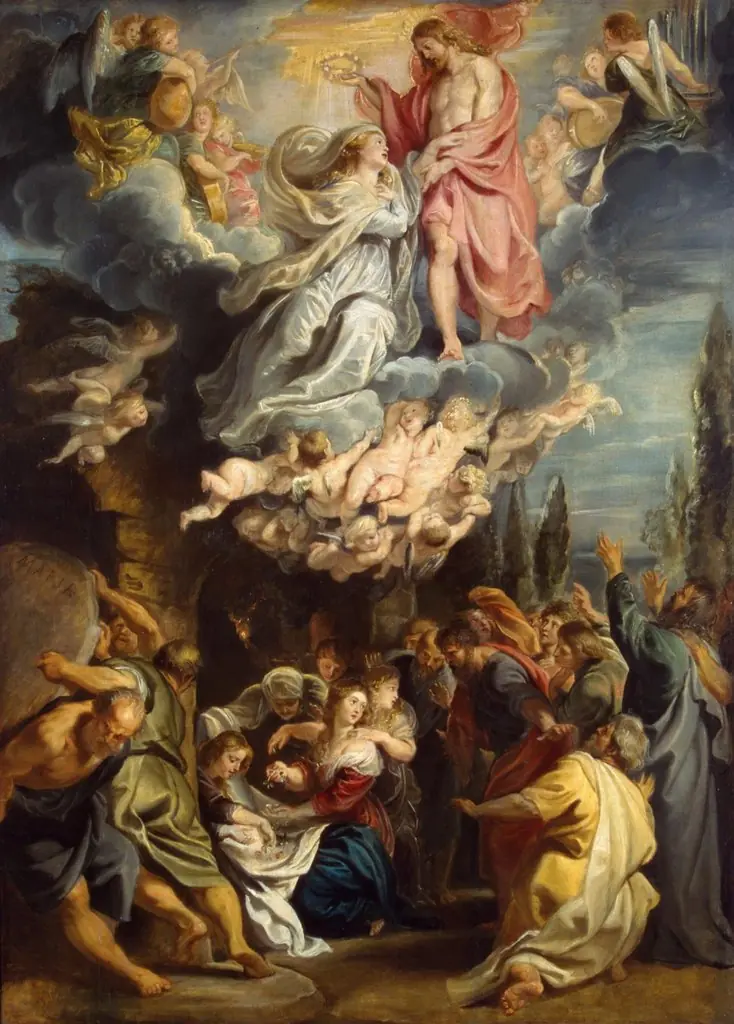 Coronation and Assumption of the Virgin
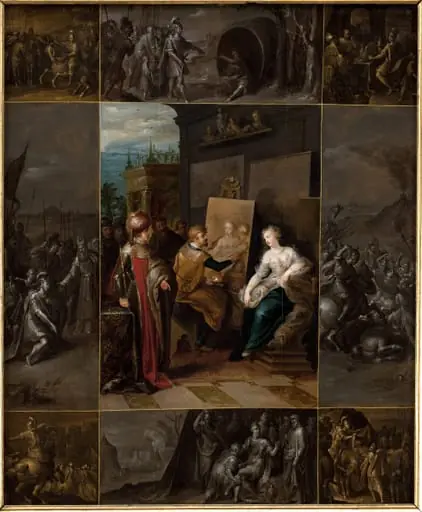 Apelles Painting Campaspe
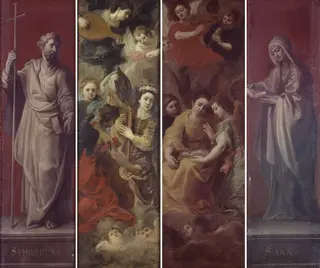 Concert of Angels
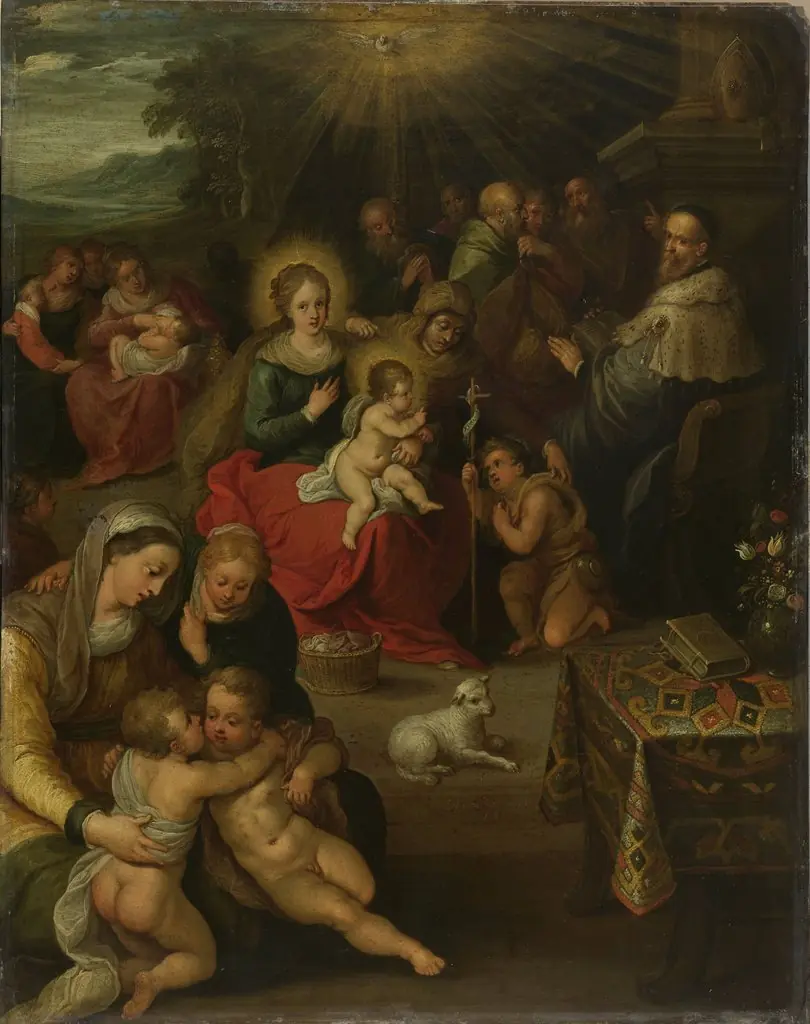 Allegory on the Christ child as the lamb of God
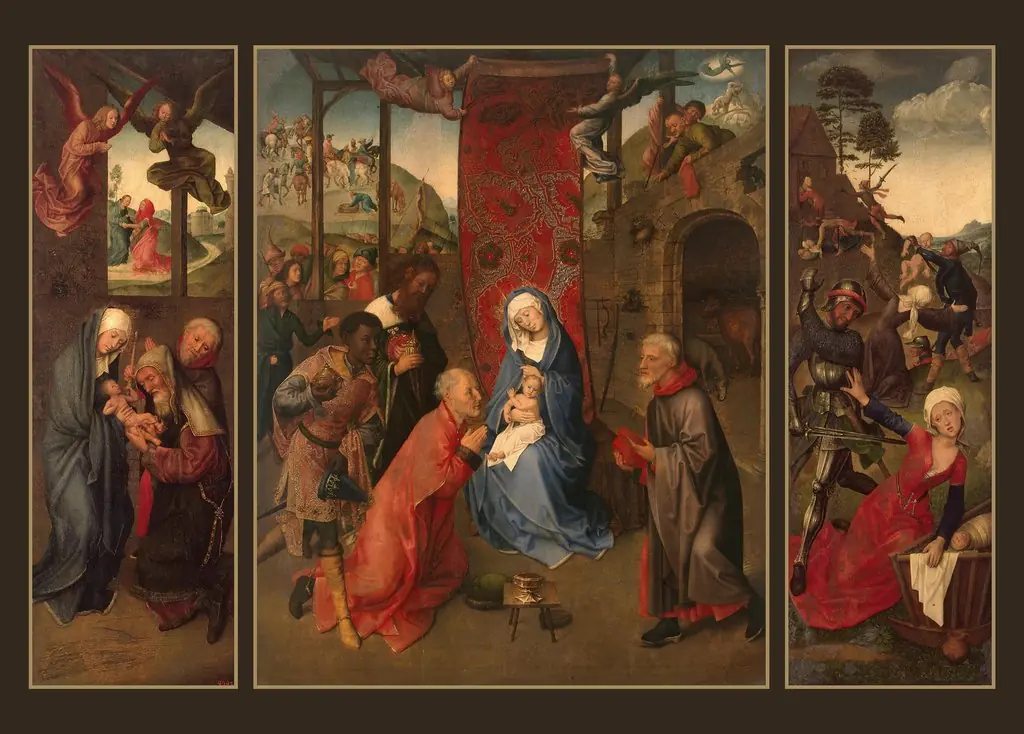 Adoration of the Magi (Triptych)
 The Birth of the Virgin
 Neptun und Amphitrite