Artwork
Venus and Cupid
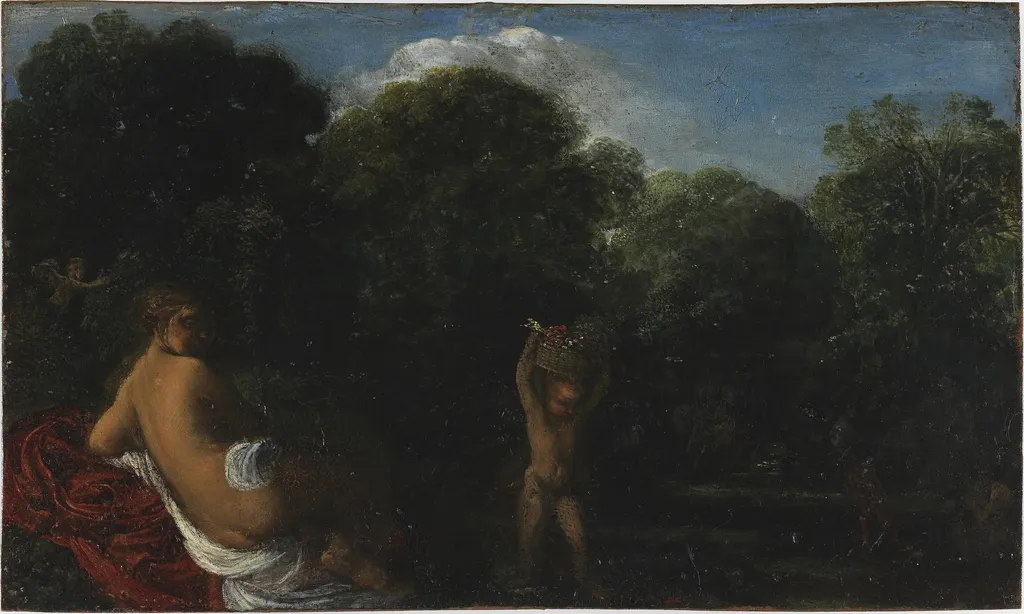
Venus and Cupid is an oil painting by Adam Elsheimer. It dates from 1600 and is held in the collection of the Fitzwilliam Museum. Created around 1600, this small copper painting presents a mythological pair, traditionally identified as Venus and her son Cupid.
About this work
Overview
Created around 1600, this small copper painting presents a mythological pair, traditionally identified as Venus and her son Cupid. The composition places the seated female figure on the left, draped in a white cloth, while the nude boy stands to the right, lifting a basket of flowers. A tranquil landscape of trees beneath a blue sky frames the scene, giving the work a calm, intimate atmosphere.
Subject & Meaning
The figures evoke the classical narrative of love and beauty, with Venus embodying idealized femininity and Cupid symbolizing desire. Their poised yet informal interaction, Venus glancing over her shoulder and Cupid in motion, suggests a private, domestic moment rather than a grand mythic tableau, emphasizing personal affection over heroic drama.
Technique & Style
Executed in oil on copper, the painting showcases the artist’s meticulous handling of fine detail and luminous surface. The copper substrate contributes to a smooth finish and enhances the subtle gradations of light, allowing the delicate rendering of flesh tones and the atmospheric depth of the surrounding landscape.
History & Provenance
The work originates from a German painter who spent his career in Rome during the early Baroque, a period marked by heightened naturalism and chiaroscuro. Though his output was limited, his approach to light and small-scale compositions influenced peers such as Rembrandt and Rubens, securing his reputation among contemporaries.
Context
In the early seventeenth century, copper panels were favored for cabinet paintings intended for private collections. This medium permitted intricate brushwork and a glossy finish, aligning with the period’s interest in intimate, highly finished mythological scenes that could be displayed in domestic settings.
Legacy
The artist’s nuanced treatment of light and landscape within a compact format contributed to evolving Baroque aesthetics. Later painters adopted similar techniques for their own small-scale mythological works, echoing the balance of narrative intimacy and technical precision first demonstrated here.
Own this work as a print
Artist & collection
Artist
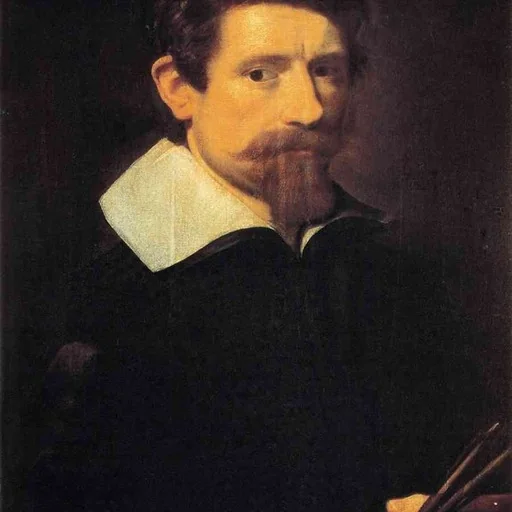
Adam Elsheimer (18 March 1578 – 11 December 1610) was a German Baroque painter who worked in Rome.



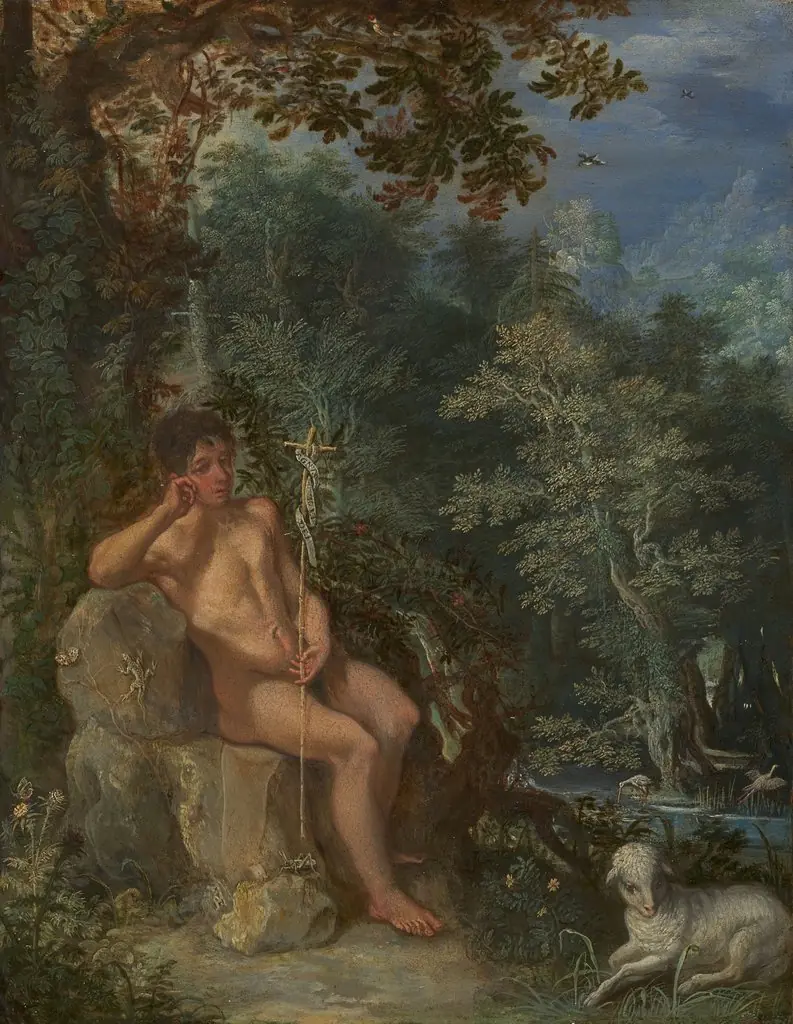
- Landskap med Maria Magdalena
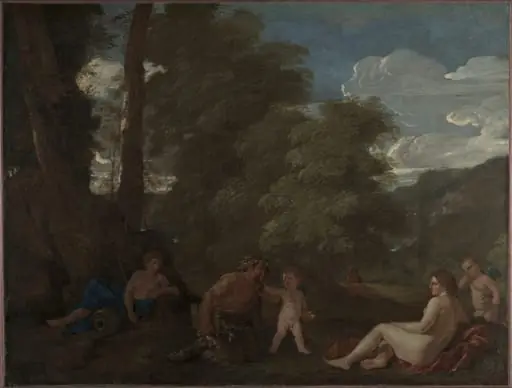 Nymphs and a Satyr (Amor Vincit Omnia)
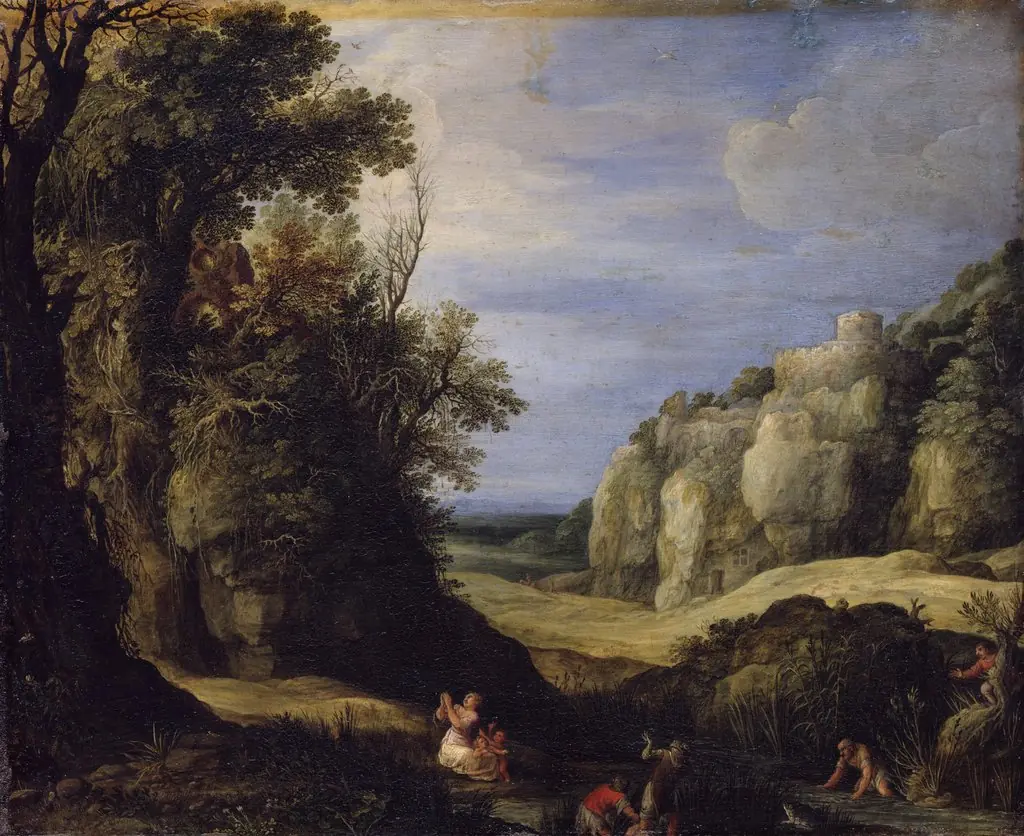 Landscape with Latona and the Lycian Peasants
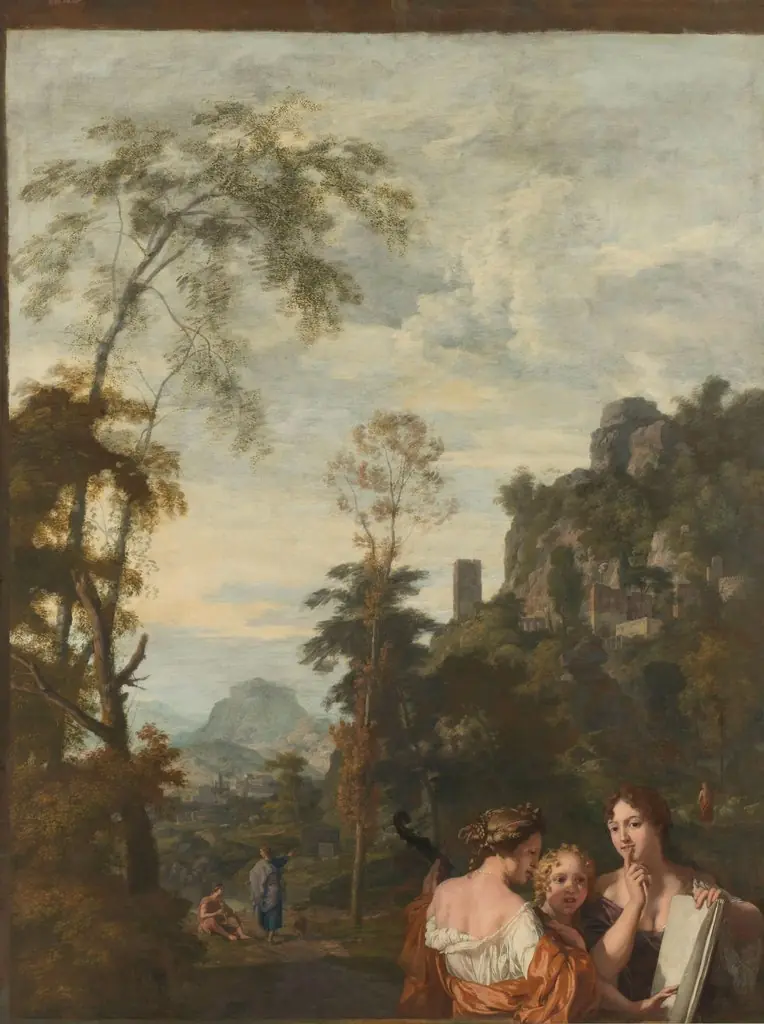 Italian landscape with three women making music
 Landschaft
 An antique rural scene
 Nymphs and a Satyr (Amor Vincit Omnia)
 A Bathing Nymph Taken by Surprise by a Satyr
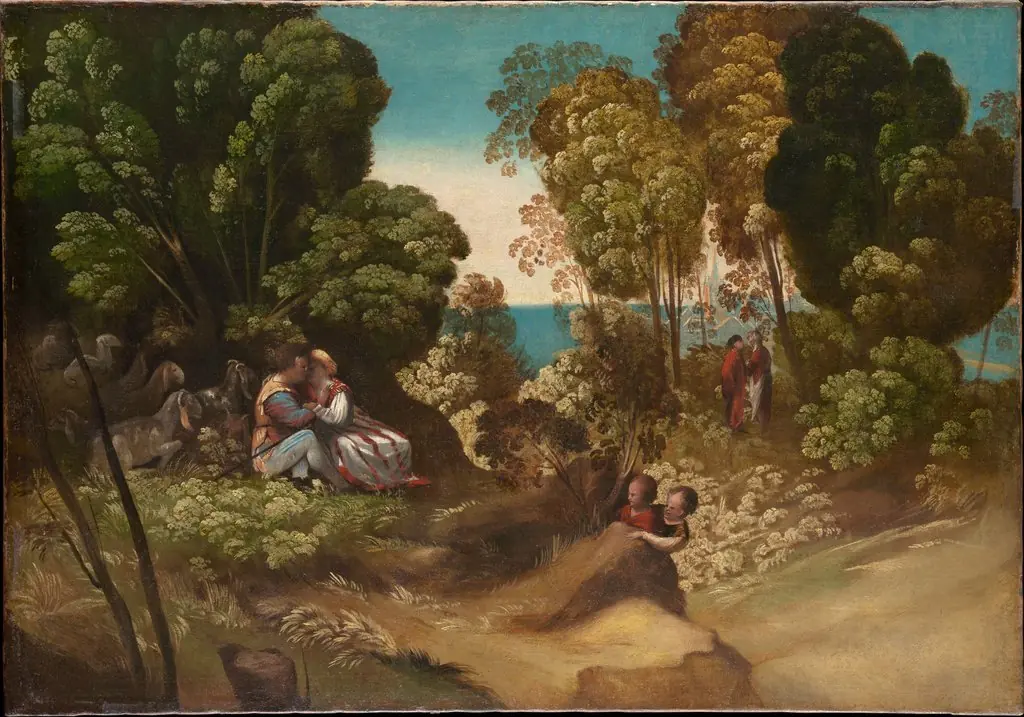 The Three Ages of Man
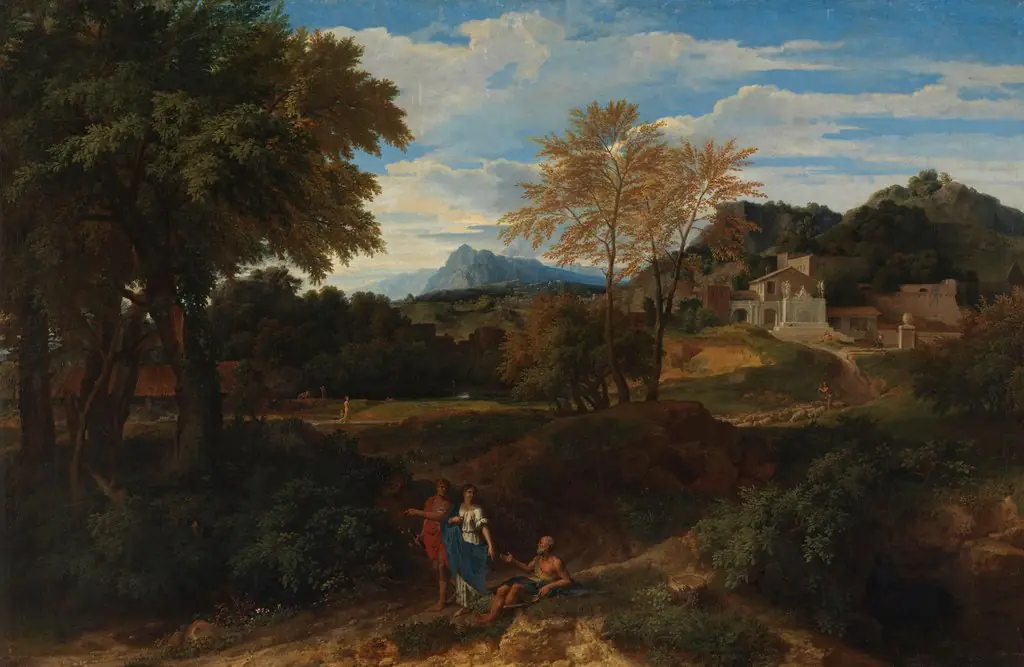 Klassische Landschaft
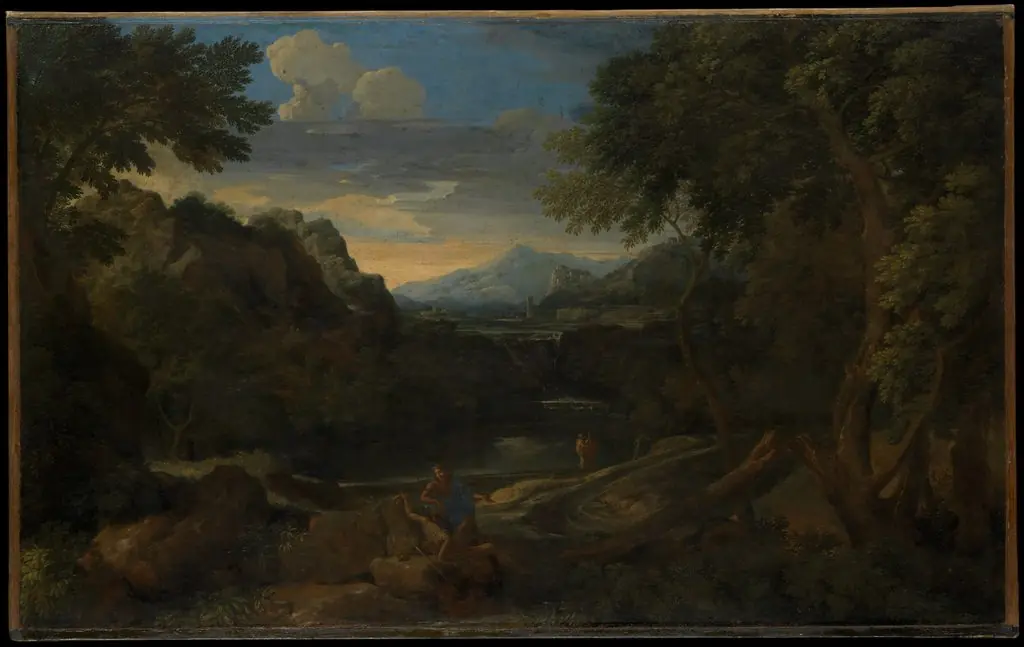 Imaginary Landscape
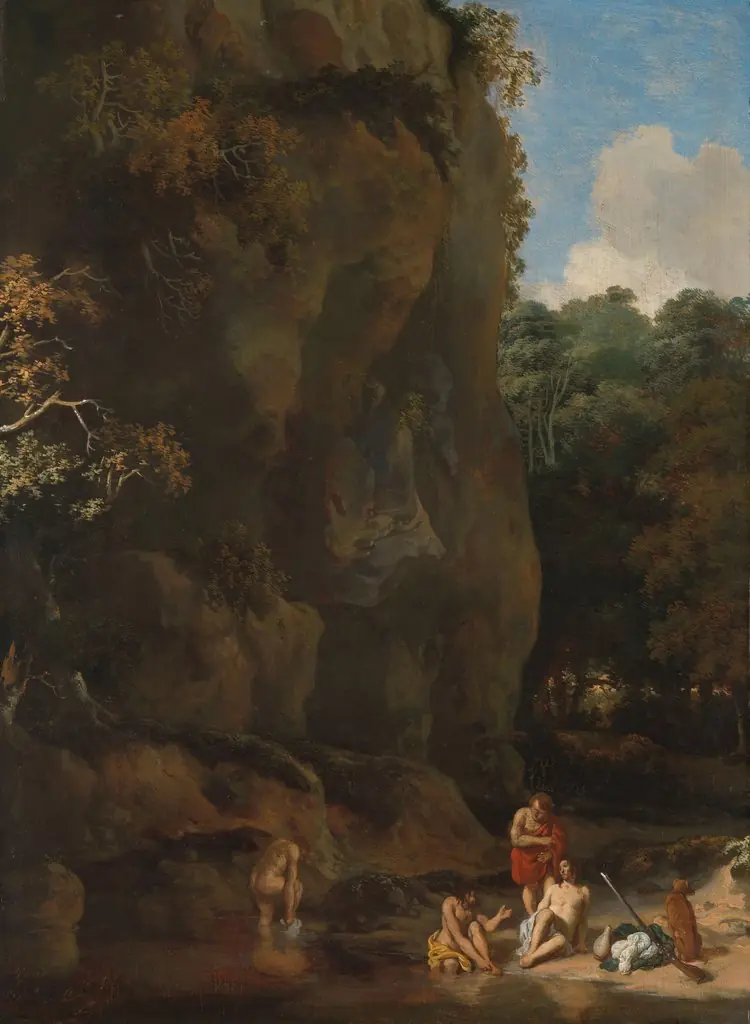 Men bathing