Artwork
A male donor
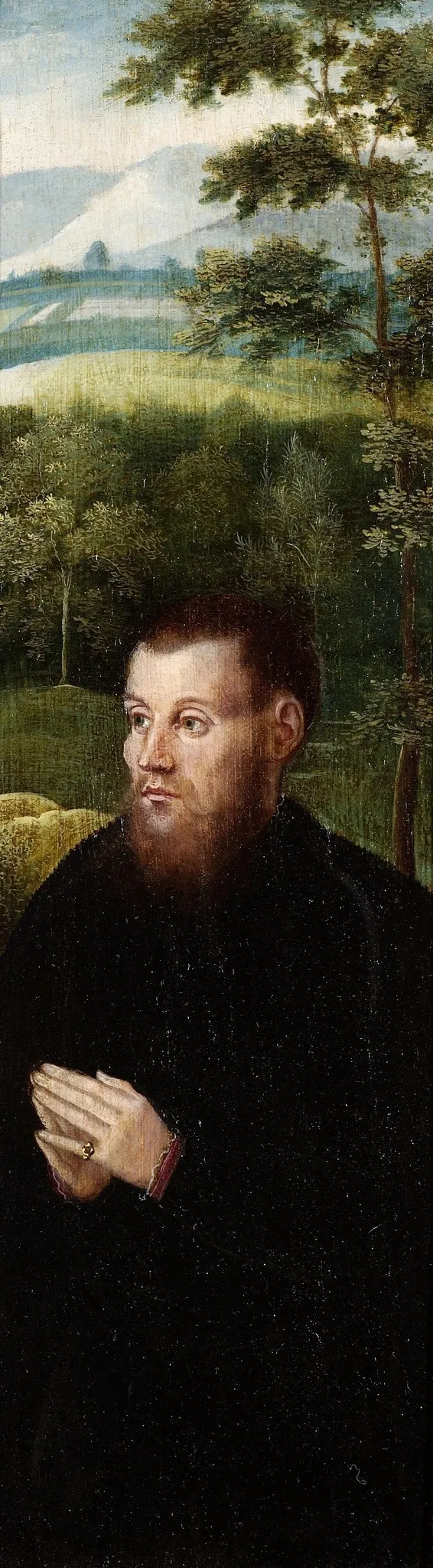
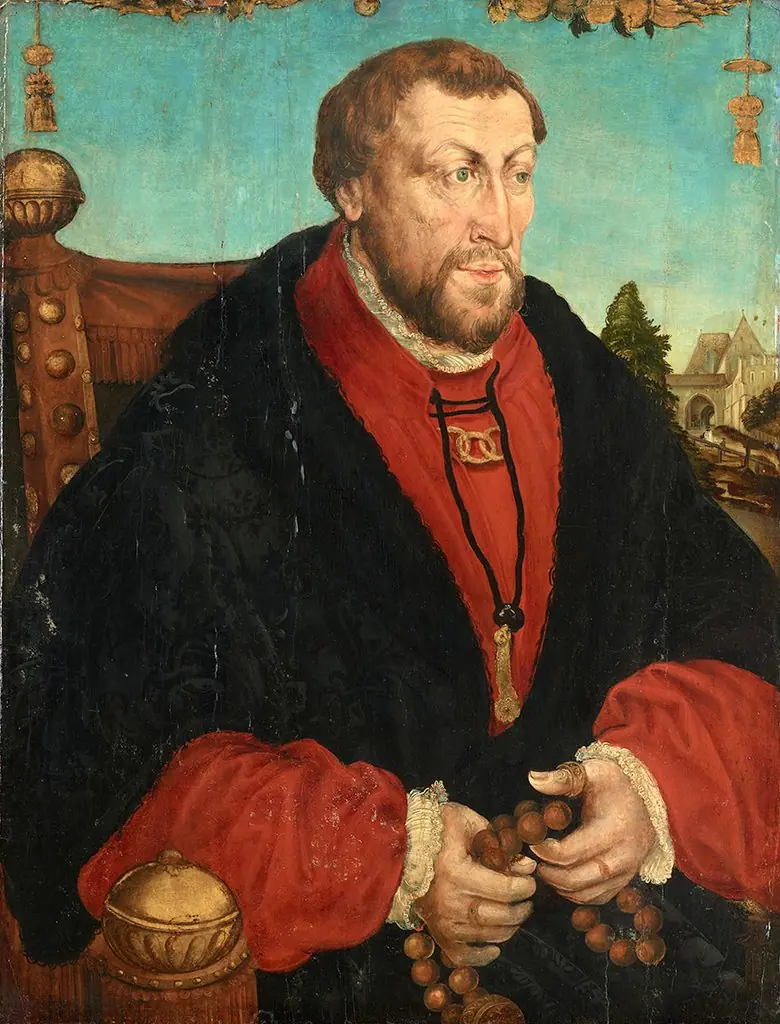
A male donor is an oil painting by the Northern Renaissance artist Adriaen Isenbrandt. It dates from 1530 and is held in the collection of the Fitzwilliam Museum.
About this work
Overview
Painted around 1530, this oil portrait by Adriaen Isenbrandt captures a male donor in quiet contemplation.
Painted around 1530, this oil portrait by Adriaen Isenbrandt captures a male donor in quiet contemplation. Active in Bruges during a period of stylistic transition, Isenbrandt operated a busy workshop producing devotional imagery with a restrained, traditional approach. Though few of his works survive with clear documentation, this piece exemplifies his skill in integrating portraiture with spiritual atmosphere, characteristic of early 16th-century Flemish art.
Subject & Meaning
The figure is portrayed as a private individual of probable social standing, engaged in personal devotion. His dark attire and clasped hands suggest piety, while his gaze, directed away from the viewer, implies inward reflection rather than public display. The inclusion of a tranquil landscape behind him may symbolize divine order or the soul’s inner peace, aligning with contemporary devotional practices that linked earthly stillness with spiritual contemplation.
Technique & Style
Isenbrandt employed oil paint with subtle gradations to model the donor’s face and robe, using chiaroscuro to create volume and depth. The muted palette, dominated by somber blacks and soft earth tones, enhances the painting’s introspective mood. The landscape background, rendered with delicate detail and atmospheric perspective, avoids dramatic flair, instead supporting the figure’s quiet presence through harmonious, unobtrusive composition.
History & Provenance
The painting has been held by the Fitzwilliam Museum since at least the 19th century, though its earlier ownership remains undocumented. As with many works from Isenbrandt’s workshop, its precise commission and original context are unclear. Its survival reflects its enduring value as an example of regional portraiture, preserved through institutional care rather than aristocratic lineage.
Context
In early 16th-century Flanders, donor portraits often appeared in altarpieces or private devotional panels. This standalone image reflects a growing trend toward individualized piety outside ecclesiastical settings. While Italian Renaissance ideals were spreading, Isenbrandt’s style remained rooted in Netherlandish traditions, emphasizing detail, quiet emotion, and spiritual reserve over idealized form or grandeur.
Legacy
Though Isenbrandt’s name faded after his death, his workshop’s output influenced regional portraiture well into the 1540s. This painting, like others from his studio, preserves a quiet, intimate mode of religious expression that contrasts with the more theatrical styles emerging elsewhere in Europe. It stands as a testament to the enduring appeal of understated devotion in Flemish art.
Artist & collection
Artist
Adriaen Isenbrandt or Adriaen Ysenbrandt (between 1480 and 1490 – July 1551) was a painter in Bruges, in the final years of Early Netherlandish painting, and the first of the Dutch and Flemish Renaissance painting of the Northern…

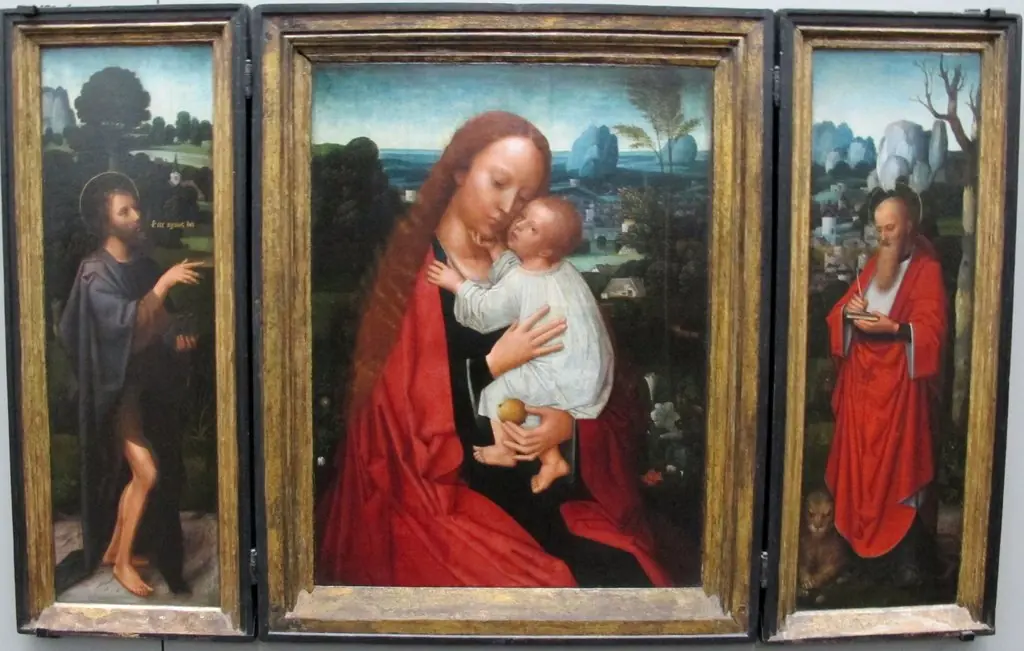
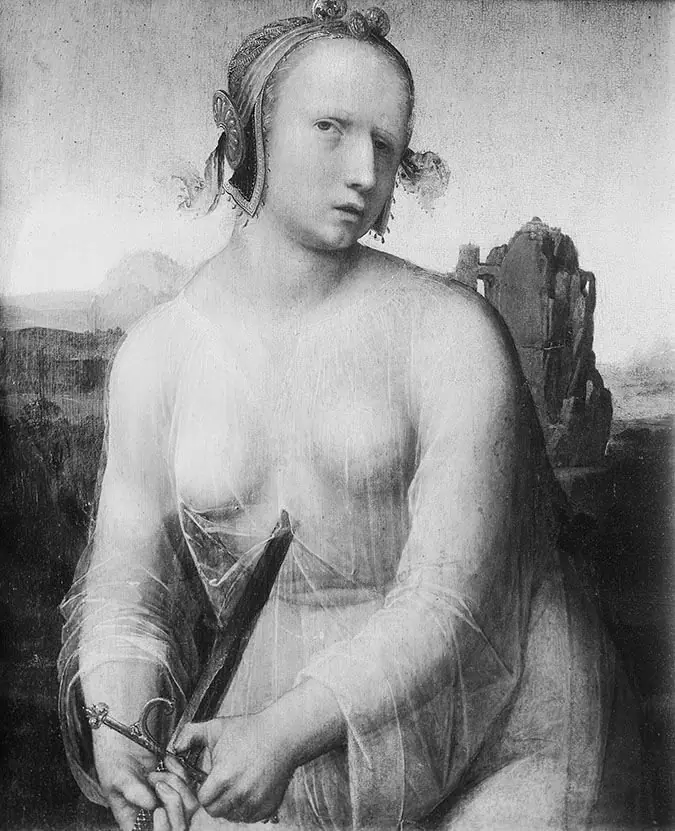
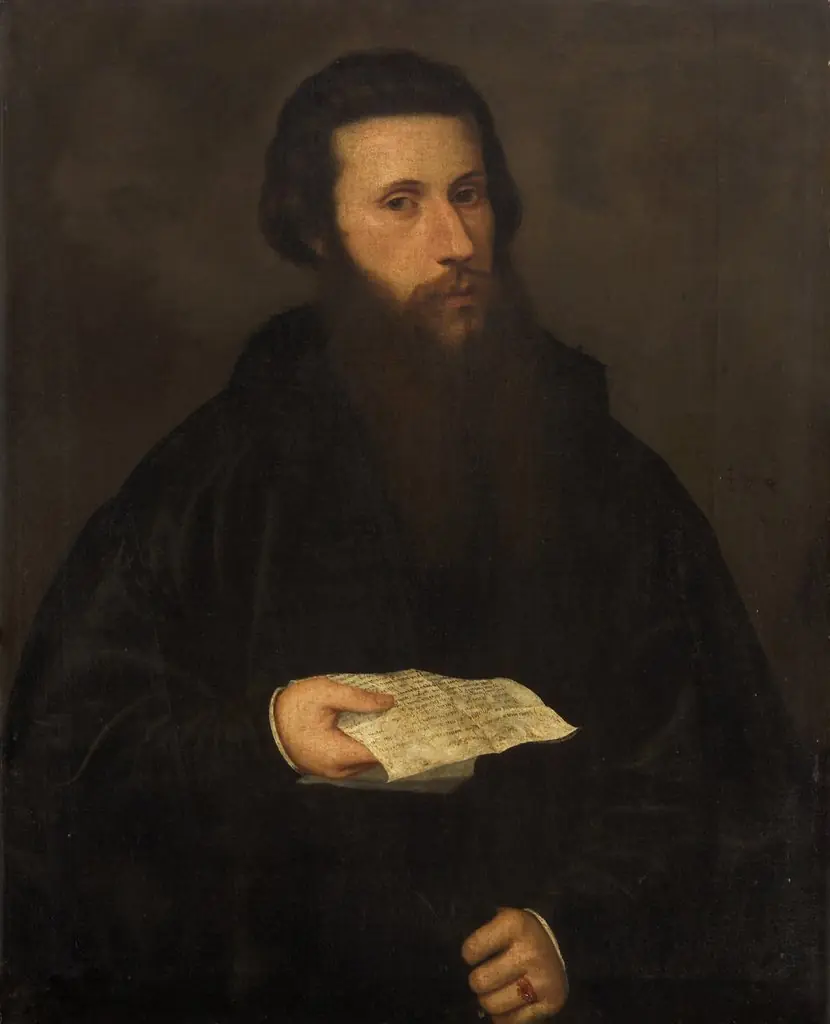
- Portrait of a Man with a Letter
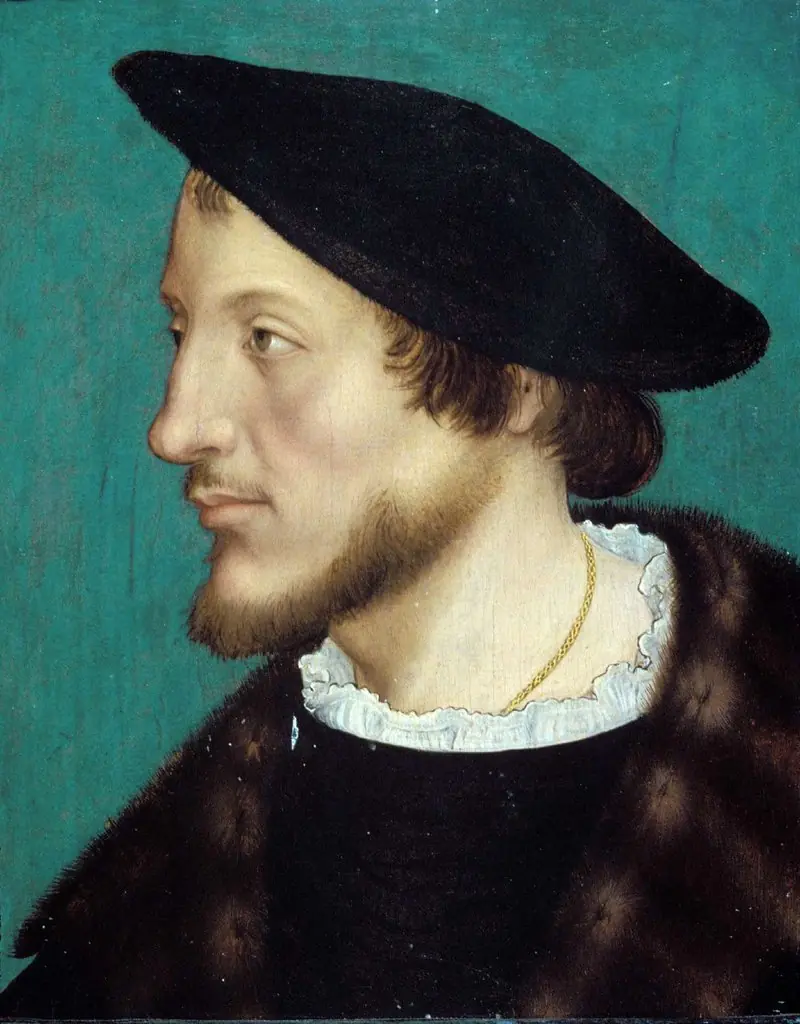 Young Man
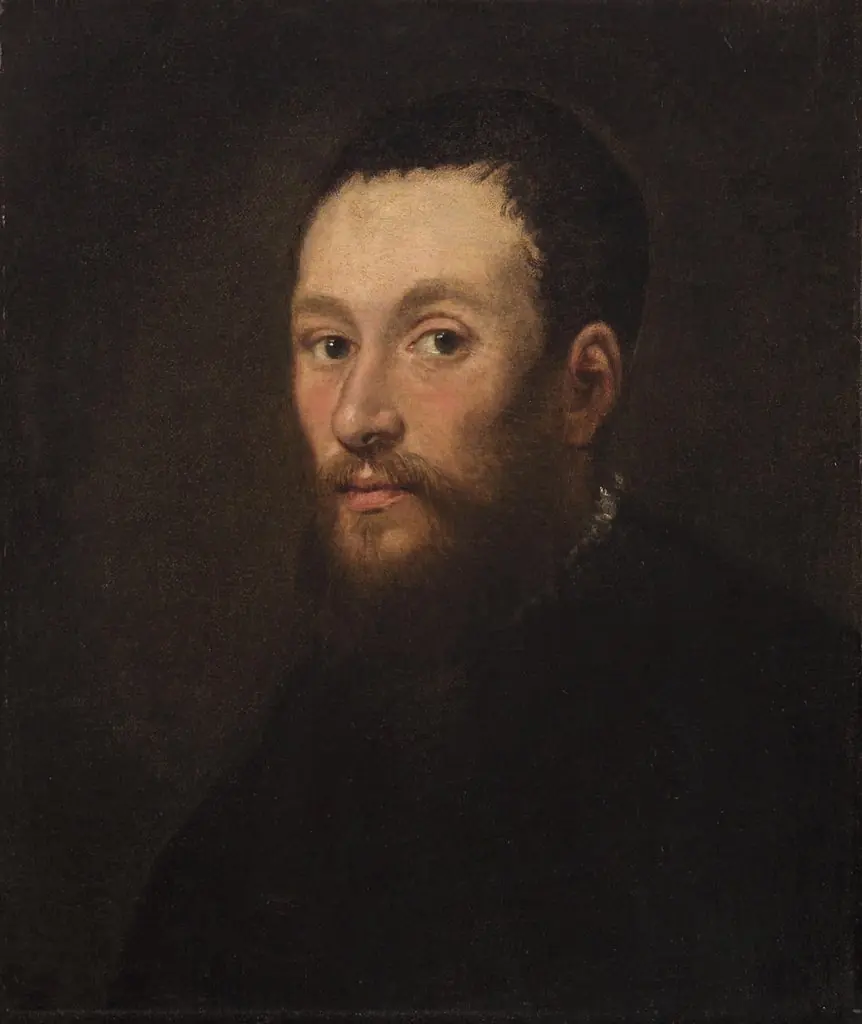 Bildnis eines jungen bärtigen Mannes
 Männliches Bildnis
 Bărbat cu barbă brună
 Brustbild eines Geistlichen
 Portrait of a Man
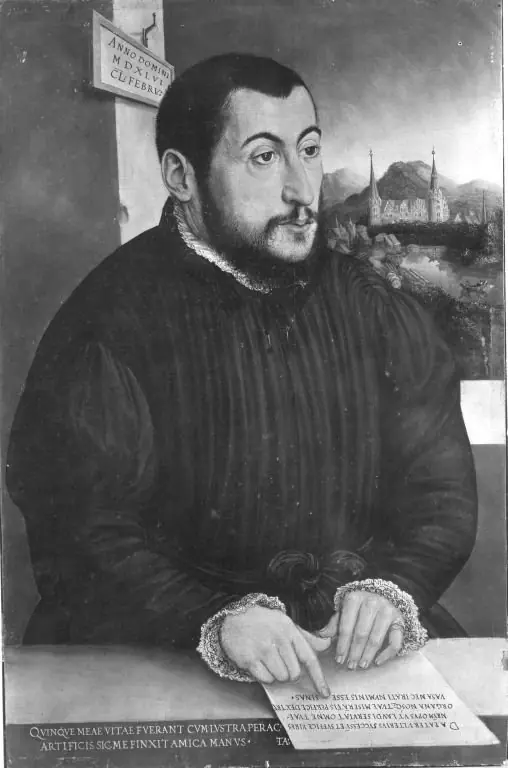 Portrait of Peter Canisius
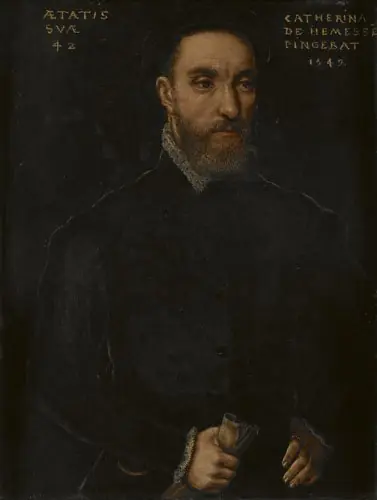 Portrait of a 42-year-old Man
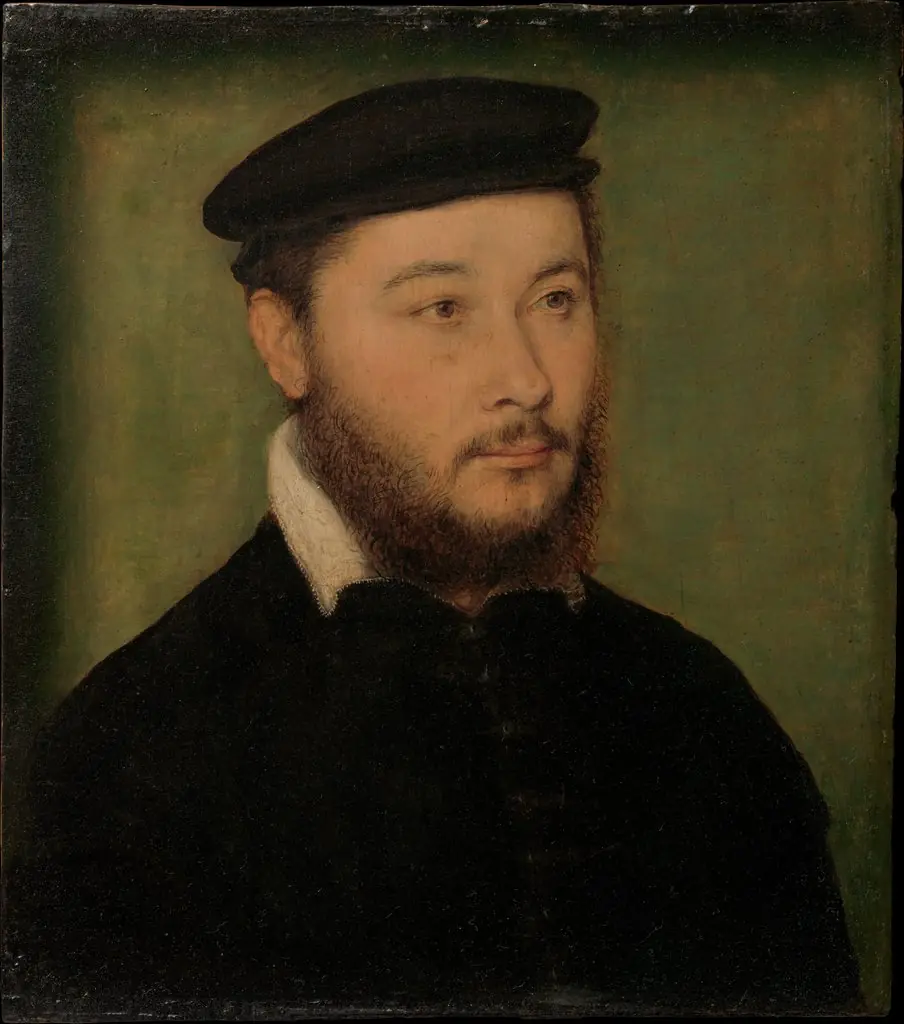 Portrait of a Man
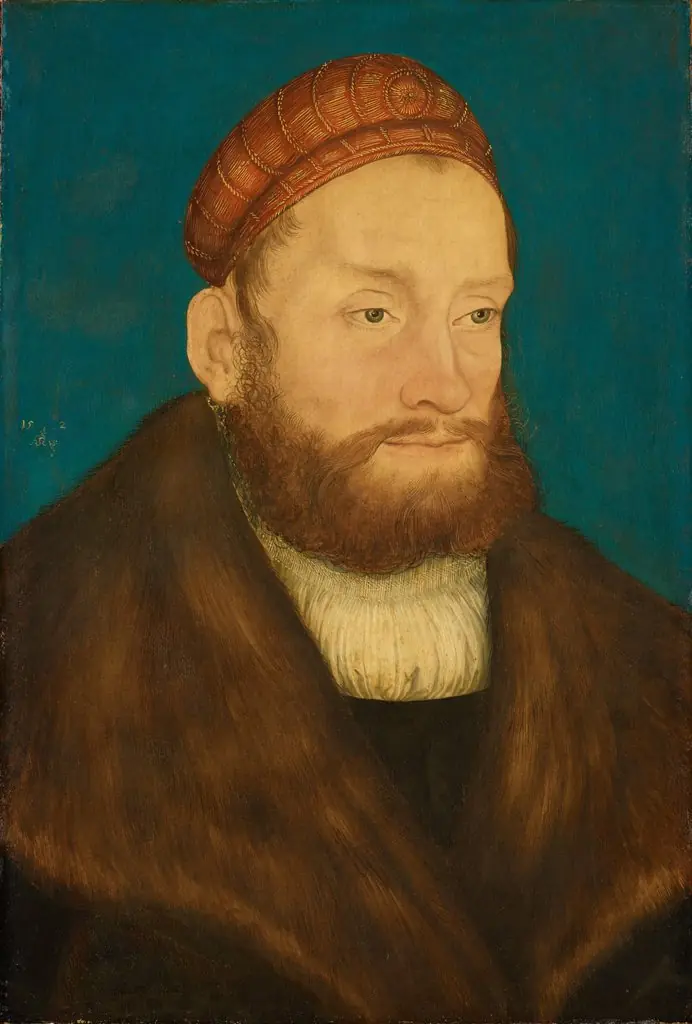 Portrait Margrave Casimir of Brandenburg-Kulmbach
 Pfalzgraf Wolfgang (1494-1558)