Artwork
The Suicide of Lucretia
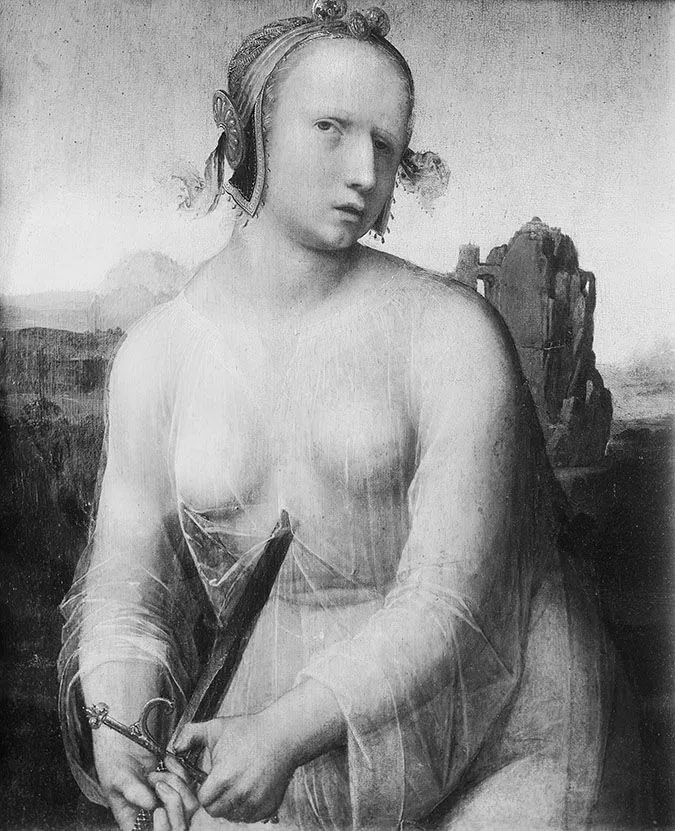
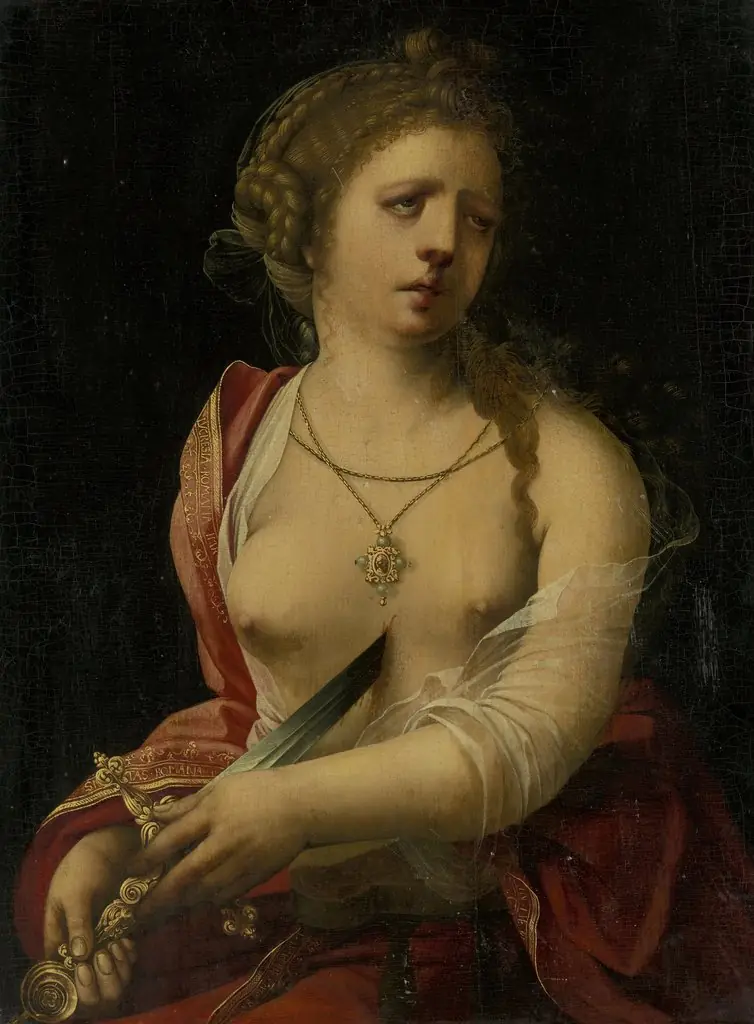
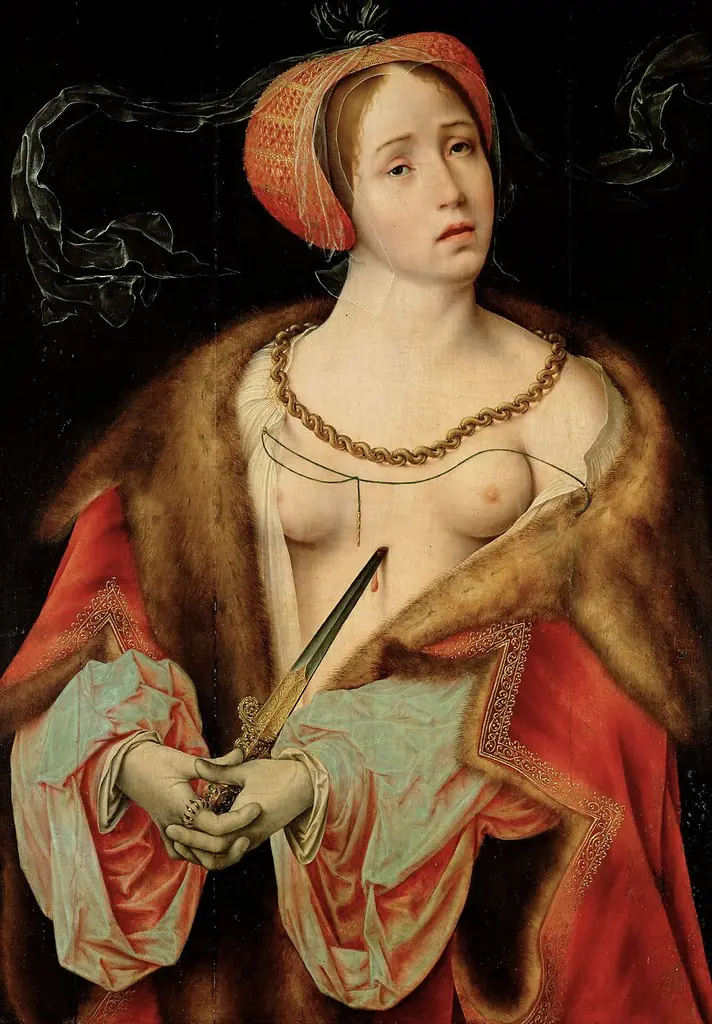
The Suicide of Lucretia is an oil painting by the Northern Renaissance artist Adriaen Isenbrandt. It dates from 1515 and is held in the collection of the Bavarian State Painting Collections.
About this work
Subject & Meaning
The painting portrays the tragic suicide of Lucretia, a Roman noblewoman whose rape by Tarquin triggered the overthrow of the monarchy.
The painting portrays the tragic suicide of Lucretia, a Roman noblewoman whose rape by Tarquin triggered the overthrow of the monarchy. Lucretia’s self‑inflicted wound symbolizes violated honor and the moral imperative to resist tyranny, a theme common in early sixteenth‑century history painting. Isenbrandt emphasizes her anguished expression and the stark chiaroscuro to heighten the emotional weight of the act, reflecting contemporary concerns about virtue and justice.
Technique & Style
Adriaen Isenbrandt executed The Suicide of Lucretia in 1515 using oil paint applied to an oak panel support. The work measures 42.9 cm in height and 35.3 cm in width. Classified as a history painting, the piece depicts the narrative of Lucretia's suicide with the formal characteristics typical of the artist's early 16th-century output.
History & Provenance
Adriaen Isenbrandt executed The Suicide of Lucretia in 1515. The work is an oil painting created on an oak panel, measuring 42.9 cm in height and 35.3 cm in width. It depicts the historical figure Lucretia committing suicide, a subject categorized within the history painting genre.
The artwork is currently held in the collection of the Bavarian State Painting Collections, where it is housed at the Alte Pinakothek.
The Suicide of Lucretia by Adriaen Isenbrandt is held by the Bavarian State Painting Collections and is located at the Alte Pinakothek. The painting, executed in oil on an oak panel, dates to 1515 and measures 42.9 cm in height by 35.3 cm in width.
No specific inventory or accession number is recorded in the available sources, and no exhibition history is documented.
Overview
Adriaen Isenbrandt, a Bruges‑based painter working at the cusp of the Early Netherlandish and Northern Renaissance periods, completed the oil painting The Suicide of Lucretia in 1515. The work, classified as a history painting, is presently held by the Alte Pinakothek in Munich.
Artist & collection
Artist
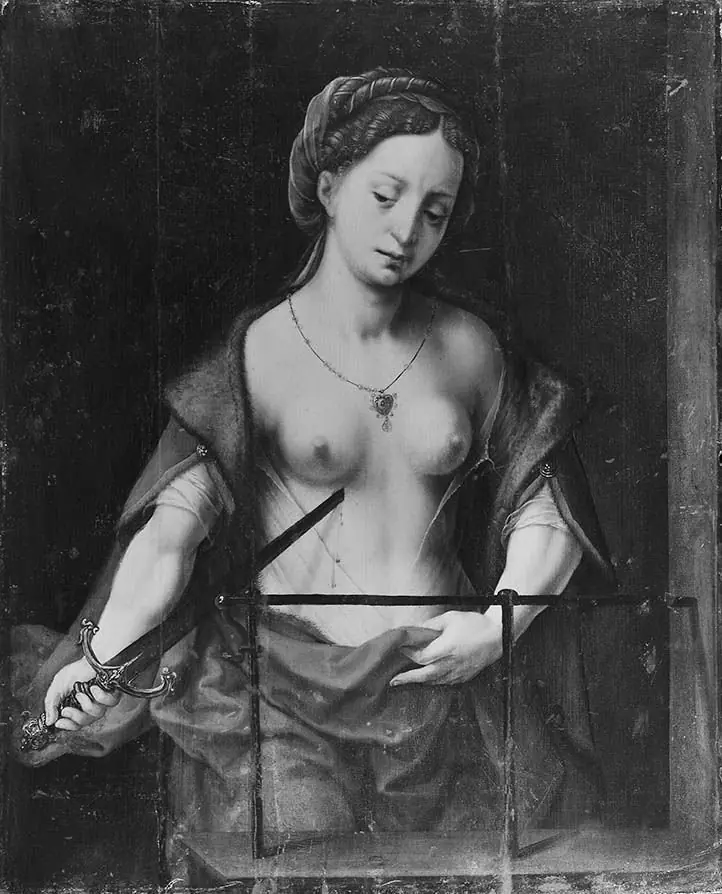
Adriaen Isenbrandt or Adriaen Ysenbrandt (between 1480 and 1490 – July 1551) was a painter in Bruges, in the final years of Early Netherlandish painting, and the first of the Dutch and Flemish Renaissance painting of the Northern…