Artwork
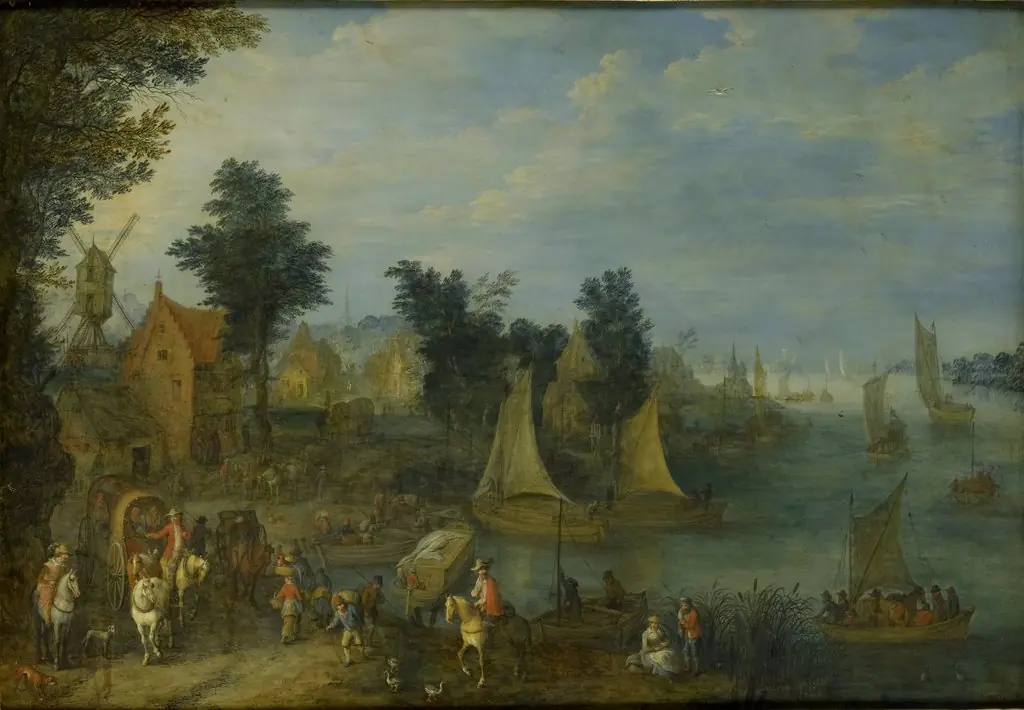
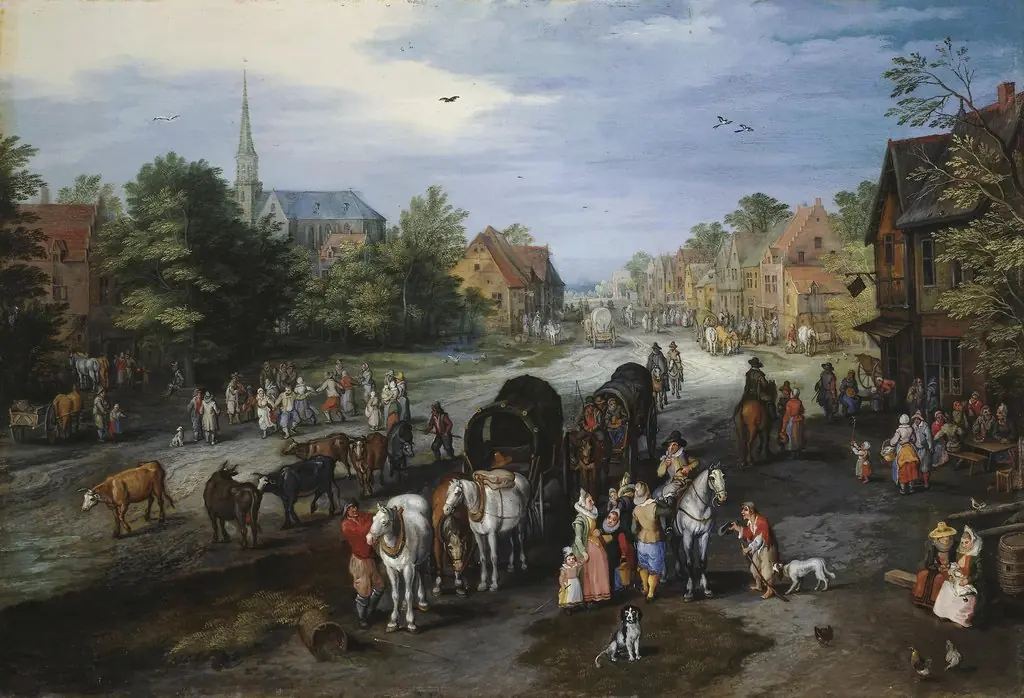
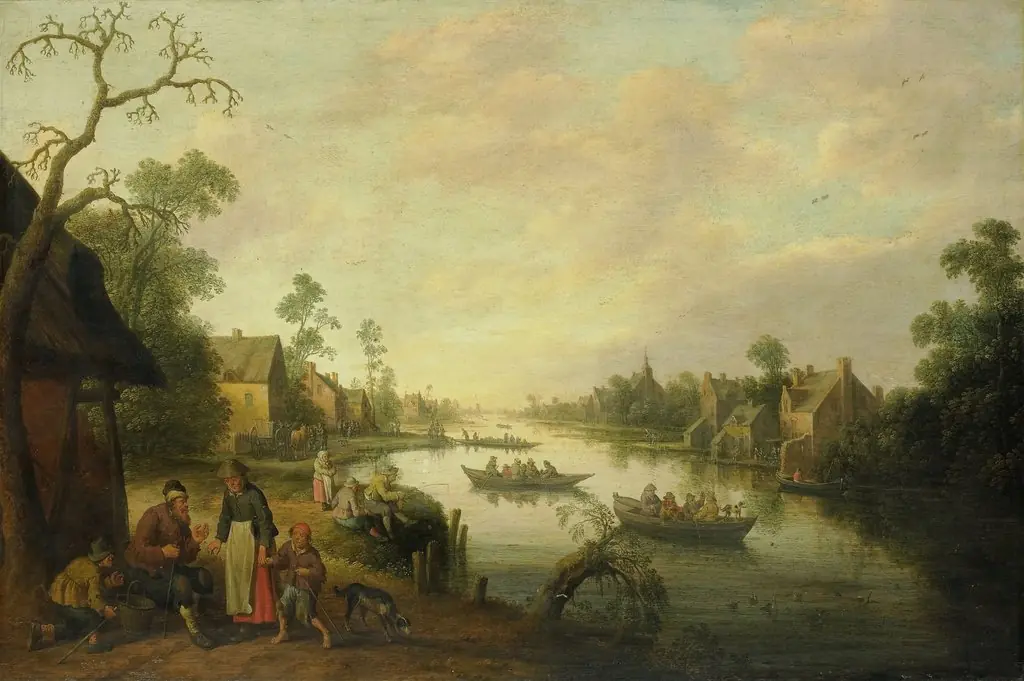
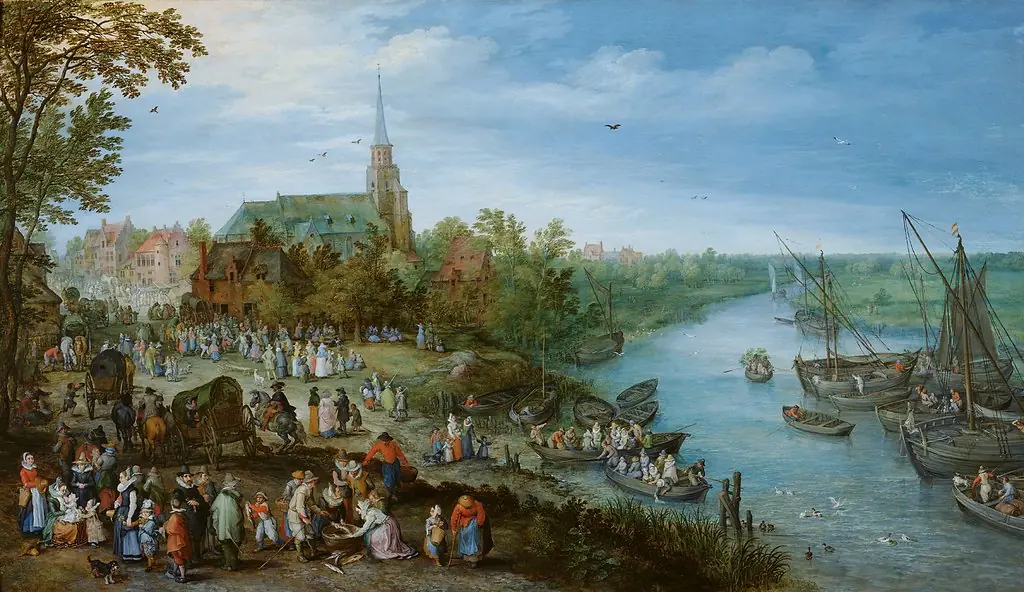
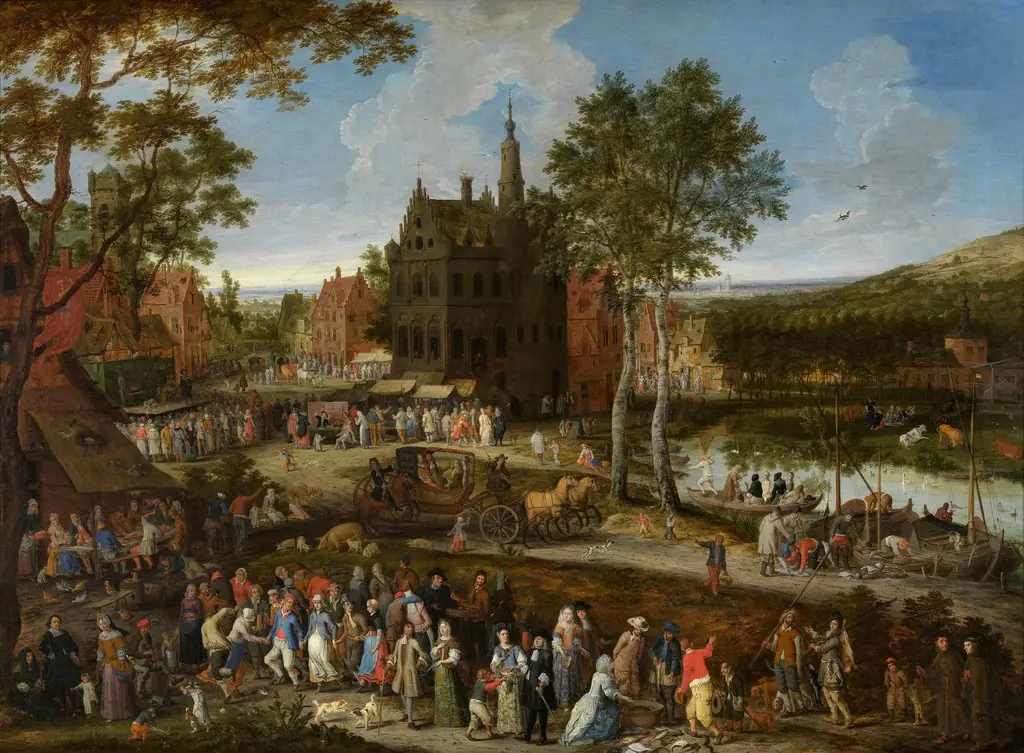
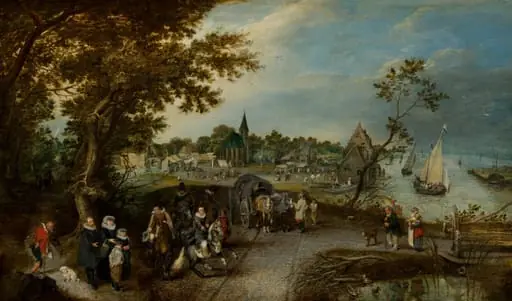
Landscape with figures and a village kermis
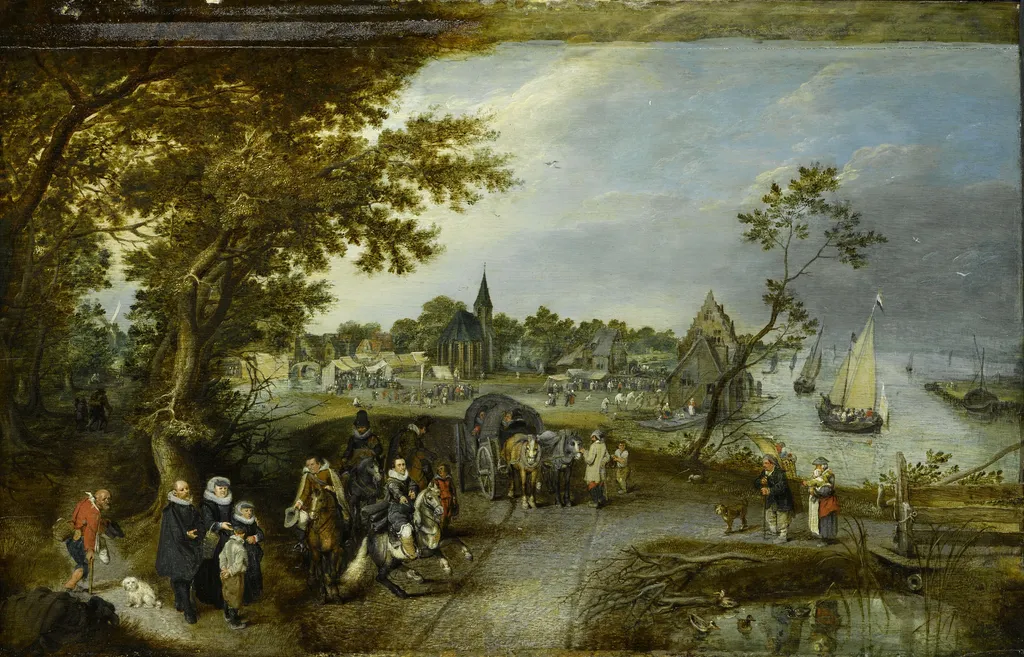
Landscape with figures and a village kermis is an oil painting by the Dutch Golden Age artist Adriaen van de Venne. It dates from 1615 and is held in the collection of the Rijksmuseum.
About this work
Technique & Style
No specific information regarding the painting's current condition, handling, or particular stylistic qualities is documented in the available sources.
Landscape with figures and a village kermis is executed in oil paint, a medium characteristic of Adriaen van de Venne's panel work of this period. The support is a wooden panel, on which the artist has rendered a landscape scene populated with figures engaged in a village kermis.
The relatively modest dimensions, 35 cm in height by 55 cm in width, indicate a small-scale cabinet picture, a format suited to detailed observation of genre activity within a landscape setting. The work is classified as a painting and falls within the landscape genre, consistent with van de Venne's broader output combining topographical elements with narrative peasant scenes.
No specific information regarding the painting's current condition, handling, or particular stylistic qualities is documented in the available sources.
History & Provenance
Landscape with figures and a village kermis was painted by Adriaen van de Venne in 1615, executed in oil paint on panel. The work is now held in the collection of the Rijksmuseum. Earlier in its ownership history, the painting was owned by Daniel Franken. No commission details, earlier provenance, or acquisition history are documented in the available sources.
Overview
Adriaen van de Venne, a Dutch Golden Age painter active across allegory, genre, and portraiture, produced this oil painting in 1615. The work belongs to the landscape tradition of early seventeenth-century Dutch art, a period marked by vigorous experimentation in depicting the natural world and everyday life. Van de Venne maintained a versatile practice that encompassed miniatures, book illustrations, and satirical designs, demonstrating an artistic range that extended well beyond conventional panel painting.
Subject & Meaning
The painting presents a bustling rural settlement beside a river, where villagers in period dress mingle, converse, and congregate around a horse-drawn cart. Tents and a church rise near the water's edge, while boats drift on the calm surface. The gathering constitutes a kermis, a traditional village festival that combined religious observance with communal celebration.
Such scenes offered artists opportunity to observe social interaction across different classes and activities within a single compositional field.
Own this work as a print
Artist & collection
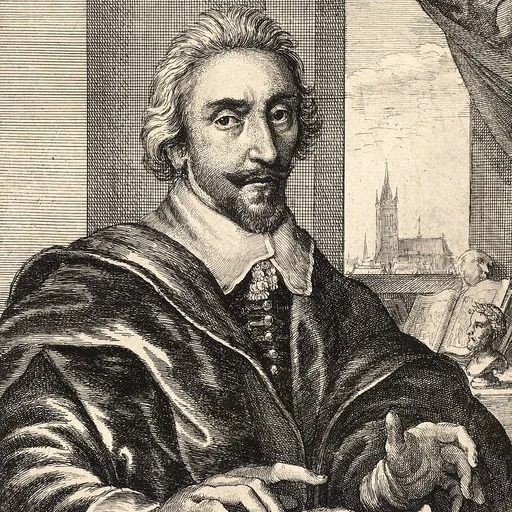
Artist
Adriaen Pietersz van de Venne (1589 – 12 November 1662), was a versatile Dutch Golden Age painter of allegories, genre subjects, and portraits, as well as a miniaturist, book illustrator, designer of political satires, and versifier.

- Untitled
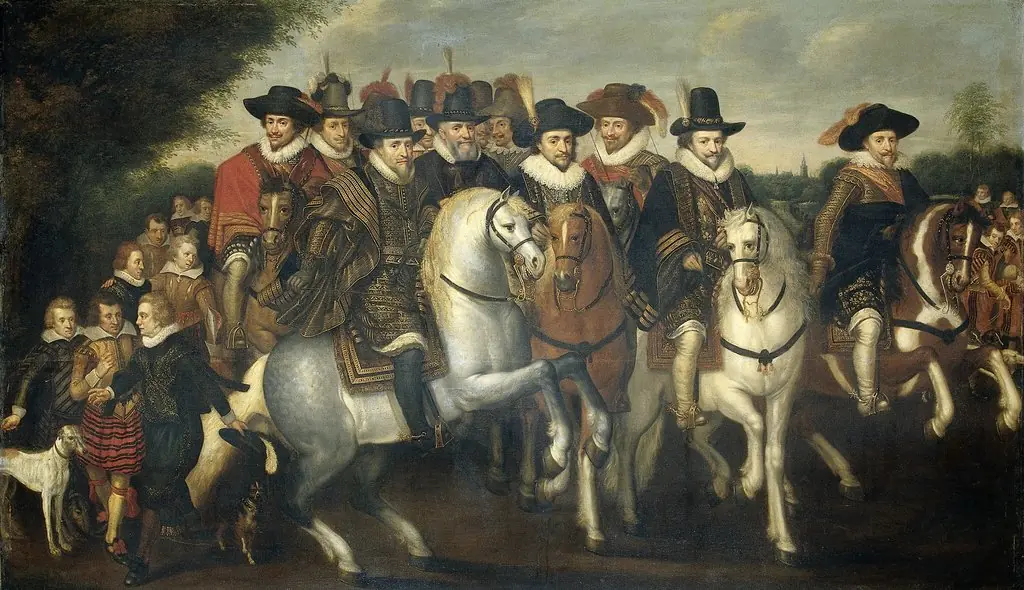 Prince Maurits accompanied by his two brothers, Frederick V, Elector of the Palatinate, and some counts of Nassau on horseback
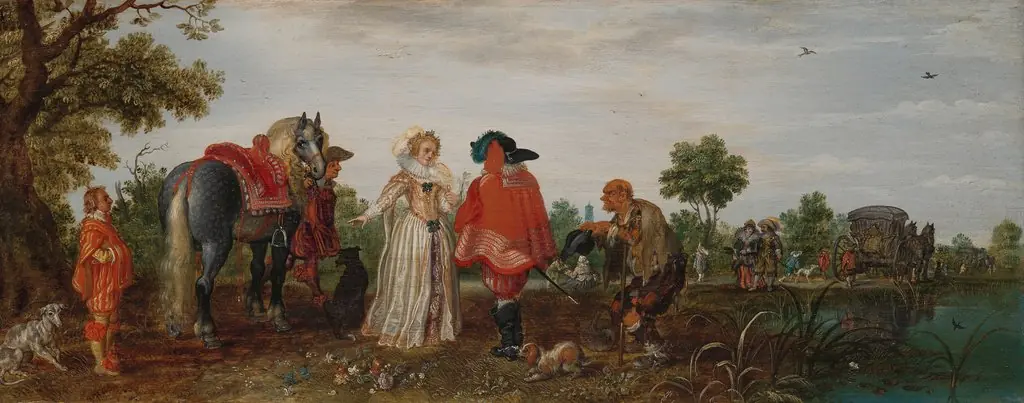 Spring
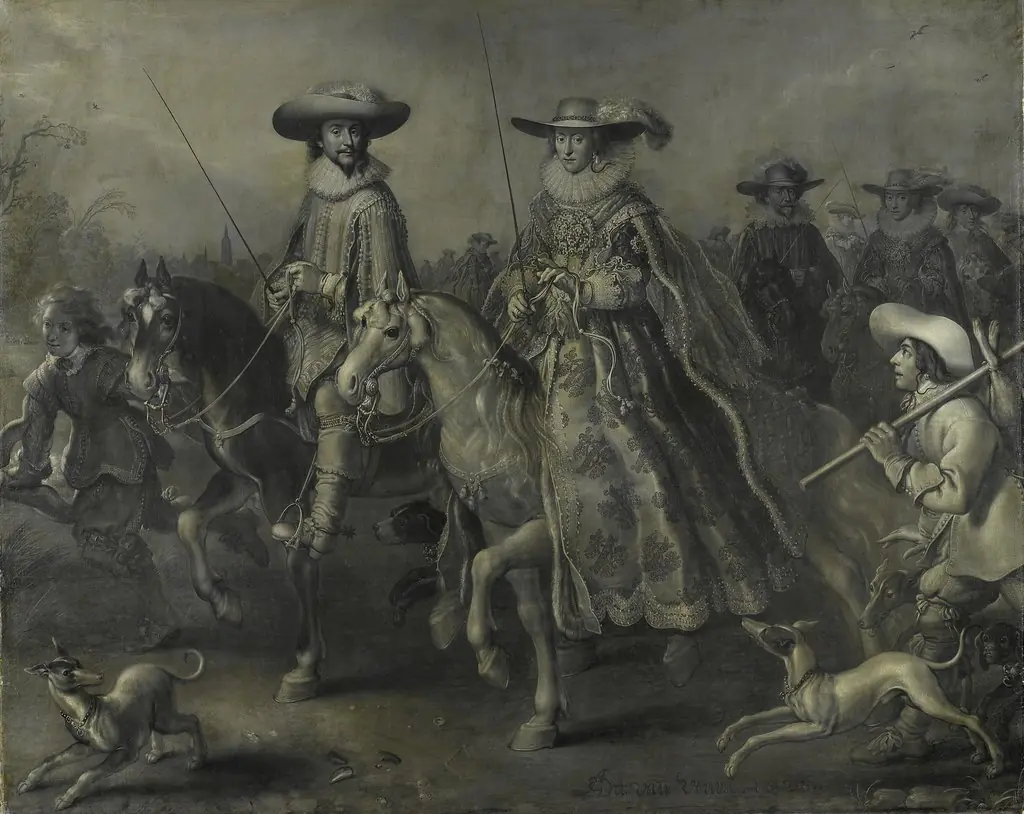 Frederick V (1596-1632), Elector of the Palatinate, King of Bohemia, and his wife Elizabeth Stuart (1596-1662) on horseback
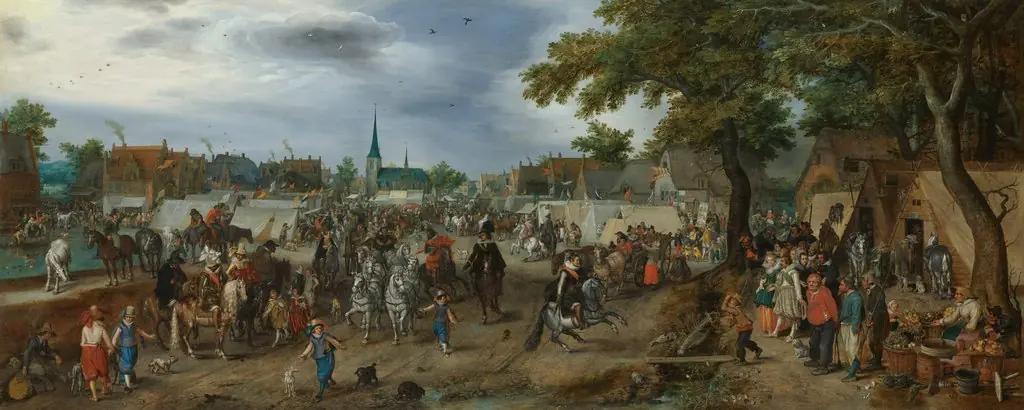 Prince Maurice and Frederick Henry at the Valkenburg Horse Fair
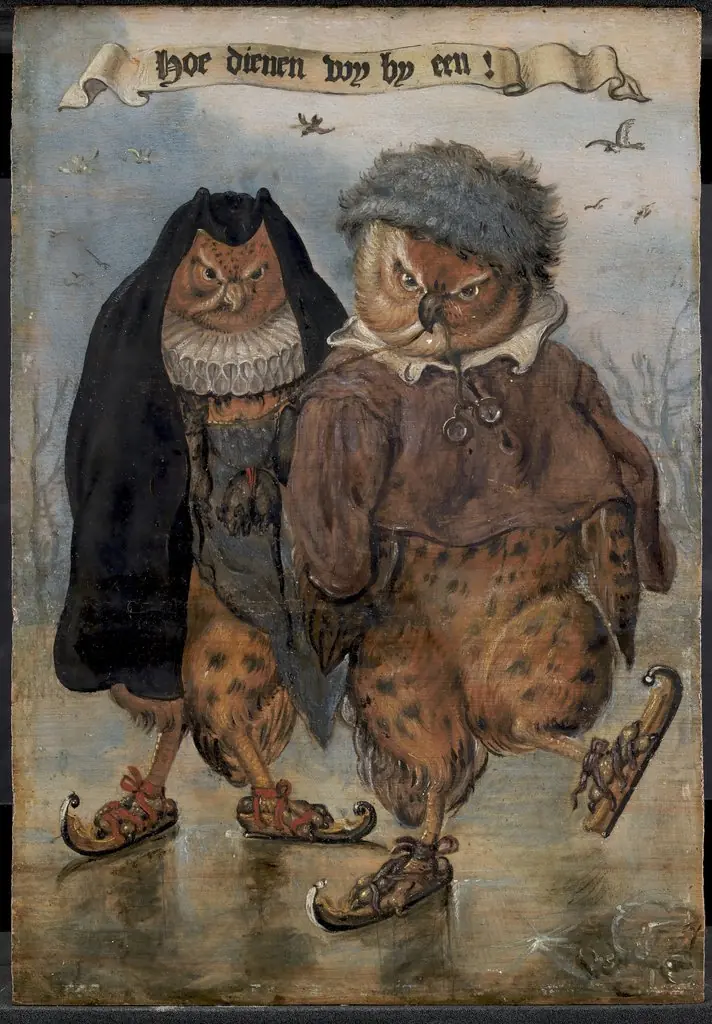 How Well We Go Together
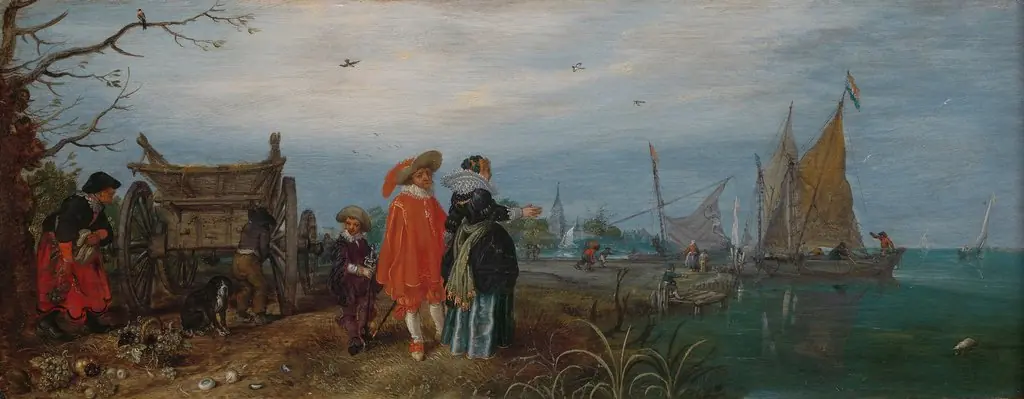 Autumn
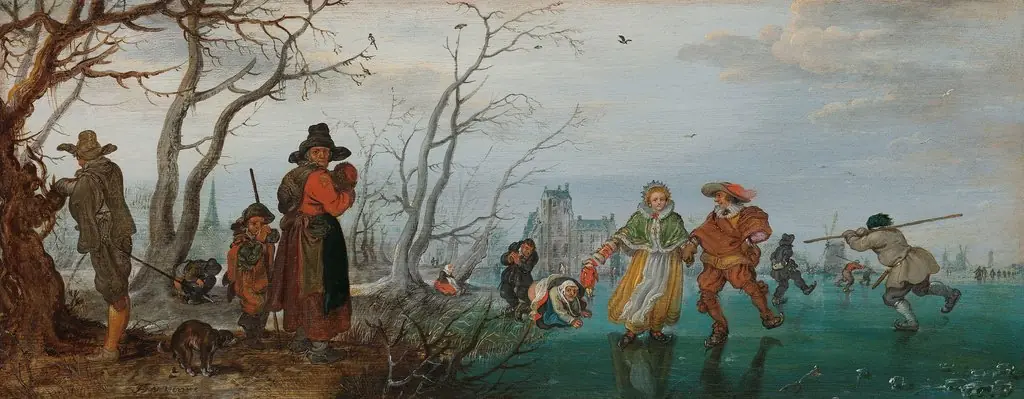 Winter