Artwork
The Triumph of Bacchus
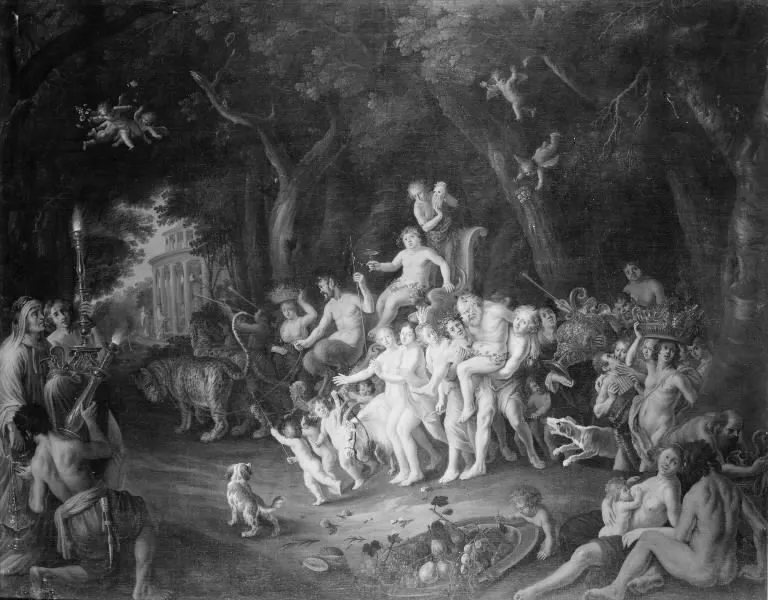
The Triumph of Bacchus is an oil painting by the Dutch Golden Age artist Adriaen van Nieulandt the younger. It dates from 1652 and is held in the collection of the Statens Museum for Kunst.
About this work
Subject & Meaning
The work centers on the depiction of Bacchus, the Roman god of wine, as the primary figure within a narrative scene derived from classical antiquity.
Adriaen van Nieulandt the Younger's 1652 oil painting illustrates the mythological subject known as The Triumph of Bacchus and Ariadne. The work centers on the depiction of Bacchus, the Roman god of wine, as the primary figure within a narrative scene derived from classical antiquity. As a piece of mythological genre painting, the composition represents the celebratory procession associated with this deity, capturing a specific moment from ancient lore where Bacchus is honored alongside Ariadne.
The iconography serves to visualize the divine status and festive attributes of the god through a formalized artistic interpretation common to seventeenth-century European art.
Technique & Style
The Triumph of Bacchus is an oil painting executed on canvas, reflecting the mythological genre characteristic of 17th-century Dutch art. The work depicts Bacchus alongside Ariadne, rendered in oil paint with handling and support typical of Adriaen van Nieulandt the younger’s mature period. Its formal composition and stylistic treatment align with the mythological painting tradition, emphasizing narrative clarity and vibrant coloration within the constraints of oil on canvas.
The painting’s material composition includes oil paint applied to a canvas support, consistent with contemporary practices for mythological subjects in the mid-1600s.
History & Provenance
The Triumph of Bacchus by Adriaen van Nieulandt the younger is dated to 1652, aligning with the painting’s documented inception year.
The work entered the collection of the Statens Museum for Kunst, where it remains held. Its presence there is recorded in the museum’s holdings as a mythological painting depicting the triumph of Bacchus and Ariadne.
Context
The Triumph of Bacchus by Adriaen van Nieulandt the younger was painted in 1652 and depicts the mythological scene of Bacchus and Ariadne. It is classified as a mythological painting and executed in oil on canvas. The work belongs to the artist’s mature period, reflecting the Dutch Golden Age’s continued interest in classical and mythological subjects.
Its inclusion in the collection of the Statens Museum for Kunst situates it within a broader institutional effort to preserve Northern European artistic heritage, as documented in its provenance and genre classification.
Scholarship on the piece remains limited, but its stylistic analysis contributes to understanding van Nieulandt’s development within the context of 17th-century Dutch painting, particularly in relation to other mythological works of the period.
Overview
The Triumph of Bacchus, an oil painting from 1652, is a work by Adriaen van Nieulandt the younger, a Dutch painter of Flemish descent, created during the Dutch Golden Age.
Artist & collection
Artist
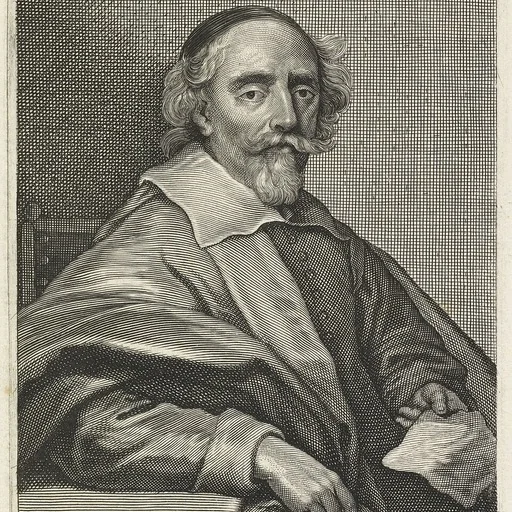
Adriaen van Nieulandt the younger
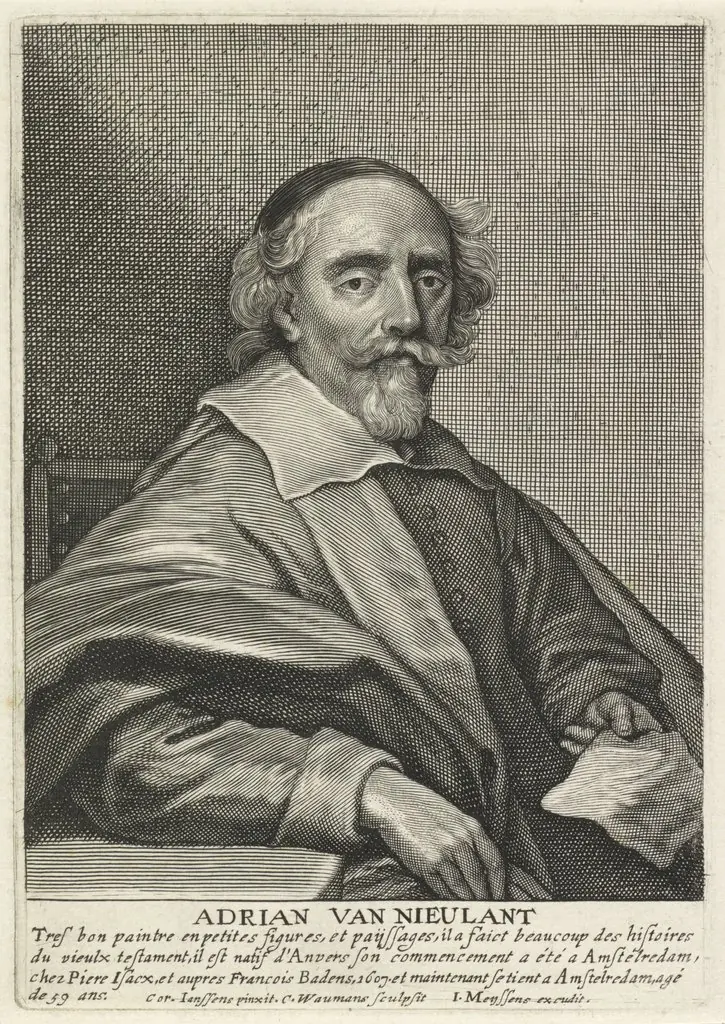
Adriaen van Nieulandt (1586 or 1587, Antwerp - buried 7 July 1658, Amsterdam) was a Dutch painter, draughtsman and engraver of Flemish descent.

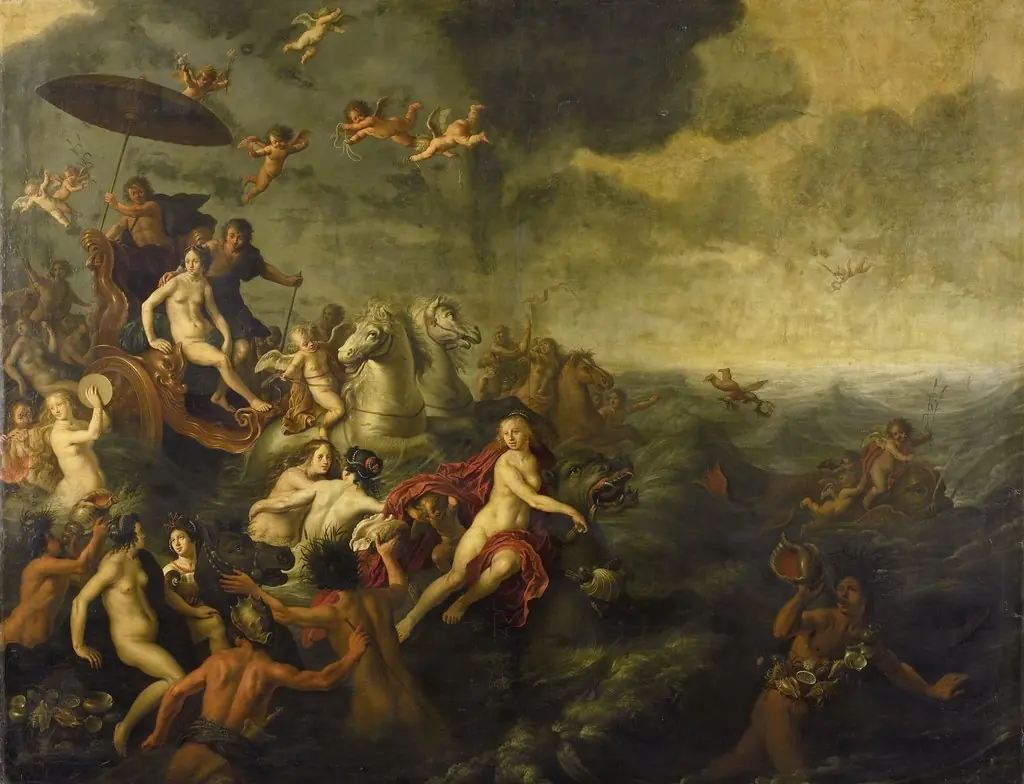
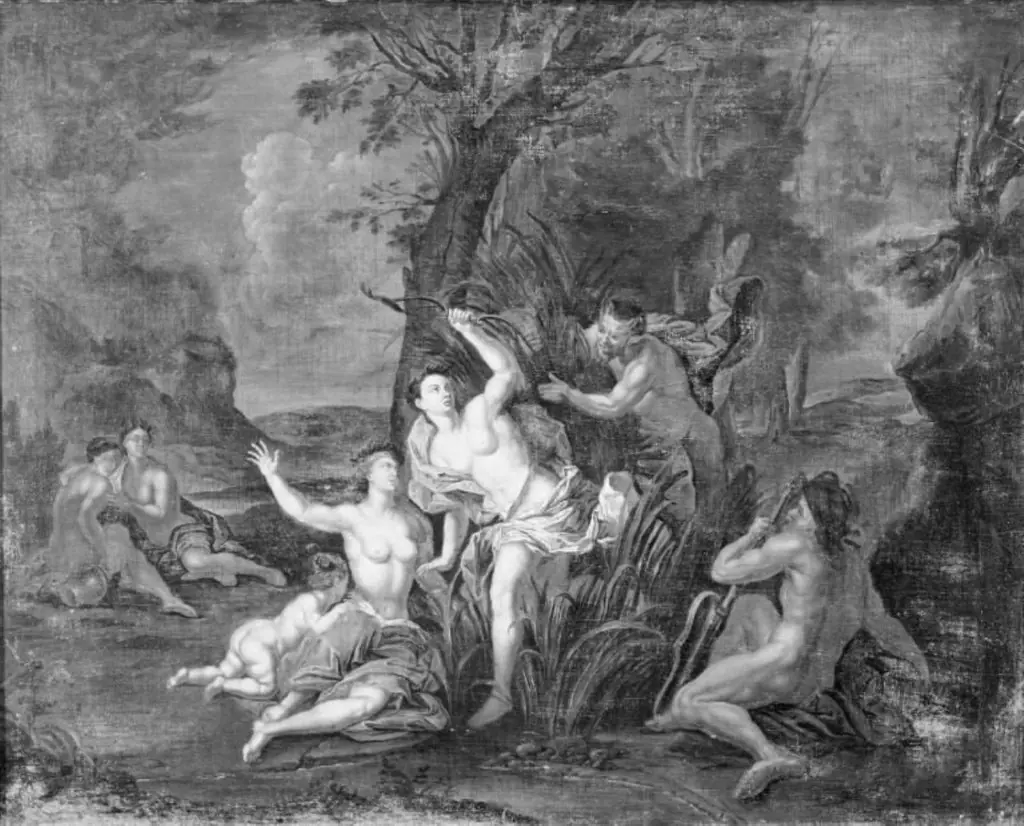 Nogle nymfer overraskes af en satyr. Ved siden sidder en flodgud
 Nogle nymfer overraskes af en satyr. Ved siden sidder en flodgud
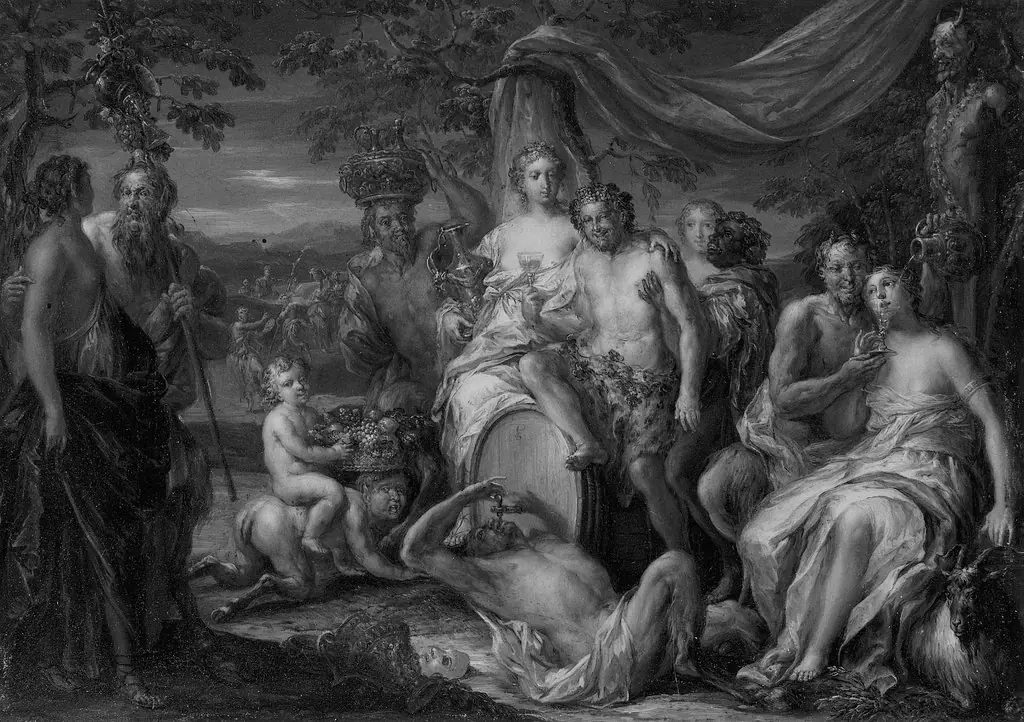
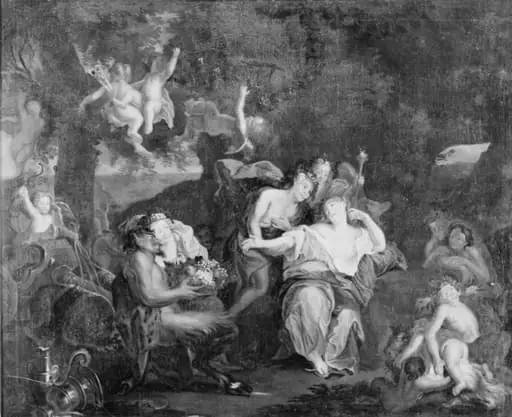 Bacchus og Ariadne sidder sammen i et landskab omgivne af amoriner, bacchantinder og satyrer
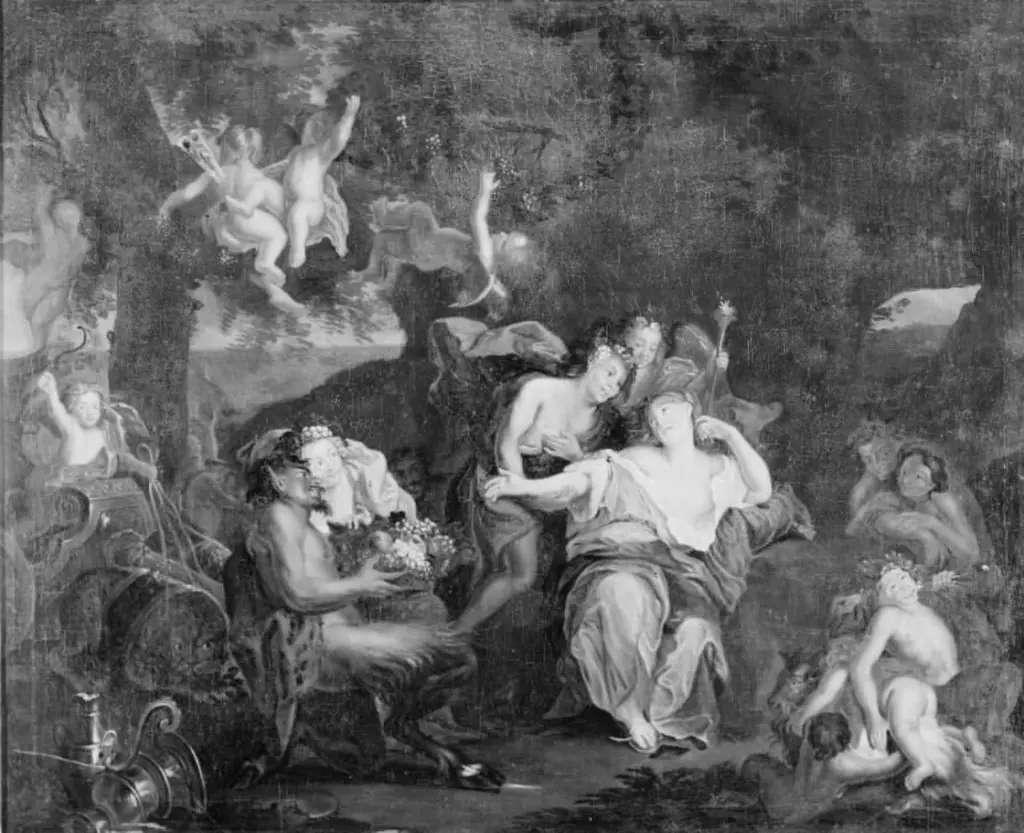 Bacchus og Ariadne sidder sammen i et landskab omgivne af amoriner, bacchantinder og satyrer
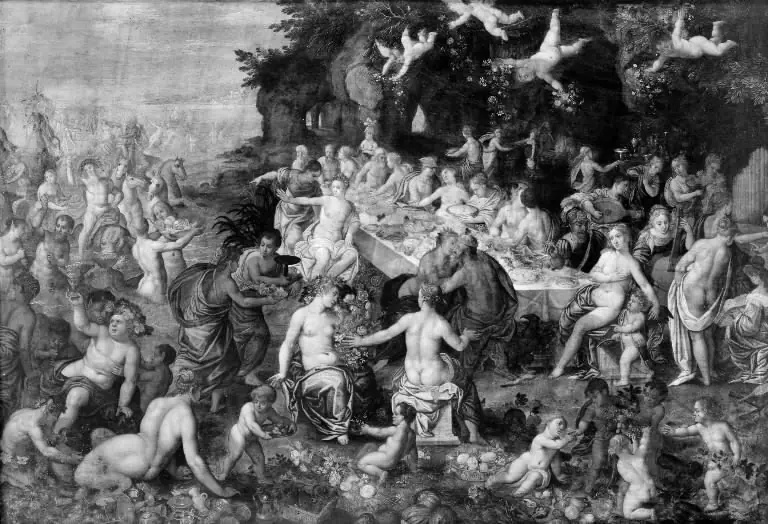 The Banquet of the Gods. The Wedding of Peleus and Thetis
 The Banquet of the Gods. The Wedding of Peleus and Thetis
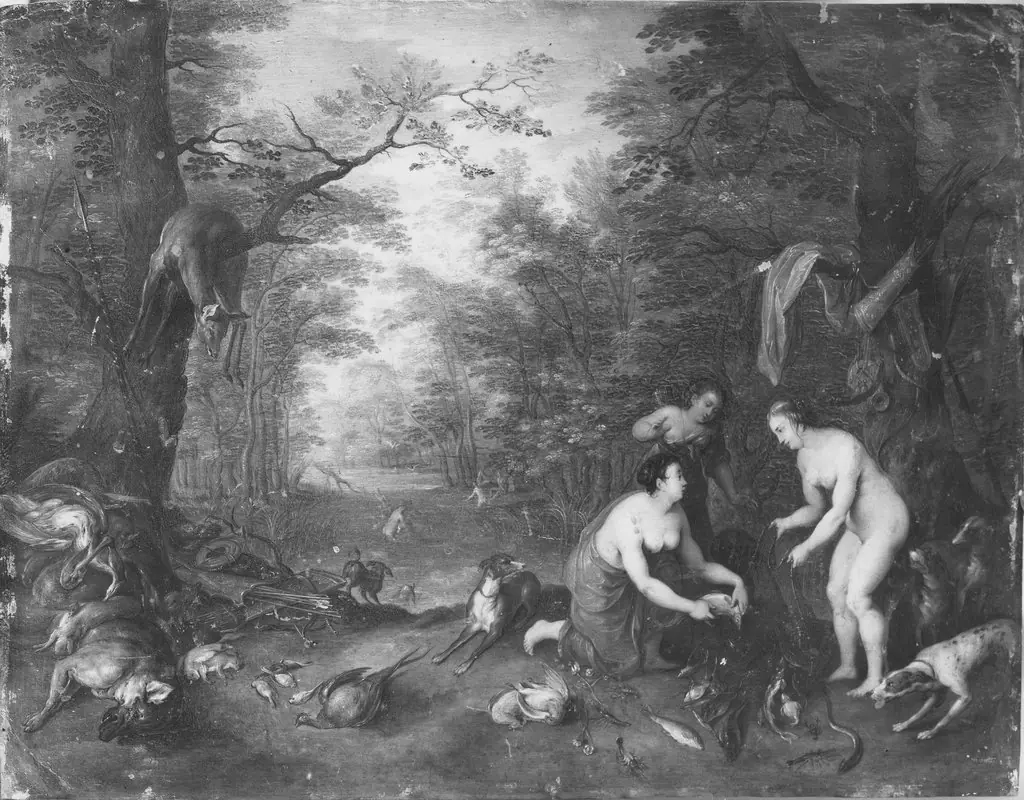 Diana Hunting
 Nymphs and Satyrs Drinking
 Venus, von Mars belauscht
 Bacchic Revels