
Subject
Satyr
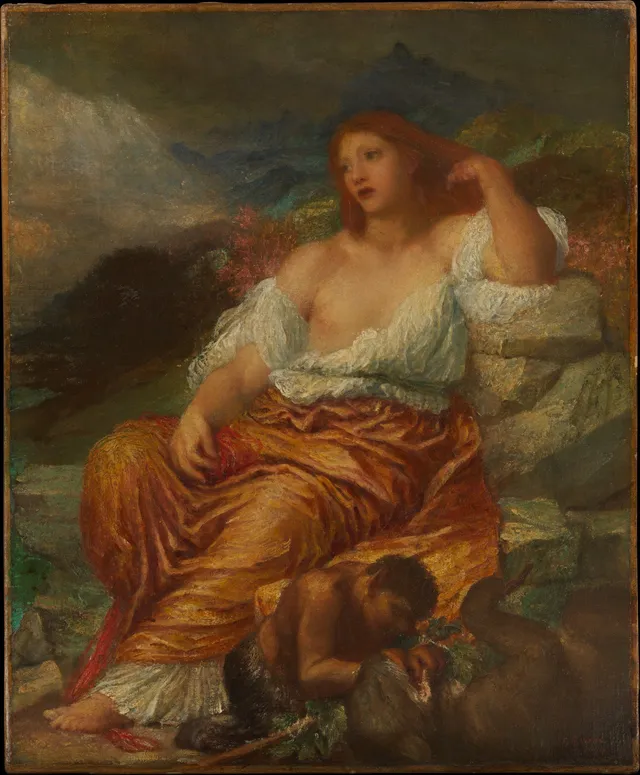
Satyr is a subject in art. The gallery holds 123 works in this subject in art, including works by Paolo Veronese, Henry Bone and Arnold Böcklin.
In Greek mythology the satyr—also called a silenus (Ancient Greek σάτυρος, sátyros)—is a male nature spirit of the wild, a companion of the wine-god Dionysus who haunts woodlands, mountains and pastures. A precise visual type crystallized in Athens around the beginning of the sixth century BC, when vase-painters fixed the satyr's features: a snub-nosed, bestial face, mane-like hair, the ears and tail of a horse, and a permanent, exaggerated erection that advertised his role as a fertility daemon. Early images sometimes gave him equine hind legs, but he was soon shown standing on human ones, all the better to drink, pipe, dance and chase nymphs and maenads through the Dionysian revel.
Visually the satyr was always defined by hybridity and excess. Black- and red-figure painters rendered him nude and aroused, mid-leap or mid-grope, a comic foil to the decorum of gods and heroes; his elder, the paunchy, balding Silenus, tutor to the young Dionysus, embodied drunken wisdom. Over centuries the type softened, growing more human and—through conflation with the goat-legged god Pan and his multiplied 'Pans'—gradually acquiring the horns and cloven legs that, although absent in antiquity, became standard after the Renaissance, when the Romans had already merged the satyr with their own woodland faun.
The Renaissance and Baroque seized on the satyr as a vehicle for ideas about nature, instinct and art. Piero di Cosimo set satyrs alongside the earliest humans in his paired Metropolitan panels A Hunting Scene and The Return from the Hunt (c. 1494–1500), illustrating Lucretius's vision of a primitive, pre-civilized world. The myth of Marsyas—the satyr who challenged Apollo to a music contest and was flayed for his hubris—gave Titian one of his strangest late masterpieces, the Flaying of Marsyas (c. 1570–76, Kroměříž), and recurs in Andrea Sacchi's Marcantonio Pasqualini Crowned by Apollo.
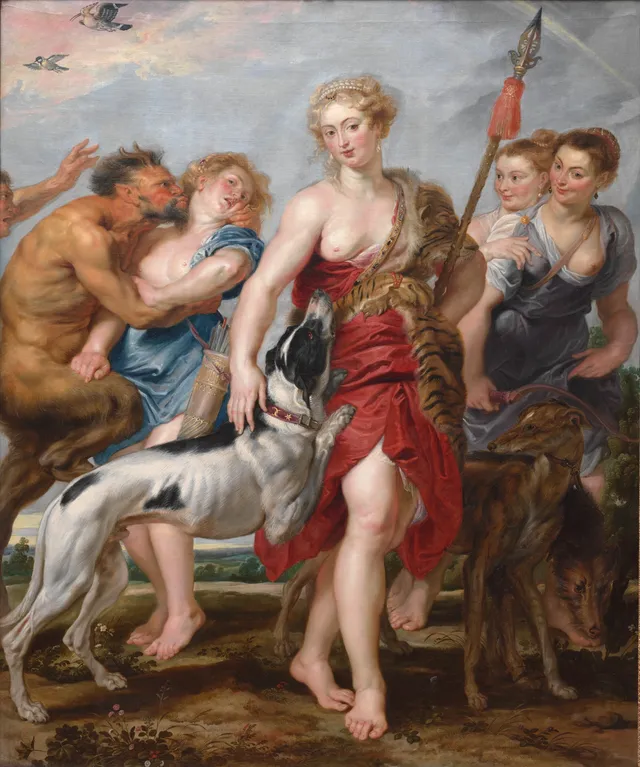
Satyrs people the mythologies of Veronese (Venus and Mars), Rubens (Diana and Her Nymphs Departing for the Hunt) and later painters such as Henry Bone. Their lineage runs from Greek satyr-play and Bacchic revel through Renaissance allegory to the lush academic eroticism of William-Adolphe Bouguereau's Nymphs and Satyr (1873)—a figure forever poised between the human and the animal, civilization and its appetites.
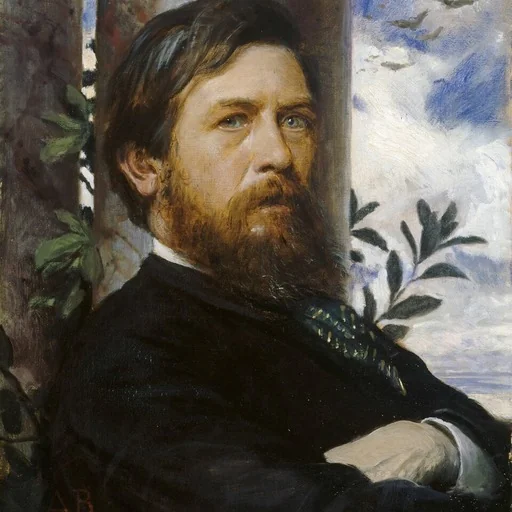
Key artists


Overview
In Greek mythology, a satyr is a male nature spirit, also known as a silenus or silenos, recognized as a companion of Dionysus and Pan. Characterized by ribaldry and a love of wine, music, dancing, and women, satyrs embody hedonism and uninhibited pleasure. They inhabit remote locales like woodlands and mountains, often attempting to seduce or assault nymphs and mortal women. Unlike other mythological hybrids bound to specific narratives, satyrs lacked a solid mythological tradition of their own and instead functioned primarily as an iconographic element. Their presence in art provided a natural outlet to examine the clash between civilization and the wild, representing the antithesis of civic self-control and rational behavior.
Iconography & meaning
Early artistic representations depict satyrs as comically hideous, snub-nosed, bald, and always naked, featuring horse-like ears and tails alongside a permanent, exaggerated erection. Early examples sometimes include horse-like legs, though by the sixth century BC they were more often rendered with human legs. Their ithyphallic state and bestial features exhibited a monstrous, comic ugliness that contrasted sharply with the modest, idealized male nude of the Greek polis. Satyrs carried attributes linking them to the banquet, including the wine cup, the askos, and the aulos, a double-reed instrument. Over time, their iconography shifted from violent and bestial to more whimsical and domestic, engaging in practical tasks to comical effect. They also possessed useful knowledge if coaxed, as seen in the story of the captured silenos, and their ribaldry made them the chorus in Athenian satyr plays, a bawdy parody of tragedy.
Across movements & periods
The depiction of satyrs evolved significantly from archaic Greece through the modern era. The first images of dancing, monstrous satyrs in vase painting appeared around 670 to 660 BCE, initially in violent contexts. By 570 BCE, the François Vase showed Dionysus accompanied by silenoi, establishing the bacchic procession theme. During the fifth century BCE, under the influence of satyr plays, satyrs became increasingly humanized and domesticated, shedding horse legs for human ones. In the Hellenistic period, they acquired goat-like characteristics, such as horns and hooves, due to conflation with Pan and the Pans. The Romans subsequently identified satyrs with their native fauns, eroding the distinction entirely. Since the Renaissance, satyrs have most often been represented with the legs and horns of goats. By the twentieth century, they lost much of their characteristic obscenity, becoming tame domestic figures commonly referred to as fauns in fantasy and children's literature.
Notable depictions
Notable individual satyrs in mythology include Silenus, the tutor of Dionysus and leader of the satyr chorus, and Marsyas, who challenged Apollo to a musical contest and was flayed alive for his hubris. In the visual arts, Praxiteles is credited with creating the sculptural type of the resting satyr. The Borghese Satyr, a marble statue in the Borghese Collection in Rome, portrays the creature with equine tail and ears, caught in a dance with crossed legs and outstretched arms. Small Etruscan bronze figurines of satyrs were also popular, often serving as decorative attachments on candelabra, oil lamps, and furniture. In Renaissance printmaking, Albrecht Dürer created the engraving Satyr Family in 1505, demonstrating the enduring appeal of the motif in northern European art.
Legacy
The cultural afterlife of the satyr extended far beyond classical antiquity, influencing both language and material culture. The term satyr became a derogatory label for a brutish or lustful man, and the medical condition satyriasis, characterized by excessive sexual desire, derives from their name. In the realm of museum culture, bronze reproductions of ancient satyrs, such as those produced by the Chiurazzi foundry in Naples, became popular in America around the turn of the twentieth century. Philanthropist John Wanamaker acquired a large collection of these reproductions, including the Borghese Satyr, which was prominently displayed at the 1904 St. Louis World's Fair before coming to the Penn Museum. This dissemination of classical reproductions helped cement the goat-legged, horned satyr in the modern popular imagination, divorcing the figure from its archaic equine origins and its original transgressive, theatrical function.
Works
 Venus and Mars
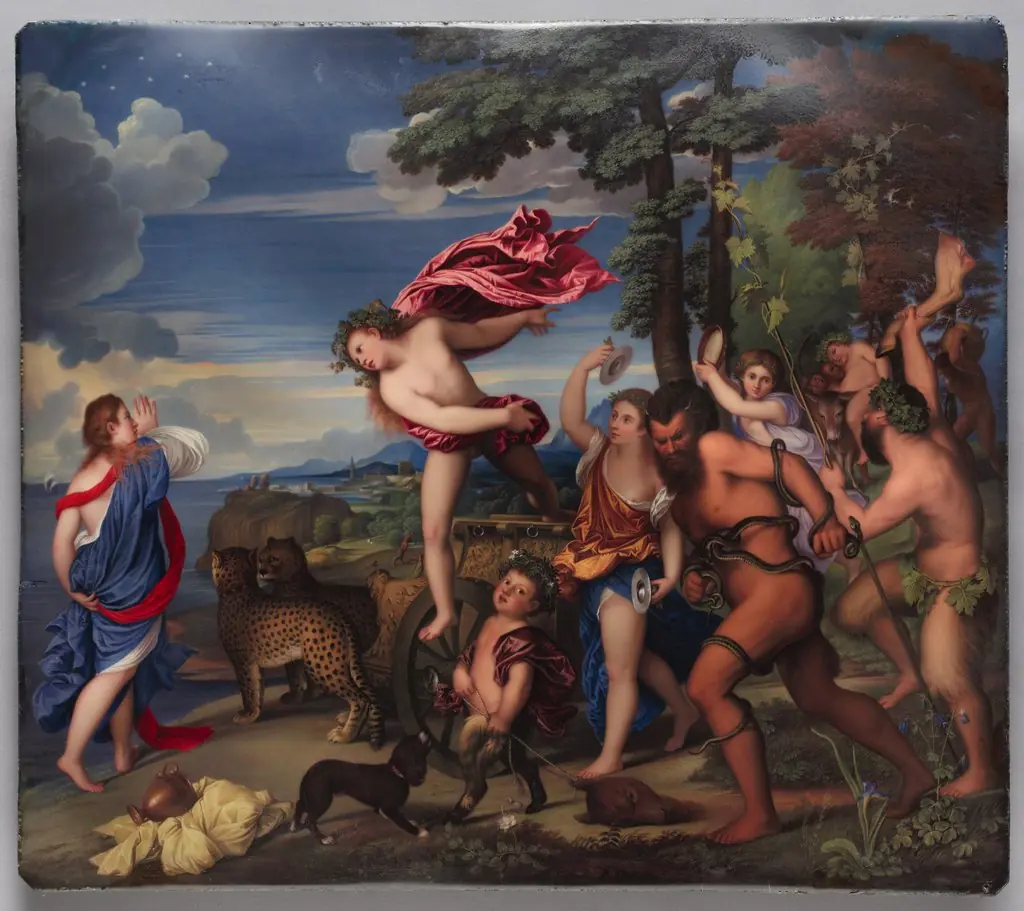 Bacchus and Ariadne
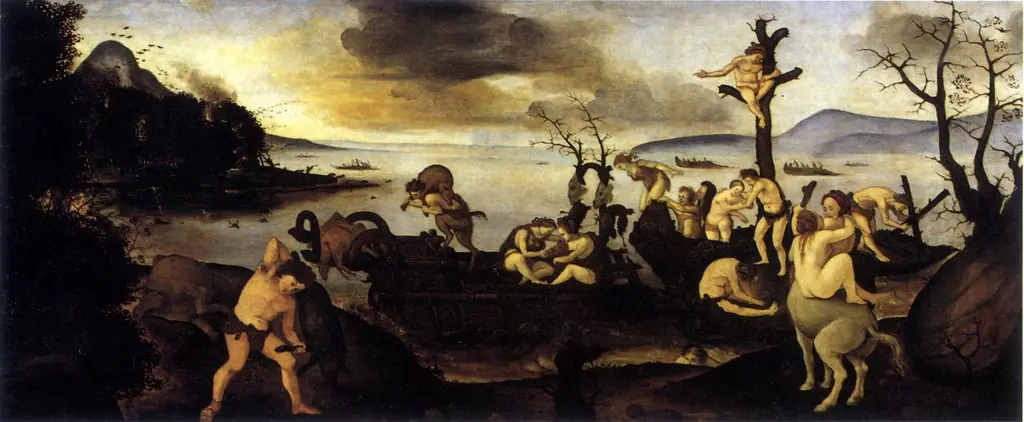 Return from the Hunt by Piero di Cosimo
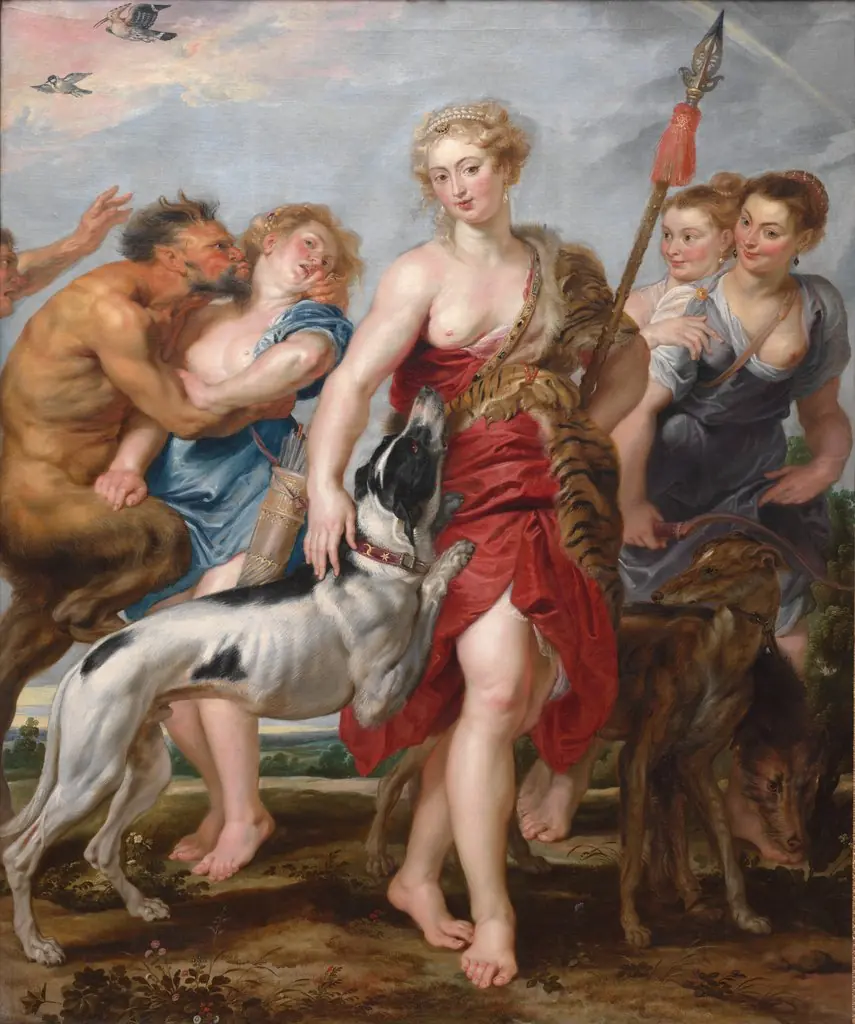 Diana and Her Nymphs Departing for the Hunt
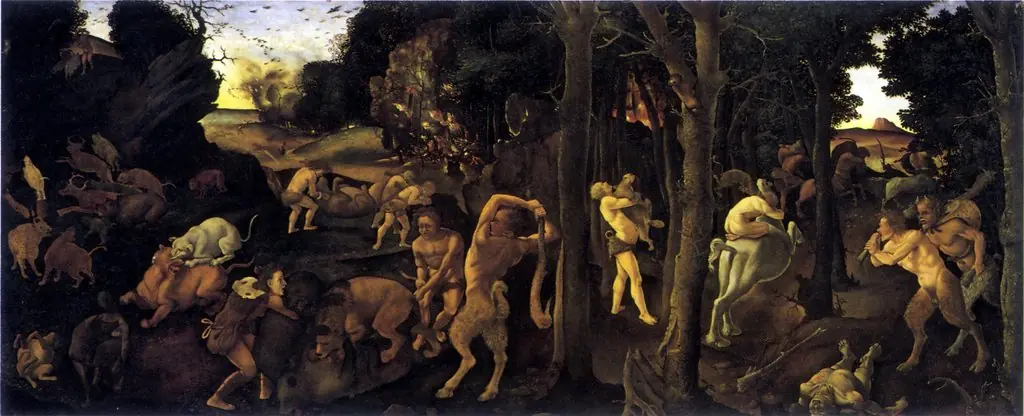 A Hunting Scene
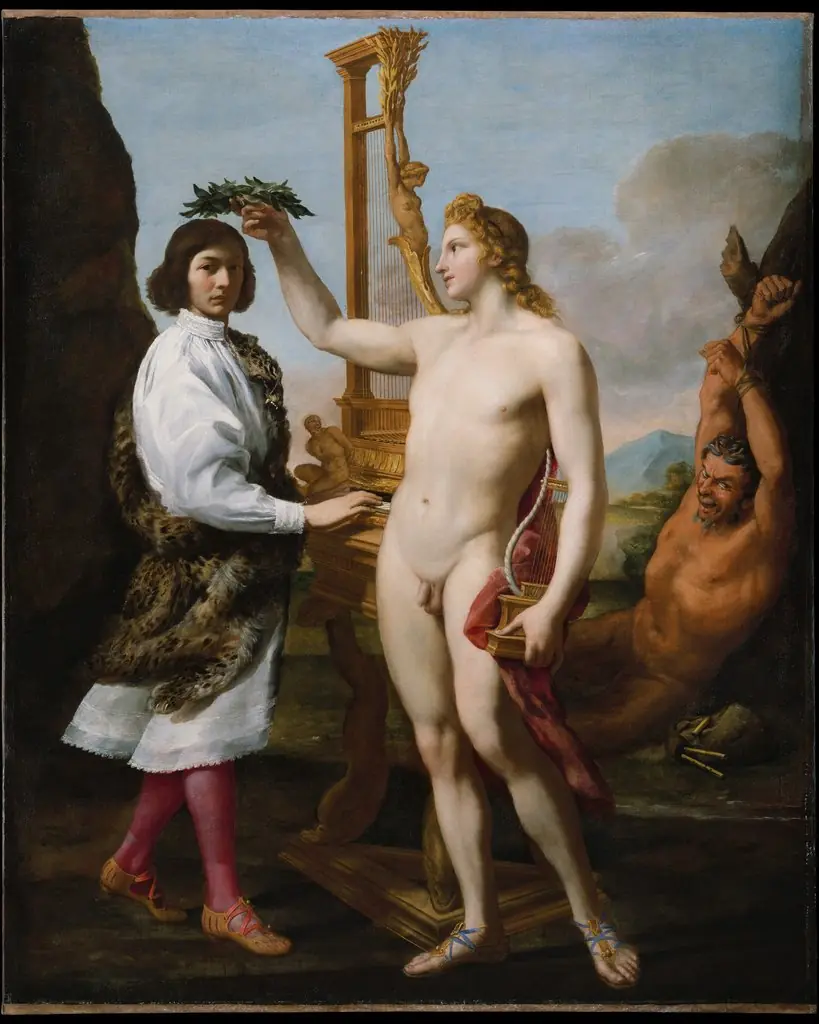 Marcantonio Pasqualini (1614–1691) Crowned by Apollo
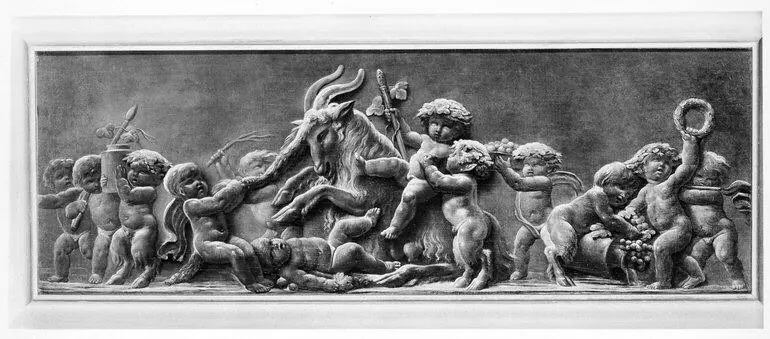 Infant Bacchanal
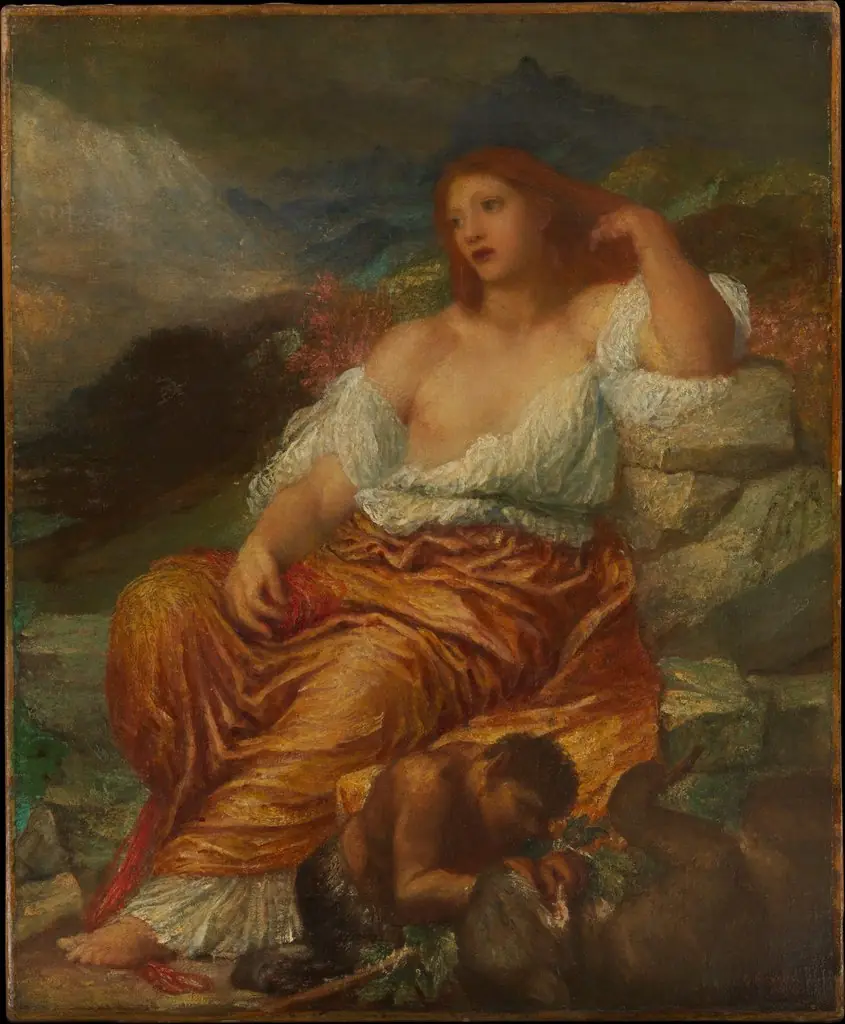 Ariadne
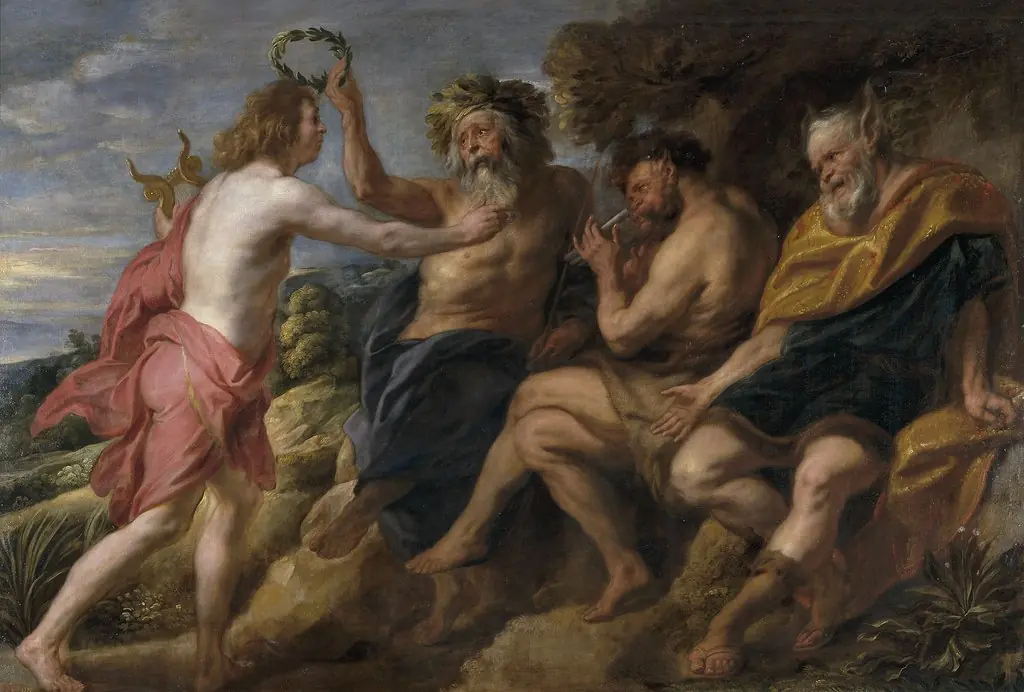 Apollo as Victor over Pan
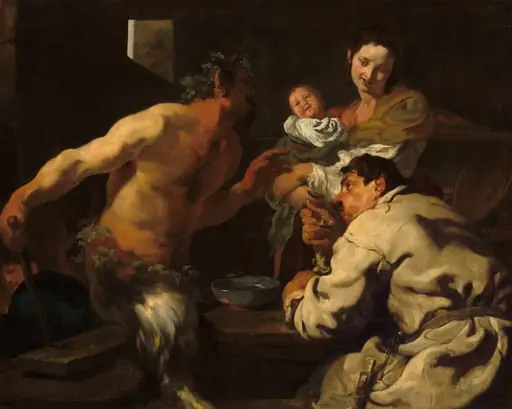 The Satyr and the Peasant
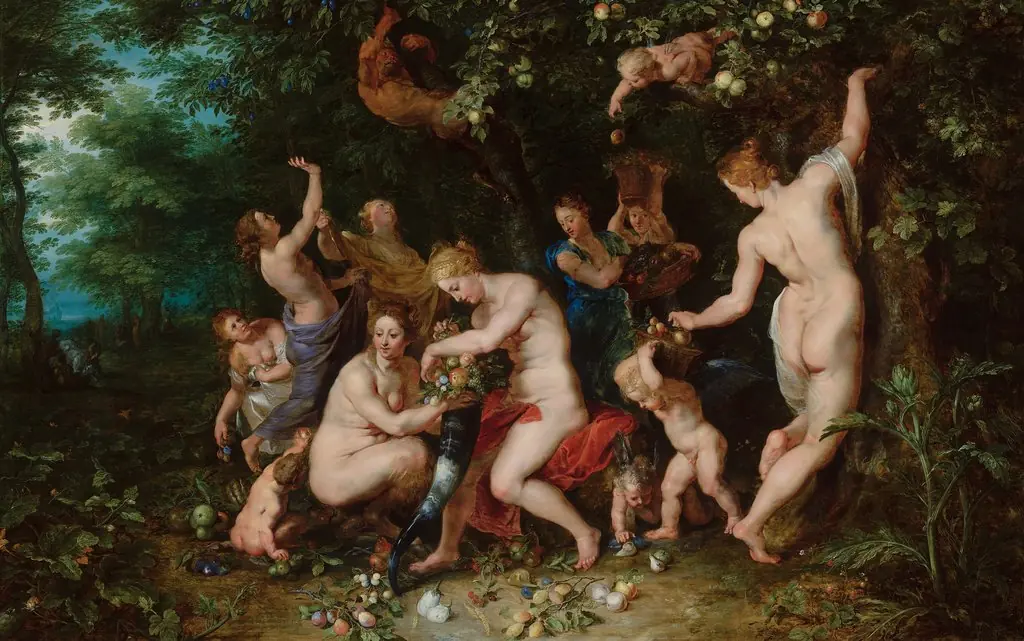 Nymphs filling the horn of plenty
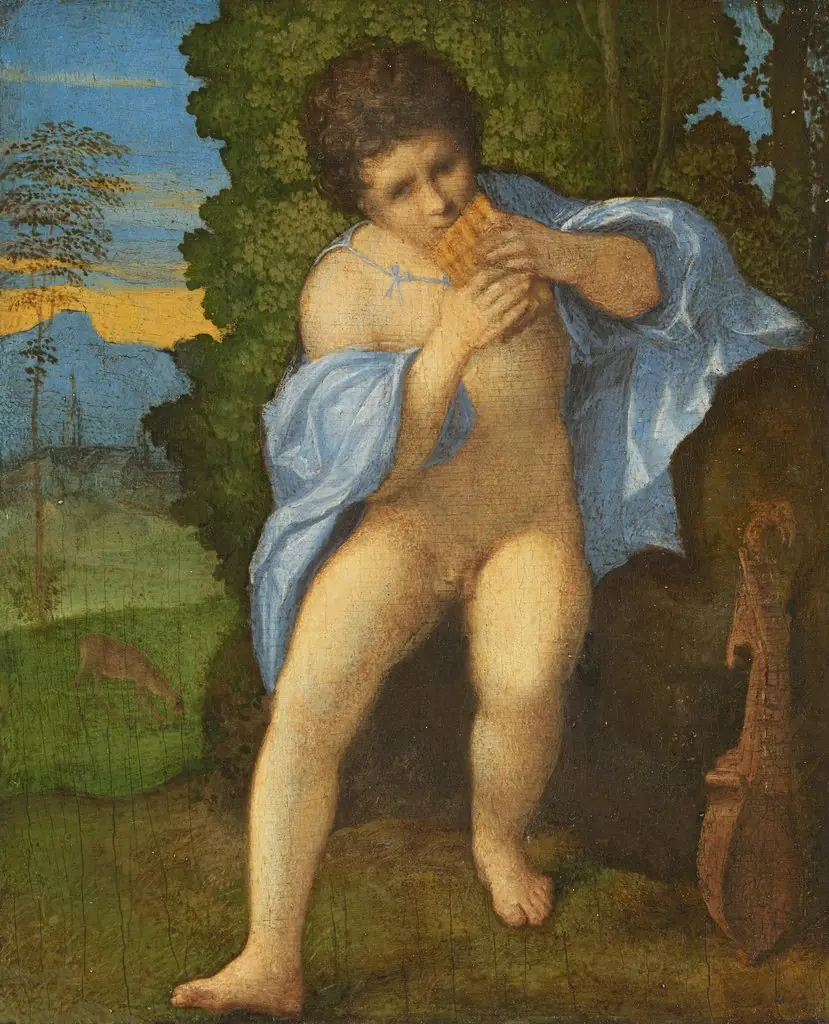 Daphnis
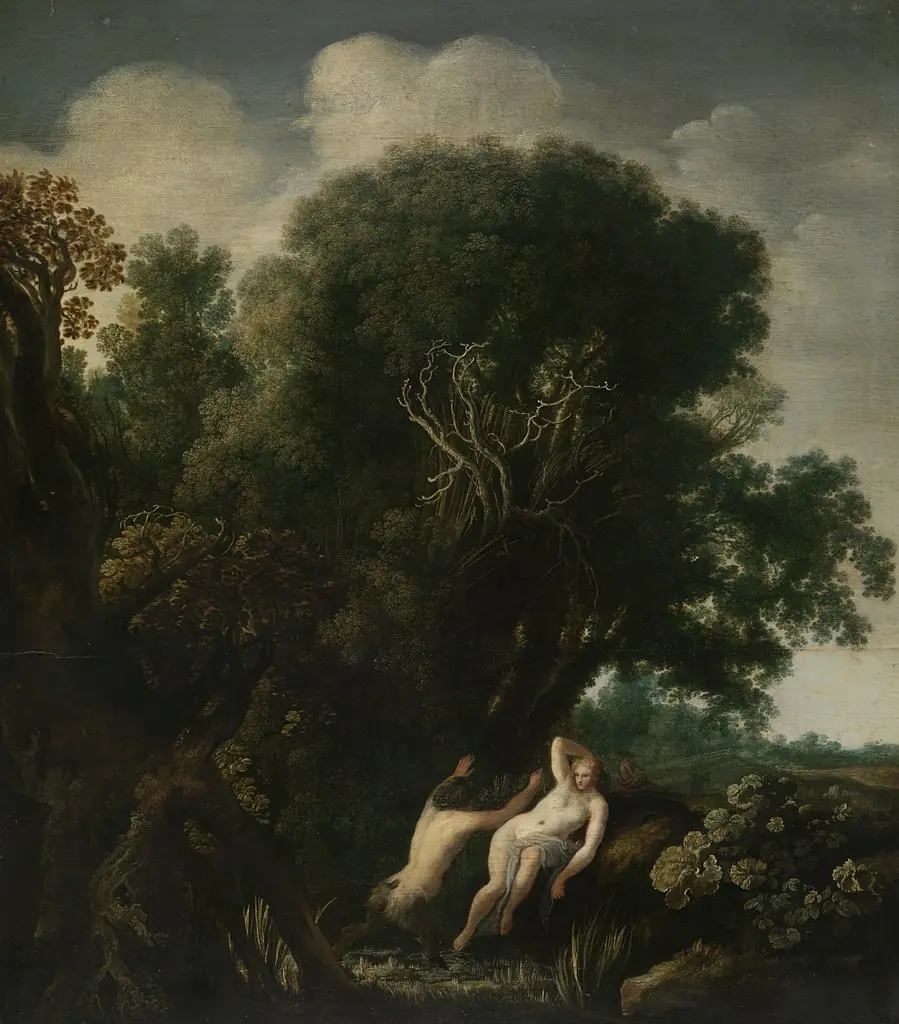 A Bathing Nymph Taken by Surprise by a Satyr
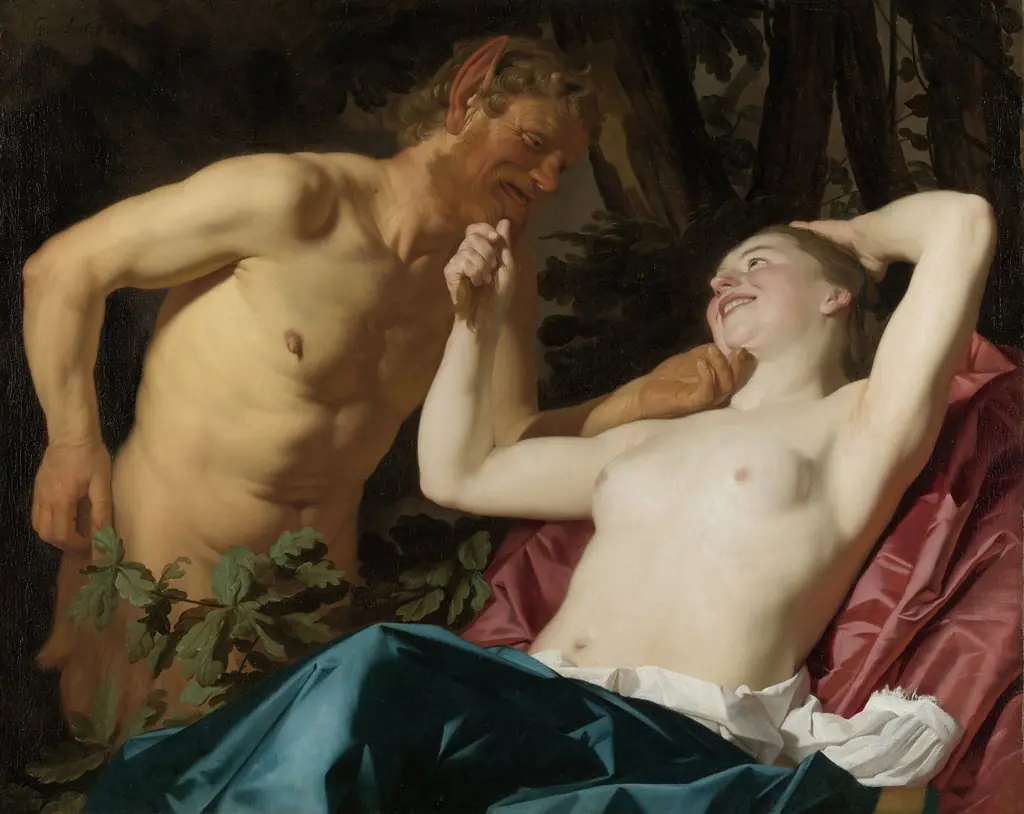 Satyr and Nymph
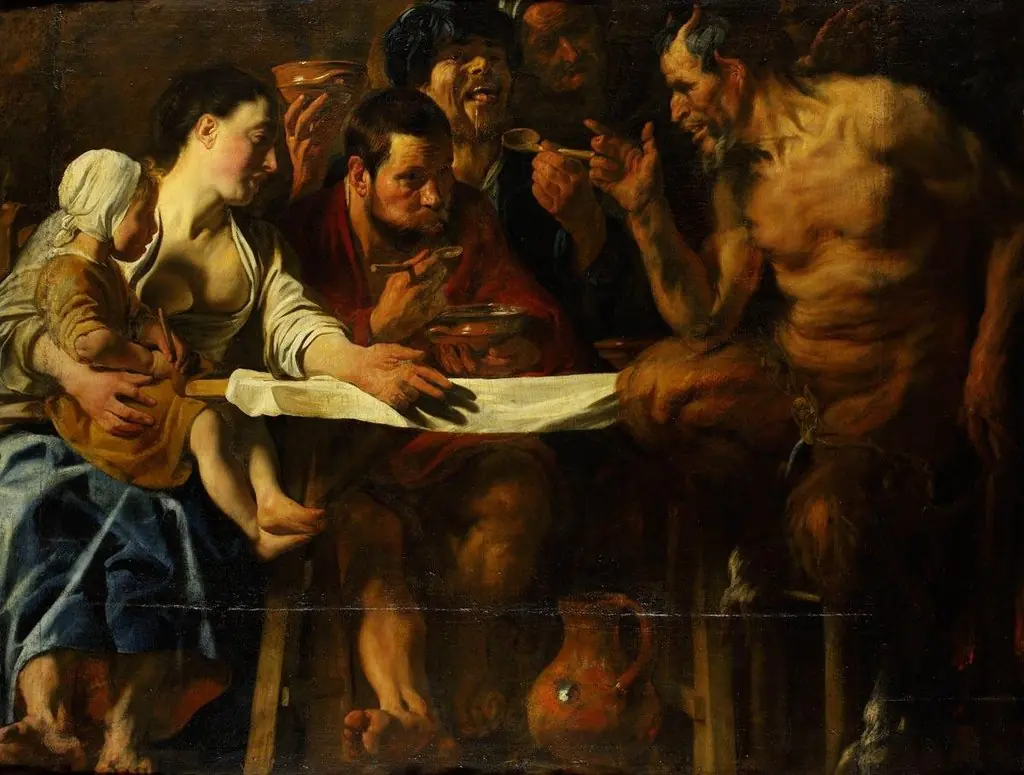 The Satyr and the Peasant
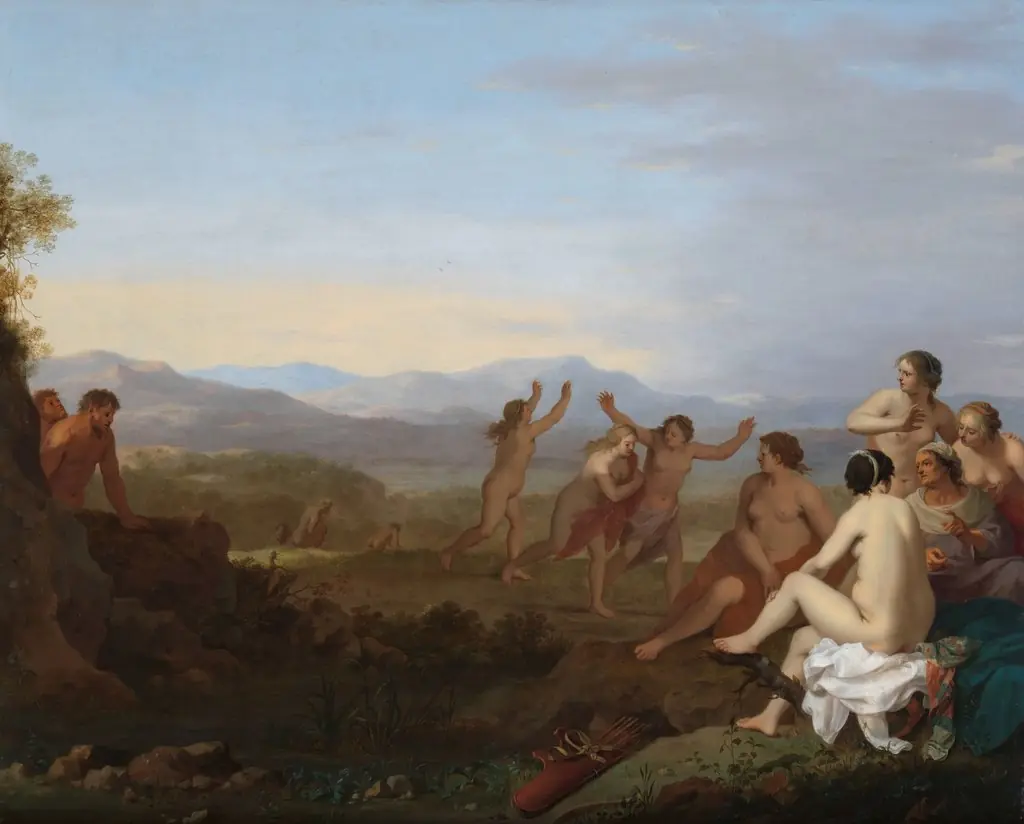 Satyrs Spying on Nymphs
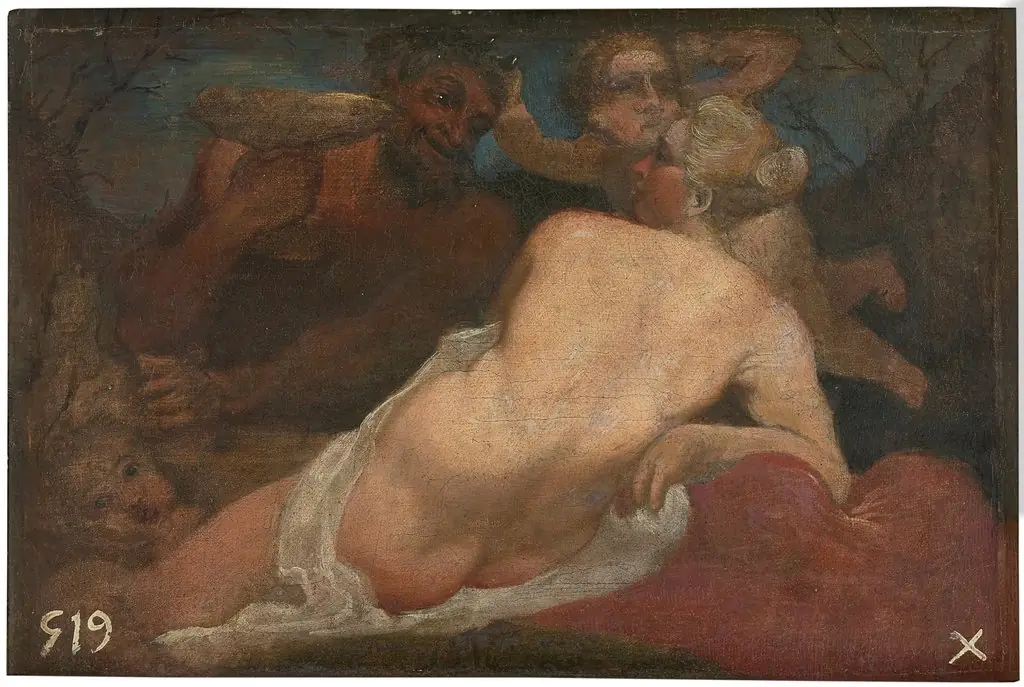 Venus and a Satyr
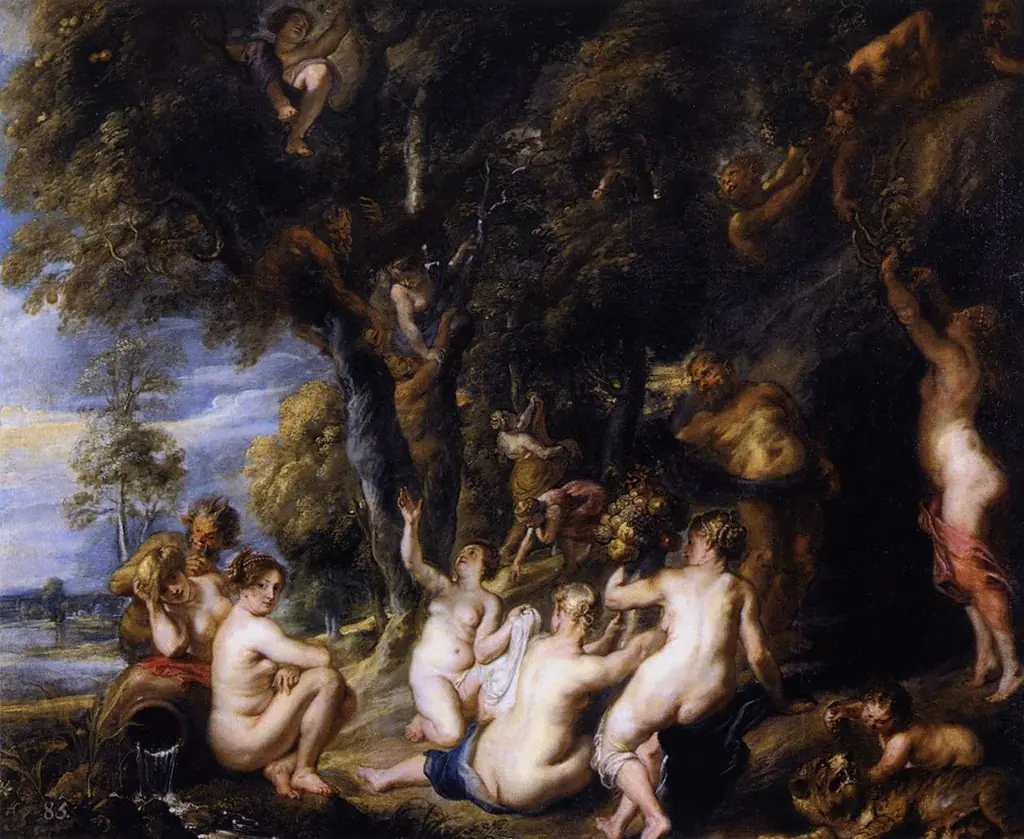 Nymphs and Satyrs
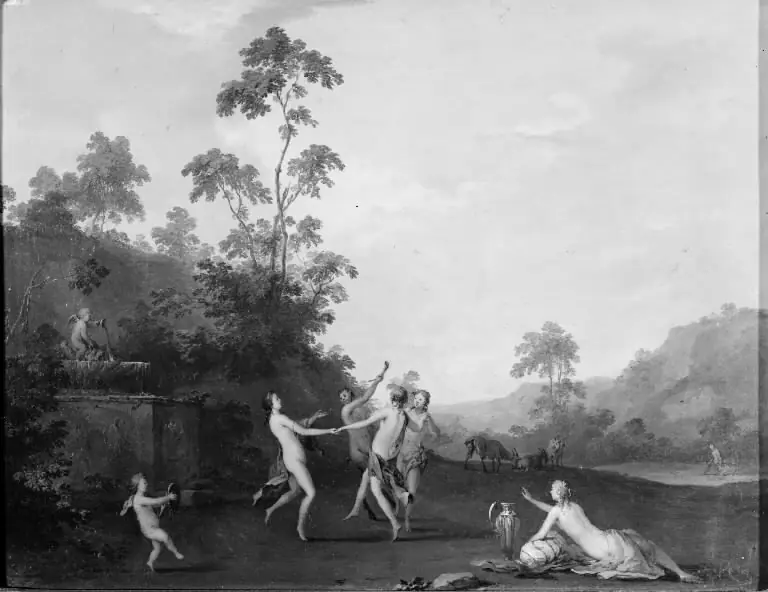 Three Nymphs Dancing with a Satyr
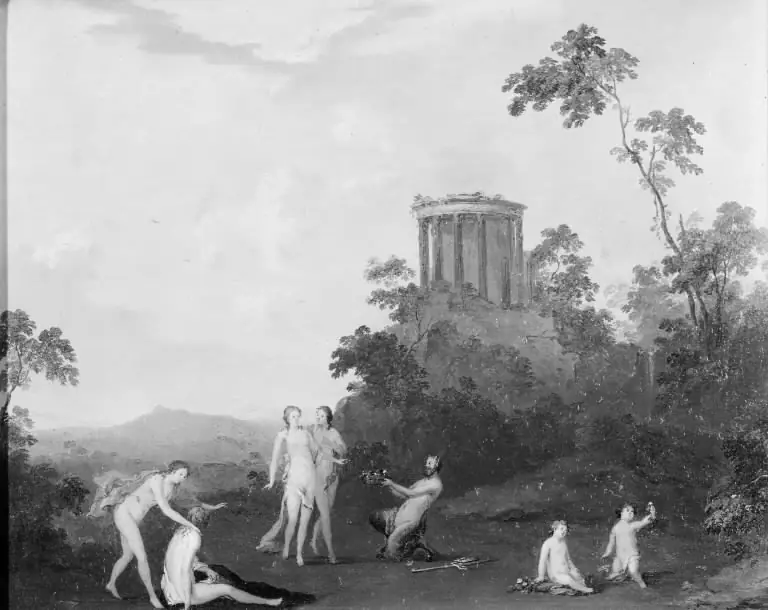 Nymphs and Satyr in front of a Temple
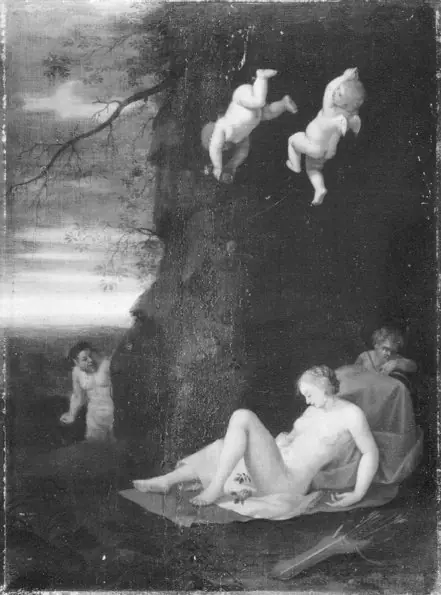 Satyr Spying on Sleeping Nymph, Antiope
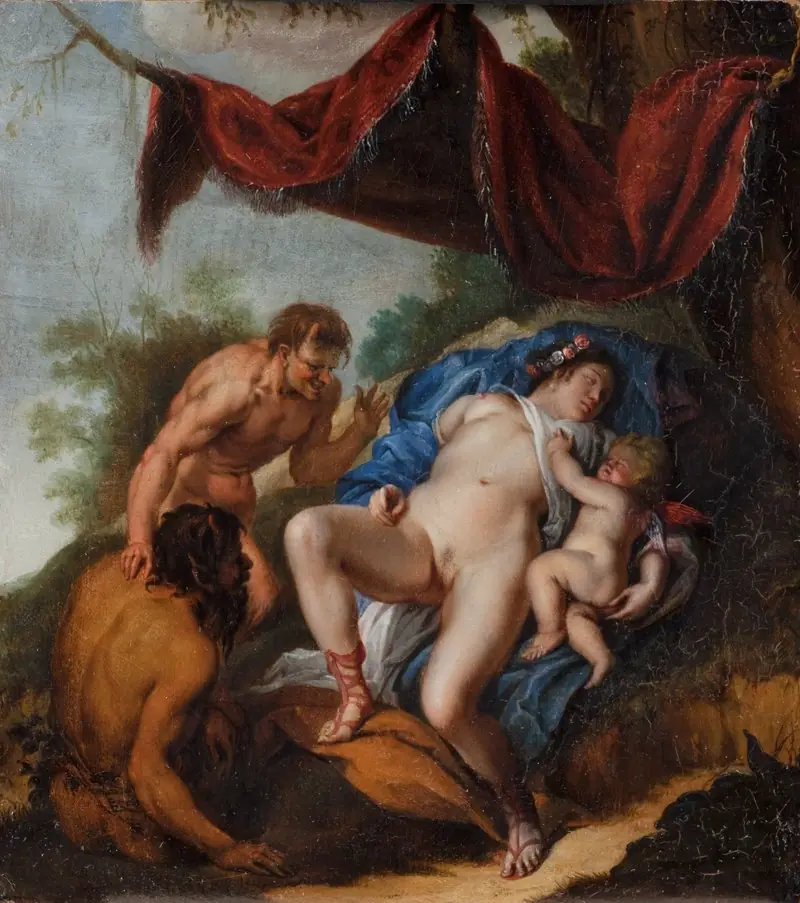 Sleeping Venus with Cupid Watched by Satyrs
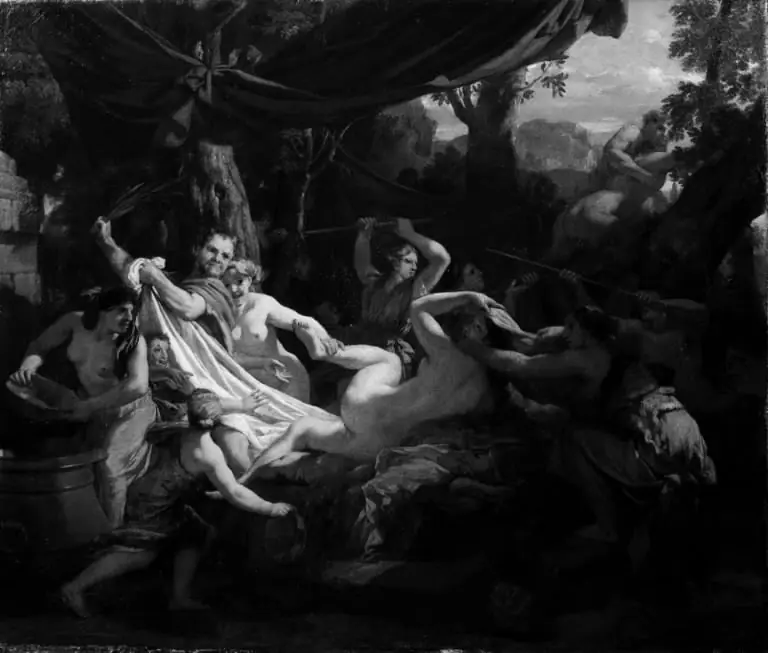 Nymphs Surprised by Satyrs
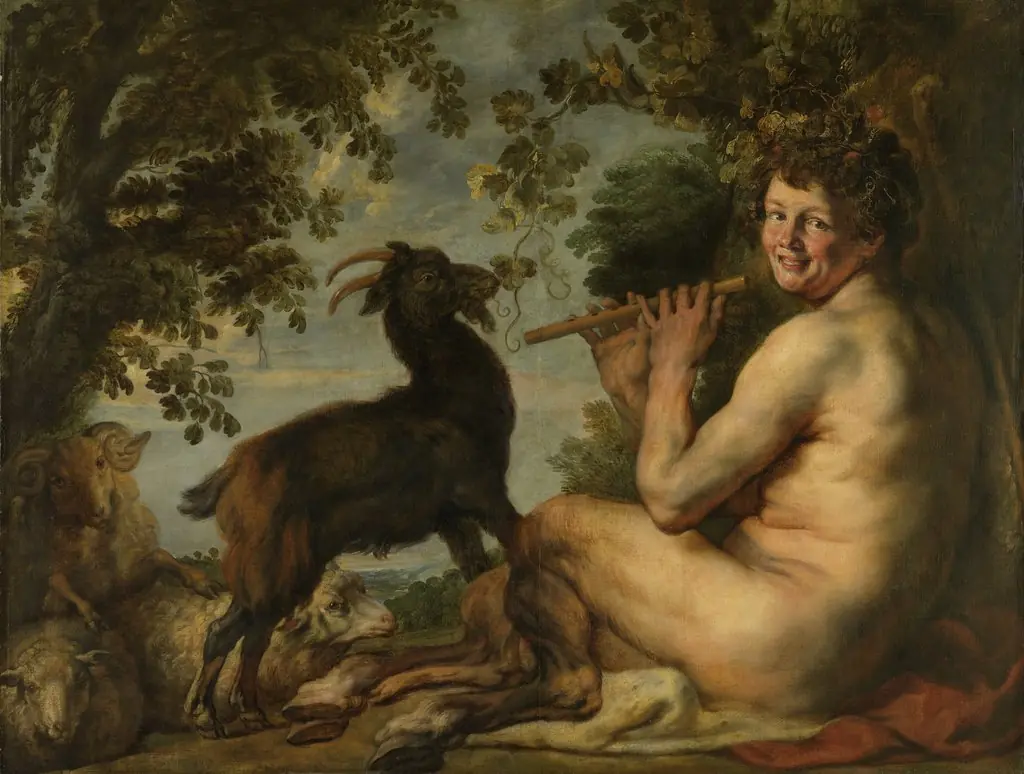 A Satyr
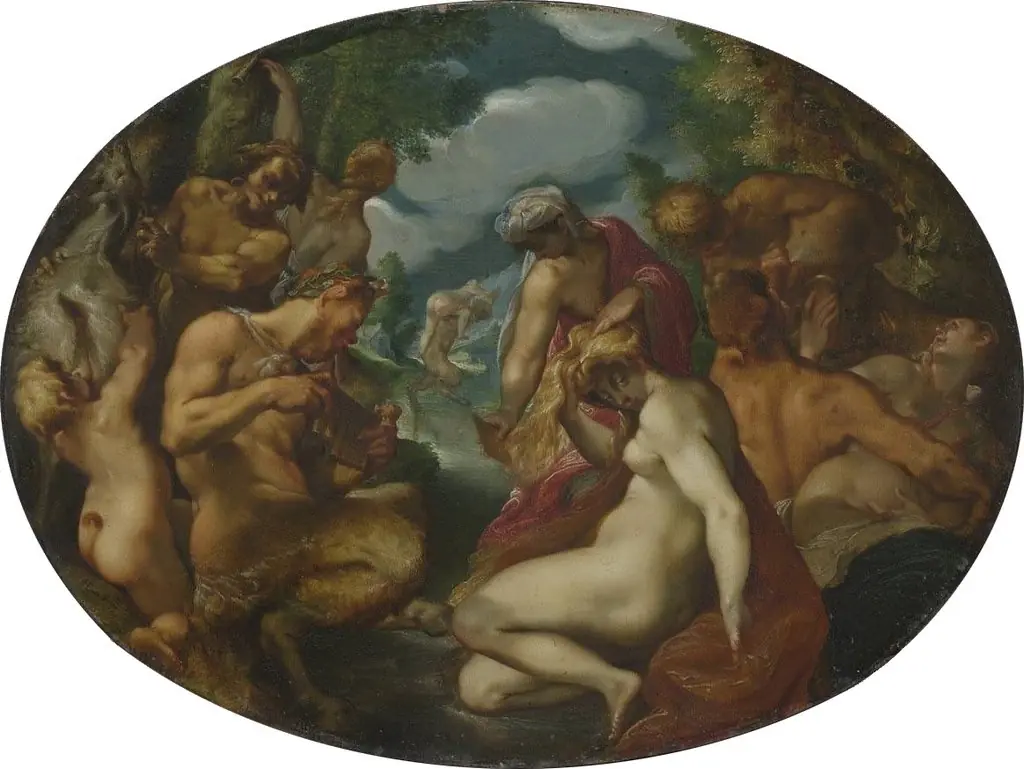 Satyrs and nymphs
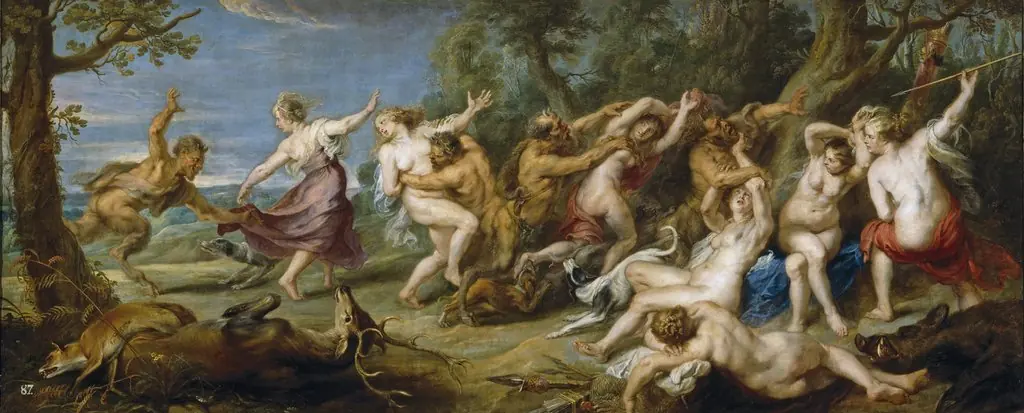 Diana and her Nymphs surprised by Satyrs
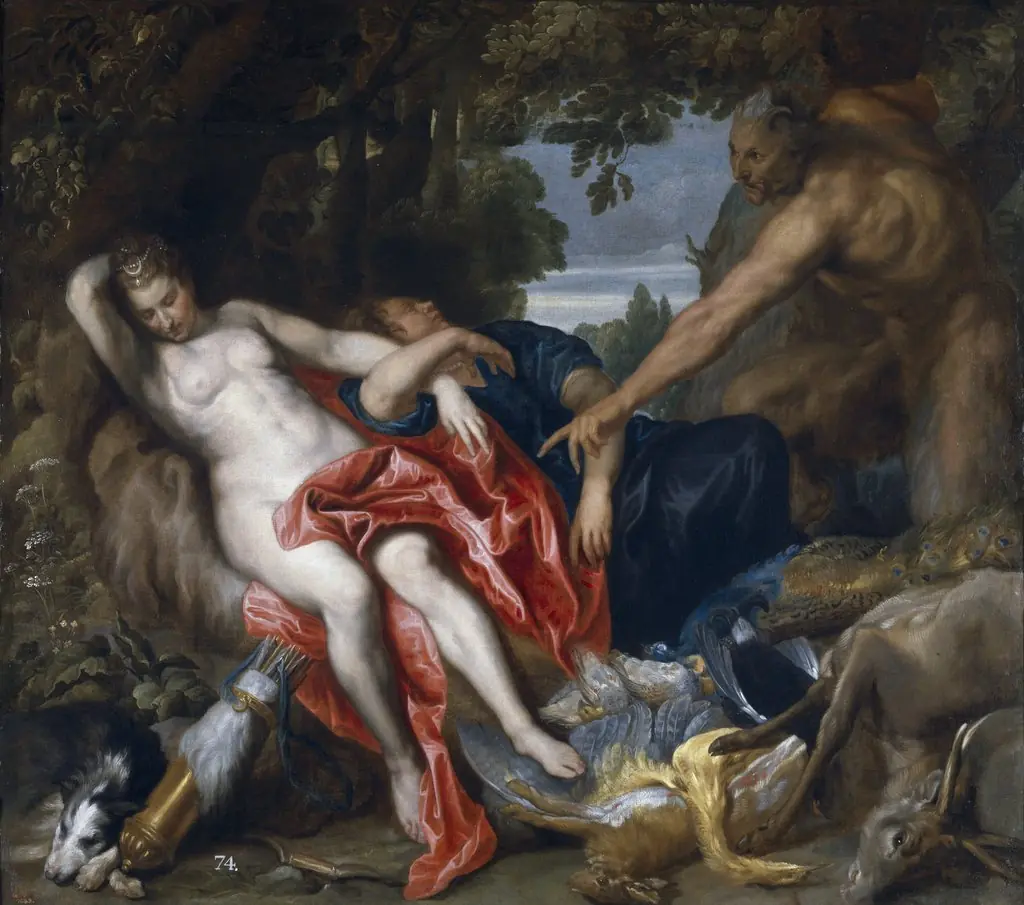 Diana and a Nymph Surprised by a Satyr
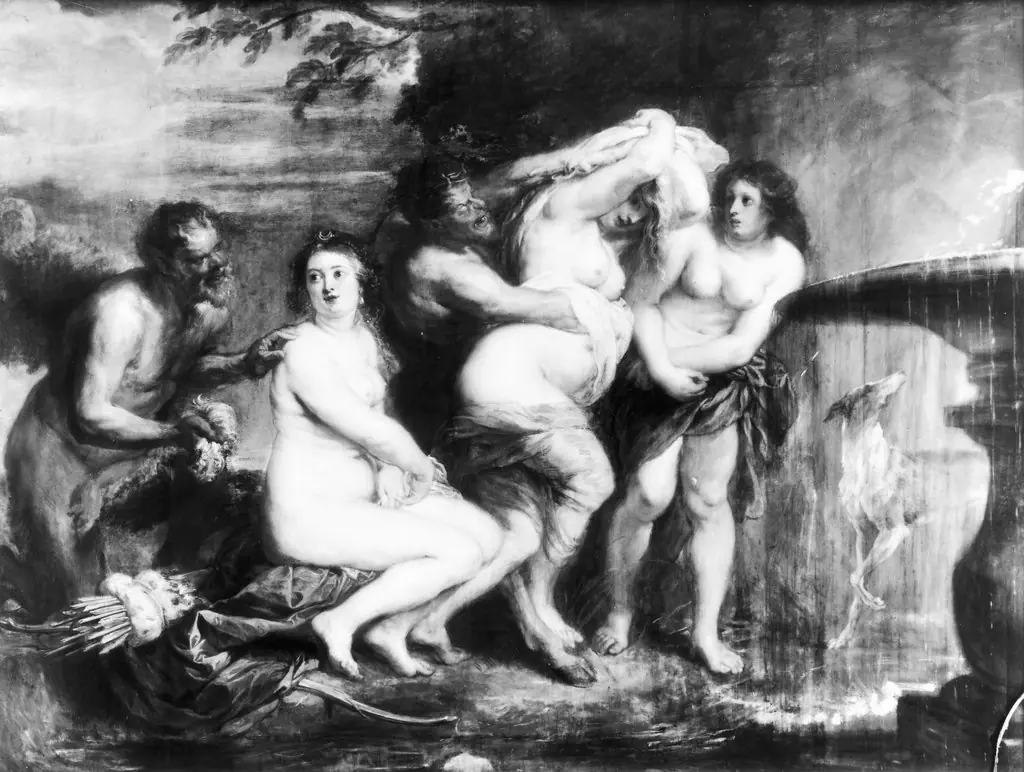 Diana and two nymphs surprised by satyrs while bathing
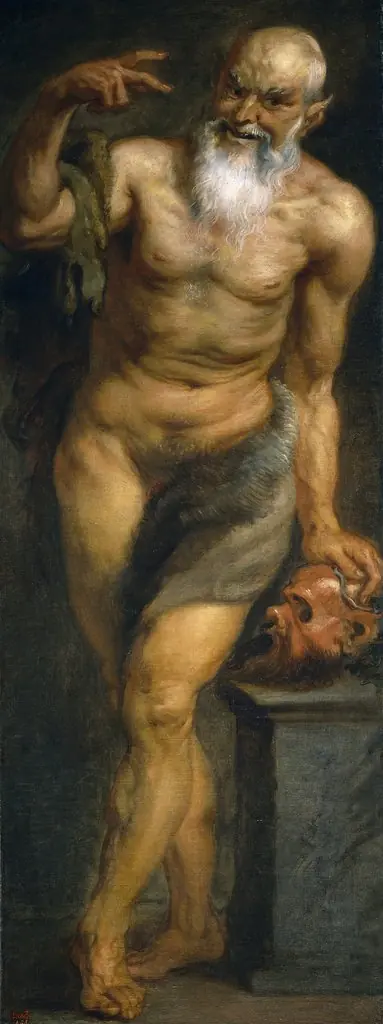 Satyr
Satyr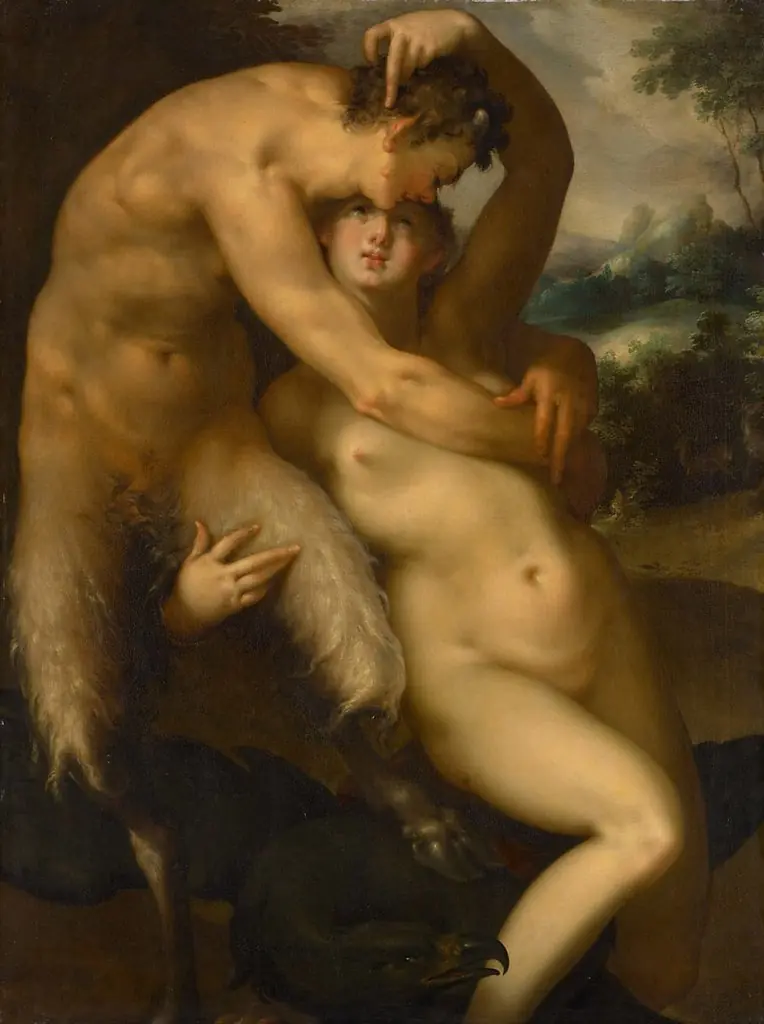 Jupiter und Antiope
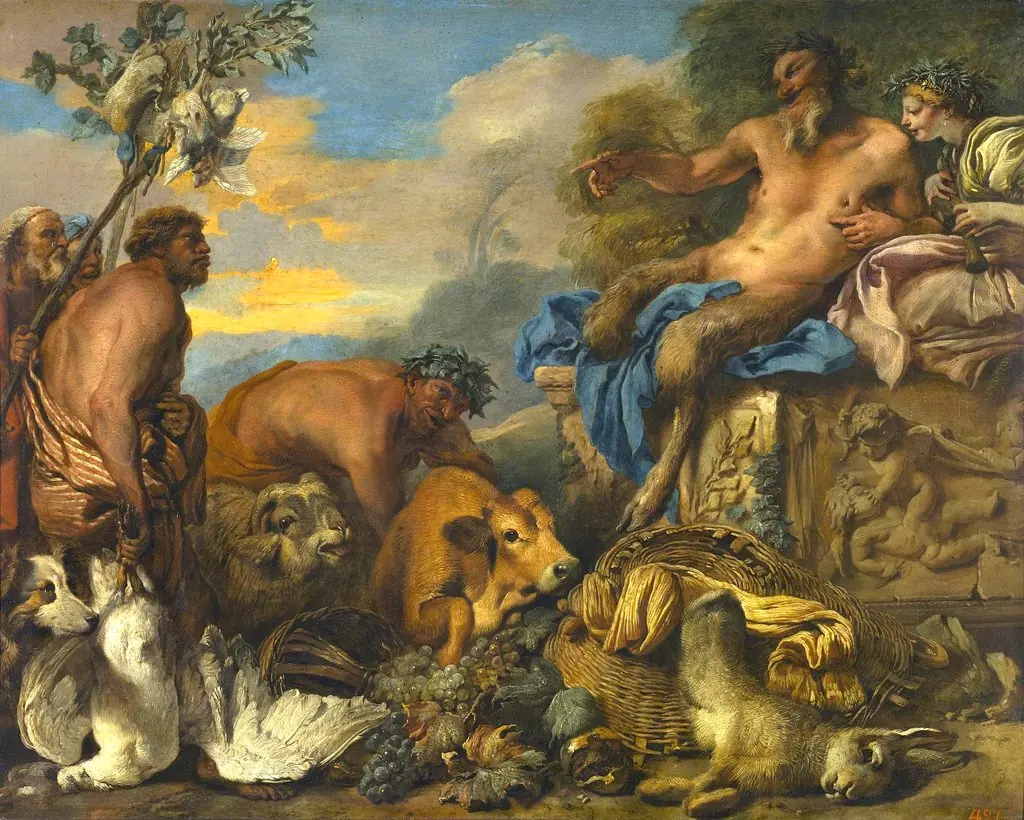 Satyrs Bringing their Gifts
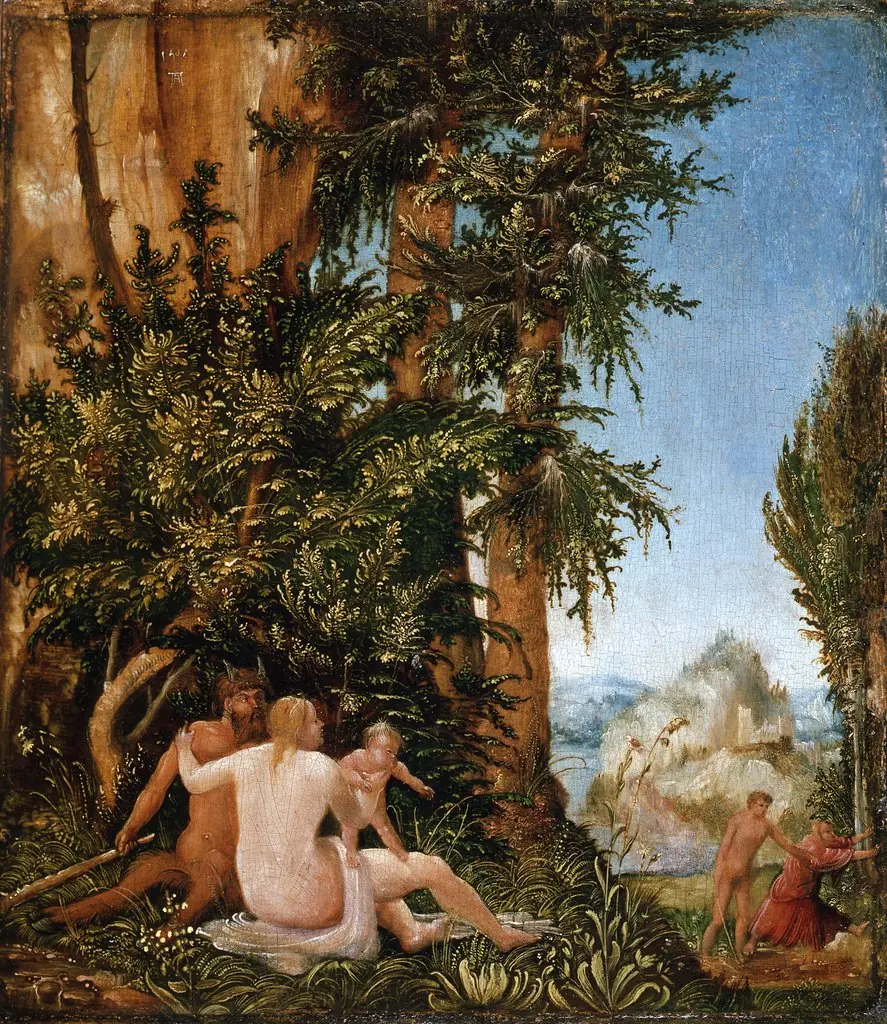 Landscape with Satyr Family
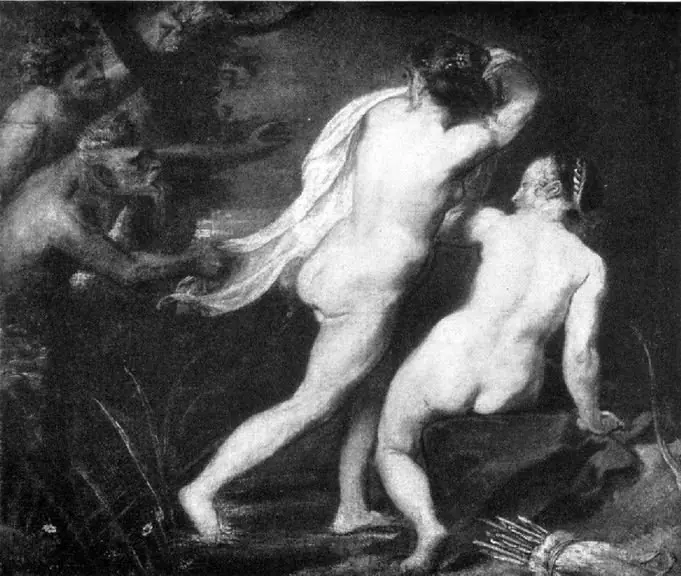 Nymphs surprised by Satyrs
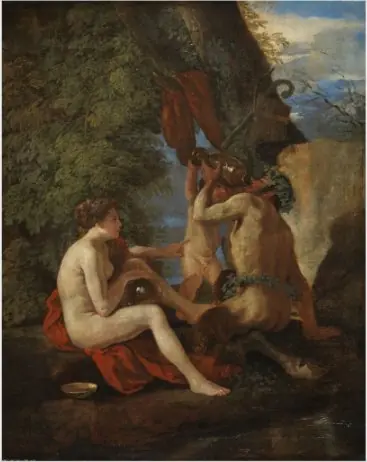 Nymph and Satyr
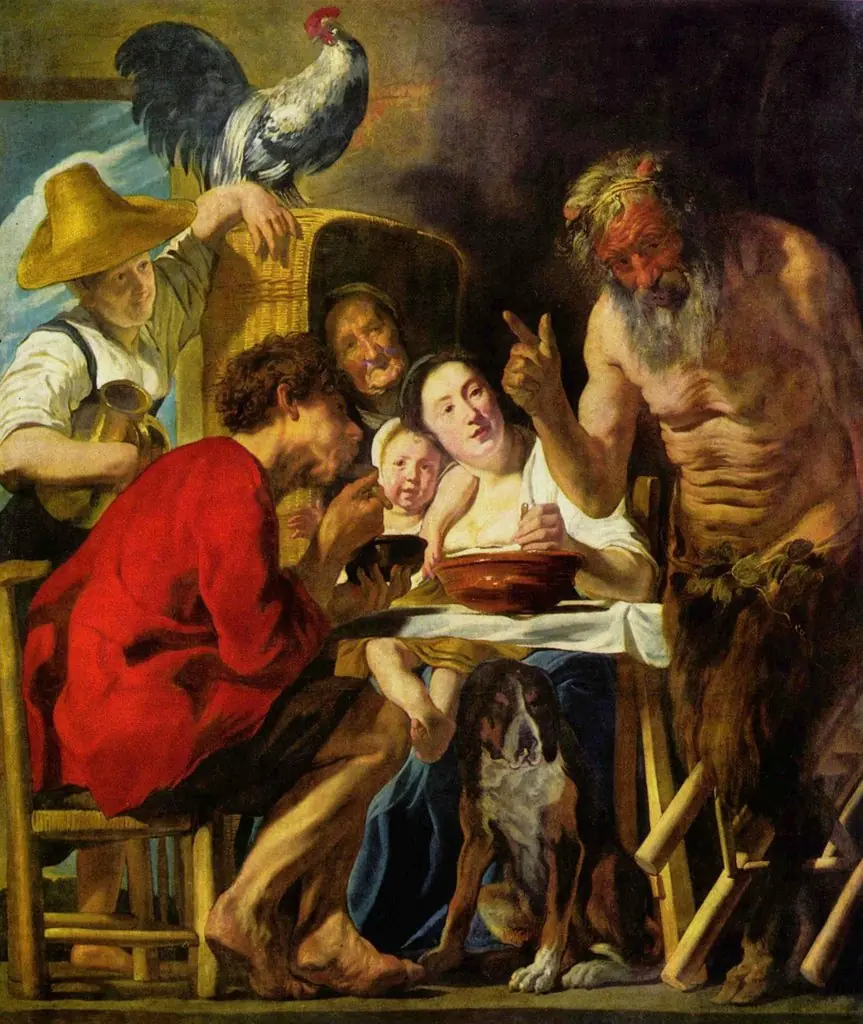 Satyr and the peasant
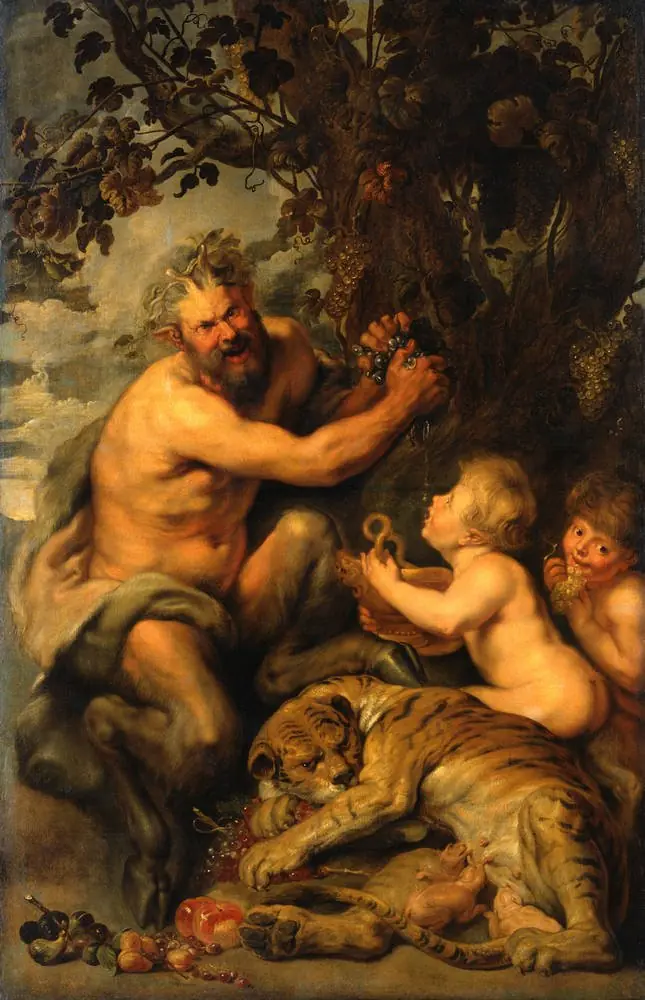 A Satyr pressing Grapes with a Tiger and Two Children
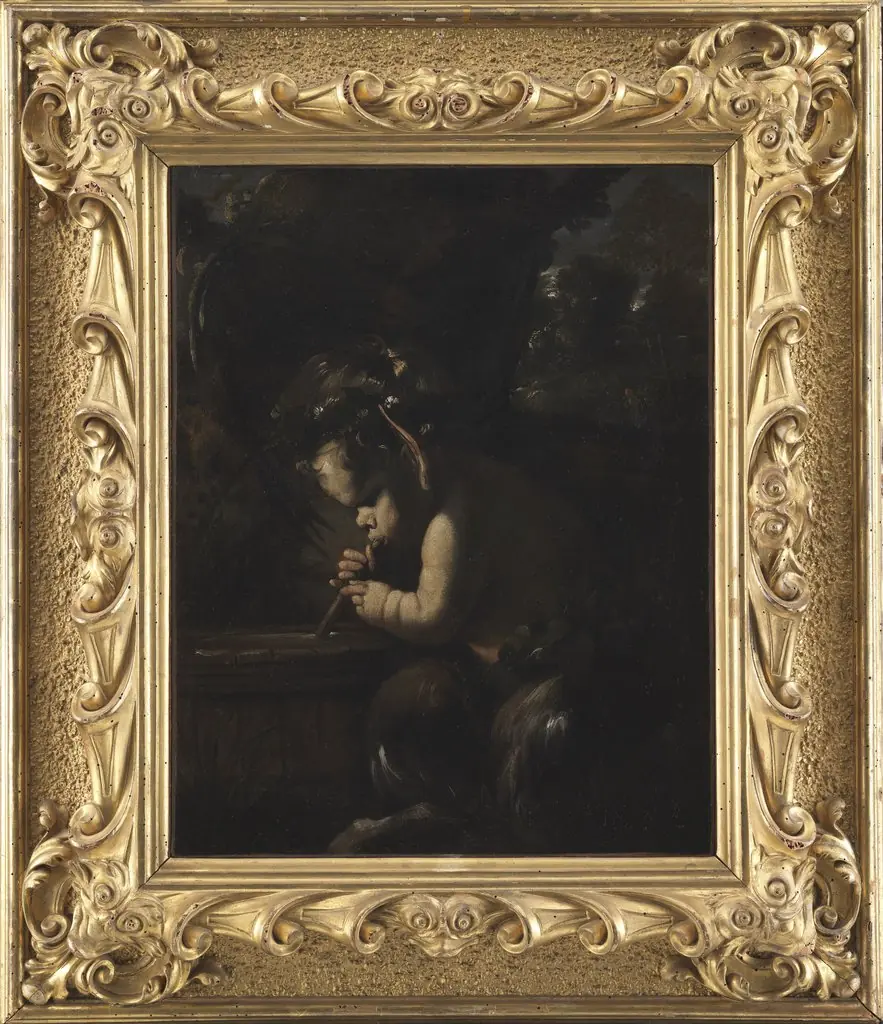 Young Satyr Drinking from a Wine Cask
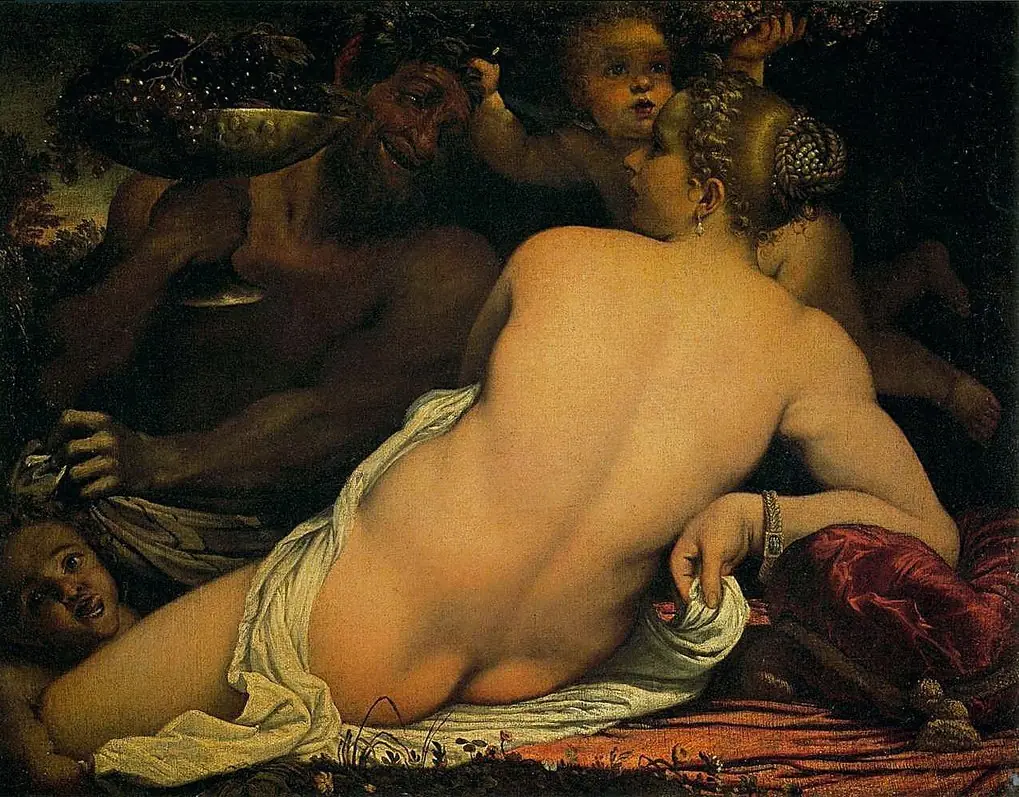 Venus with a Satyr and Cupids
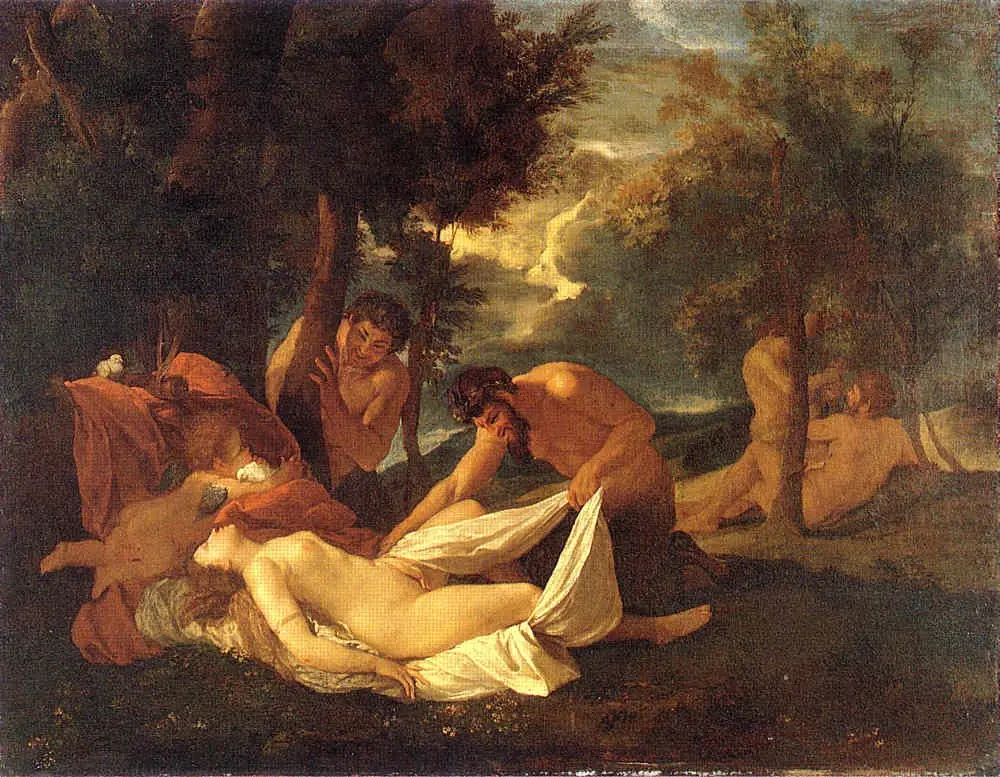 Sleeping Venus Surprised by Satyrs
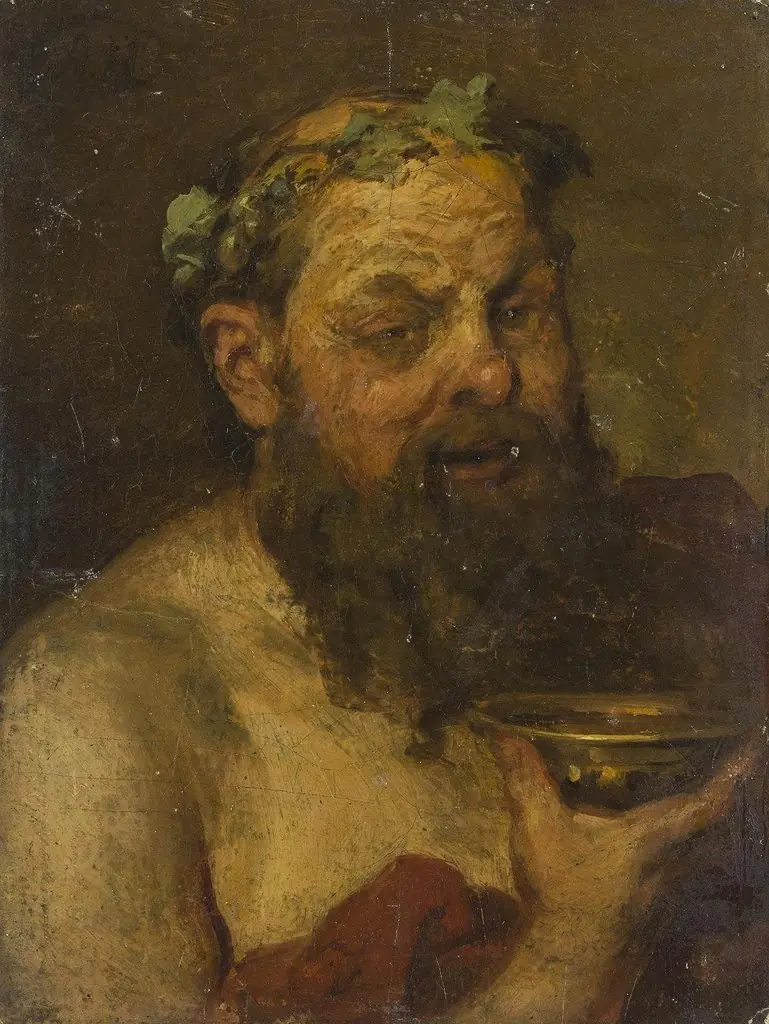 Bacchus
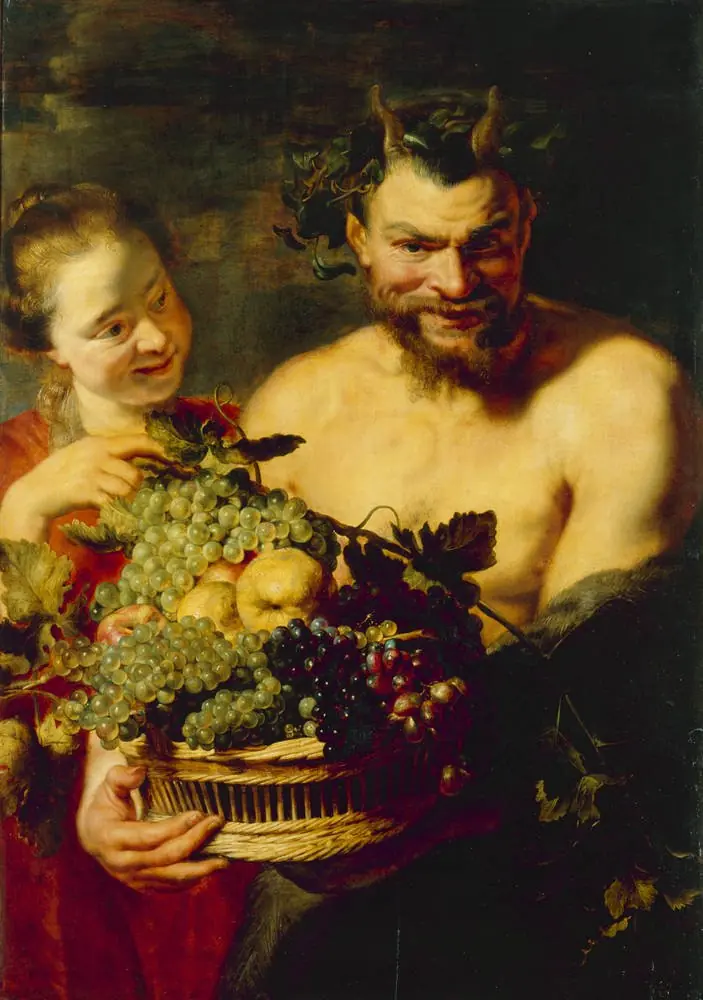 Satyr and Girl with a Basket of Fruit
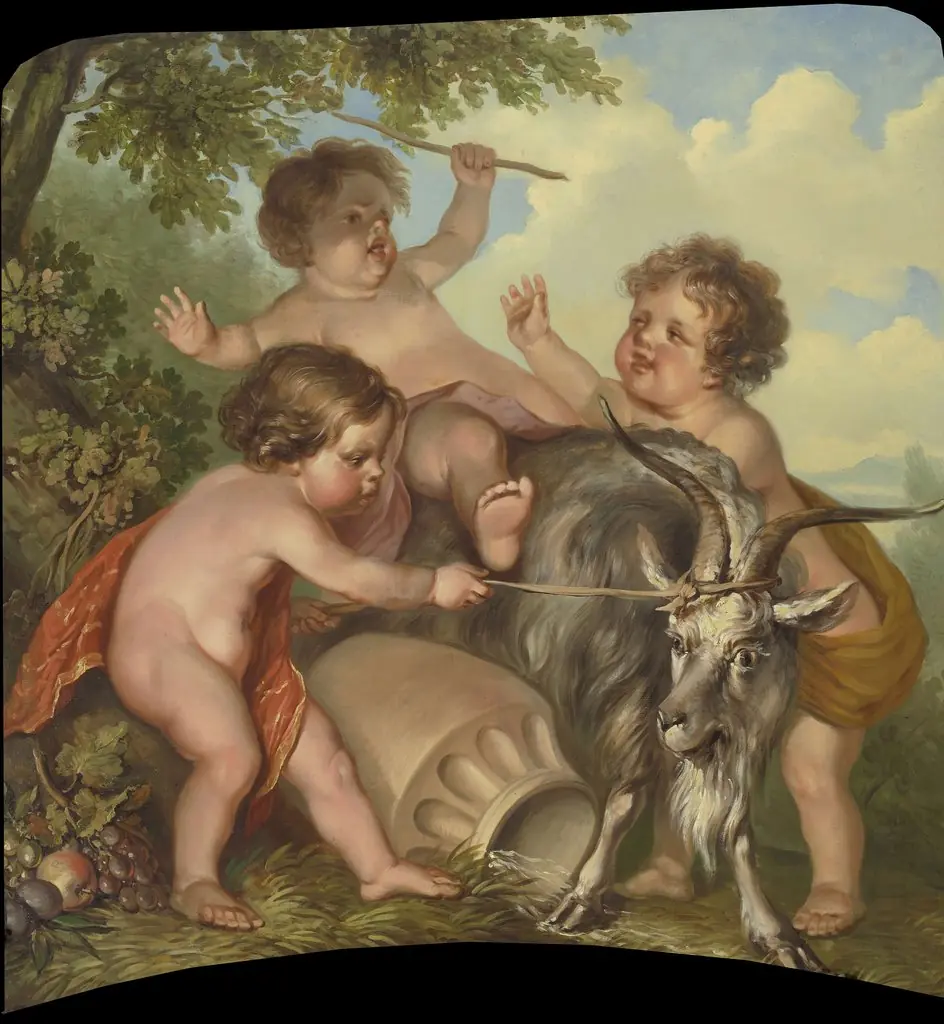 Drie kinderen spelend met een bok
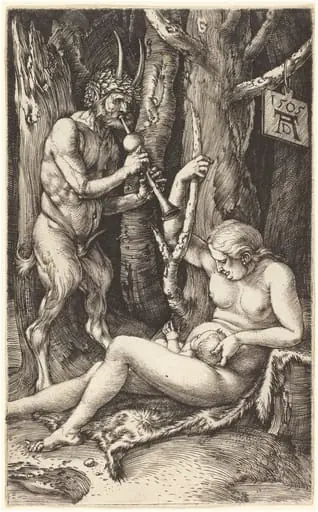 Satyr Family
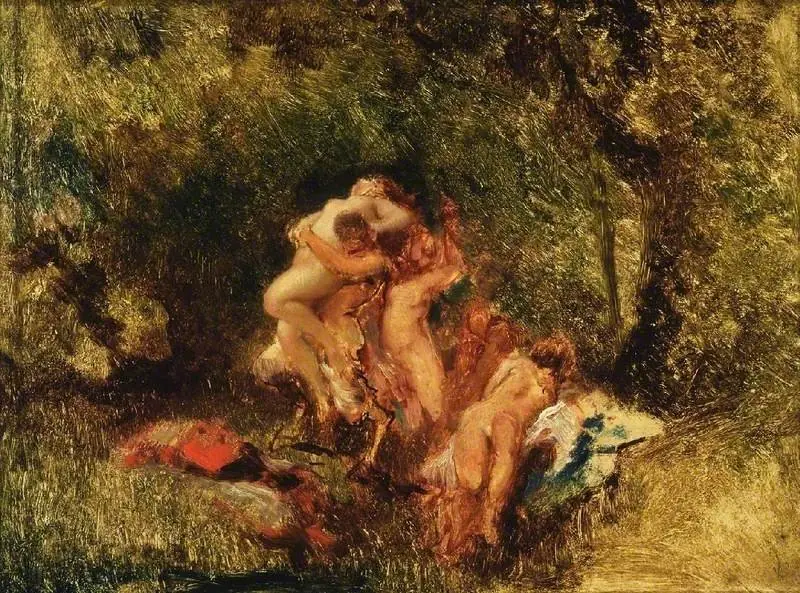 Nymphs et Satyres
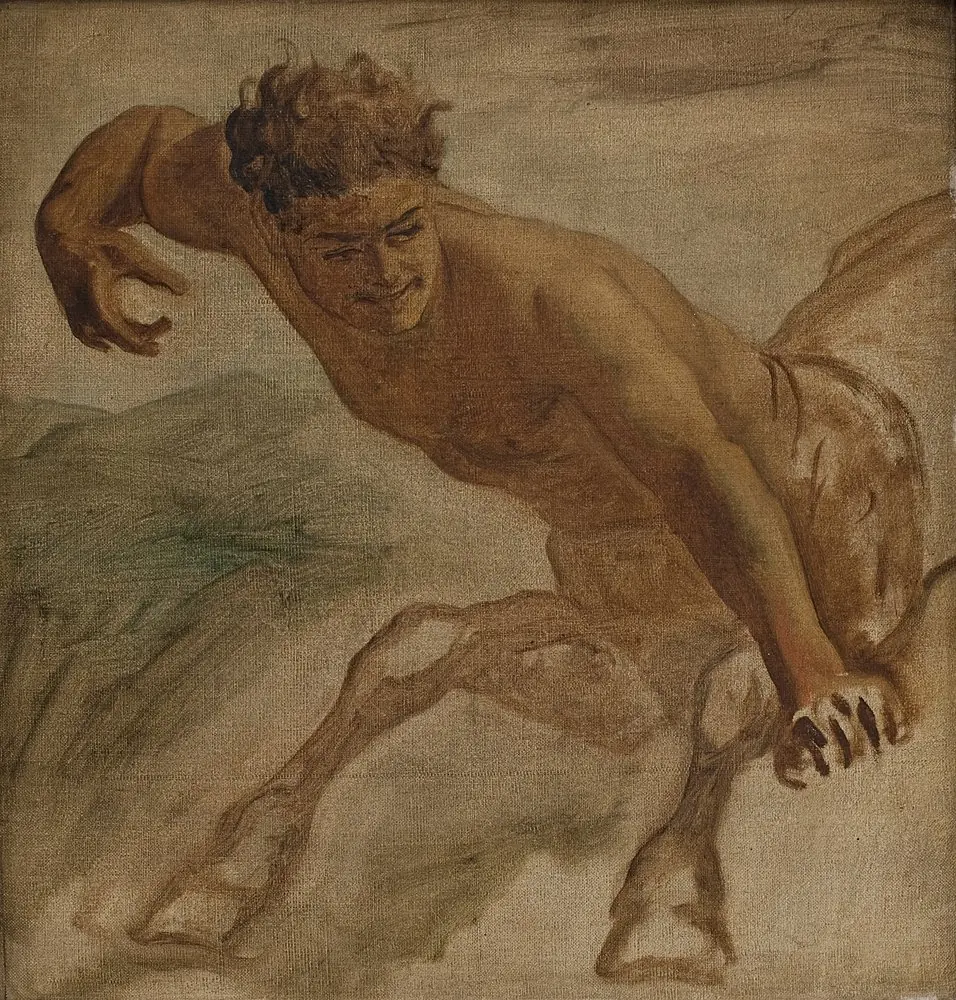 Centaur
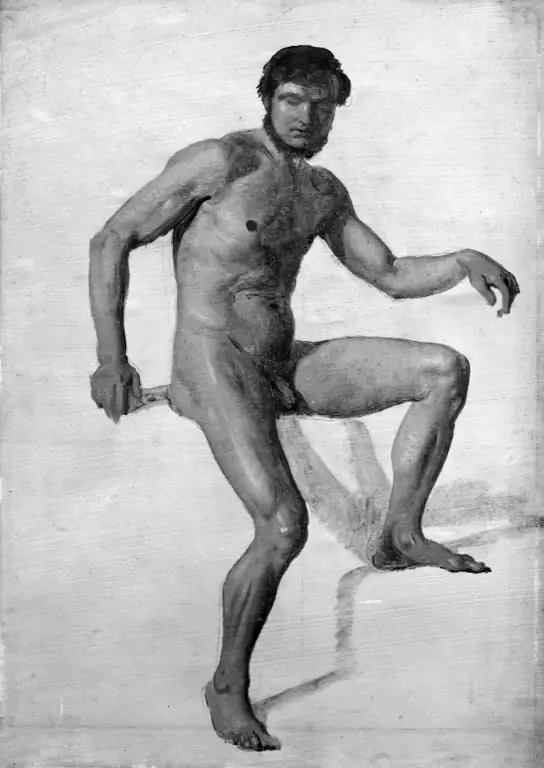 Siddende nøgen mandlig model
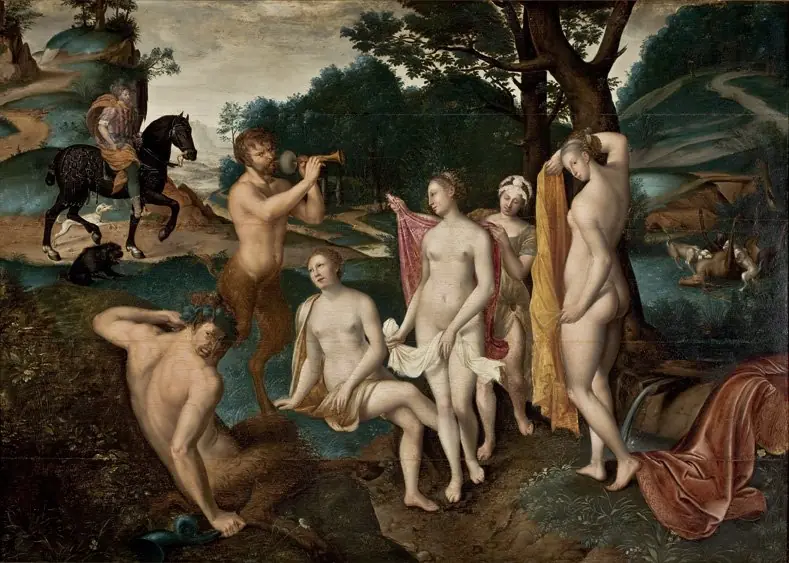 The Bath of Diana
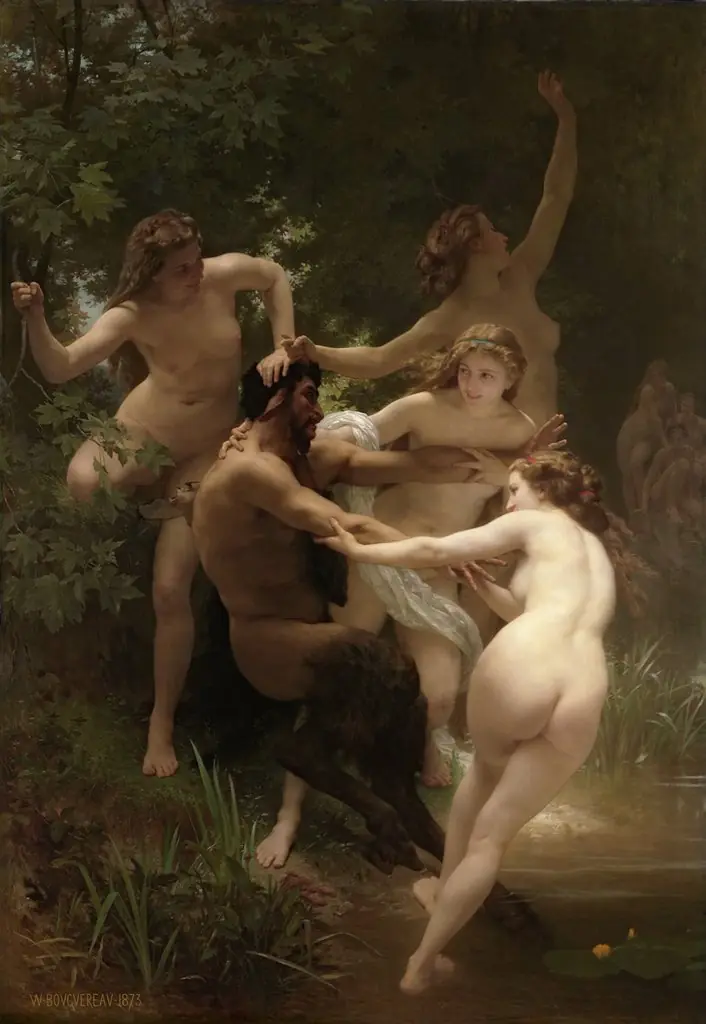 Nymphs and Satyr
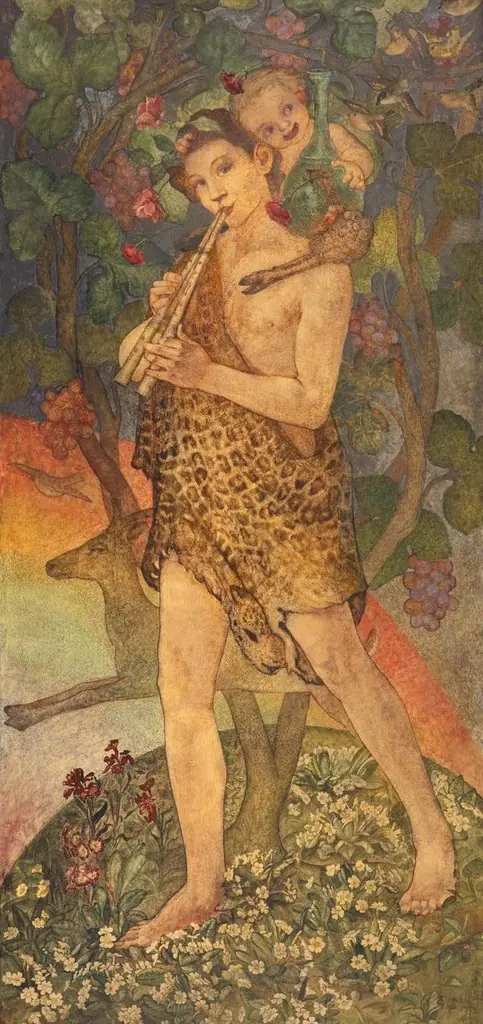 Pan
Pan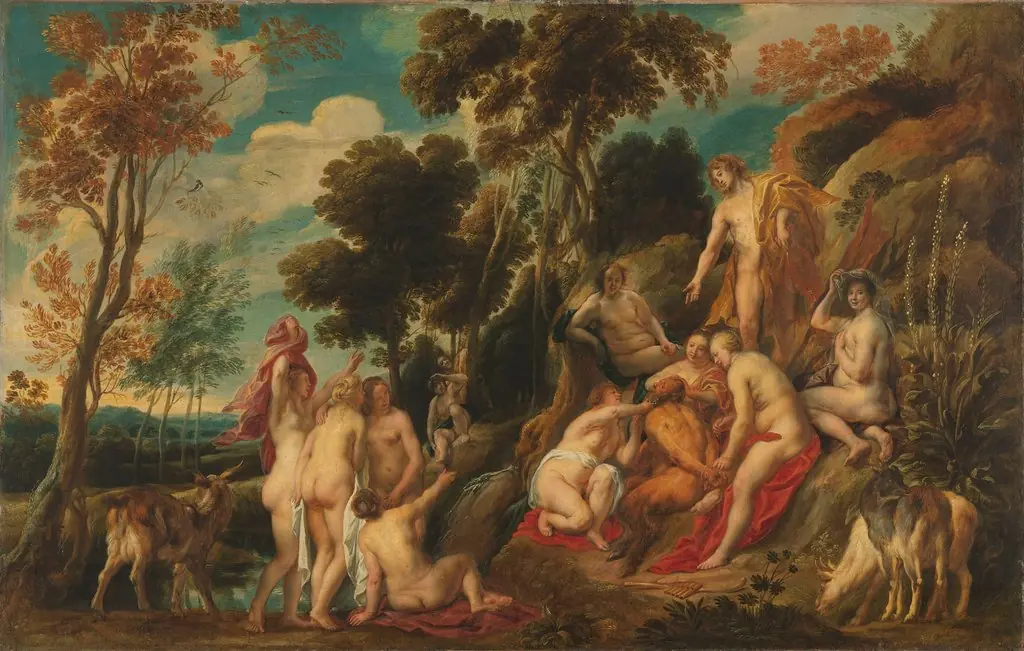 Marsyas punished by the Muses
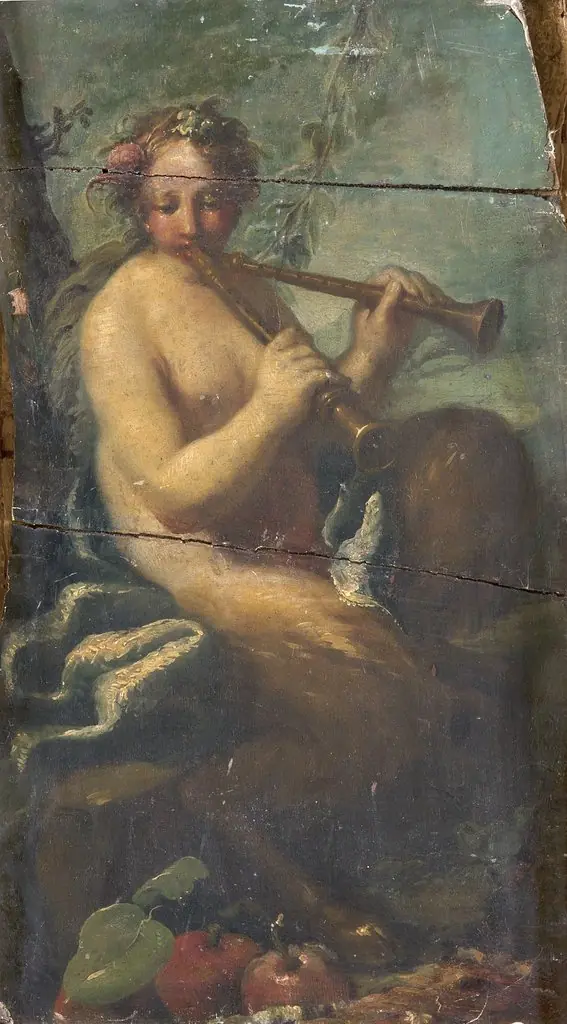 Satyr
Satyr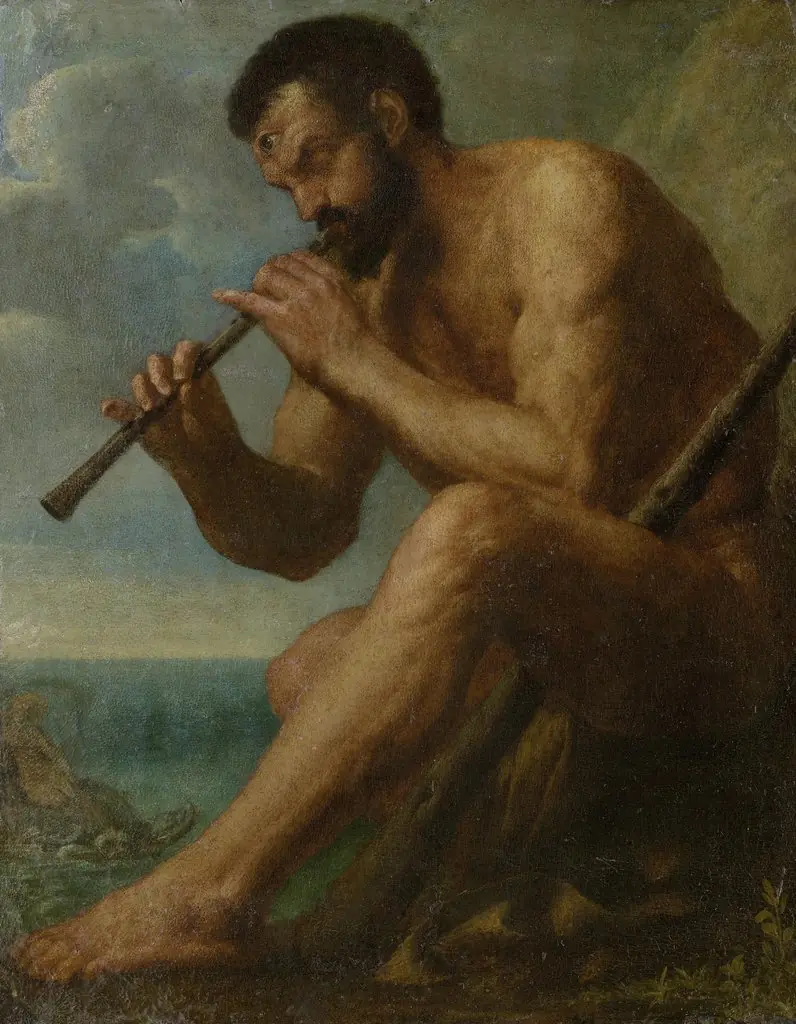 Polyphemus and Galatea
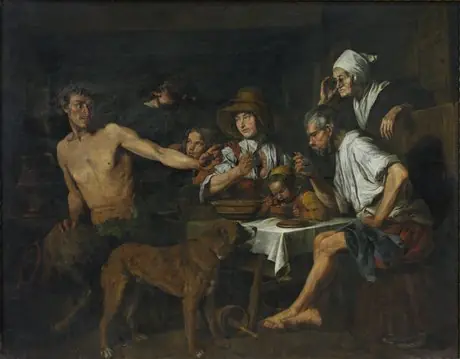 Satyr as a Guest of the Peasant
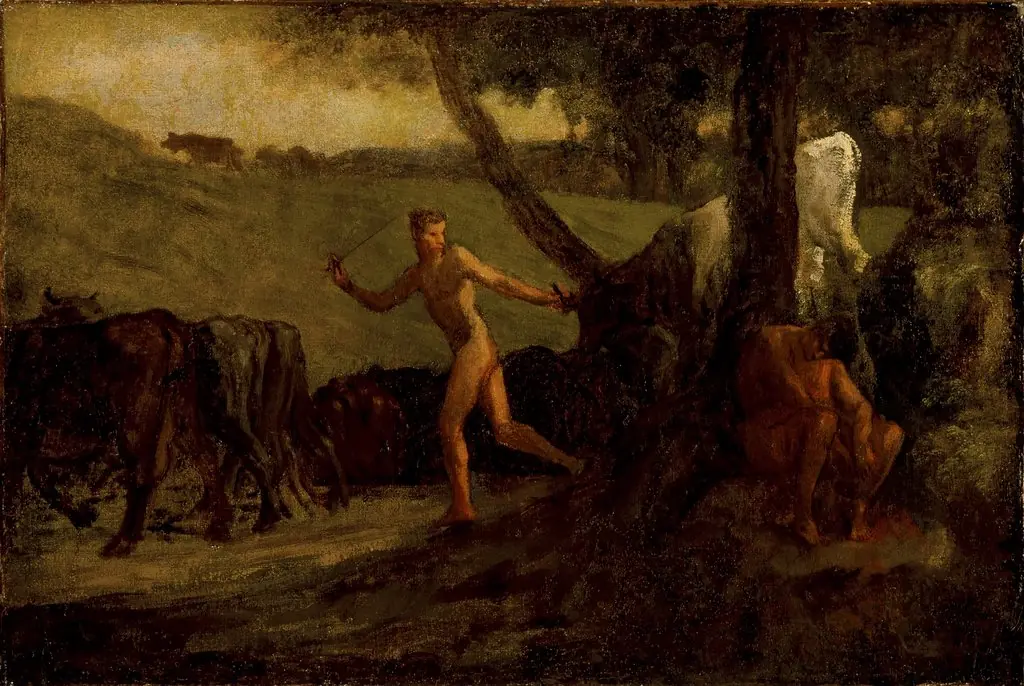 Study for 'Mercury Leading the Cows of Argus to Water'
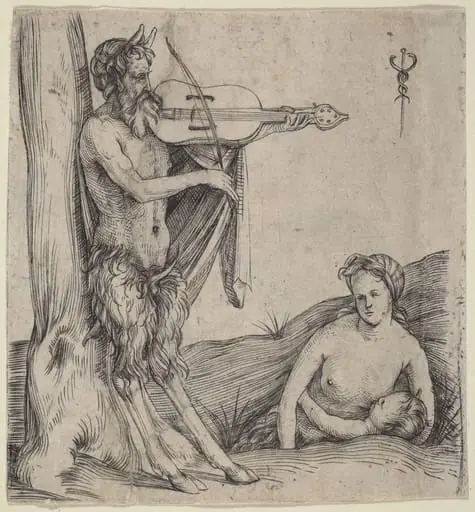 Satyr's Family
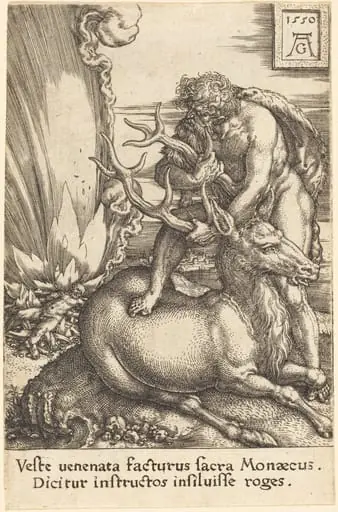 Hercules and the Hind
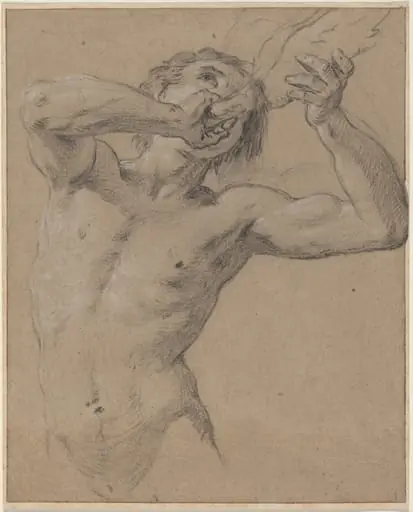 A Triton Blowing a Conch Shell
![Nude Man Seen from Behind [verso]](https://artifactworldgallery.com/img/palma-il-giovane--nude-man-seen-from-behind-verso--2de266ff199c839b-w320.webp) Nude Man Seen from Behind [verso]
Nude Man Seen from Behind [verso]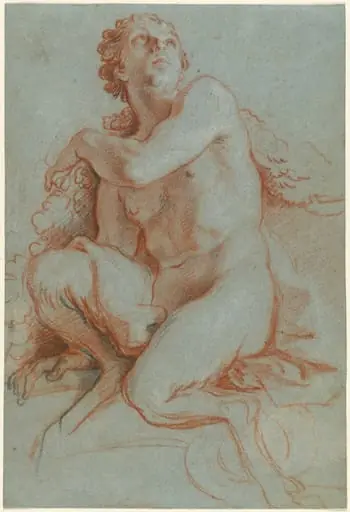 Seated Faun
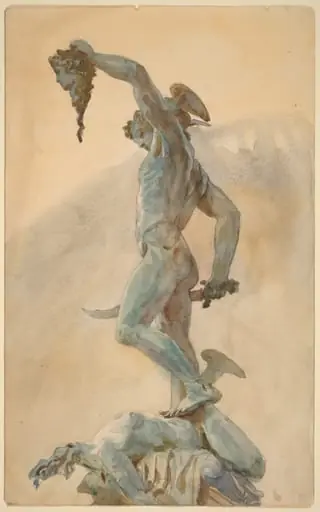 Sketch of Cellini's "Perseus"
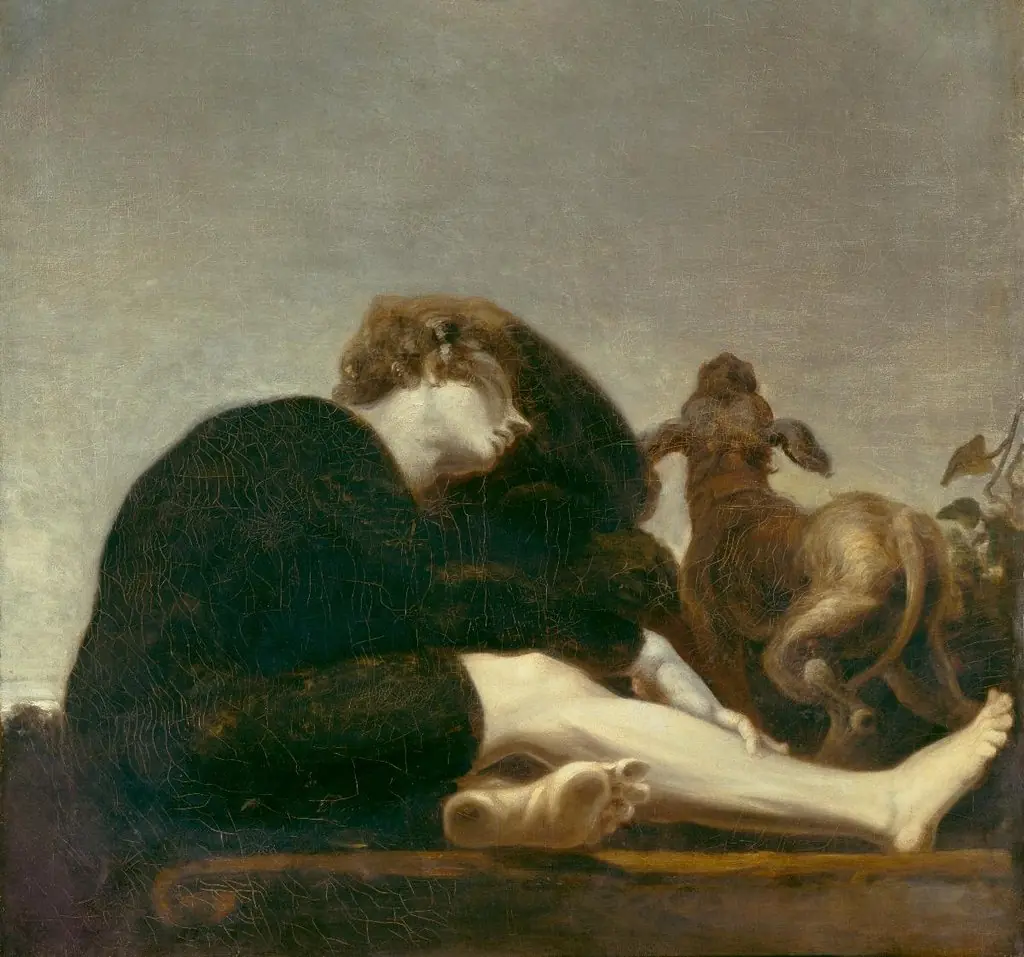 Einsamkeit im Morgenzwielicht
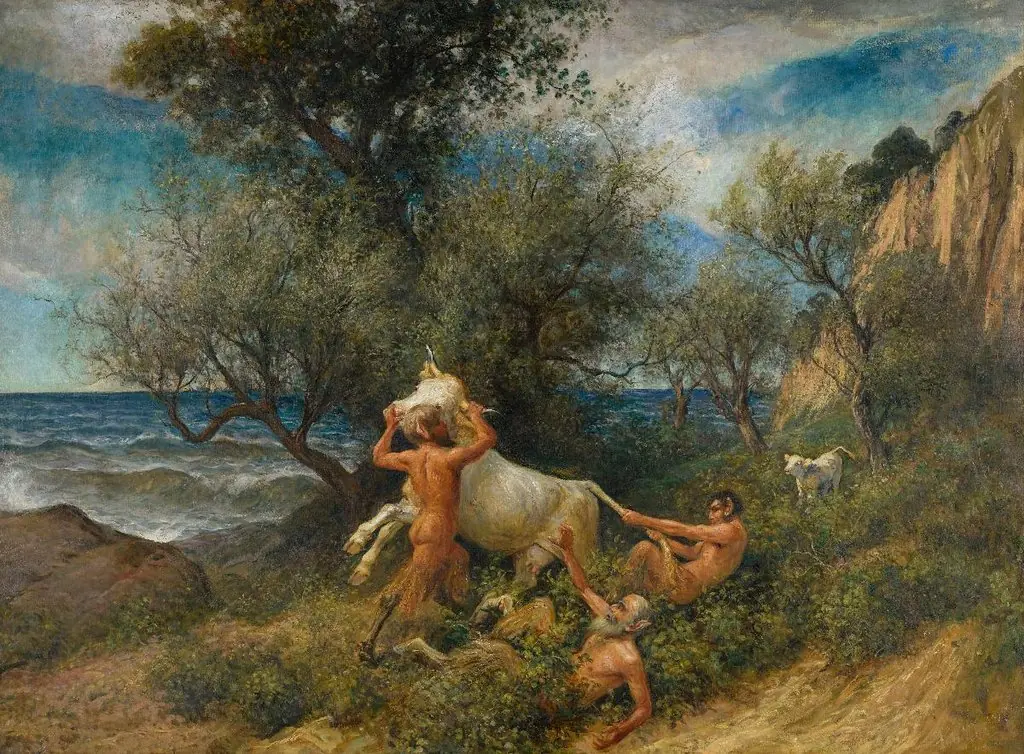 Drei Faune mit Kuh und Kalb
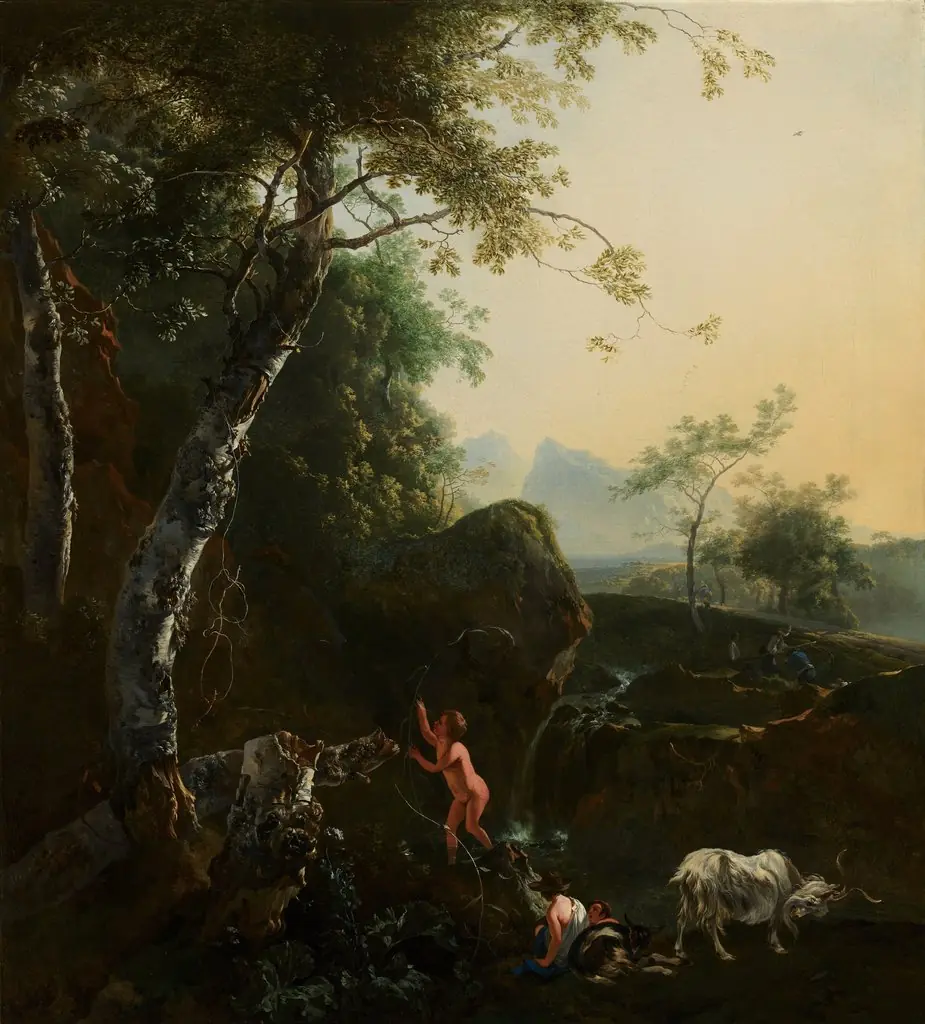 Mountainous Landscape with Waterfall
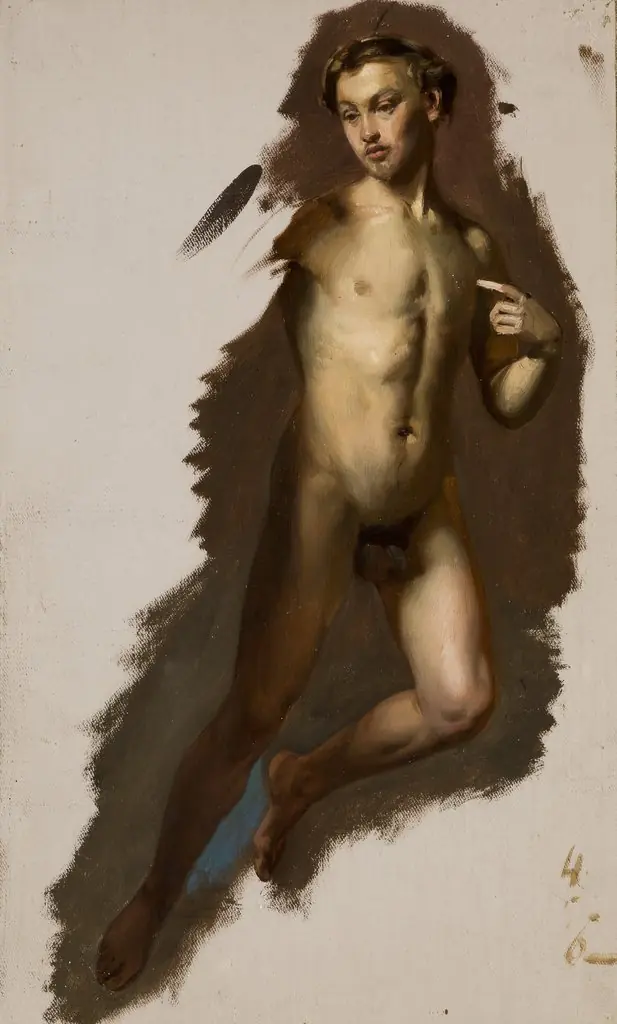 Study of the Amor Figure to the Painting "Wedding Procession of Amor and Psyche"
![Envoy to M. de Saint-Denis by M. de Belle-Isle, Prisoner [left]](https://artifactworldgallery.com/img/gabriel-de-saint-aubin--envoy-to-m-de-saint-denis-by-m-de-belle-isle-prisoner-left--014ced33d030578a-w320.webp) Envoy to M. de Saint-Denis by M. de Belle-Isle, Prisoner [left]
Envoy to M. de Saint-Denis by M. de Belle-Isle, Prisoner [left]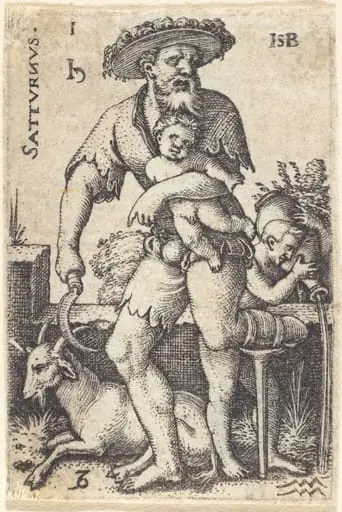 Saturn
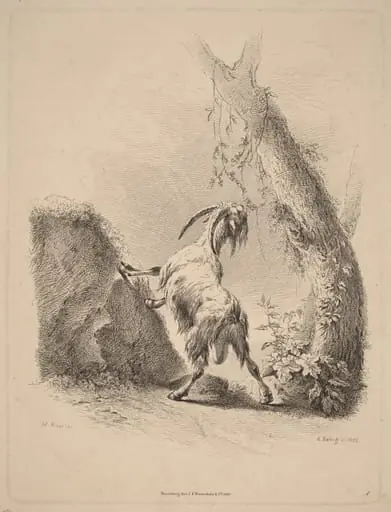 Goat in a Landscape
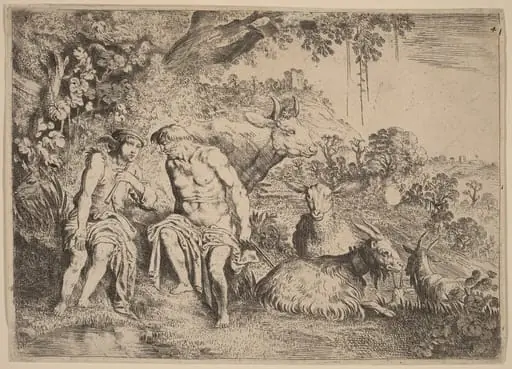 Mercury Lulling Argus to Sleep
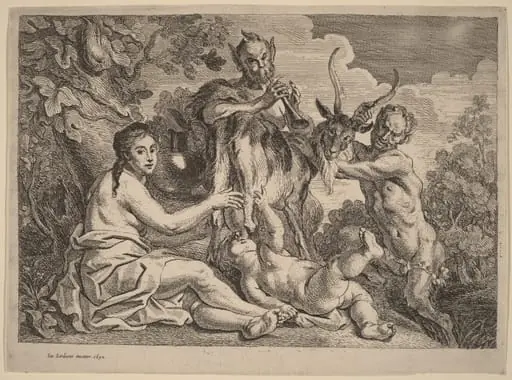 Jupiter Nourished by the Goat Amalthea
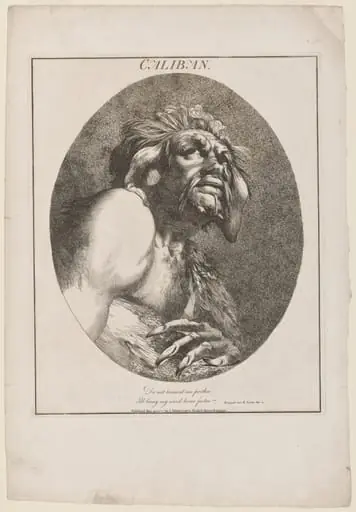 Caliban
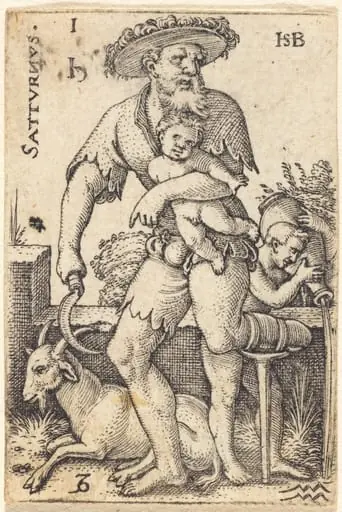 Saturn
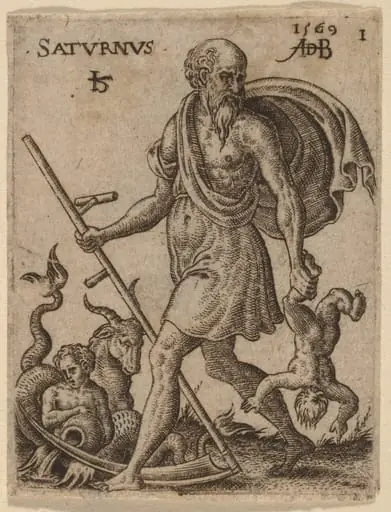 Saturn
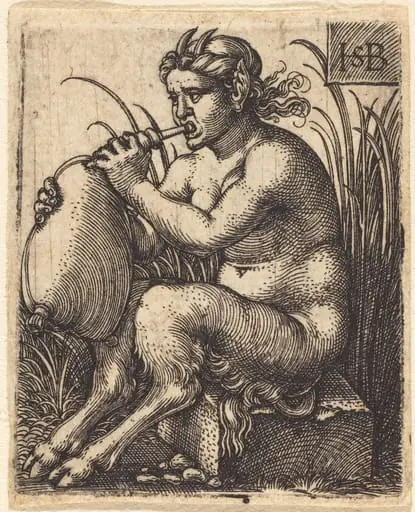 Female Satyr Playing a Bagpipe
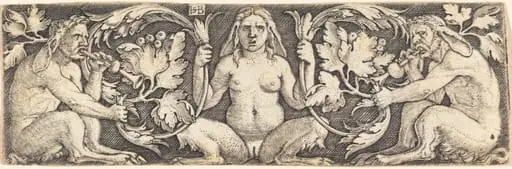 Ornament with Three Satyrs
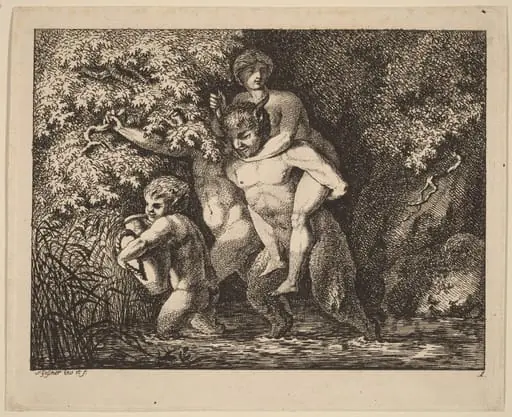 Satyr Carrying a Nymph
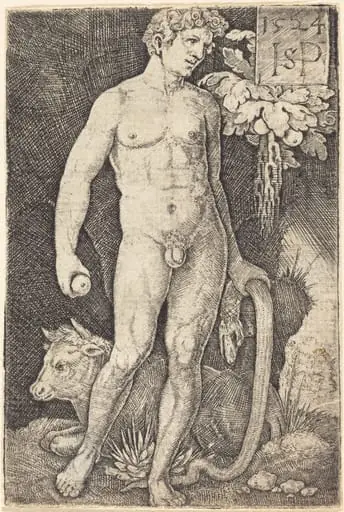 Adam Standing
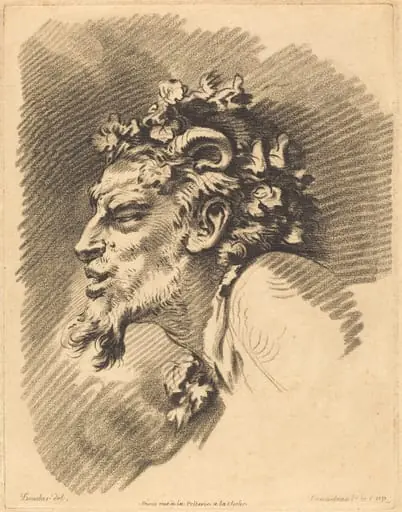 Head of a Faun
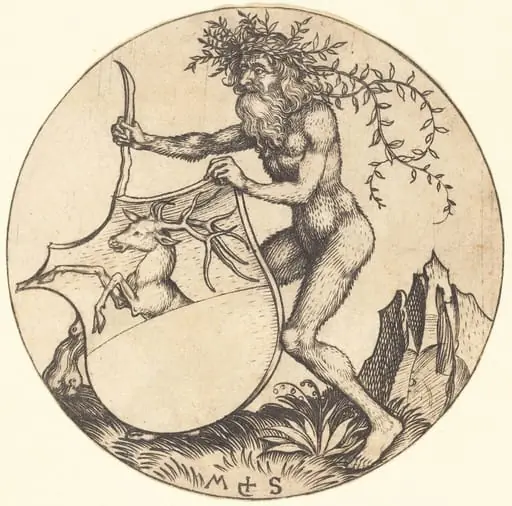 Shield with Stag, Held by Wild Man
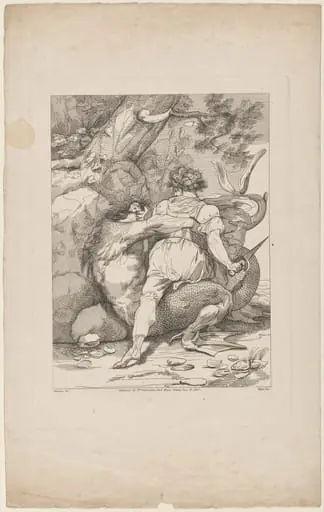 Man Attacking a Monster
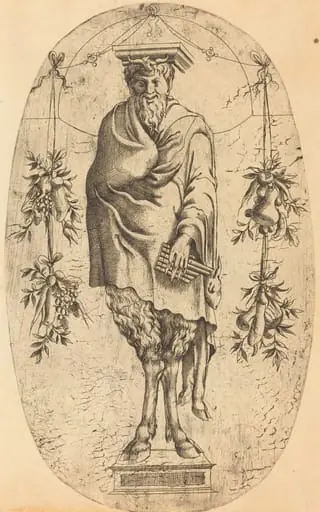 Pan
Pan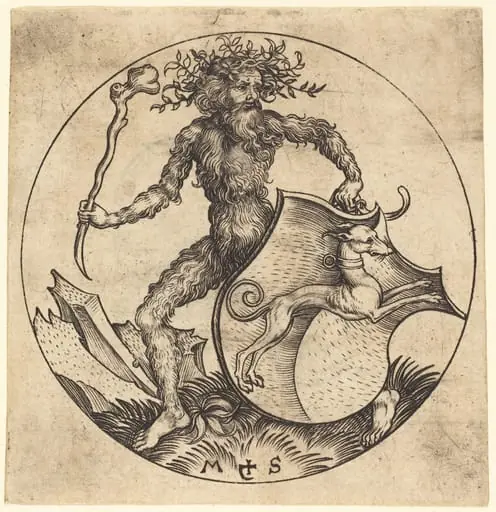 Wild Man Holding a Shield with a Greyhound
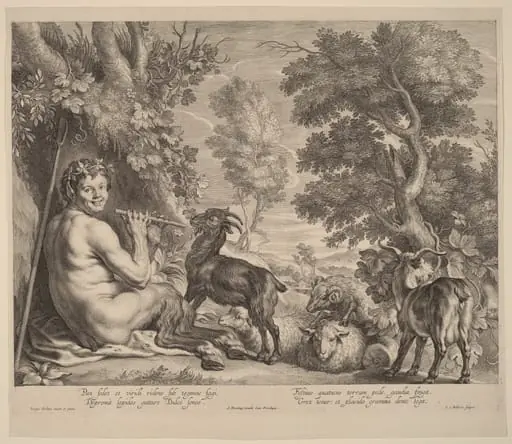 Pan Playing the Flute
 Jünglingsakt (Young Male Nude)
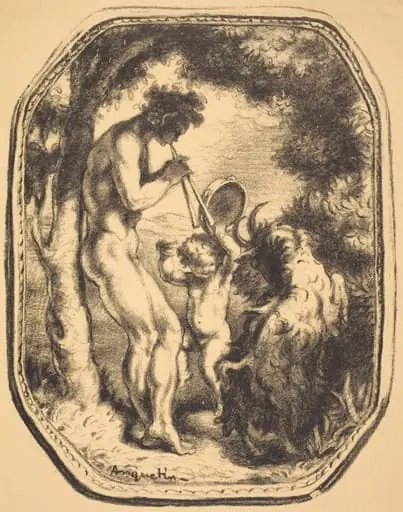 Le Talion; La Cage; Ceux qui restent; Fortune
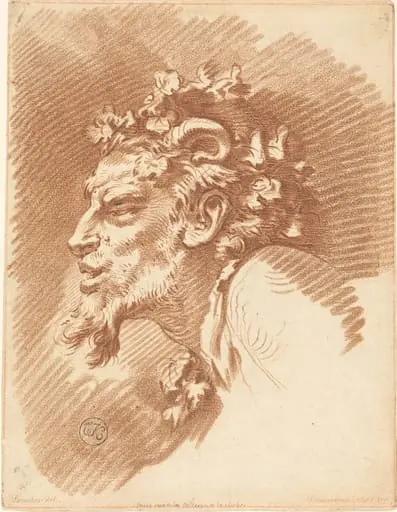 Head of a Faun
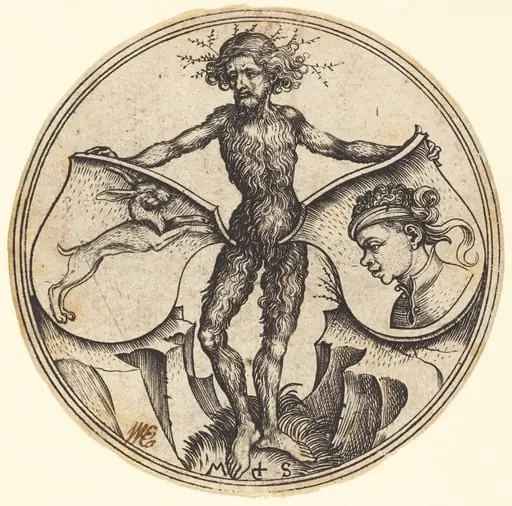 Shields with Rabbit and Moor's Head, Held by Wild Man
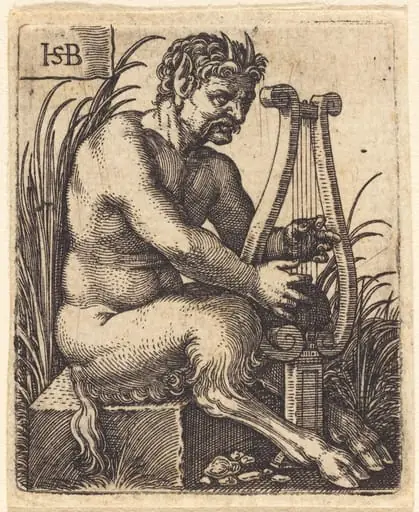 Satyr Playing the Lyre
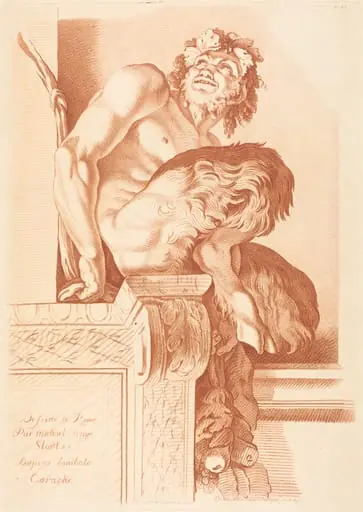 Satyr
Satyr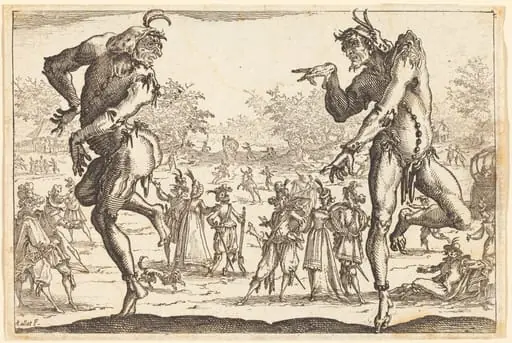 Two Zanni
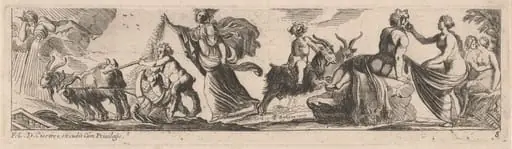 Satyr Driving a Pair of Goats
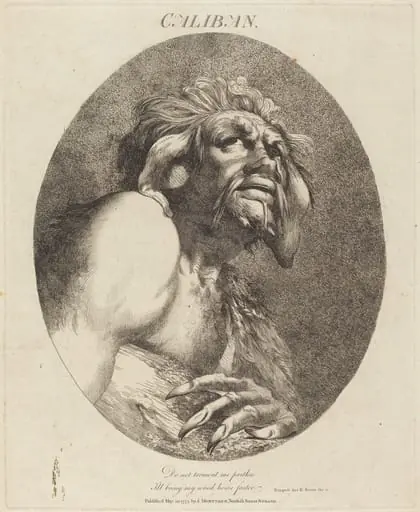 Caliban
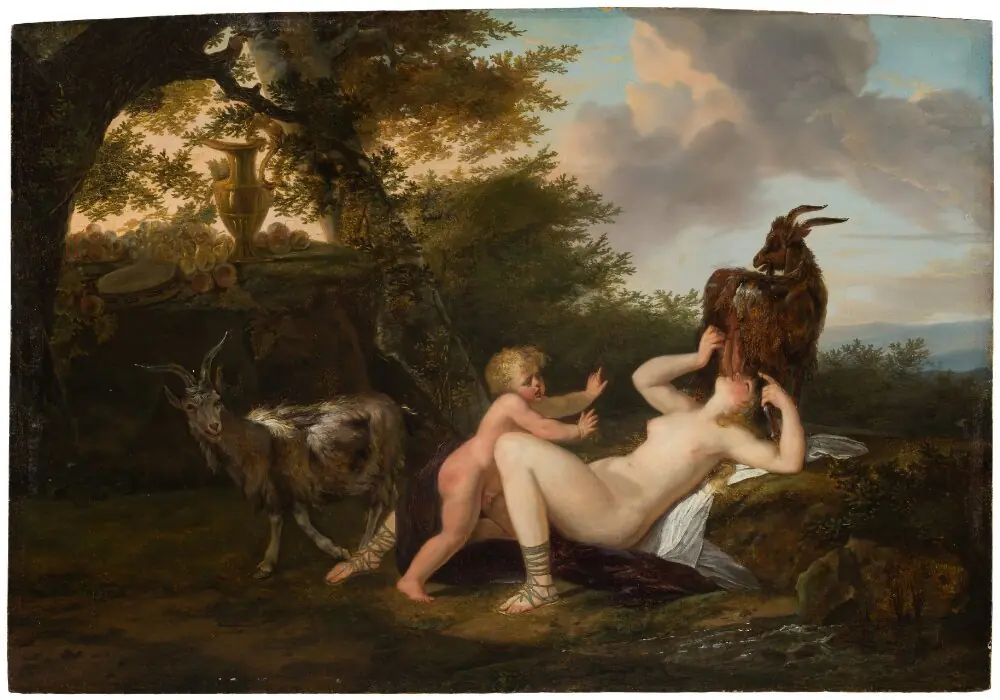 The Nymph Amalthea Suckling a Goat
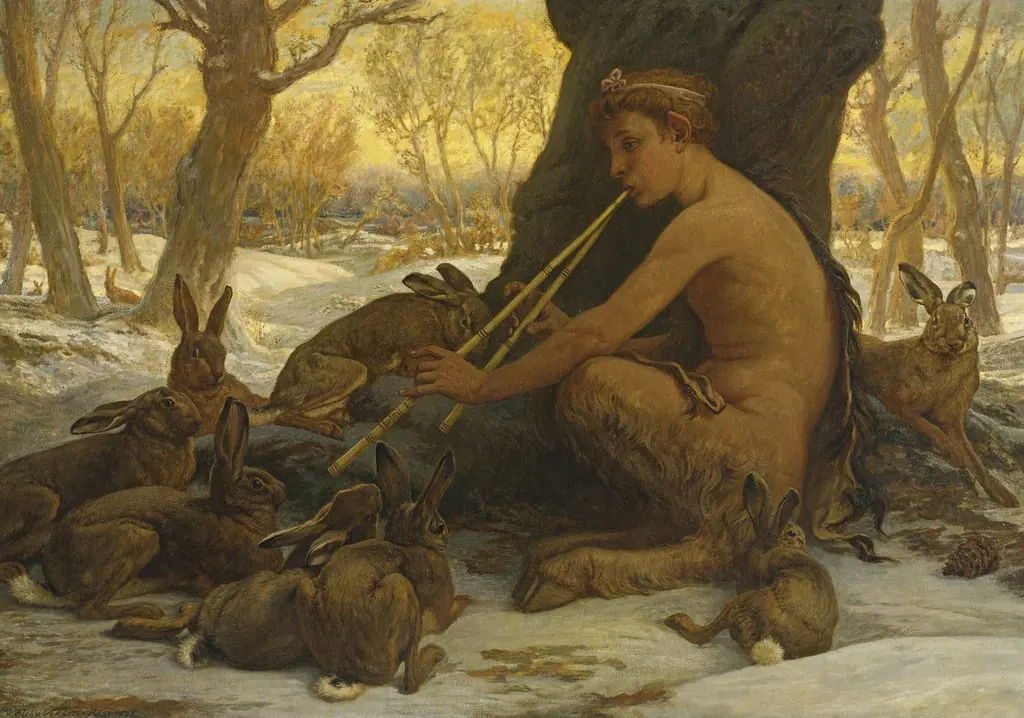 Young Marsyas (Marsyas Enchanting the Hares)
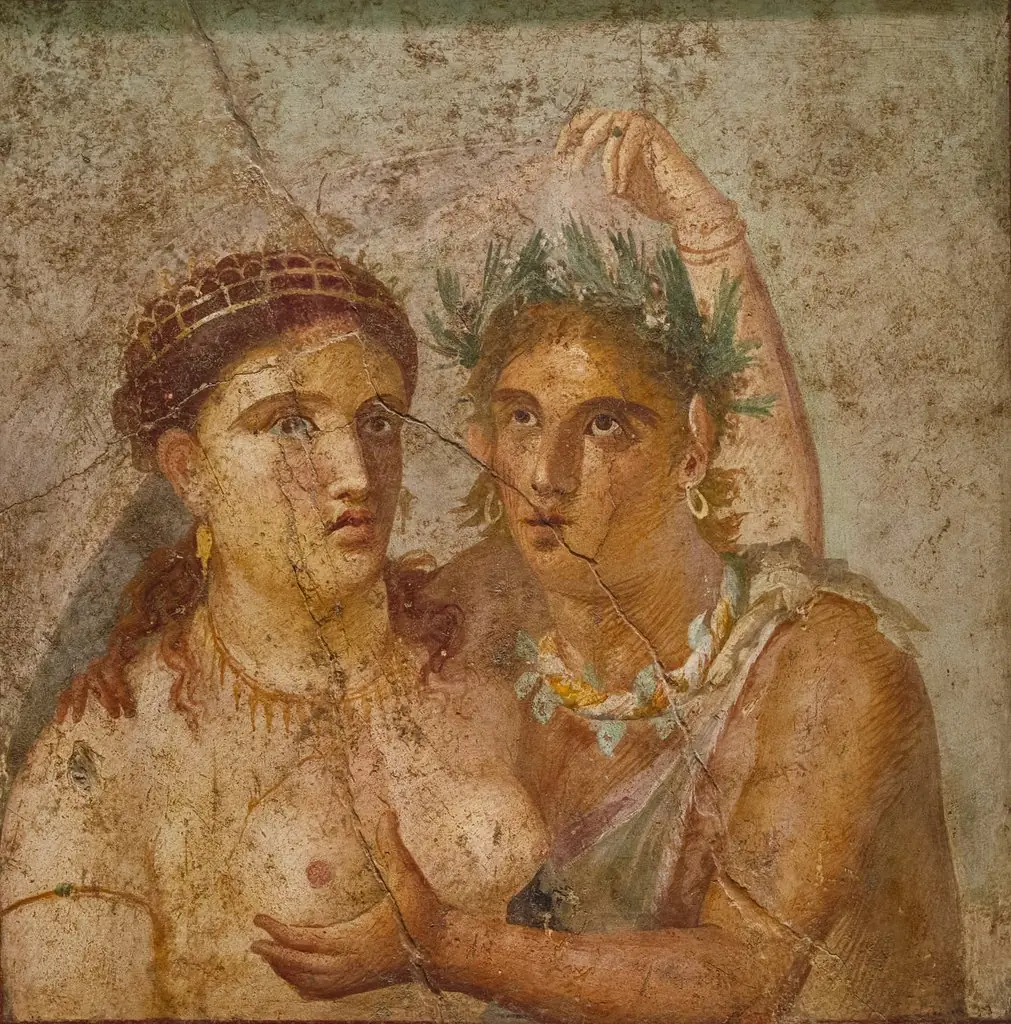 MAN Naples 110590
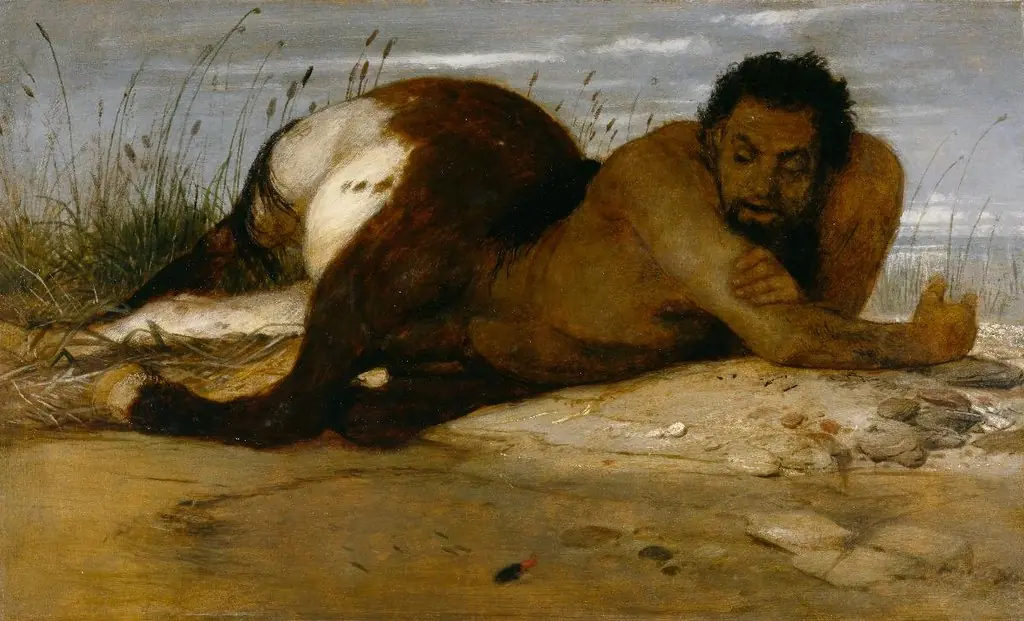 Kentaur, den Fischen zuschauend
 Lion et Crocodile
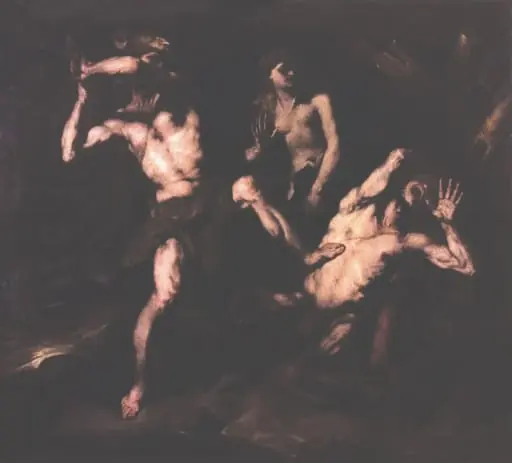 Lupta lui Hercule cu centaurul Nessus
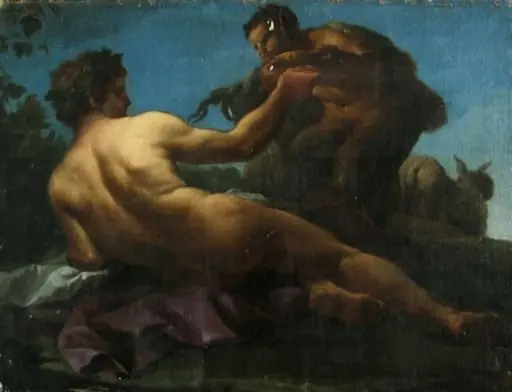 Satir oferind o cană de must lui Bacchus
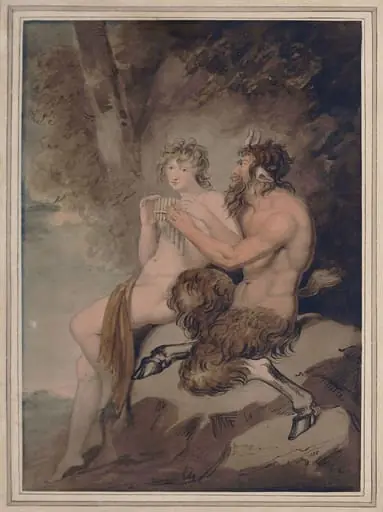 Pan teaching Apollo to play the pipes
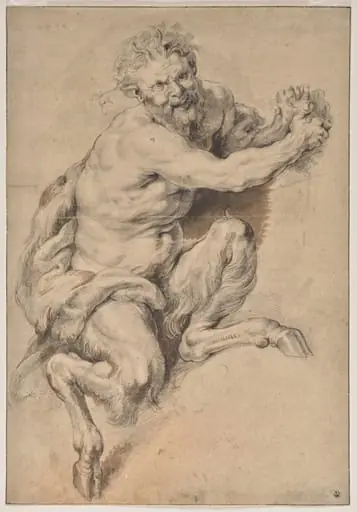 A Faun Grasping a Bunch of Grapes
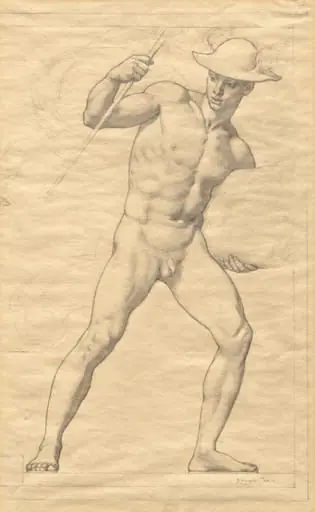 Mercury
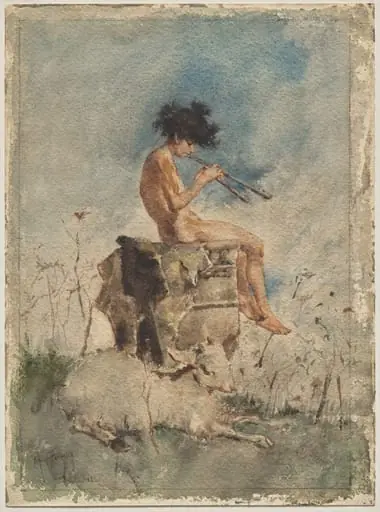 The Pipes of Pan
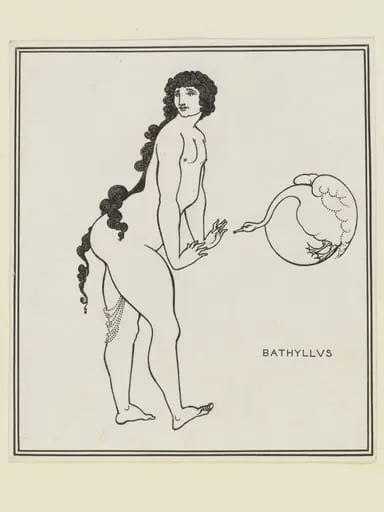 Bathyllus in the Swan Dance
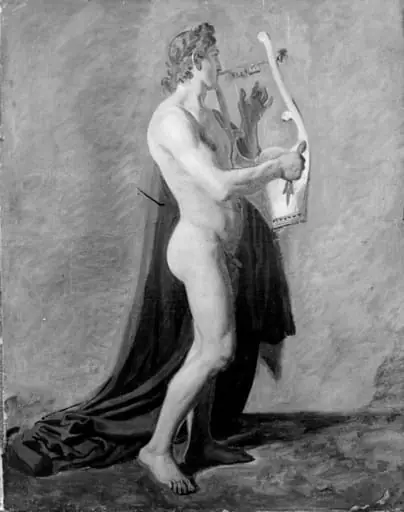 Apollo with his Lyre
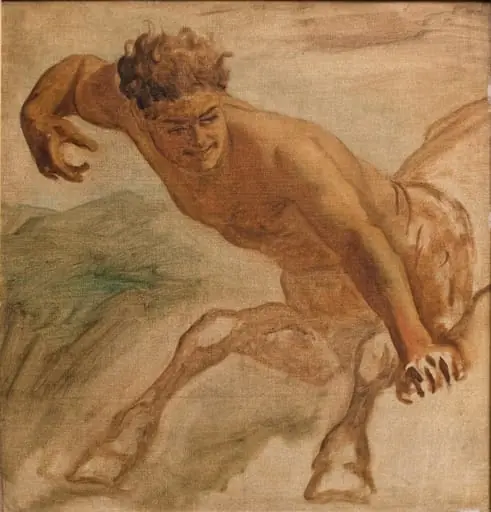 Centaur
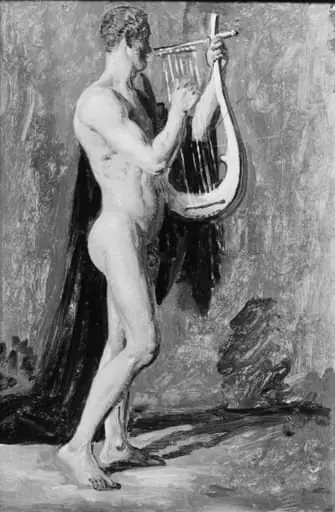 Apollon
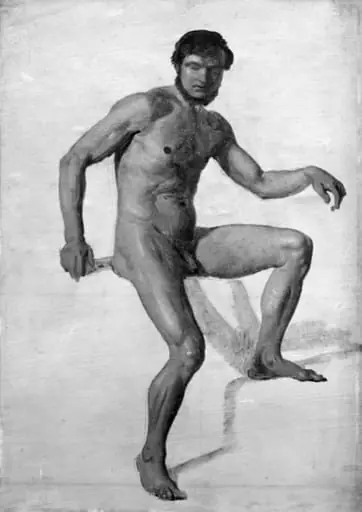 Siddende nøgen mandlig model
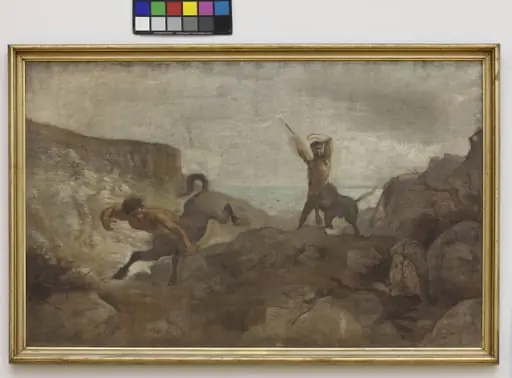 Centaurs Hunting Boars
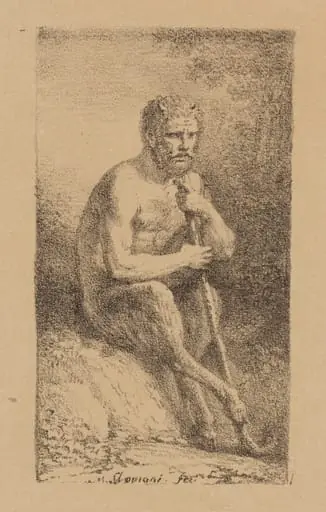 A Satyr Seated in a Landscape
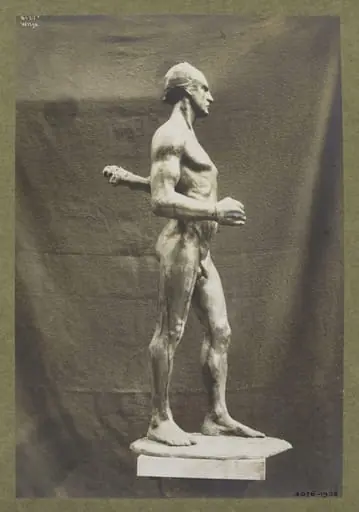 Untitled
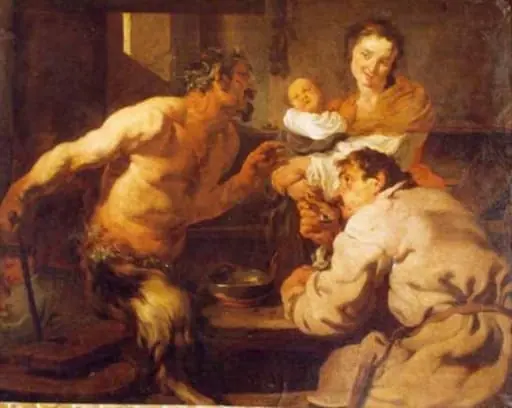 Țăran și satir
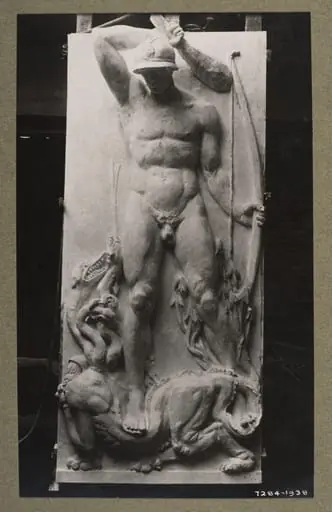 Untitled
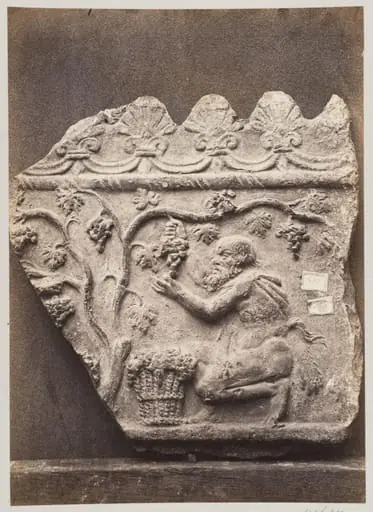 Bas-relief portion of frieze with harvesting satyr in terra cotta
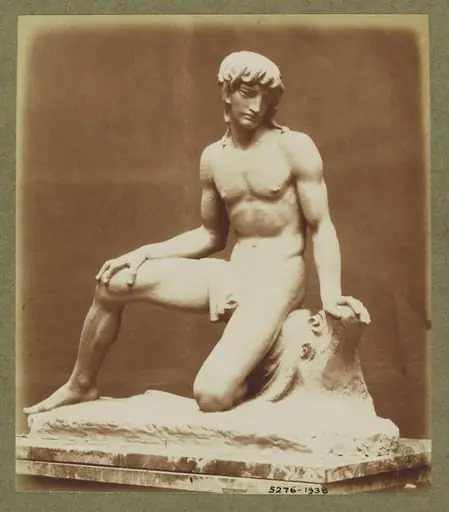 Untitled
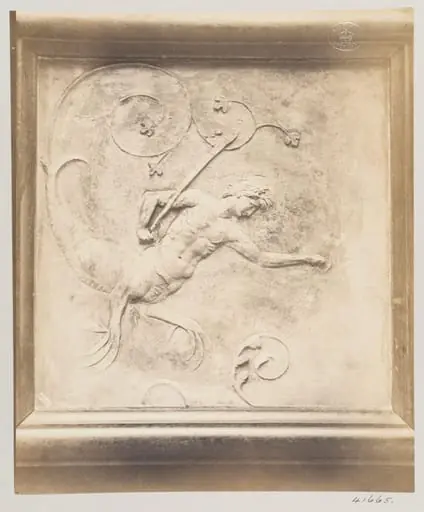 Bas-relief in marble of a Salamander
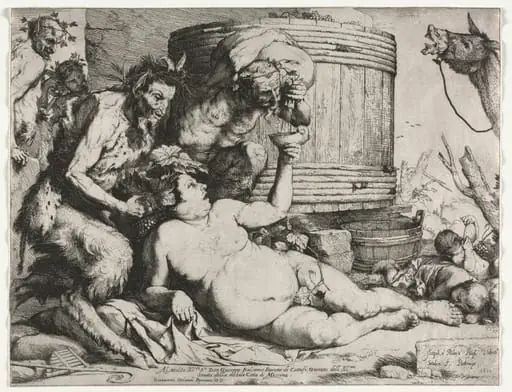 Silenus
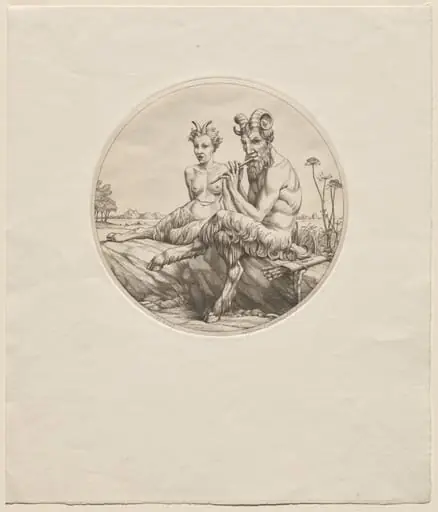 Two Satyrs
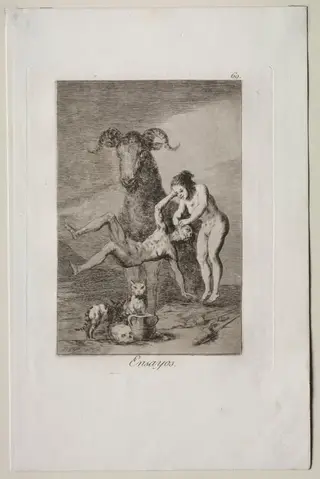 Trials, Plate 60
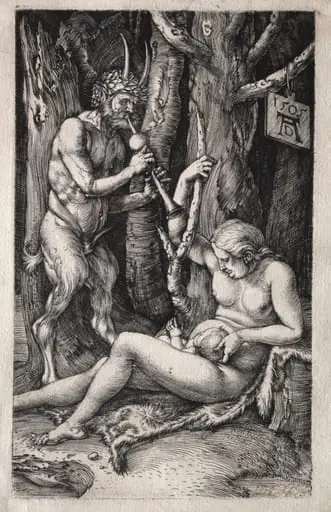 The Satyr Family
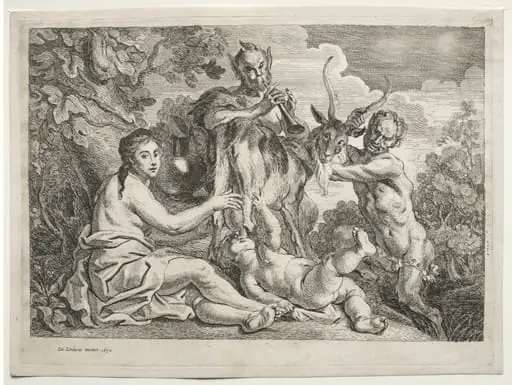 Jupiter Nourished by the Goat Almathea
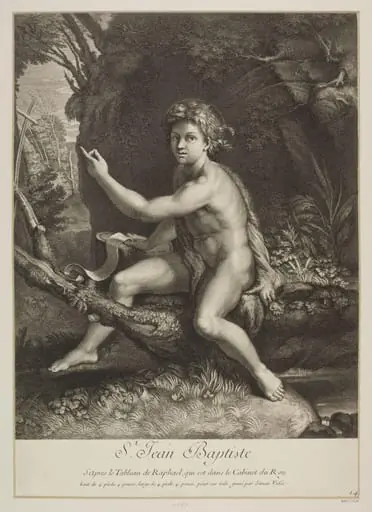 St. John the Baptist in the Desert
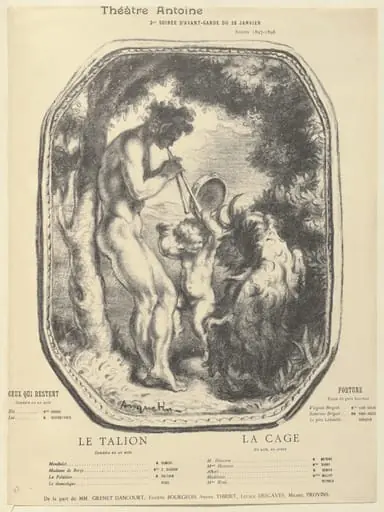 Untitled
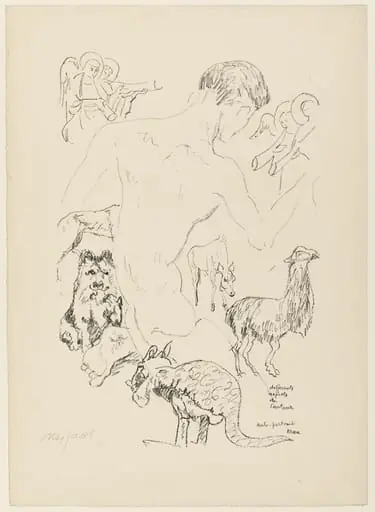 Untitled
Frequently asked questions
What is Satyr?
Satyr is a subject in art. In Greek mythology, a satyr (Ancient Greek: σάτυρος, romanized: sátyros, pronounced ), also known as a silenus or silenos (Ancient Greek: σειληνός, romanized: seilēnós ), and sileni (plural), is a male nature spirit with ears and a tail resembling those of a horse, as well as a…
How many Satyr works does Artifact World Gallery have?
Artifact World Gallery holds 123 public-domain Satyr works, all free to view and download.
Who are the key Satyr artists?
Key Satyr artists in the collection include Paolo Veronese, Henry Bone and Arnold Böcklin.
Where can I see Satyr works?
Satyr works in the collection are held by National Gallery of Art, Statens Museum for Kunst and Cleveland Museum of Art.