Artwork
The Departure of Saint Florian
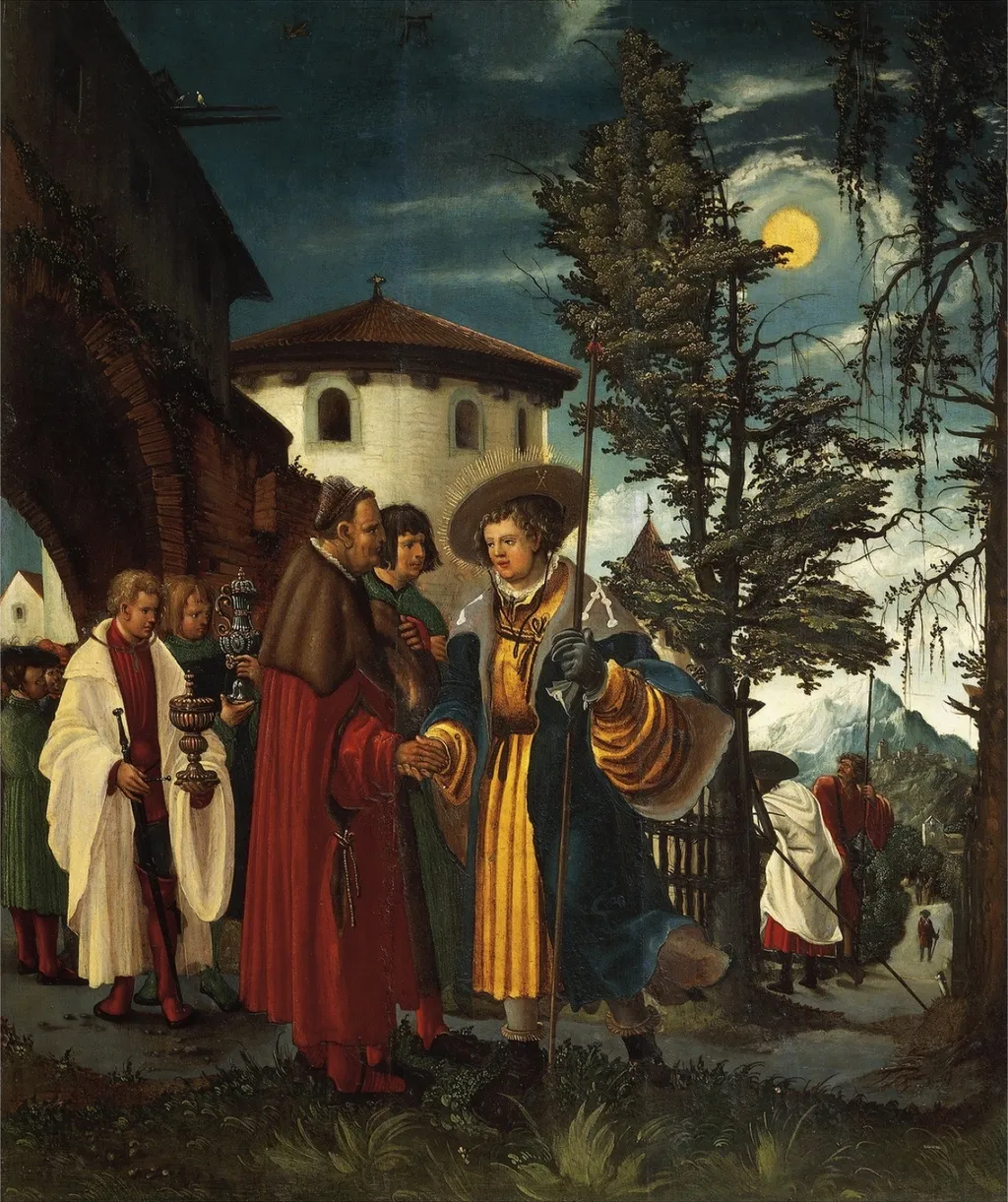
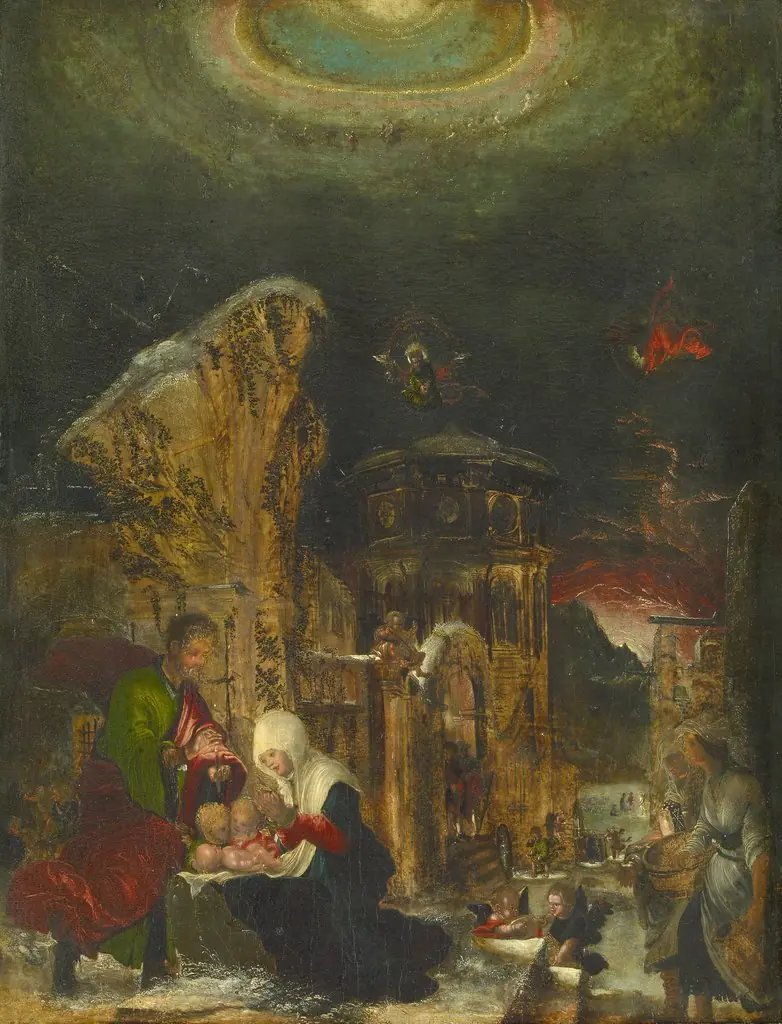
The Departure of Saint Florian is an oil painting by the Early Baroque Italian artist Albrecht Altdorfer. It dates from 1510 and is held in the collection of the Uffizi Gallery.
About this work
The Departure of Saint Florian is an oil painting by Albrecht Altdorfer, the German artist who lived from about 1480 to 1538.
The Departure of Saint Florian is an oil painting by Albrecht Altdorfer, the German artist who lived from about 1480 to 1538. It was created around 1510 and shows a moment of farewell.
A source note says the work is also dated to roughly 1518‑1520, and it now hangs in Florence’s Uffizi Gallery. The painting is on panel, using the same oil technique Altdorfer favored for his early religious scenes.
You might want to look up the museum: Uffizi Gallery.
Overview
The Departure of Saint Florian is an oil-on-panel painting by Albrecht Altdorfer, created between approximately 1518 and 1520. It depicts a religious figure leaving a monastic setting, capturing a quiet moment of transition. The work is part of the Uffizi Gallery’s collection in Florence, where it has been held since at least the early modern period.
Altdorfer’s use of oil on wood reflects his preference for durable, finely detailed surfaces in his early religious compositions.
Subject & Meaning
The painting illustrates Saint Florian, a Roman-era Christian martyr and patron of firefighters, departing from a monastery. The scene emphasizes solitude and spiritual resolve rather than dramatic action. Figures in the background suggest a community observing the departure, reinforcing themes of withdrawal from worldly life.
The quiet intensity of the moment aligns with late medieval devotional traditions that valued inner contemplation over spectacle.
Technique & Style
Altdorfer employed oil paint on a wooden panel, a technique common among German Renaissance artists seeking luminous color and fine detail. The landscape surrounding Saint Florian is rendered with meticulous attention to foliage, rock formations, and atmospheric perspective. His brushwork balances naturalism with a slightly stylized rhythm, characteristic of the Danube School, which emphasized expressive nature and emotional tone over classical harmony.
History & Provenance
The painting entered the Medici collections in Florence before 1600, likely acquired through diplomatic or ecclesiastical channels. It has remained in the Uffizi since the gallery’s founding, documented in early inventories. Its survival through centuries of political and religious upheaval reflects its perceived value as a devotional object and artistic curiosity. No major restorations are recorded, preserving much of its original surface.
Context
Created during the early Reformation, the painting reflects a Catholic devotional culture still dominant in southern Germany. Altdorfer’s focus on a solitary saint departing a monastery resonates with monastic ideals of withdrawal and piety, even as Protestant critiques of religious imagery grew. The work stands apart from contemporary narrative altarpieces, favoring introspection over doctrinal clarity.
Legacy
The Departure of Saint Florian remains a key example of Altdorfer’s early style and the Danube School’s unique fusion of landscape and spirituality. While not widely reproduced in popular culture, it is studied for its atmospheric depth and emotional restraint. Scholars note its influence on later German painters who sought to convey inner states through environment rather than gesture.
Own this work as a print
Artist & collection

Artist
Albrecht Altdorfer (c. 1480 – 12 February 1538) was a German painter, engraver and architect of the Renaissance working in Regensburg. Along with Lucas Cranach the Elder and Wolf Huber he is regarded to be the main…


 Der hl. Laurentius vor Kaiser Decius
 Christ before Pilate
 Adolf, Duke of Schleswig-Holstein, Declines the Offer to Accede to the Danish Throne. Copy after C. W. Eckersberg
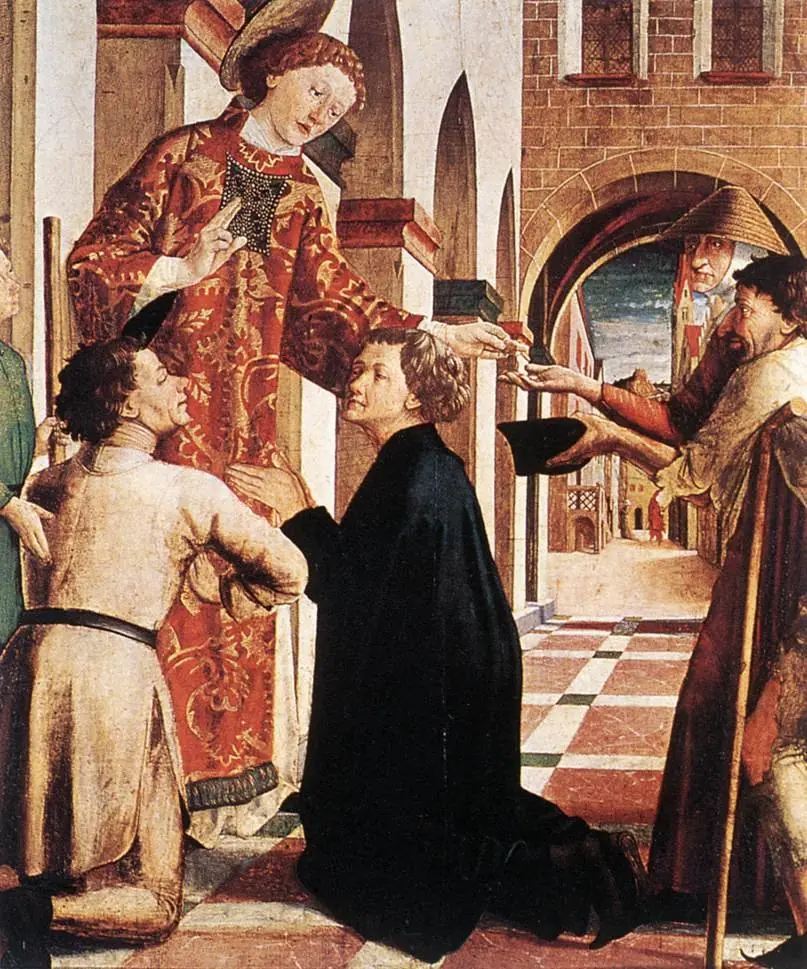 Laurentius-Altar: Almosenspende des hl. Laurentius
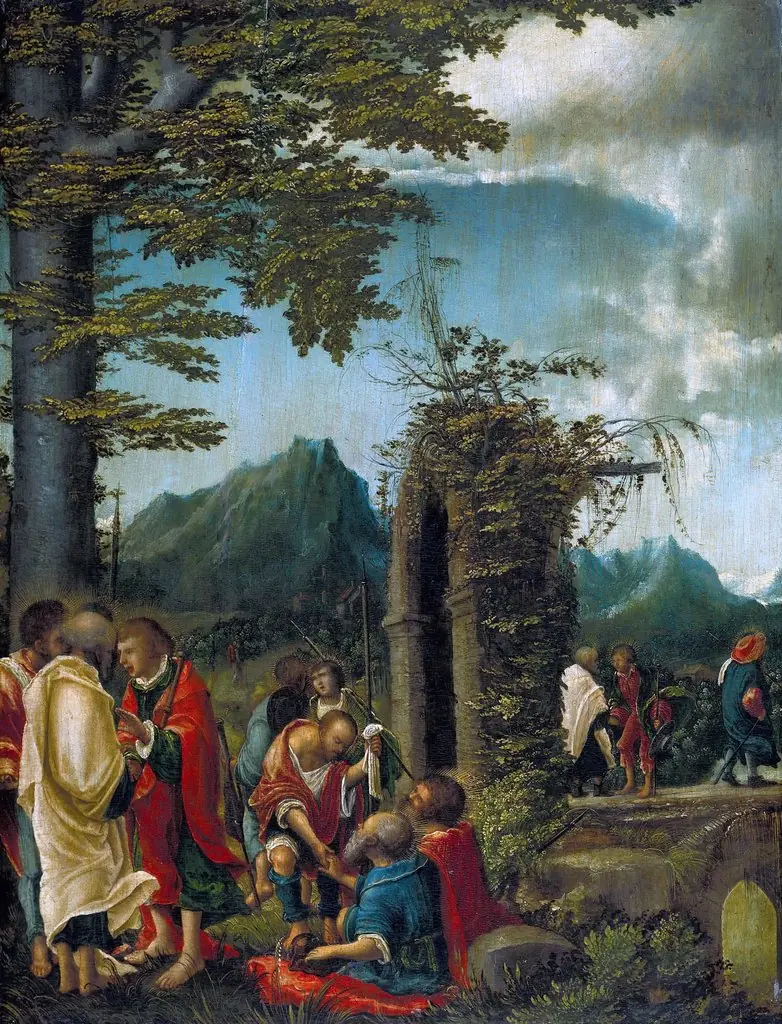 Communion of the Apostles
 Episodes from the Life of a Bishop Saint
 Adolf, Duke of Schleswig-Holstein, Declines the Offer to Accede to the Danish Throne. Copy after C. W. Eckersberg
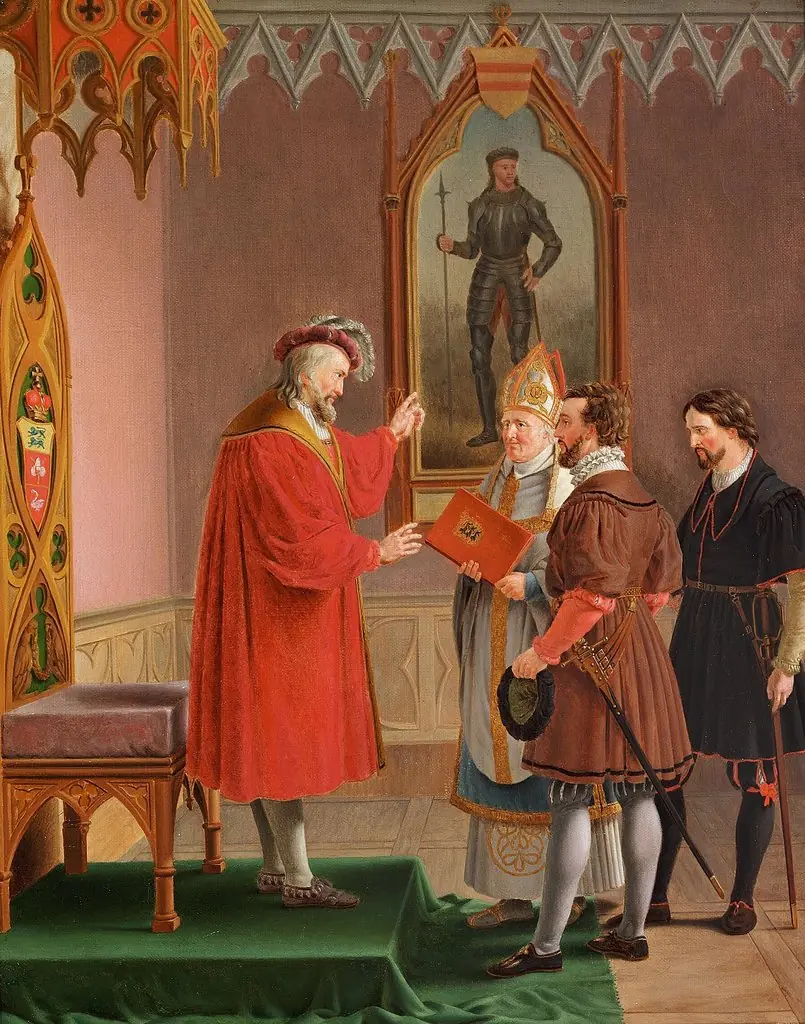 Duke Adolf refuses the offer of the Crown of Denmark
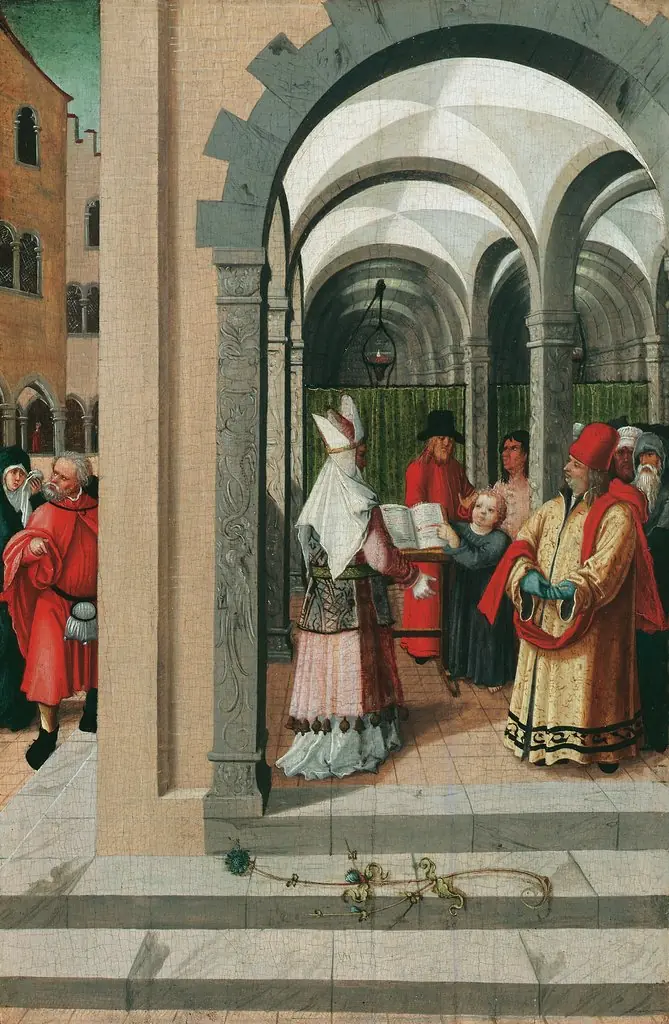 Der zwölfjährige Jesus im Tempel
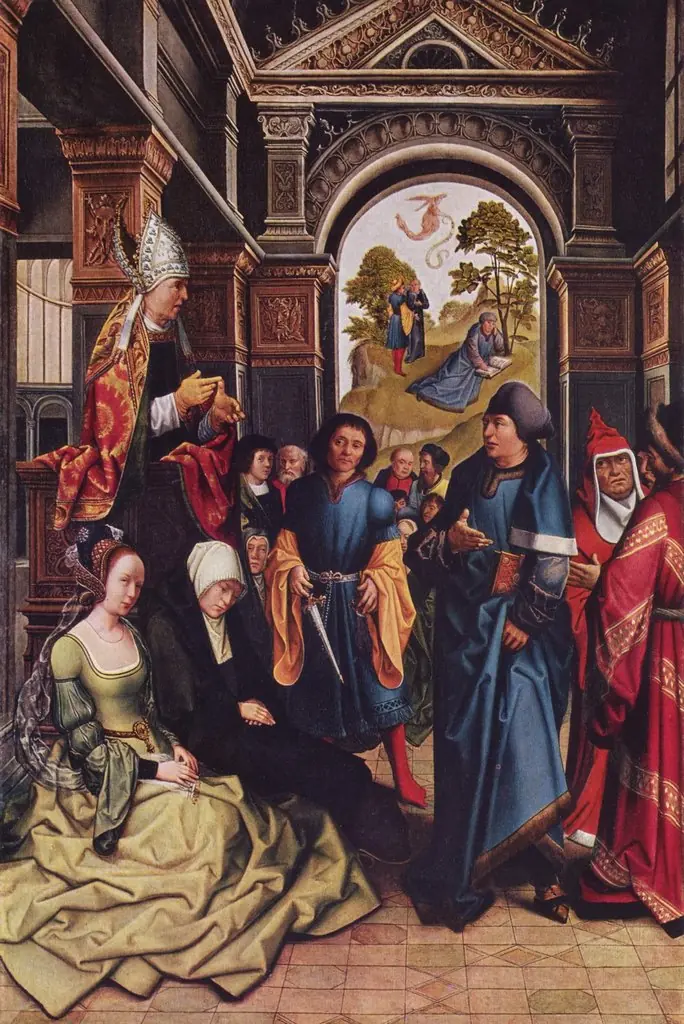 Sermon of St. Ambrose Outside: Two standing holy bishops
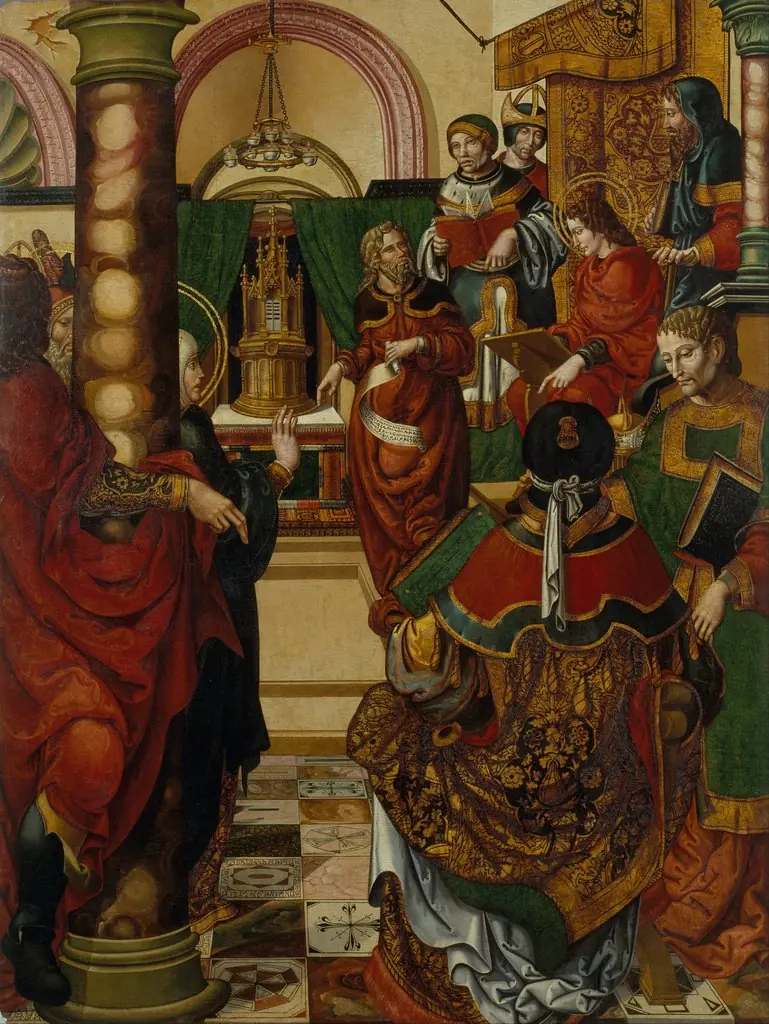 Jesus amongst the Doctors of the Law
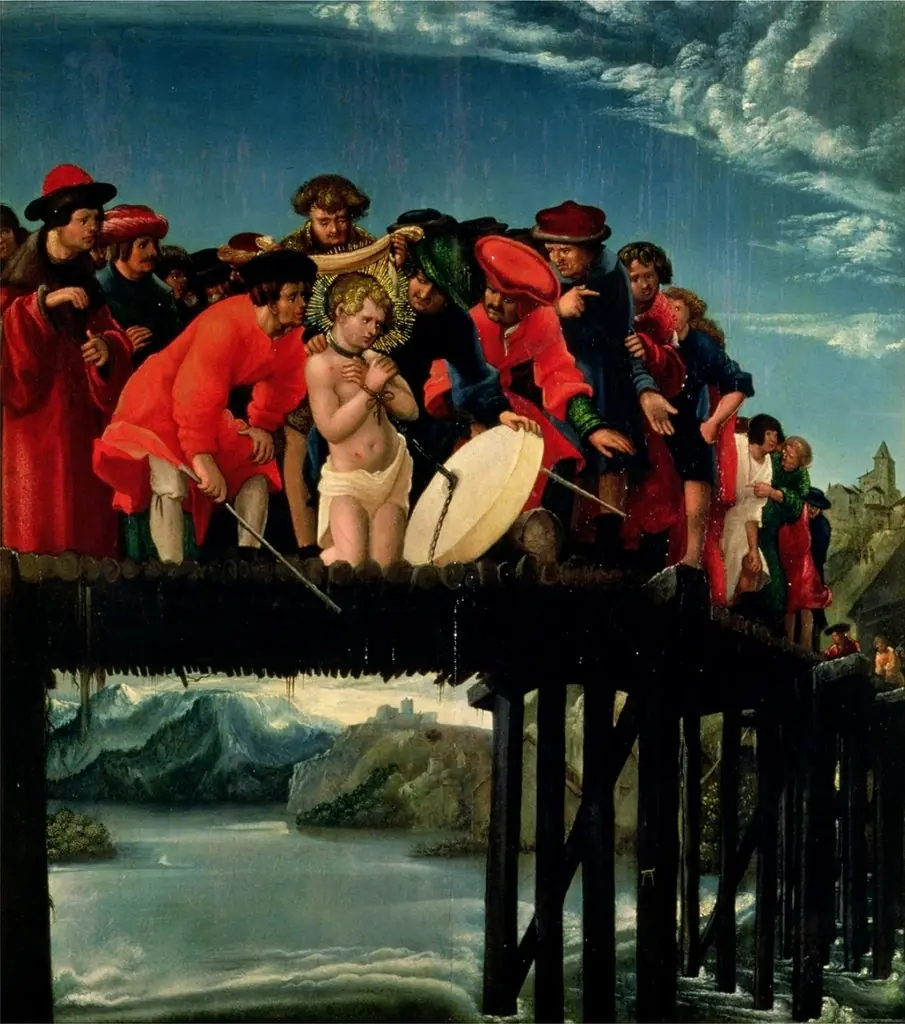
- The Martyrdom of Saint Florian