Artwork
Portrait of a Venetian Woman
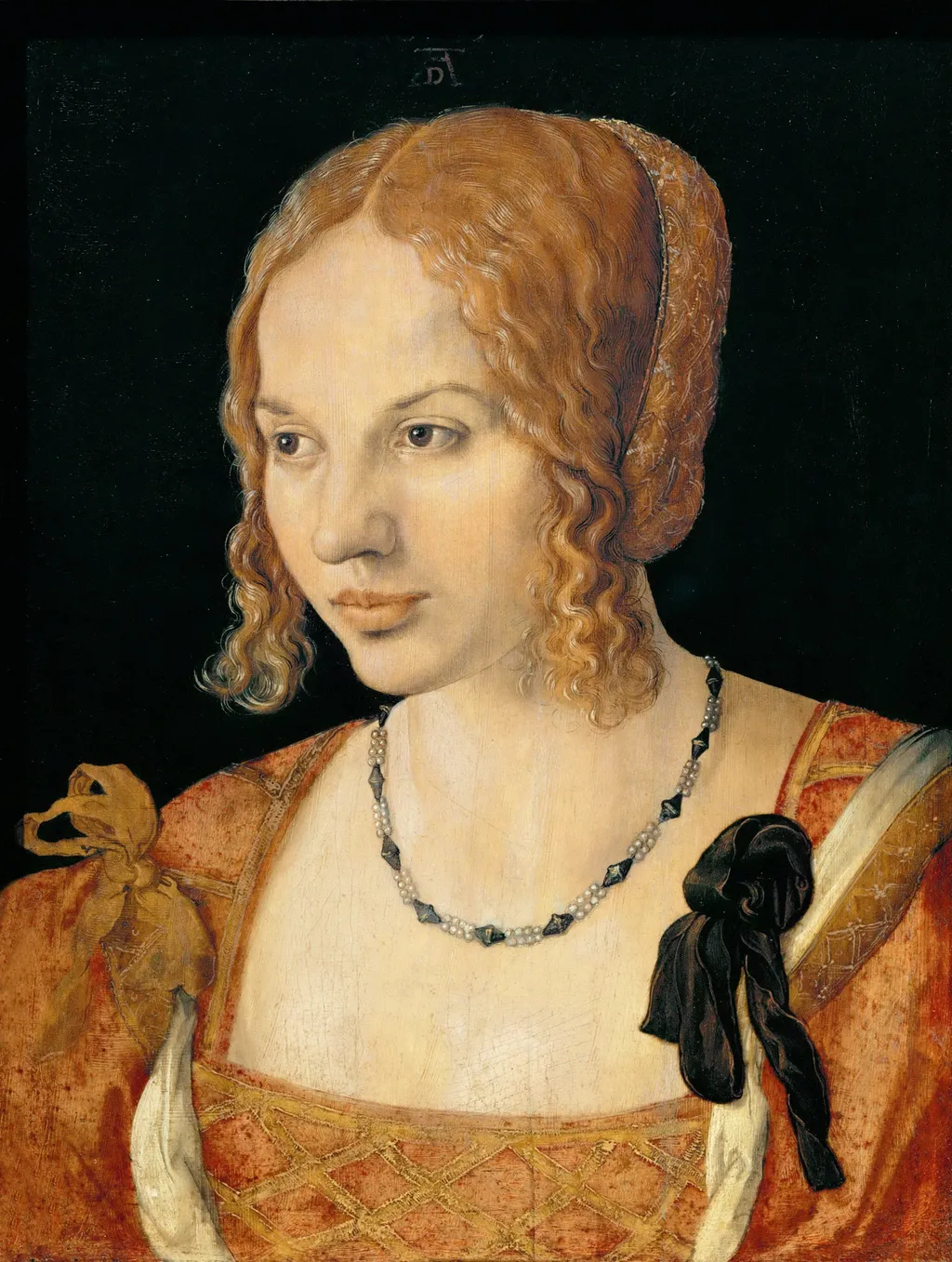
Portrait of a Venetian Woman is an oil painting by the Northern Renaissance artist Albrecht Dürer. It dates from 1505 and is held in the collection of the Kunsthistorisches Museum.
About this work
Overview
5 cm, the work is held in the collection of the Kunsthistorisches Museum in Vienna, where it has resided since 1923.
Portrait of a Young Venetian Woman (German: Porträt einer Venezianerin) is a bust-length oil painting on panel executed by the German Renaissance master Albrecht Dürer in 1505. Measuring 32.5 × 24.5 cm, the work is held in the collection of the Kunsthistorisches Museum in Vienna, where it has resided since 1923. Painted during Dürer's second sojourn in Venice, the portrait represents a pivotal moment in the artist's career, demonstrating his successful assimilation of Venetian coloristic and compositional principles into his own distinctive practice. It is widely considered among the most beautiful works Dürer produced during this Italian period and exemplifies the cross-cultural artistic exchange between Northern European precision and Italian Renaissance warmth that defines his mature style.
Subject & Meaning
The sitter remains unidentified, though her dress and hairstyle clearly mark her as Venetian rather than Germanic. She is depicted in three-quarter view, turned toward the left, with her auburn or sandy hair parted in the center and arranged in soft waves that frame her face, secured at the back by a translucent veil or golden net. Her attire consists of a low-cut red or brown gown with gold patterning along the bodice, cream-colored tied-on sleeves that reveal the chemise beneath, and a large golden bow on her right shoulder with a dark ribbon on her left. Around her neck hangs a necklace of alternating pearls and dark gemstones. The identity of the model has been variously speculated upon, including an early suggestion by Erwin Panofsky that she might be a young Milanese woman based on the fashion of her dress, and a discredited attempt to identify her as Agnes Dürer, the artist's wife. The letters "AD" visible on the trimming of her clothes are now understood to be the initials of a motto rather than a signature or identification. The portrait belongs to a group of at least four studies of Venetian women Dürer executed during this period, two of which are notably more daring in their depiction of plunging necklines and bare shoulders. The work's meaning resides in its embodiment of Venetian feminine ideals of elegance and sensuality, filtered through Dürer's attentive observation of local fashion and social customs.
Technique & Style
The painting is executed in oil on panel, with the support identified in sources as either elm or spruce. The brushwork displays characteristic variation: precise handling in the hair and jewelry, smoother application in the face, and more textured strokes in the fabric. Light falls evenly from the left, modeling the features and costume folds with a gentleness that departs from Dürer's typically more sharply illuminated Northern works. The flesh tones are pale and smooth, contrasting with the deep black background, while the color range encompasses yellows, browns, and ochres in subtle tonal harmonies. The condition of the painting has been problematic: it is poorly conserved, with almost all final layers of color missing, the eyes restored, and fine craquelure visible across the surface, particularly in lighter areas. A small monogram appears above the sitter's head. The work has long been considered unfinished, with particular attention drawn to the black bow above the chest and visible preparatory underdrawing in one of the ribbons. However, technical analysis of the entire surface has challenged this assumption, suggesting instead a deliberate compositional choice wherein the color of one ribbon matches the woman's hair while the other echoes the monochrome background tone and her dark eyes. The soft chromatic shading that results from the absence of topmost layers has, perhaps paradoxically, contributed to the painting's admired atmospheric quality. The influence of Giovanni Bellini is evident in the soft modeling, dramatic yet gentle lighting, and vivid color harmonies, representing Dürer's conscious adaptation of Venetian painterly techniques.
History & Provenance
The portrait was painted in late autumn 1505, believed to be the first work Dürer completed after his arrival in Venice for his second Italian sojourn. It remained in obscurity until its acquisition by the Kunsthistorisches Museum in 1923. Although museum records originally described the source as a private "Lithuanian" collection, subsequent research identified the seller as Witold Klemens Wańkowicz, a Polish diplomat of Belarusian descent whose family owned estates in the Minsk region (present-day Belarus). Prior to its sale to Vienna, the painting had been held in the Wańkowicz family collection, likely at Minsk, Sliapianka, or Smilavichy. It was publicly exhibited in Minsk in 1918 during an exhibition organized by the Society for the Protection of Monuments ("Minsk Circle"), where it was already attributed to Dürer. A photograph appeared that same year in Tygodnik Ilustrowany (nos. 21-22). The painting was featured in the 1980 BBC Two series 100 Great Paintings.
Context
Dürer's 1505-1507 stay in Venice occurred at the height of his international reputation, built upon his revolutionary engravings and woodcuts. His friendship with Giovanni Bellini, the established Venetian master who reportedly admired the younger German's work despite their different backgrounds, proved particularly consequential for his painterly development. The portrait reflects Dürer's deliberate engagement with Venetian portraiture conventions: the bust-length format, dark background, and emphasis on coloristic harmony over linear definition. In a famous letter to his friend Willibald Pirckheimer anticipating his return north in January 1507, Dürer lamented: "Oh, how shall I freeze after this sun! Here I am a gentleman, at home a parasite." This sentiment captures the transformative impact of his Venetian experience. The painting has been compared to Dürer's c. 1507 Portrait of a German Woman from Venice, which shares similar pose and color tone. Scholarship has debated the work's finish status, with traditional attributions of incompletion now contested by technical examination. The painting's identification as a Dürer was aided by art historians' knowledge of up to four portraits accomplished during this second Venetian visit.
Legacy
The Portrait of a Young Venetian Woman has achieved recognition as a defining image of cross-cultural Renaissance artistry, embodying the moment when Dürer most successfully harmonized Germanic precision with Italian coloristic warmth. Its rediscovery in 1923 significantly expanded understanding of Dürer's painterly output during his crucial Italian period. The work's influence extends through its demonstration that a Northern artist could not merely imitate but genuinely participate in the visual culture of Italian Renaissance portraiture. Its subsequent cultural afterlife includes the 1980 BBC Two series 100 Great Paintings, which introduced the work to broader public awareness. The painting continues to serve as a key document in studies of artistic transmission between Northern and Southern Europe, of Venetian fashion and social identity around 1505, and of Dürer's own evolution from a primarily graphic artist to a master painter capable of competing with the Bellini circle on their own terms. Its enigmatic sitter, forever unnamed, has become an iconic representation of Renaissance Venice itself, elegant, cosmopolitan, and enduringly mysterious.
Own this work as a print
Artist & collection
Artist
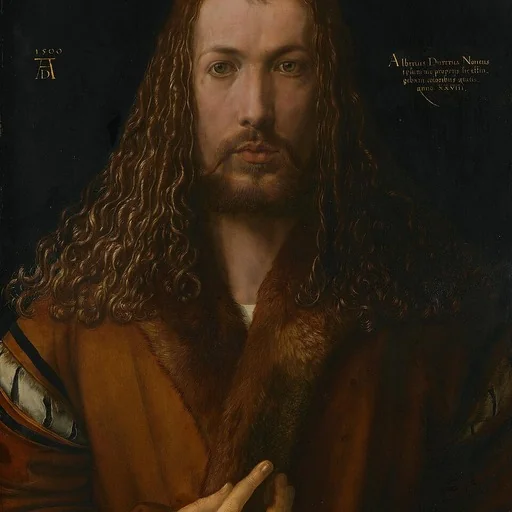
Albrecht Dürer spent his life in Nuremberg, a busy German city where artists traded prints like currency.

![Madonna and Child [obverse], by Albrecht Dürer](https://artifactworldgallery.com/img/albrecht-durer--madonna-and-child-obverse--d7b8ebf05d22ebe5-w320.webp)
![Lot and His Daughters [reverse], by Albrecht Dürer](https://artifactworldgallery.com/img/albrecht-durer--lot-and-his-daughters-reverse--b4ebf9b282faa17a-w320.webp)
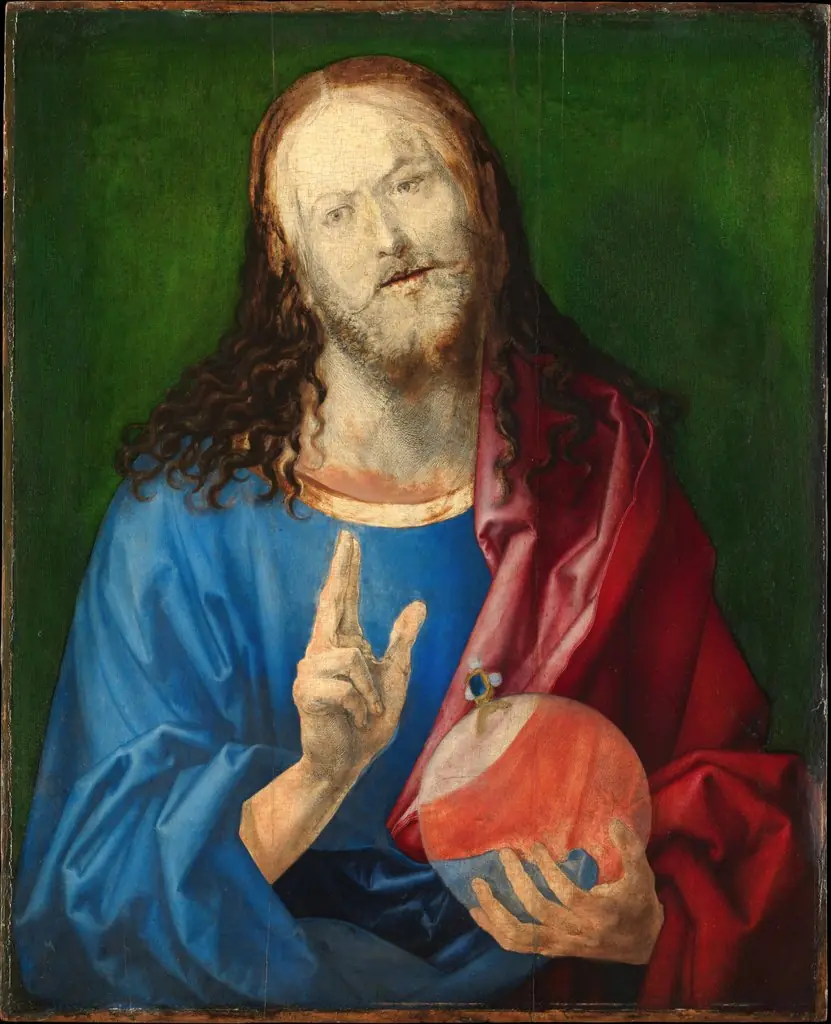
- Portrait of a young woman
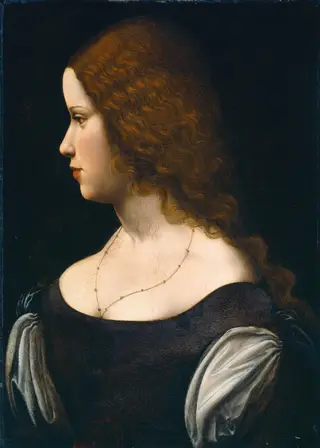 Portrait of a Young Lady
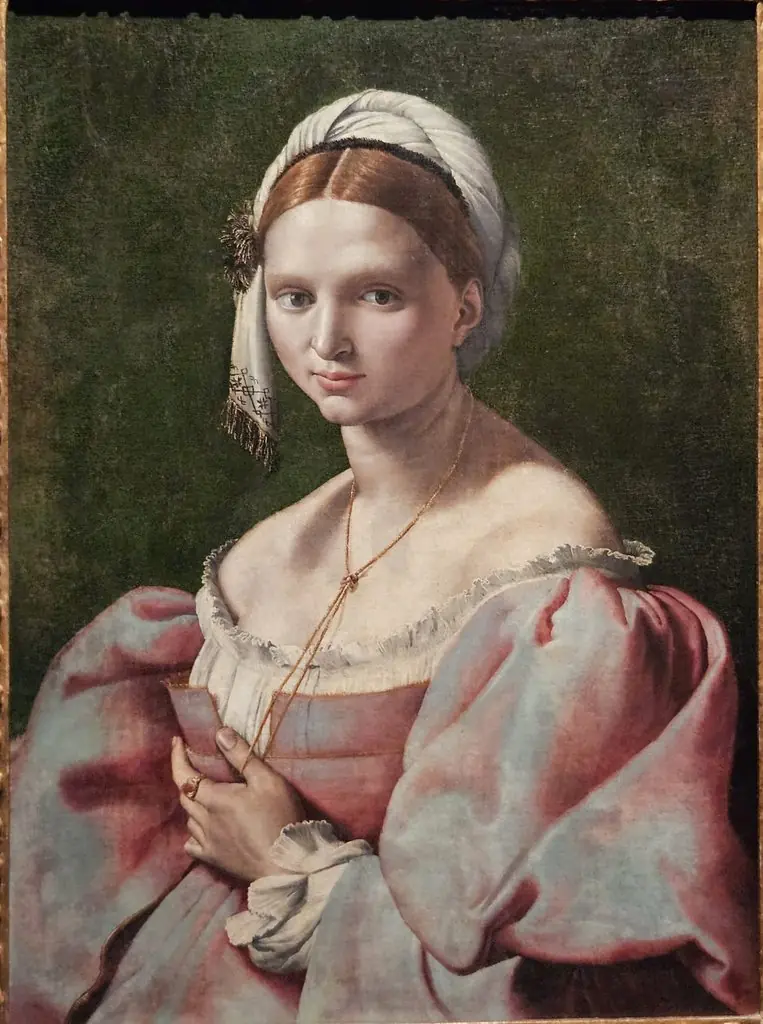 Retrato de Mulher Jovem
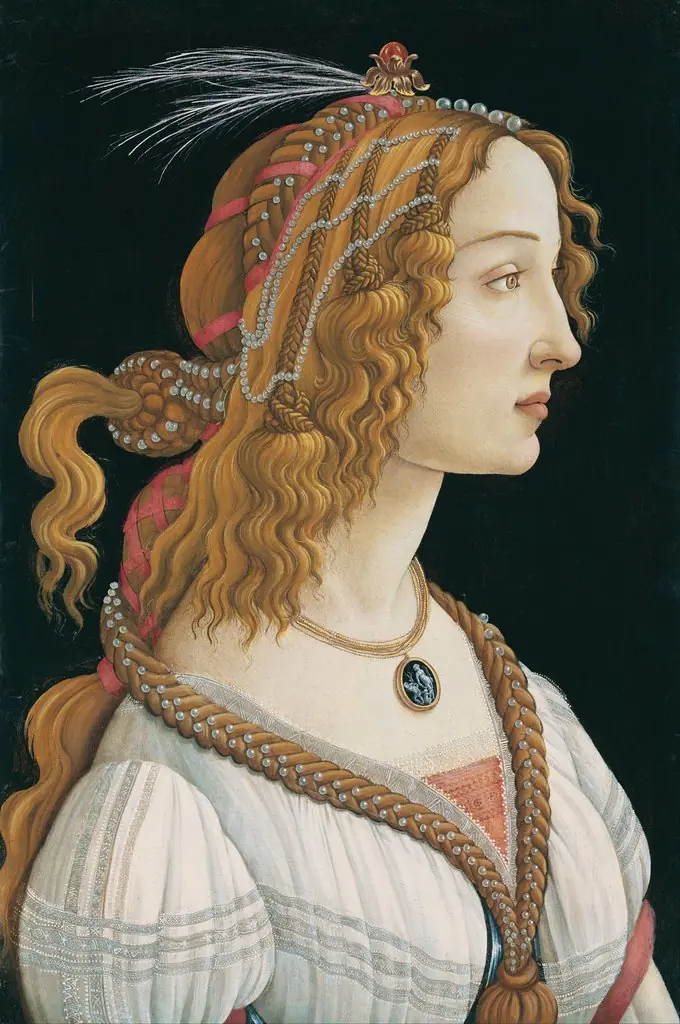 Idealized Portrait of a Lady (Portrait of Simonetta Vespucci as Nymph)
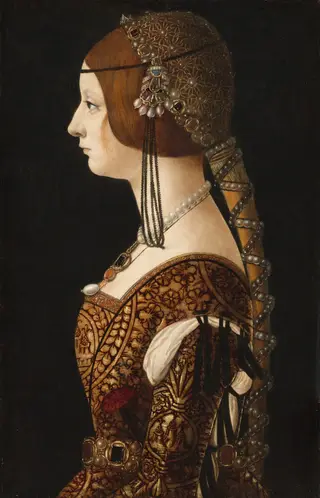 Bianca Maria Sforza
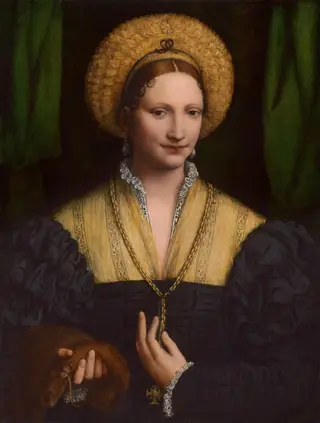 Portrait of a Lady
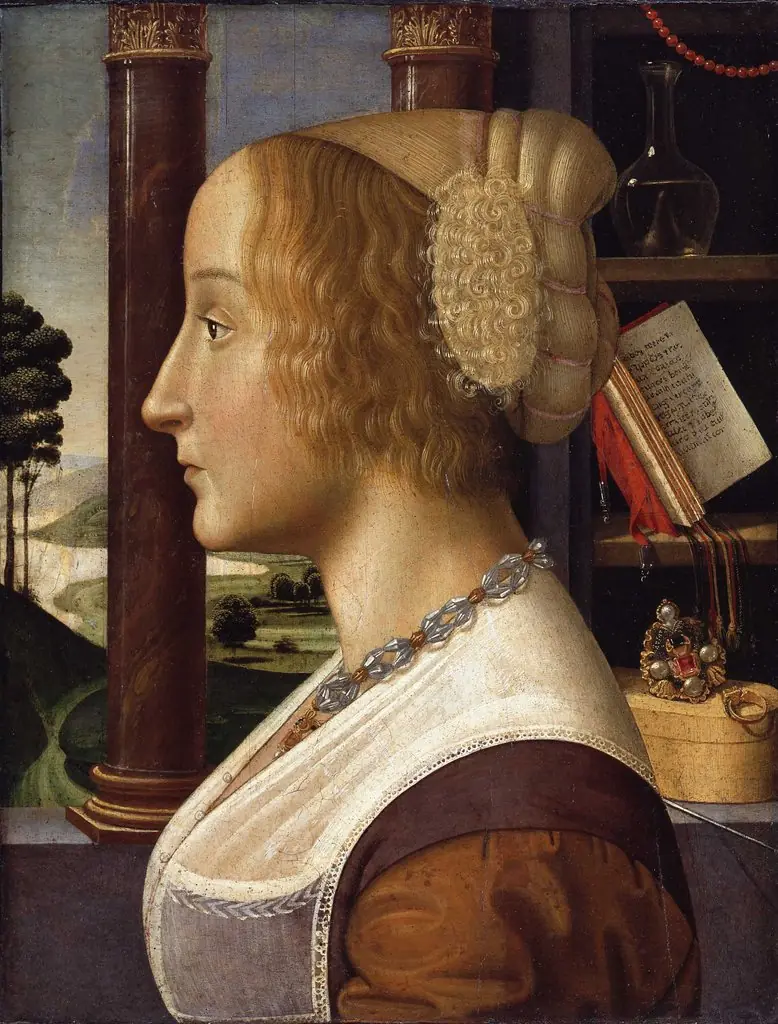 Portrait in profile of a Woman
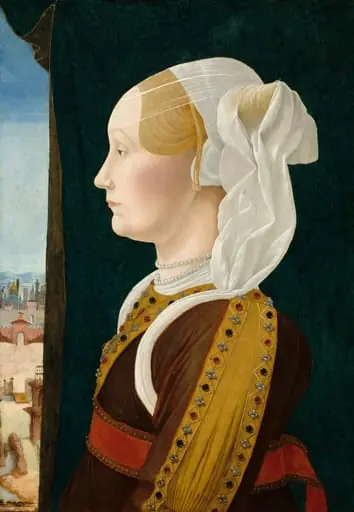 Ginevra Bentivoglio
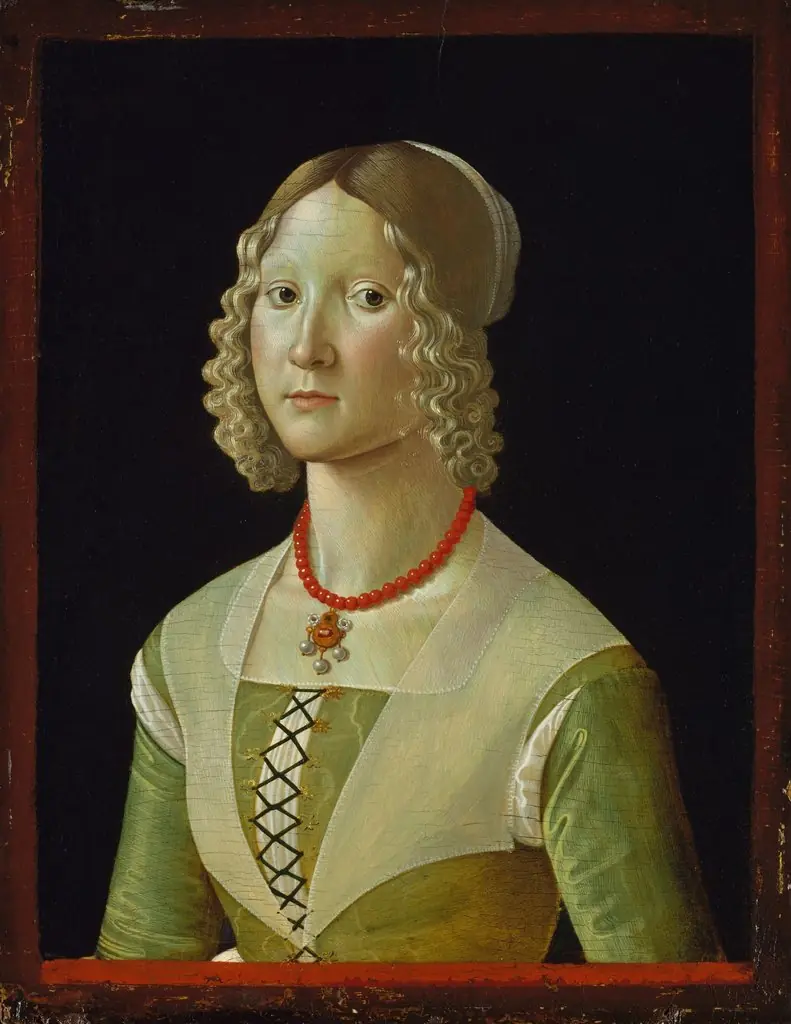 Selvaggia Sassetti (born 1470)
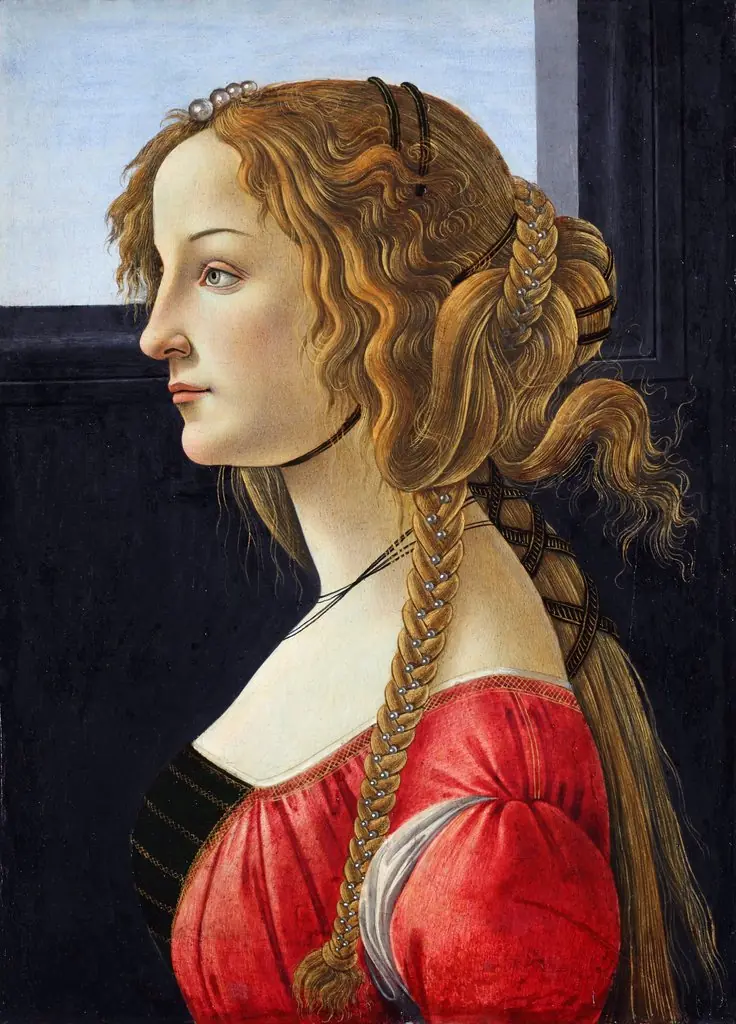 Profile Portrait of a Young Woman
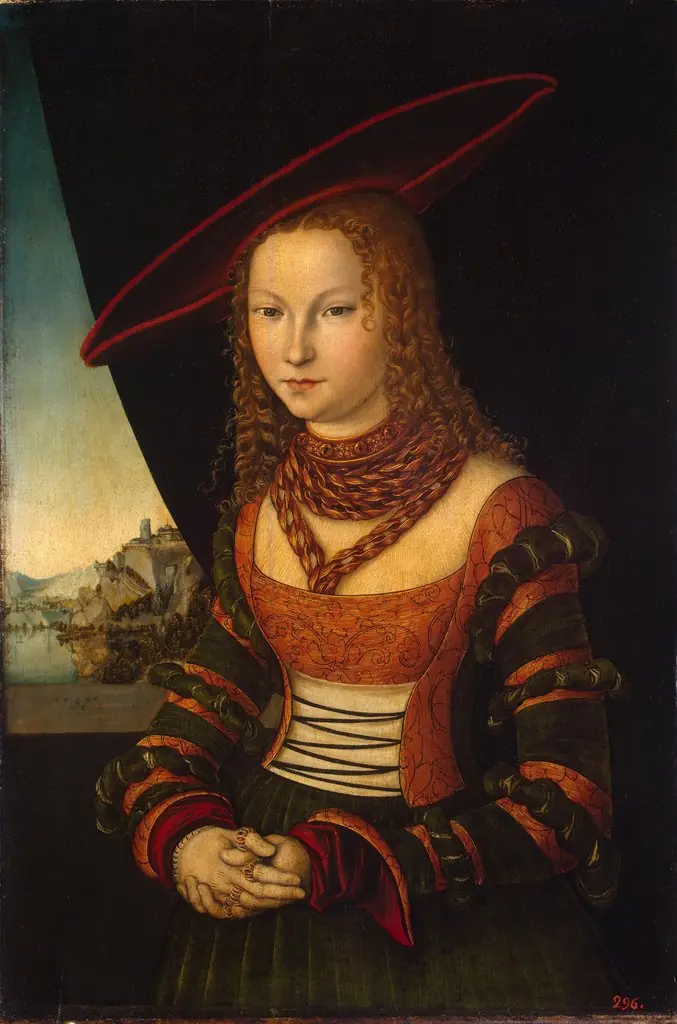 Portrait of a Young Woman
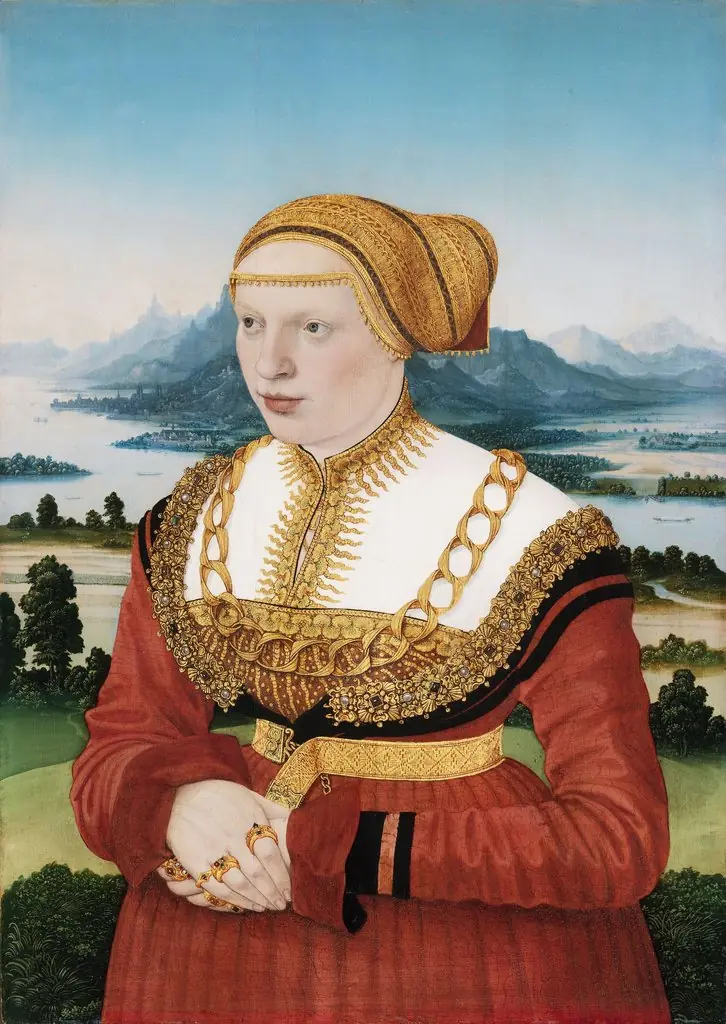 Portrait of Katherina Knoblauch (1513-1542)