Artwork
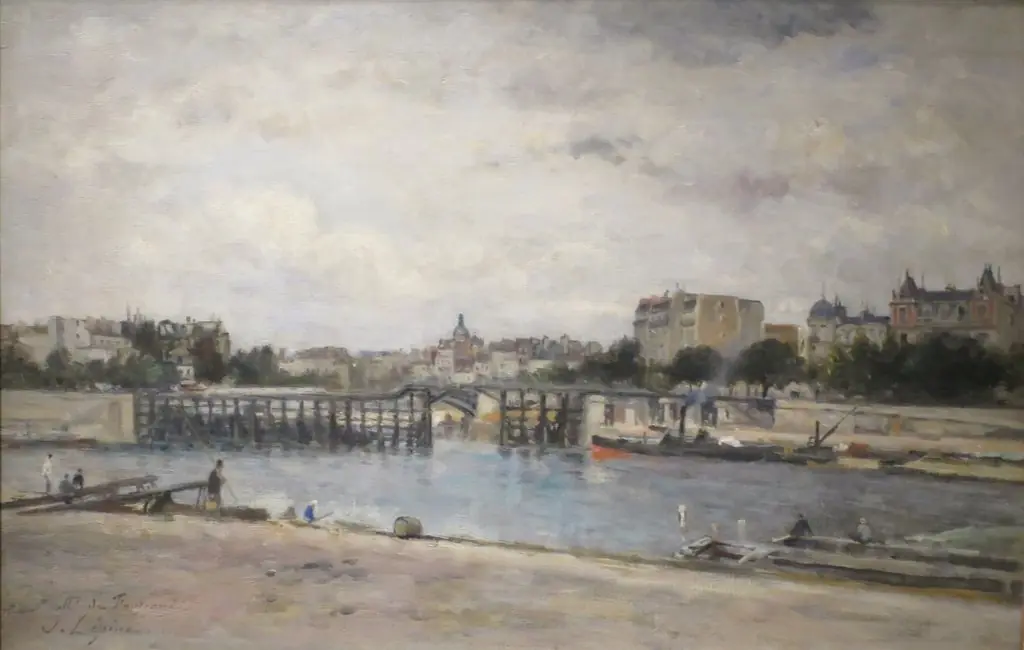
Landscape along the Seine with the Institut de France and the Pont des Arts
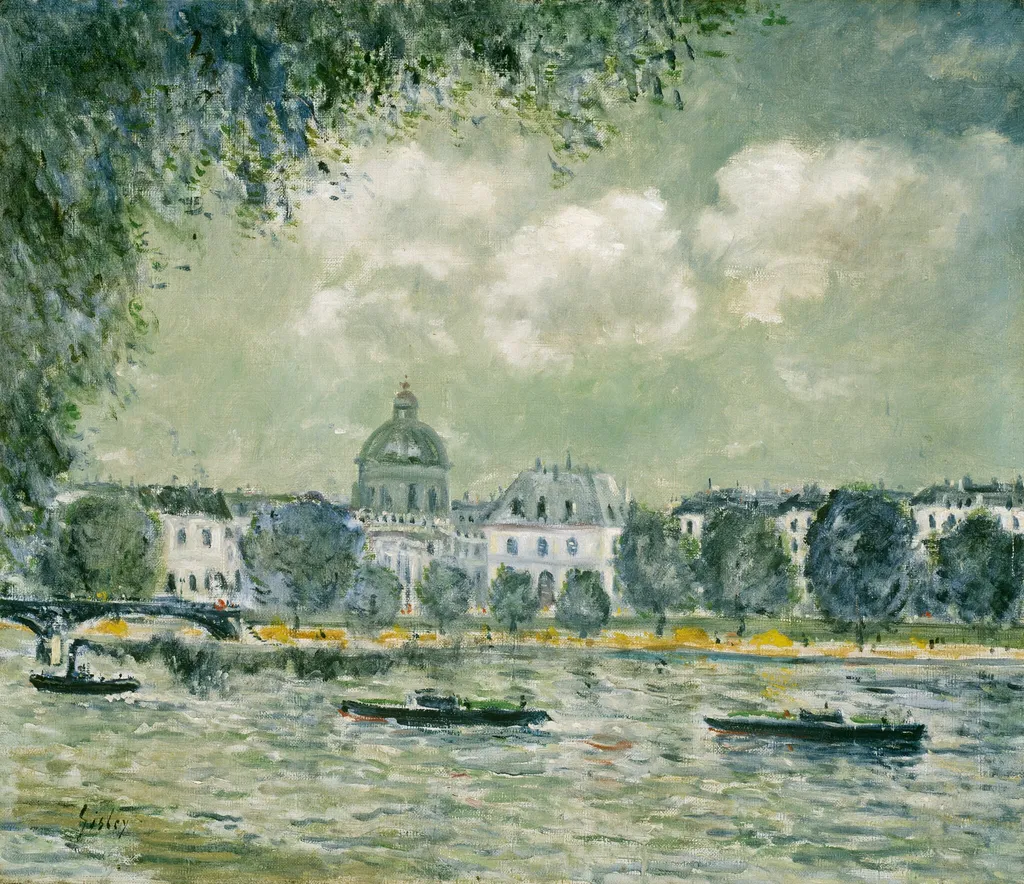
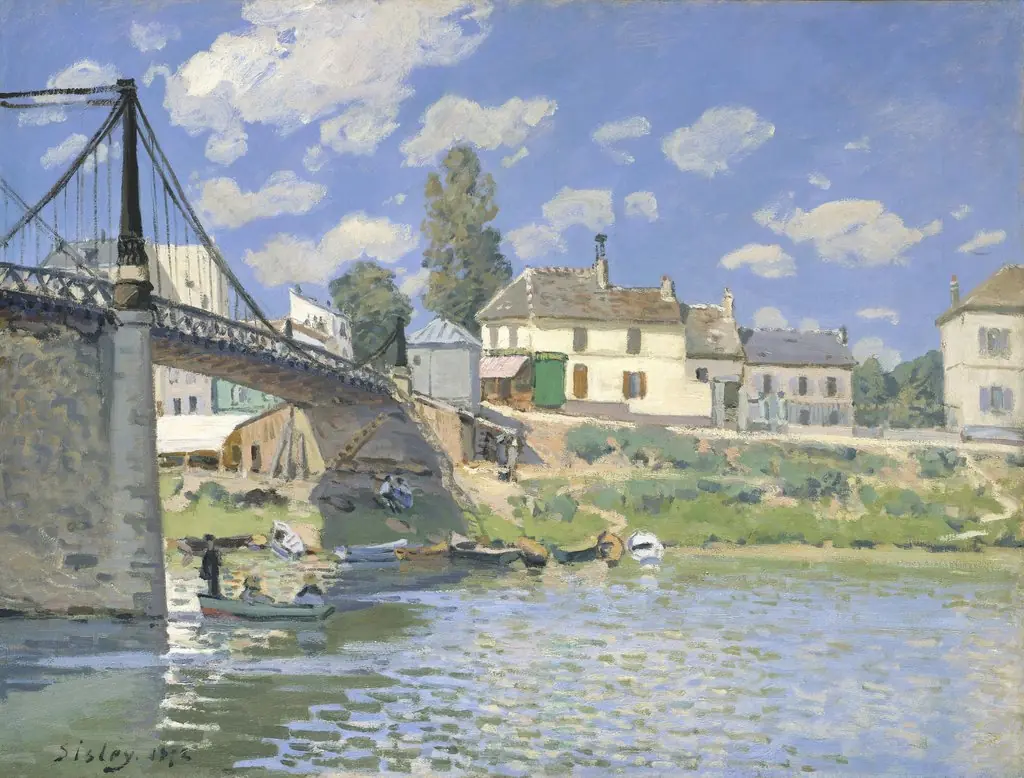
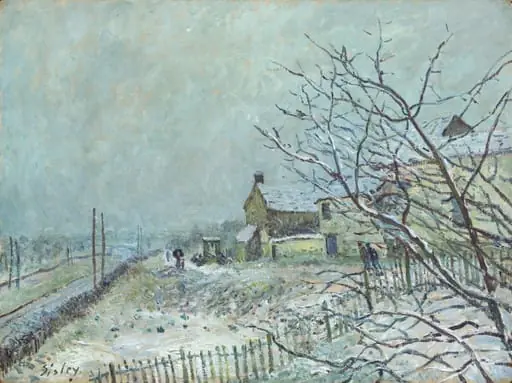
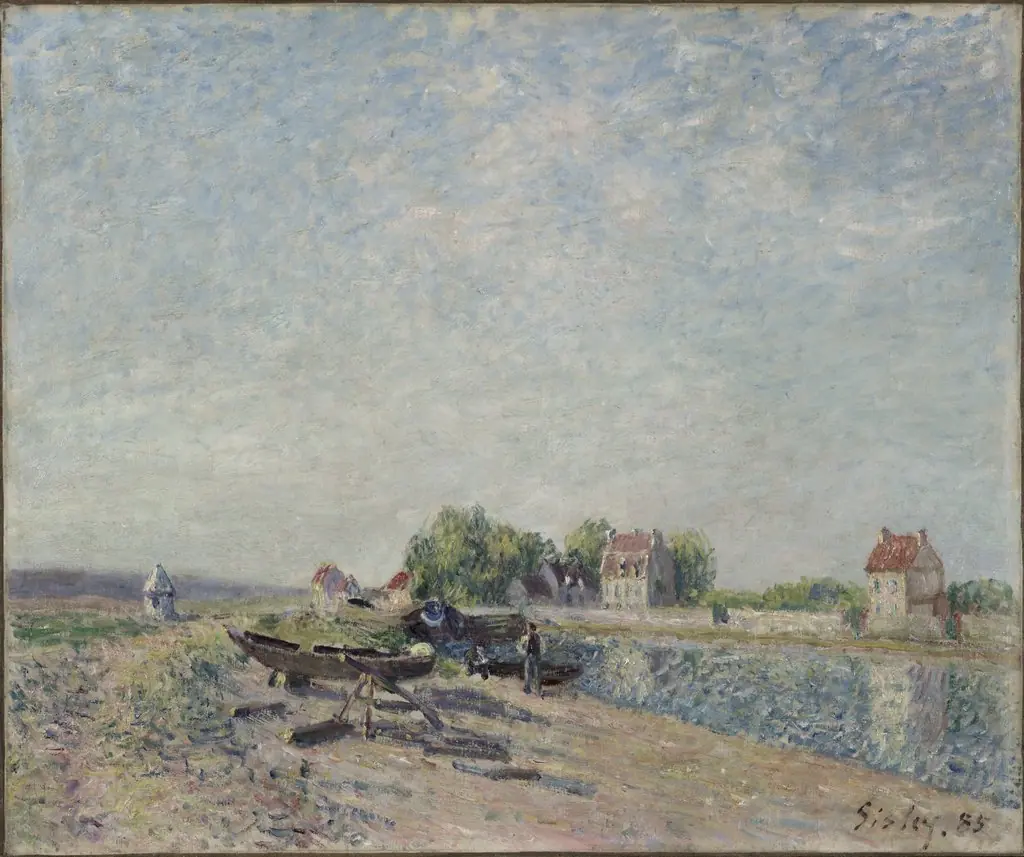
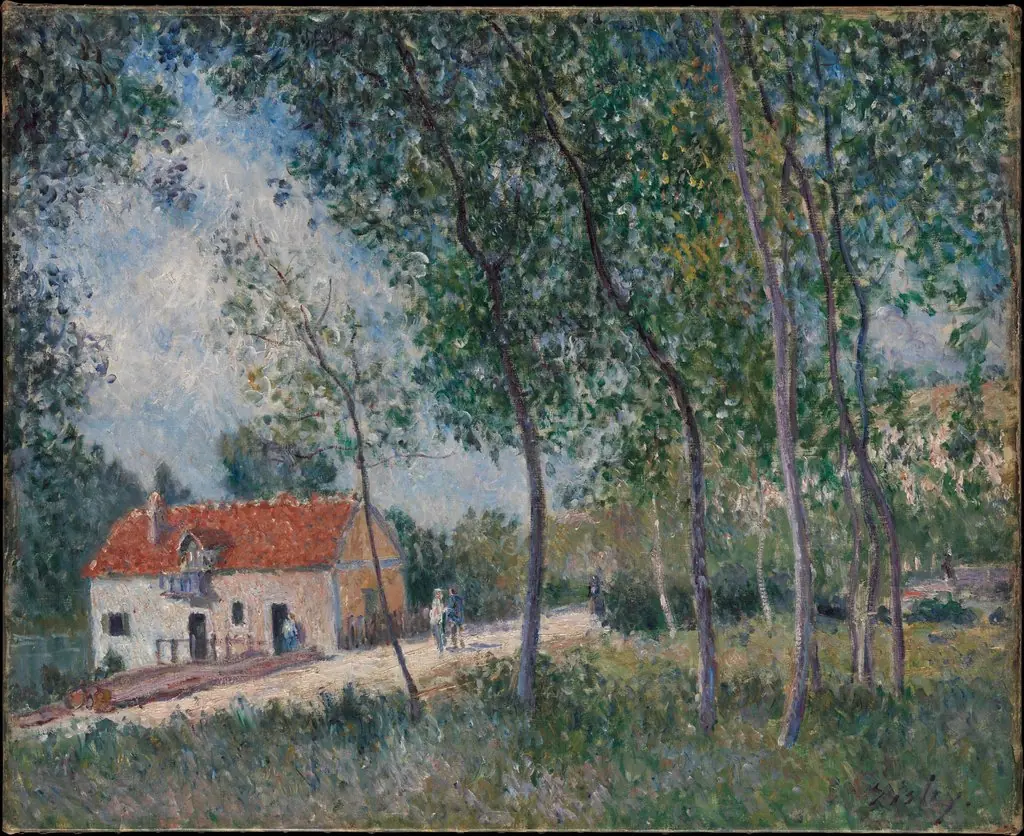
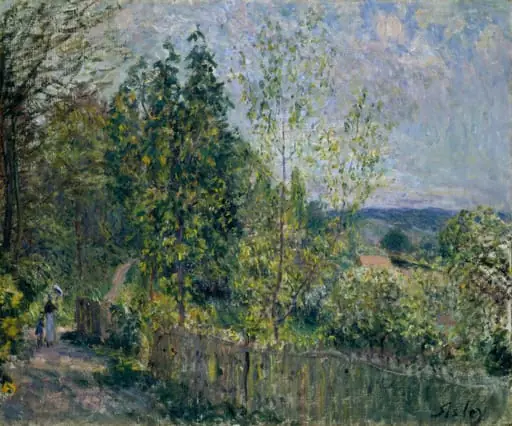
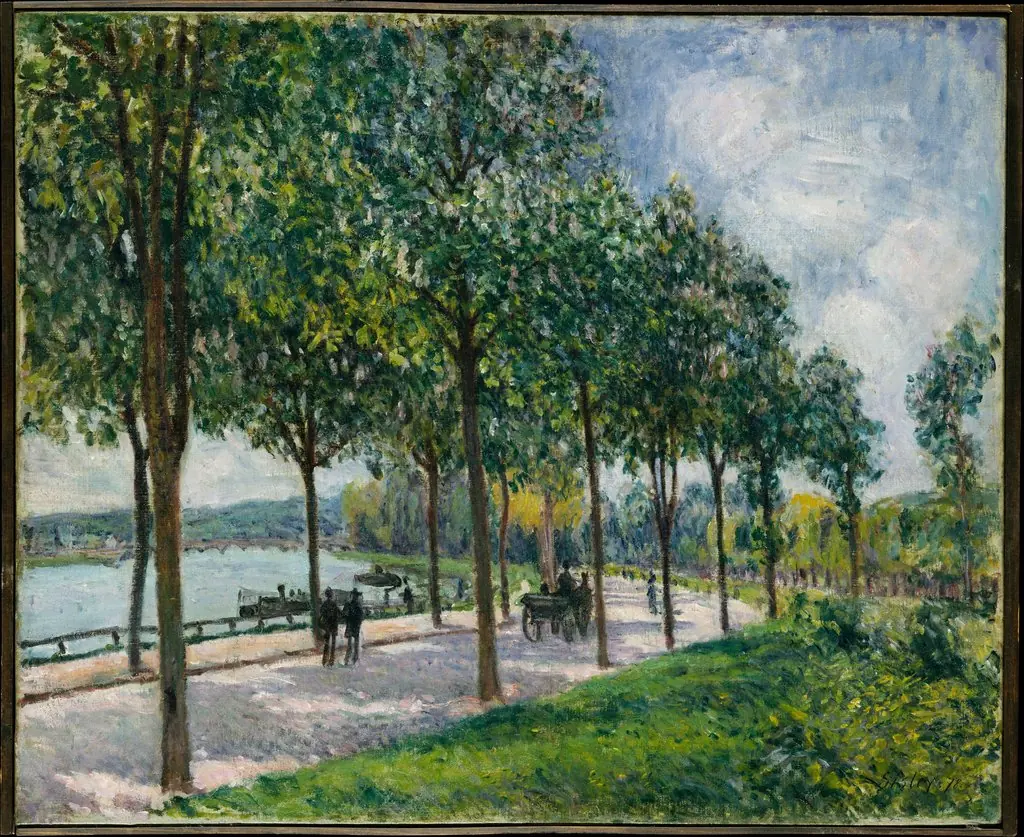
Landscape along the Seine with the Institut de France and the Pont des Arts is an oil painting by the Impressionist artist Alfred Sisley. It dates from 1875 and is held in the collection of the Art Institute of Chicago.
- Accession no.
- 58984
- Credit line
- Gift of Mr. and Mrs. William Wood Prince
About this work
Overview
Painted around 1875, this oil on canvas by Alfred Sisley captures a quiet stretch of the Seine in Paris, framed by the Institut de France and the Pont des Arts.
Painted around 1875, this oil on canvas by Alfred Sisley captures a quiet stretch of the Seine in Paris, framed by the Institut de France and the Pont des Arts. Sisley, born in Britain but based in France, dedicated his career to outdoor landscape painting, avoiding narrative or human figures. His focus remained steadfastly on the effects of light and atmosphere, aligning him closely with the Impressionist movement.
Subject & Meaning
The scene presents a serene, unpopulated riverside view, emphasizing architectural landmarks as quiet anchors within nature. The Institut de France and the Pont des Arts are rendered not as monuments but as integrated elements of the daily Parisian landscape. There is no dramatic tension or symbolic intent, only a contemplative observation of place, time, and weather, typical of Sisley’s quiet, observational approach.
Technique & Style
Sisley employed loose, broken brushwork to convey shifting light and air, characteristic of Impressionist practice. Colors are muted yet nuanced, with soft transitions between sky, water, and stone. The surface shows subtle impasto in places, particularly in the reflections and foliage, enhancing texture without overwhelming the delicate balance of tone. His method prioritized optical realism over detail, capturing the fleeting quality of daylight.
History & Provenance
The painting entered the Art Institute of Chicago’s collection in the early 20th century, likely through a private acquisition or donation. It has remained in the museum’s permanent holdings since, consistently displayed as an example of French Impressionist landscape. No significant alterations or restorations are documented, preserving its original surface and tonal harmony.
Context
Painted during the height of Impressionism, this work reflects a broader shift in artistic priorities: away from studio composition toward direct observation of the natural world. Sisley’s choice of a suburban Parisian riverside, rather than rural countryside, highlights how even urban edges became subjects of aesthetic inquiry. His peers, including Monet and Pissarro, pursued similar themes, though Sisley’s palette and mood remained notably restrained.
Legacy
Sisley’s commitment to landscape, even as other Impressionists explored urban life or portraiture, established him as a quiet but persistent voice in the movement. This painting exemplifies his consistent vision: unadorned, luminous, and attentive to the subtle rhythms of light on water and stone. Though less celebrated than contemporaries, his work remains a touchstone for understanding the quiet discipline of Impressionist observation.
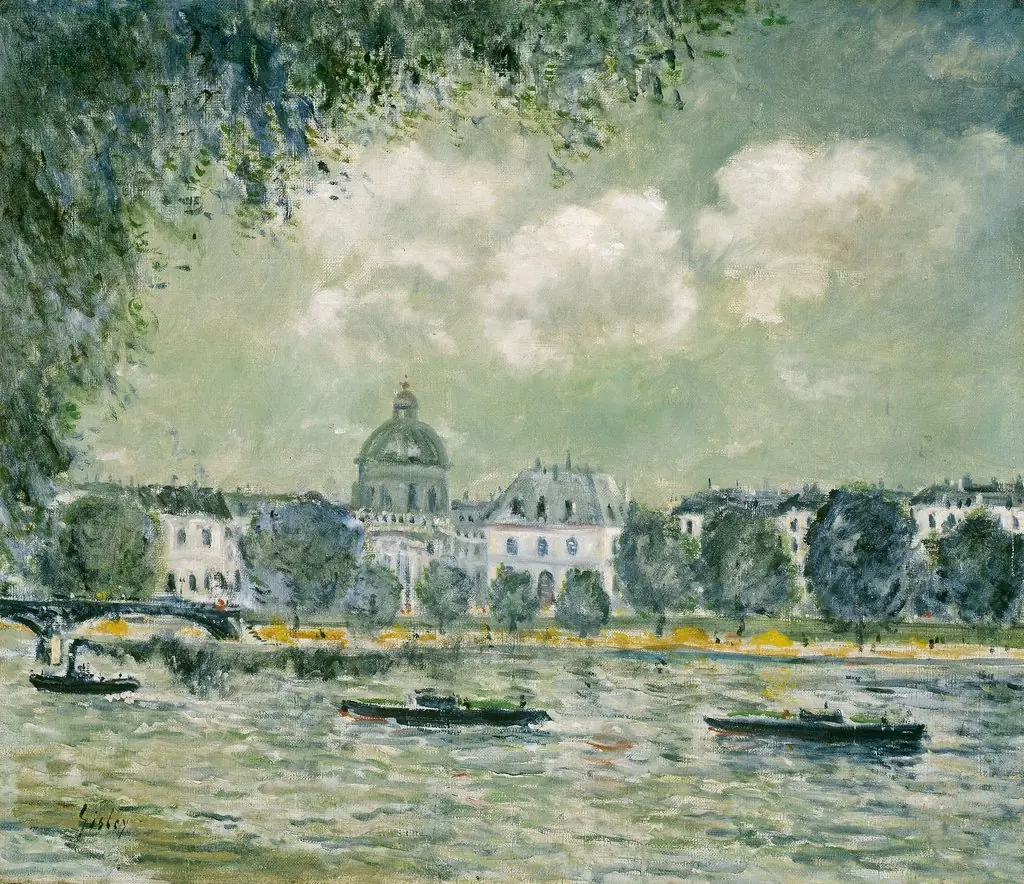
Own this work as a print
Artist & collection
Artist
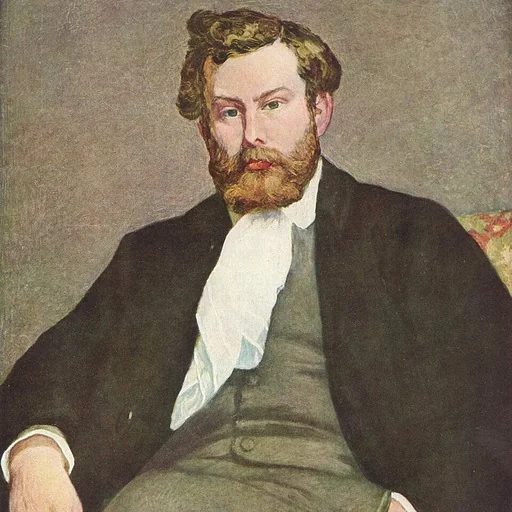
Alfred Sisley (; French:; 30 October 1839–29 January 1899) was a French-Born British Impressionist landscape painter who was born to British parents, but spent most of his life in France.