Subject
Candle
Candle is a subject in art. The gallery holds 105 works in this subject in art, including works by Georges de La Tour, Jacques-Louis David and Johann Georg Platzer.
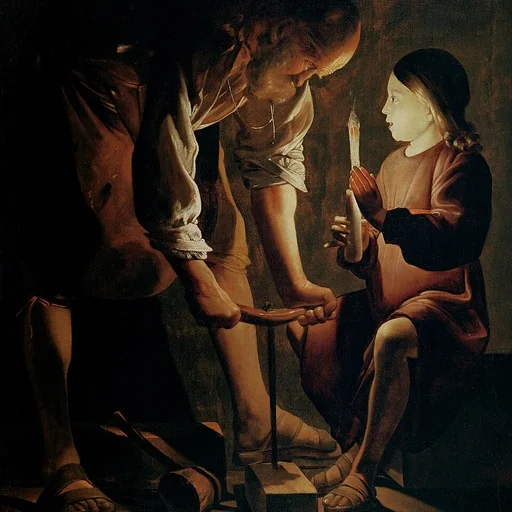
The candle is among the oldest tools of human civilization—an ignitable wick set in tallow or beeswax that yielded light, warmth, and even a crude measure of time—but in art it became something far richer than a domestic object. Carrying centuries of Christian metaphor, in which flame stood for the soul, divine presence, and "the light of the world," the candle moved to the center of European painting in the wake of Caravaggio. His revolutionary tenebrism—violent contrasts of light and shadow—inspired a distinct "candlelight tradition" in which a single flame, often half-hidden behind a hand or object, became the sole source of illumination, dissolving surroundings into darkness and concentrating drama on a few glowing faces.
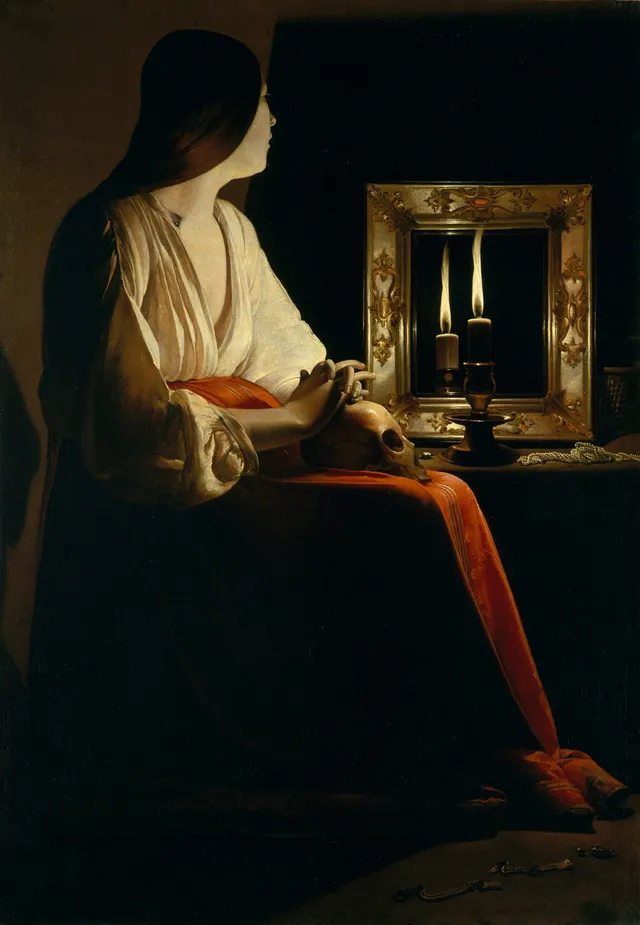
The technique was crystallized by the Utrecht Caravaggisti—Hendrick ter Brugghen, Dirck van Baburen, and above all Gerrit van Honthorst, who introduced Caravaggism to the Netherlands around 1620. Honthorst's nocturnes so often turned on a concealed candle that Italians nicknamed him Gherardo delle Notti, "Gerard of the Nights." The supreme master of the mode, however, was the Frenchman Georges de La Tour (1593–1652), whose hushed religious scenes use candlelight less for theatrical shock than for contemplative stillness. In The Penitent Magdalen, a single flame illuminates the saint before a mirror and skull, transforming ordinary light into a metaphor for spiritual awakening and divine grace.
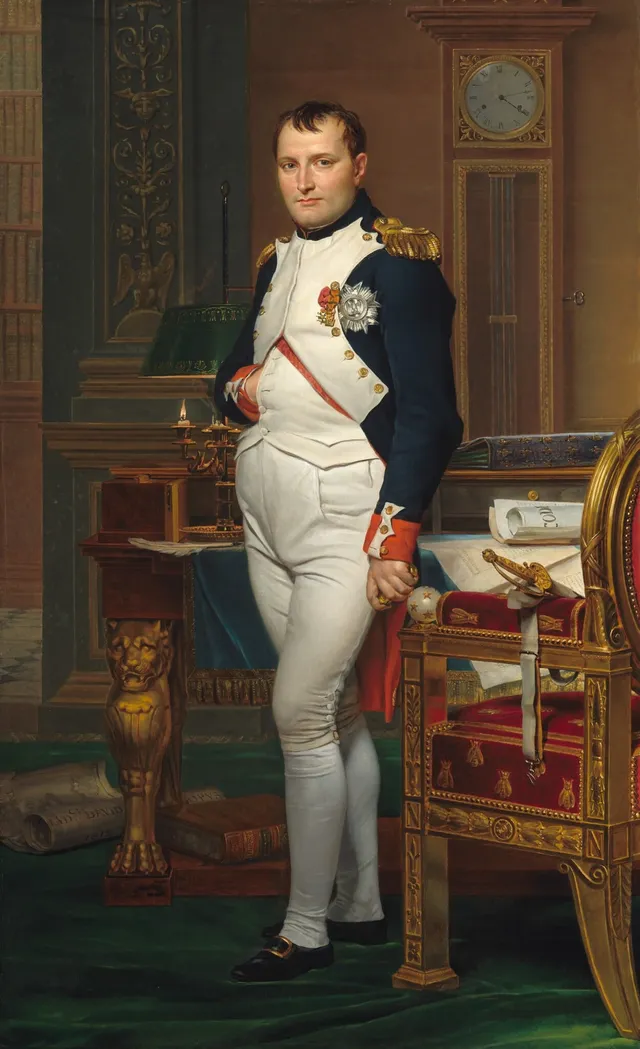
In parallel, Dutch Golden Age still life made the candle a key emblem of vanitas. A guttering or freshly snuffed candle, its smoke curling upward, signified the certainty of death and the brevity of earthly pleasure—a pious counterweight to laden banquet tables like those of Willem Claesz Heda. The same poetic logic survived into the Neoclassical era: in Jacques-Louis David's The Emperor Napoleon in His Study at the Tuileries (1812), candles burned nearly to their sockets tell the viewer that the emperor has labored through the night on his legal code until dawn.
The motif's most ambitious afterlife came with Joseph Wright of Derby, whose candlelit pictures of the 1760s—notably An Experiment on a Bird in the Air Pump (1768)—turned the flame from a vehicle of religious revelation into a symbol of Enlightenment reason, illuminating not saints but scientists. From sacred allegory to scientific spectacle, the candle remains art's most eloquent emblem of light wrested from darkness.
Key artists

Overview
A candle is an ignitable wick embedded in a solid flammable substance such as wax or tallow, designed to provide light and, in some cases, heat or fragrance. Functioning as a primary source of indoor illumination for over two millennia, the candle's role shifted dramatically with the advent of electric light, moving from a utilitarian necessity to an object bearing functional, symbolic, and aesthetic significance. In art, the candle recurs as a versatile motif because its physical properties, a fragile flame consuming a solid body, naturally parallel human existence, spiritual presence, and the passage of time. This duality of providing physical light while representing abstract concepts has allowed the candle to maintain relevance across diverse cultural and artistic contexts.
Iconography & meaning
The iconography of the candle in art is multifaceted, with its meaning shifting based on context. In early Christian art, a lit candle symbolized divine presence and purity, while a snuffed candle indicated the Holy Spirit had entered, replacing physical light. During the seventeenth century, Dutch genre painters expanded this symbolism significantly. A candle could represent enlightenment and knowledge, illuminating the minds of scholars or students near its glow. Conversely, its burning down served as a memento mori, symbolizing the transience of life and the passage of time, particularly when illuminating the aged. The fragility of the flame also made it a metaphor for human vulnerability, easily extinguished like life itself. In more secular contexts, a candle could signify sexual desire, easily aroused and just as quickly snuffed, or represent warmth, intimacy, and quiet reflection.
Across movements & periods
The treatment of the candle in art has evolved alongside its cultural and technological roles. In fifteenth-century Christian art, its symbolism was predominantly sacred, denoting the divine. By the seventeenth century, Dutch Golden Age painters adopted the candle for its dramatic chiaroscuro potential, using a single flame as the sole light source to create intense contrasts of light and shadow, while simultaneously layering the image with moral and philosophical symbolism. In modern and contemporary art, the candle has been reimagined in provocative and conceptual ways. Artists have utilized the burning flame to explore themes of vulnerability, spirituality, and the perception of time. Photorealistic paintings of candles question the nature of reality, while melting wax sculptures subvert the traditional candle form to symbolize the transient nature of existence and the fragility of life.
Notable depictions
Notable depictions of the candle highlight its symbolic adaptability. In the Workshop of Robert Campin's Annunciation Triptych, a snuffed candle on a table signifies the Holy Spirit entering and replacing physical light. The Dutch painter Gerrit Dou frequently centered his compositions around a single candle, using chiaroscuro to convey different meanings. In Astronomer by Candlelight, the candle's glow symbolizes knowledge passing from text to mind. In An Evening School, proximity to the candle represents degrees of enlightenment. In Old Woman Chopping Onions, the burning candle mirrors the passage of time and the subject's mortality. Other Dutch painters used the candle alongside a mousetrap to symbolize the fleeting nature of sexual desire. Later artists like Georges de La Tour and Caravaggio used the candle as a focal point for dramatic realism, while contemporary artists like Gerhard Richter have photorealistically captured the candle to invite reflection on reality and illusion.
Legacy
The legacy of the candle as an artistic and cultural object persists well into the era of electric light. Although no longer essential for illumination, the candle has been redefined as a medium for ambiance, aromatherapy, and design. Contemporary artists and designers continue to draw upon its historical resonance, employing the flame in performance art to explore vulnerability, or creating melting wax sculptures to comment on transience. In the decorative arts, the candle has been transformed into a luxury item, with modern artisans reviving historical techniques like hand-dipping and molding to create sustainable, eco-friendly works. The candle's ancient charm and its ability to evoke deep emotional and sensory responses ensure its continued presence as a symbol of comfort, reflection, and aesthetic expression in modern spaces.
Works
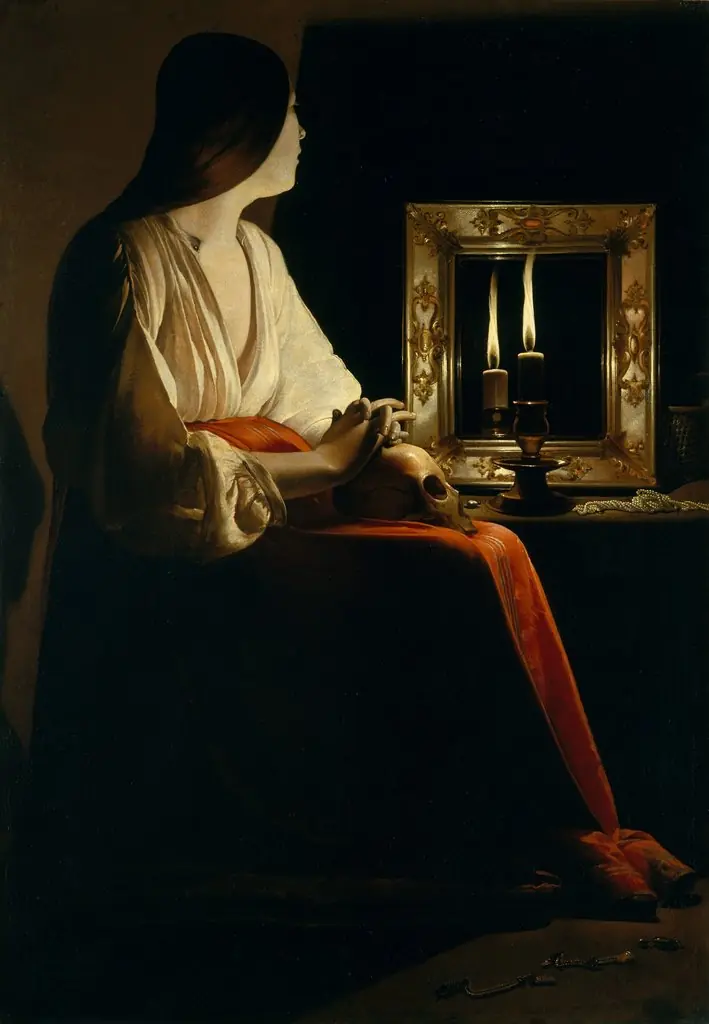 The Penitent Magdalen
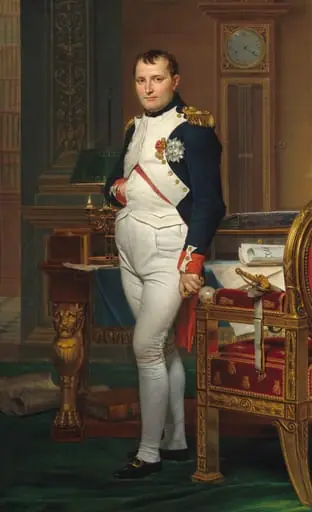 The Emperor Napoleon in His Study at the Tuileries
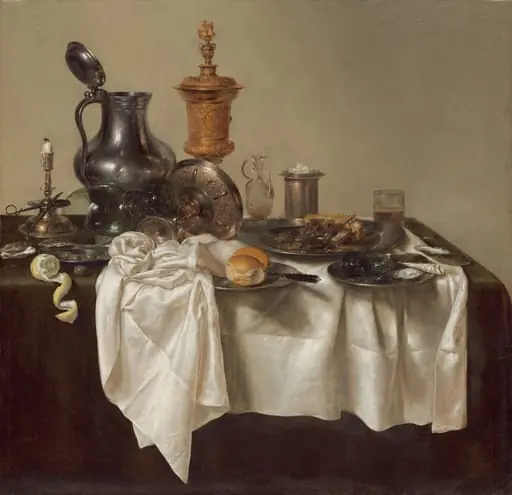 Banquet Piece with Mince Pie
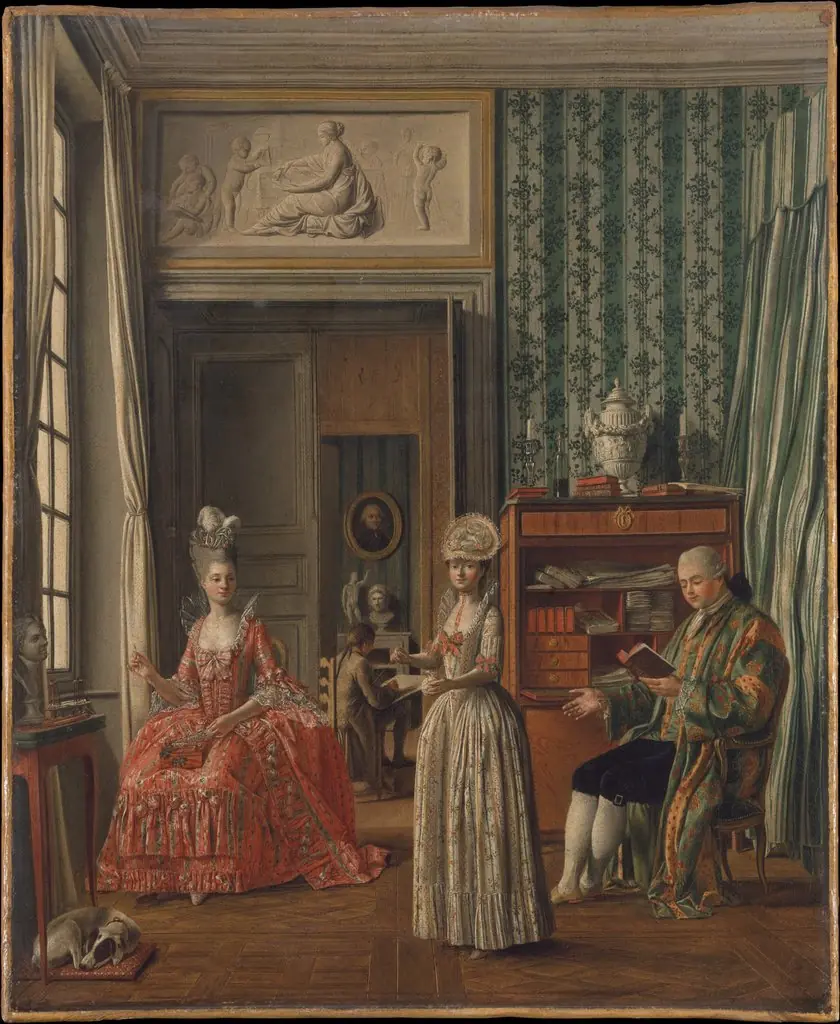 Domestic Scene
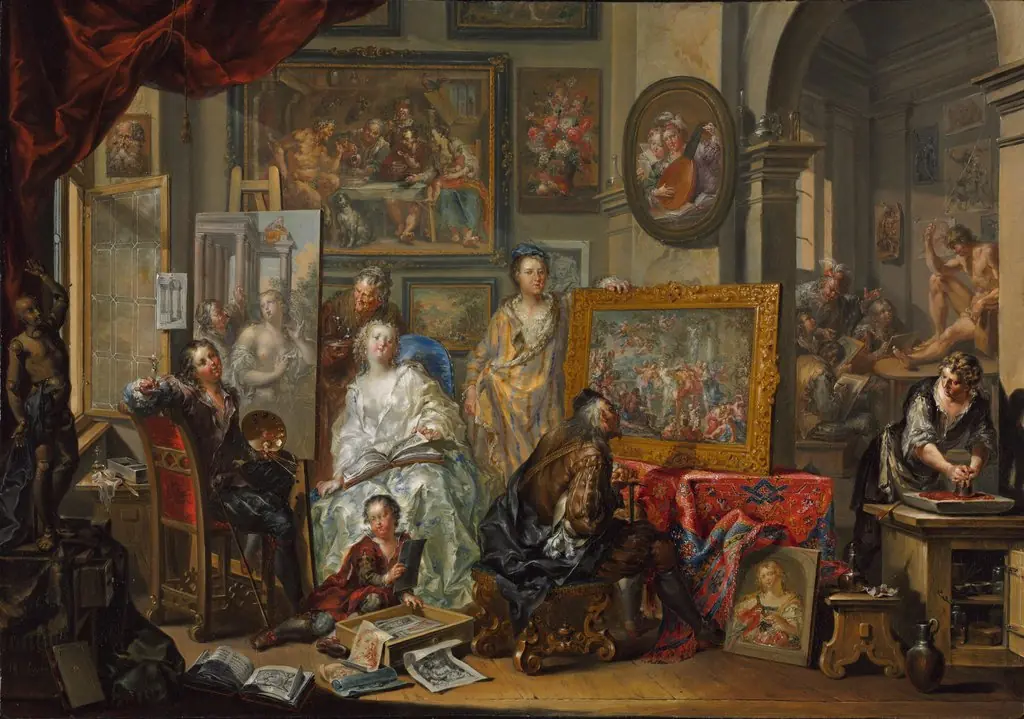 The Artist's Studio
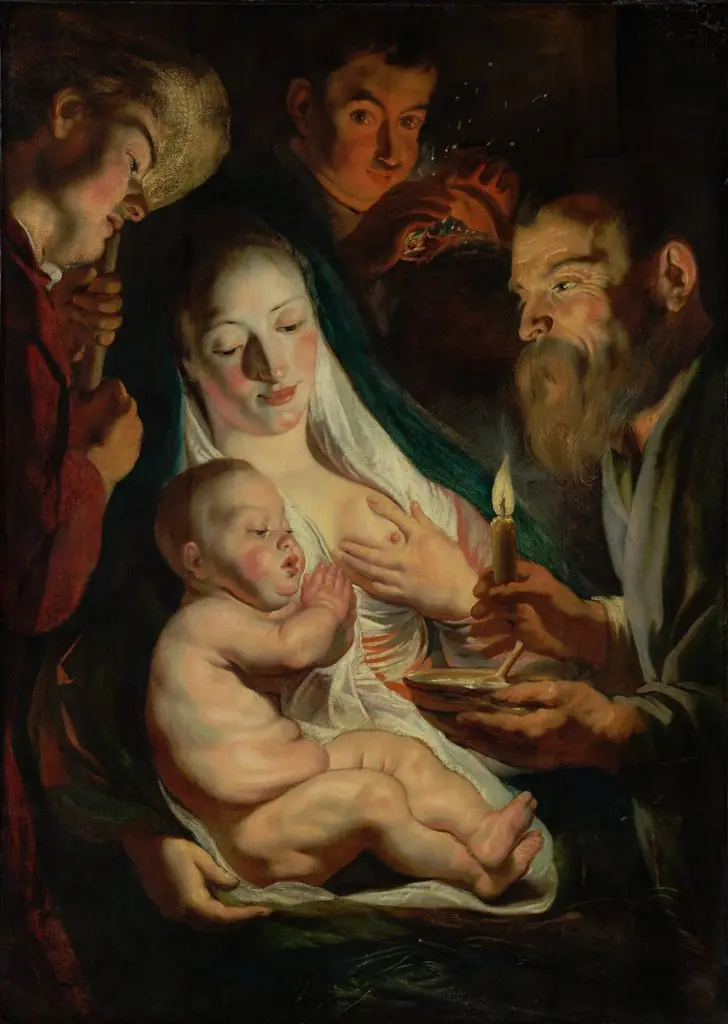 The Holy Family with Shepherds
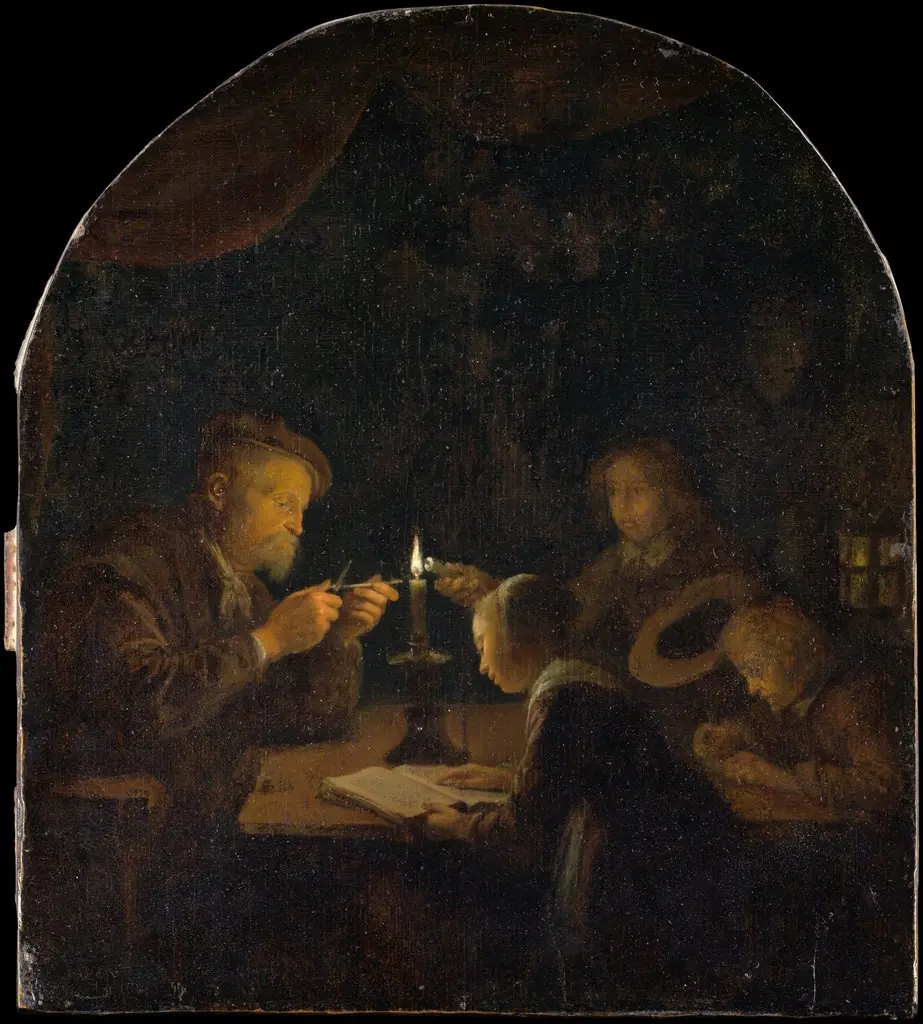 An Evening School
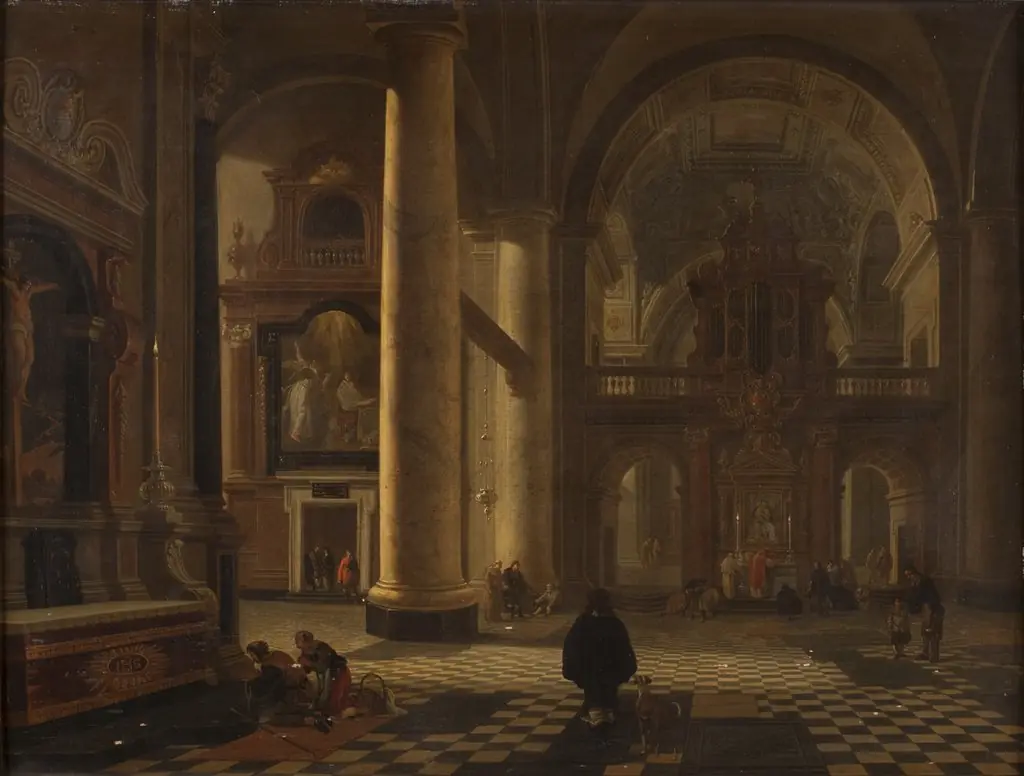 Interior of a Catholic Church
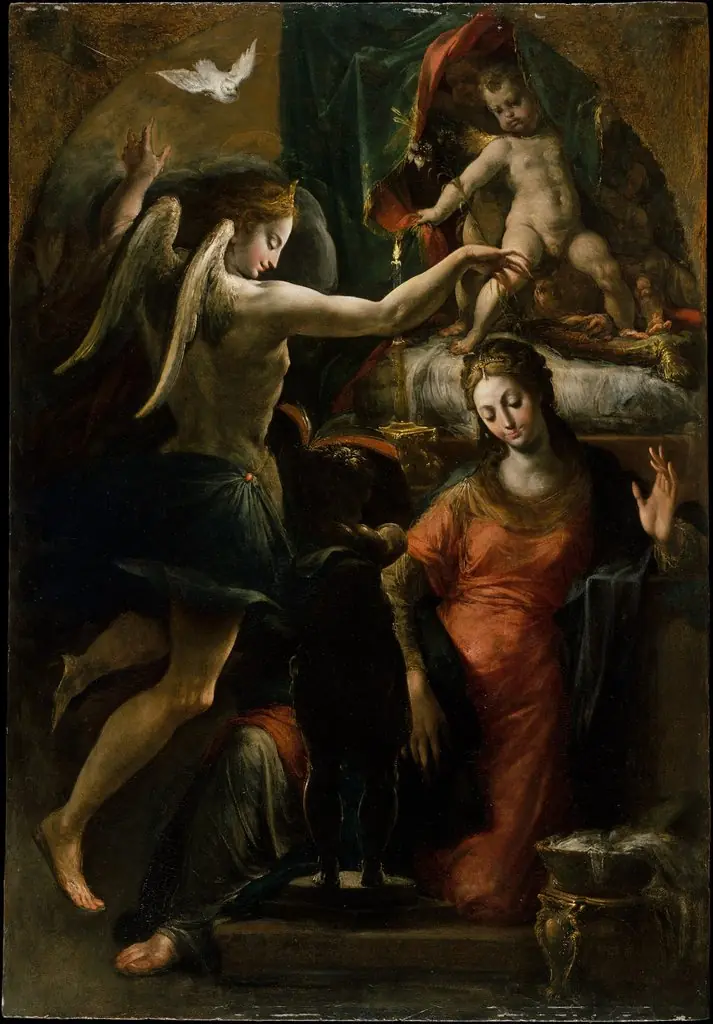 The Annunciation
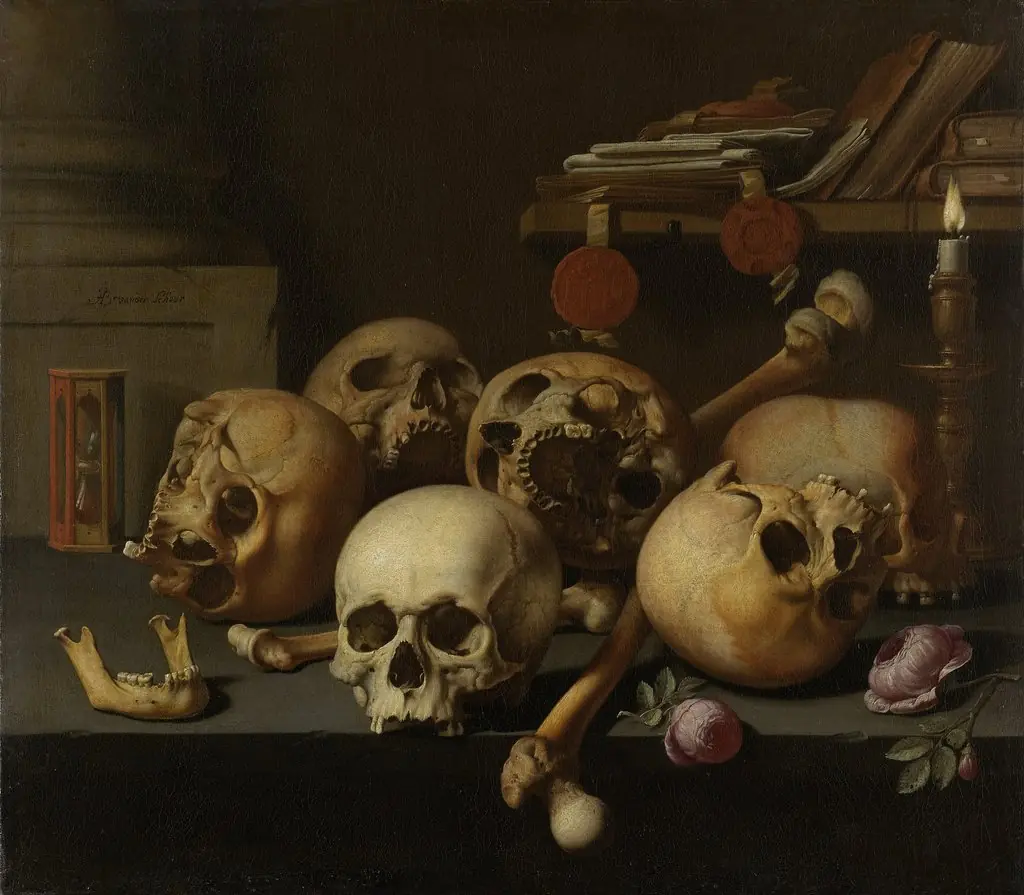 Vanits still life
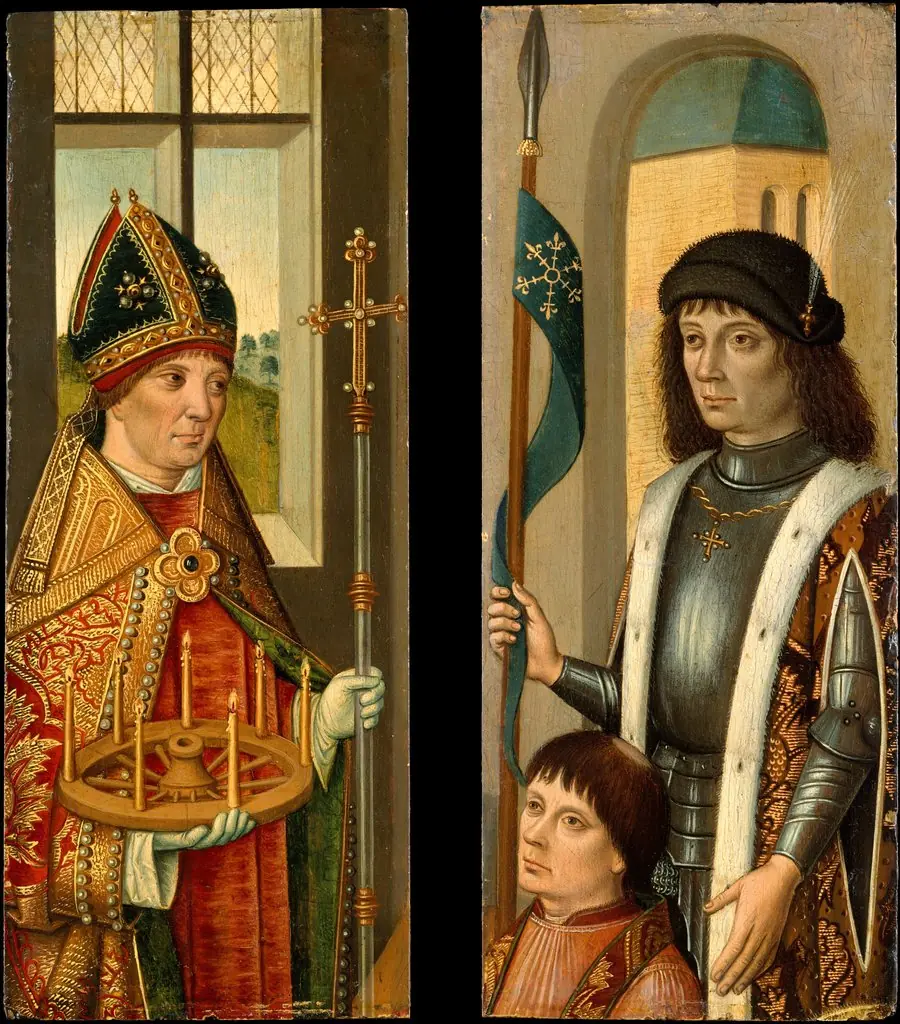 Saint Donatian; Saint Victor Presenting a Donor
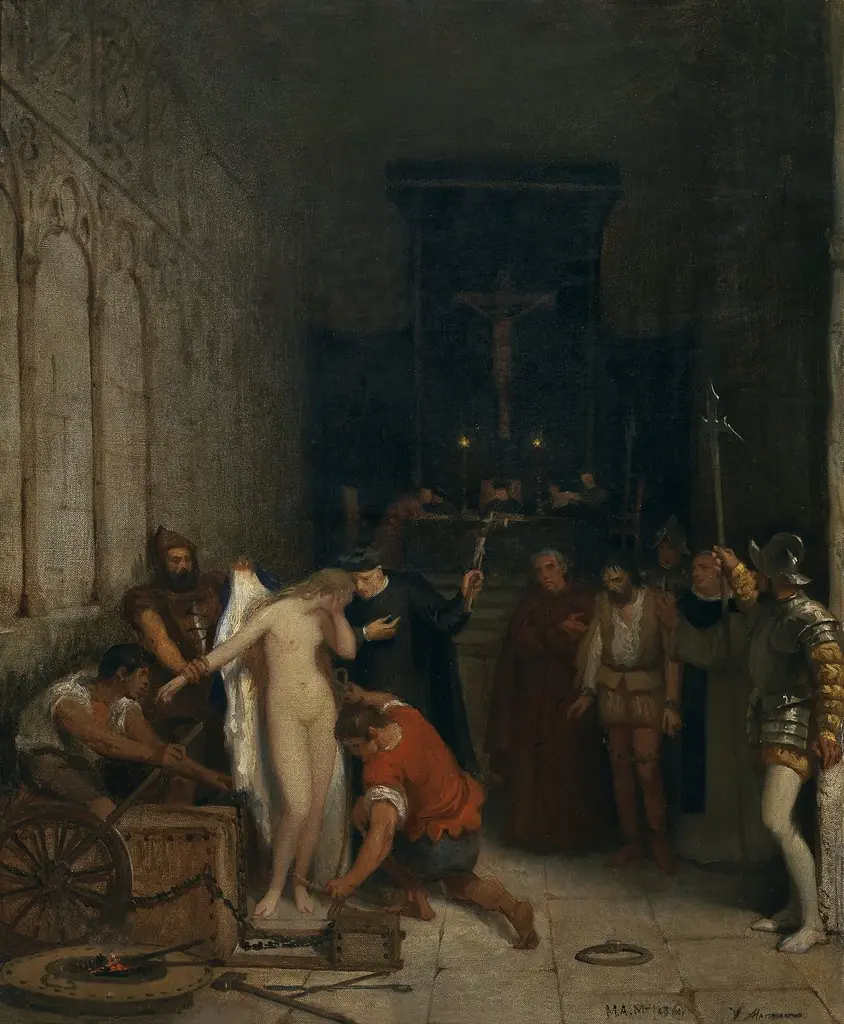 Una escena de la Inquisición
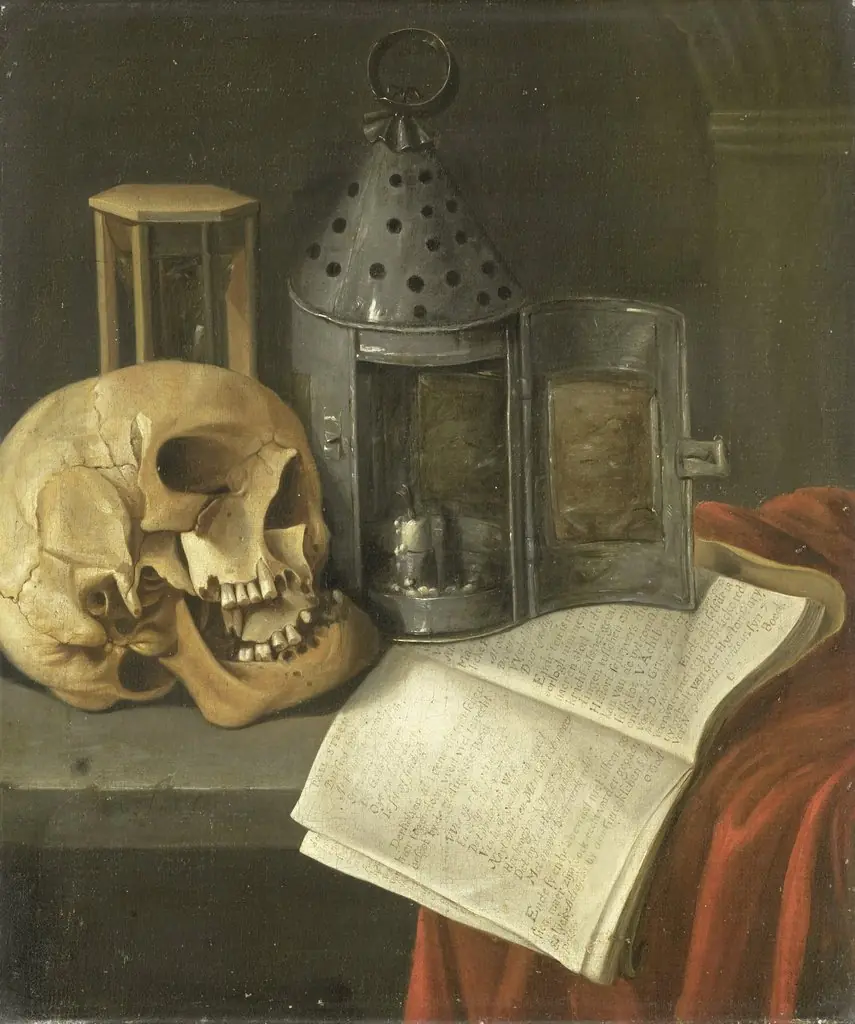 Vanitas Still Life
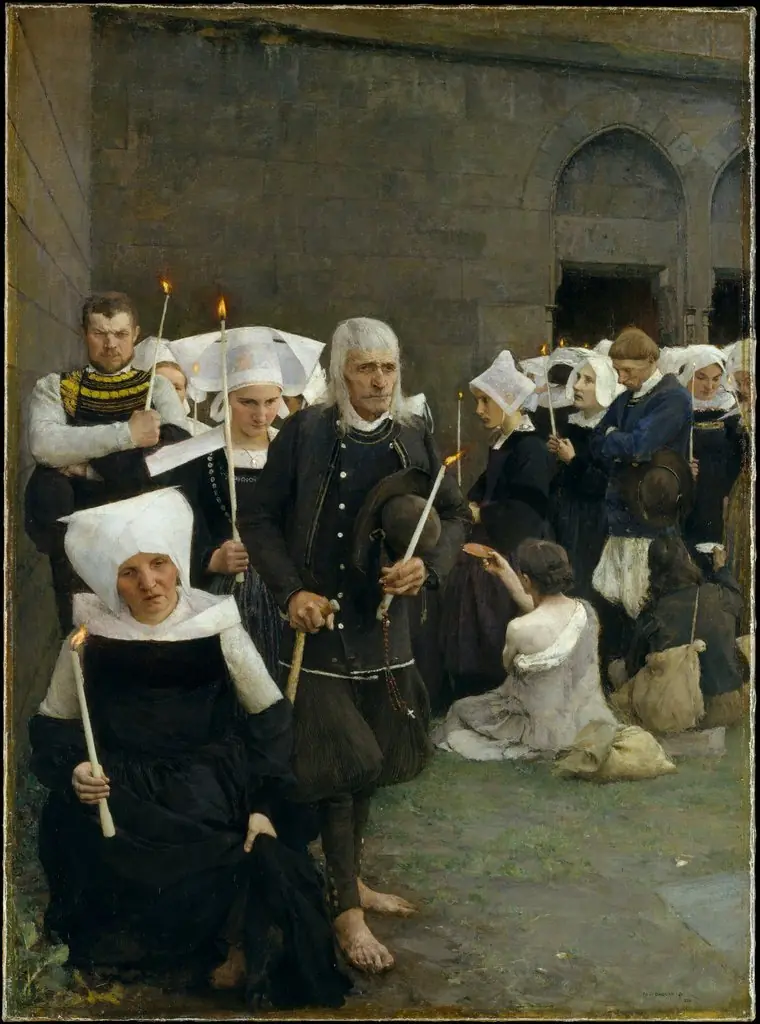 The Pardon in Brittany
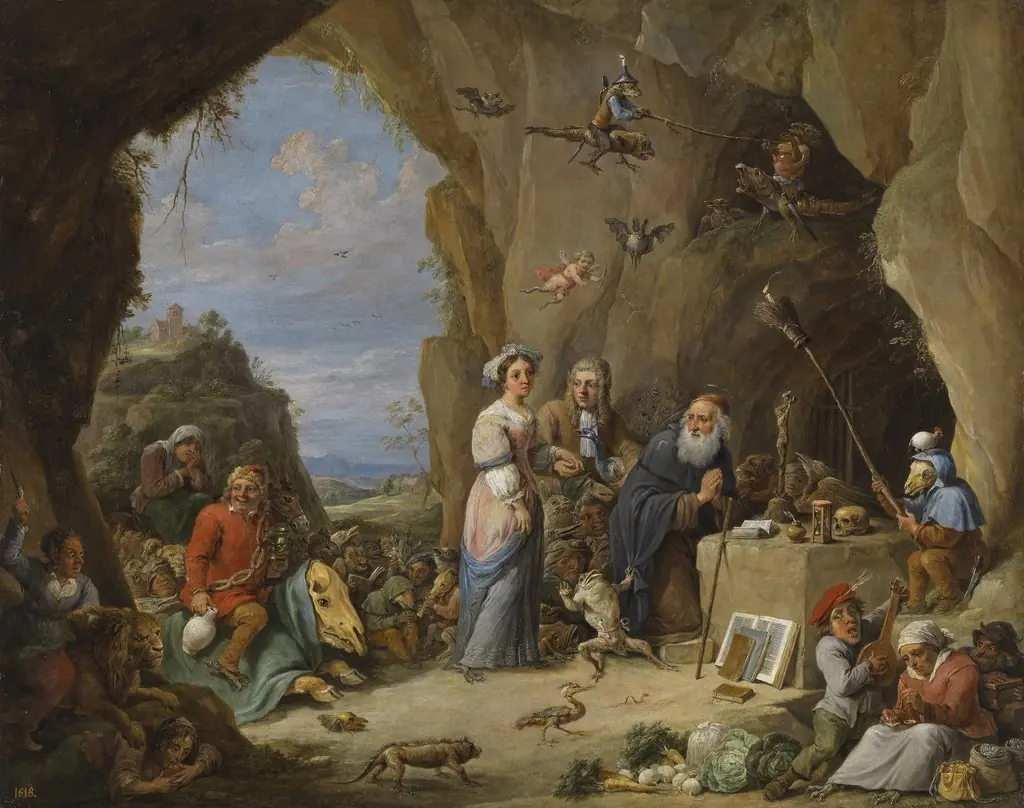 Temptation of St. Anthony
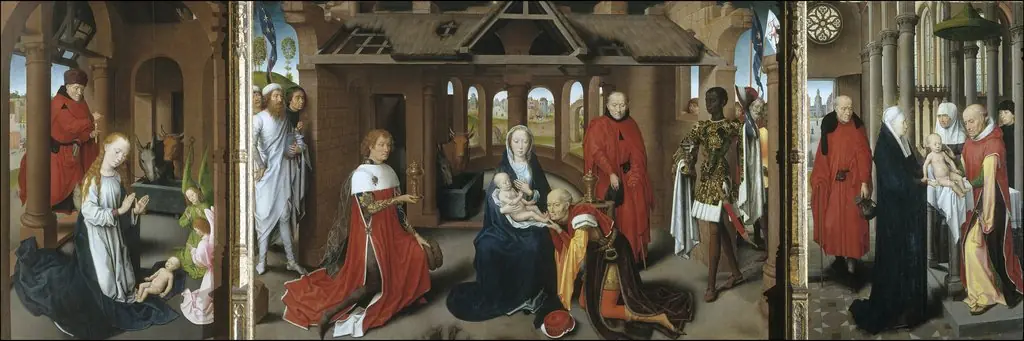 Adoration of the Magi Triptych
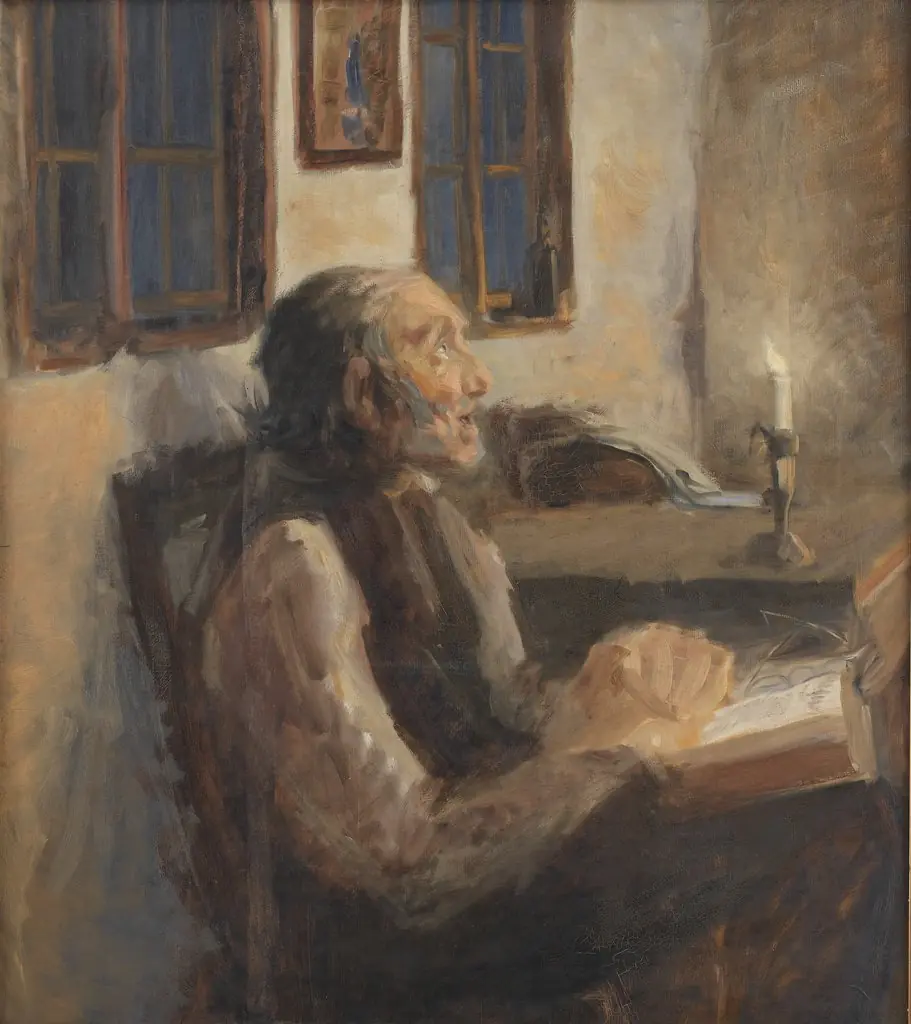 Den gamle mand ved spedelyset
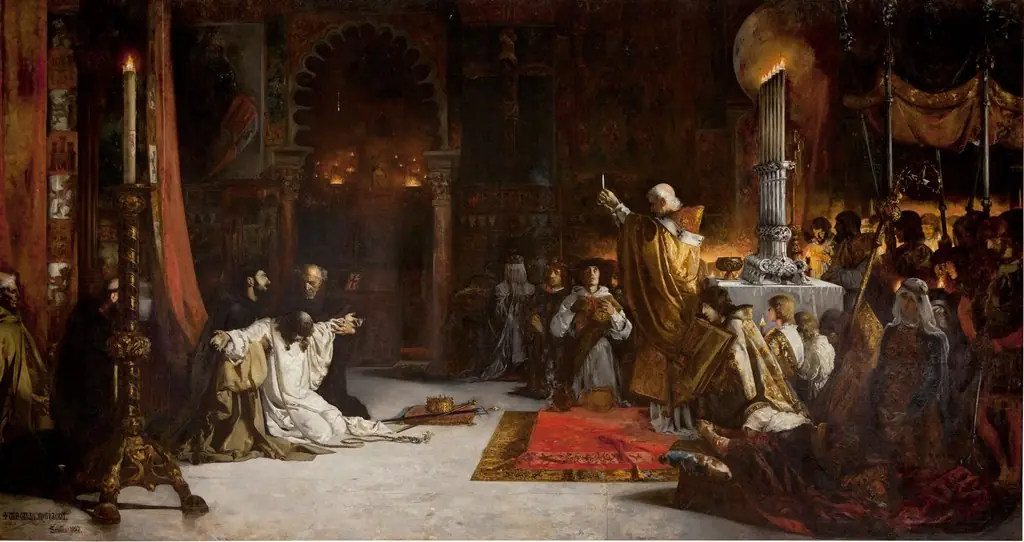 Las postrimerías de Fernando III el Santo
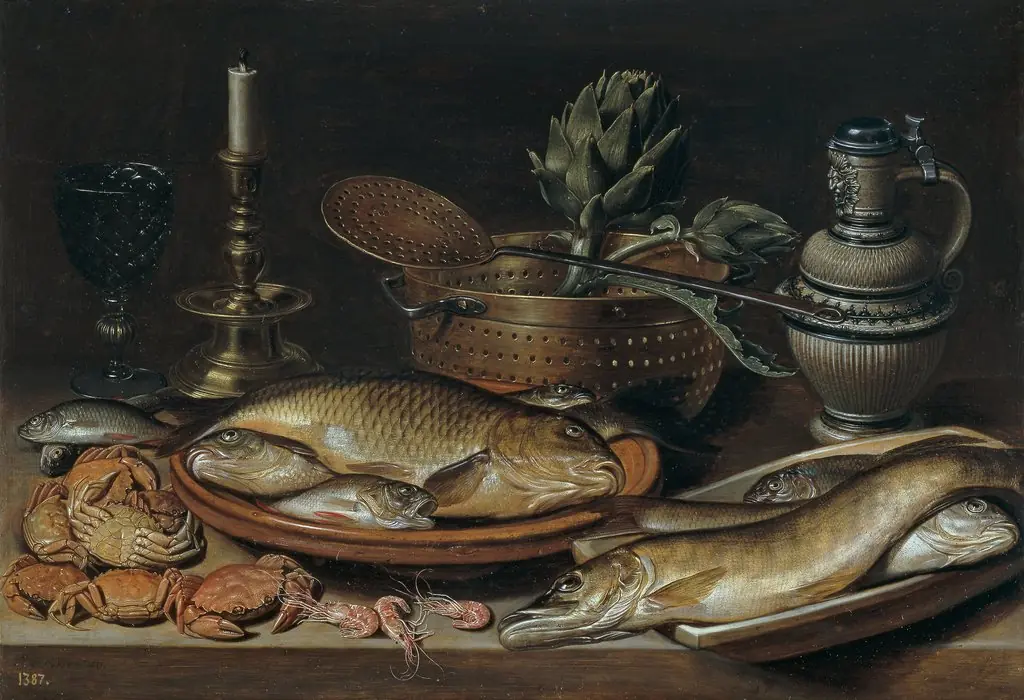 Still life of fish with a candlestick
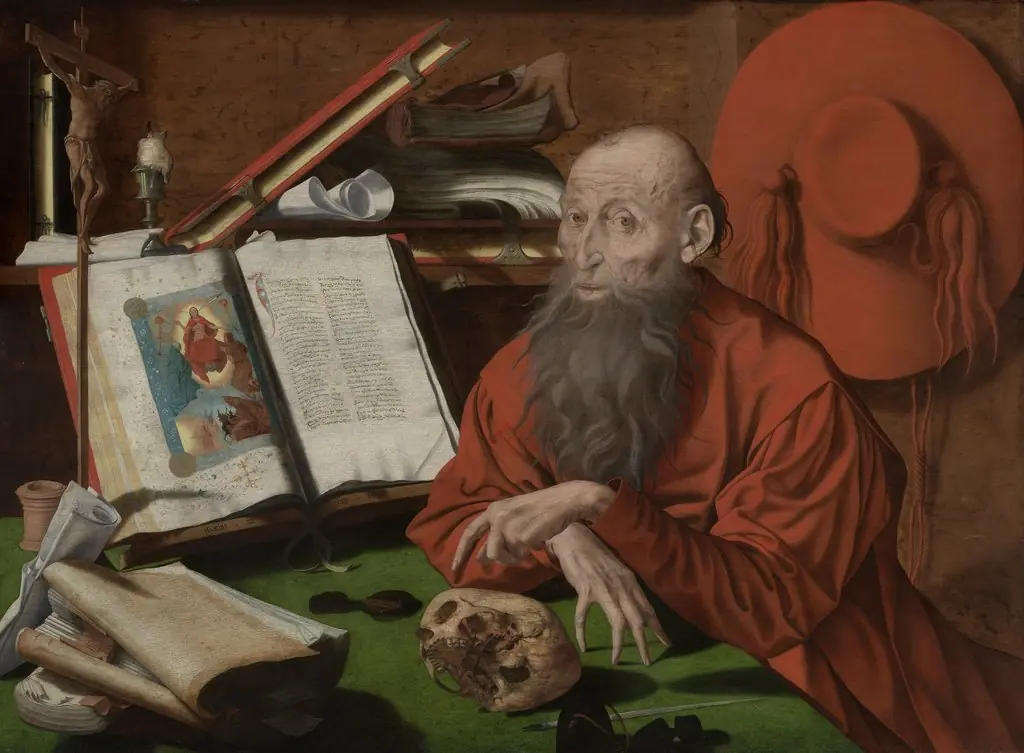 Saint Jerome in His Study
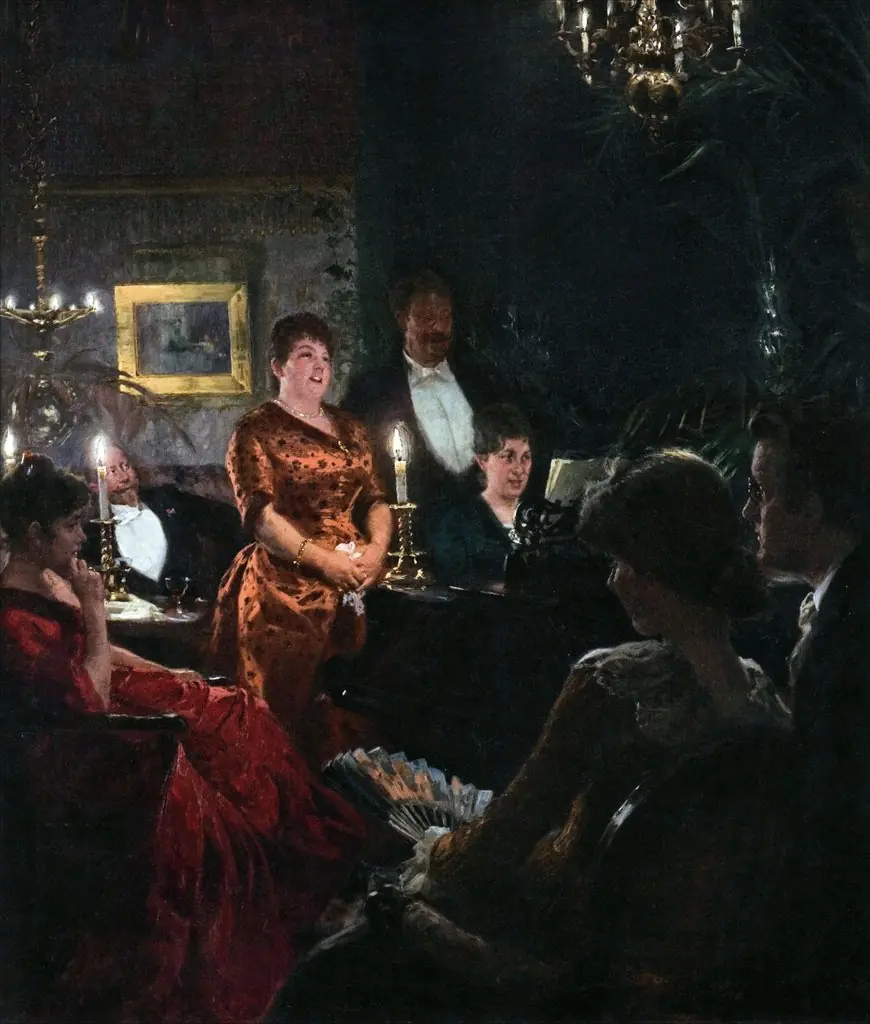 A Duet
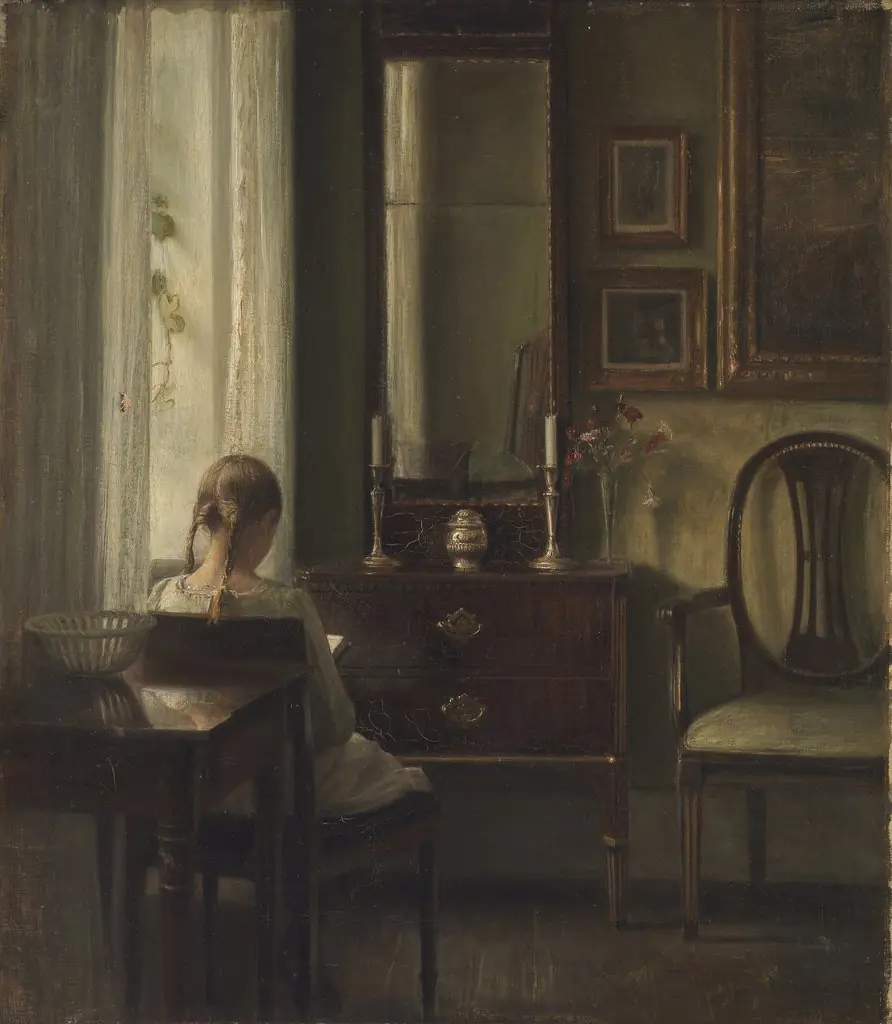 Interior with a Girl Reading
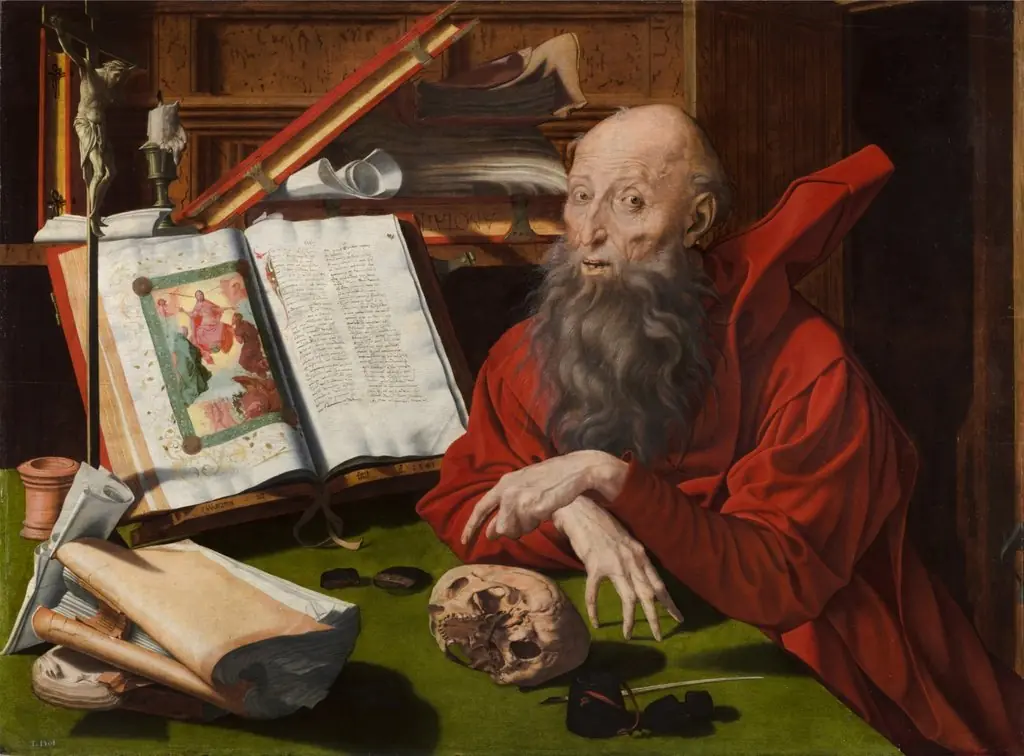 Saint Jerome in his study
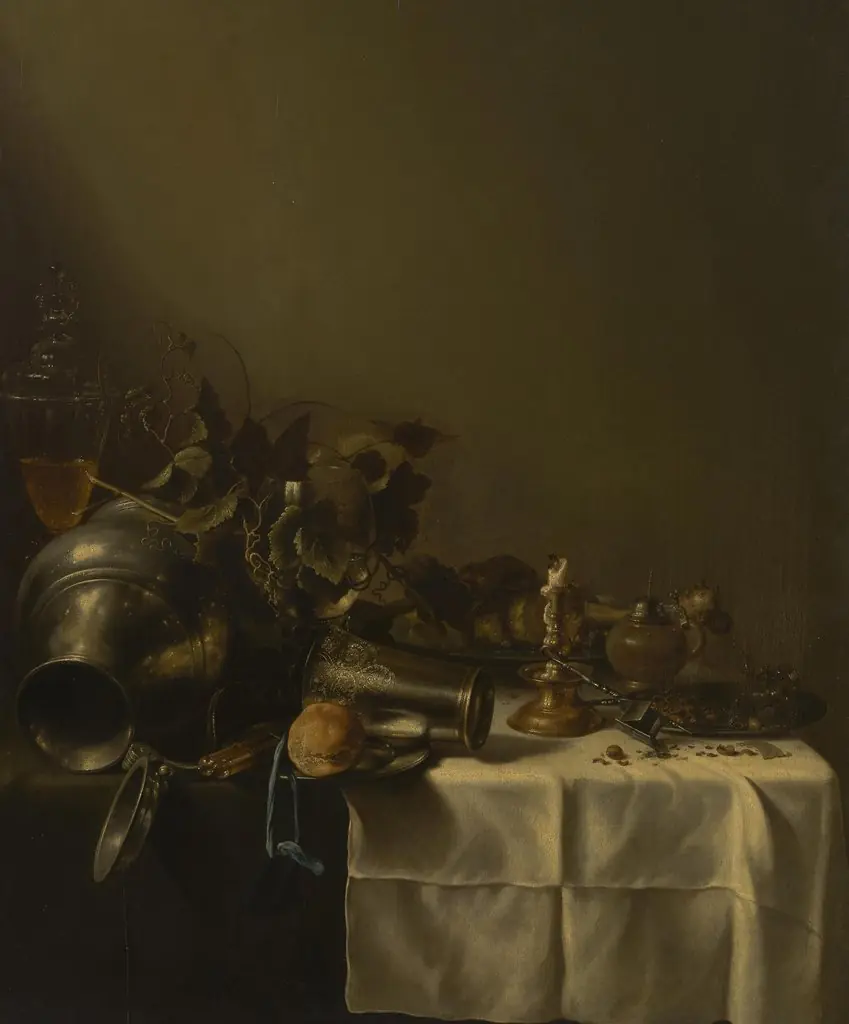 Overturned Jug and Other Items on the Tablecloth
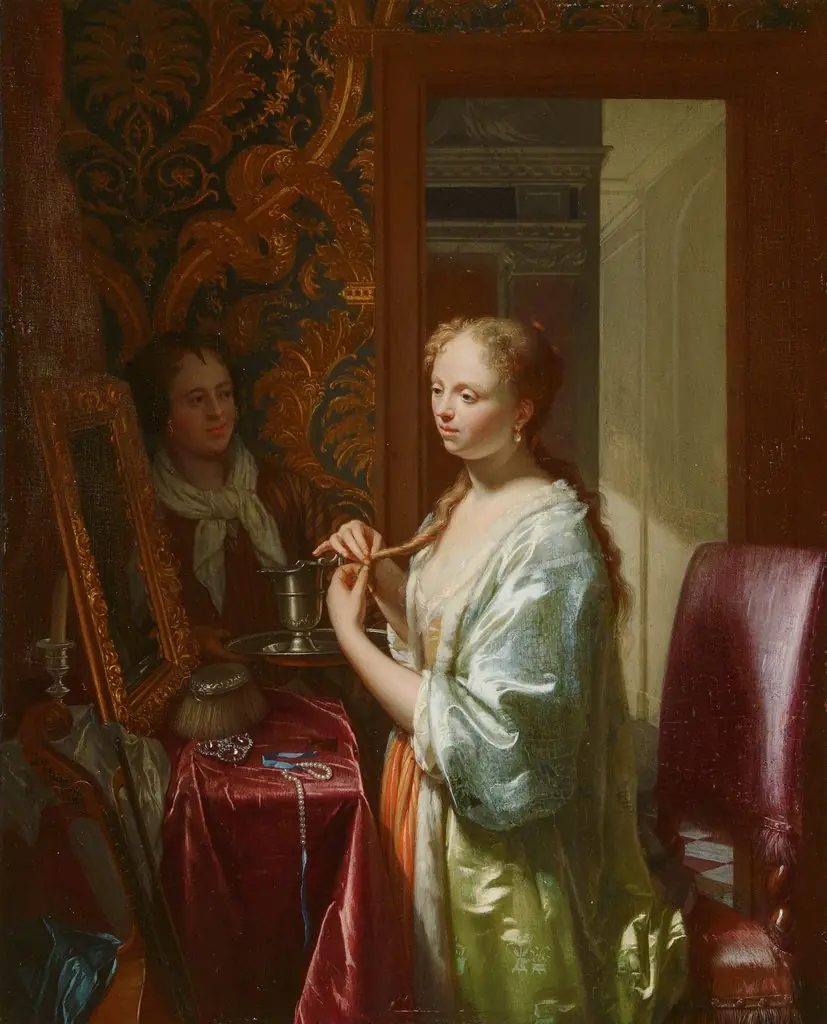 Lady attending to her toilet
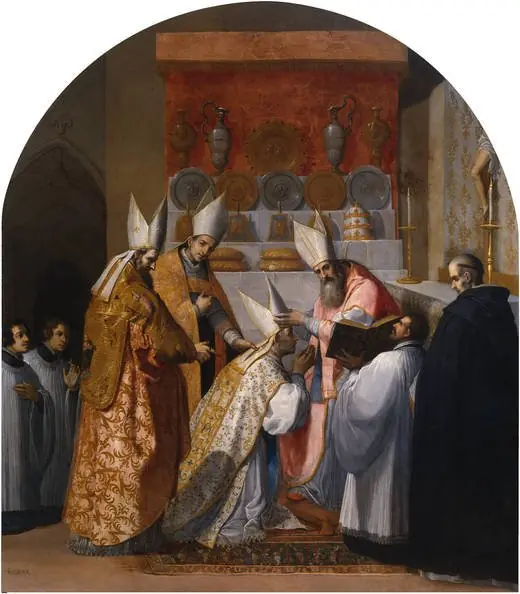 Pope Alexander III Consecrates Anthelm of Chignin as Bishop of Belley
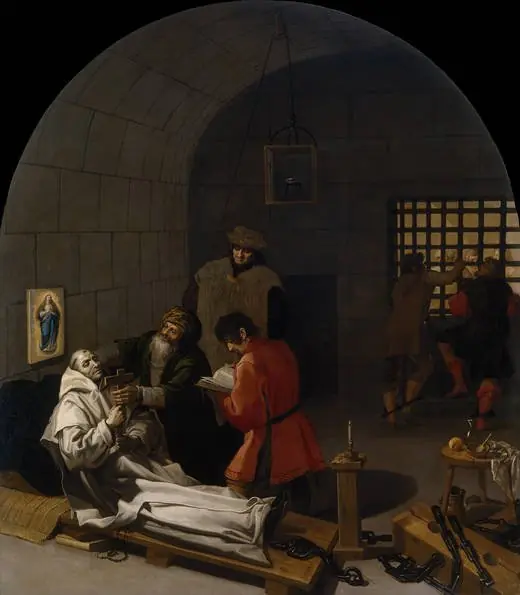 Landuino Dies in Jail
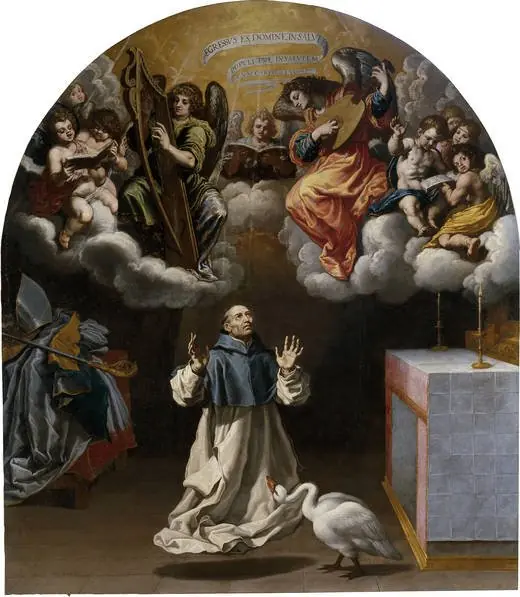 Musician Angels Appear to Saint Hugo of Lincoln
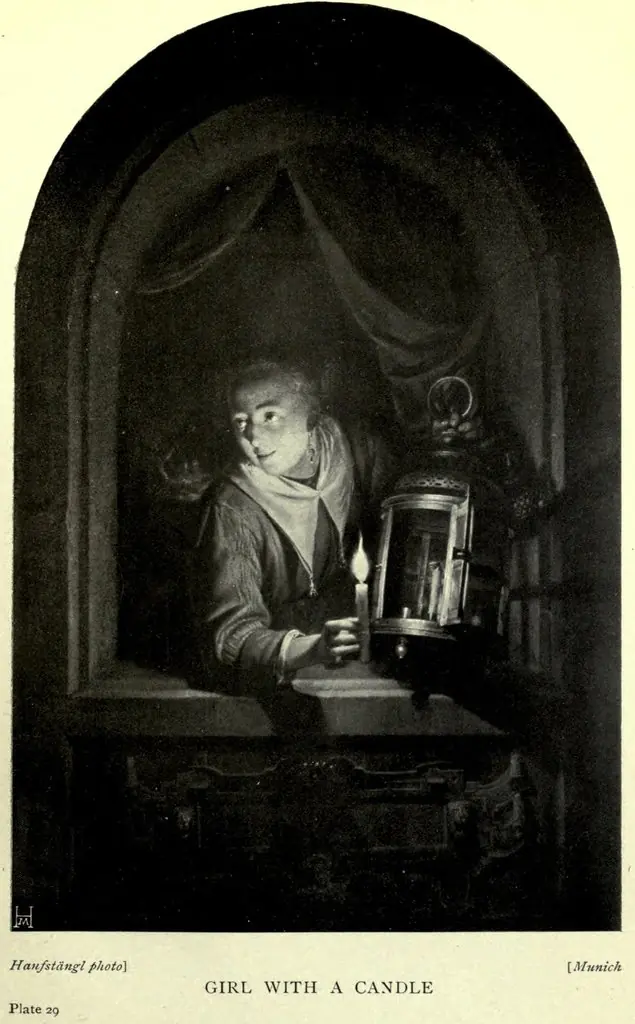 Young Woman with a Candle
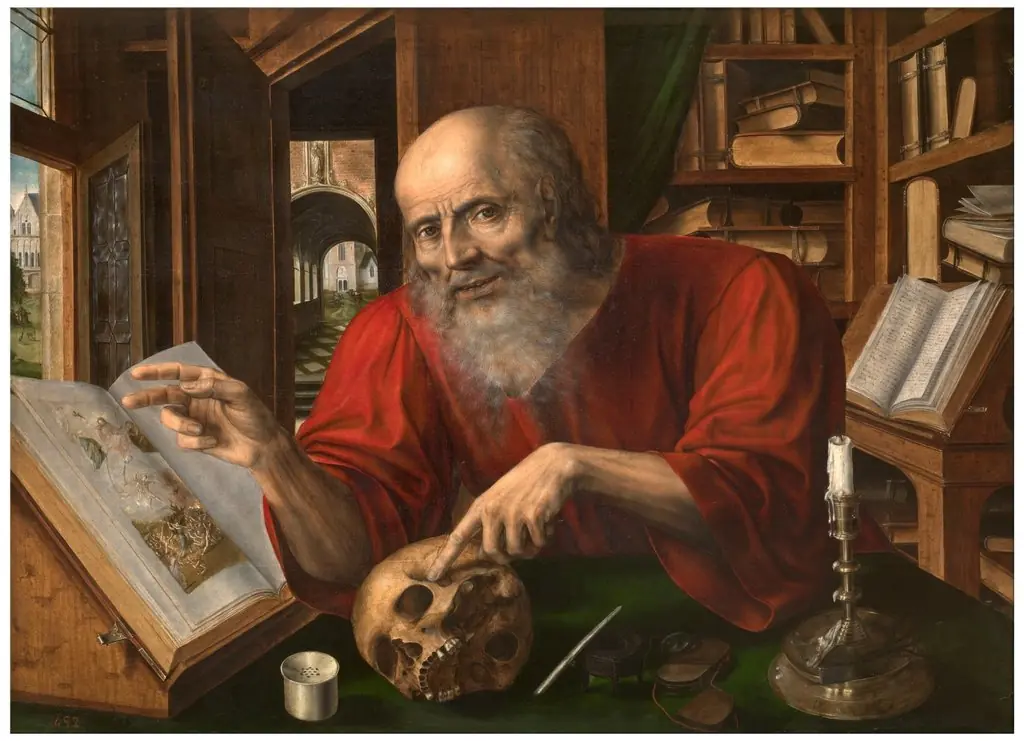 Saint Jerome
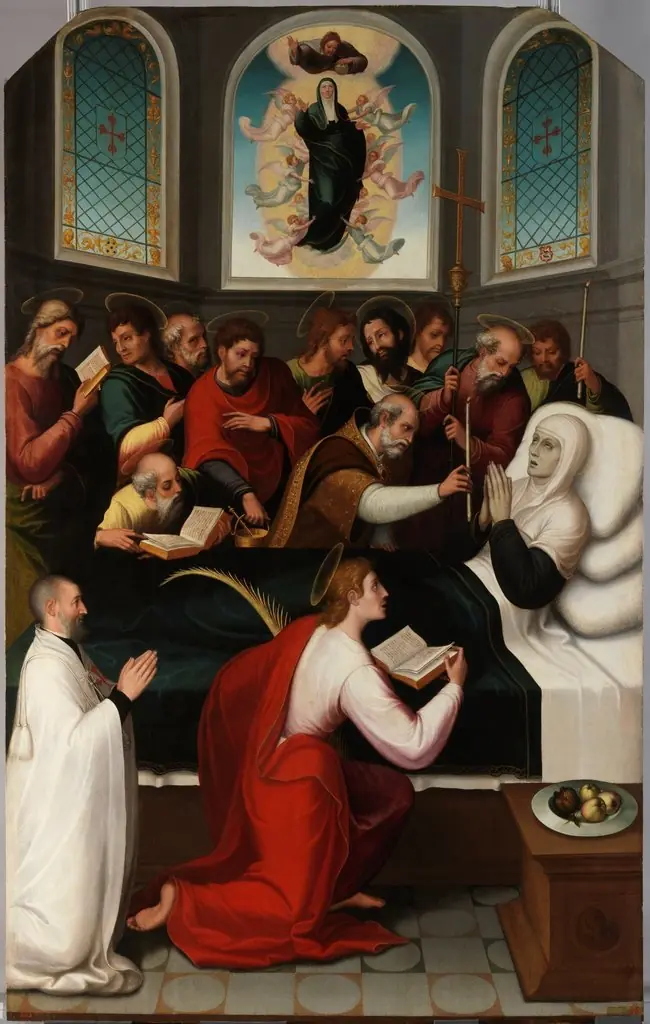 The Death of the Virgin
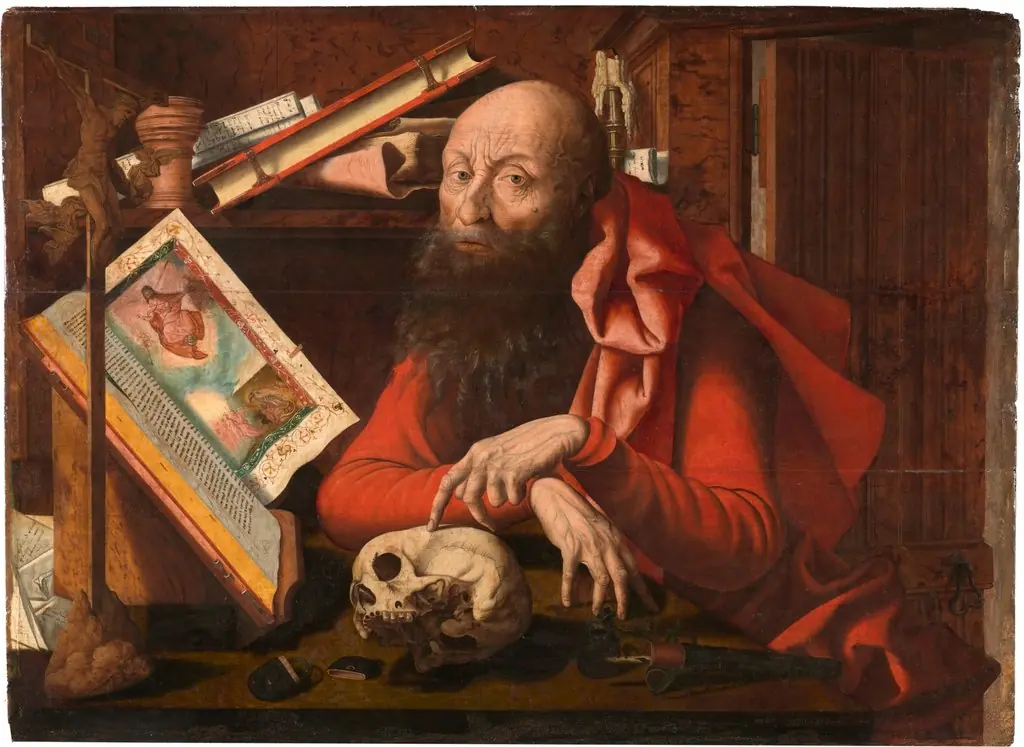 Saint Jerome in his Study
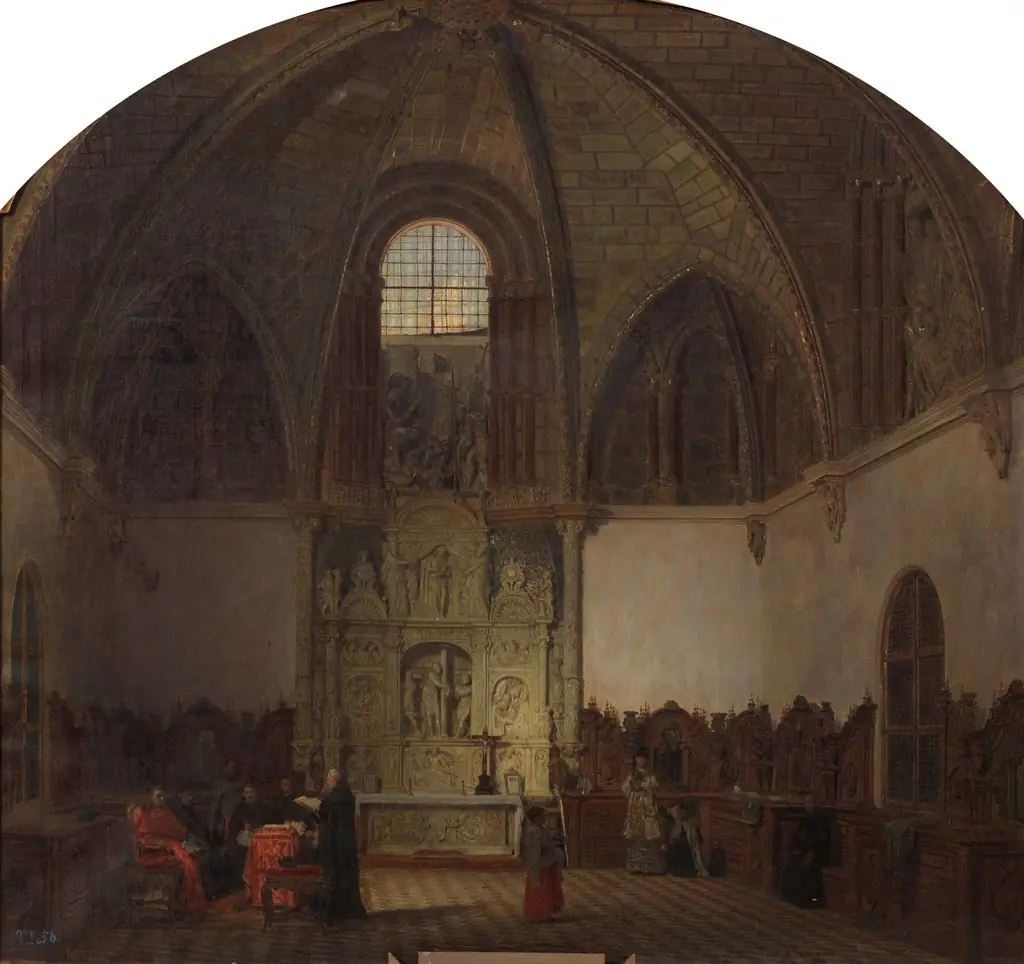 Interior de la capilla de San Bernardo donde se juramentaron los comuneros de Castilla (hoy sacristía mayor de la catedral de Ávila) en ocasión de celebrarse una conferencia por su obispo y cabildo
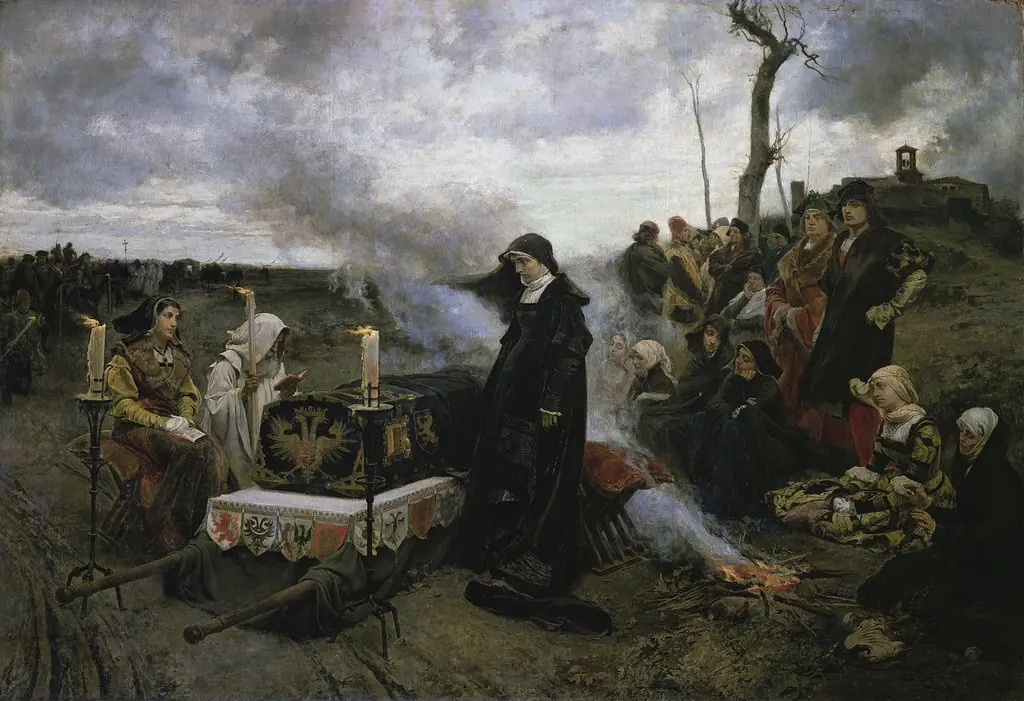 Doña Joanna the Mad
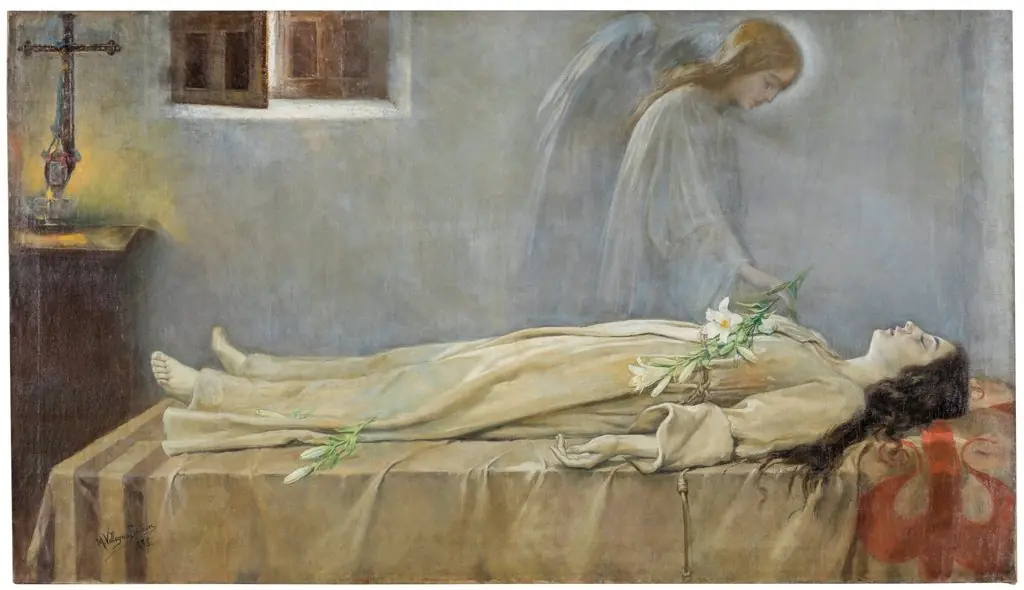 Último sueño de una virgen
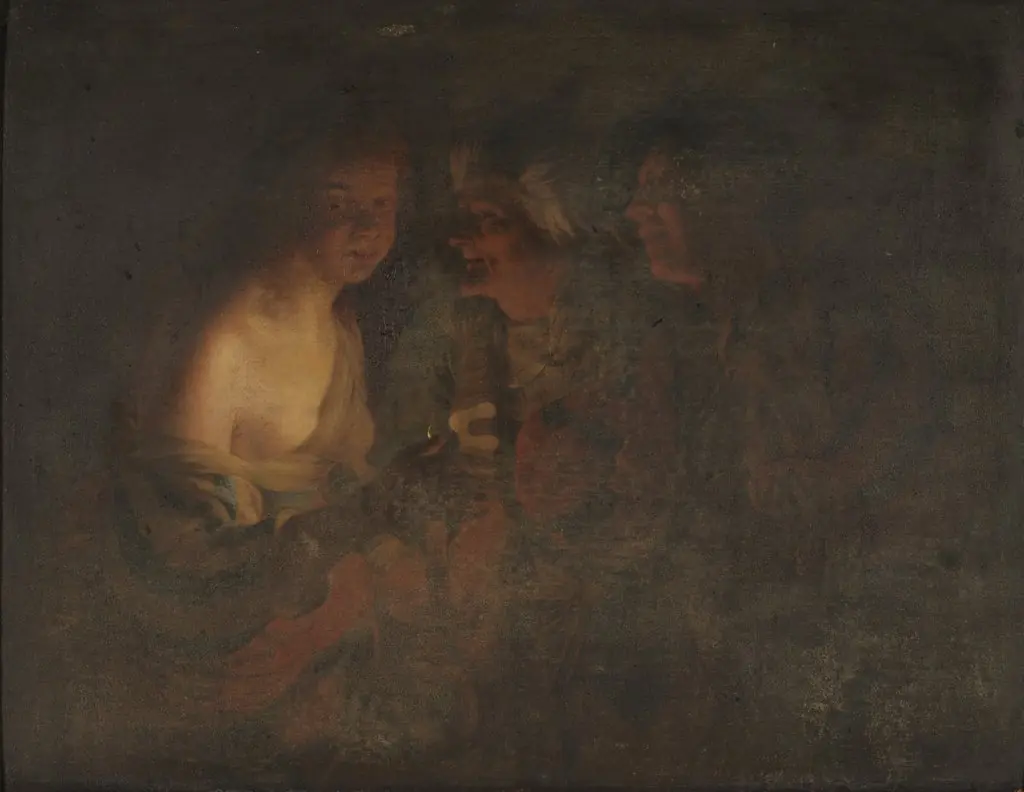 Young Woman with a Candlestick, Old Woman and a Violin Player
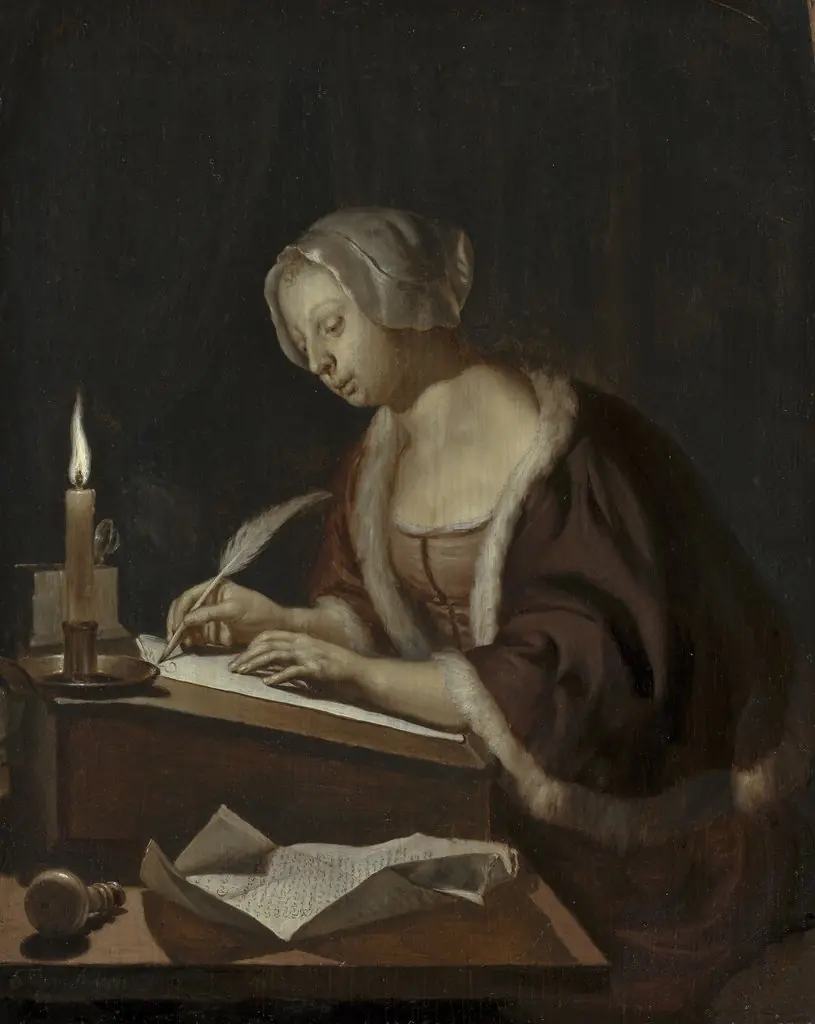 A Young Woman Writing a Letter
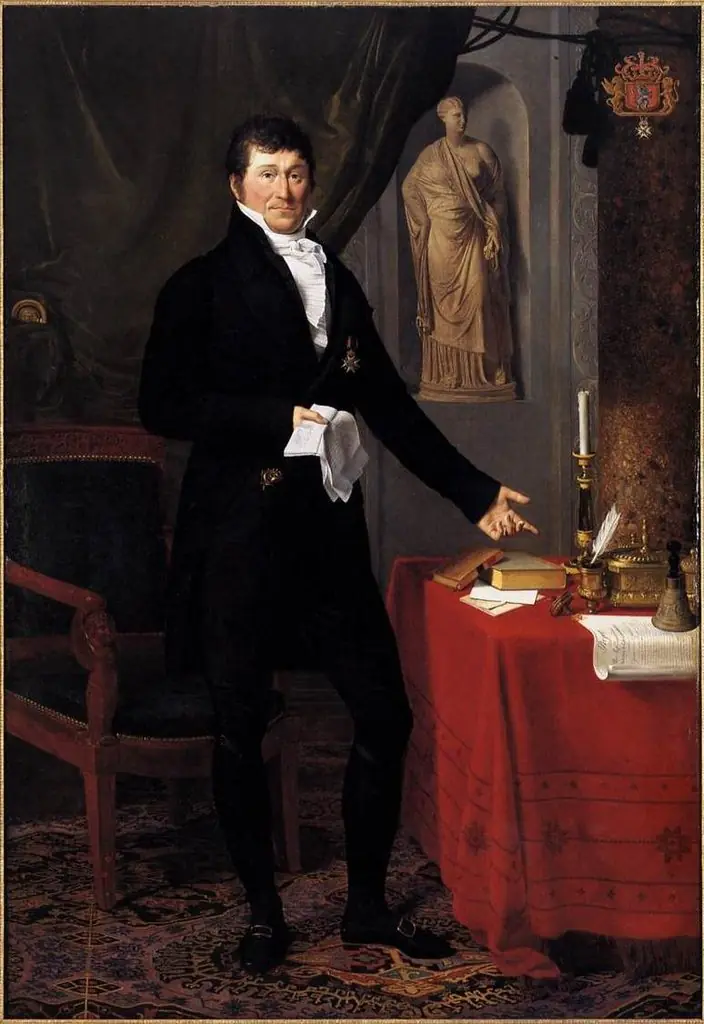 Portrait of Charles-Louis Baron de Keverberg de Kessel
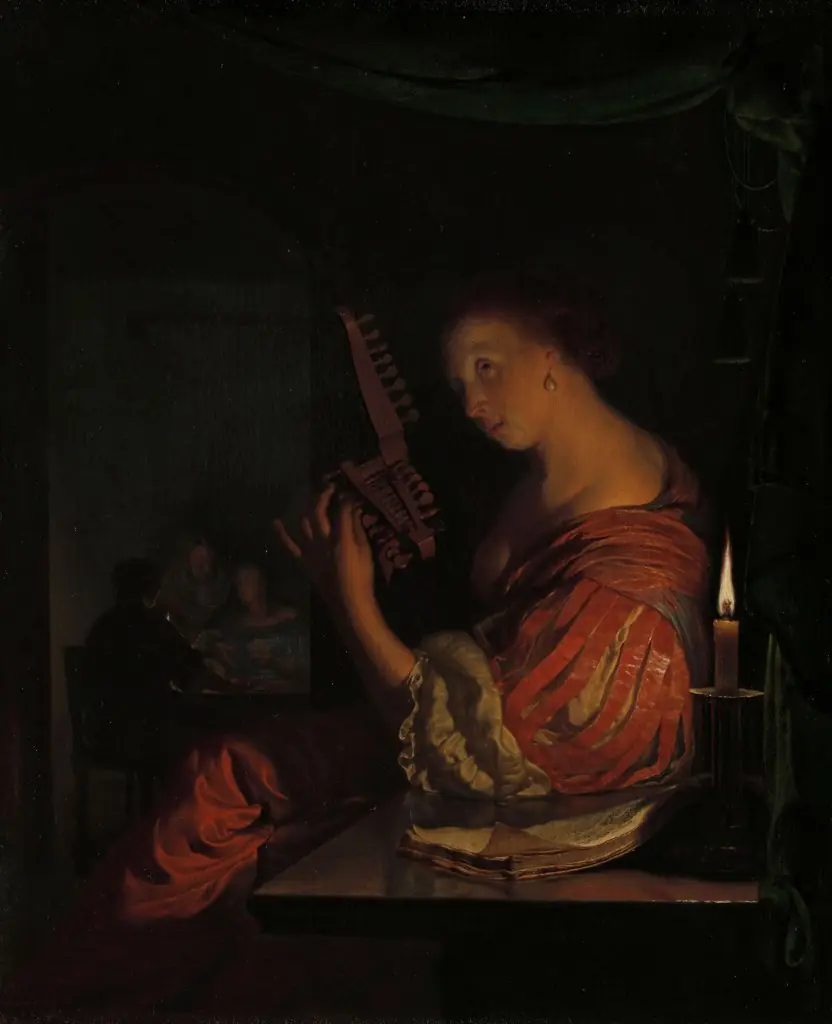 Tuning the lute
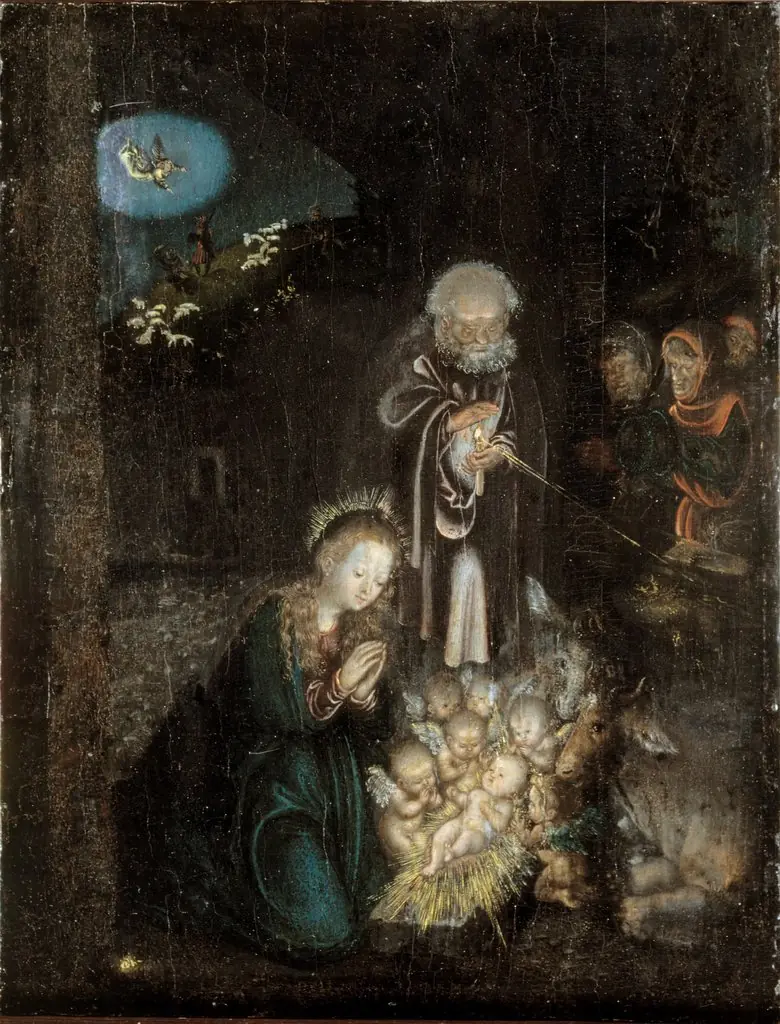 Nativity
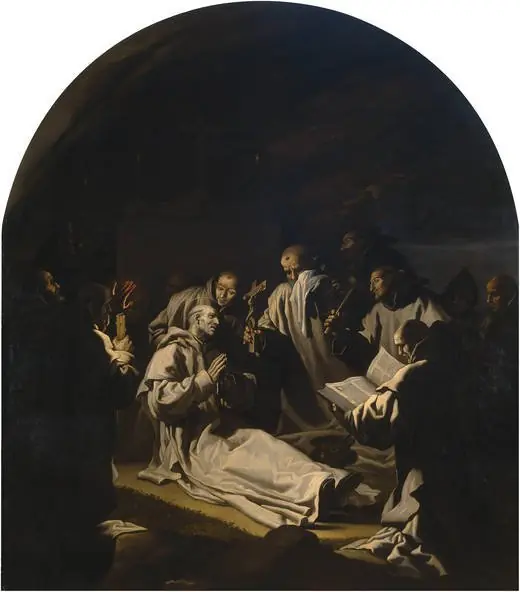 The Death of Saint Bruno
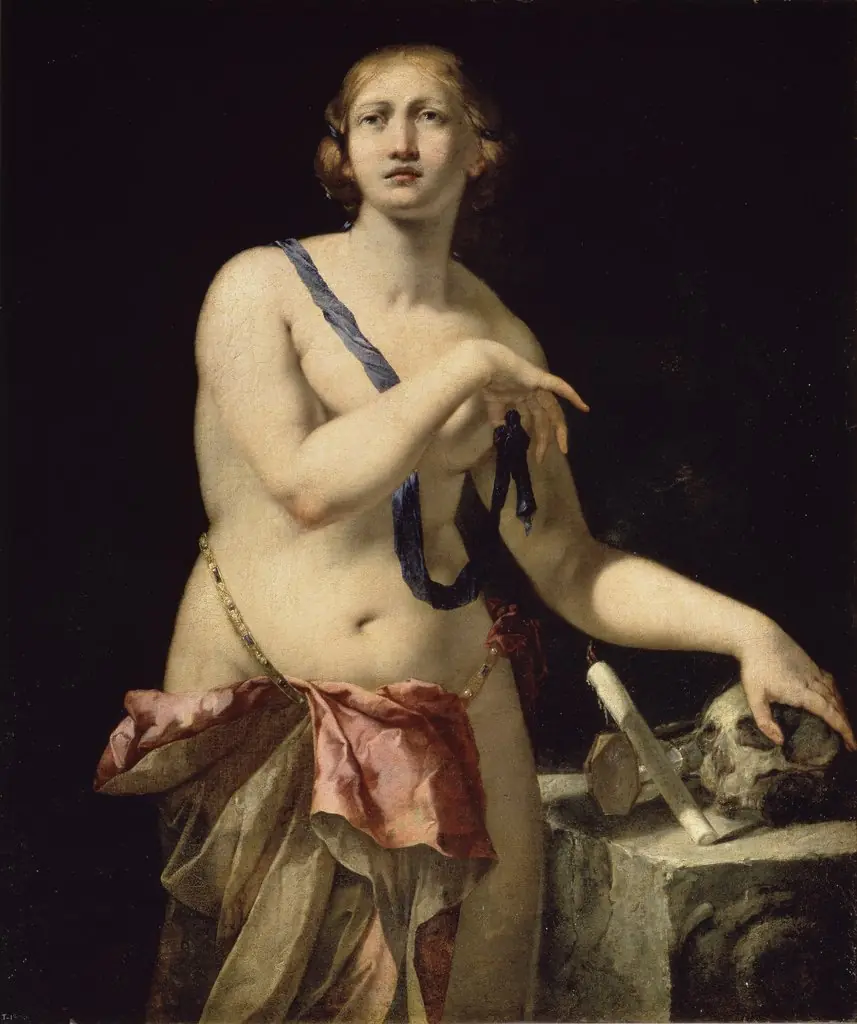 Vanitas
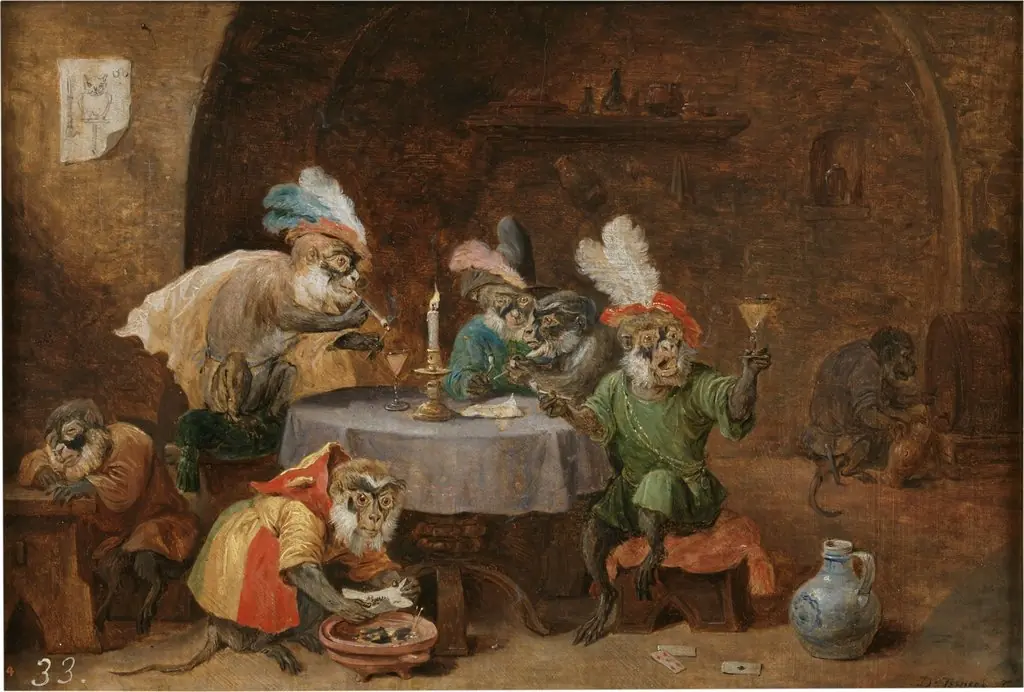 Monkeys smoking and drinking
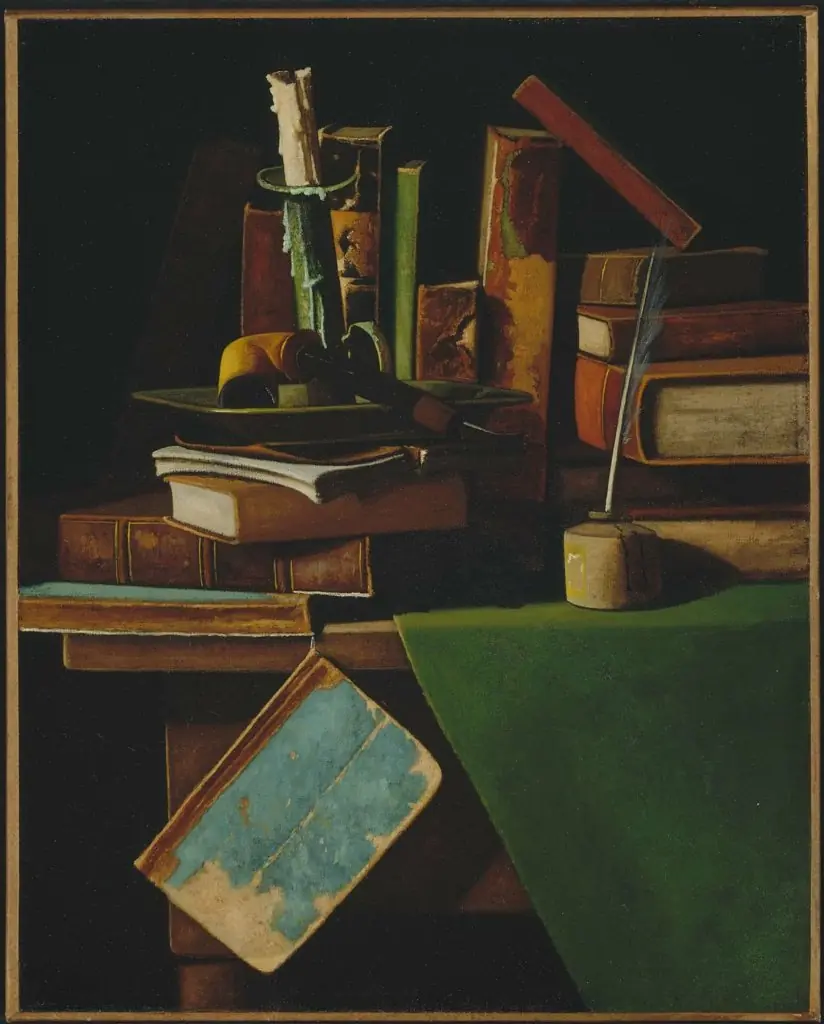 Student's Materials
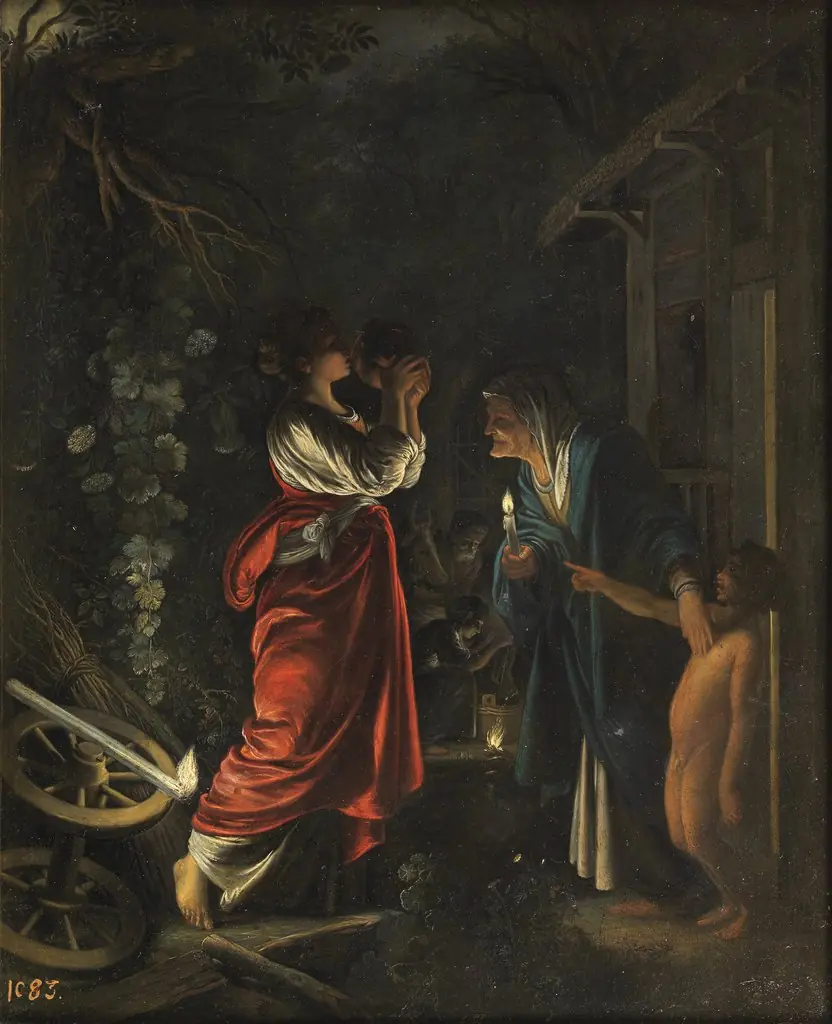 Ceres in the House of Hecuba
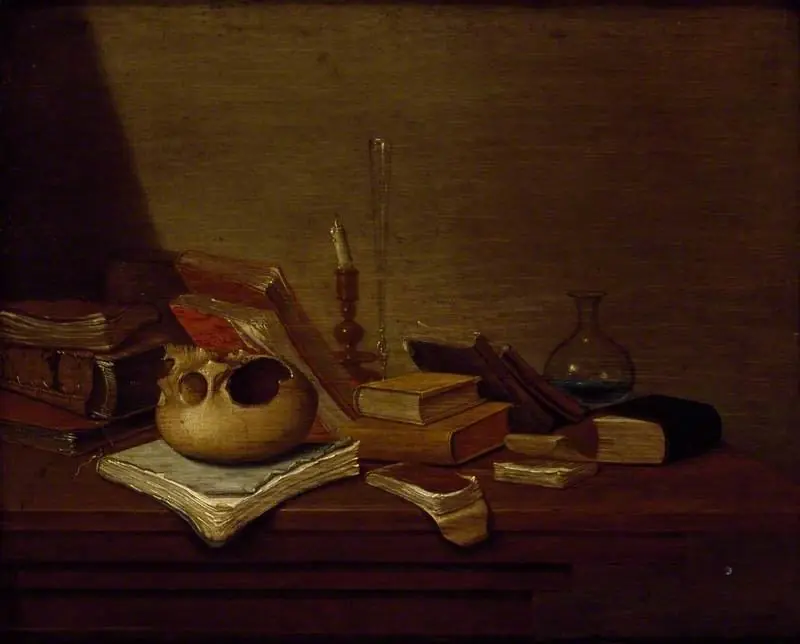 Still life with skull, books, candle and a flask
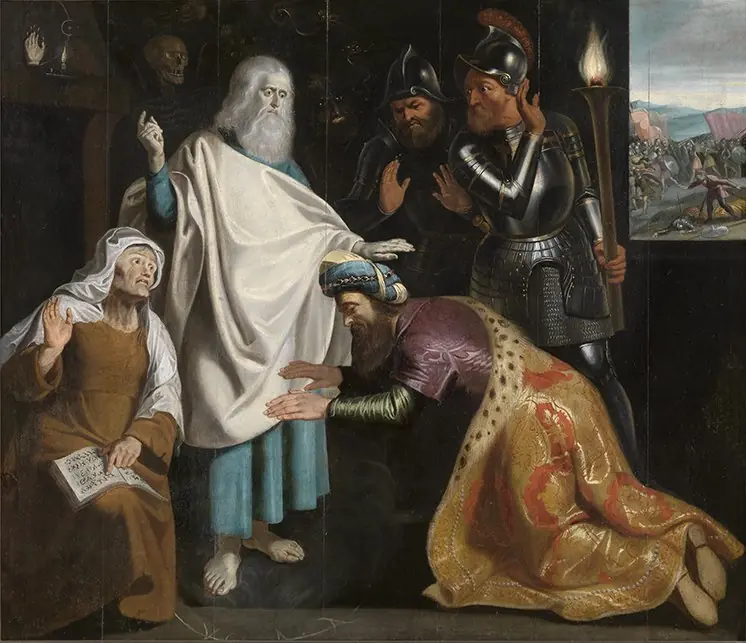 The ghost of Samuel appears to the witch of Endor; Saul falls prostrate to the ground (1 Samuel 28:3-20)
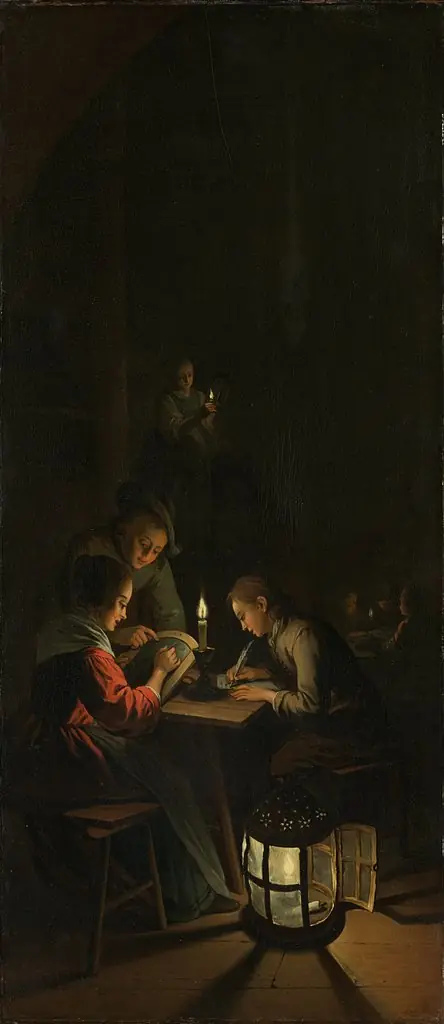 Triptych with allegory in art education
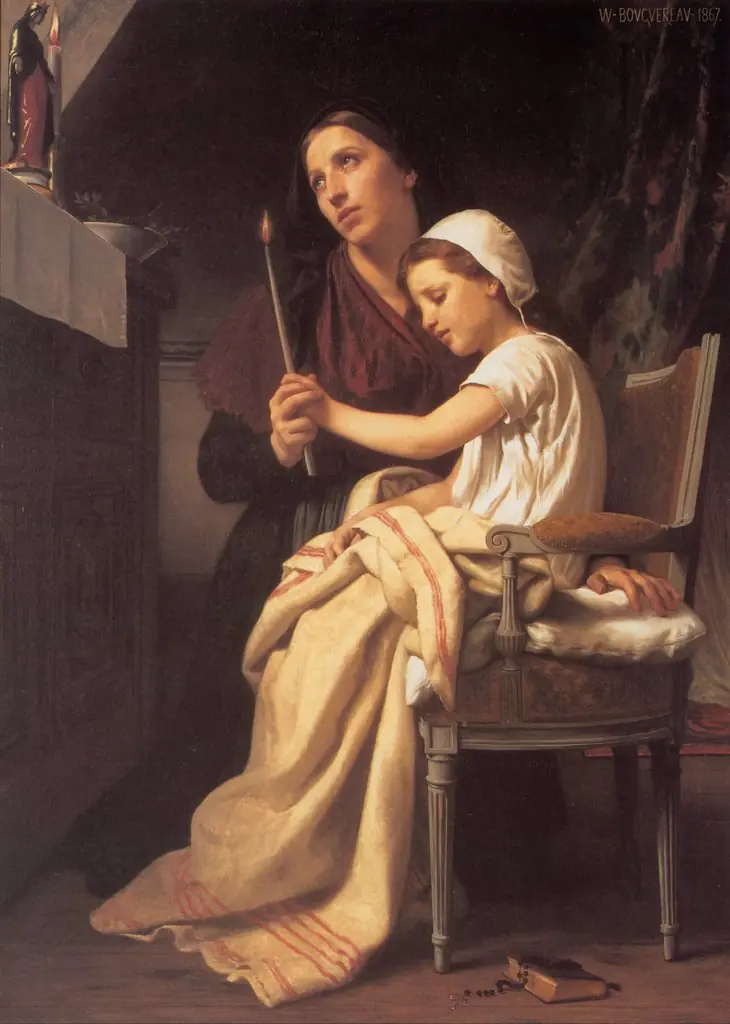 The Thank Offering
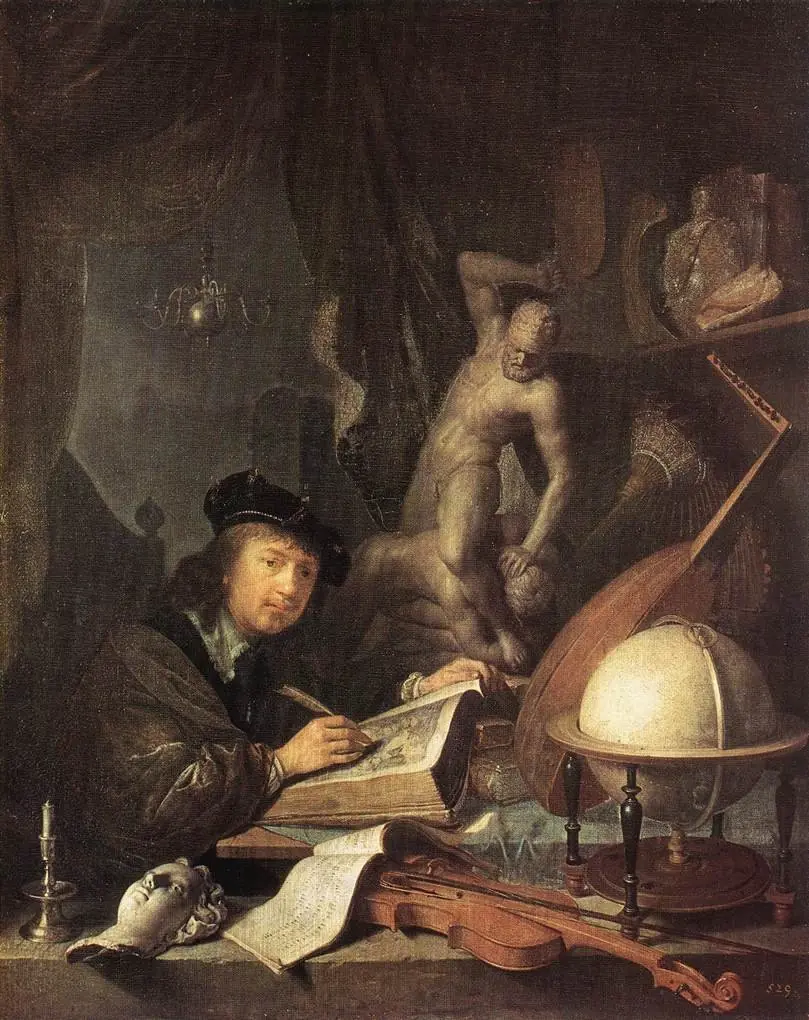 Painter in his Studio
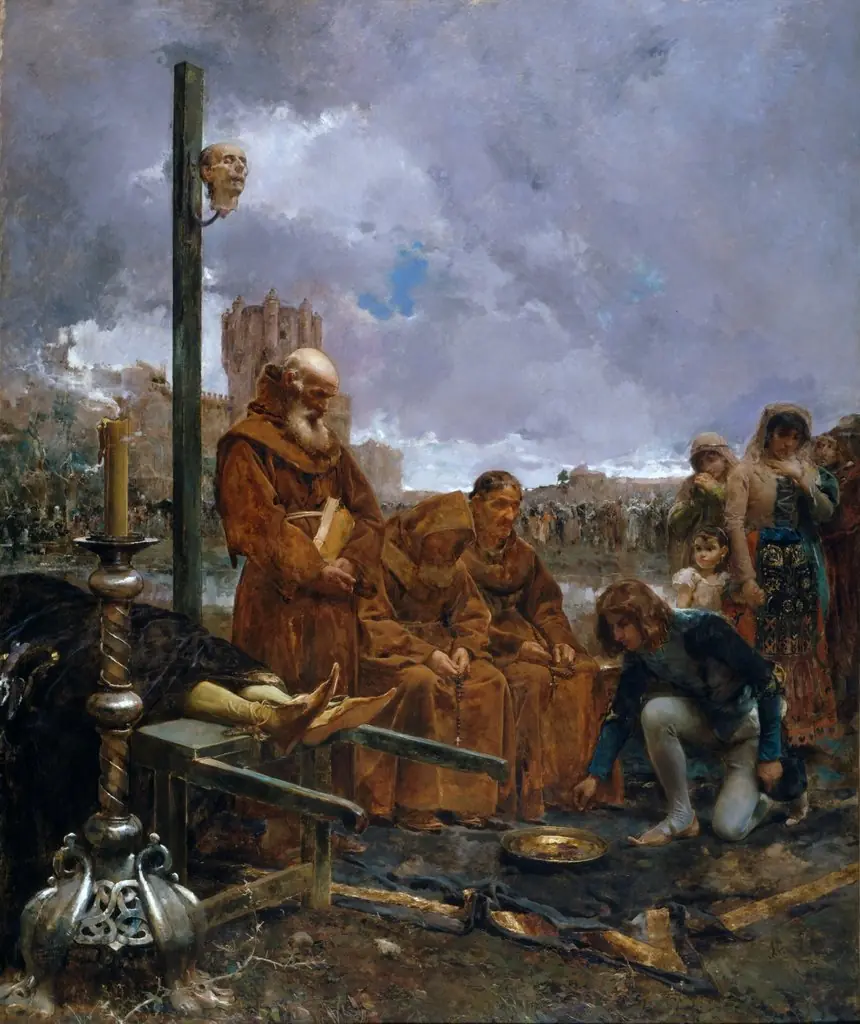 Pedir limosna para enterrar a don Álvaro de Luna
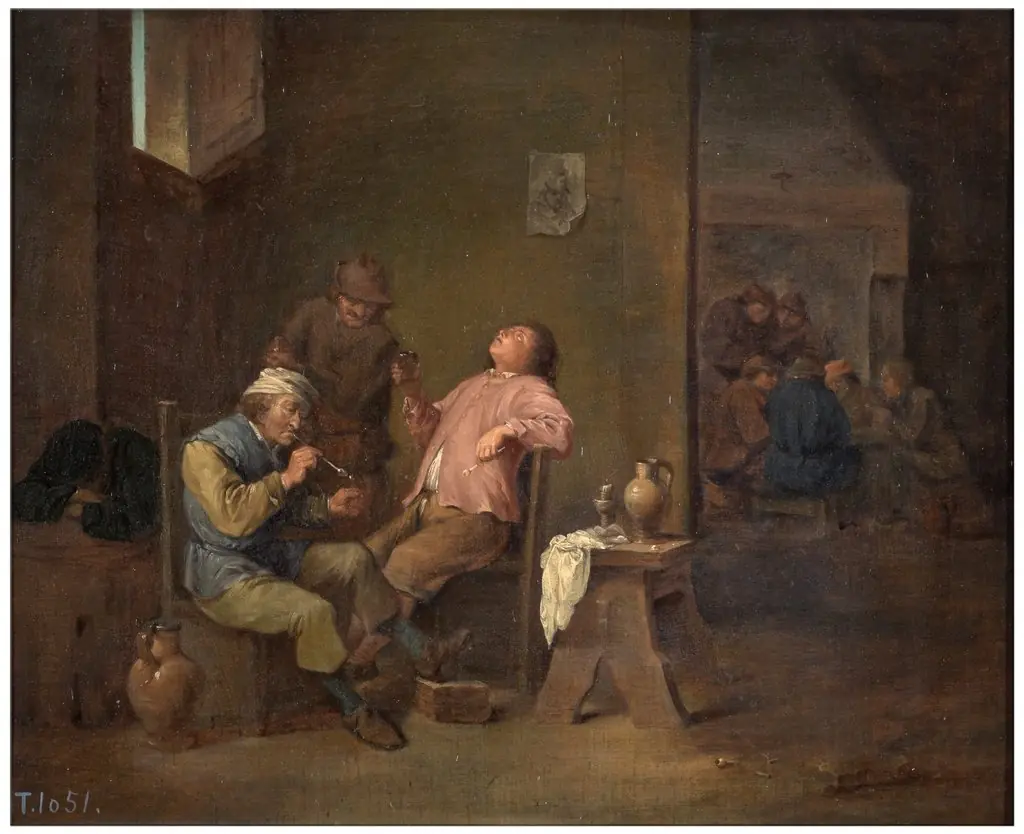 Fumadores
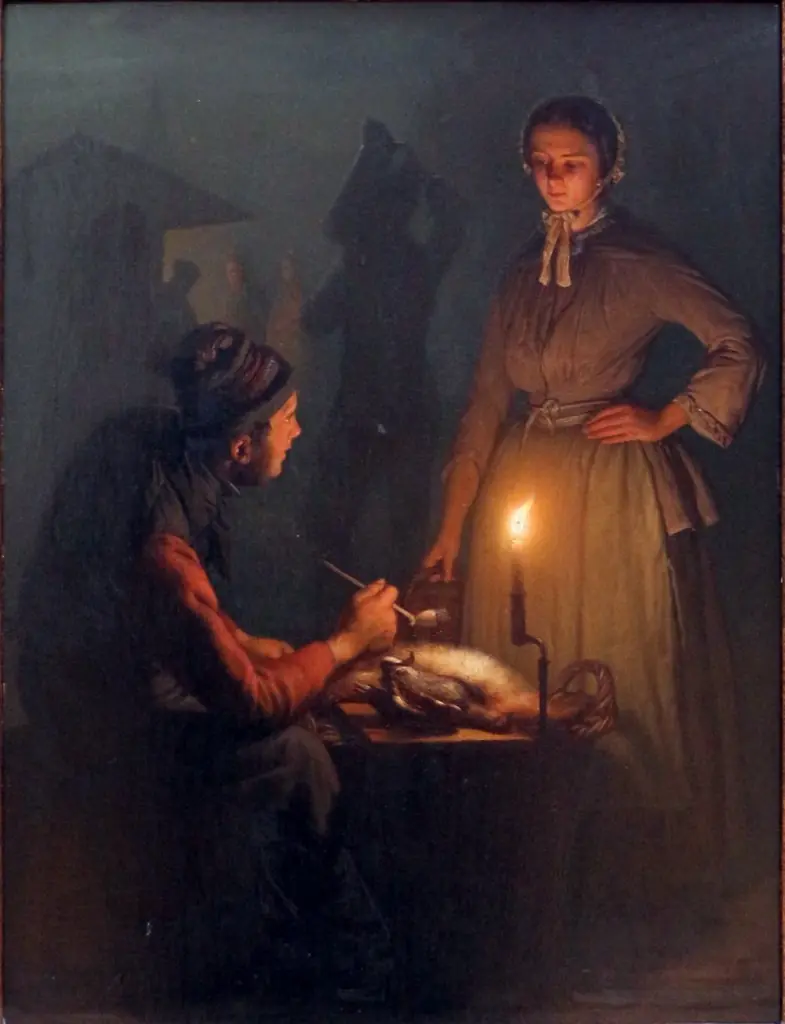 A Merchant by Candlelight
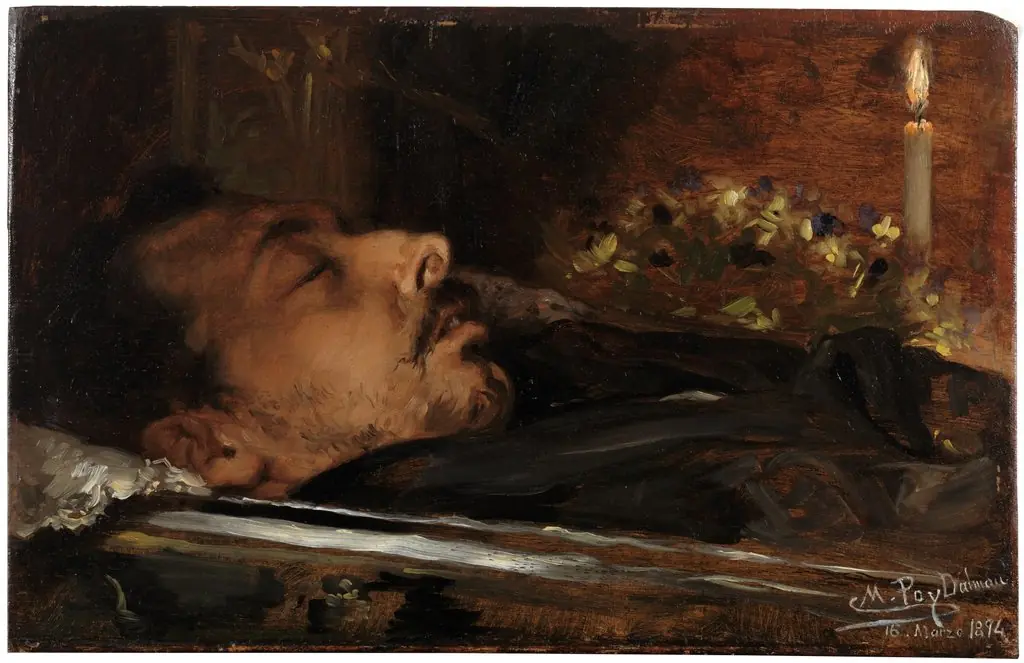 Retrato mortuorio del pintor Joaquín Araujo
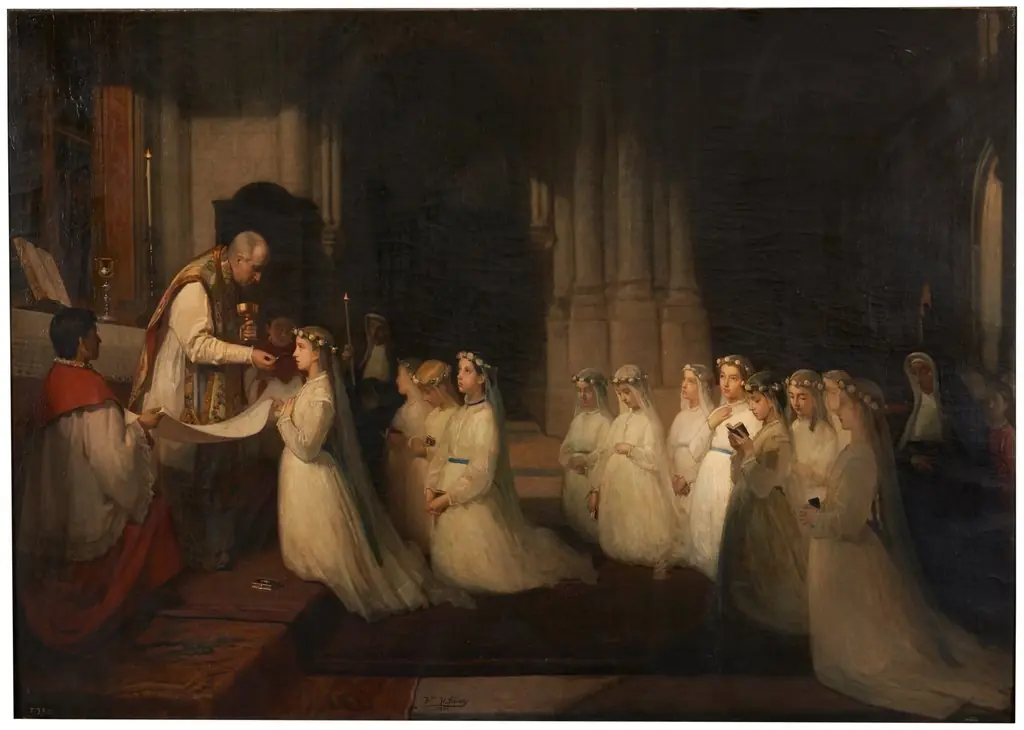 La primera comunión
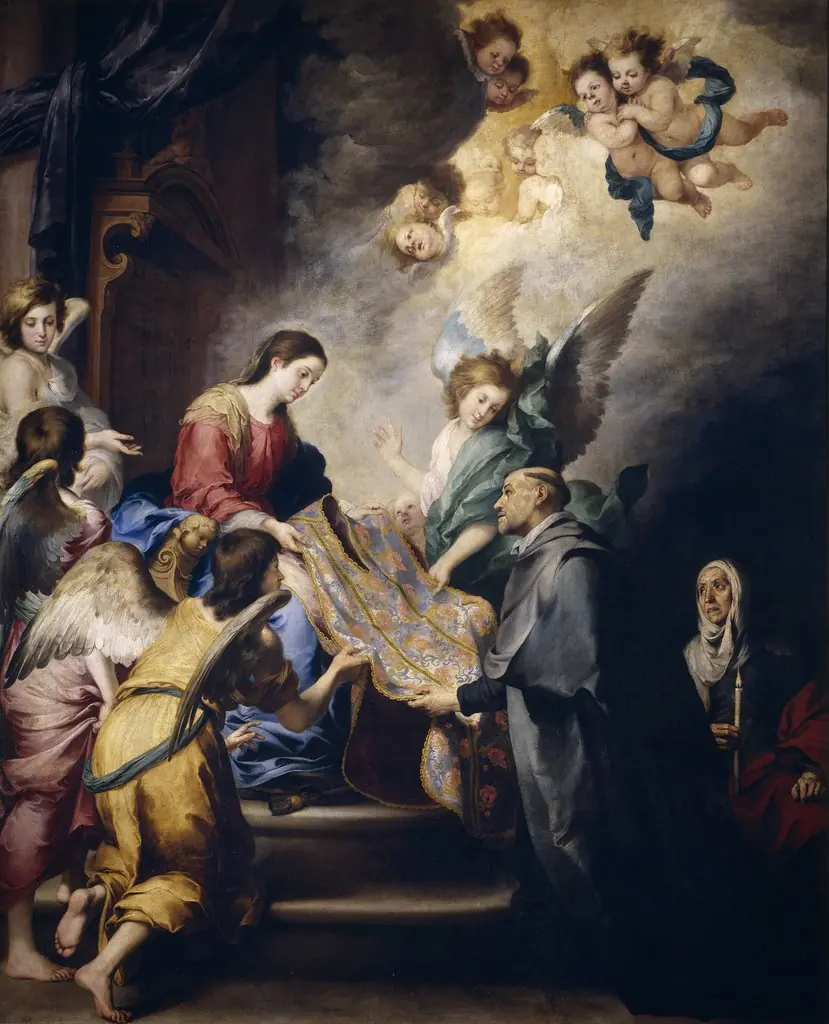 The Apparition of the Virgin to Saint Ildefonso
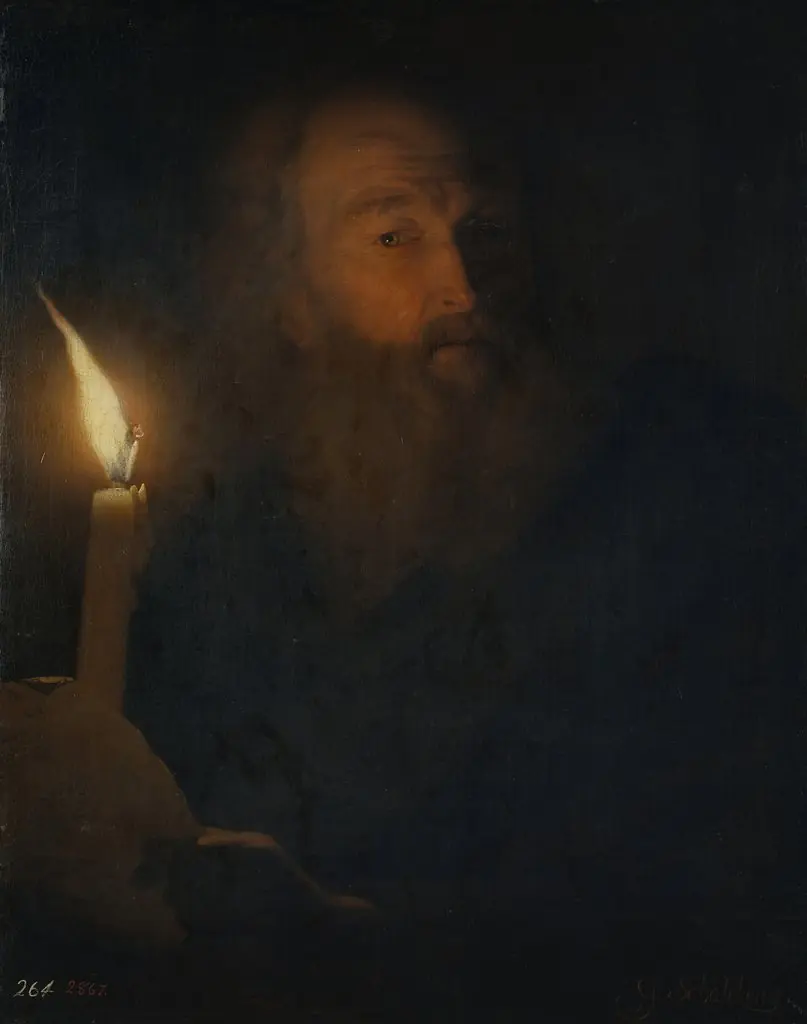 Old Man reading by Candlelight
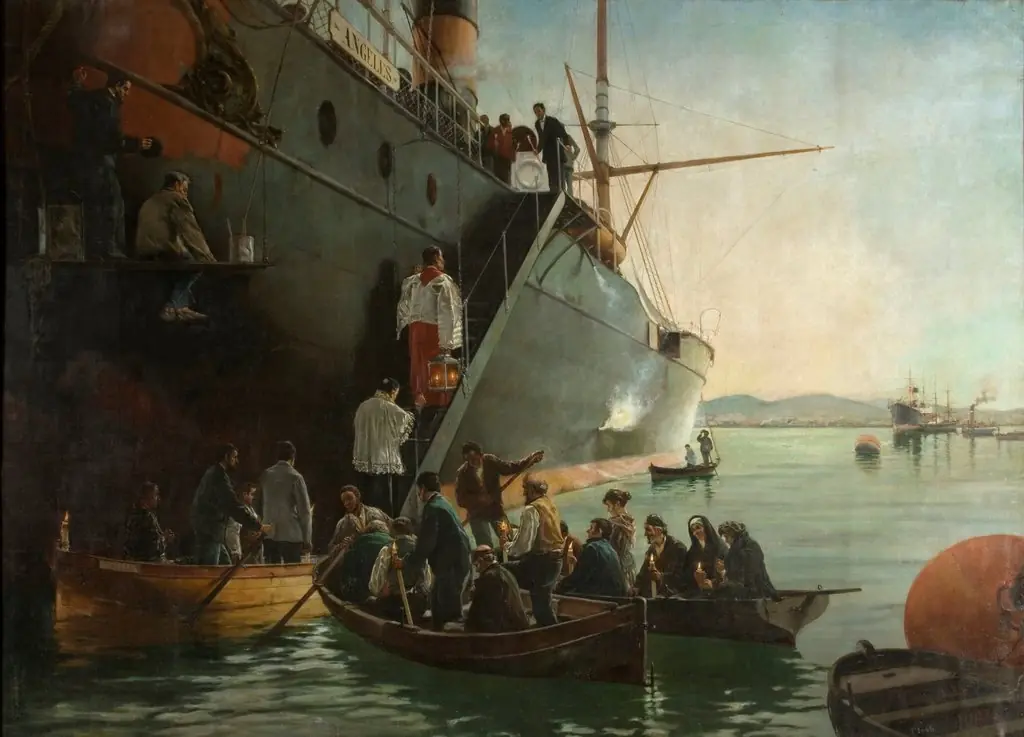 El viático a bordo
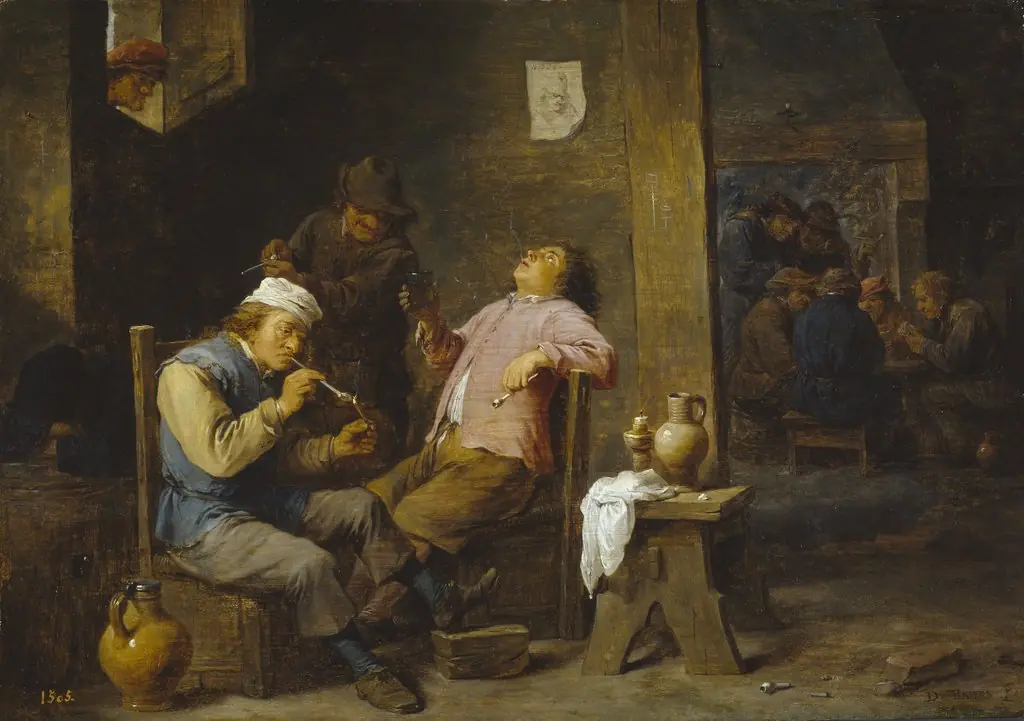 Smokers and Drinkers
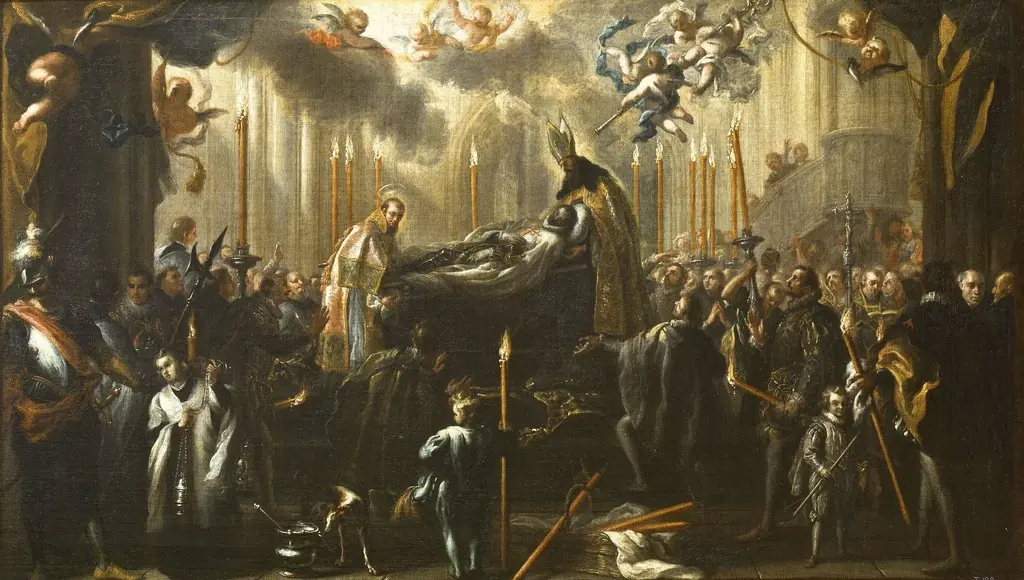 The Burial of the Count of Orgaz
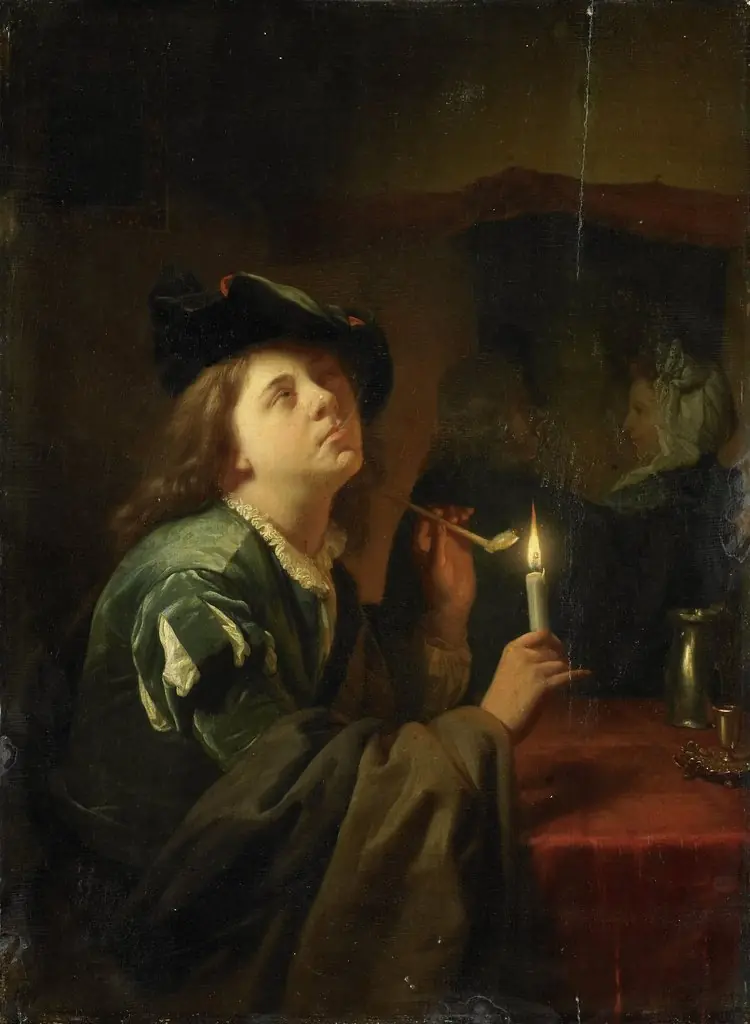 'Differing tastes'
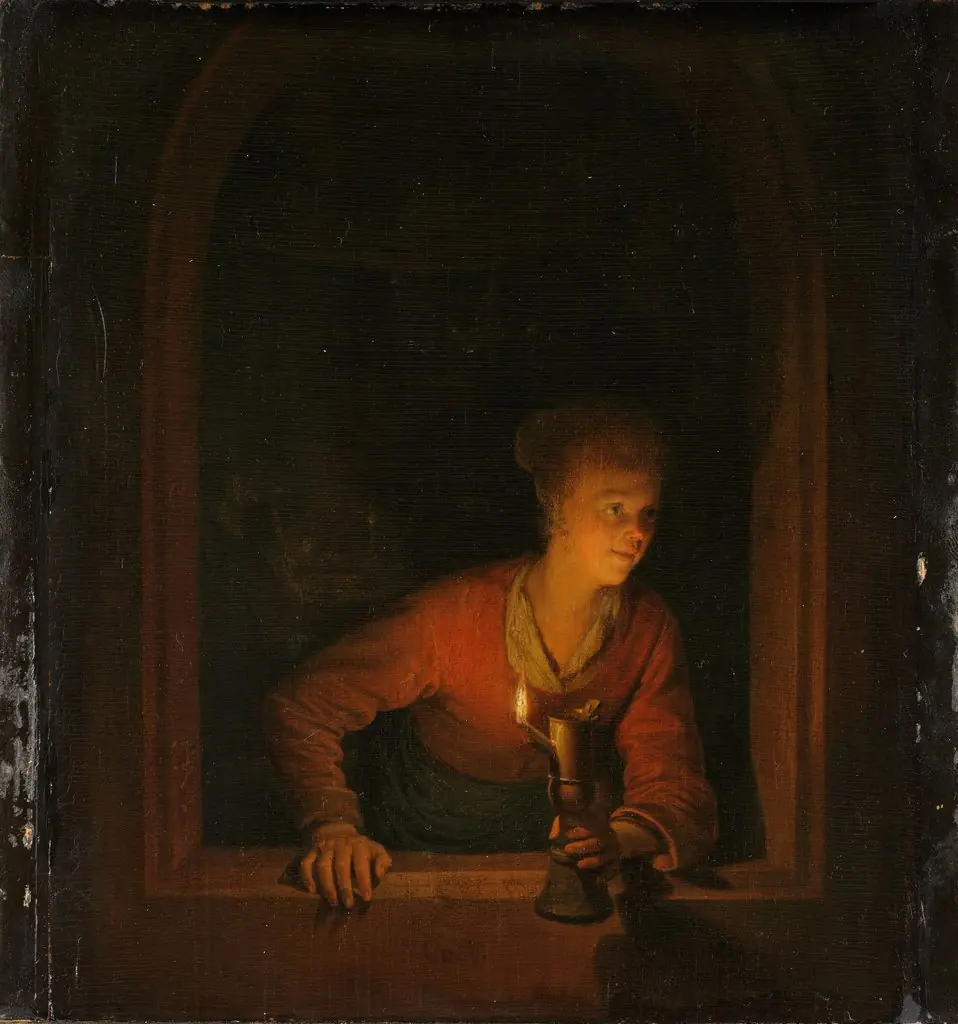 Girl with an Oil Lamp at a Window
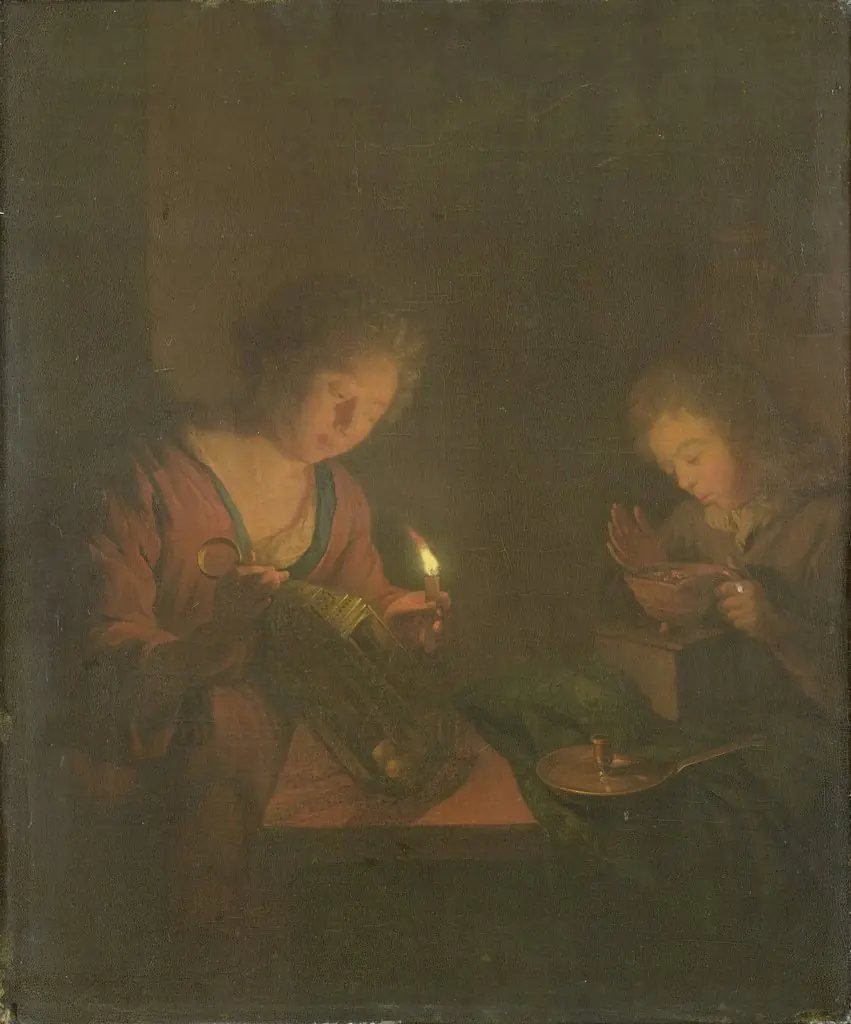 A girl putting a candle in a lantern and a boy testing the fire in a footwarmer
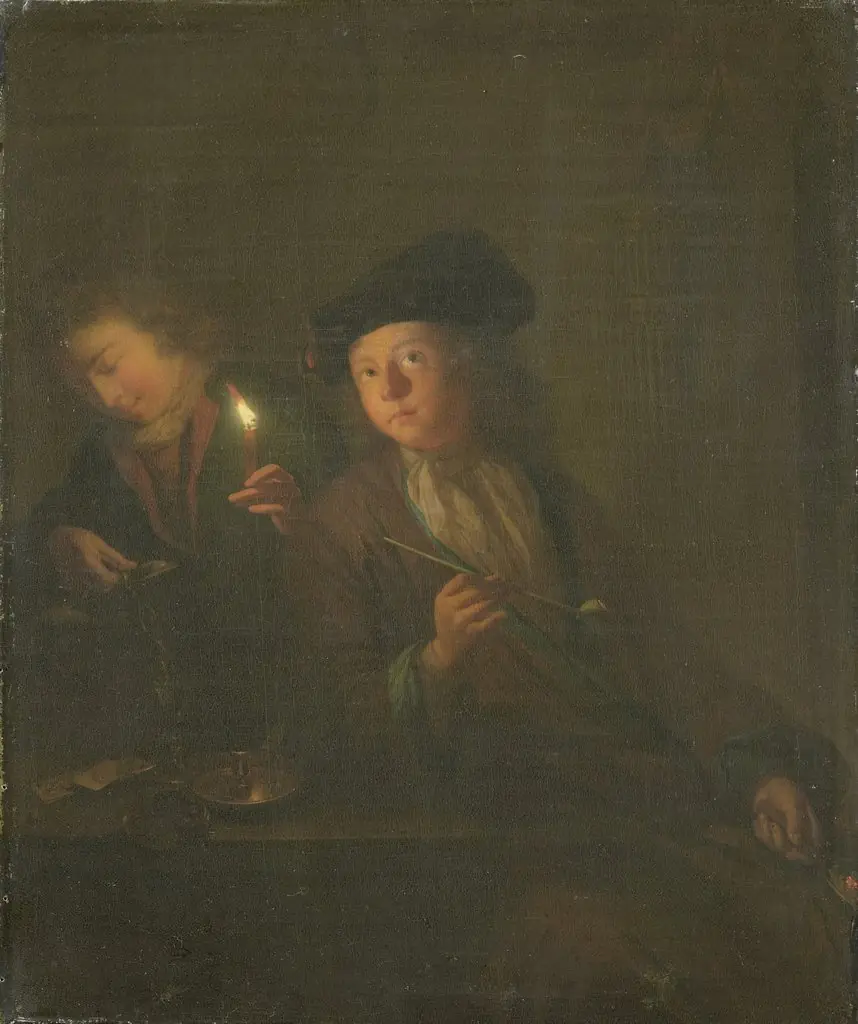 A man with a pipe and a man filling his glass
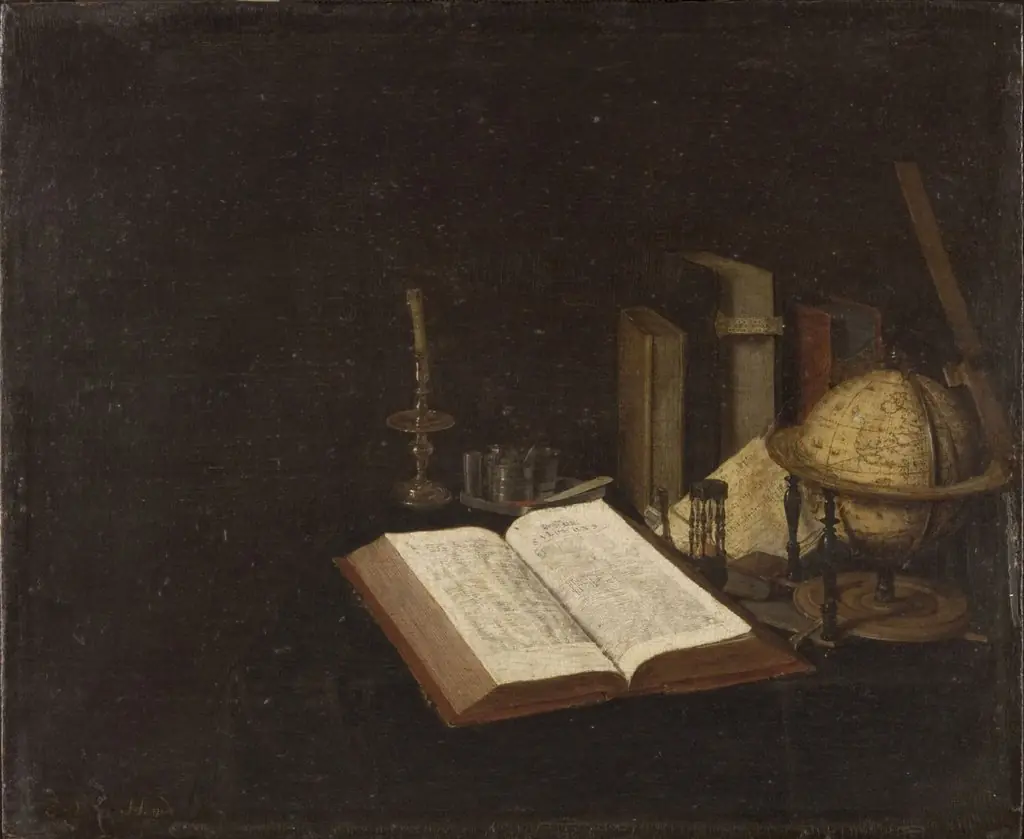 Still Life with Books and a Globe
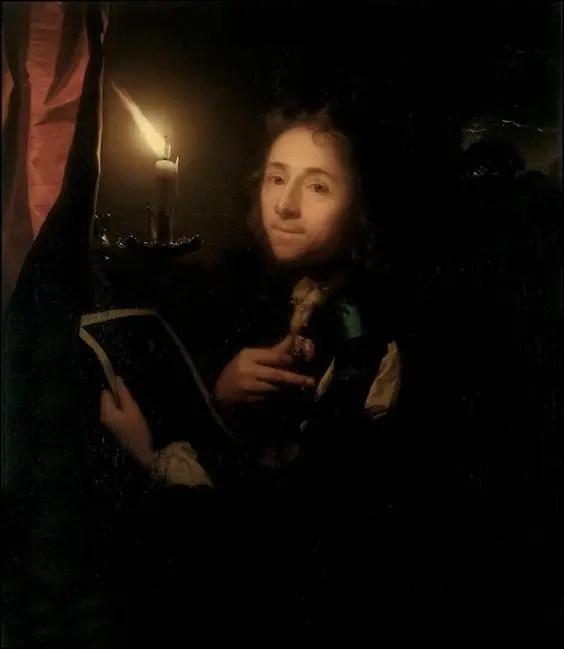 Self-portrait
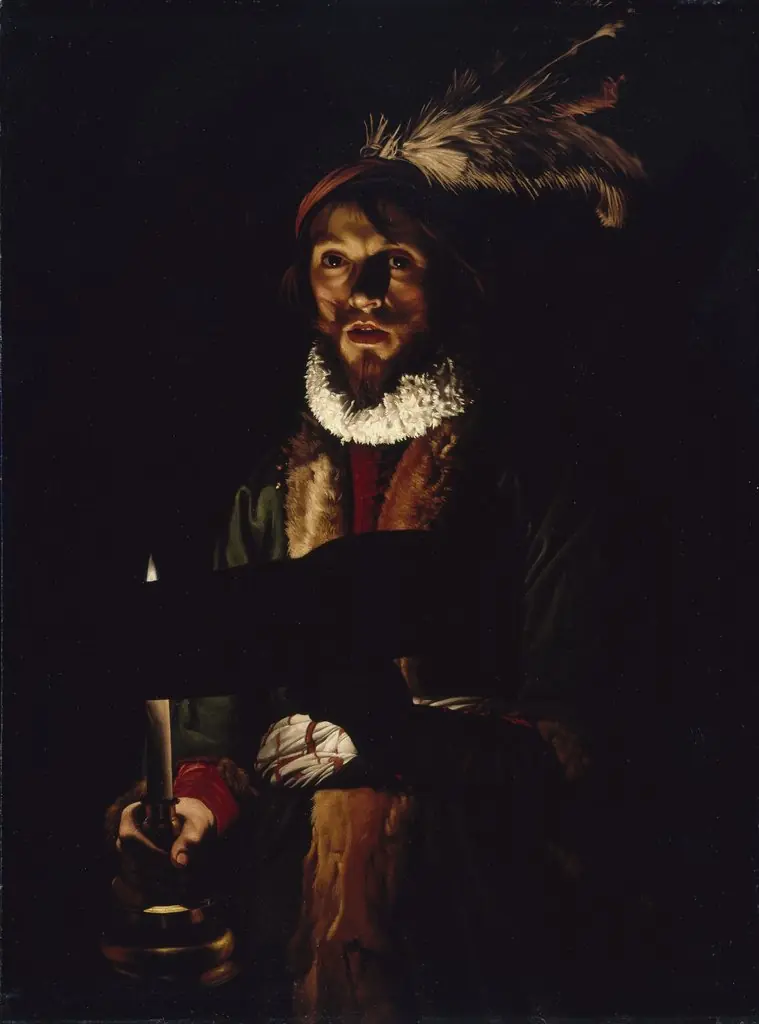 A Man Singing by Candlelight
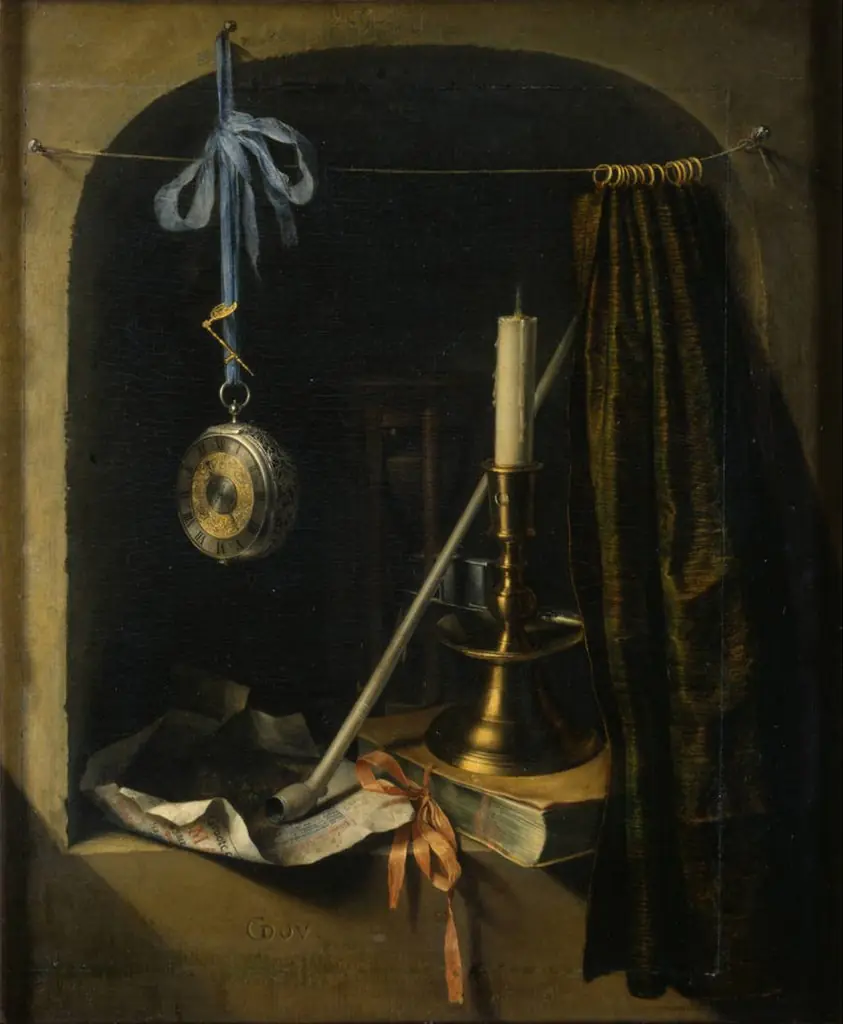 Still life with candle and watch
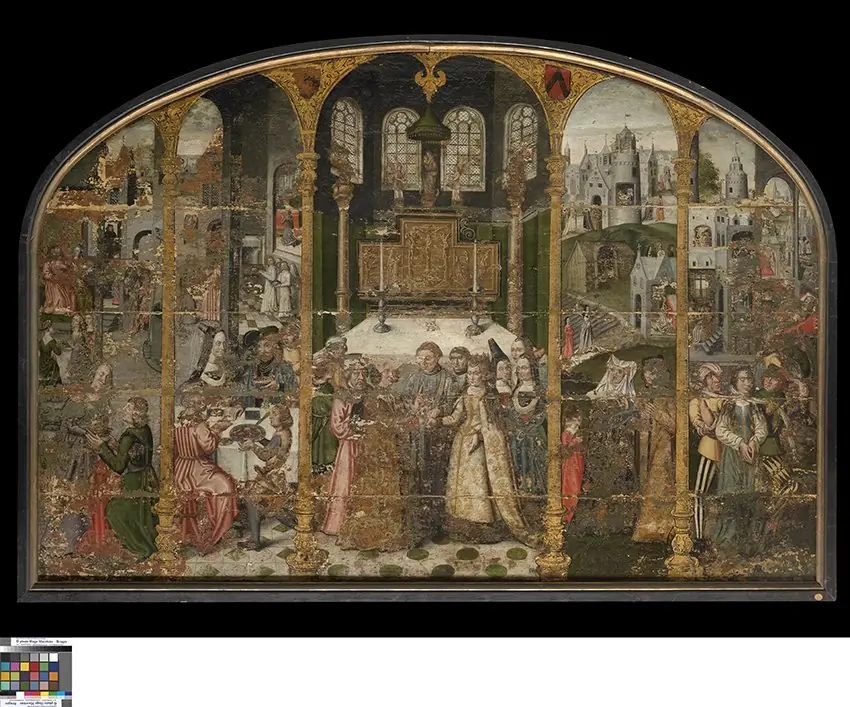 Legende van de heilige Godelieve
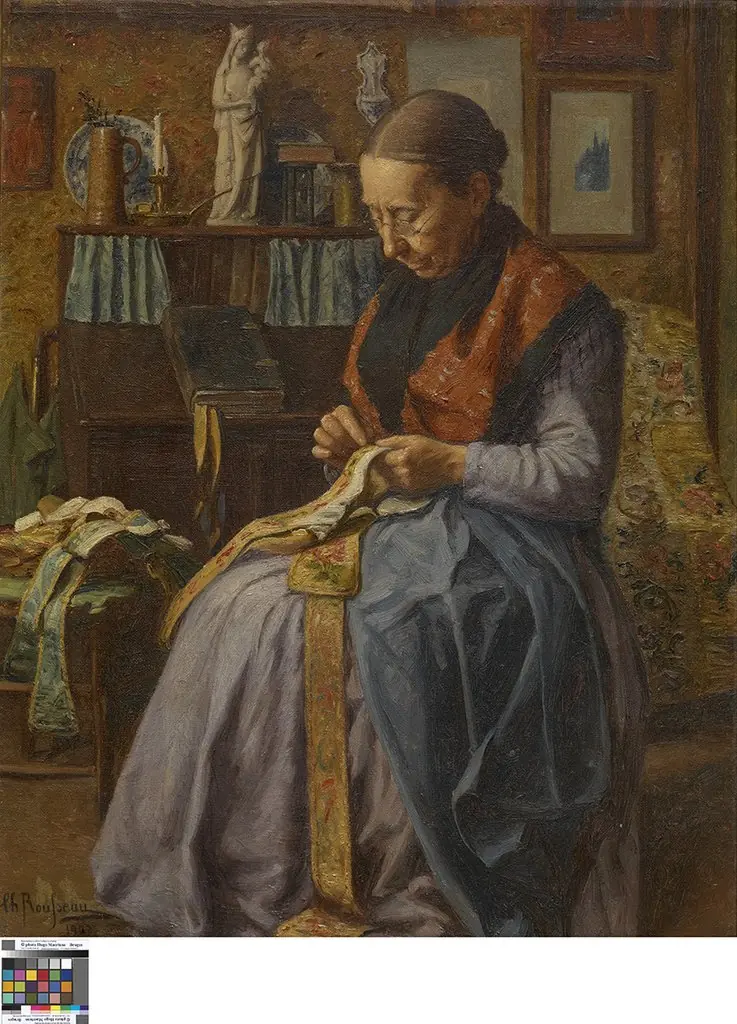 Binnenzicht
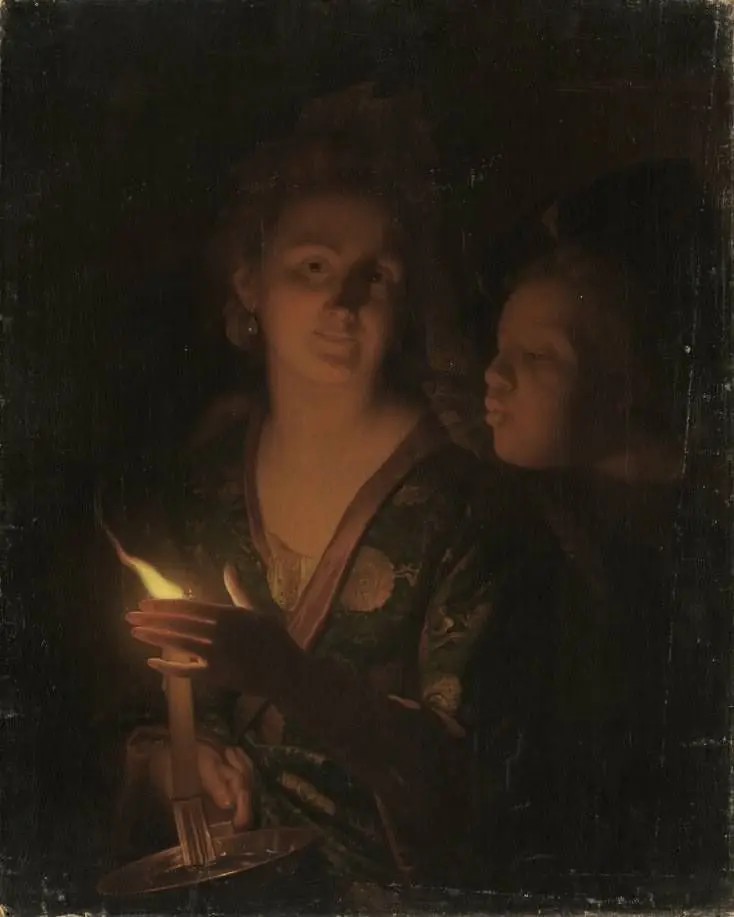 Woman with a candle that a boy tries to blow out
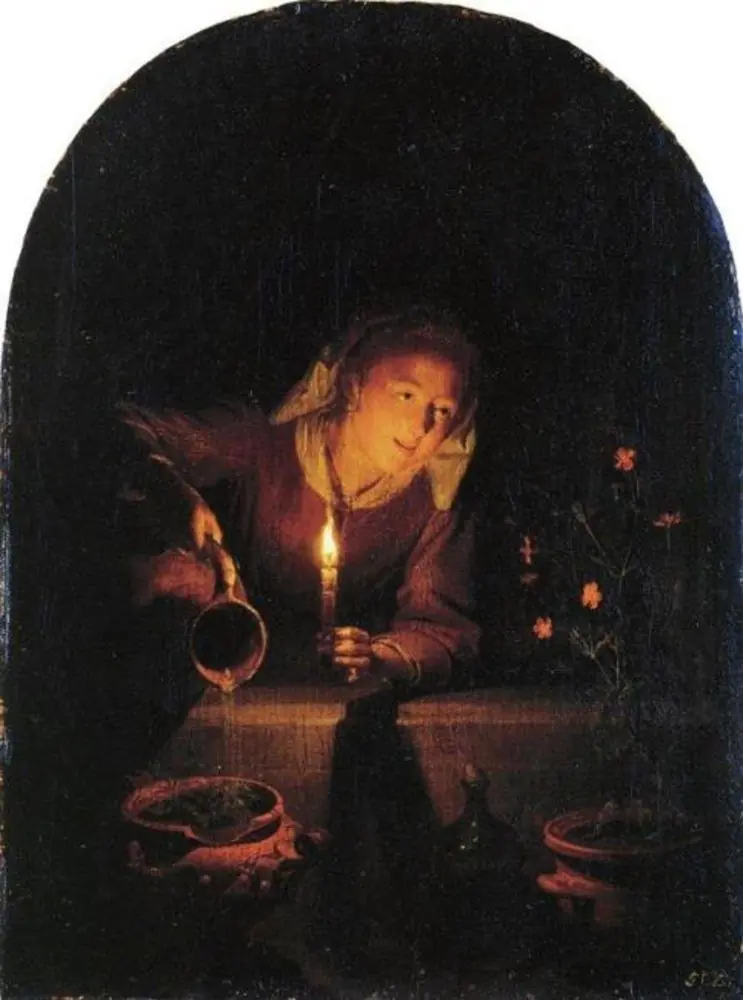 The Gardener
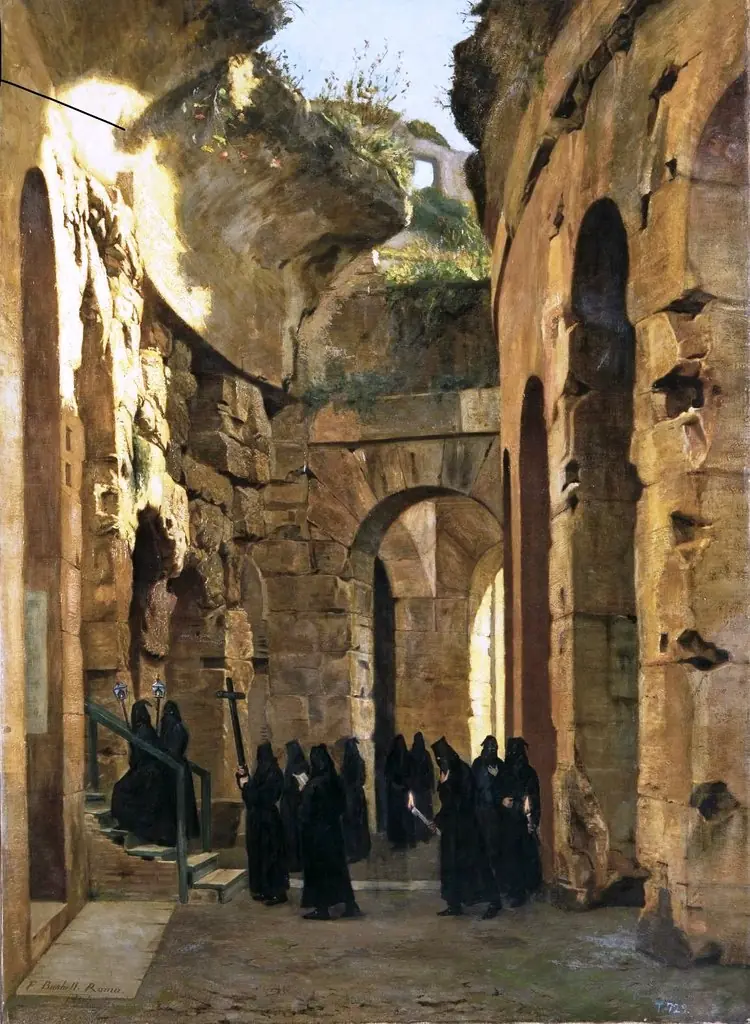 Procesión del Viernes Santo en el Coliseo de Roma
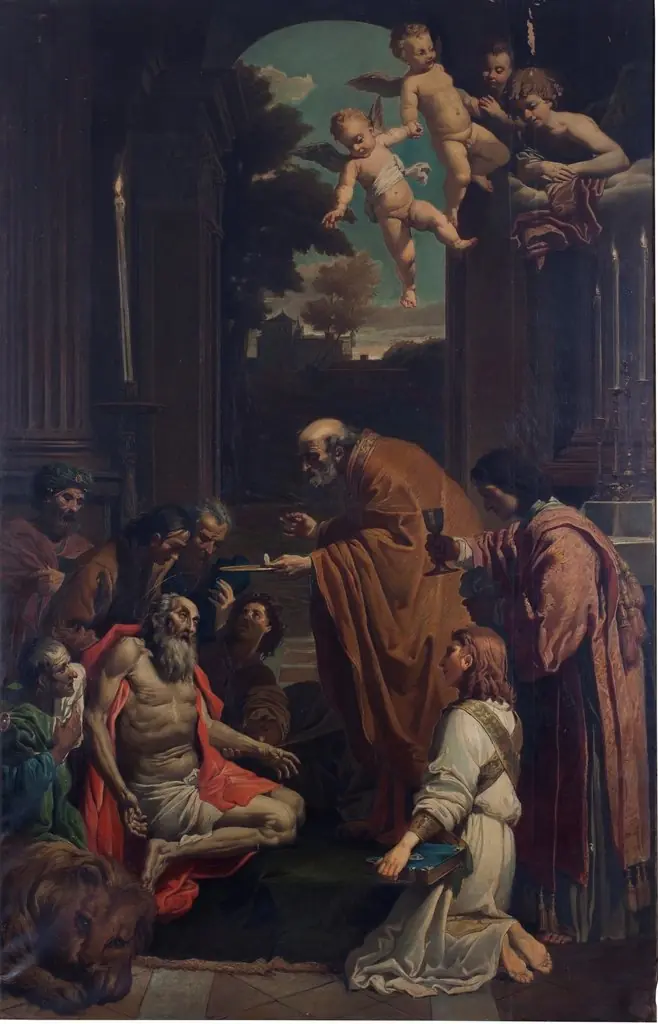 Última comunión de san Jerónimo o El viático de san Jerónimo
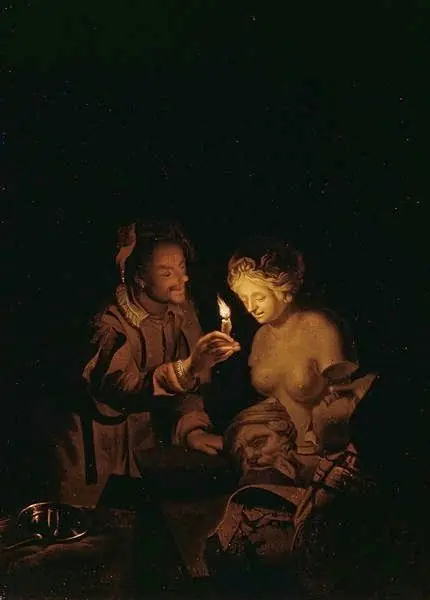 Pygmalion
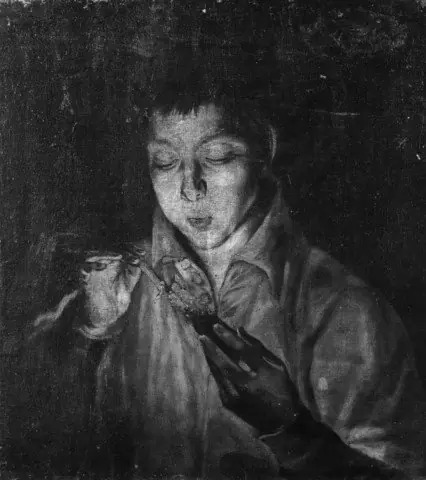 A Boy Blowing on an Ember to Light a Candle
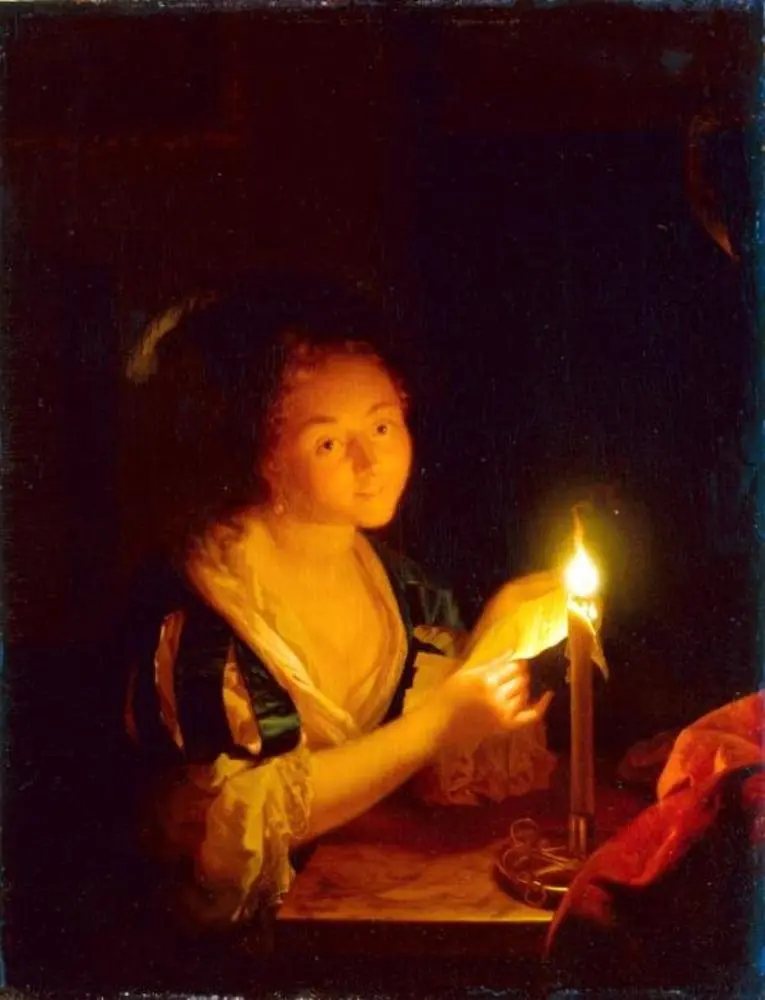 A Girl Reading a Letter
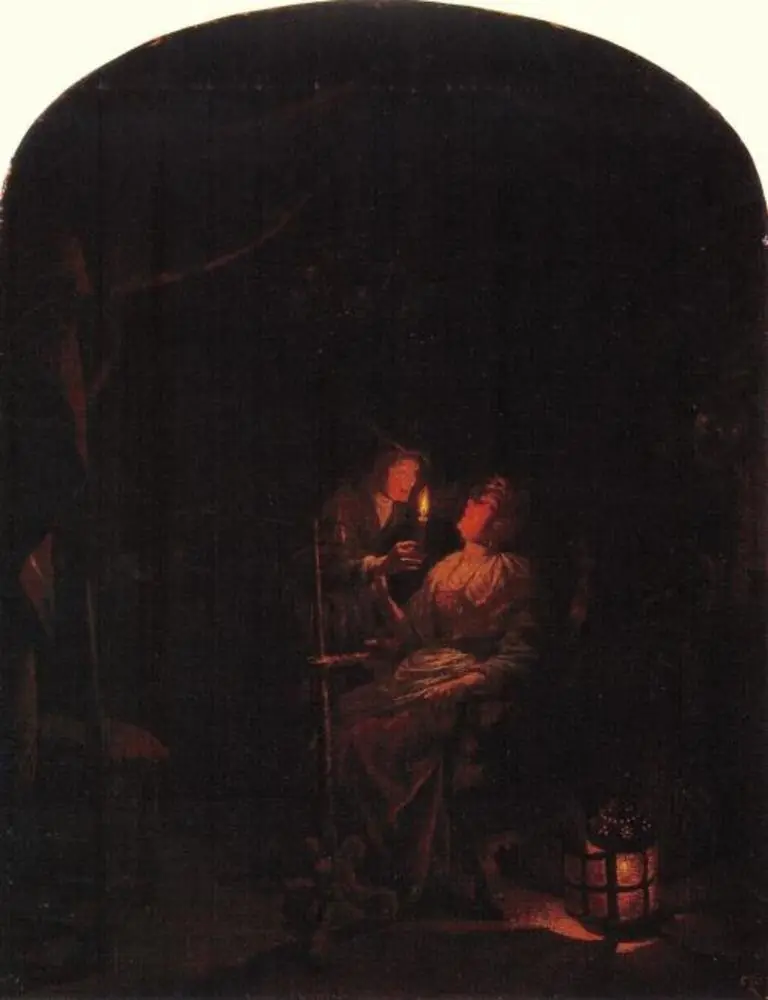 The Physician
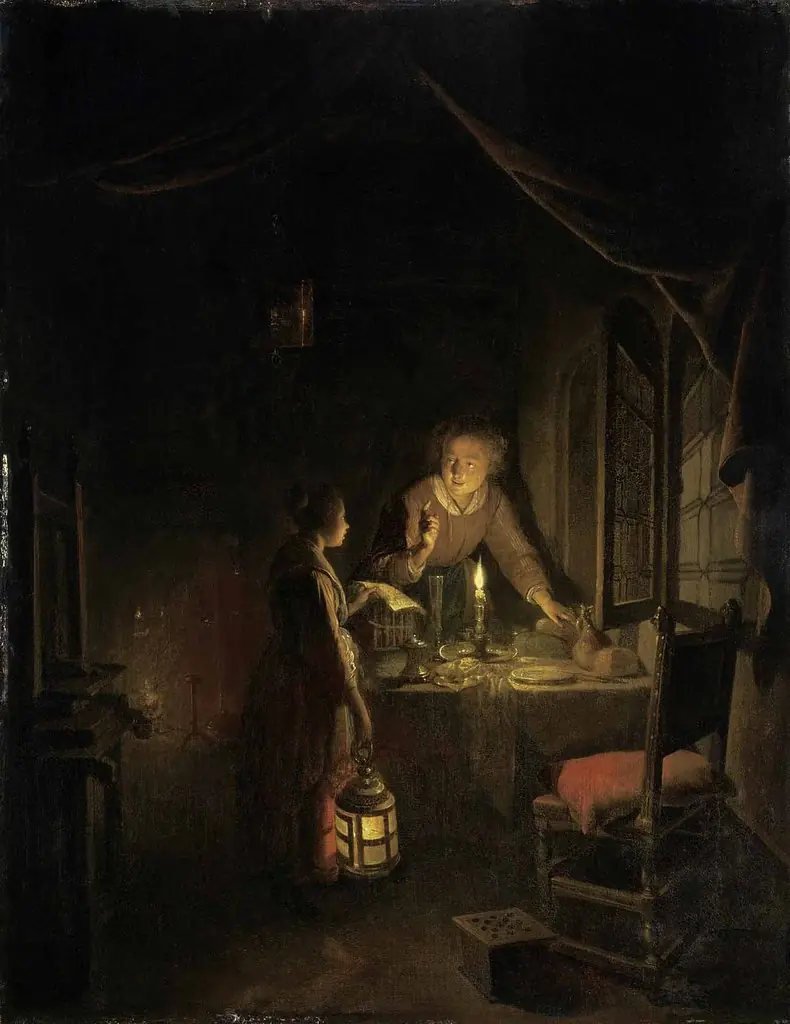 A Young Woman engaged at the Supper-table
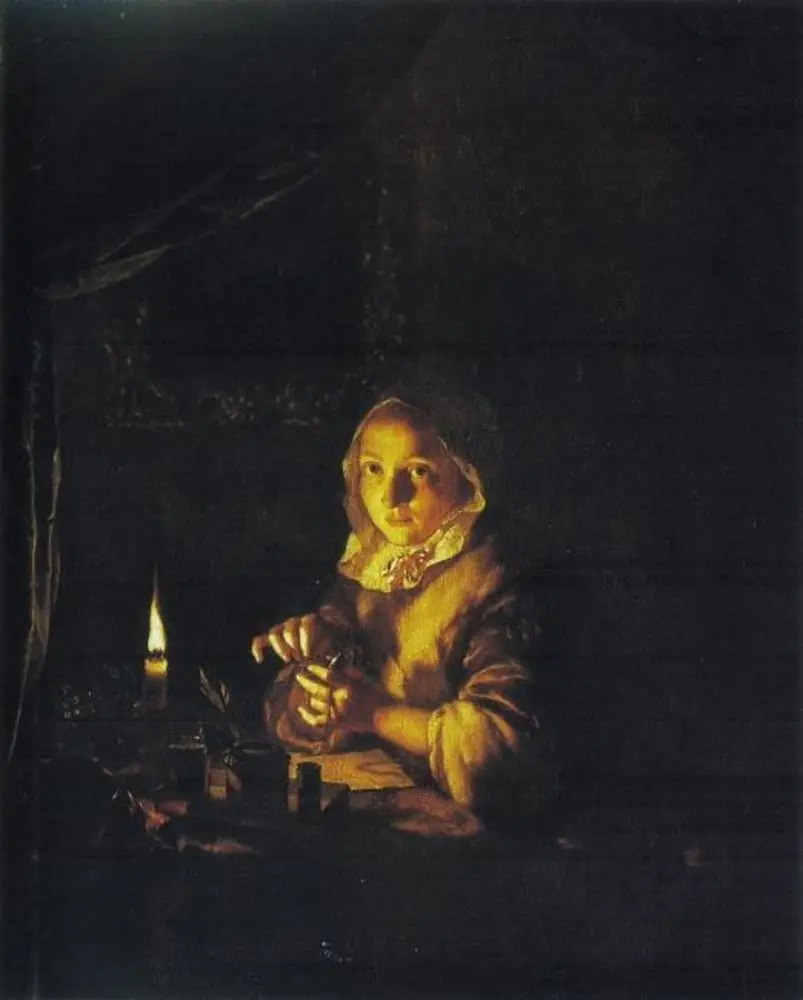 Young woman winding up a watch by candlelight
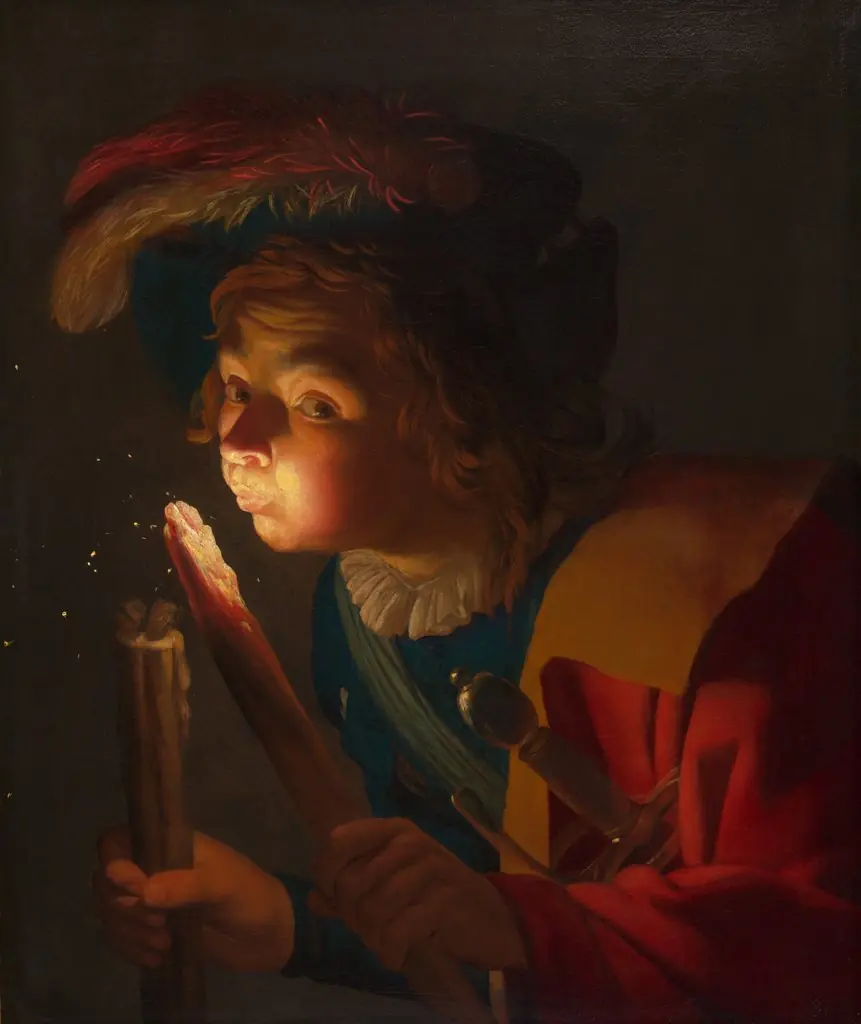 A Boy Blowing on a Firebrand
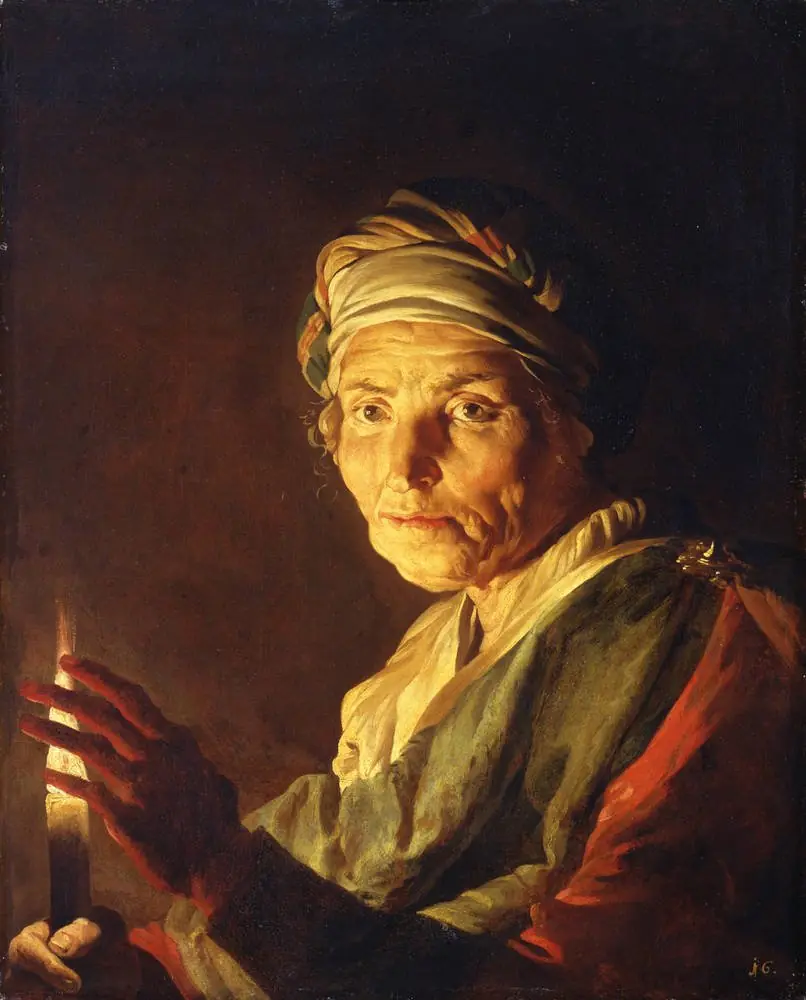 The Elder with a Candle
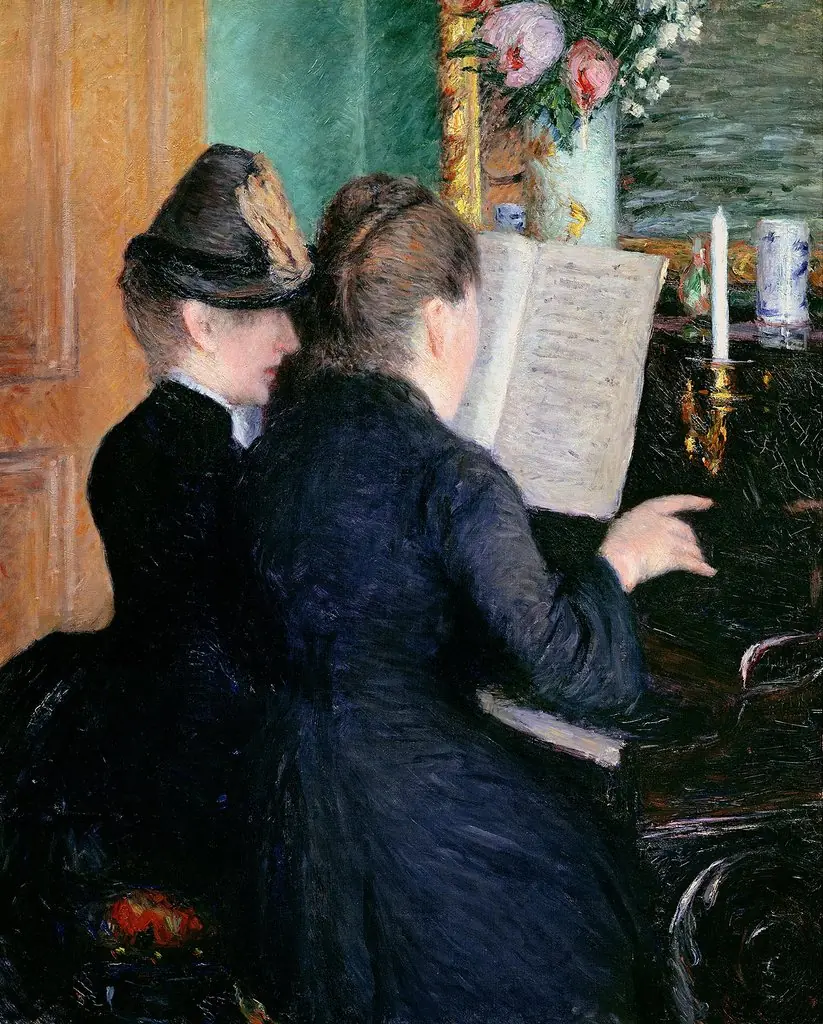 The Piano Lesson
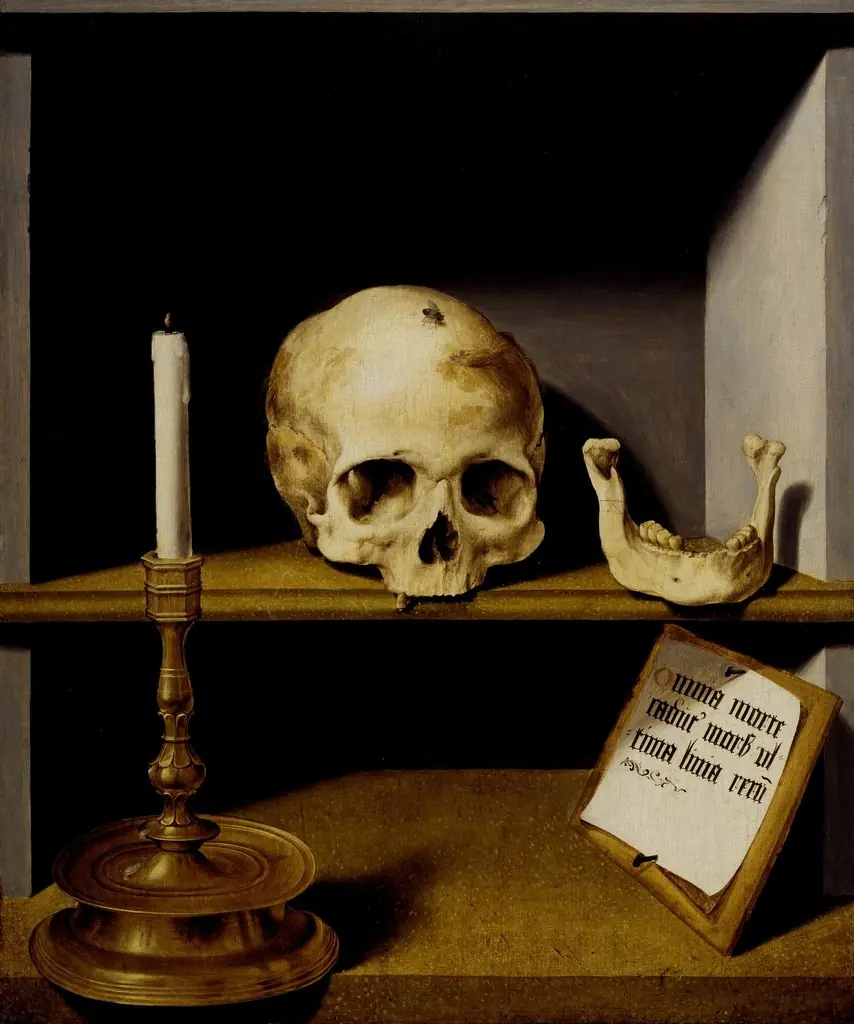 Vanitas Still-Life
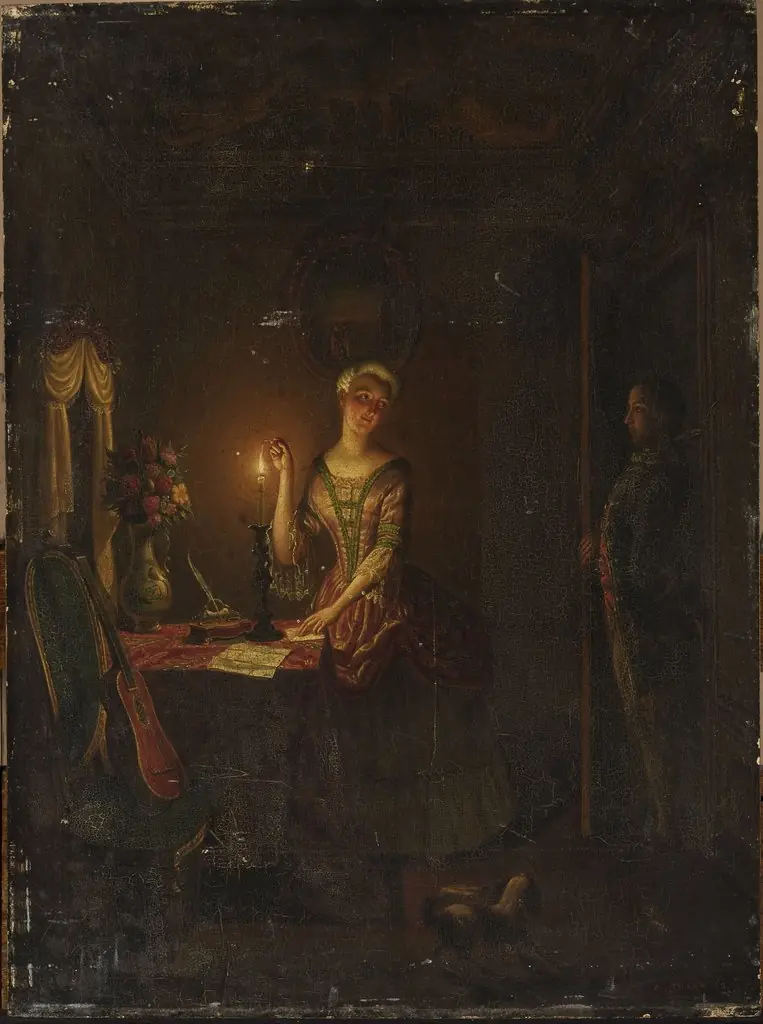 Sealing a letter with wax
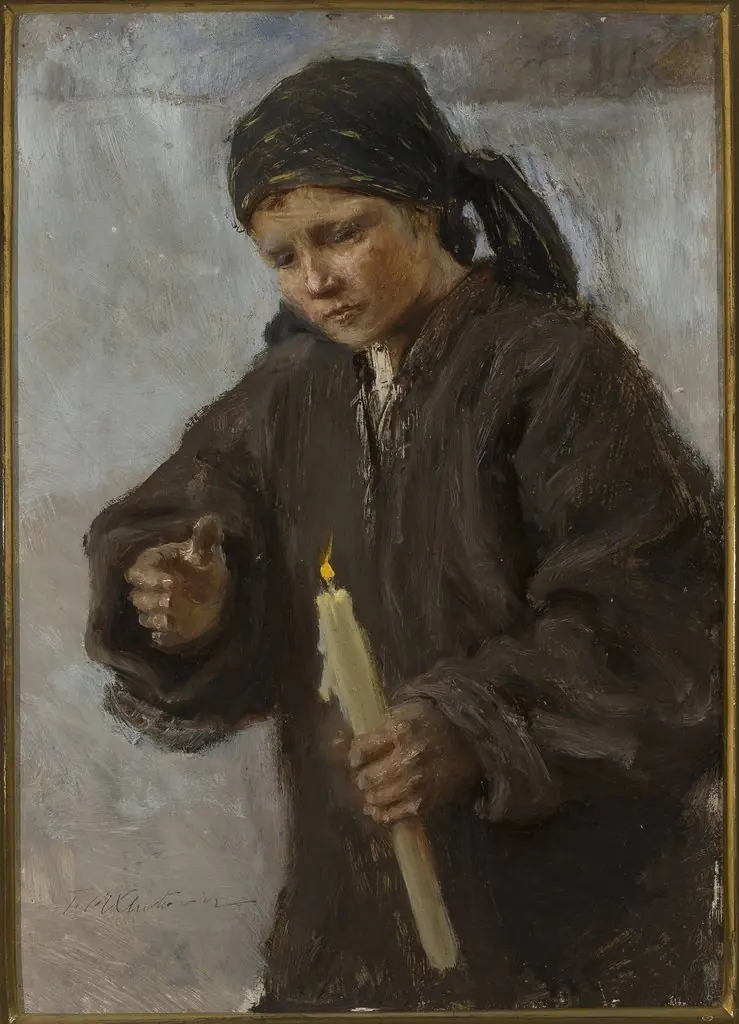 For the Candlemas
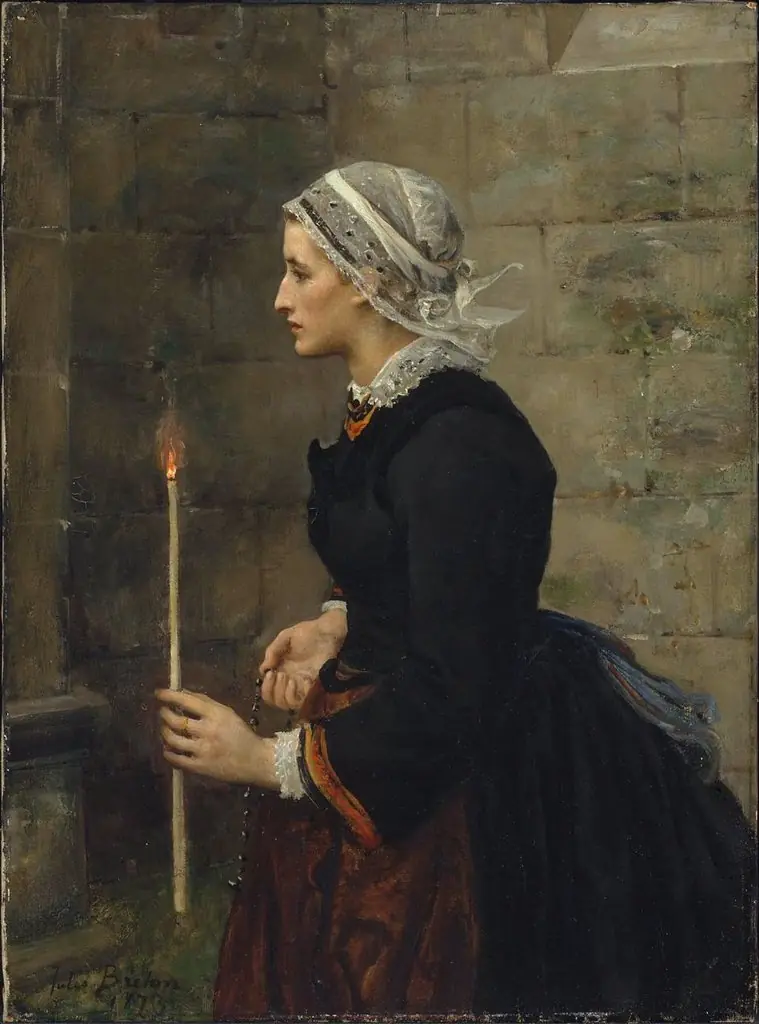 Woman with a Taper
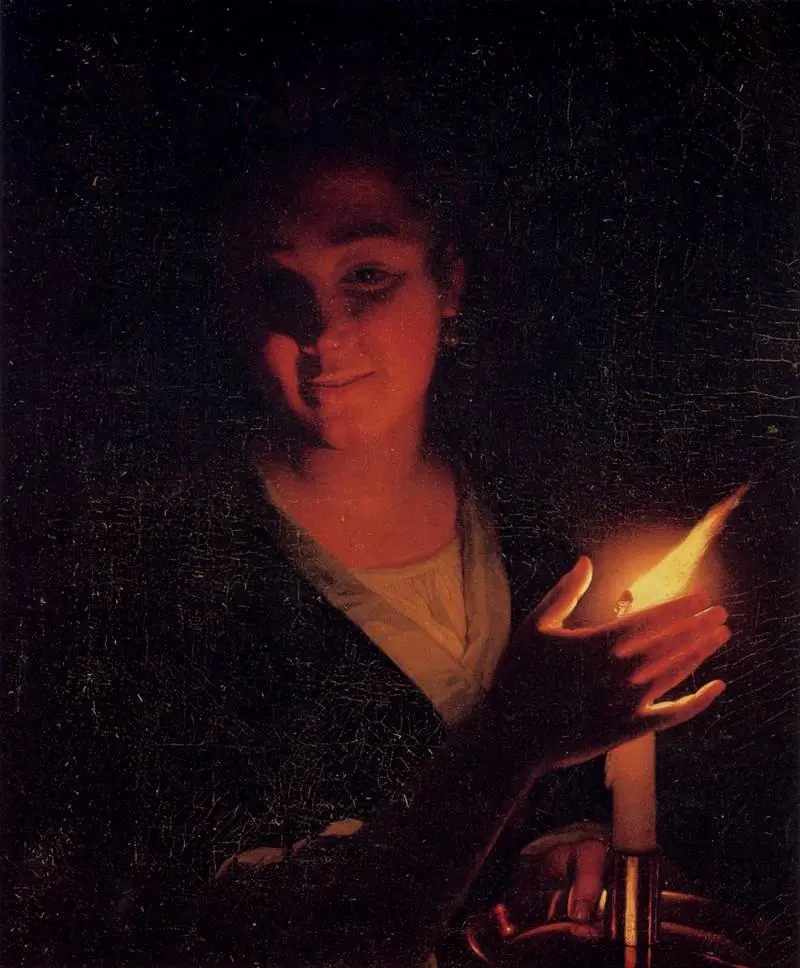 Young Girl with a Candle
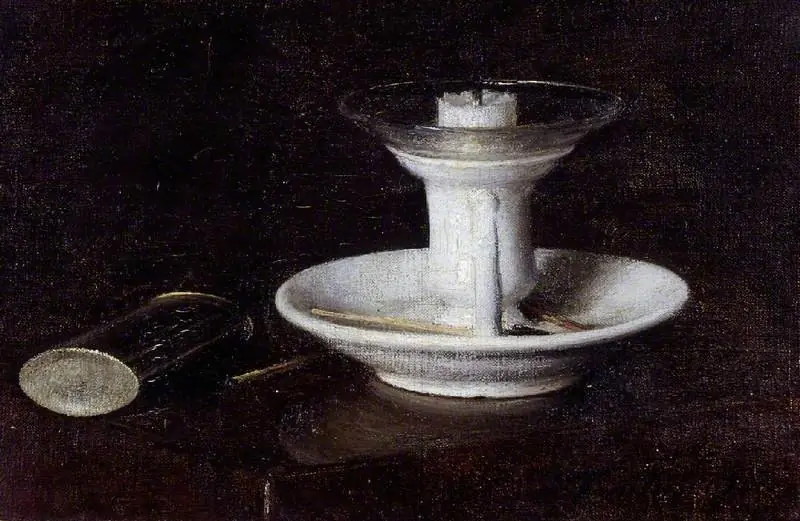 White candlestick
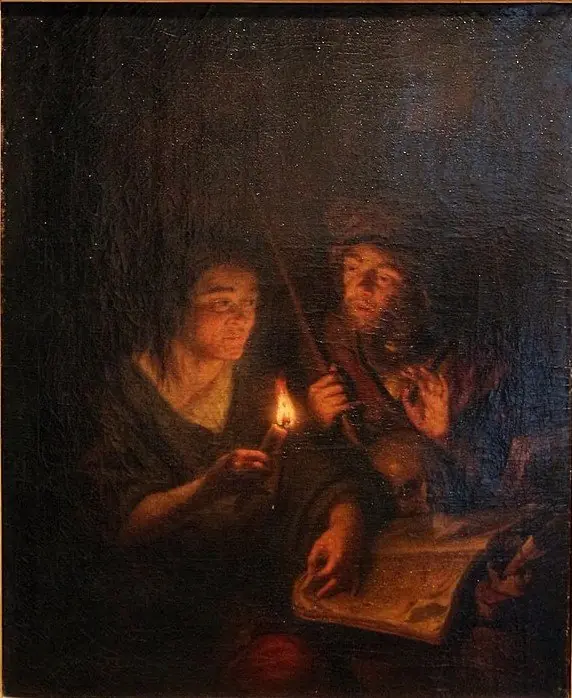 A pitonisa de Endor
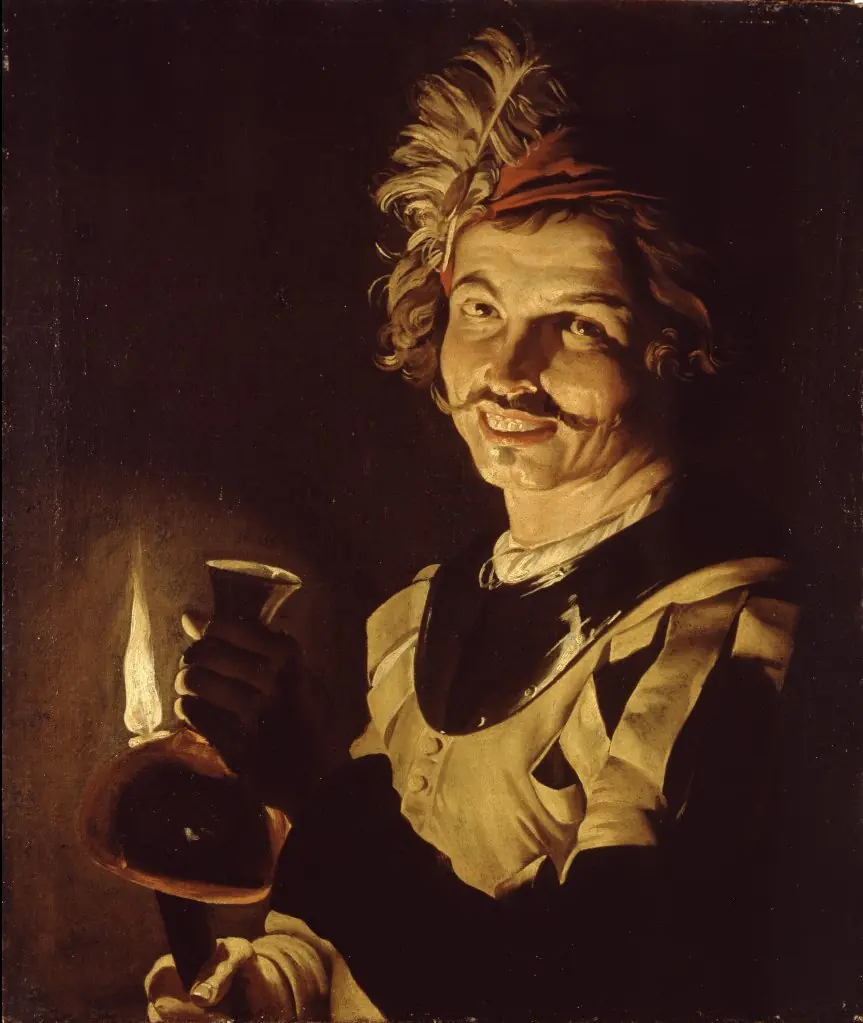 Young man with a decanter by candlelight
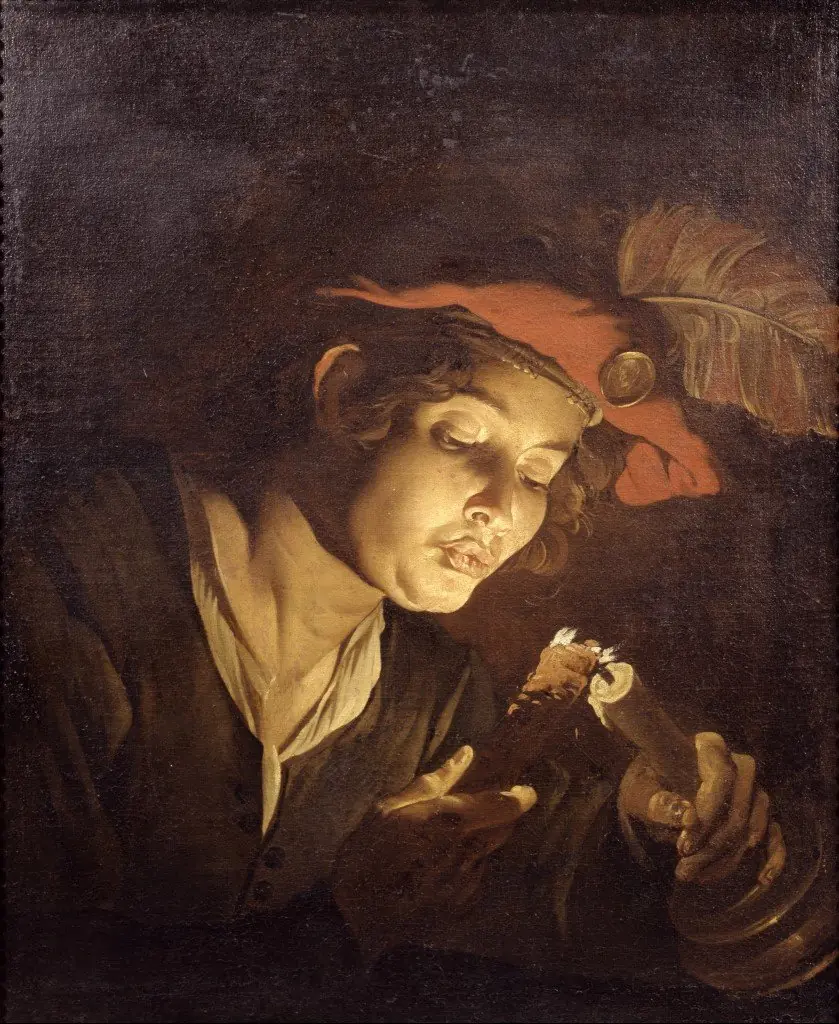 Boy lighting a candle from a wick
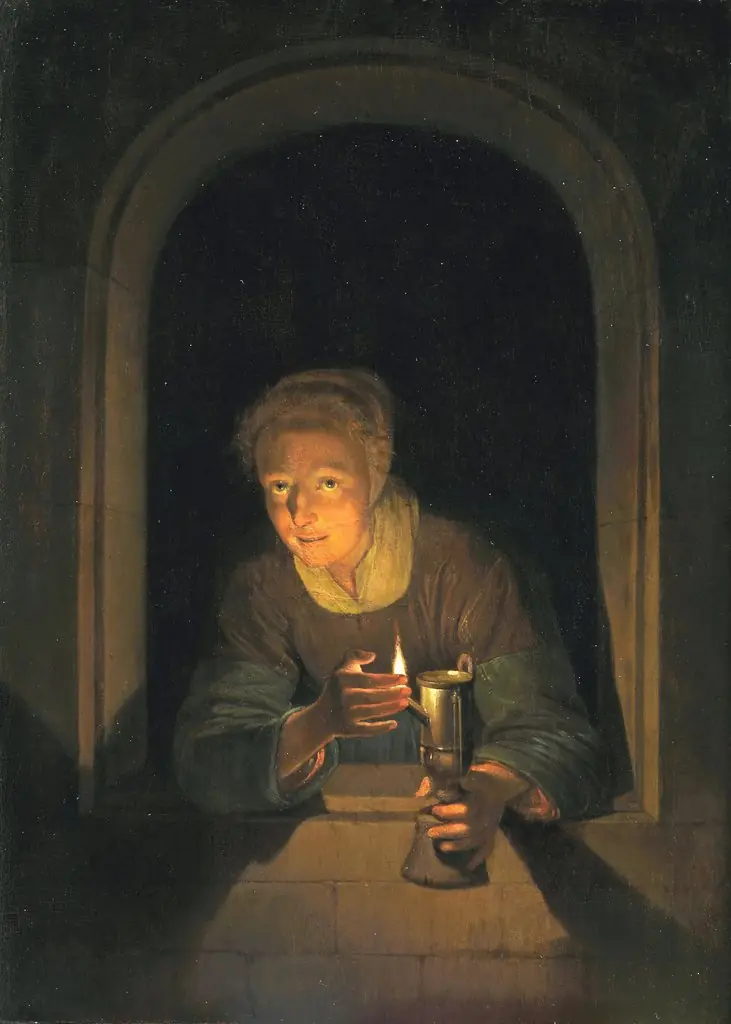 Young Woman Holding a Lamp
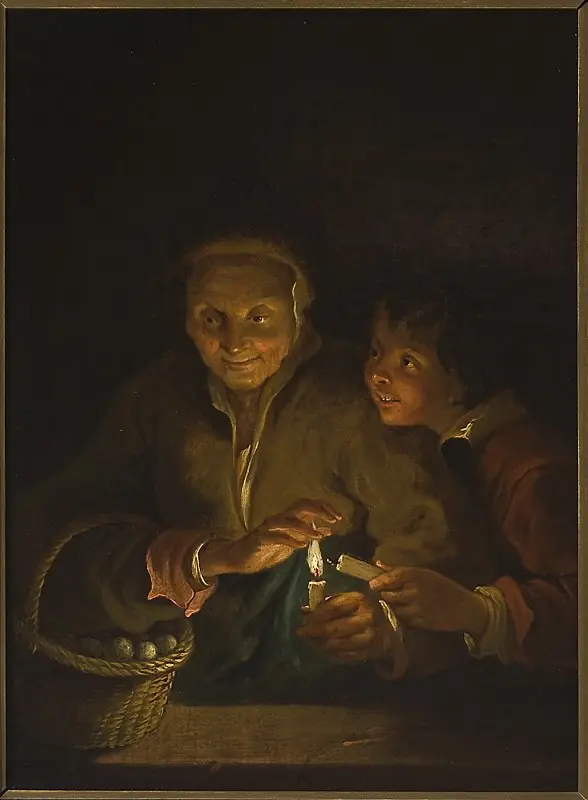 Old woman and a boy with a candle
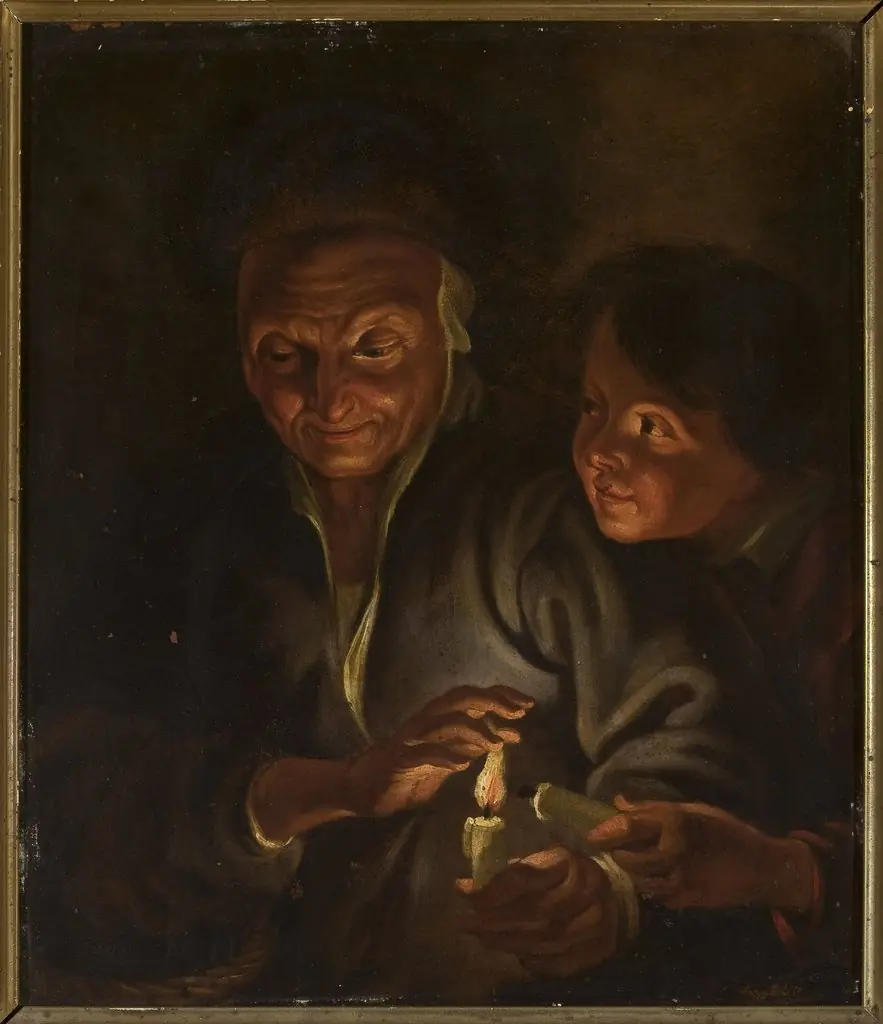 Old woman and a boy with a candle
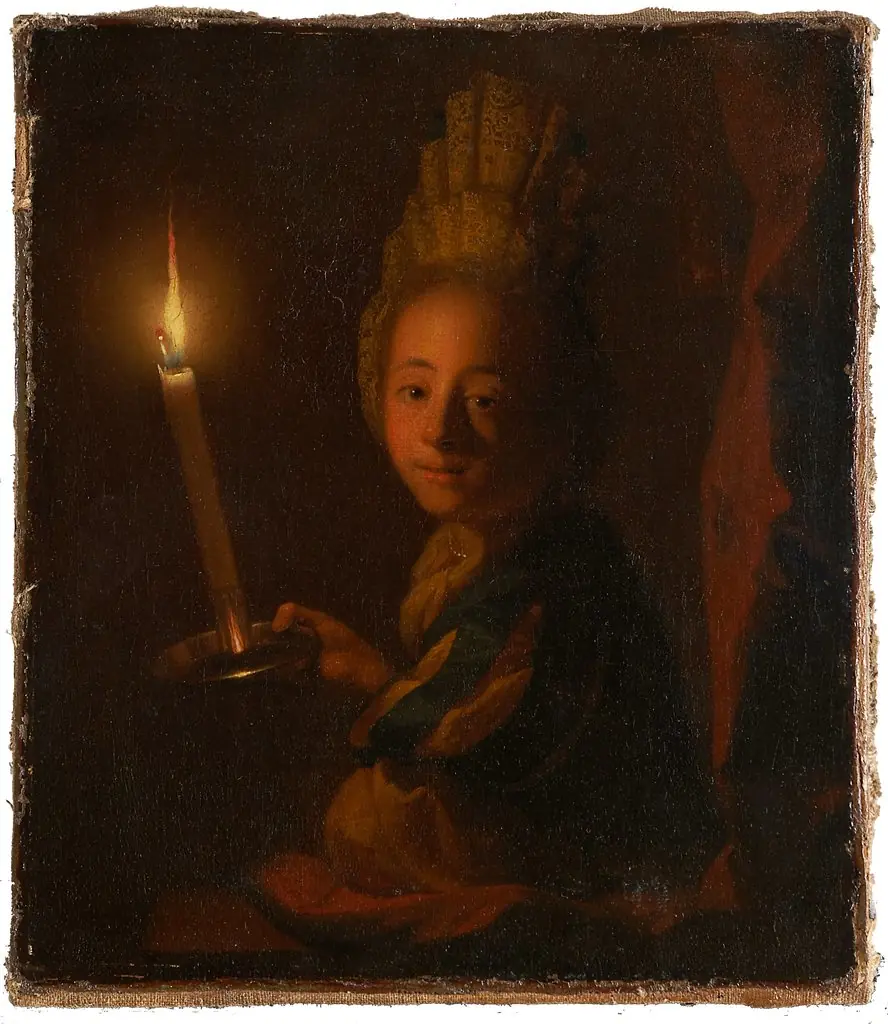 Girl with Burning Candle
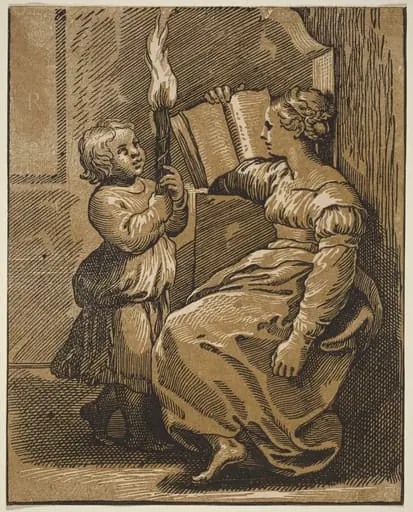 Sibyl Reading
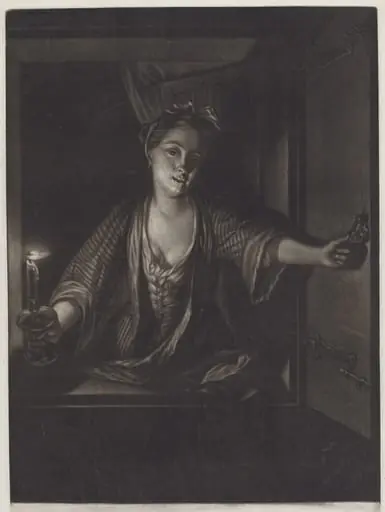 Girl with a Candle
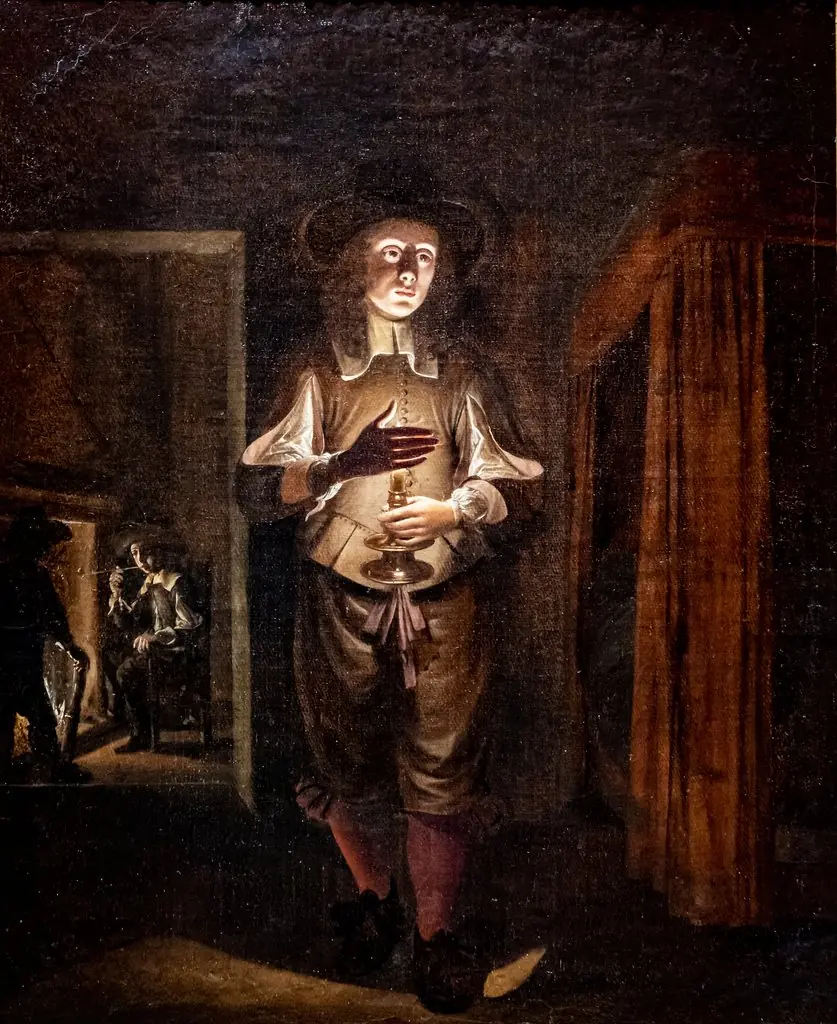 Young Man with a Candle
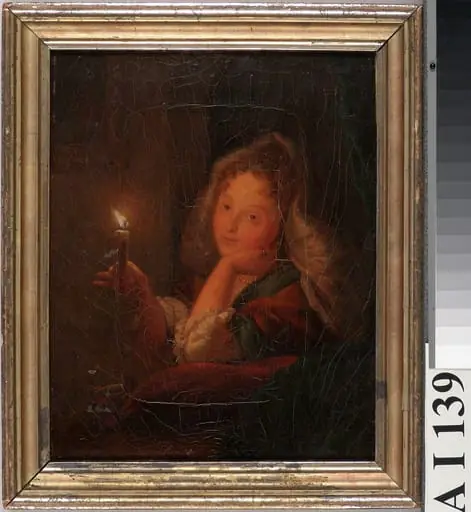 Nuori tyttö kynttilä kädessä, kopio Gottfried Schalckerin mukaan
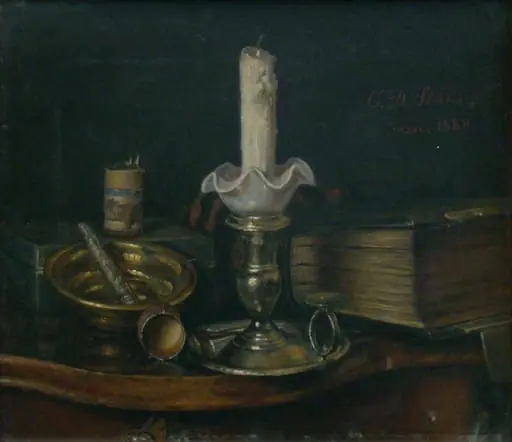 Natură statică cu sfeșnic
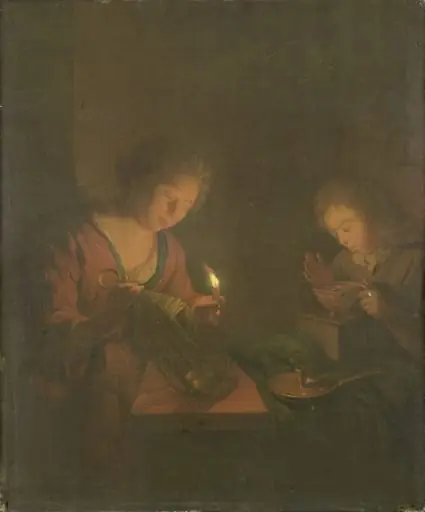 Fire and Light (A Girl Places a Candle in a Lantern and a Boy Blows on the Coals in a Chafing-Dish)
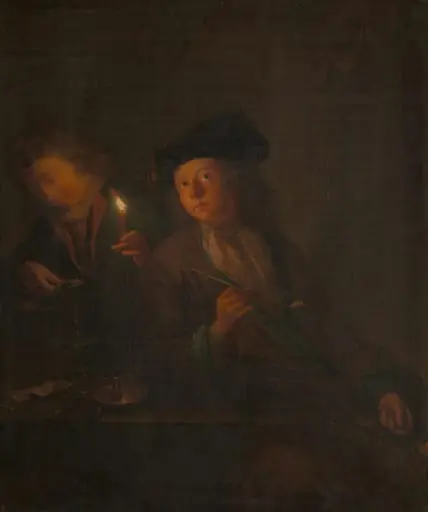 The Smoker (A Man with a Pipe and a Man Pouring a Beverage into a Glass)
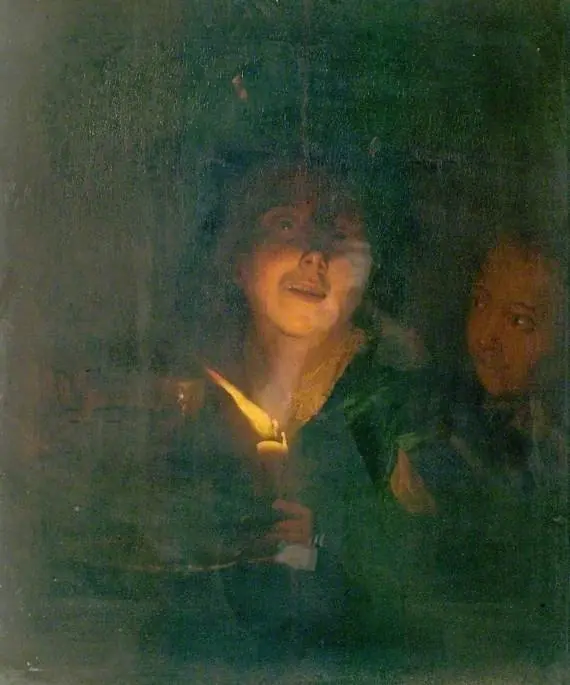 Candlelight
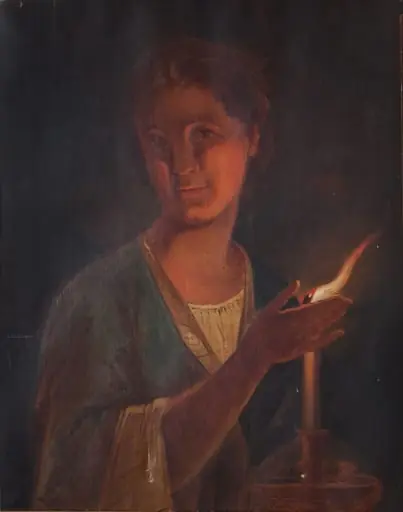 Efect de lumină
Frequently asked questions
What is Candle?
Candle is a subject in art. A candle is an ignitable wick embedded in wax, or another flammable solid substance such as tallow, that provides light, and in some cases, a fragrance.
How many Candle works does Artifact World Gallery have?
Artifact World Gallery holds 105 public-domain Candle works, all free to view and download.
Who are the key Candle artists?
Key Candle artists in the collection include Georges de La Tour, Jacques-Louis David and Johann Georg Platzer.
Where can I see Candle works?
Candle works in the collection are held by Museo del Prado, Rijksmuseum and Staatliche Kunstsammlungen Dresden.