Artwork
The Virgin and Child with the Infant Saint John the Baptist
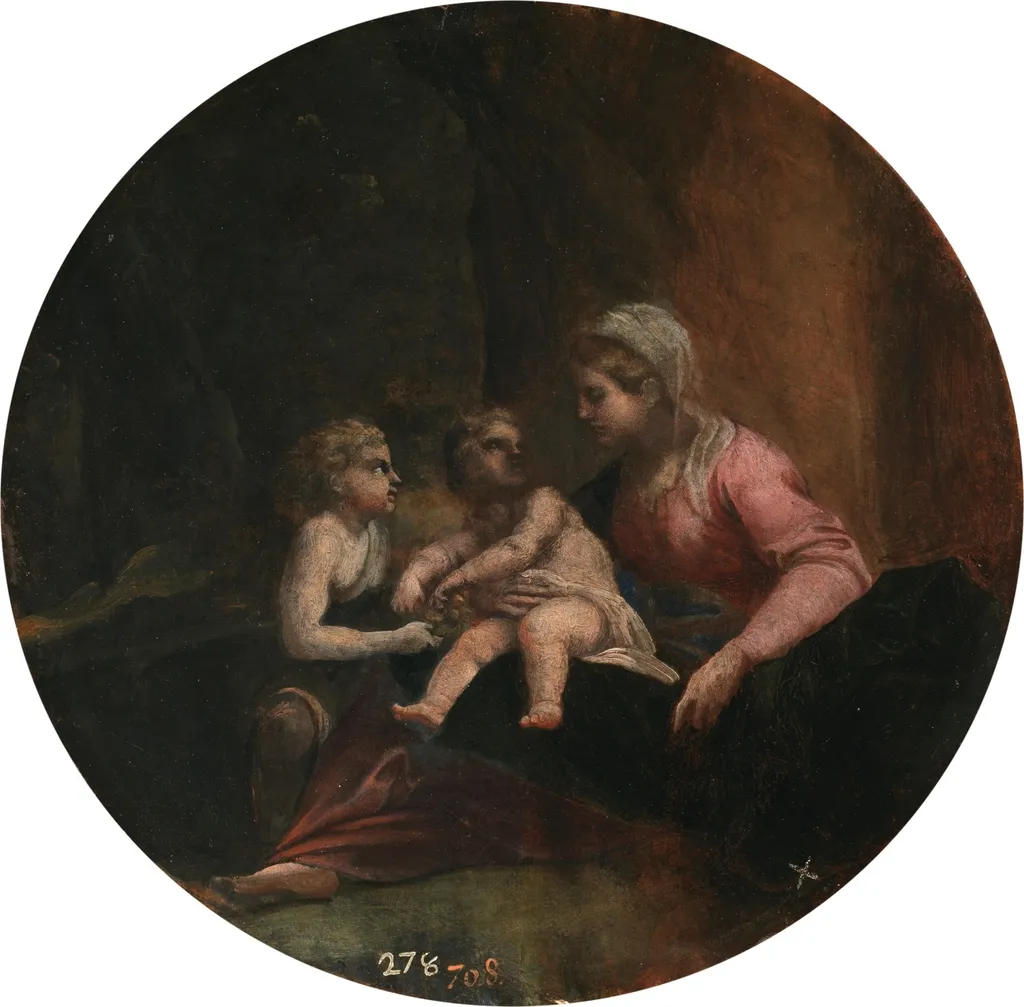
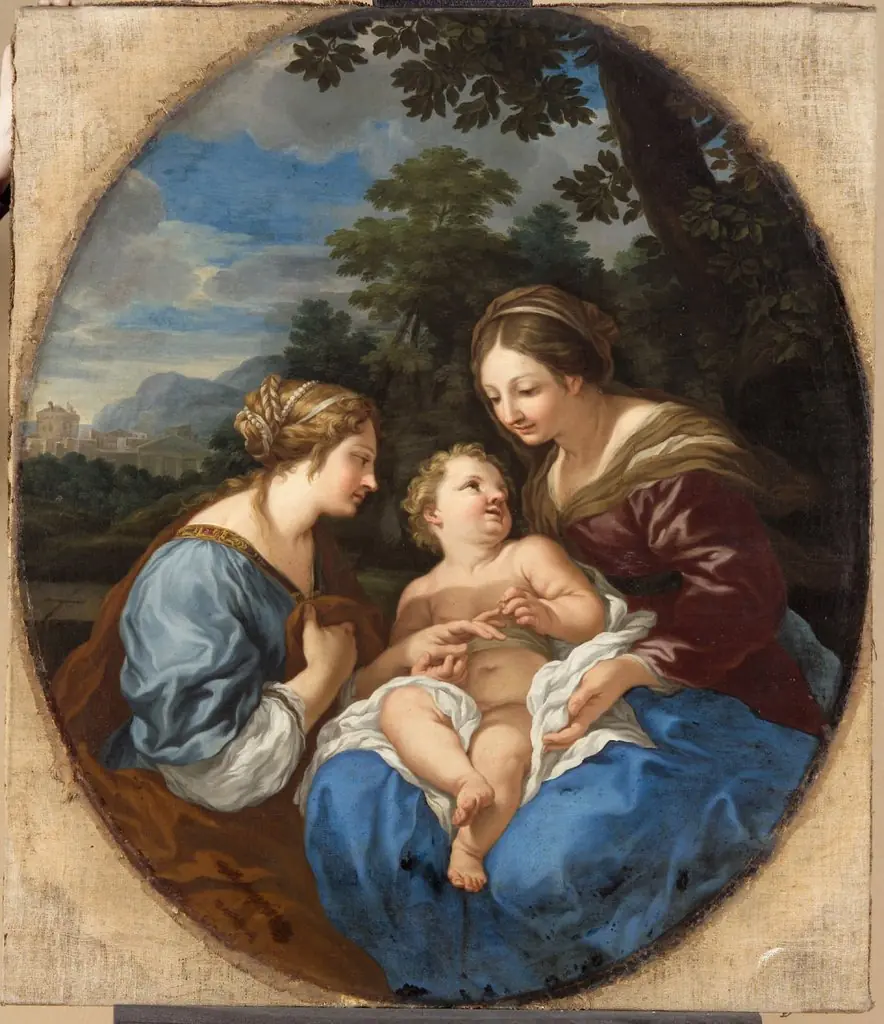
The Virgin and Child with the Infant Saint John the Baptist is an oil painting by the Early Baroque Italian artist Annibale Carracci. It dates from 1600 and is held in the collection of the Museo del Prado.
About this work
Subject & Meaning
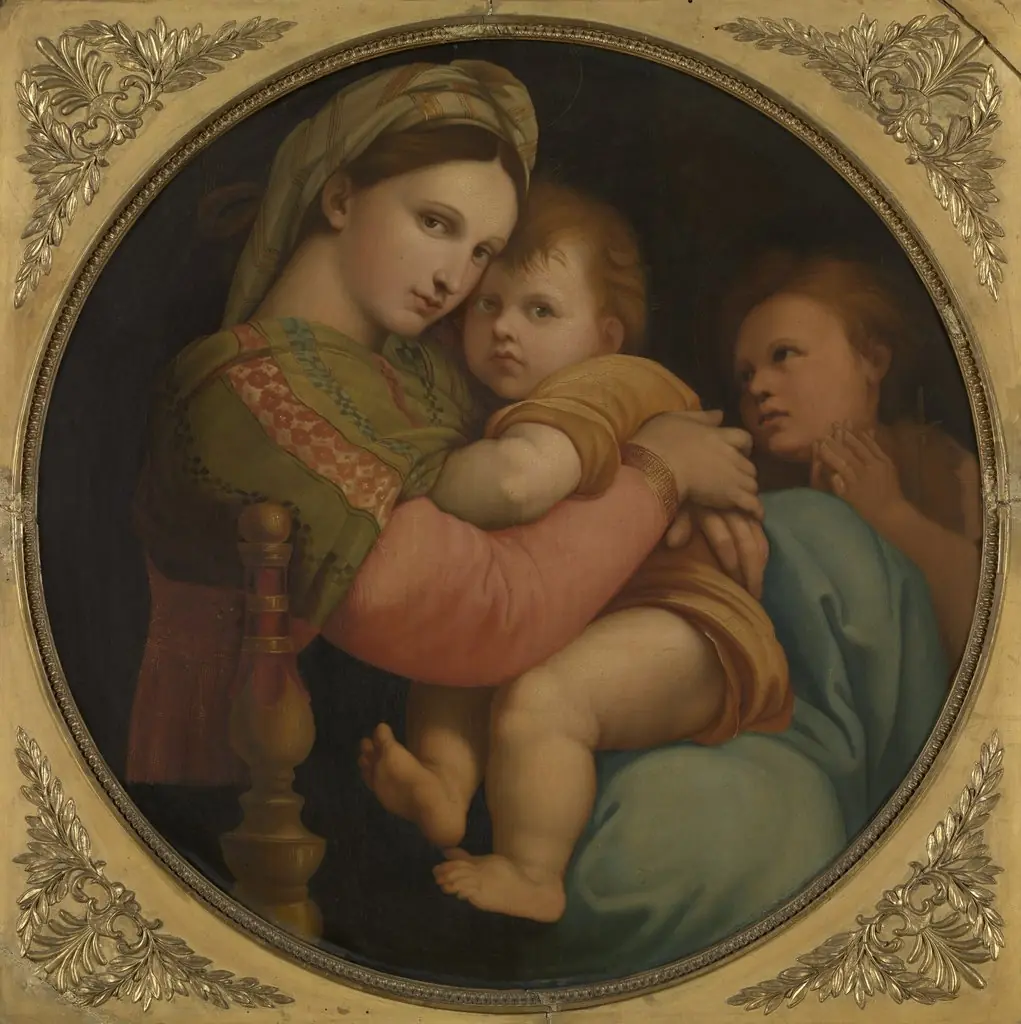
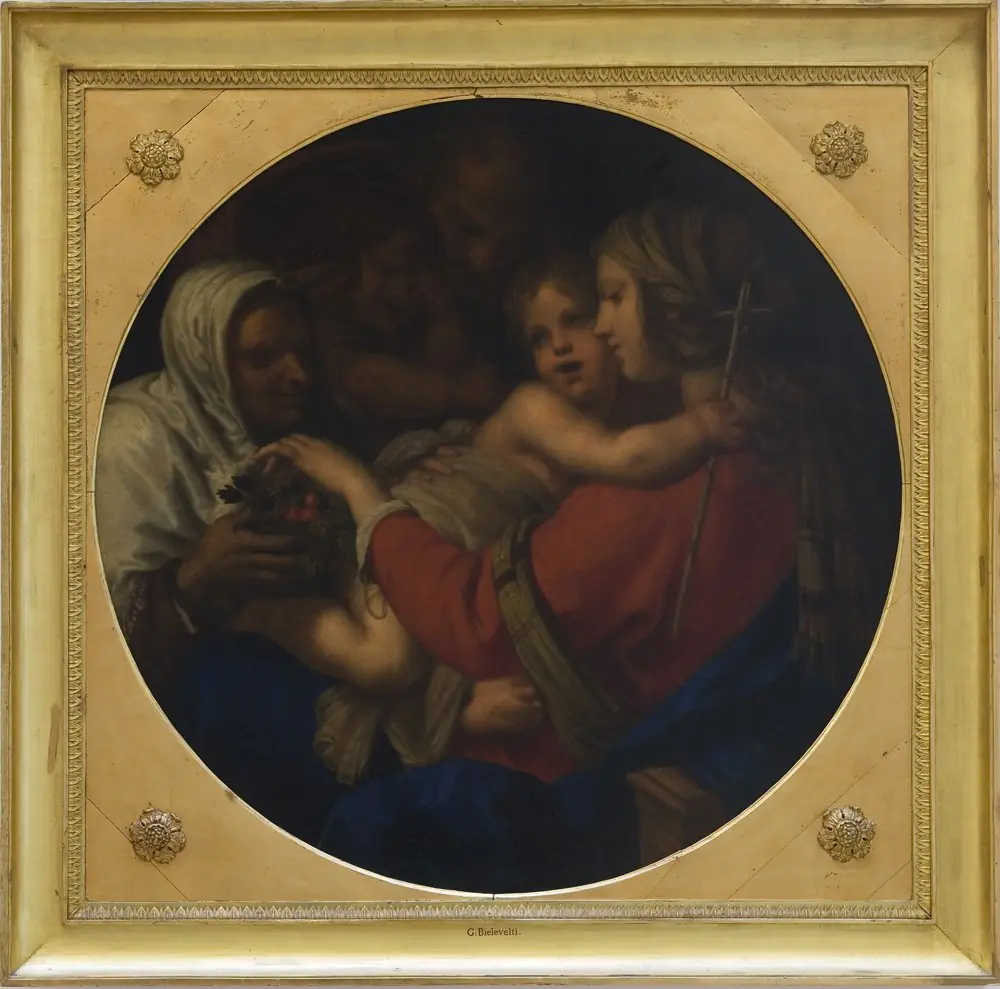
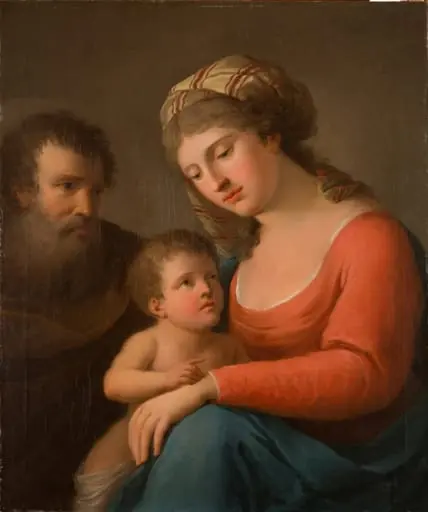
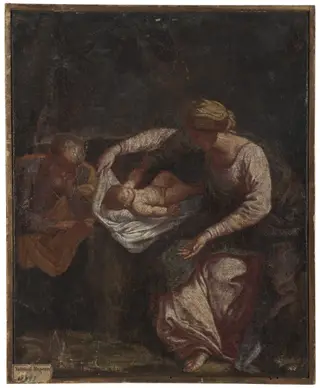
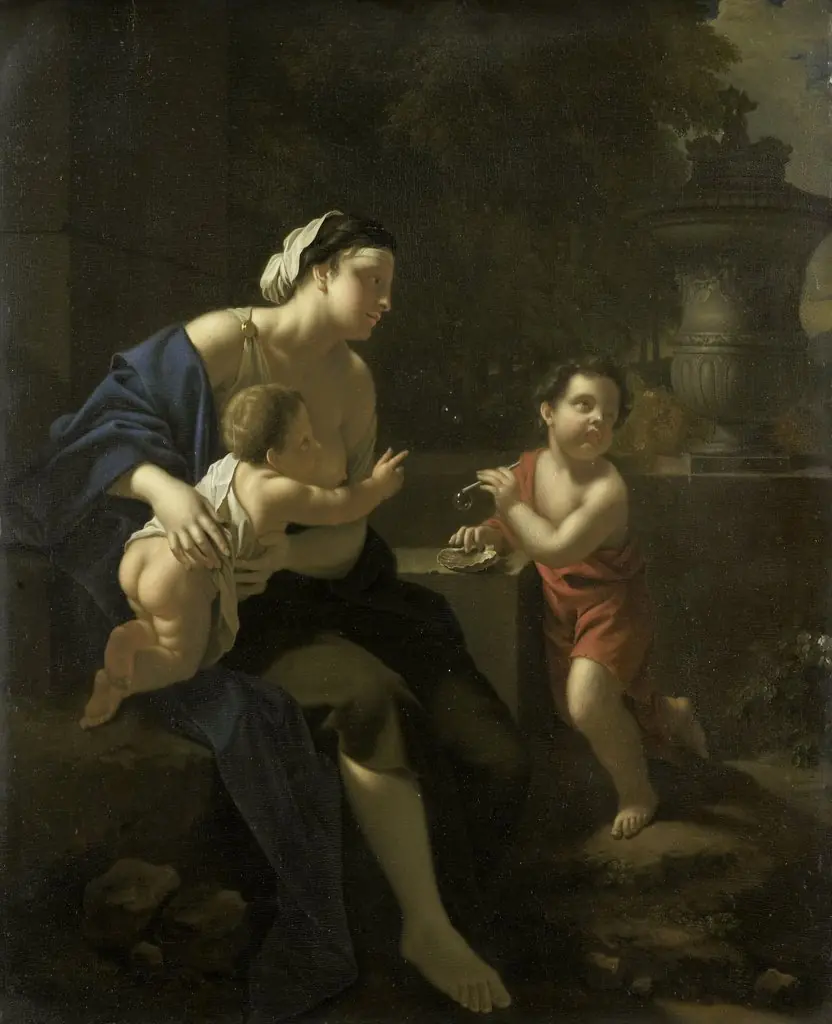
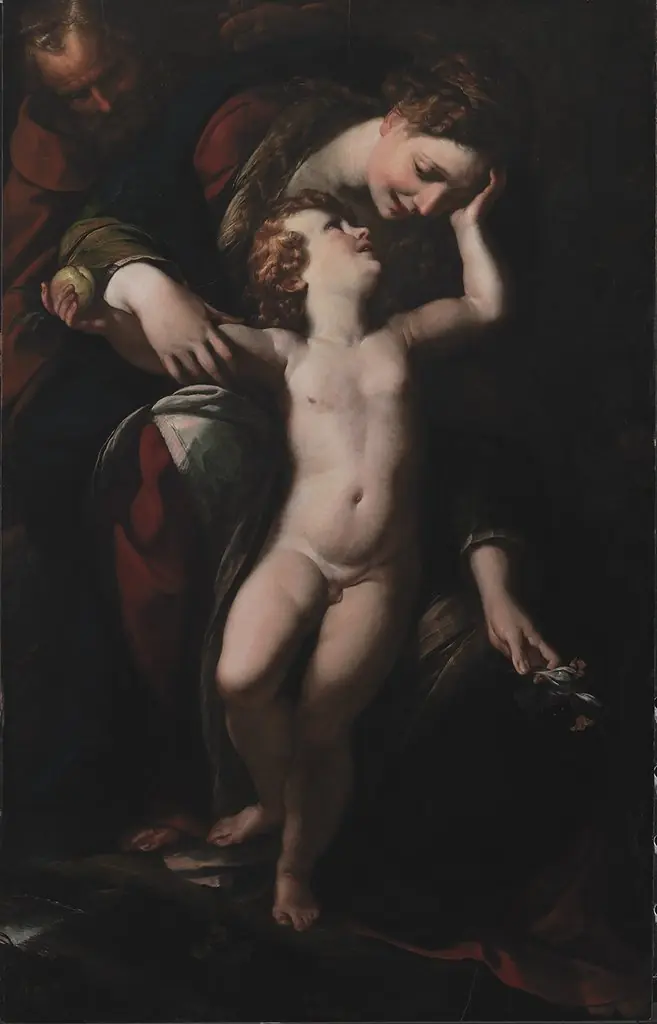
This religious painting portrays the Virgin Mary accompanied by the Christ Child and the infant Saint John the Baptist.
This religious painting portrays the Virgin Mary accompanied by the Christ Child and the infant Saint John the Baptist. The composition centers on the Madonna and Child, a primary subject in Christian art, while the inclusion of the young John the Baptist establishes a specific theological narrative. The presence of these three figures symbolizes the holy family's extended circle and often alludes to John's future role as the precursor who recognizes Jesus's divinity. As a work of religious genre, the image serves as a devotional representation of these sacred personages.
Technique & Style
The work is executed in oil on wooden panel, a medium typical of late 16th‑century Bolognese religious painting. Annibale Carracci’s handling of light emphasizes the tender interaction among the Virgin, the infant Christ, and the young Saint John, while his compositional balance reflects the influence of the Carracci Academy’s classicizing style. Subtle tonal transitions and delicate chiaroscuro model the figures, and the crisp delineation of drapery underscores the painting’s formal refinement.
History & Provenance
Annibale Carracci executed The Virgin and Child with the Infant Saint John the Baptist in 1599. Created as an oil painting on panel, the work depicts the Madonna and Child alongside the young John the Baptist within a religious context.
The painting entered the Spanish royal collection, where it was successively owned by monarchs Philip V, Charles III, and Ferdinand VII. It is currently held in the collection of the Museo del Prado.
The work is held in the collection of the Museo del Prado, where it is catalogued under the accession number P00968. Its provenance traces back to Charles III of Spain, later passing to Philip V and Ferdinand VII before entering the museum's holdings. The painting was displayed in the Prado's galleries as part of the exhibition "Italian Masters of the Sixteenth Century" in 1998 and was included in the 2005 retrospective "Annibale Carracci: The Path to the Baroque" held at the same institution.
Overview
Annibale Carracci’s oil painting, dated to around 1600, presents a quiet devotional scene featuring the Virgin Mary with the infant Christ and the young Saint John the Baptist. Executed in the early Italian Baroque, the work balances a restrained palette with a focused arrangement of the three figures, emphasizing intimacy and reverence.
Context
Created during a period when Carracci was instrumental in reforming Italian painting, the work illustrates his synthesis of Renaissance classicism and emerging Baroque dynamism. It aligns with his broader output of religious subjects, which sought to revive devotional imagery through naturalistic representation and balanced composition.
Own this work as a print
Artist & collection
Artist
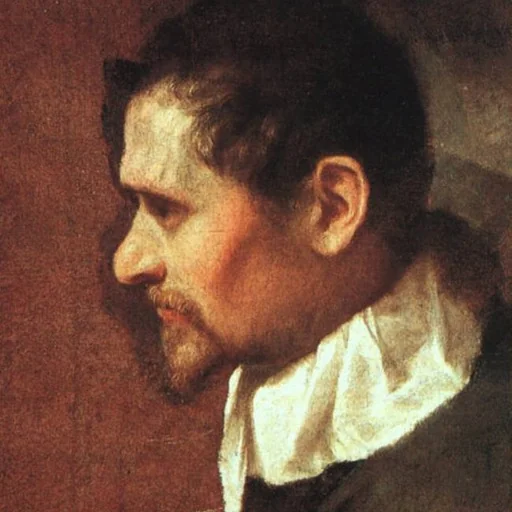
Annibale Carracci ( kə-RAH-chee, UK also kə-RATCH-ee, Italian:; November 3, 1560 – July 15, 1609) was an Italian painter and instructor, active in Bologna and later in Rome.