Artwork
Mattias de' Medici
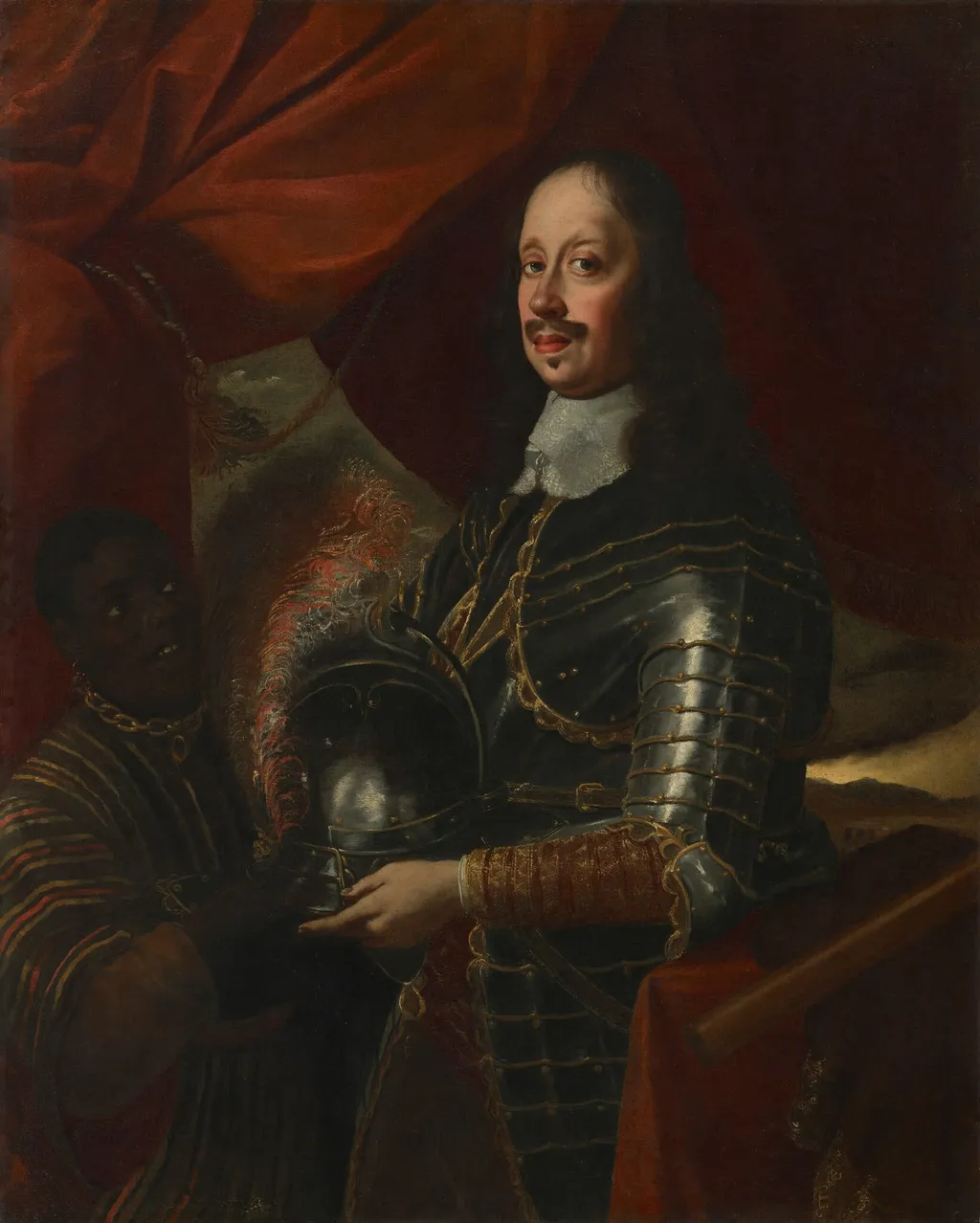
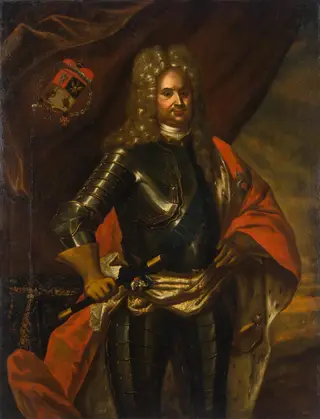
Mattias de' Medici is an oil painting by the Baroque artist Studio of Justus Sustermans. It dates from 1660 and is held in the collection of the National Gallery of Art. The canvas presents a Baroque composition centered on a heavily armored figure holding a helmet, accompanied by a kneeling attendant.
About this work
Technique & Style
Dated to 1660, the work is classified as a portrait painting and is held in the collection of the National Gallery of Art in Washington, D.
The portrait of Mattias de' Medici is executed in oil on canvas, a standard medium for seventeenth-century European portraiture. The painting measures 128.3 cm in height by 104.2 cm in width. Dated to 1660, the work is classified as a portrait painting and is held in the collection of the National Gallery of Art in Washington, D.C. The canvas support and oil-based handling are consistent with the studio practices associated with Justus Sustermans, to whom the work has been attributed alongside an anonymous hand.
History & Provenance
Portrait of Lord Fairfax attributed to an anonymous artist, likely Justus Sustermans, was painted in 1660. It entered the London art market before being acquired in 1872 by Constance Cary Harrison, later known as Mrs. Burton. The work remained in the Harrison family through inheritance, passing to several granddaughters including Ursula H. Baird and Sally H. Dieke, before being gifted to the National Gallery of Art in 1950.
The painting measures 128.3 cm by 104.2 cm and is executed in oil on canvas. It is classified as a portrait and is part of the National Gallery of Art's collection in Washington, D.C.
Portrait of Mattias de' Medici, attributed to Justus Sustermans, is an oil on canvas work measuring 128.3 cm by 104.2 cm, painted in 1660. It is held by the National Gallery of Art in Washington, D.C., where it has been part of the collection since 1950. The painting was previously owned by the Harrison family in Baltimore, who received it by descent from Constance Cary Harrison and later gifted it to the National Gallery of Art in 1950. It has been exhibited as part of the National Gallery of Art's collection displays.
Legacy
The portrait of Mattias de' Medici, painted circa 1660, was later attributed to the circle of Justus Sustermans and entered the collection of the National Gallery of Art in Washington, D.C., through a 1950 gift by Ursula H. Baird and her sisters. Its provenance traces back to an 1872 acquisition in London, where it was sold as a portrait of Lord Fairfax by Sir Peter Lely, before passing through the Harrison family and eventually to the National Gallery of Art. Contemporary scholarship has reevaluated its authorship, linking it stylistically to Sustermans and highlighting its significance in understanding Medici family representation in 17th‑century European portraiture.
Overview
The canvas presents a Baroque composition centered on a heavily armored figure holding a helmet, accompanied by a kneeling attendant. The armored man is dressed in a black and gold cuirass with a white ruff, while the subordinate wears a striped robe accented by a gold chain. A deep red curtain forms the backdrop, opening onto a muted landscape.
Subject & Meaning
The dominant figure likely represents a noble or military commander, his armor and regal bearing indicating high rank. The presence of a kneeling attendant suggests a scene of homage or service, emphasizing hierarchical relationships typical of aristocratic portraiture in the early modern period.
Context
Baroque portraiture often emphasized power and status through elaborate costume and symbolic accessories. The inclusion of armor, a helmet, and a gold chain aligns with contemporary conventions for depicting military elites and their retinues, reflecting the social hierarchies of 17th‑century Europe.
Artist & collection
Artist

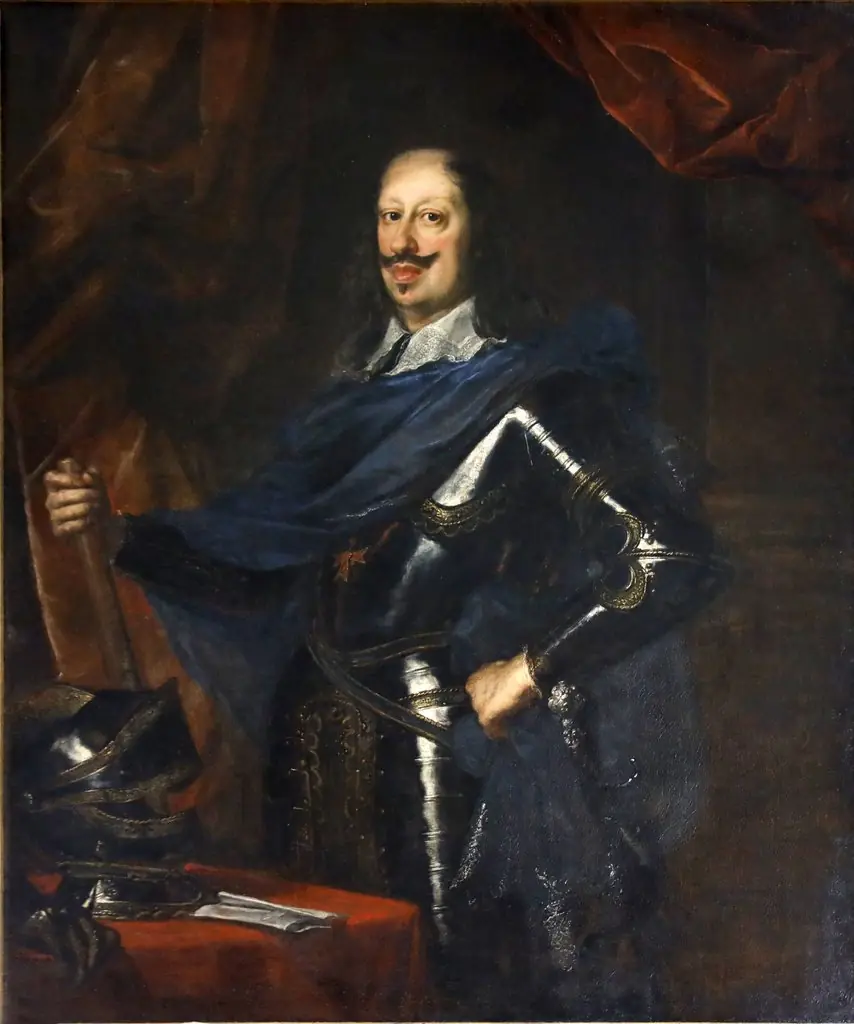
- Portrait of Ferdinando II de'Medici
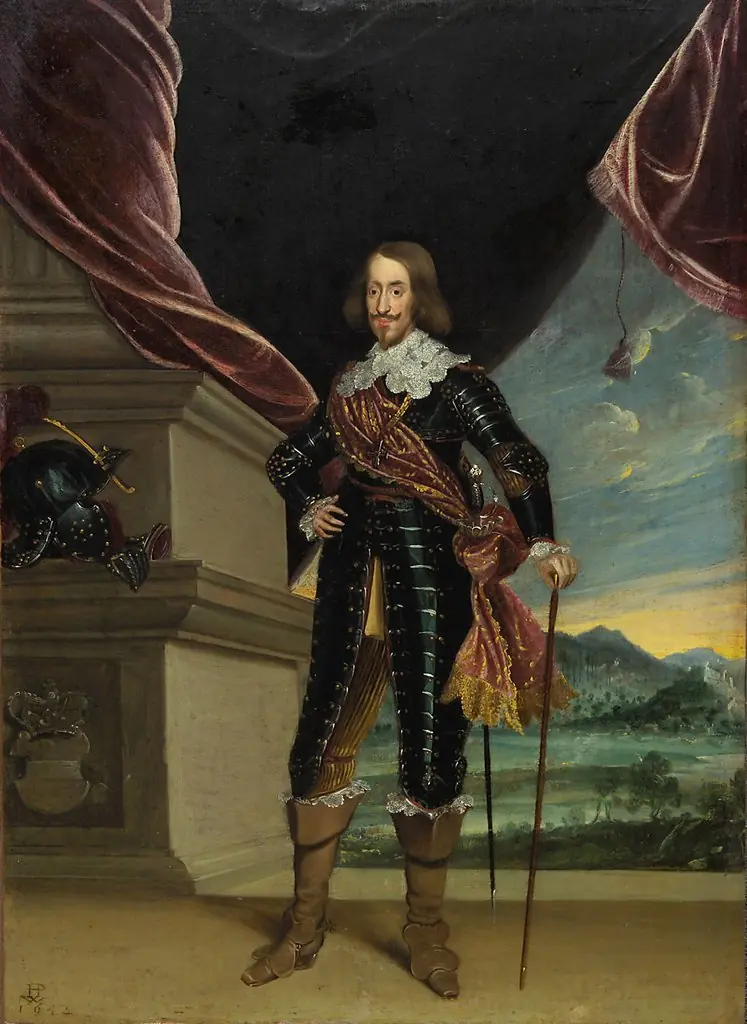 Archduke Leopold Wilhelm (1614-1662), governor of the Netherlands.
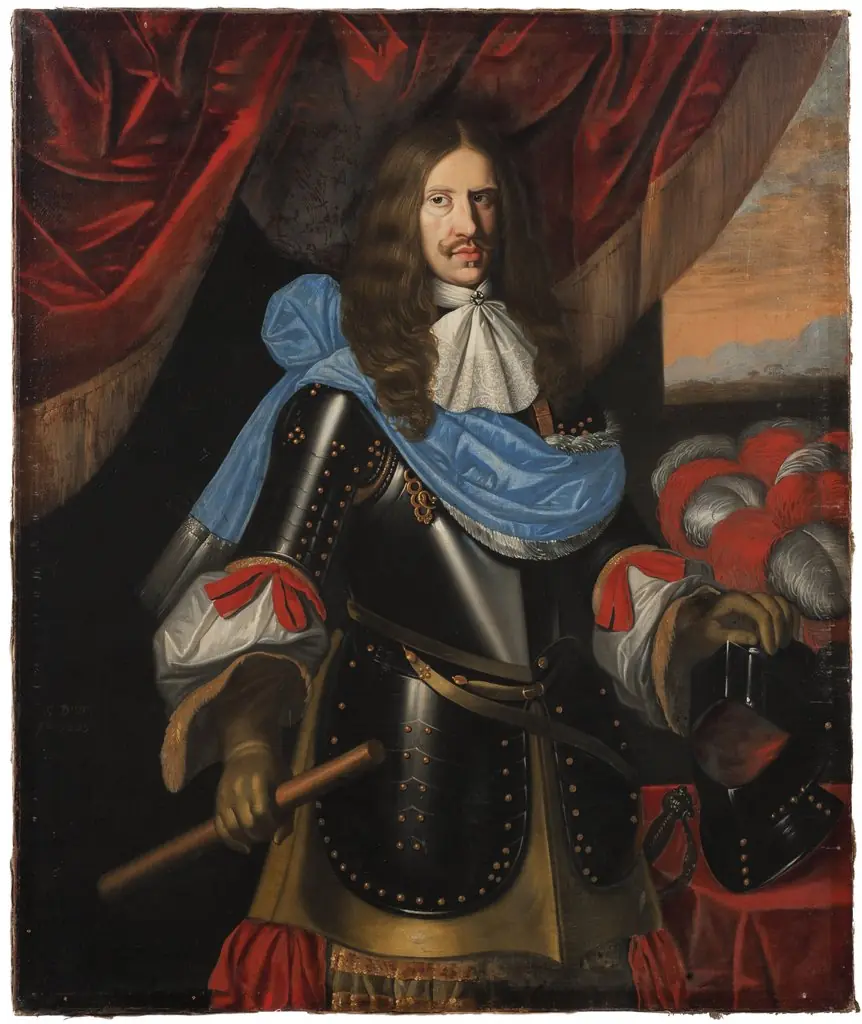 Ludvig VI, 1630-78, lantgreve av Hessen-Darmstadt
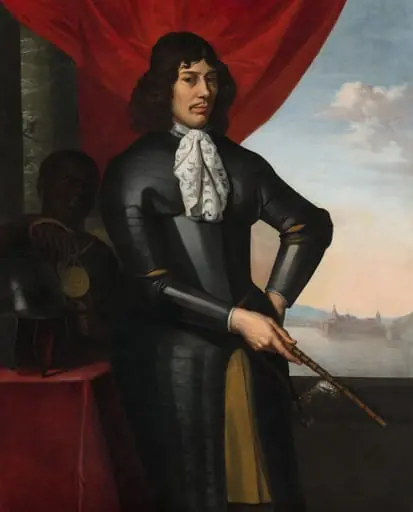 Portrait of Jan Valckenburgh and an Enslaved Servant
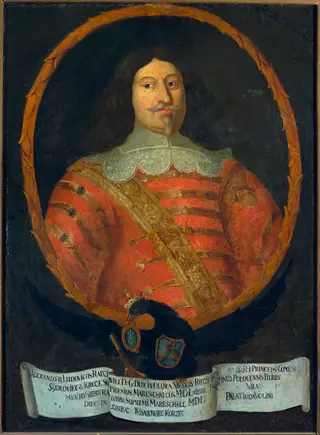 Portrait of Aleksander Ludwik Radziwiłł (1594–1654)
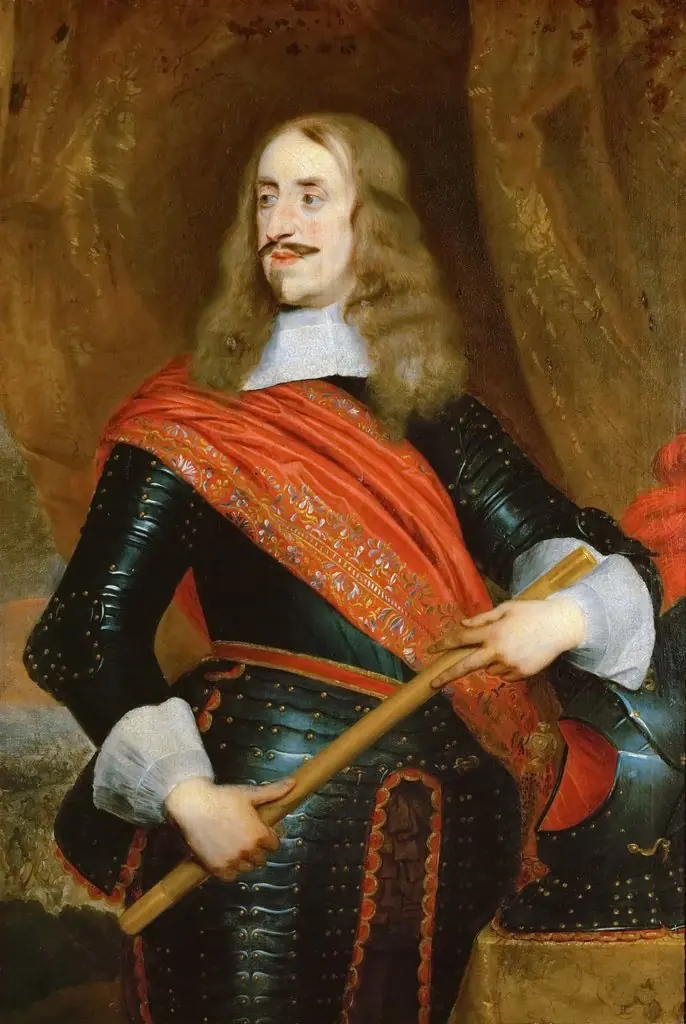 Portrait of Archduke Leopold Wilhelm (1614-1662)
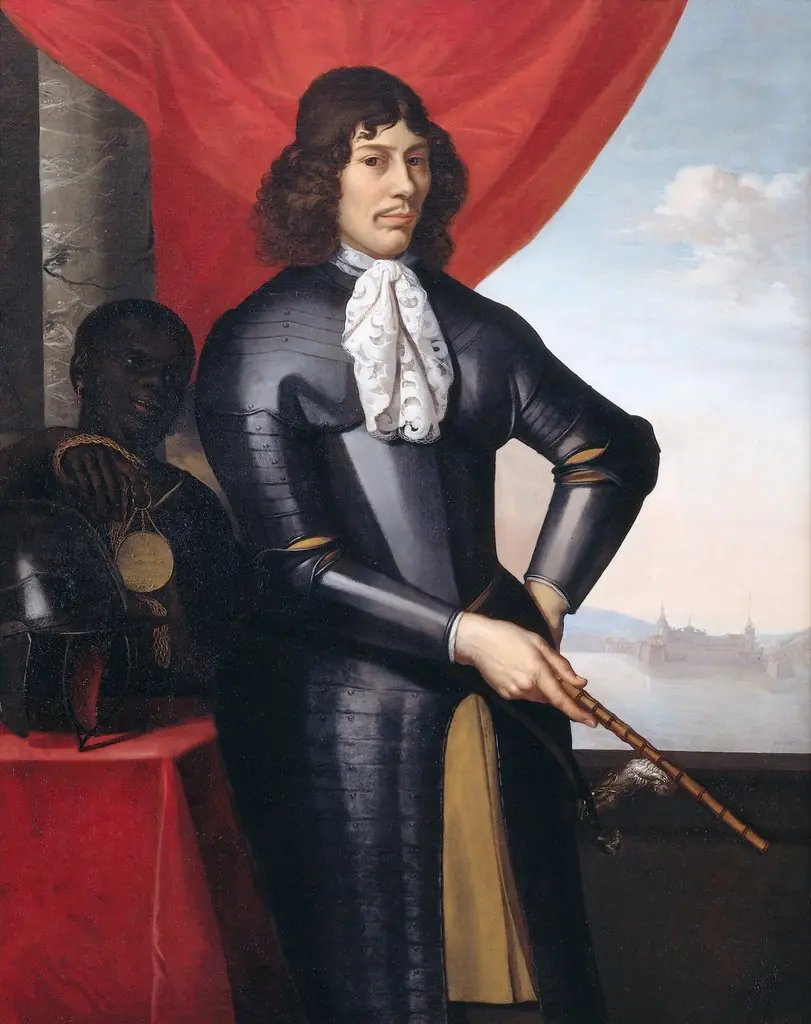 Portrait of Jan Valckenburgh
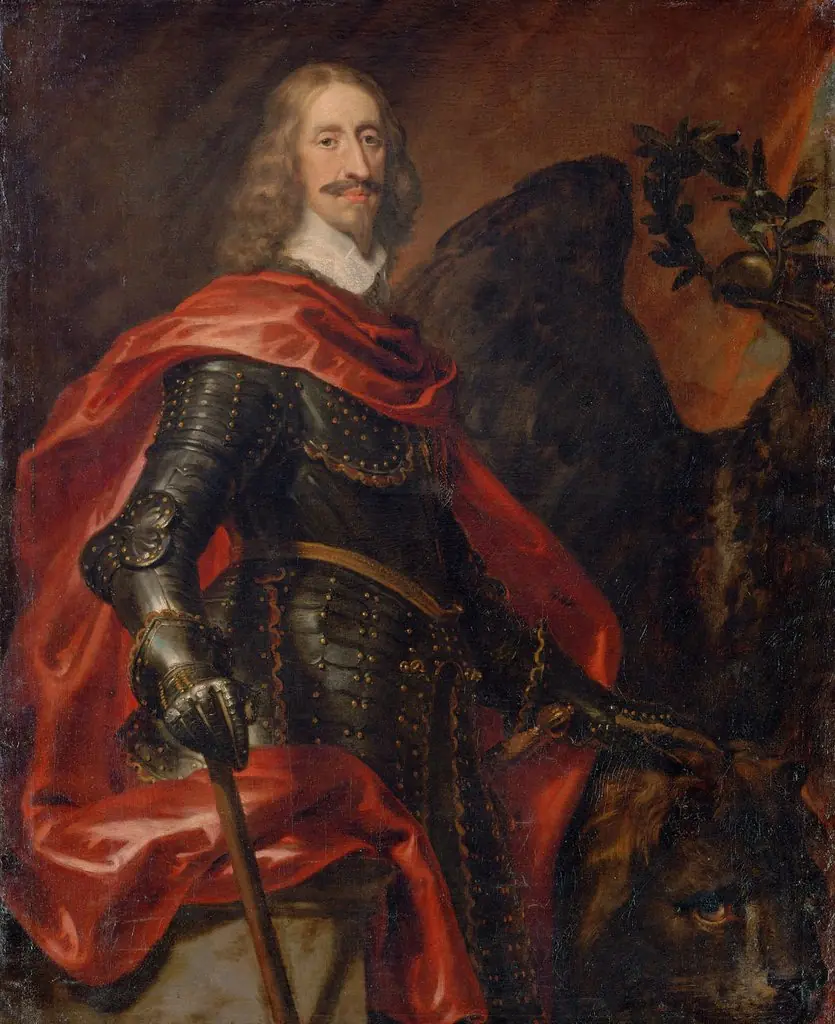 Portrait of Archduke Leopold Wilhelm of Austria
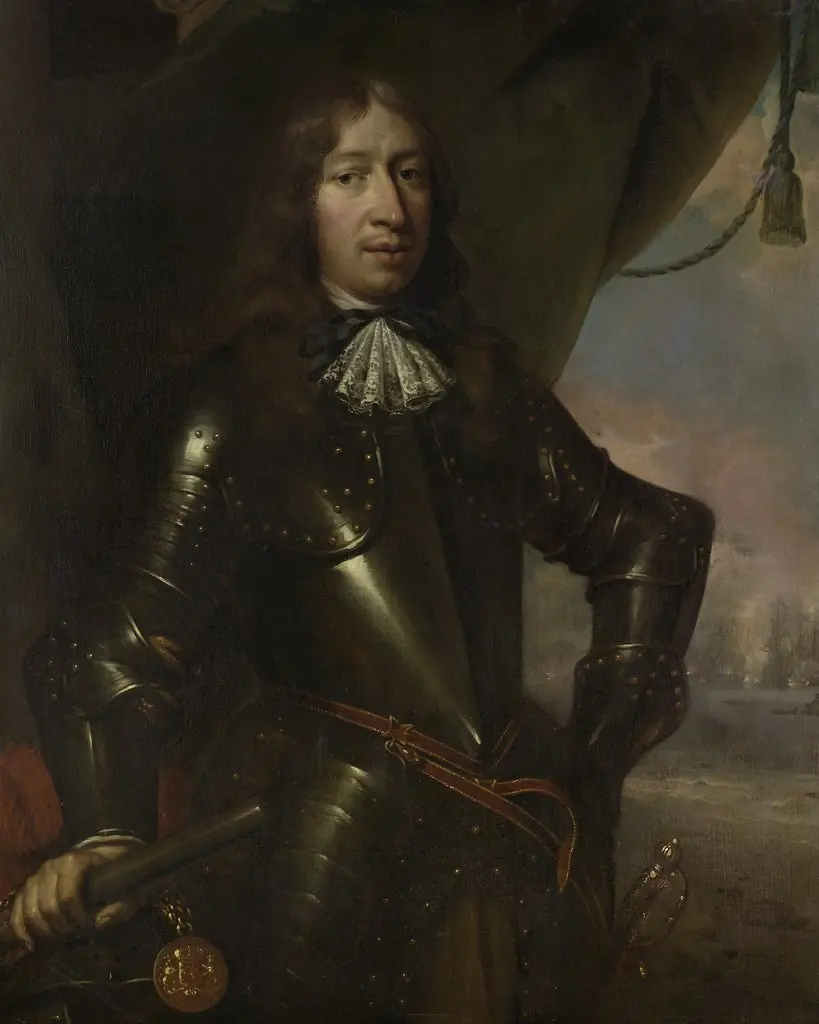 Portrait of Willem Joseph Baron van Ghent (1626-72), vice-admiral
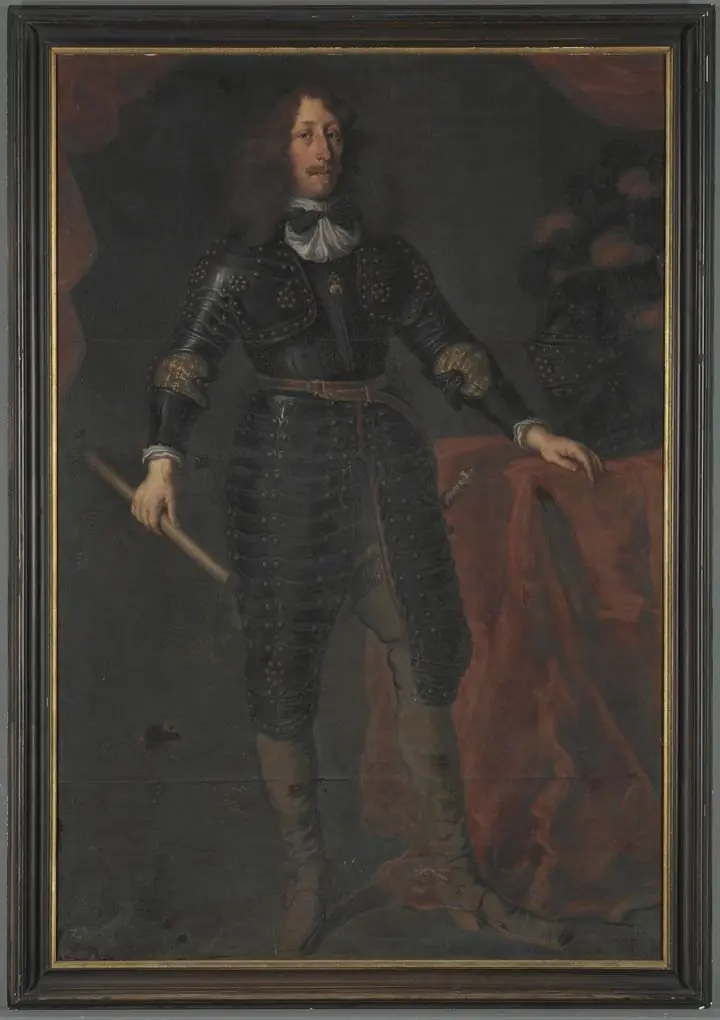 Portrait of duke Philipp Wilhelm, Elector Palatine (1615-1690)
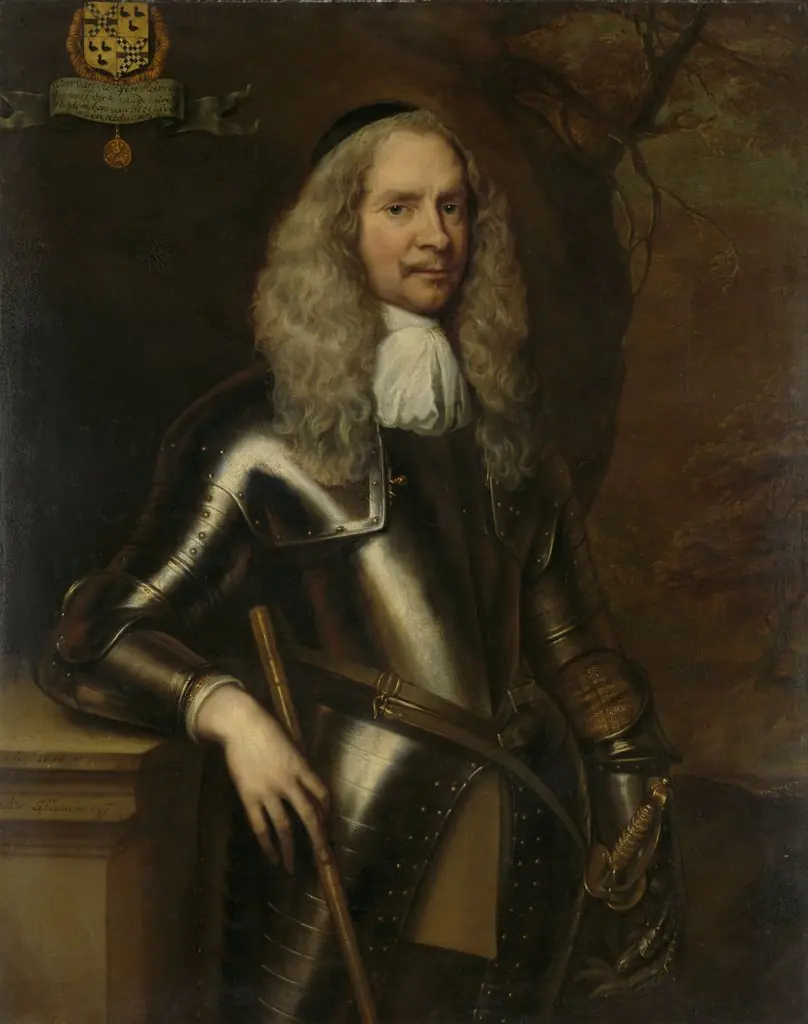 Cornelis van Aerssen (1600-62), lord of Sommelsdijk. Colonel of cavalry
 Portrait of General Prince Nikita Repnin