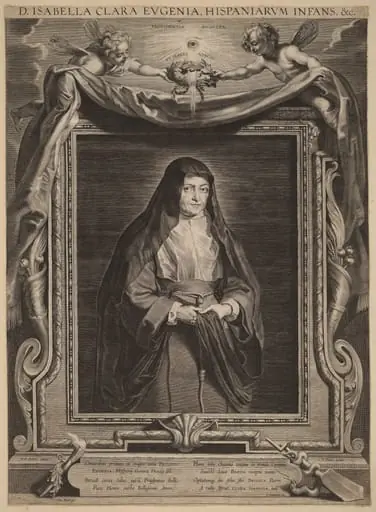
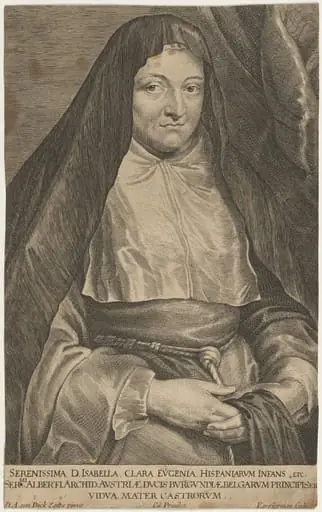
Artwork
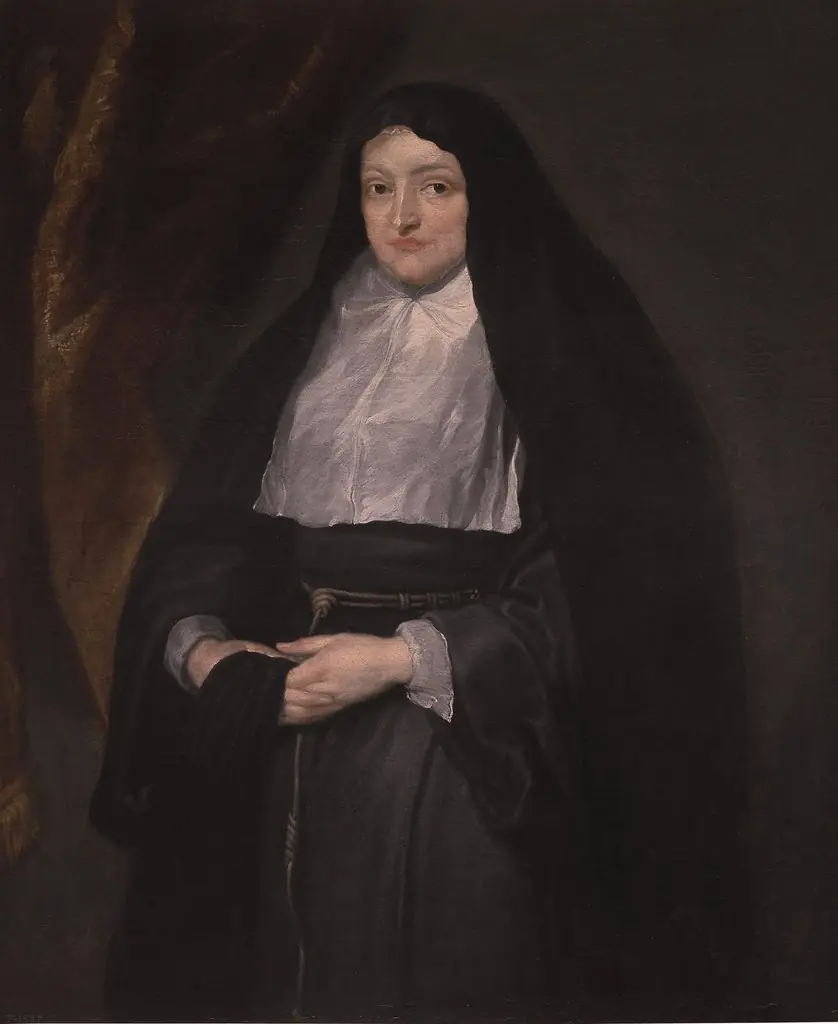
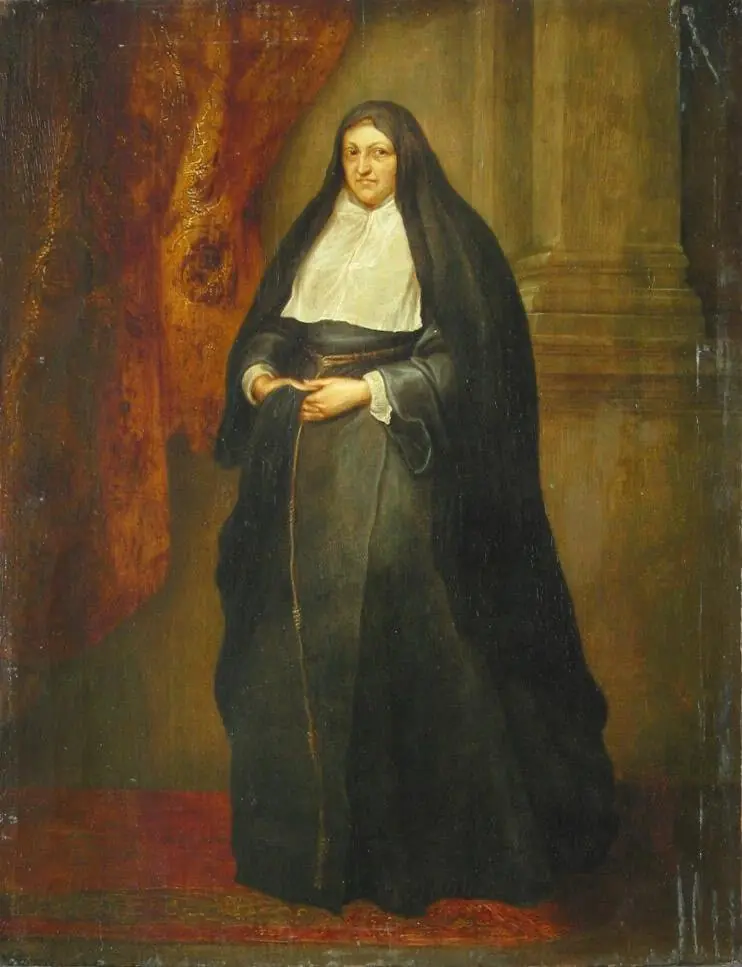
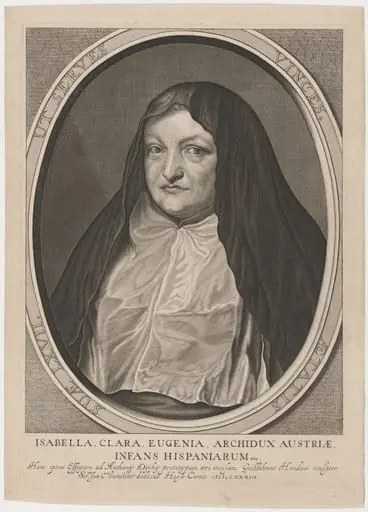
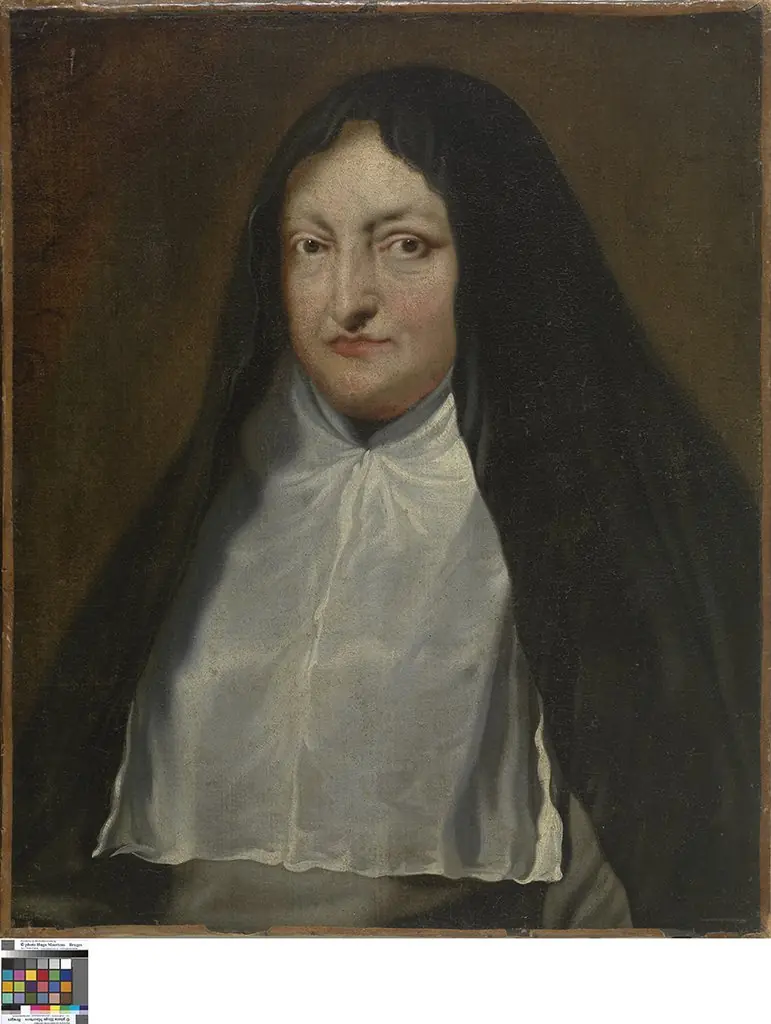
Infantin Isabella Clara Eugenia, portrait as a widow
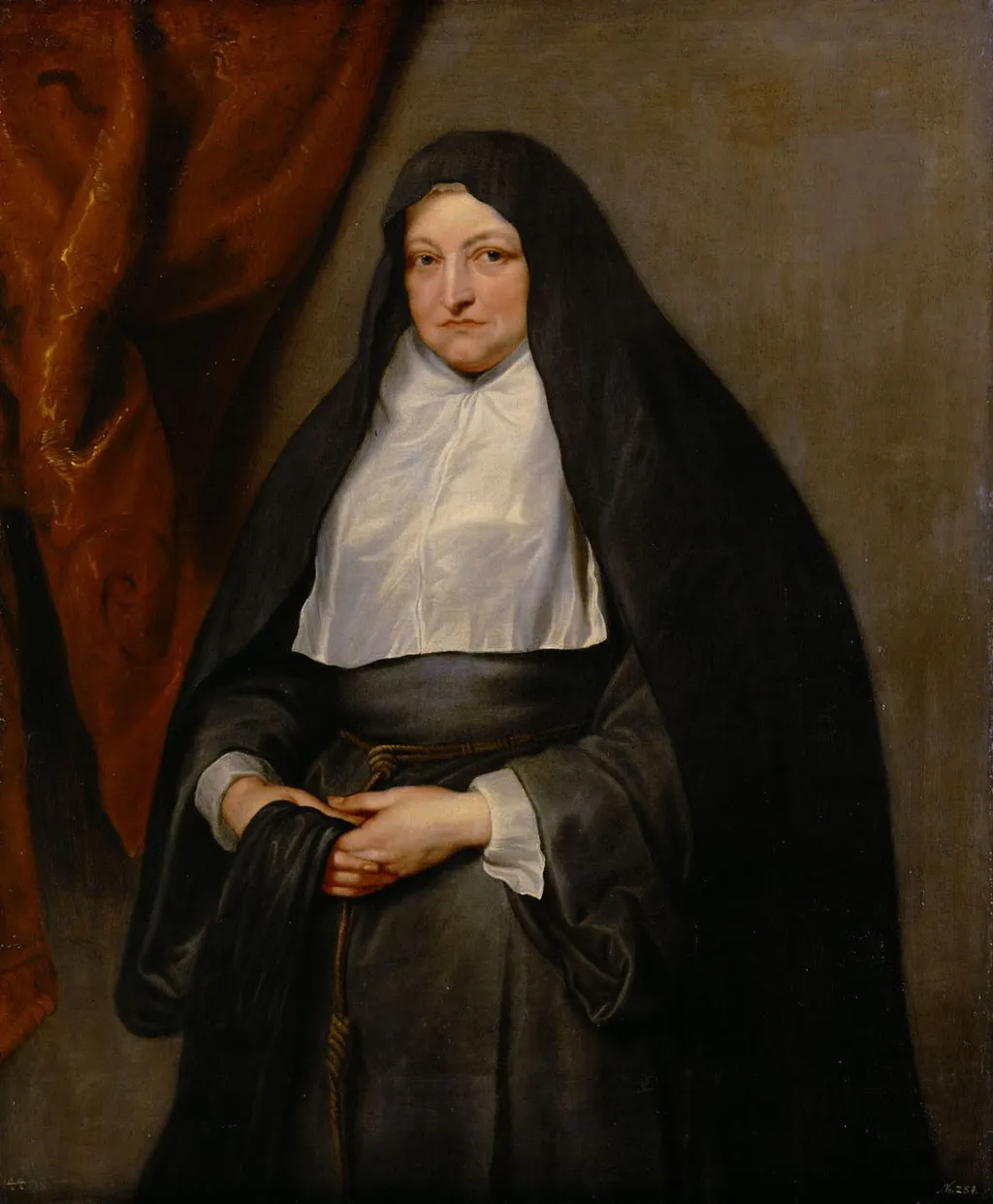
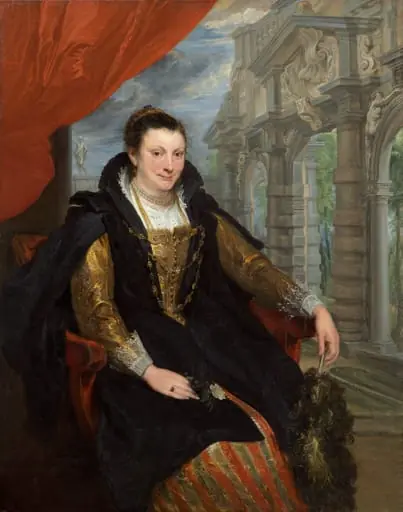
Infantin Isabella Clara Eugenia, portrait as a widow is an oil painting by the Flemish Baroque painting artist Anthony van Dyck. It dates from 1627 and is held in the collection of the Kunsthistorisches Museum.
About this work
Subject & Meaning
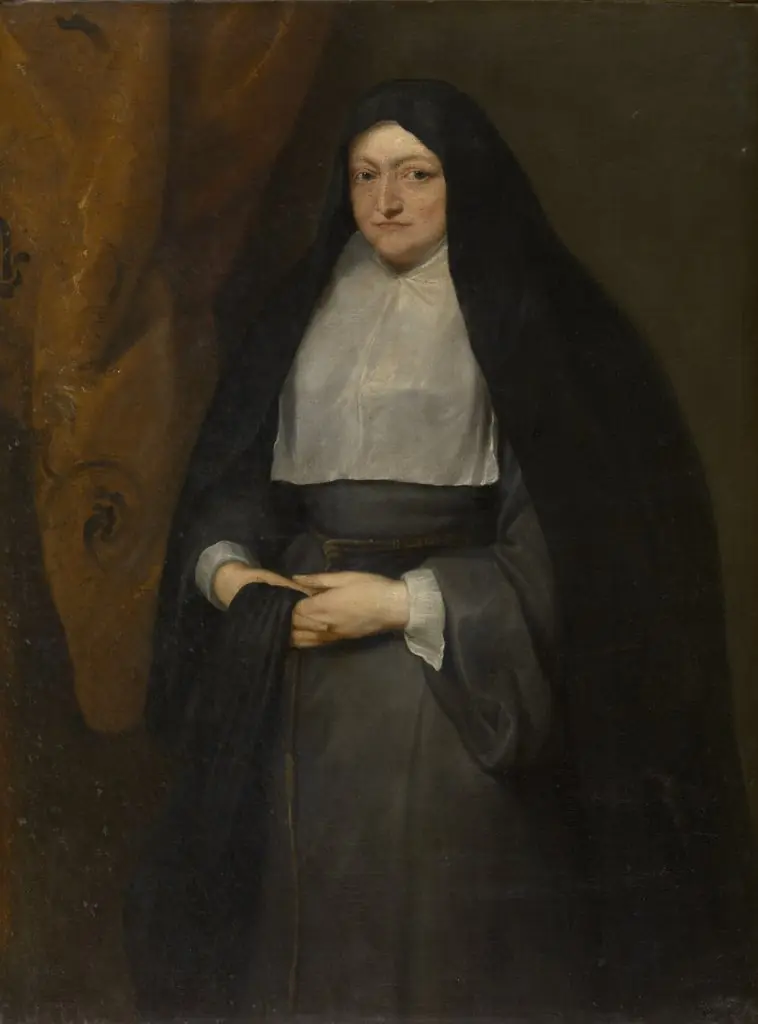
It is conceptually linked to earlier representations of the subject, serving as a variation based on prior portraits that showed her dressed as a nun.
This 1627 oil painting by Anthony van Dyck depicts Isabella Clara Eugenia of Spain, presenting her specifically in the guise of a widow. The work functions as a portrait that captures the Infanta during her later years, following the death of her husband. It is conceptually linked to earlier representations of the subject, serving as a variation based on prior portraits that showed her dressed as a nun.
By portraying her in widowhood, the image emphasizes her status and piety after losing her spouse, continuing a visual tradition of representing her religious devotion through specific attire. The composition focuses entirely on the figure of Isabella, reinforcing her identity as the primary subject within the genre of portraiture.
Technique & Style
The work is an oil-on-canvas portrait created in 1627, depicting Infanta Isabella Clara Eugenia of Spain in the guise of a widow. Executed in the Baroque style, it employs delicate brushwork and a restrained palette to convey solemnity, while the handling of light and texture on the canvas surface underscores the formal elegance of van Dyck’s technique.
History & Provenance
Created in 1627, this oil painting on canvas depicts Isabella Clara Eugenia of Spain in her widowhood. The work was executed by Anthony van Dyck and is historically linked to the collection of Archduke Leopold Wilhelm of Austria, who is recorded as a former owner. The portrait is based on earlier depictions of the Infanta dressed as a nun.
Today, the painting is held in the collection of the Kunsthistorisches Museum, where it remains part of the institution's holdings.
The portrait of Infanta Isabella Clara Eugenia as a widow is part of the Kunsthistorisches Museum's collection in Vienna, with inventory number KH 1263. It was formerly owned by Archduke Leopold Wilhelm of Austria before entering the museum's holdings. The work has been exhibited in major retrospectives of Van Dyck's portraiture, including the 2011 exhibition "Van Dyck and the Visual Culture of the Court of the Spanish Netherlands" at the Kunsthistorisches Museum, which highlighted its significance within the artist's royal portraiture.
Legacy
The portrait of Infanta Isabella Clara Eugenia as a widow, painted by Anthonis van Dyck in 1627, contributed to the evolving representation of Habsburg women in European portraiture, particularly in its portrayal of political mourning and dynastic symbolism. Its composition influenced later depictions of aristocratic widows in the 17th century, especially within the Spanish and Austrian Habsburg courts. The work remains part of the collection at the Kunsthistorisches Museum in Vienna, where it continues to be studied within the context of van Dyck’s sitters and the broader tradition of courtly portraiture.
The painting’s legacy is anchored in its historical significance rather than widespread imitation; it is cited in scholarly analyses of van Dyck’s role in shaping imperial imagery, particularly in relation to mourning portraiture among European royalty. Its technical and compositional elements are referenced in studies of Baroque portraiture, though direct copies or overt homage are not documented in major art historical surveys.
Overview
Infantin Isabella Clara Eugenia, portrait as a widow is a 1627 oil painting by Anthony van Dyck, depicting a member of the Spanish Habsburg dynasty in mourning attire.
Context
Painted during van Dyck's established career, following his mastery of painting by 1617 and collaboration with Peter Paul Rubens, this piece reflects his skill in capturing the nobility of his time.
Artist & collection
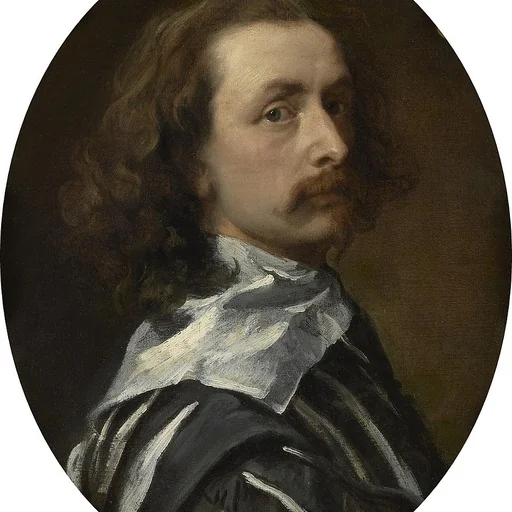
Artist
Sir Anthony van Dyck (; Dutch: Antoon van Dijck; 22 March 1599 – 9 December 1641) was a Flemish Baroque artist, who became the leading court painter in England after success in the Spanish Netherlands and Italy.