Artwork
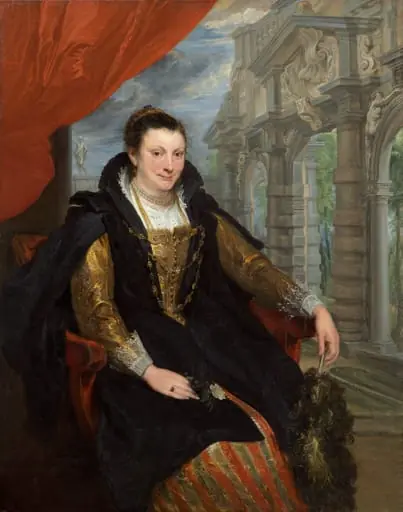
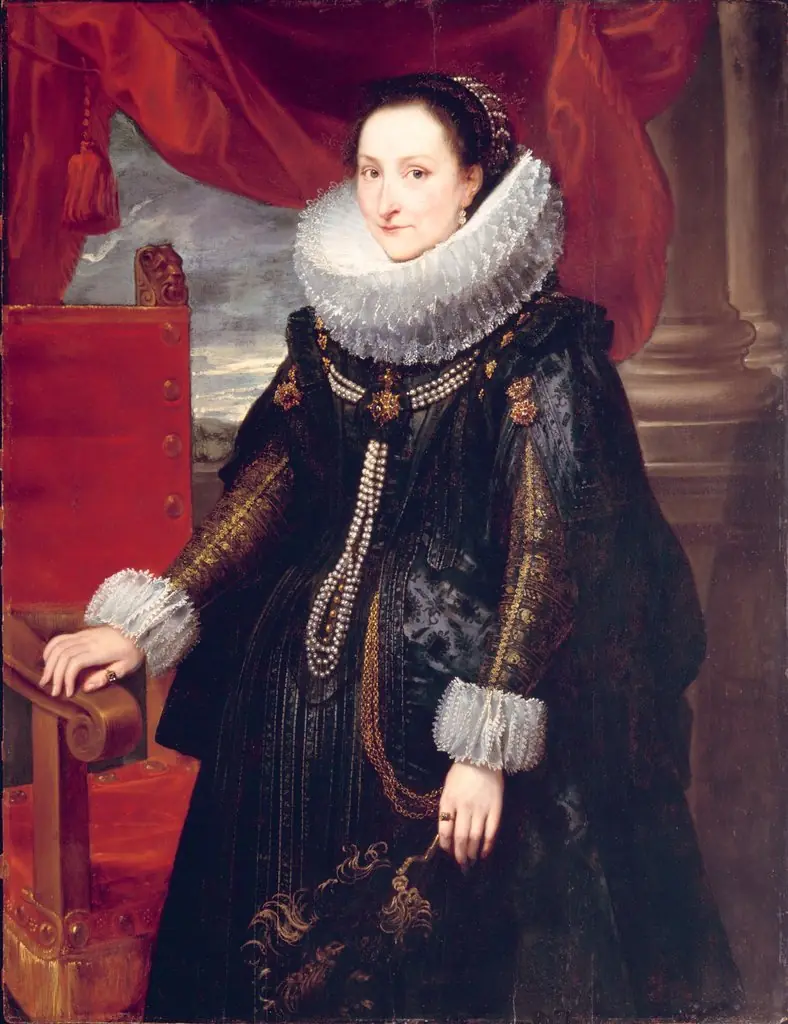
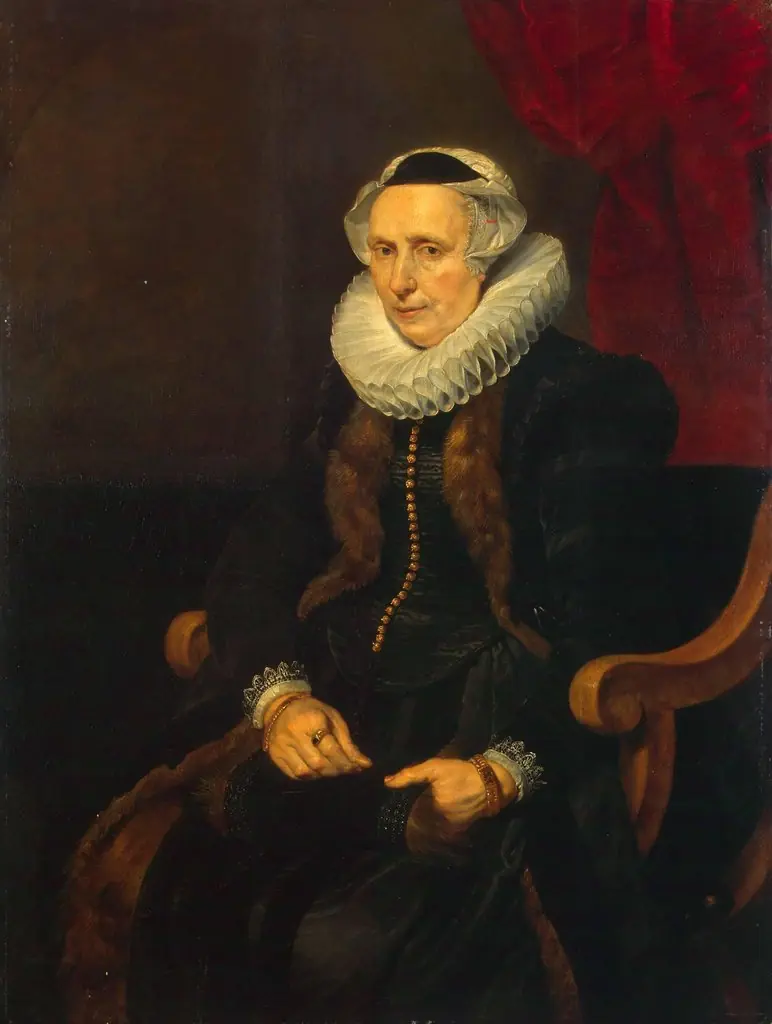
Portrait of a Woman, Called the Marchesa Durazzo
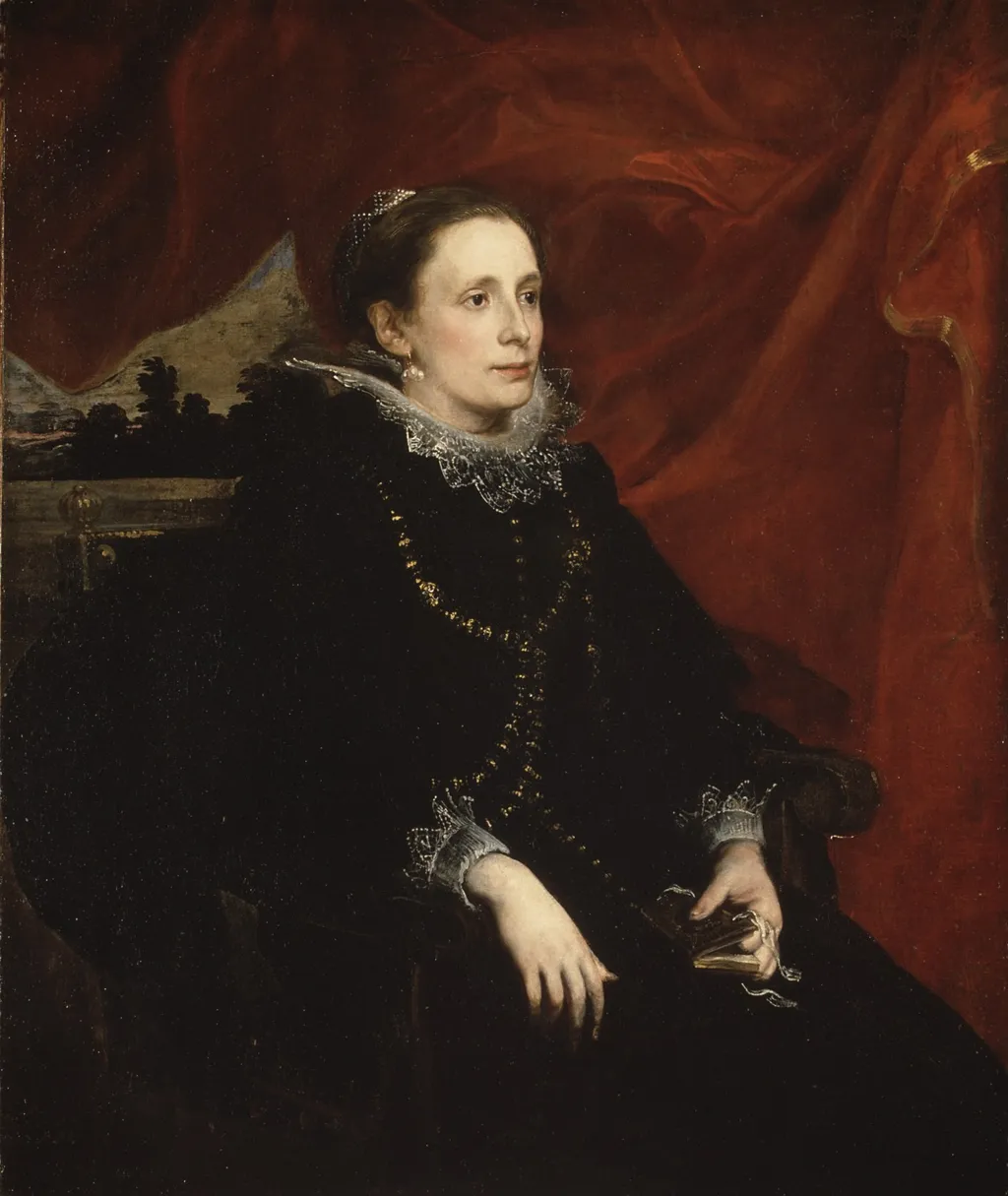
Portrait of a Woman, Called the Marchesa Durazzo is an oil painting by the Flemish Baroque painting artist Anthony van Dyck. It dates from 1623 and is held in the collection of the Metropolitan Museum of Art.
About this work
Technique & Style
As a formal portrait, the composition focuses on the depiction of a single female subject.
Executed in 1623, this portrait by Anthony van Dyck is an oil painting on canvas. The work measures approximately 113.3 centimeters in height and 95.9 centimeters in width. As a formal portrait, the composition focuses on the depiction of a single female subject.
The available records confirm the medium and support but do not provide specific details regarding the artist's brushwork, the current physical condition of the paint layer, or further stylistic analysis of the handling.
History & Provenance
The work titled Portrait of a Woman, Called the Marchesa Durazzo was painted by Anthony van Dyck in 1623 using oil on canvas. It portrays an unidentified noblewoman traditionally identified as the Marchesa Durazzo. After its creation the painting entered the collection of Benjamin Altman, subsequently passed to Rodolphe Kann, then to the dealer Joseph Duveen, and finally to the Metropolitan Museum of Art, where it remains on view.
The dating of 1623 is documented in contemporary records, and the work is classified as a portrait within the museum's European paintings department.
The painting is held by the Metropolitan Museum of Art, where it forms part of the institution's collection of works by Anthony van Dyck. According to the documented provenance, the work passed through the collections of Benjamin Altman, Rodolphe Kann, and Joseph Duveen, 1st Baron Duveen before entering the museum's holdings. The sources do not provide a specific accession number or inventory designation for the work within the Metropolitan Museum of Art, nor do they record any exhibition history or display venues beyond its current institutional home.
Overview
Anthony van Dyck's Portrait of a Woman, Called the Marchesa Durazzo, an oil painting from 1623, represents a key work of the Flemish Baroque period. It captures a distinguished female figure, whose identity is traditionally associated with the Marchesa Durazzo. This significant piece is housed within the collection of The Metropolitan Museum of Art, showcasing the artist's early mature style.
Context
Born in Antwerp in 1599, Anthony van Dyck rapidly rose to prominence as a painter. He achieved master status in the Guild of Saint Luke by 1617, following an intensive early training. His formative years included a significant period working in the studio of Peter Paul Rubens, where he absorbed the dynamic qualities of the Flemish Baroque before developing his own celebrated approach to portraiture.
Own this work as a print
Artist & collection
Artist
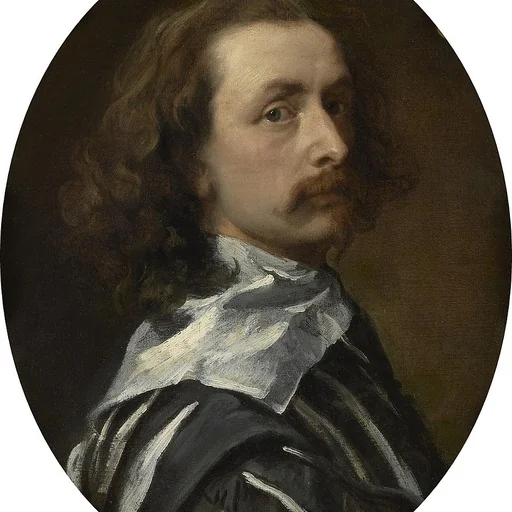
Sir Anthony van Dyck (; Dutch: Antoon van Dijck; 22 March 1599 – 9 December 1641) was a Flemish Baroque artist, who became the leading court painter in England after success in the Spanish Netherlands and Italy.

- Portrait of Machtelt Bas (?-1681)
 Portrait of a Woman
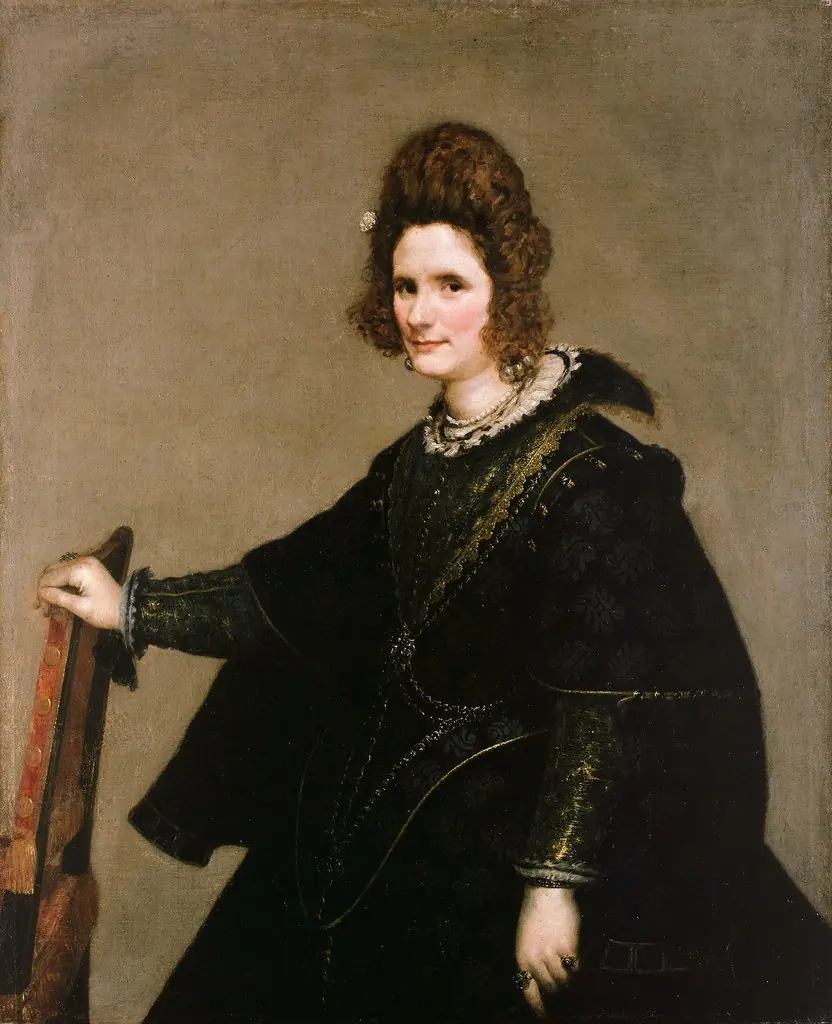 Portrait of a Lady
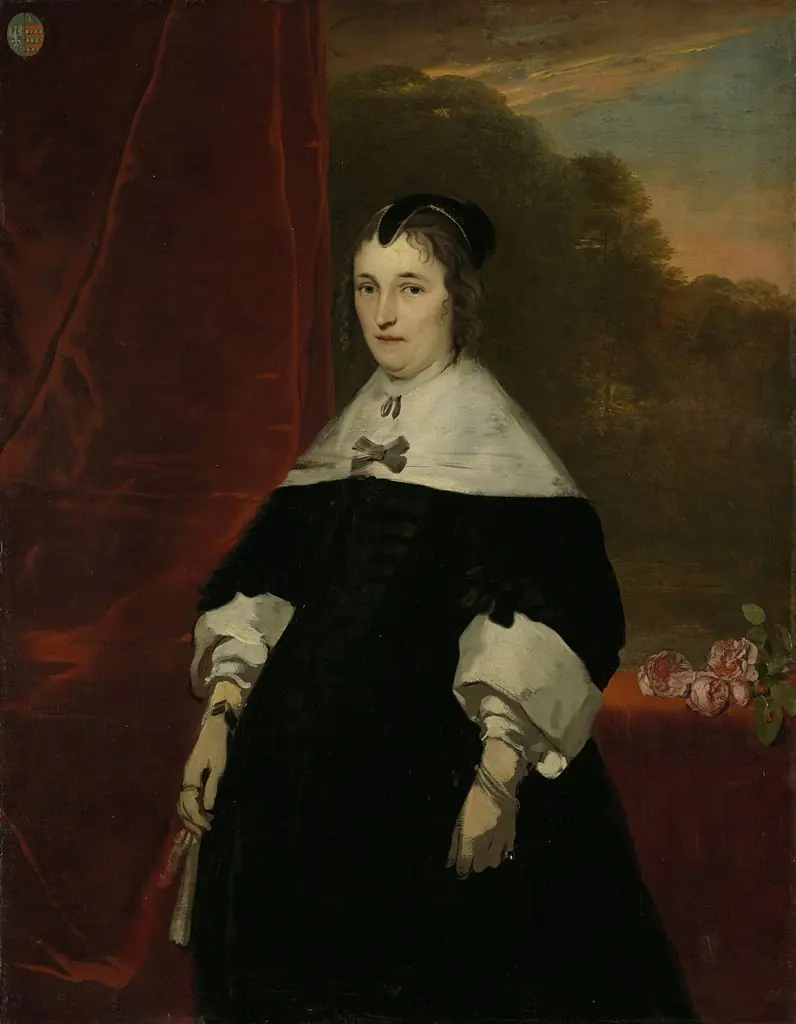 Machteld Bas (d 1681). Wife of Abraham de Visscher
 Portrait of Mary Stuart, Queen of Scots
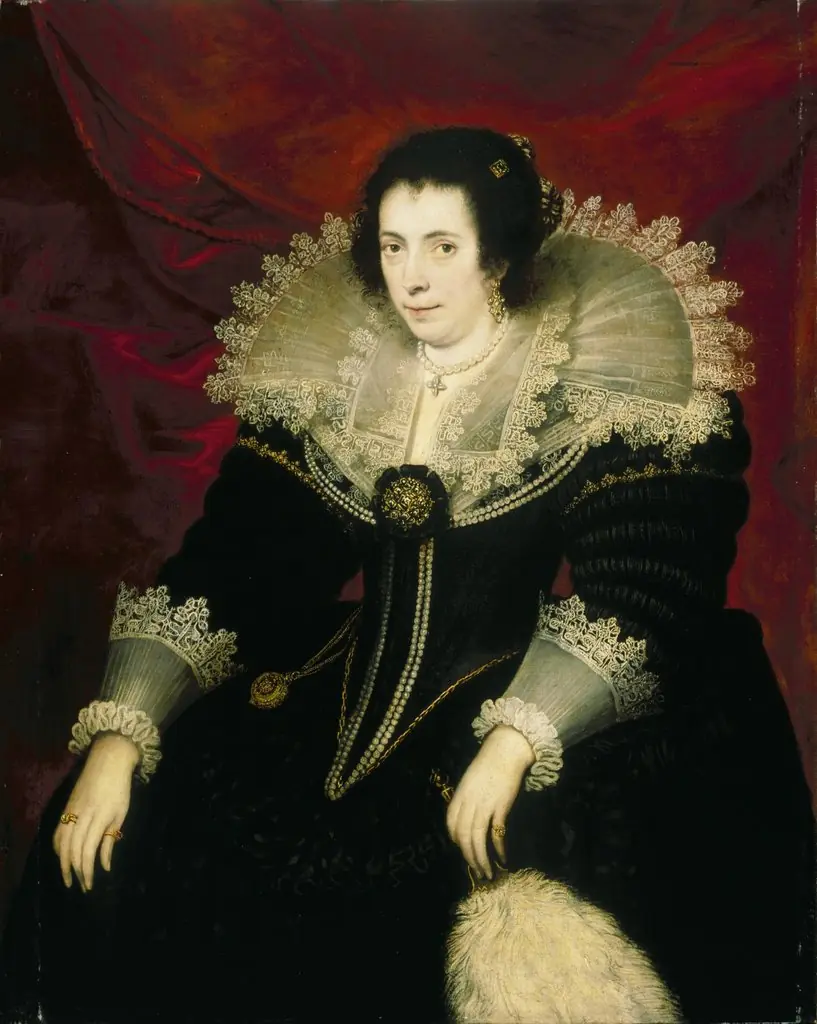 A Woman
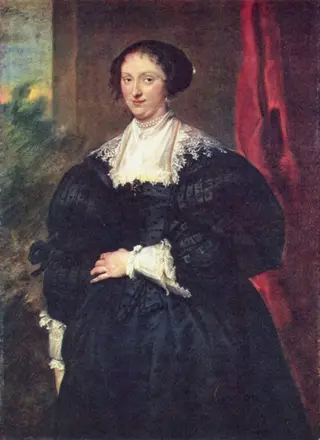 Portrait of a Lady in Black before a Red Curtain
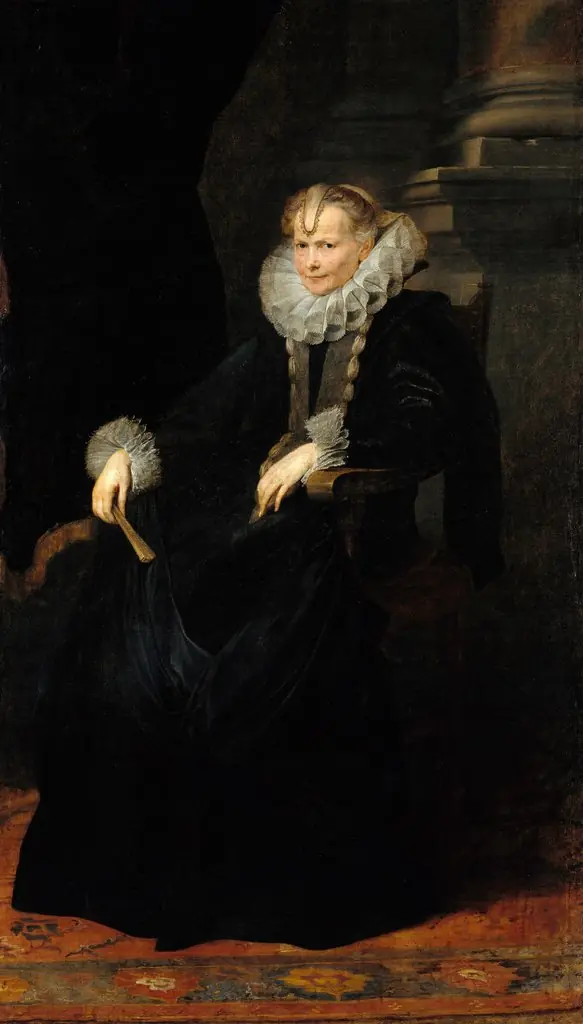 Portrait of a Genoese Lady
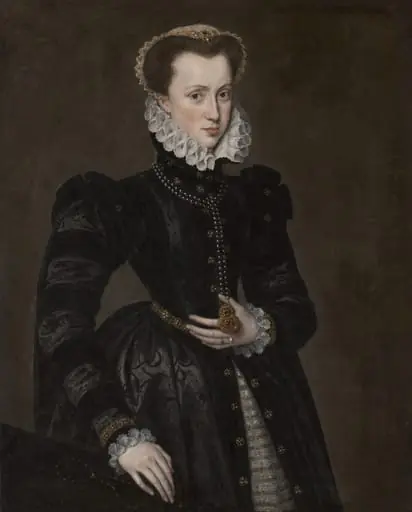 Portrait of a Court Lady
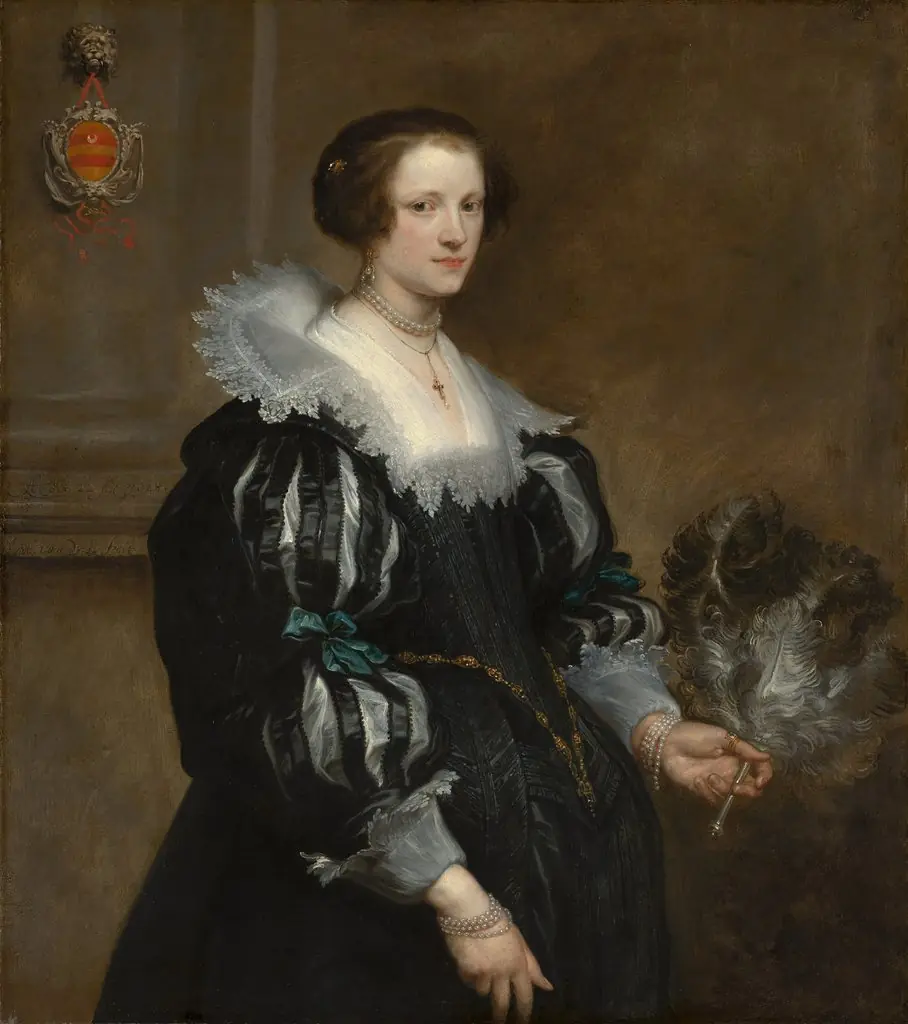 Portrait of Anna Wake
 Portrait of an Old Lady Sitting in an Arm-Chair