Artwork
Portrait of Mary Stuart, Queen of Scots
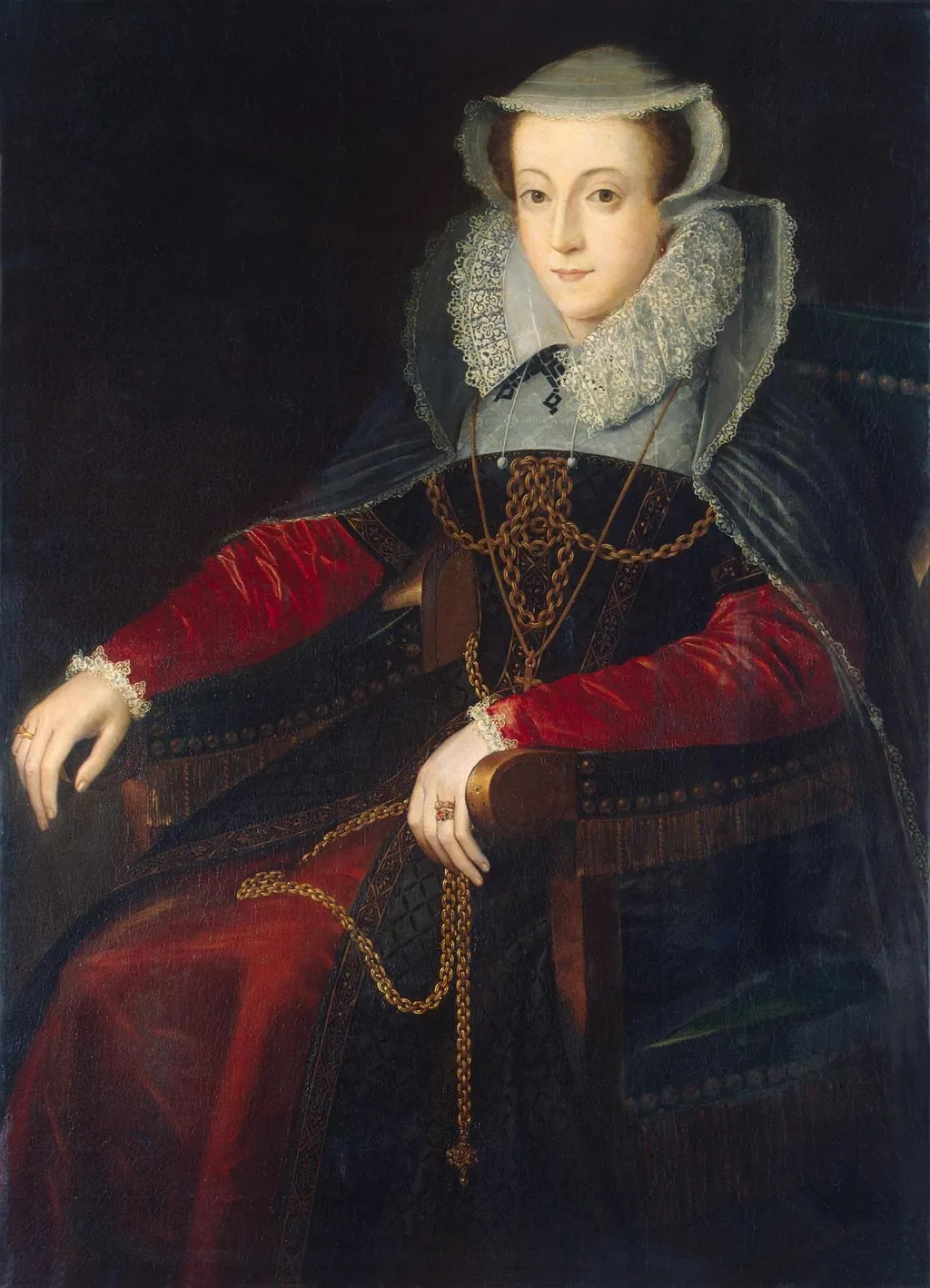
Portrait of Mary Stuart, Queen of Scots is an oil painting by the Early Baroque Italian artist Unknown. It dates from 1550 and is held in the collection of the Hermitage Museum. This oil painting depicts a woman against a dark, plain background.
About this work
Overview
5 centimetres, this full-length portrait depicts the young Scottish queen during her years at the French court, where she had been raised since childhood.
The Portrait of Mary Stuart, Queen of Scots is an oil painting on canvas by an unknown artist, dated to 1550 and currently held in the collection of the Hermitage Museum in Saint Petersburg. Measuring 110.0 by 80.5 centimetres, this full-length portrait depicts the young Scottish queen during her years at the French court, where she had been raised since childhood. As one of the earliest surviving painted likenesses of Mary, the work occupies a significant place in the visual culture of sixteenth-century European royalty, offering contemporary viewers a carefully constructed image of queenship at a formative moment in her life. Its attribution to an anonymous painter and its residence in one of Europe's major collections make it a touchstone for discussions of portraiture, identity, and the circulation of images among Renaissance courts.
Subject & Meaning
The portrait presents Mary Stuart in three-quarter pose against a dark, undefined background, her figure emerging through dramatic contrasts of light and shadow. She wears a black bodice adorned with gold chain ornamentation, red velvet sleeves, and a dark overskirt with decorative trim, all framed by a large starched lace collar and a sheer, lace-edged veil covering her hair. Multiple gold chains cascade across her chest to her waist, while rings adorn her fingers. Her left hand rests upon a wooden chair back and her right hand extends outward in a gesture of authority or address. The palette of deep blacks, rich reds, and gold, offset by pale lace and light skin against the darkness, constructs an image of regal refinement. The costume reflects French court fashion of the 1550s rather than Scottish dress, signalling her cultural formation and political position as the future queen consort of France. The jewellery and textiles serve not merely as displays of wealth but as signifiers of status and dynastic connection, embedding the young queen within a network of Valois and Stuart visual symbolism.
Technique & Style
The painting is executed in oil on canvas, a support that allowed for the smooth, refined brushwork evident in the careful attention to textile textures and jewellery. Light falls evenly across the face and hands, leaving the background in shadow, a technique that focuses attention upon the sitter while creating a sense of psychological presence. The surface handling demonstrates particular skill in rendering the varied materials of court dress, from the weight of velvet to the delicate transparency of lace. A small glimpse of green upholstery at the right edge suggests the inclusion of interior furnishings that anchor the figure in a space of aristocratic comfort. The even lighting and smooth finish align with French court portraiture of the period, where idealisation of the sitter combined with precise observation of costume and accessory. The absence of visible underdrawing in the final layers, as observed in comparable works of the period, indicates a practiced technique in which the composition was established through initial sketches before the application of paint. The condition of the surface, with its preserved detail in the jewellery and fabrics, testifies to the durability of the oil medium and the care with which the work has been maintained.
History & Provenance
The portrait was painted in France in 1550, during the period when Mary Stuart resided at the French court as the betrothed of the dauphin Francis, whom she would marry in 1558. The work entered the collection of the Hermitage Museum, where it remains today, though the precise circumstances of its acquisition by the museum are not specified in the available sources. The painting's creation in France rather than Scotland reflects the cosmopolitan circulation of artists and images in mid-sixteenth-century Europe, where court painters moved between patrons and works were exchanged as diplomatic gifts. The portrait's survival in a major Russian collection, rather than in British or French hands, suggests the complex later dispersal of European royal and aristocratic collections, particularly following the upheavals of the eighteenth and nineteenth centuries. No exhibition history is recorded in the provided sources.
Context
This portrait belongs to a broader visual tradition of Mary Stuart imagery that proliferated throughout and after her lifetime. Contemporary and near-contemporary portraits of Mary include works associated with François Clouet and his circle, such as a miniature preserved in the Royal Collection at Windsor that shows her at age sixteen in a lavish red dress embroidered with pearls, and a bust-length drawing in the Bibliothèque Nationale de France. The National Portrait Gallery holds a later portrait after Nicholas Hilliard, inscribed 1578, that depicts Mary during her English captivity with markedly Catholic imagery including a rosary bearing the inscription 'ANGUSTIAE VNDIQVE' (Troubles on all sides). The Hermitage portrait predates these later images of suffering and martyrdom, presenting instead the young queen at the height of her prospects. The anonymous status of the Hermitage painter places the work within a context of workshop production and the circulation of portrait types, where multiple versions and adaptations of successful compositions were produced for courtly and aristocratic clients. Scholarship on Mary Stuart portraiture has focused on questions of authenticity, the relationship between painted portraits and miniatures, and the political uses of her image by both Catholic and Protestant factions. The Hermitage work contributes to this field by offering an early, independent formulation of her visual identity before the crises of her later life fixed her image in more melancholic and devotional modes.
Legacy
The Portrait of Mary Stuart, Queen of Scots has contributed to the enduring visual fascination with its subject, whose image was reproduced and adapted across centuries of European art. The type established by early portraits such as this one, with its emphasis on luxurious costume and composed dignity, informed later iterations including eighteenth and nineteenth-century enamel miniatures that claimed to preserve her true likeness. The V&A Museum holds such a later miniature, accepted in the eighteenth and nineteenth centuries as authentic despite its distance from the sitter's lifetime. The broader legacy of Mary Stuart portraiture extends beyond individual works to encompass a cultural phenomenon: the transformation of a historical figure into an icon of romantic tragedy, Catholic martyrdom, and feminine suffering. The Hermitage portrait, by preserving her image at a moment of youthful promise rather than later defeat, offers a counter-narrative to this later mythologisation. Its continued residence in a major public collection ensures its accessibility to scholars and the public, maintaining its role in ongoing debates about Renaissance portraiture, the construction of royal identity, and the afterlives of famous women in visual culture. The work stands as material evidence of the international character of sixteenth-century court art, in which a Scottish queen, raised in France and painted by an unknown hand, could produce an image that would outlast the political and religious upheavals of her own lifetime.
Artist & collection









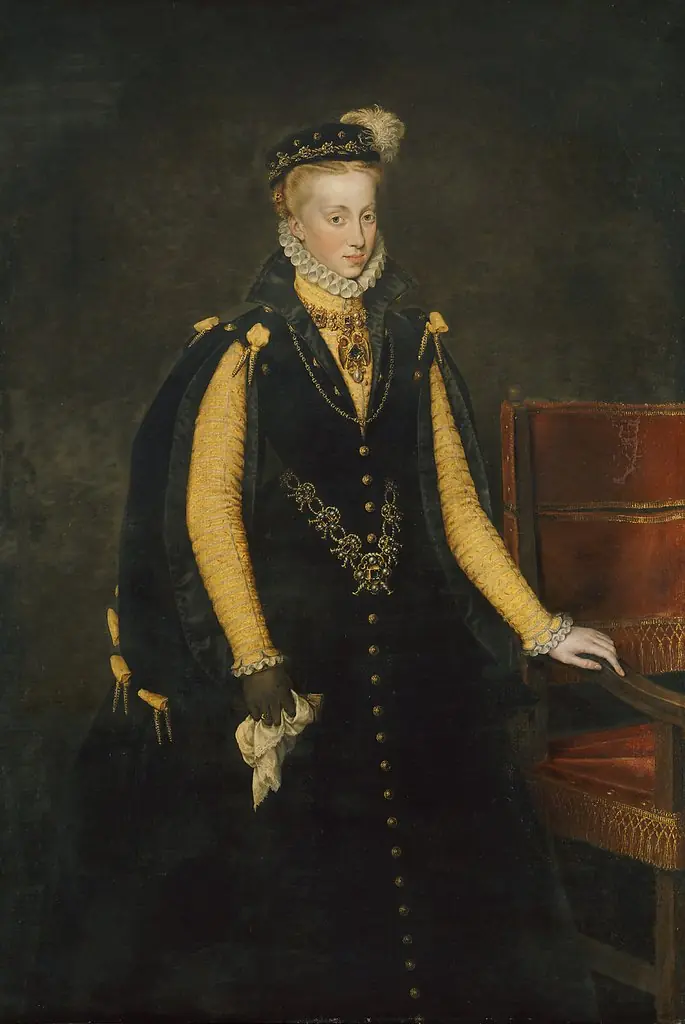
- Anna von Österreich, Königin von Spanien
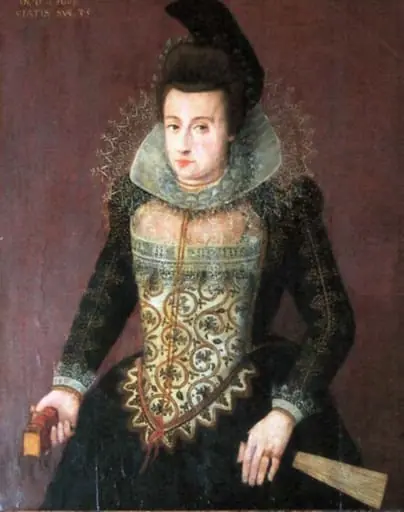 Portret de englezoaică aristocrată
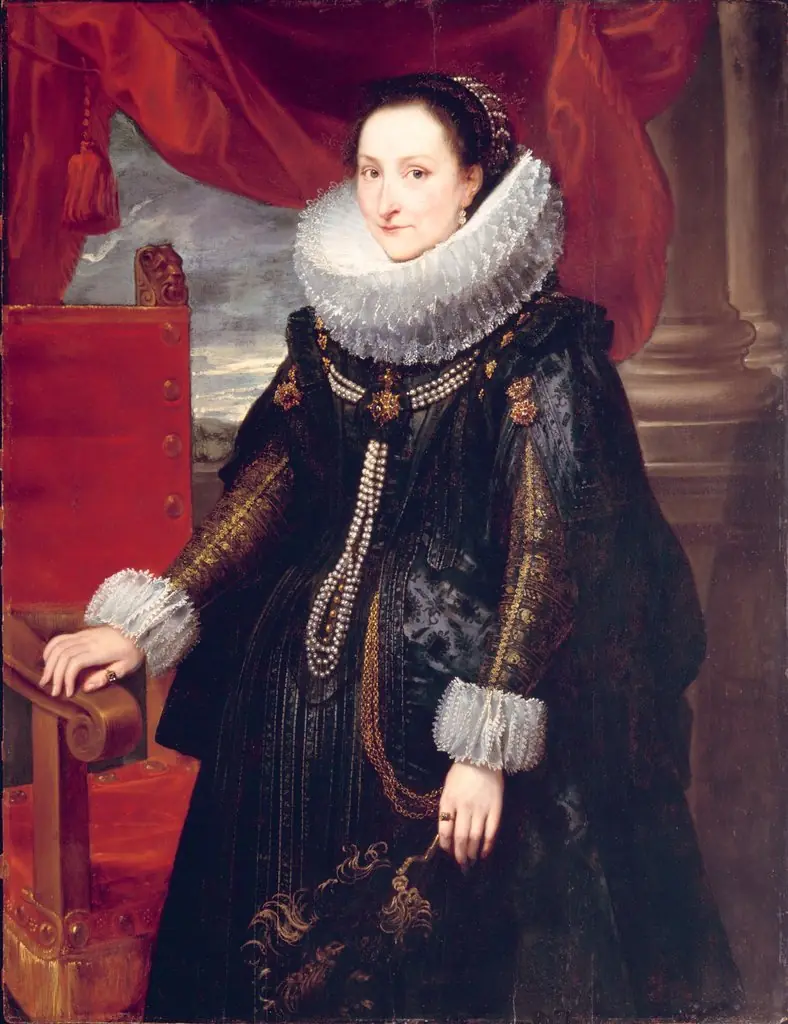 Portrait of a Woman
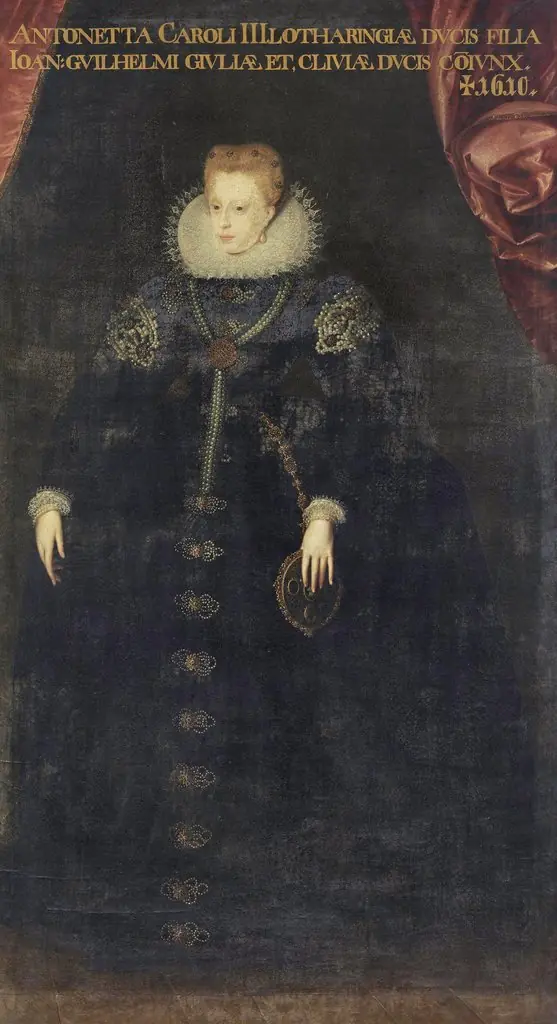 Portrait of Antoinette of Lorraine (1568-1610), Duchess of Jülich-Cleves-Berg
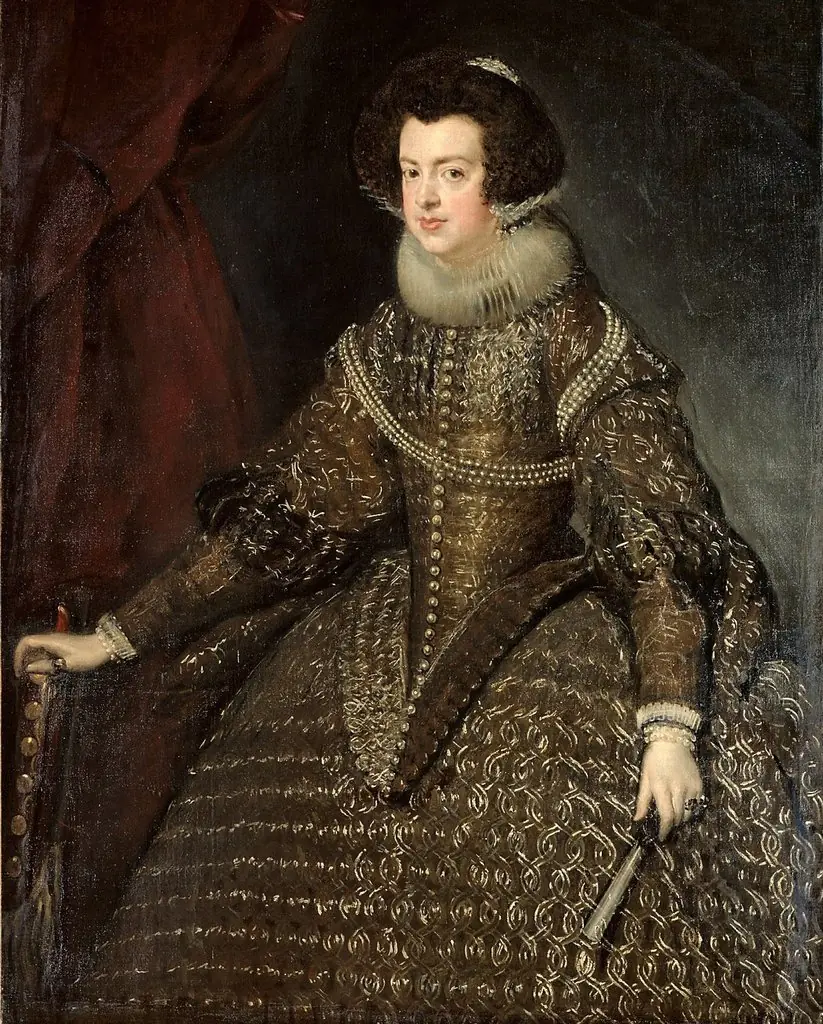 Ritratto di Isabella di Spagna
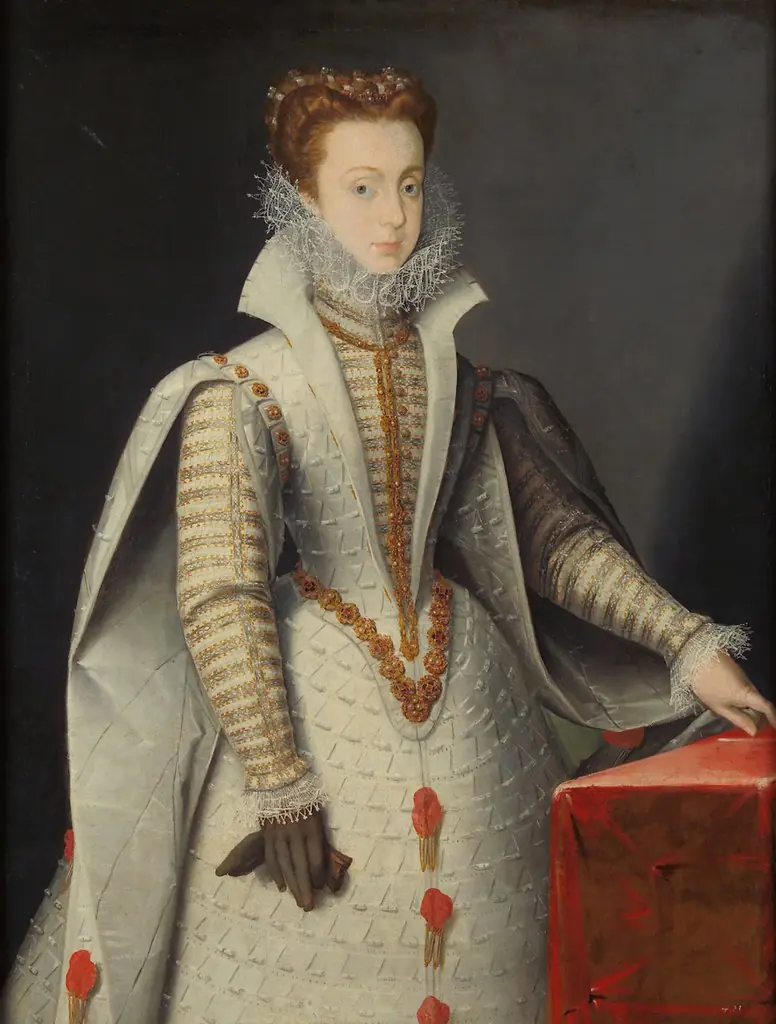 Herzogin Margarete von Joyeuse (1564-1625), Dreiviertelbildnis
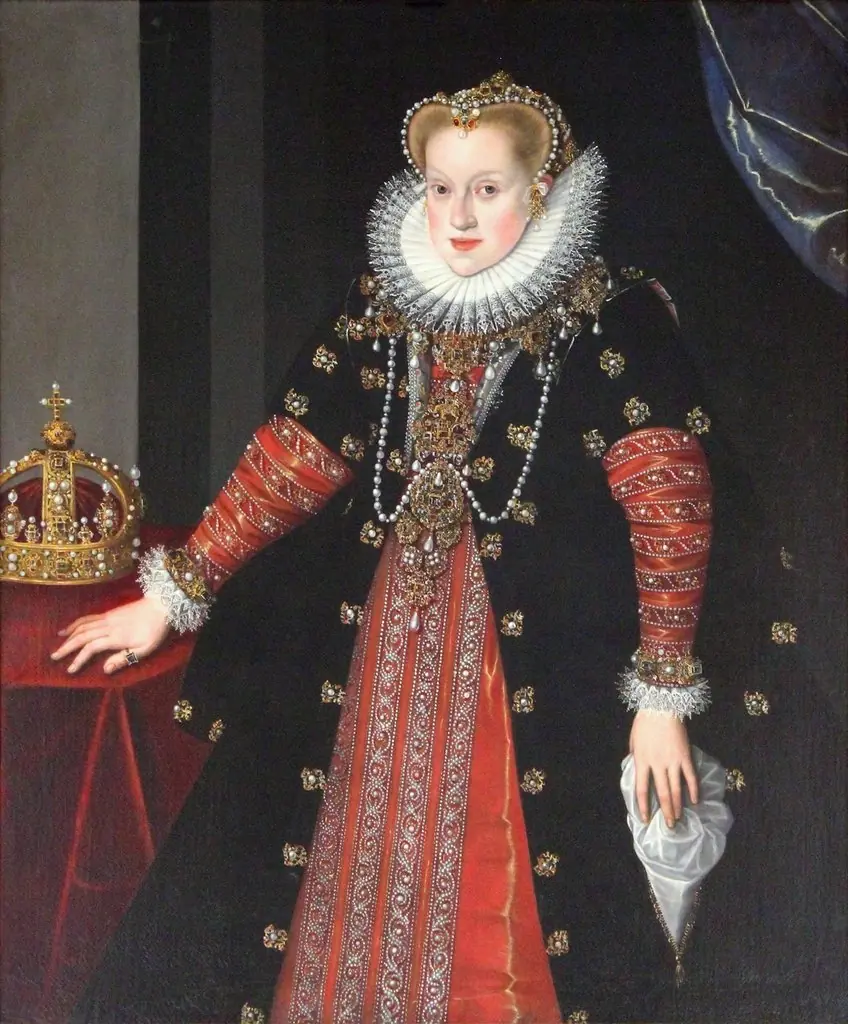 Portrait of Anne of Austria, Queen of Poland (1573-1598)
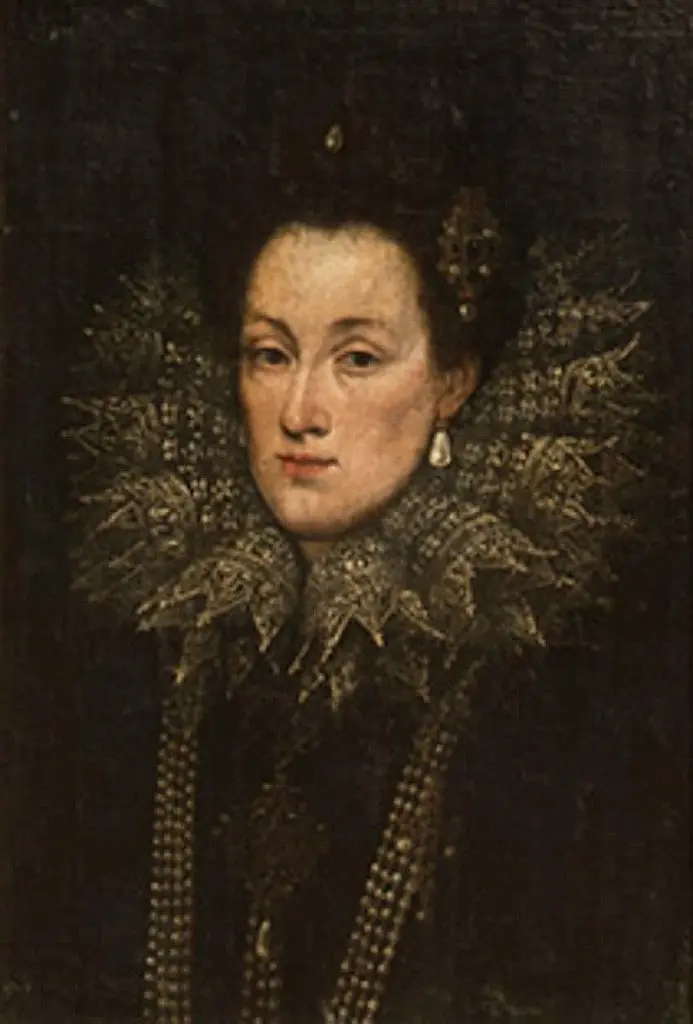 Bildnis einer Frau
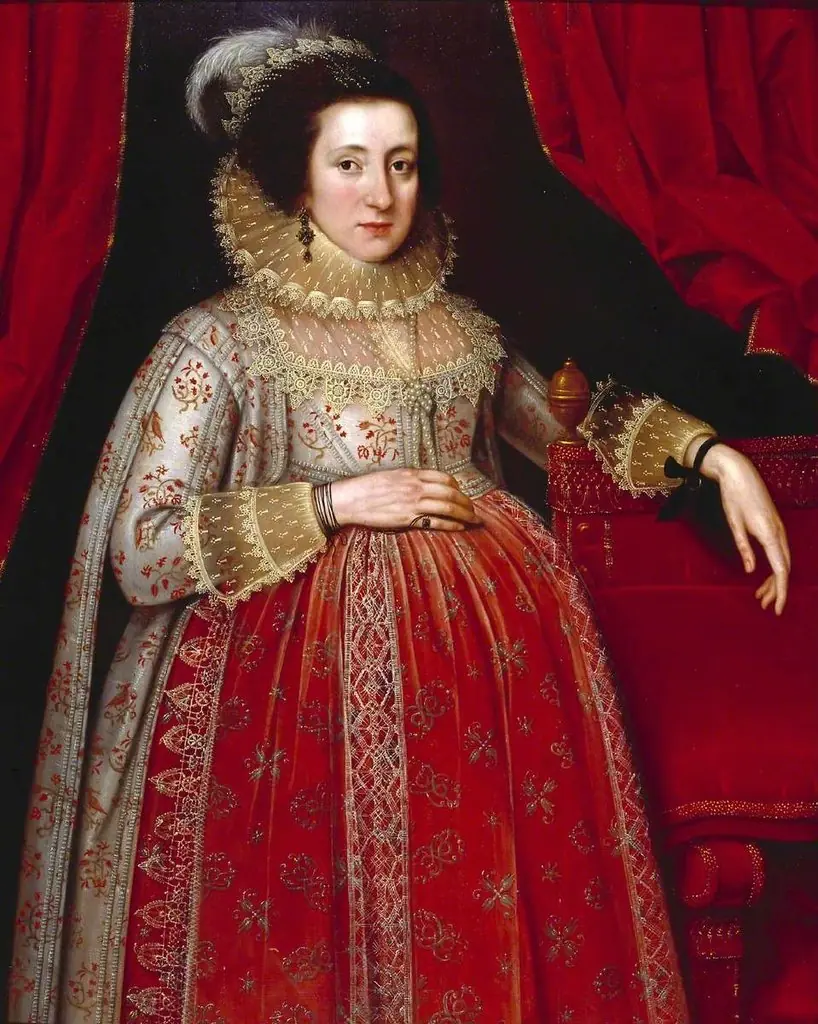 Portrait of a Woman in Red
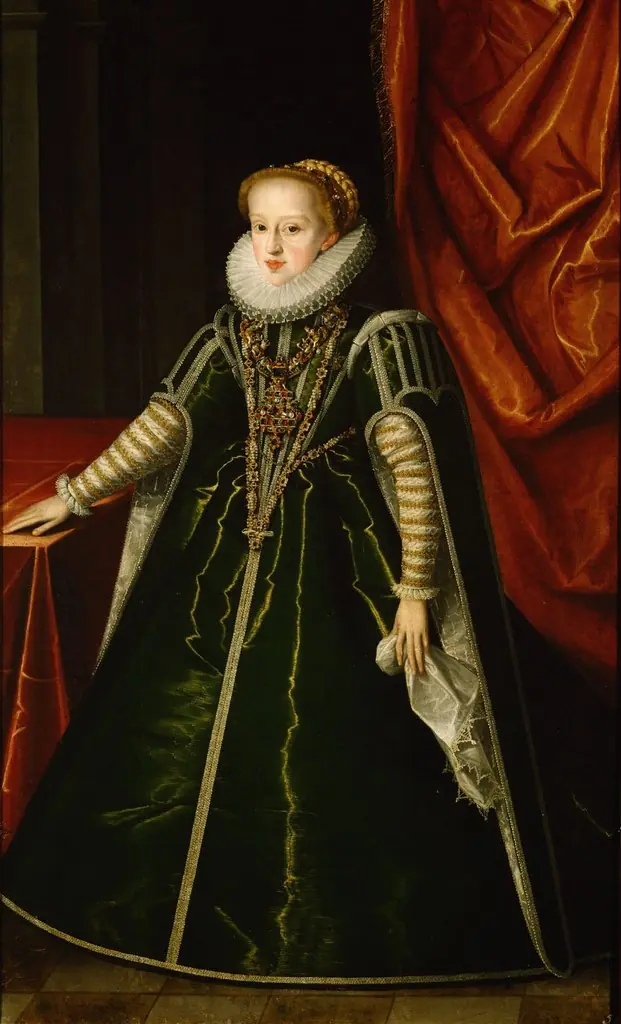 Erzherzogin Gregoria Maximiliane (1581-1597), Tochter von Karl II. von Innerösterreich, im Alter von 11 bis 12 Jahren in ganzer Figur
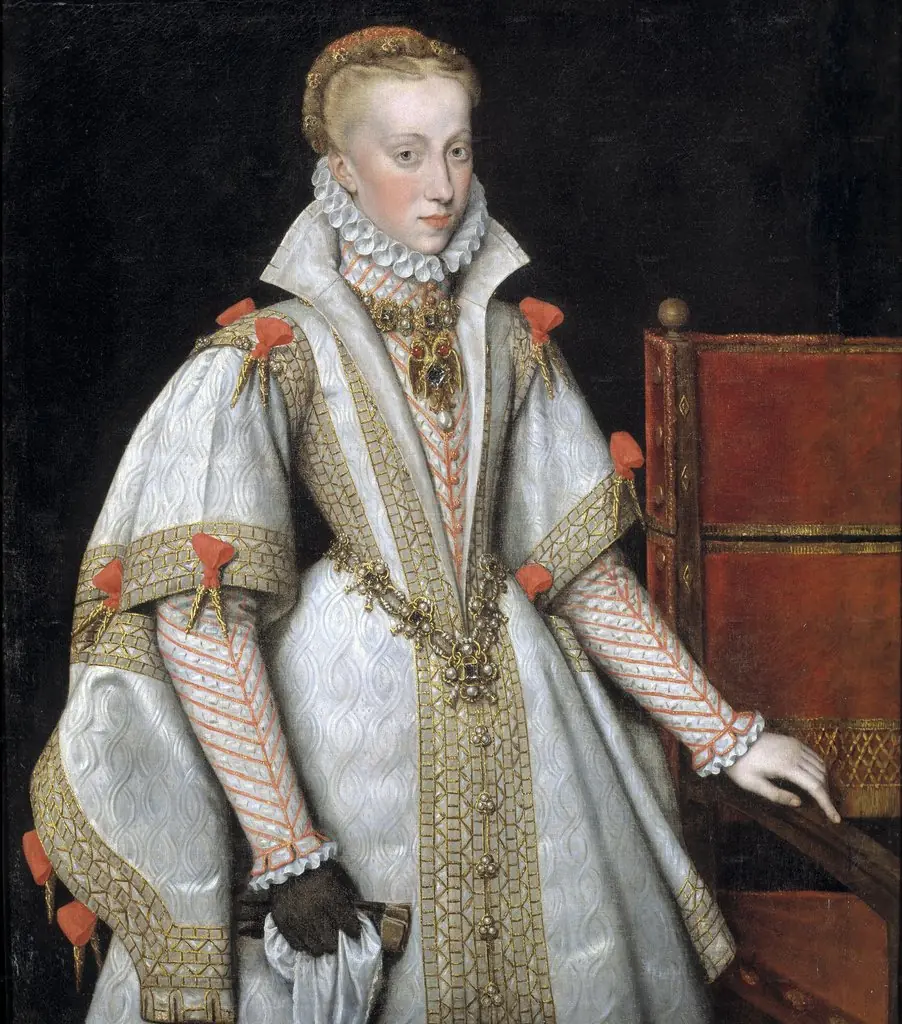 Queen Anne of Austria, fourth Wife of Philip II
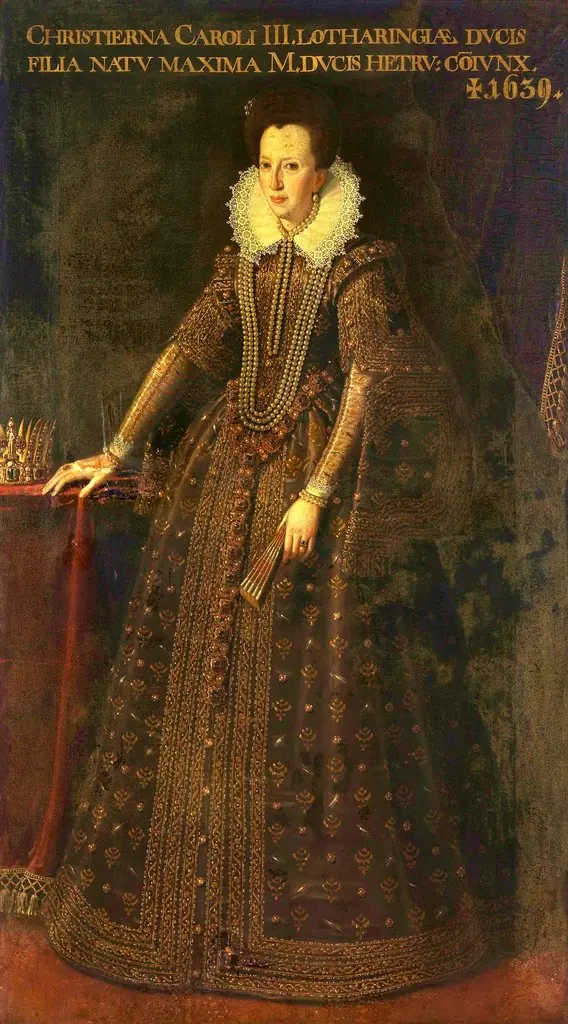 Christine, Tochter Karls III. von Lothringen