Artwork
Portrait of Amalia of Solms-Braunfels
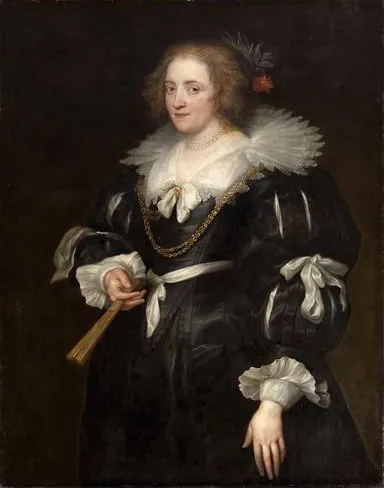
Portrait of Amalia of Solms-Braunfels is an oil painting by the Flemish Baroque painting artist Anthony van Dyck. It dates from 1631 and is held in the collection of the Kunsthistorisches Museum.
About this work
Technique & Style
Created in 1631, the Portrait of Amalia of Solms-Braunfels is executed in oil paint on a canvas support. Measuring 117.4 cm in height and 93 cm in width, the work is classified as a portrait depicting Amalia of Solms-Braunfels. The piece is currently held in the collection of the Kunsthistorisches Museum.
History & Provenance
The painting is housed in the Kunsthistorisches Museum in Vienna, where it is listed with the inventory number KHM 2565.
The portrait of Amalia of Solms‑Braunfels was executed by Anthony van Dyck in 1631 as an oil on canvas measuring 117.4 cm × 93 cm. Both sources record the inception date as 1631 and identify the medium as oil paint on canvas. The work depicts the princess in a formal bust‑length pose and is presently owned by the Kunsthistorisches Museum in Vienna, where it forms part of the museum’s portrait collection. No earlier owners or commission details are provided in the available sources.
The painting is housed in the Kunsthistorisches Museum in Vienna, where it is listed with the inventory number KHM 2565. It was created by Anthony van Dyck in 1631 and has remained in the museum’s collection since its acquisition. The work has been featured in several exhibitions at the museum, including the 2005 exhibition "Van Dyck and the Splendor of the Court," which highlighted portraits from the Habsburg collection.
Context
The portrait of Amalia of Solms-Braunfels, painted by Anthony van Dyck in 1631, exemplifies the artist's mastery of courtly portraiture during the early Baroque period. Executed in oil on canvas, the work measures 117.4 cm by 93 cm and is housed in the Kunsthistorisches Museum, where it remains on public view. As a depiction of the Dutch Republic's influential figure Amalia of Solms-Braunfels, the painting reflects van Dyck's role in shaping elite visual culture and his impact on later portraitists.
Its formal composition and psychological depth have been cited in scholarly discussions of 17th-century portraiture as a benchmark for representing aristocratic identity.
Overview
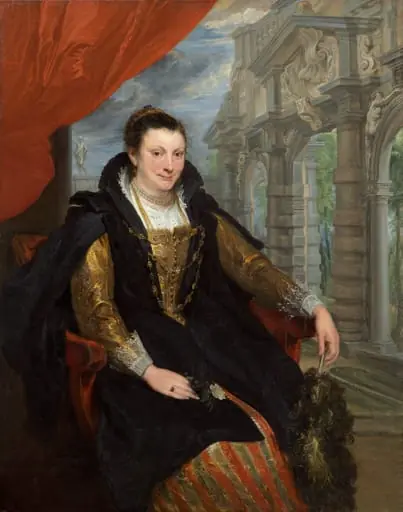
Anthony van Dyck’s 1631 oil portrait presents Amalia of Solms‑Braunfels in a restrained, dark setting. The composition centers the sitter, whose dark dress with white ruffled cuffs and high collar draws attention to the delicate gold necklace she wears. A folded document rests in her right hand, while her hair is neatly pulled back, creating a composed and dignified presence.
Subject & Meaning
Amalia of Solms‑Braunfels, a German noblewoman, is depicted with an air of quiet authority. The inclusion of a folded paper suggests literacy or correspondence, hinting at her role in courtly affairs. Her poised expression and modest yet elegant attire reflect the expectations of aristocratic femininity in early‑17th‑century Europe.
Artist & collection
Artist
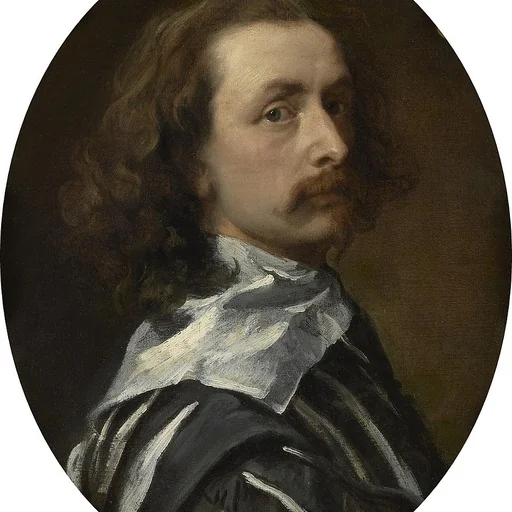
Sir Anthony van Dyck (; Dutch: Antoon van Dijck; 22 March 1599 – 9 December 1641) was a Flemish Baroque artist, who became the leading court painter in England after success in the Spanish Netherlands and Italy.

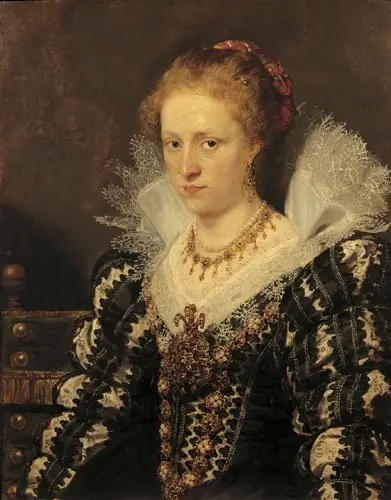 Portrait of Jacqueline van Caestre, wife of Jean Charles de Cordes
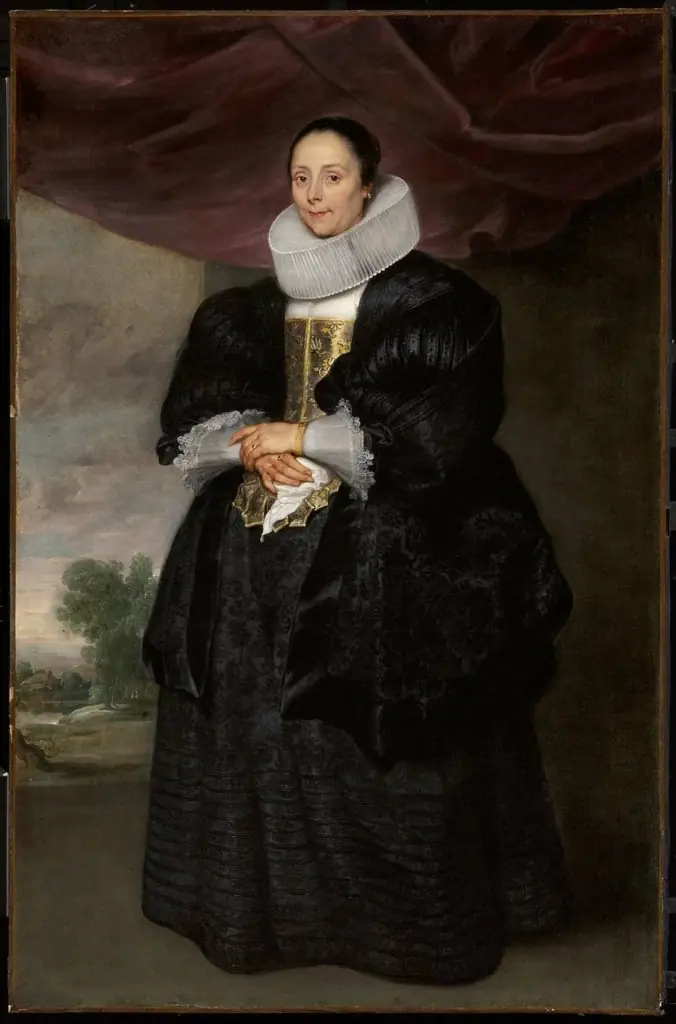 Portrait of Marie Anne Schotten
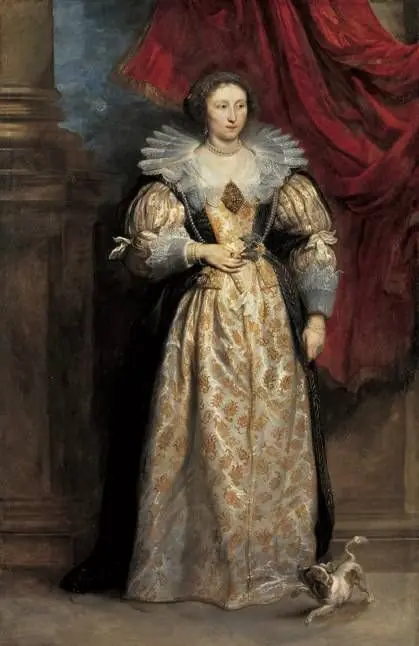 Portrait of Sebilla van den Berghe
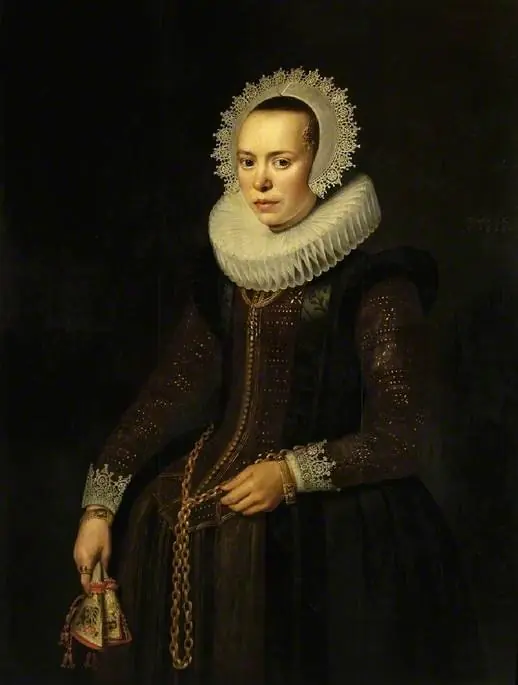 Aeltje van der Graft
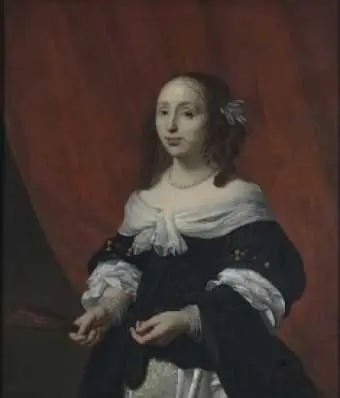 Portrait of a Lady
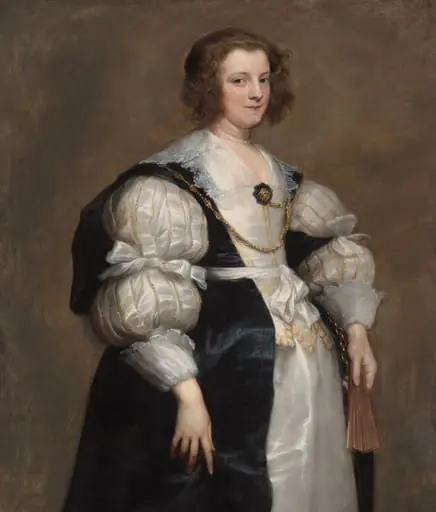 Lady with a Fan
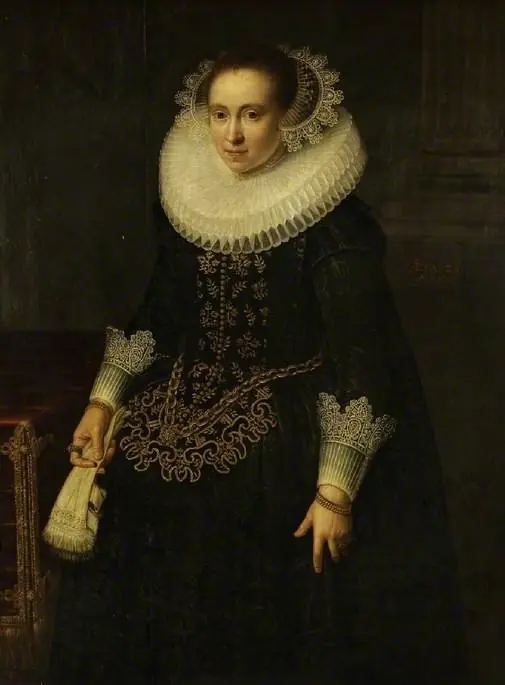 A lady
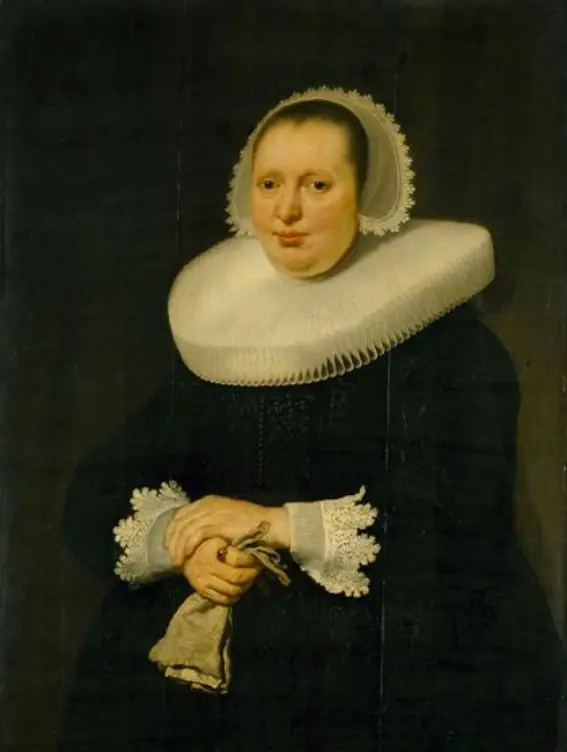 Portrait of Catharina Jansdr. Tengnagel, wife of Andries Bicker
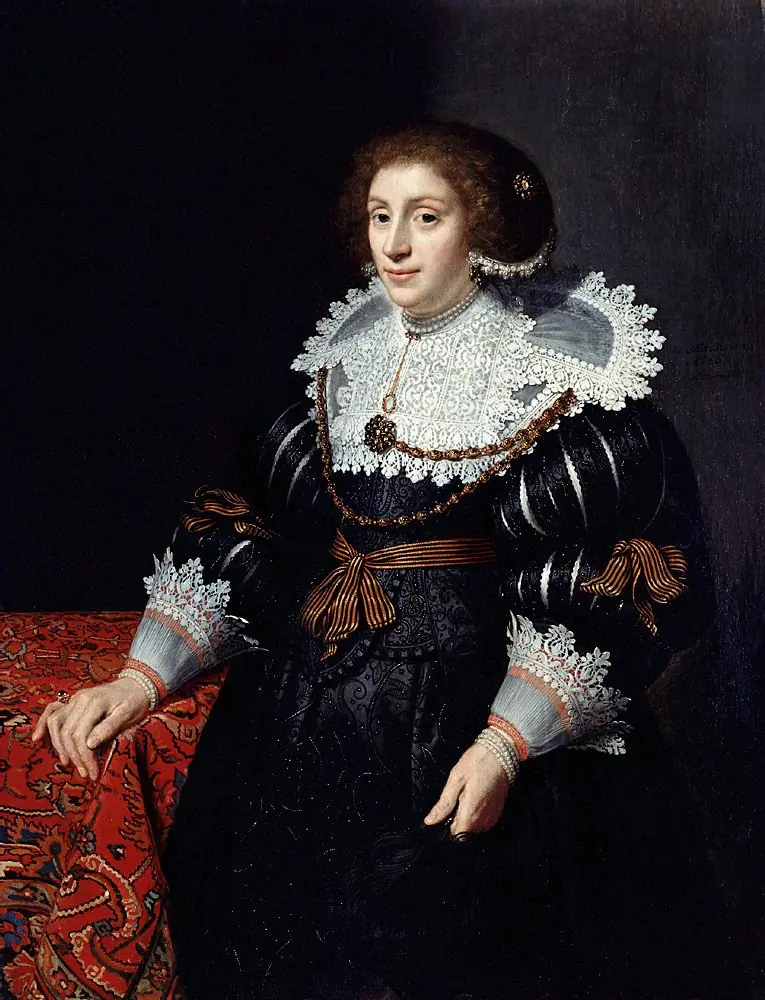 Portrait of a Woman
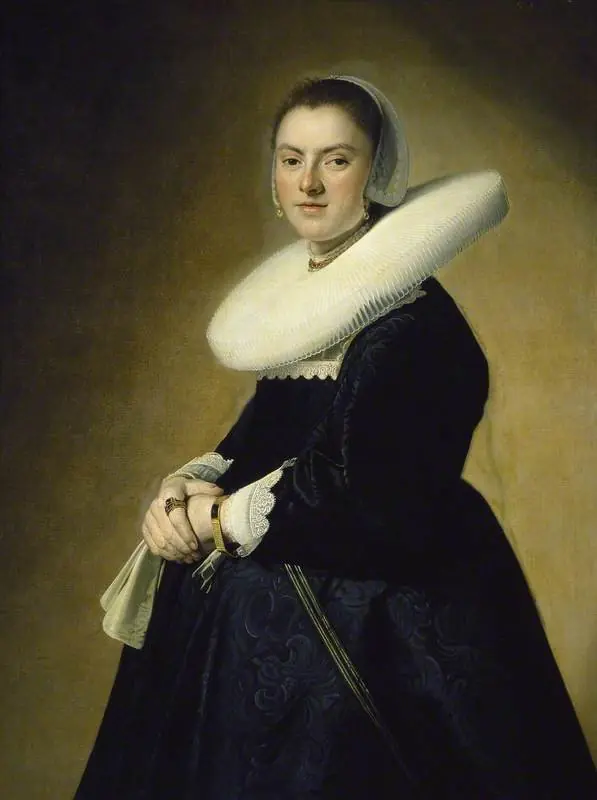 Portrait of a Lady
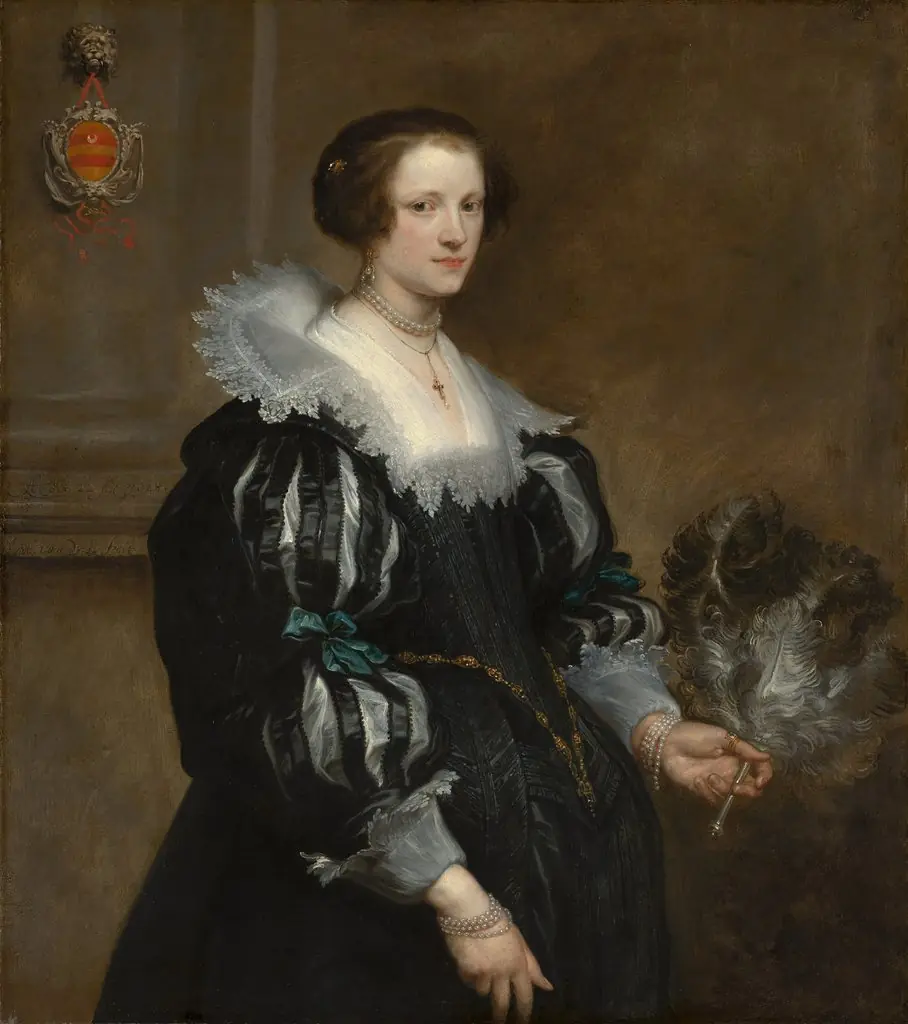 Portrait of Anna Wake
- So Called Portrait of ?Amalia van Solms, Princess of Orange (1602-1675)