Artwork
Lady with a Fan
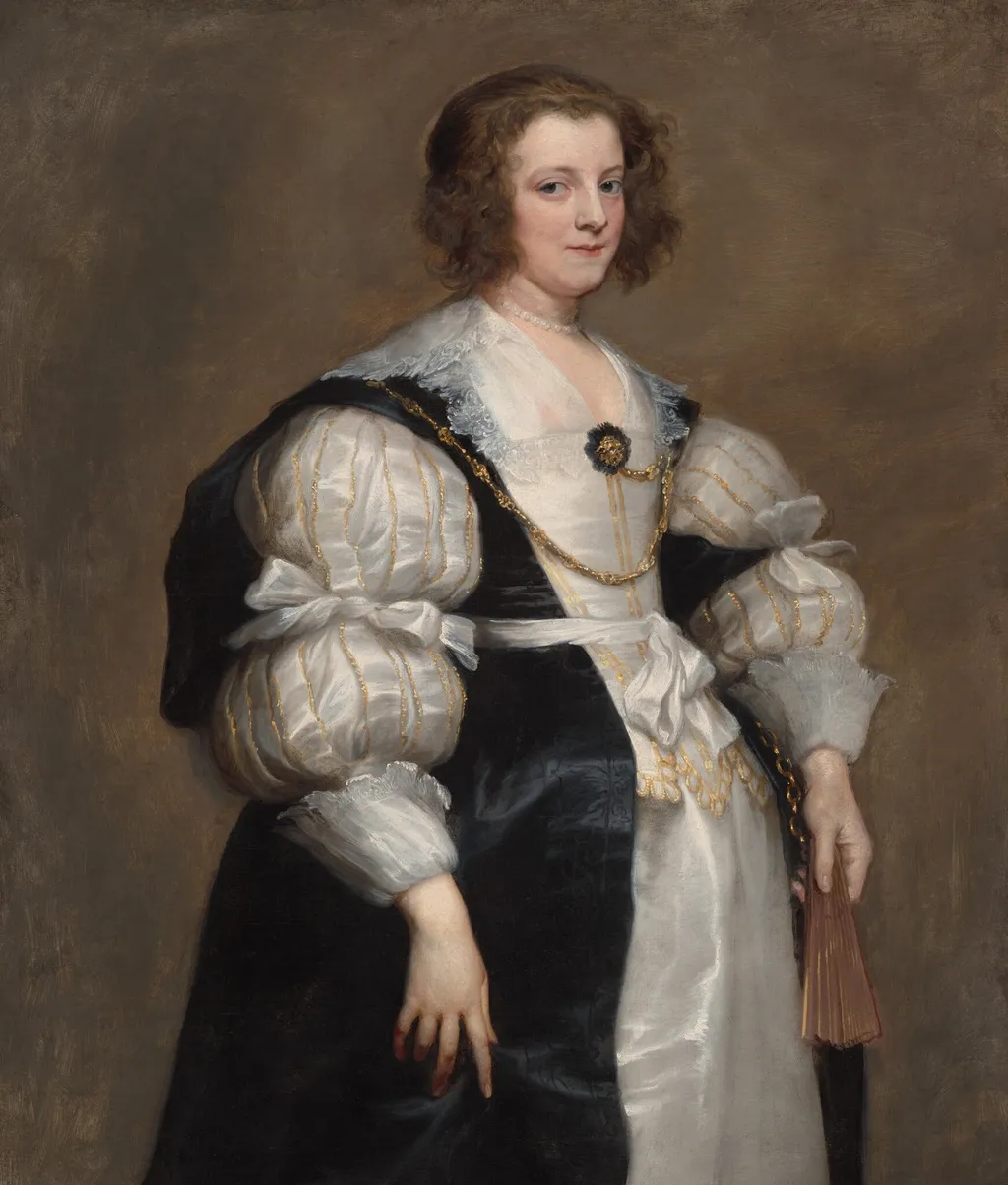
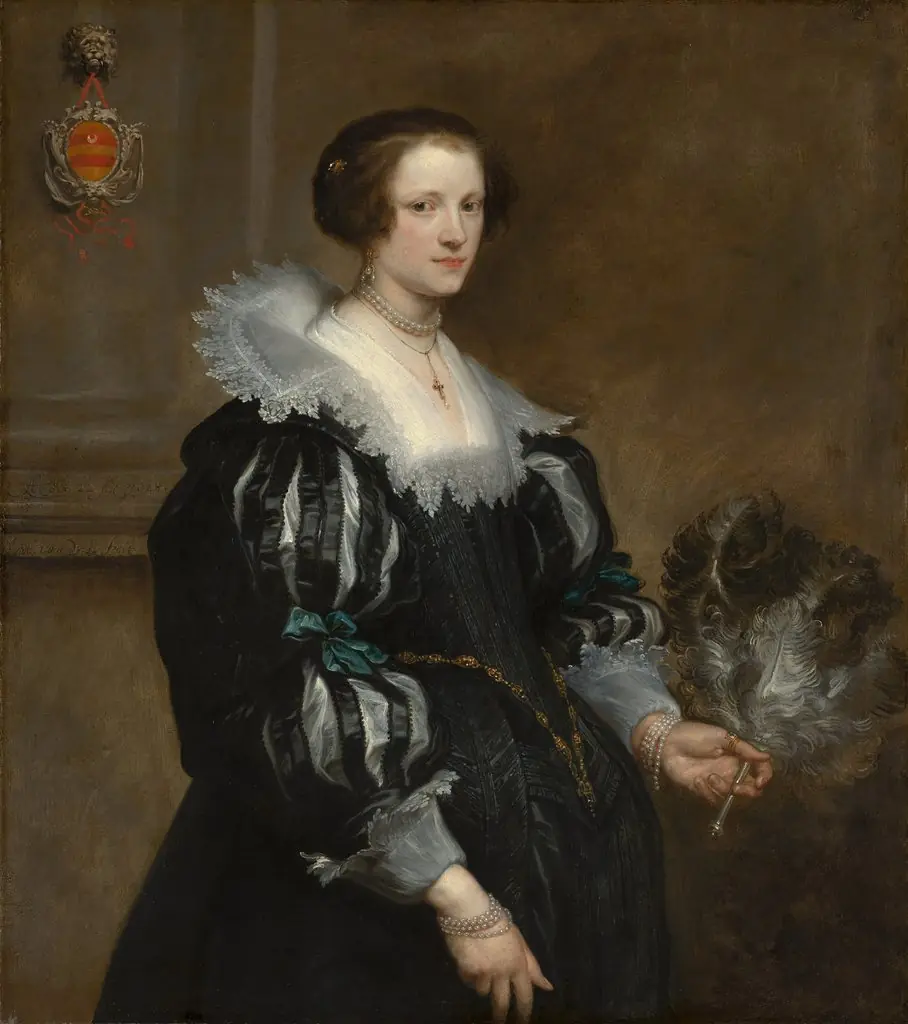
Lady with a Fan is an oil painting by the Baroque artist Anthony van Dyck. It dates from 1628 and is held in the collection of the National Gallery of Art.
About this work
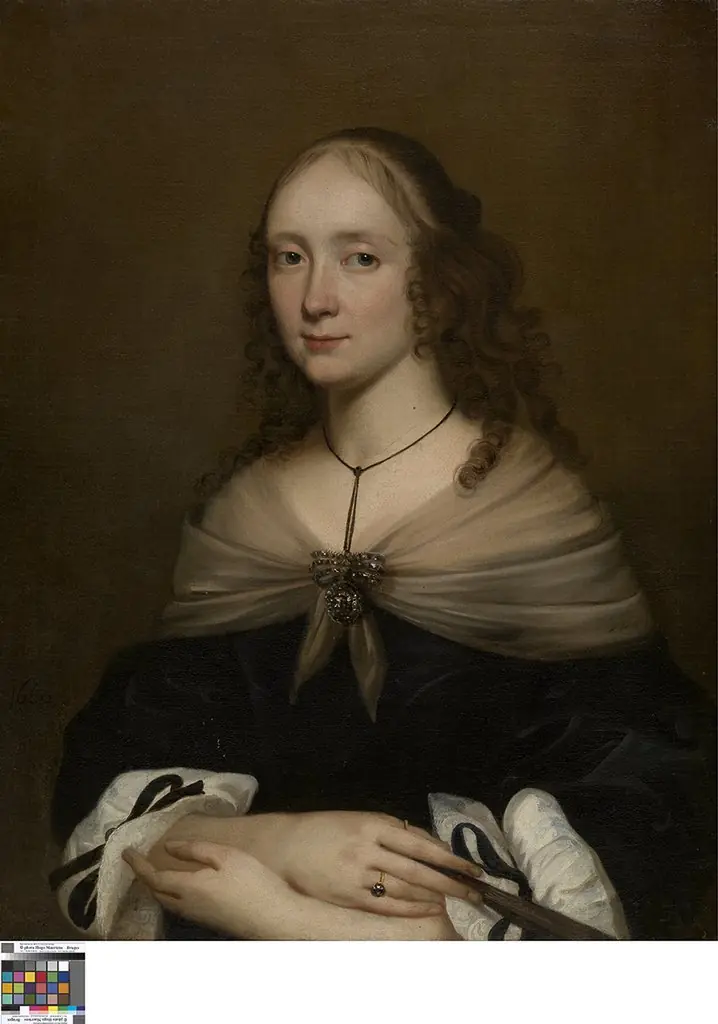
Anthony van Dyck painted this woman with a fan in 1628, dressed in fine clothes and jewelry and looking straight out. Light falls across her face and the folds of her dress, and the close attention to detail gives the portrait a lifelike presence.
Subject & Meaning
The painting presents an unidentified woman as the sitter, a format typical of 17th‑century portraiture that emphasized the subject’s social standing.
The painting presents an unidentified woman as the sitter, a format typical of 17th‑century portraiture that emphasized the subject’s social standing. Cataloguing data from both sources describe the work as a portrait and note that the depicted figure remains unidentified, indicating that the sitter’s precise identity was not recorded in contemporary documentation. The composition, featuring a fan, aligns with conventional attributes used to convey modesty or refined taste among elite women of the period, though specific symbolic interpretation is not documented in the sources.
Thus, the work’s meaning is tied to its function as a status portrait of an unknown aristocratic woman.
Technique & Style
Lady with a Fan is executed in oil on canvas, a standard support for Anthony van Dyck's portrait practice. The canvas measures 109.7 by 97 centimeters, providing a near-square format suited to a half- or three-quarter-length sitter. The work is classified as a painting within the portrait genre and is held in the Samuel H. Kress Collection at the National Gallery of Art.
The sources confirm only the medium and dimensions; they offer no specific information on handling, brushwork, condition, palette, or stylistic analysis, so further claims about those aspects cannot be grounded.
History & Provenance
Executed in 1628, this portrait likely entered the collection of Archduke Leopold Wilhelm in Brussels by 1653, a presence confirmed by its inclusion in David Teniers the Younger's depiction of the Archduke's gallery. Earlier ownership is speculative, with suggestions linking the work to the Spinola family in Spain before it was transported to Genoa by Geronima Di Negro Centurione. By 1680, the painting appeared in an inventory of the Doria family collection, where it was observed by Otto Mündler in 1857.
It presumably passed by inheritance to Marchese Ambrogio Doria and subsequently to his son, Giorgio Doria. By 1928, the work was held by Count Alessandro Contini Bonacossi in Rome. In March 1932, Contini Bonacossi sold the canvas to the Samuel H. Kress Foundation, which later gifted it to the National Gallery of Art in Washington, D.C., in 1957.
Lady with a Fan is held in the Samuel H. Kress Collection at the National Gallery of Art in Washington, D.C., having been gifted to the institution in 1957. Prior to this, the work was sold to the Samuel H. Kress Foundation in March 1932. The painting's earlier history includes probable ownership by Archduke Leopold Wilhelm by 1653, a presence in the Doria family collection in Genoa by 1680, and possession by Count Alessandro Contini Bonacossi in Rome by 1928.
While specific inventory numbers are not detailed in the provided records, the work's trajectory moves from imperial and aristocratic European collections to American private hands before entering the national museum. The provided sources do not list specific public exhibition events or dates beyond its inclusion in a depicted cabinet collection in the seventeenth century.
Overview
Sir Anthony van Dyck's "Lady with a Fan," created around 1628, is an oil on canvas portrait. It features an unidentified woman, depicted in elaborate attire, engaging the viewer directly with her gaze. The artwork showcases the artist's skill in rendering detailed textures and capturing a lifelike presence, characteristic of his portraiture during this period.
Own this work as a print
Artist & collection
Artist
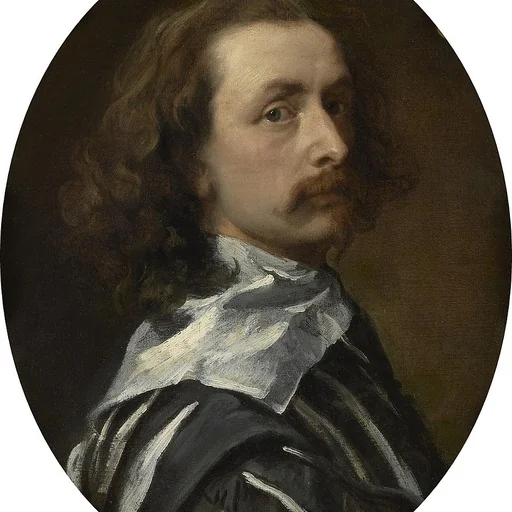
Sir Anthony van Dyck (; Dutch: Antoon van Dijck; 22 March 1599 – 9 December 1641) was a Flemish Baroque artist, who became the leading court painter in England after success in the Spanish Netherlands and Italy.

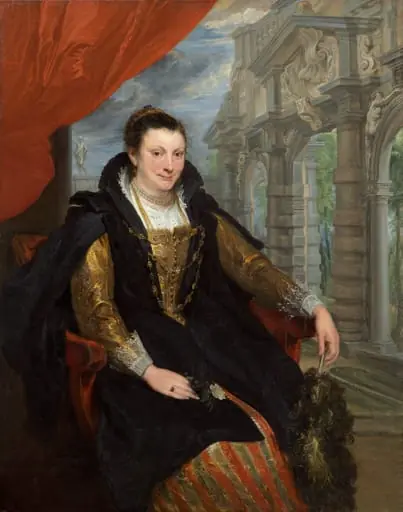
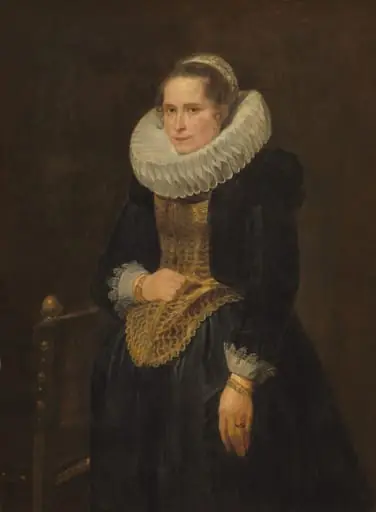
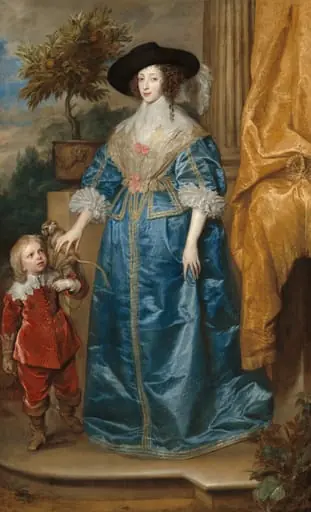
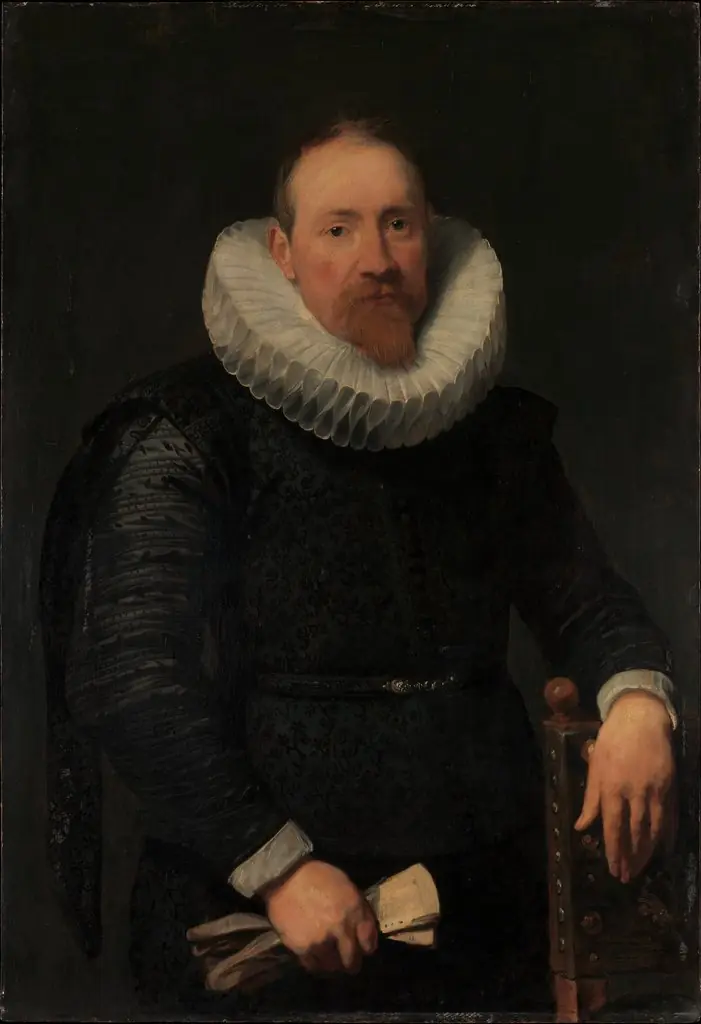
 Portrait of Anna Wake
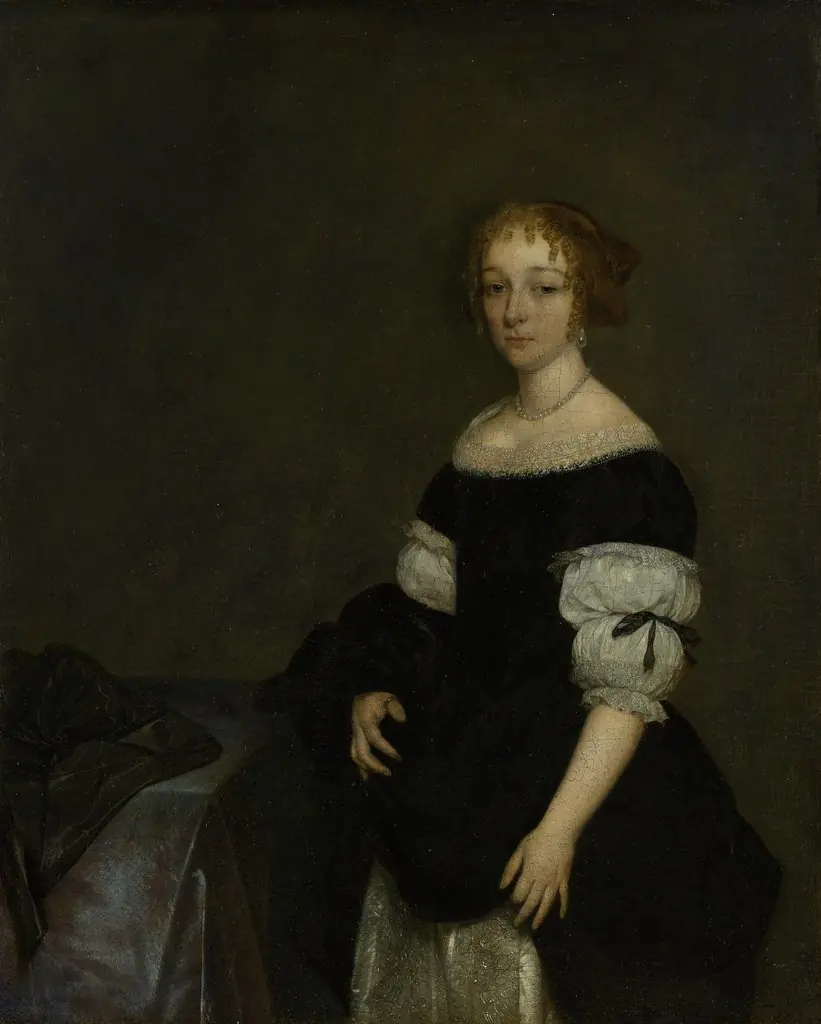 Portrait of Aletta Pancras (1649-1707). Wife of François de Vicq
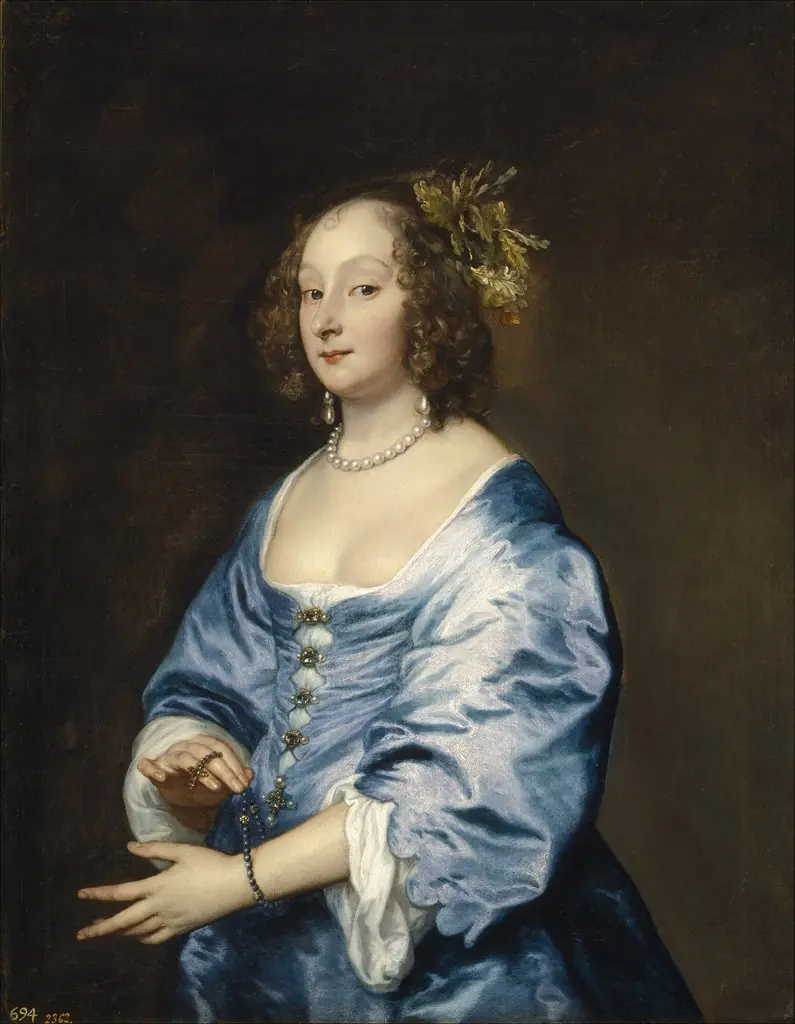 Mary, Lady Van Dyck
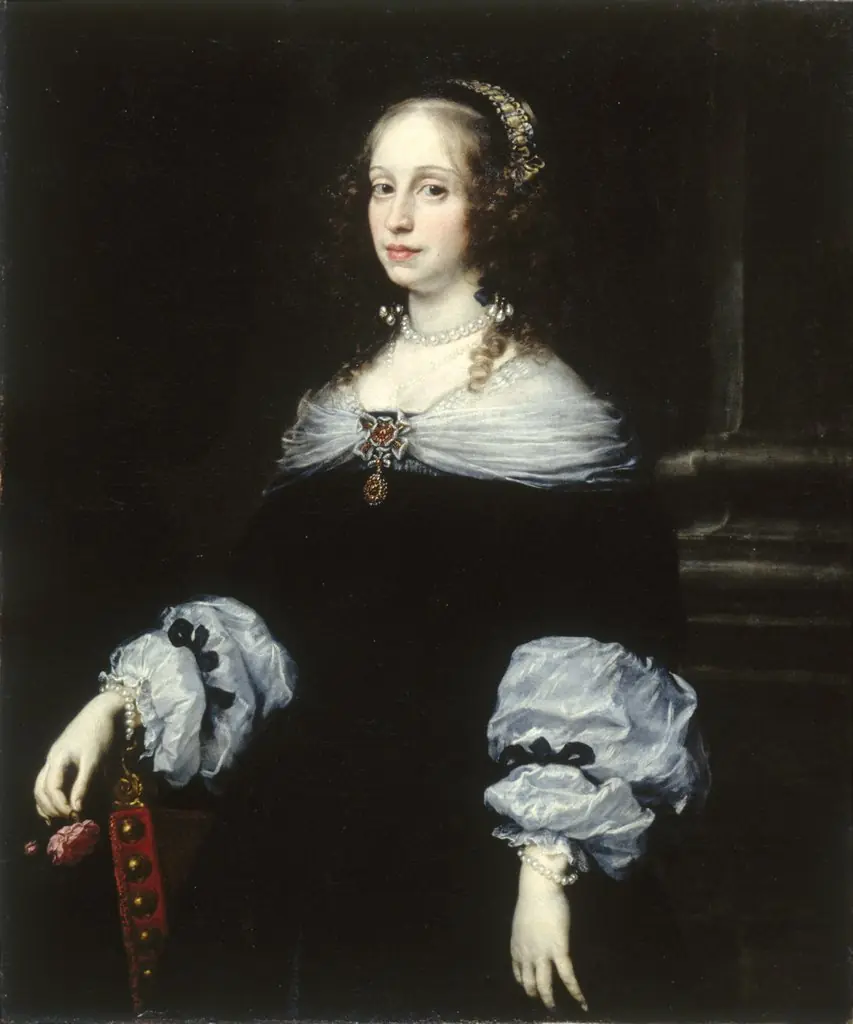 Portrait of Countess Teresa Dudley di Carpegna
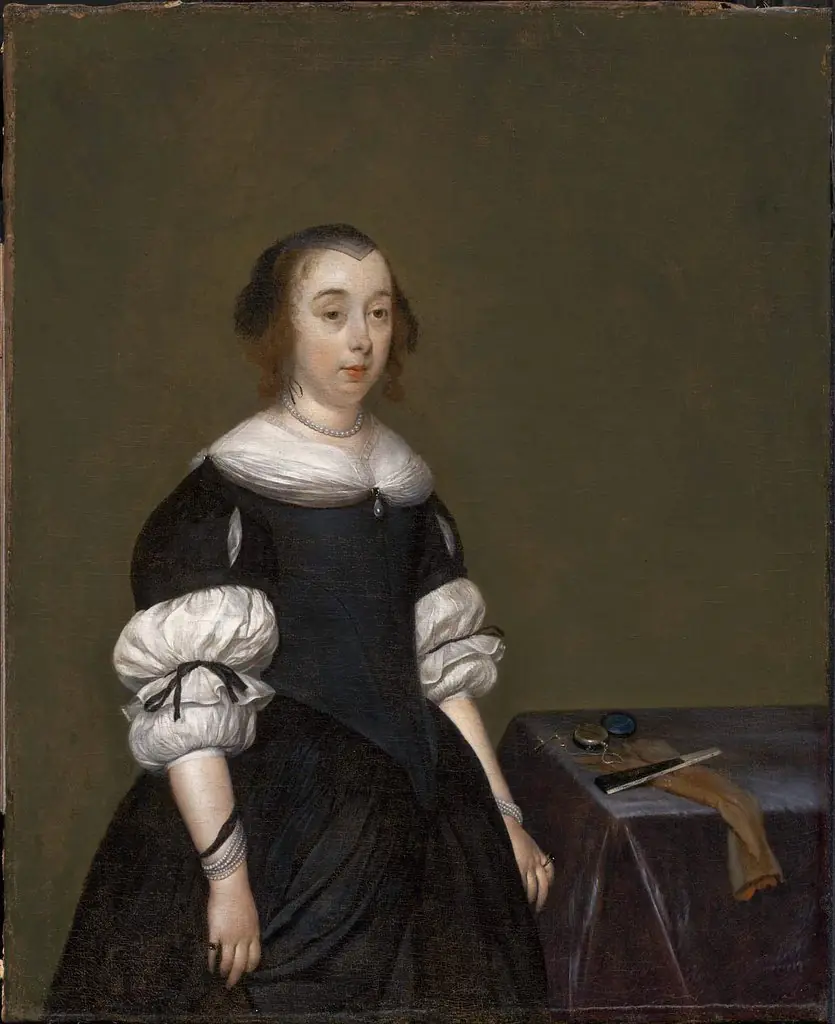 Portrait of a Woman
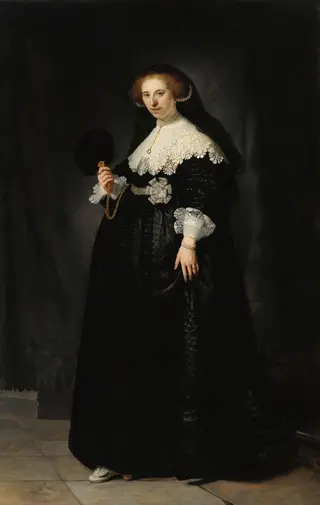 Portrait of Oopjen Coppit
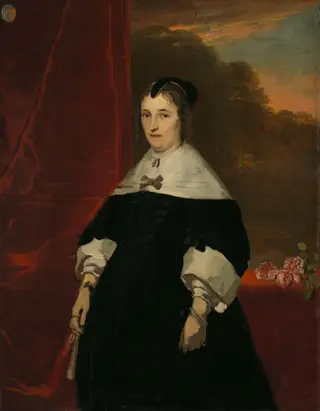 Portrait of Machtelt Bas (?-1681)
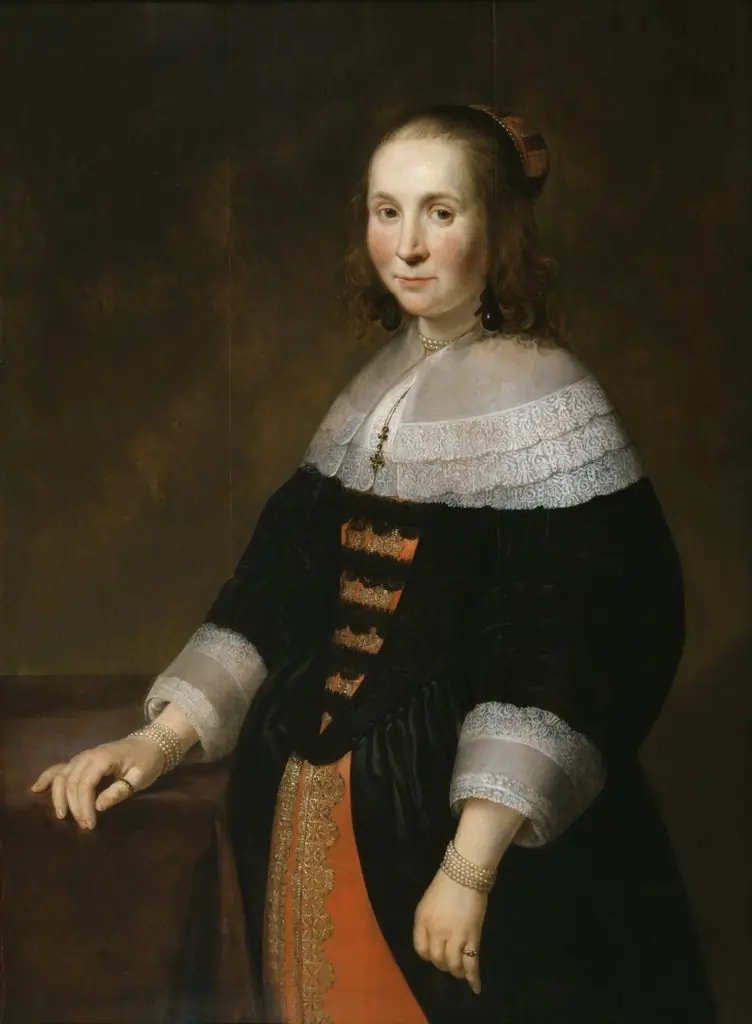 Portrait of a Wife
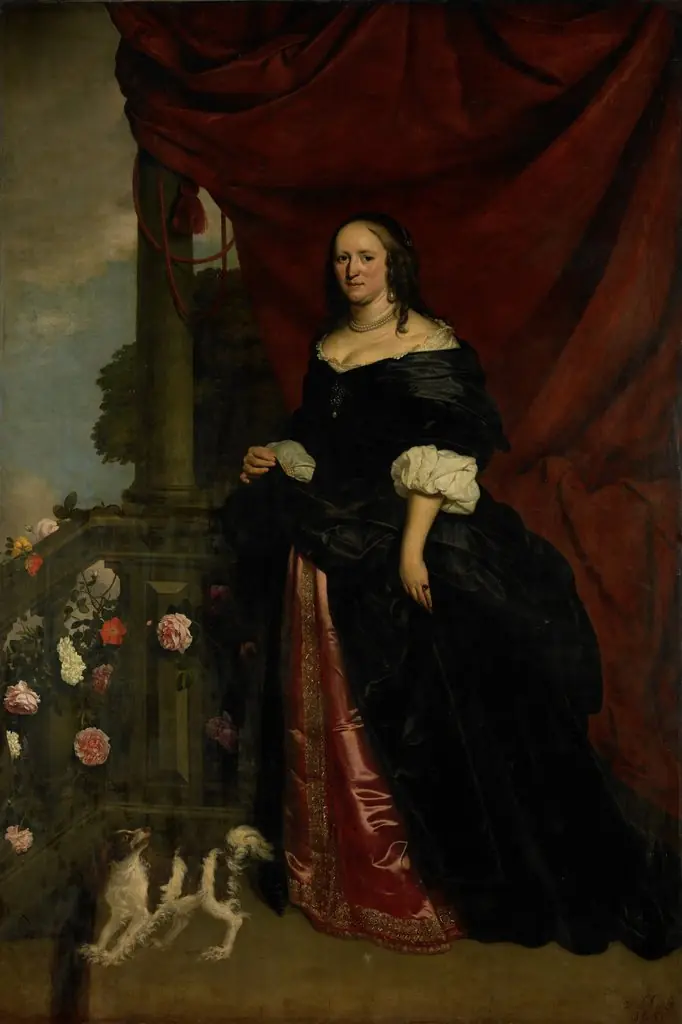 Portrait of a woman, probably Sophia Anna van Pipenpoy (c. 1618-70), Countess of Schellart
 Portret van een vrouw
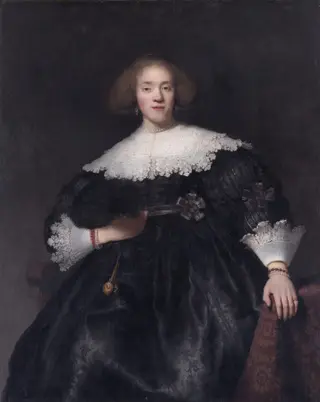
- Portrait of a Young Woman with a Fan