Artwork
Portrait of James Stuart, Duke of Lennox and Richmond
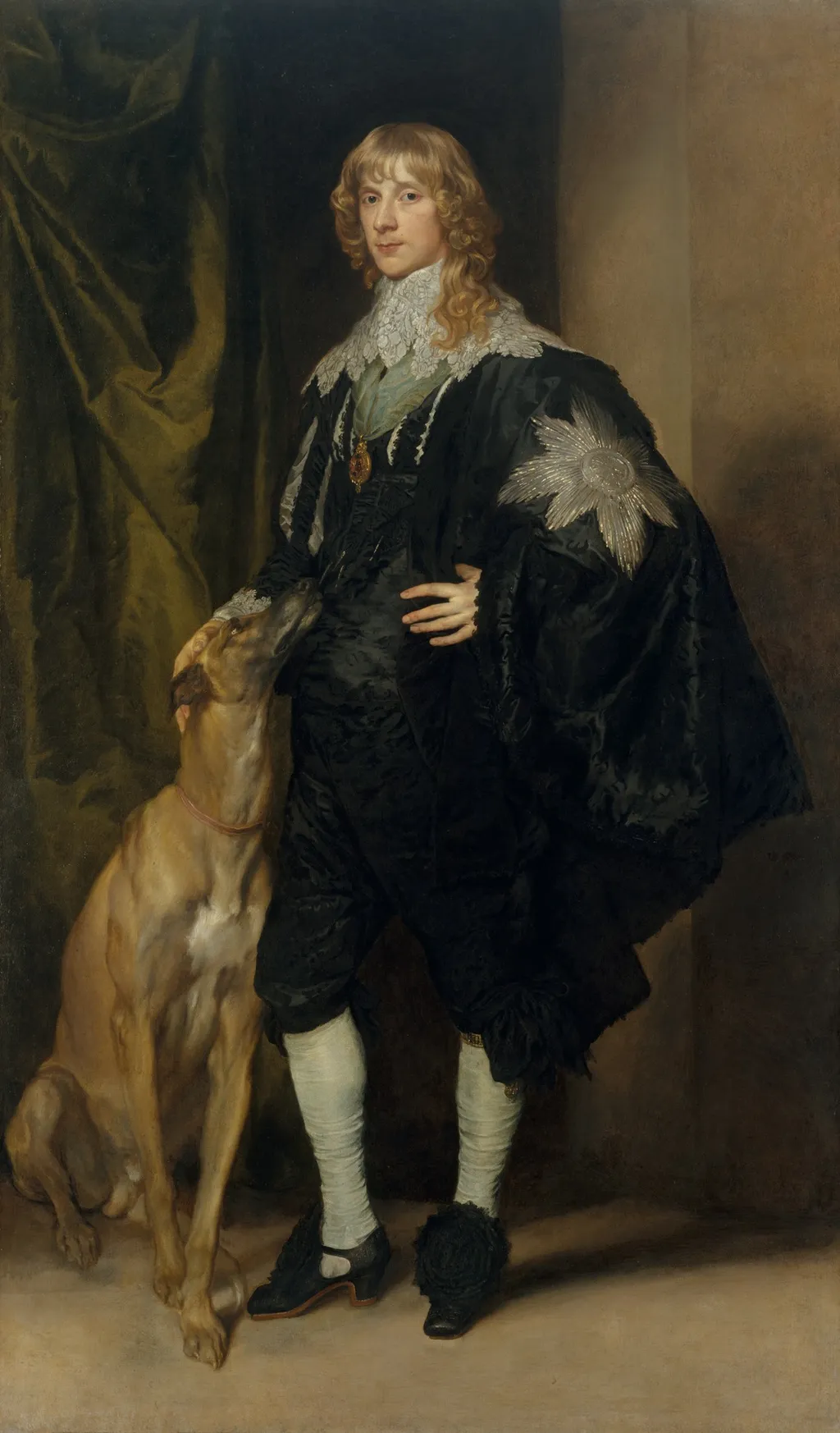
Portrait of James Stuart, Duke of Lennox and Richmond is an oil painting by the Baroque artist Anthony van Dyck. It dates from 1634 and is held in the collection of the Metropolitan Museum of Art.
About this work
Subject & Meaning
The portrait thus conveys his political allegiance to the Stuart cause and his status within the elite circle surrounding the king.
The painting shows James Stuart, 1st Duke of Lennox and Richmond, a cousin of Charles I and a prominent royalist noble. He is identified in the work by his membership in the Order of the Garter, visible in the insignia he wears, and by the greyhound he gently holds, a symbol traditionally associated with loyalty and aristocratic virtue. The portrait thus conveys his political allegiance to the Stuart cause and his status within the elite circle surrounding the king.
Van Dyck’s repeated depictions of the duke and his brothers underscore the family’s close ties to the royalist faction, a connection highlighted by contemporary accounts of their loss in the conflict with Oliver Cromwell’s forces.
Technique & Style
Executed in 1634 by Anthony van Dyck, the portrait is painted in oil on canvas, measuring 215.9 cm in height and 127.6 cm in width. The handling is fluid, with delicate, layered brushwork that defines the sitter’s features and the lustrous black costume adorned with the Garter sash. The composition emphasizes the Duke’s aristocratic bearing, his right hand resting lightly on a greyhound’s head to convey both status and poise.
Stylistically, the work exemplifies Baroque portraiture through its restrained elegance and psychological presence, balancing naturalism with idealized refinement.
History & Provenance
Created in 1634 by the Flemish artist Anthony van Dyck, the Portrait of James Stuart, Duke of Lennox and Richmond is an oil painting on canvas depicting the cousin of King Charles I. The work captures the Duke wearing the insignia of the Order of the Garter while affectionately touching a greyhound, representing one of several portraits Van Dyck produced of the nobleman. The painting is currently held in the collection of the Metropolitan Museum of Art. While the specific commission details are not explicitly recorded in the available sources, the work was executed during the height of Van Dyck's career in England, shortly before the English Civil War.
The Duke's family maintained strong royalist loyalties, a context underscored by the tragic deaths of his younger brothers, John and Bernard, in later conflicts against Oliver Cromwell's forces.
The Portrait of James Stuart, Duke of Lennox and Richmond is held in the collection of the Metropolitan Museum of Art in New York. While the work is identified as a 1634 oil painting by Anthony van Dyck within the museum's holdings, the provided records do not specify a particular accession or inventory number. Furthermore, although the painting is noted as certainly the most celebrated version among several portraits the artist created of the Duke, the available sources do not list specific past exhibitions, loan history, or gallery display dates for this piece.
Context
The portrait is regarded as the most celebrated version among Van Dyck’s depictions of James Stuart, Duke of Lennox and Richmond【3】. It is classified as a Baroque work【2】, and its significance is reflected in scholarly literature that includes Bellori’s Vite, Bodart’s Van Dyck, Brown’s Van Dyck 1599‑1641, Hofstede’s Van Dyck, and Zuffi’s Il Barocco【3】. As such, the painting exemplifies Van Dyck’s Baroque portraiture and holds a notable place in the history of 17th‑century court portraiture.
Overview
Painted in 1634 by Anthony van Dyck, this portrait depicts James Stuart, Duke of Lennox and Richmond, a prominent courtier in the service of King Charles I. The work exemplifies Van Dyck's mature English style, characterized by its elegant composition and psychological immediacy. The sitter stands in a three-quarter view against a dark, neutral background, emphasizing his aristocratic bearing. He is dressed in a black coat adorned with a large silver emblem on the right sleeve, paired with white stockings and a voluminous white lace collar that frames his face.
His long, curly blonde hair falls naturally, contributing to the relaxed yet dignified atmosphere typical of Van Dyck's portraiture. A large brown dog stands beside him, serving as a traditional symbol of loyalty and nobility. The Duke's left hand rests on his hip, a pose that conveys confidence and ease.
Created during the height of Van Dyck's tenure as Principal Painter to the King, this painting reflects the artist's ability to capture the refined sensibilities of the Caroline court. It remains a significant example of 17th-century Flemish Baroque portraiture adapted for an English context, showcasing the artist's mastery of texture, light, and the depiction of status through costume and posture.
Artist & collection
Artist
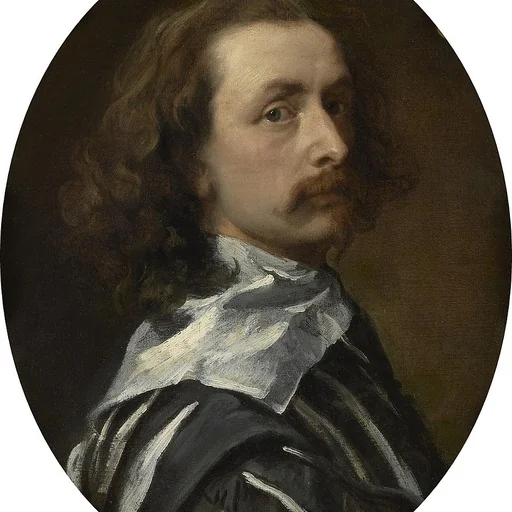
Sir Anthony van Dyck (; Dutch: Antoon van Dijck; 22 March 1599 – 9 December 1641) was a Flemish Baroque artist, who became the leading court painter in England after success in the Spanish Netherlands and Italy.

 Portrait of Charles I of England
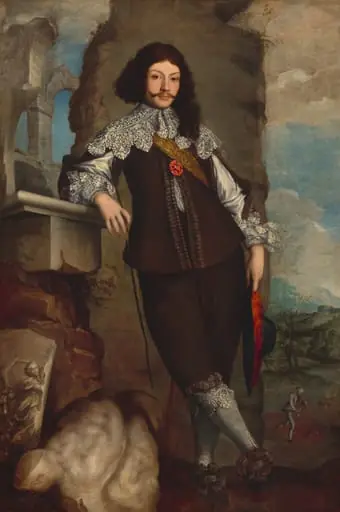 Lodovico Widmann
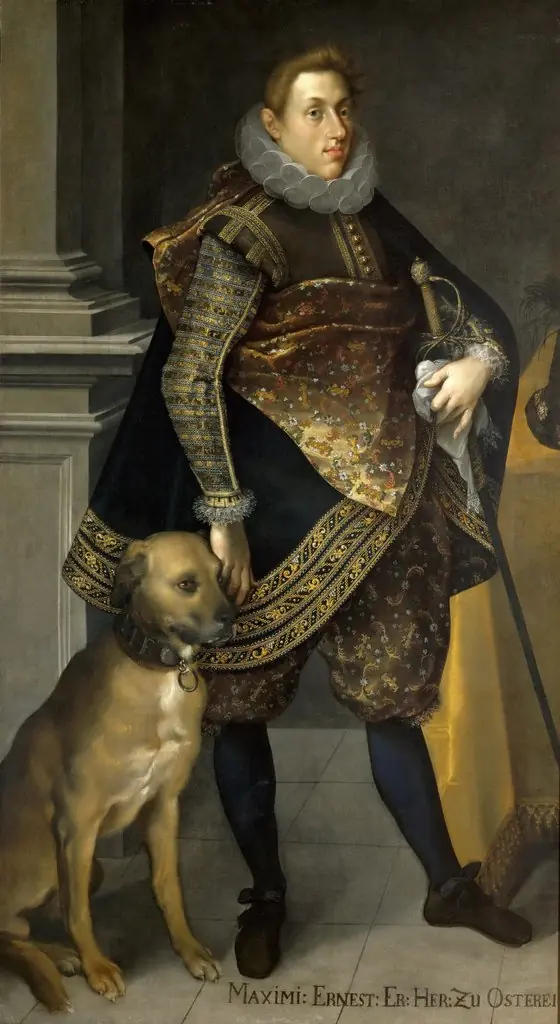 Erzherzog Maximilian Ernst (1583-1616) mit Jagdhund
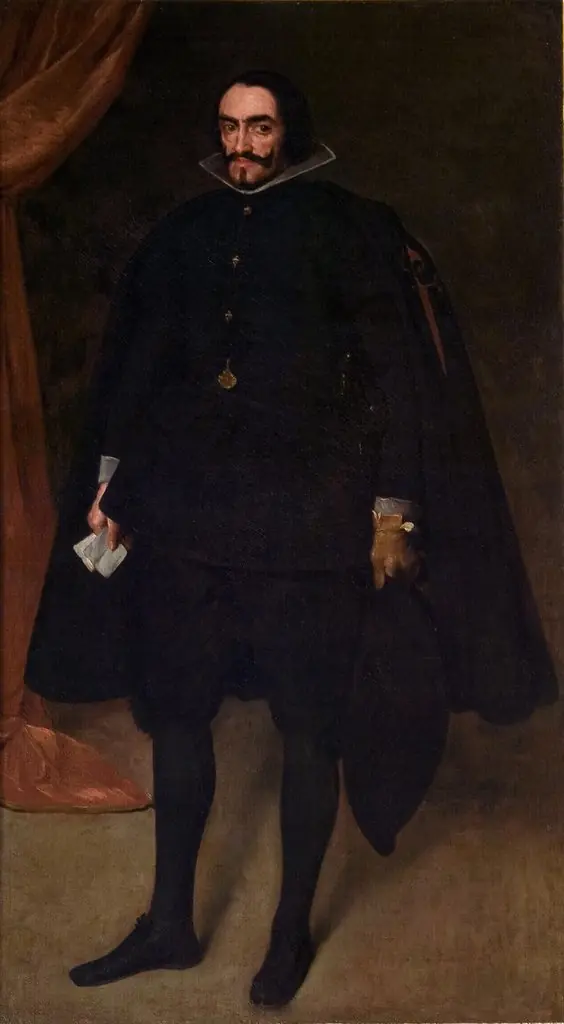 Portrait of a Knight of the Order of Santiago
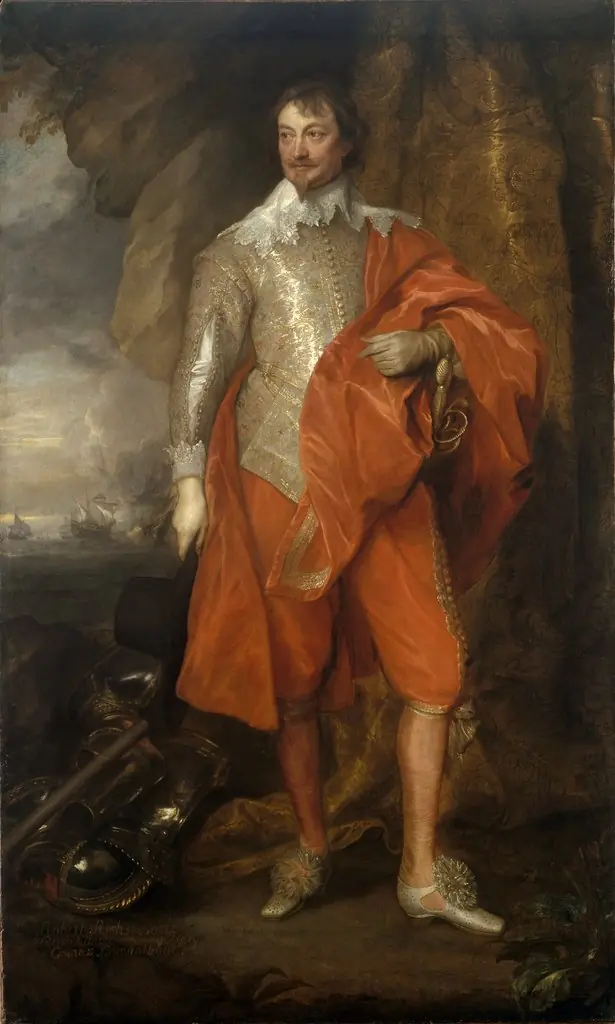 Portrait of Robert Rich, second earl of Warwick
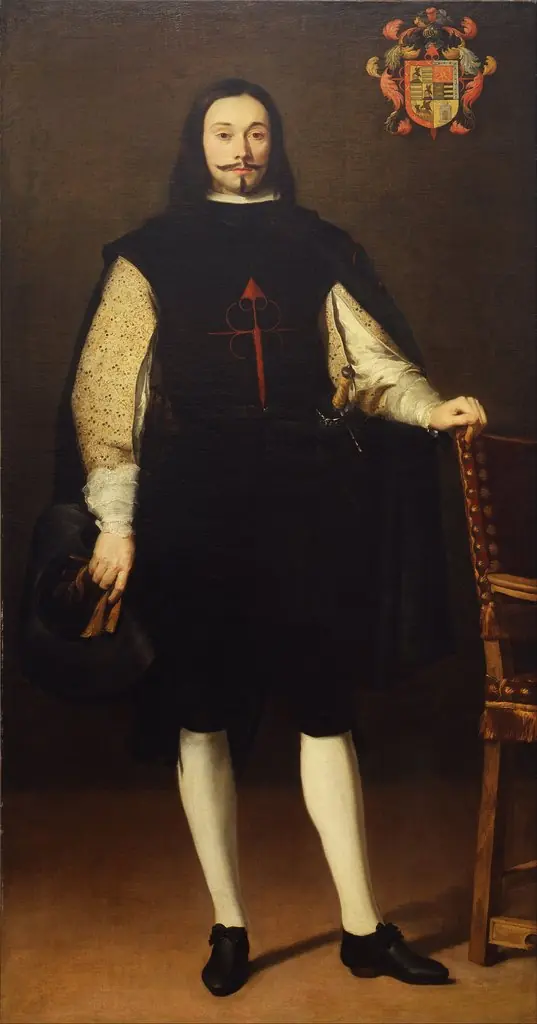 Portrait of Don Diego Felix de Esquivel y Aldama
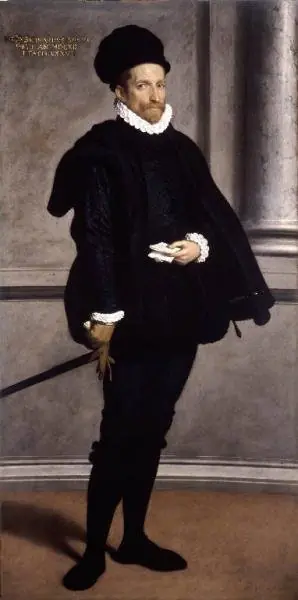 Portrait of Bernardo Spini
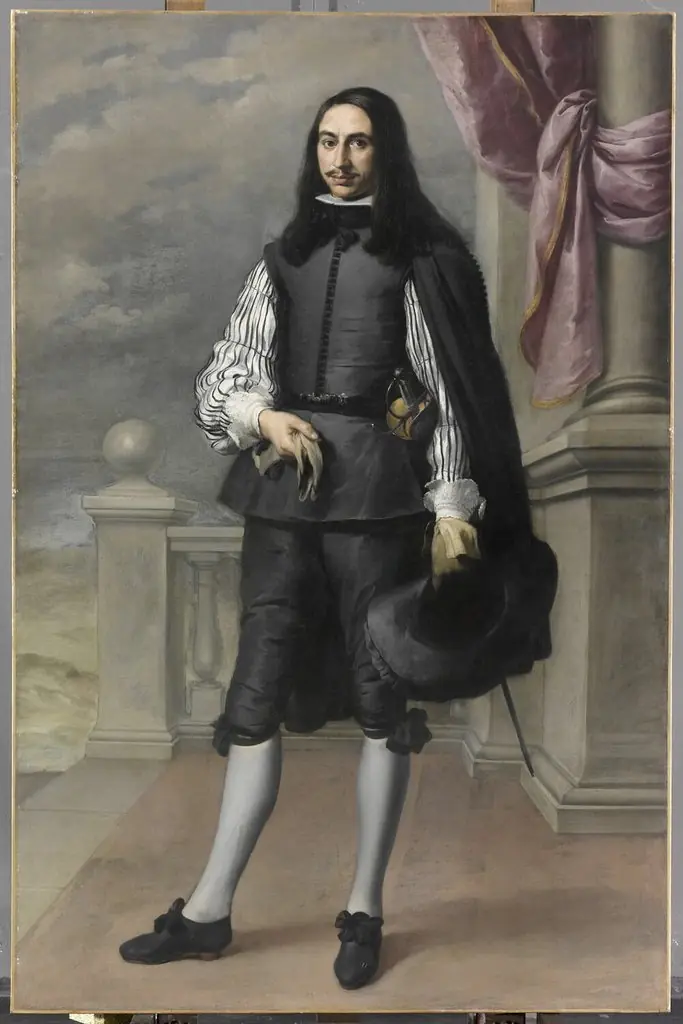 Portrait of Íñigo Fernández de Velasco
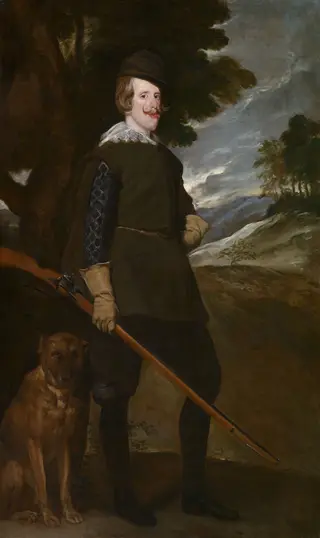 Portrait of Philip IV
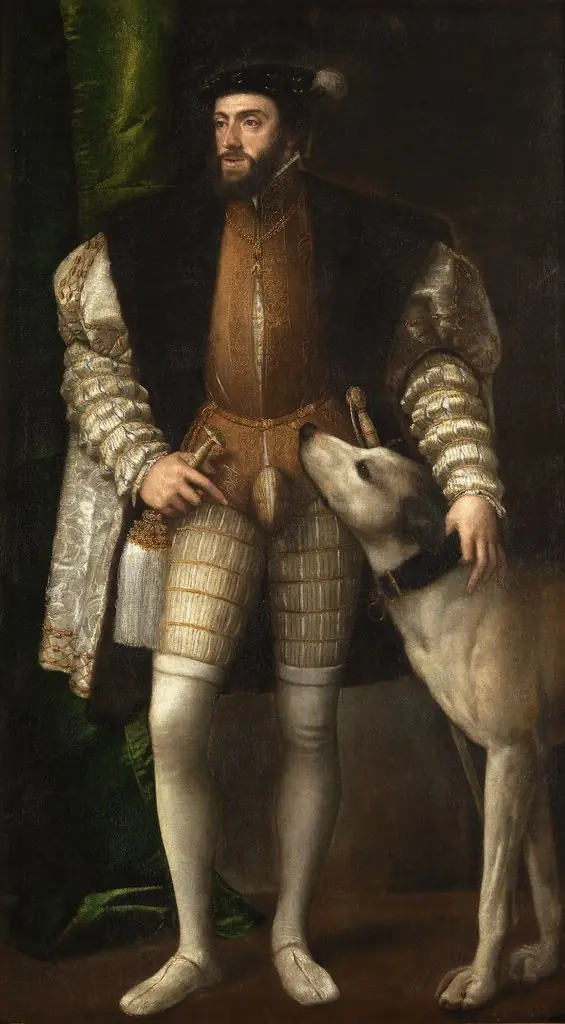 Portrait of Charles V with a Dog
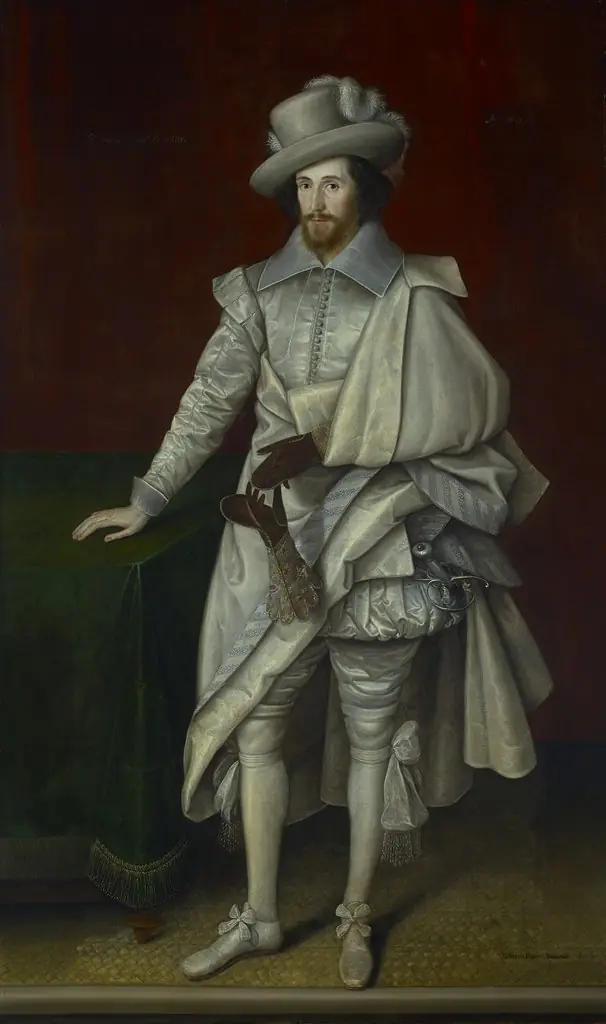 Henry Cary, 1st Viscount Falkland (died 1633)
- James Stuart, Duke of Lenox and Richmond