Artwork
The Holy Family, 'Trinitas terrestris'
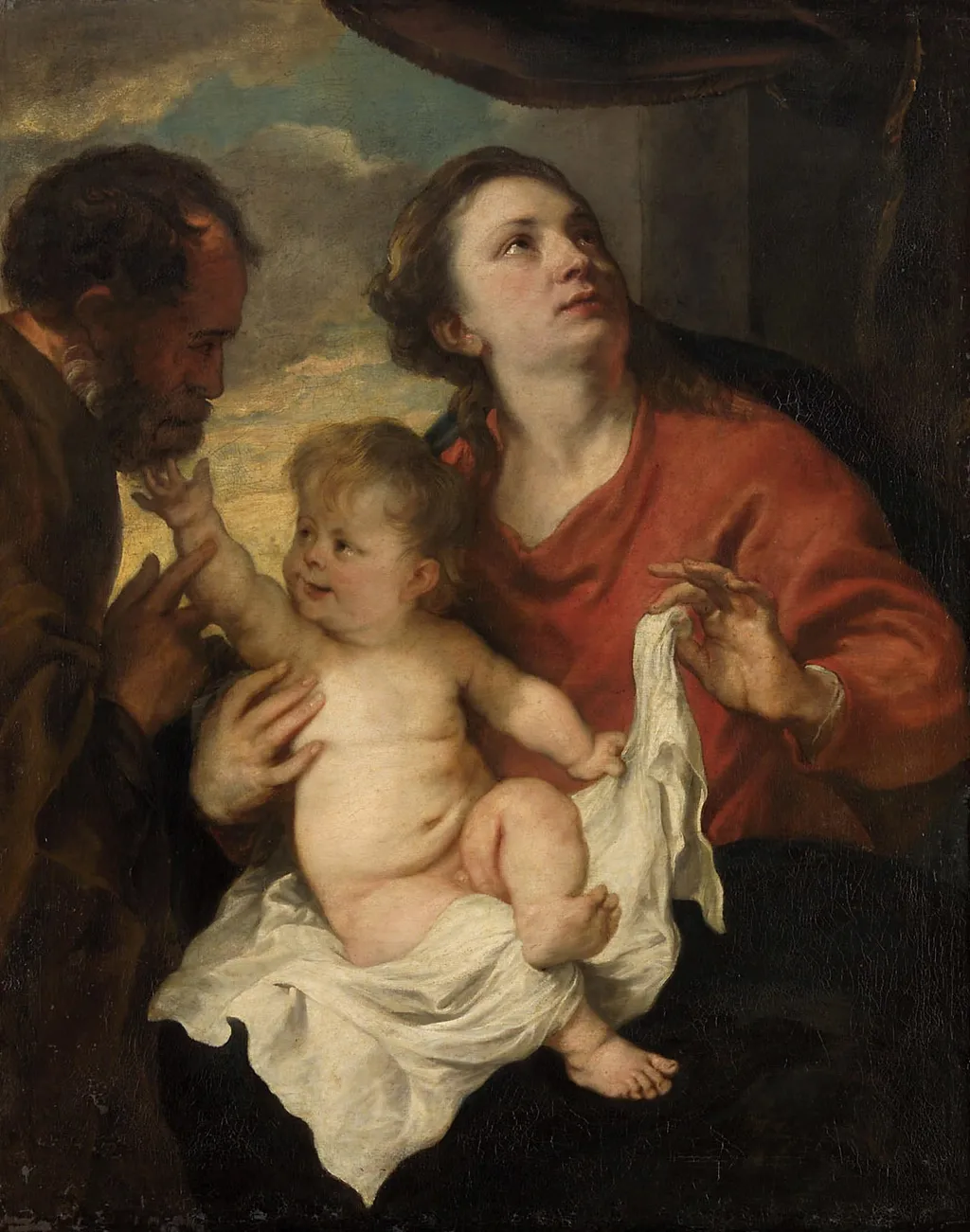
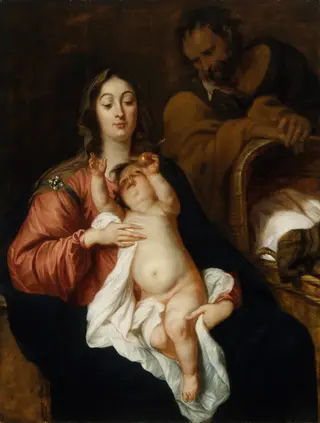
The Holy Family, 'Trinitas terrestris' is a color painting by the Flemish Baroque painting artist Anthony van Dyck. It dates from 1626 and is held in the collection of the Kunsthistorisches Museum.
About this work
Subject & Meaning
The inclusion of Joseph’s contemplative role elevates the earthly representation of the Holy Trinity, grounding the sacred within the human sphere.
The painting depicts the Holy Family, Mary, the Christ Child, and Joseph, arranged in a domestic interior, emphasizing their earthly intimacy as the ‘Trinitas terrestris’ or ‘earthly Trinity.’ The composition underscores the divine within the familial bond, with Mary presenting the Christ Child to Joseph, who holds a book, symbolizing scriptural prophecy and the Incarnation. The inclusion of Joseph’s contemplative role elevates the earthly representation of the Holy Trinity, grounding the sacred within the human sphere.
The title ‘Trinitas terrestris’ signals a theological emphasis on the unity of the divine and the familial, reflecting Counter-Reformation devotional practices that sought to make sacred narratives accessible through intimate, relatable imagery.
Technique & Style
Created in 1626, this religious painting by Anthony van Dyck is executed in color on a canvas support. The work measures 106 cm in height and 83.5 cm in width. Classified as a painting depicting the Holy Family, the piece falls within the genre of religious art. The composition features the Virgin Mary, the Christ Child, and Joseph as its main subjects.
History & Provenance
The painting is held in the Kunsthistorisches Museum, Vienna, where it is inventoried as 1124.
It was exhibited in 1999 at the exhibition Van Dyck: Gemälde, Skizzen, Zeichnungen held in Vienna at the Kunsthistorisches Museum, organized by the museum in collaboration with the Gemäldegalerie der Akademie der bildenden Künste.
Overview
Anthony van Dyck painted The Holy Family, ‘Trinitas terrestris’ in 1626. Executed in colour, the work belongs to the Flemish Baroque tradition and is part of the Kunsthistorisches Museum’s collection in Vienna. It presents a domestic portrayal of the Virgin Mary, Saint Joseph and the infant Jesus.
Context
Religious genre scenes were a staple of Flemish Baroque painting, reflecting Counter‑Reformation demands for emotionally resonant imagery. Van Dyck’s treatment aligns with this agenda, yet his delicate handling of colour and light hints at the emerging classicism that would later characterize his portraiture.
Artist & collection
Artist
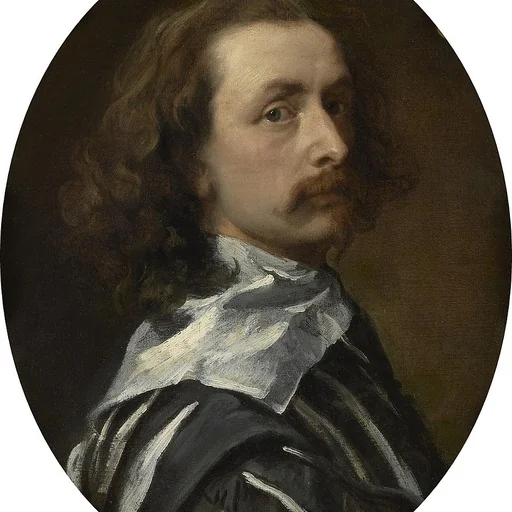
Sir Anthony van Dyck (; Dutch: Antoon van Dijck; 22 March 1599 – 9 December 1641) was a Flemish Baroque artist, who became the leading court painter in England after success in the Spanish Netherlands and Italy.

- The Holy Family
 The Holy Family
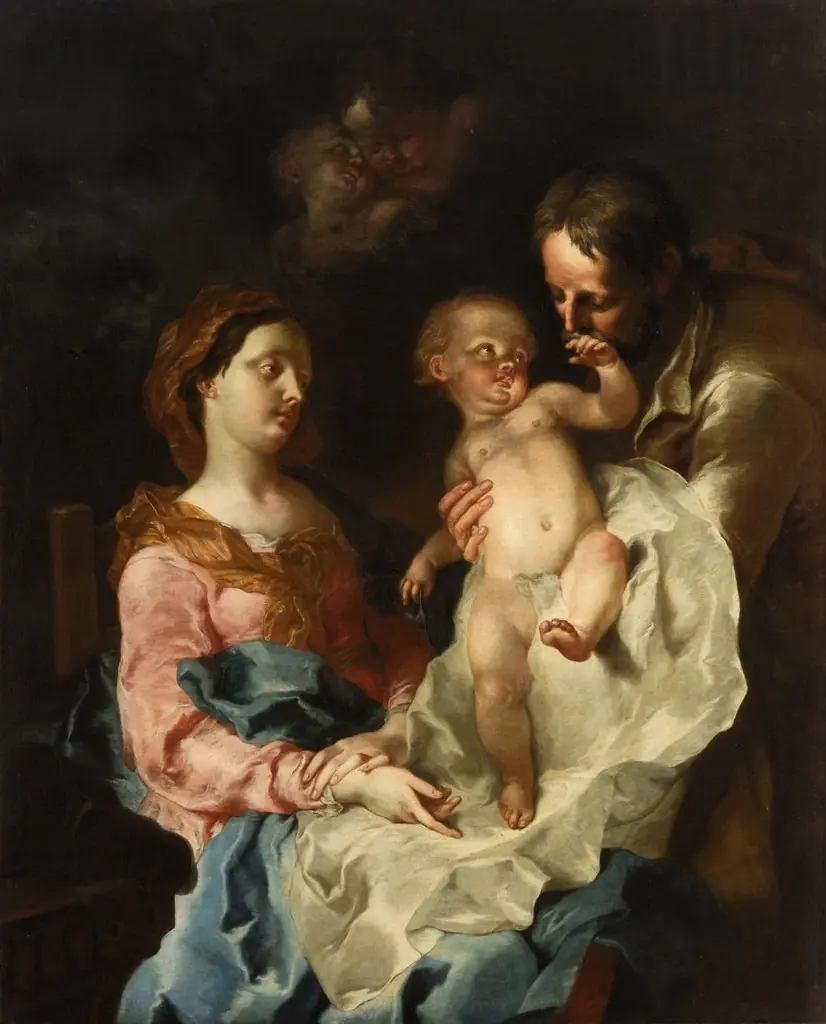
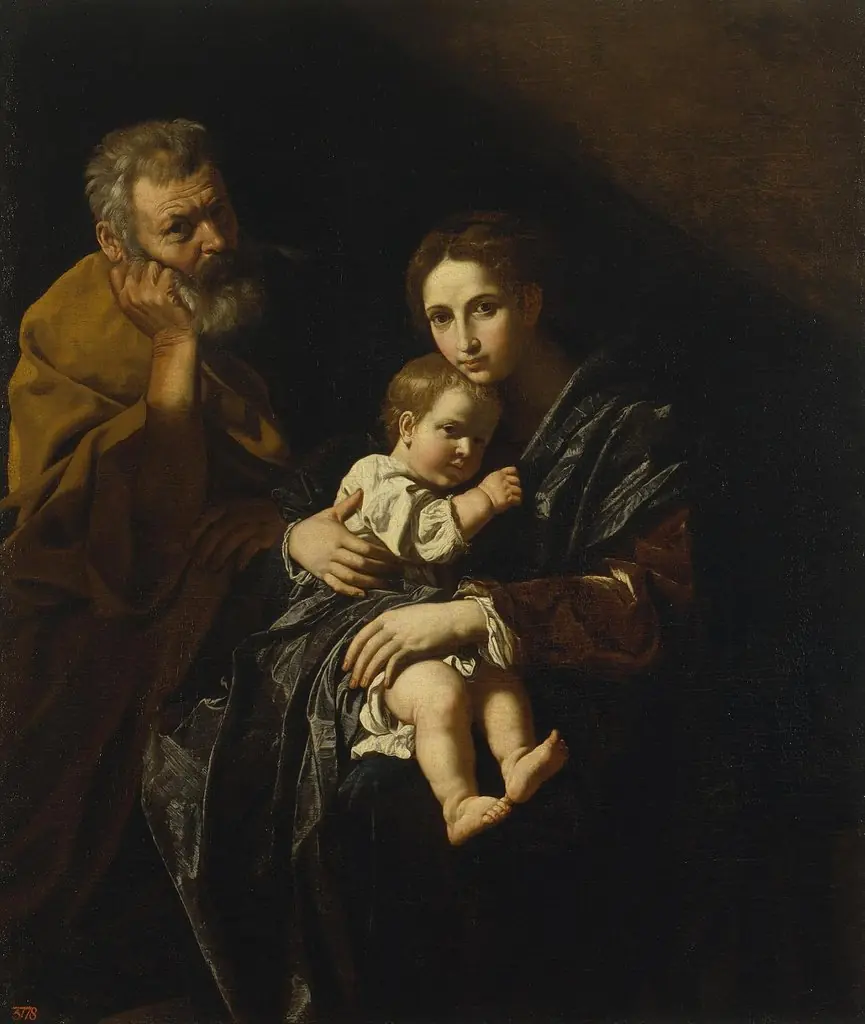 Holy Family
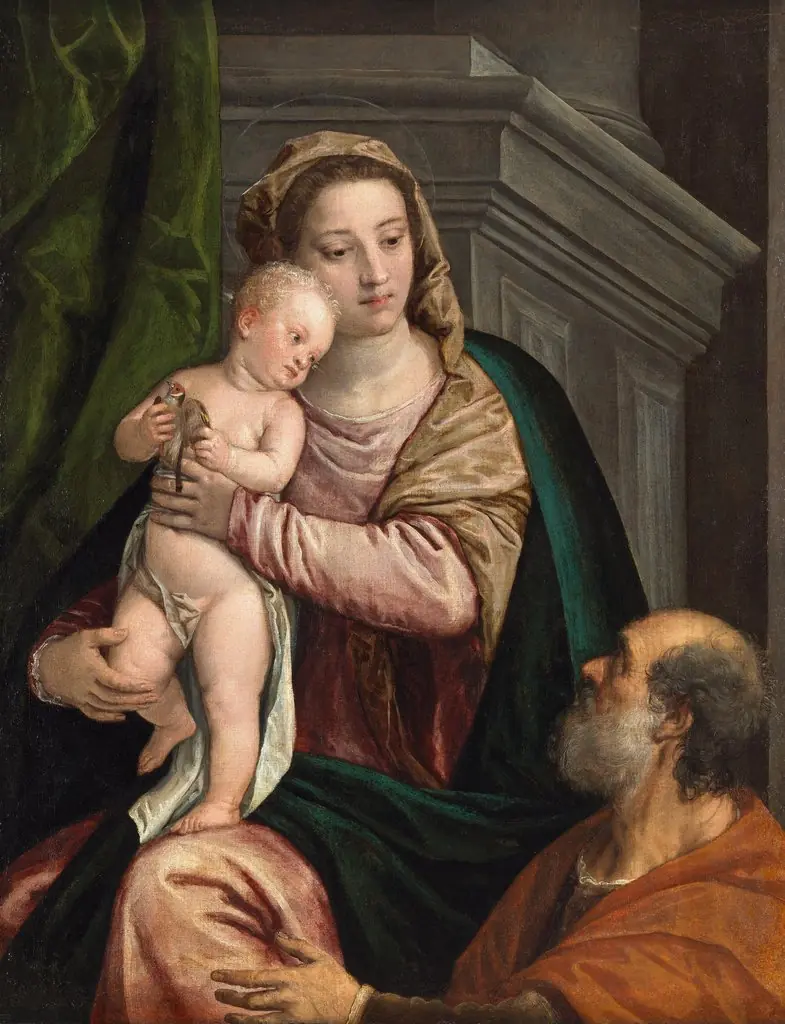 Die Heilige Familie
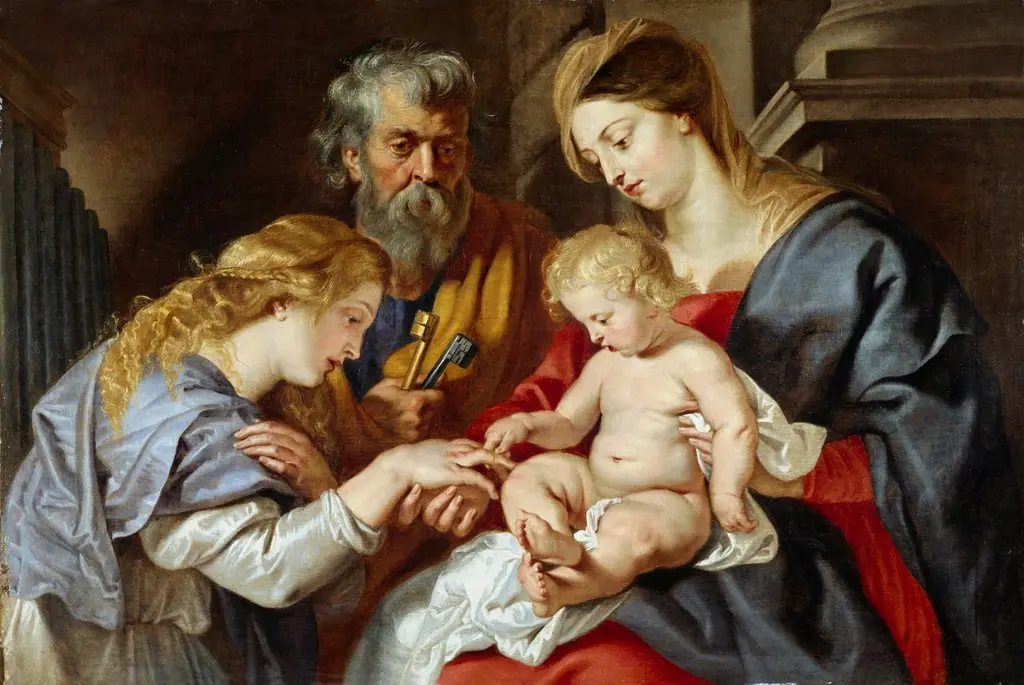 The Mystic Marriage of Saint Catherine
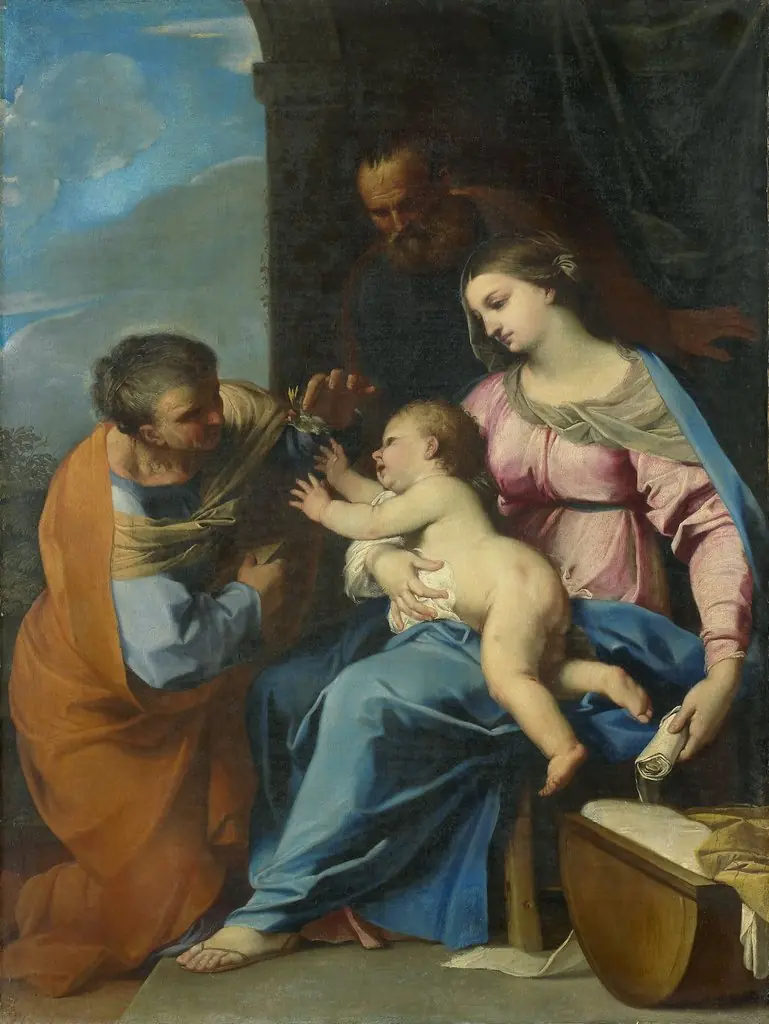 Holy Family
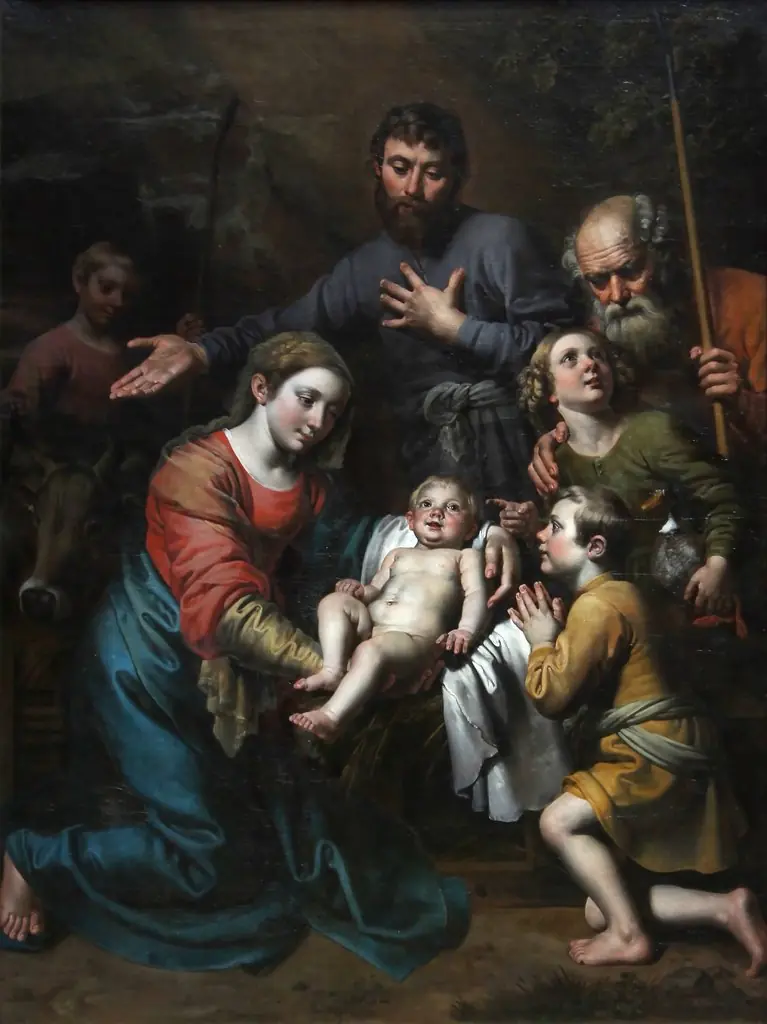 Adoration of the Shepherds
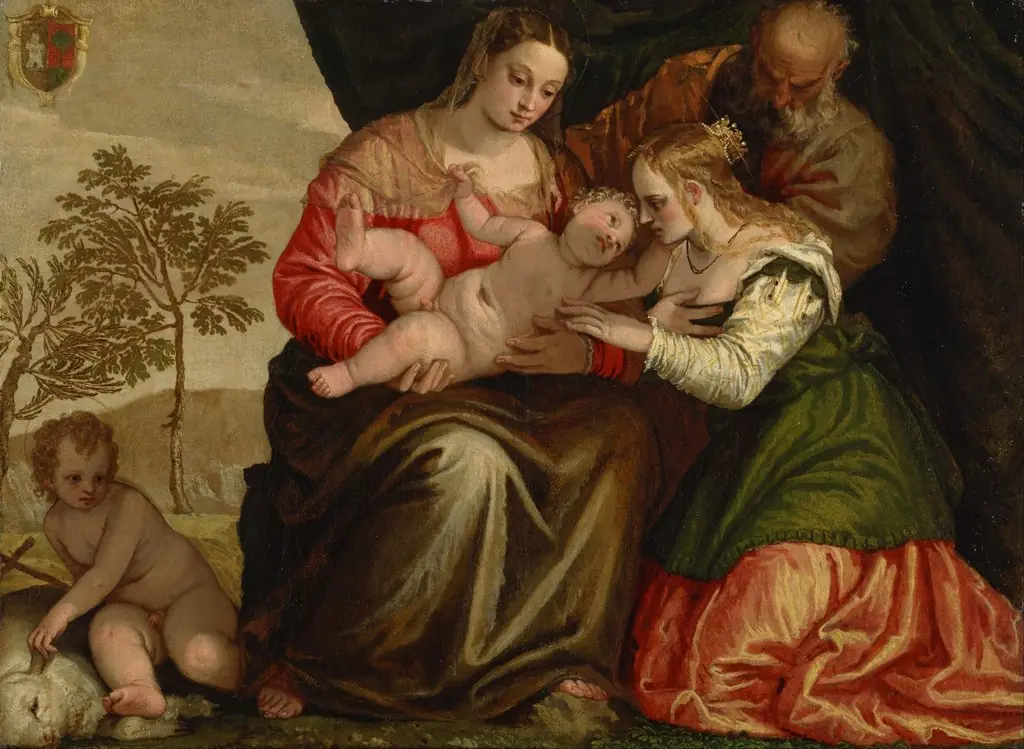 The Mystic Marriage of St. Catherine
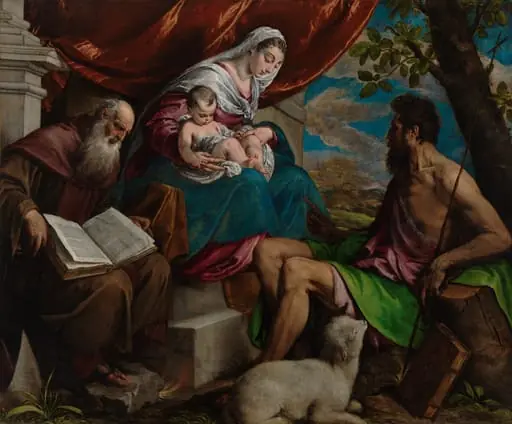 Neitsyt Maria, Jeesus-lapsi, Johannes Kastaja ja Pyhä Antonius Apotti
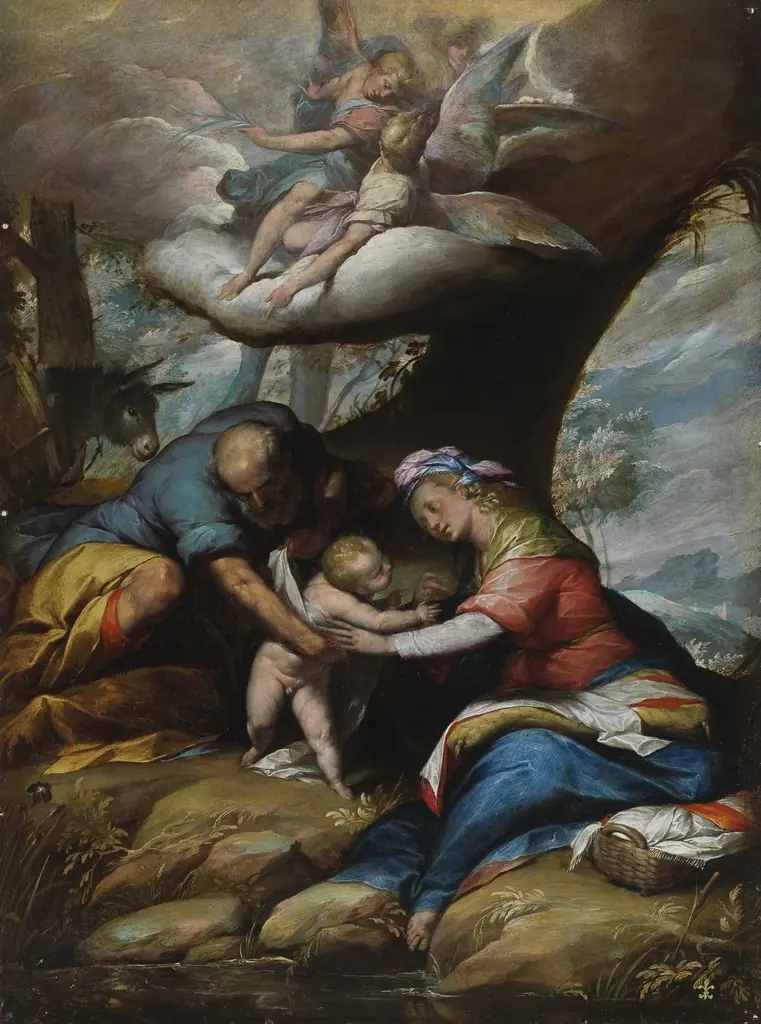 Rest on the Flight into Egypt
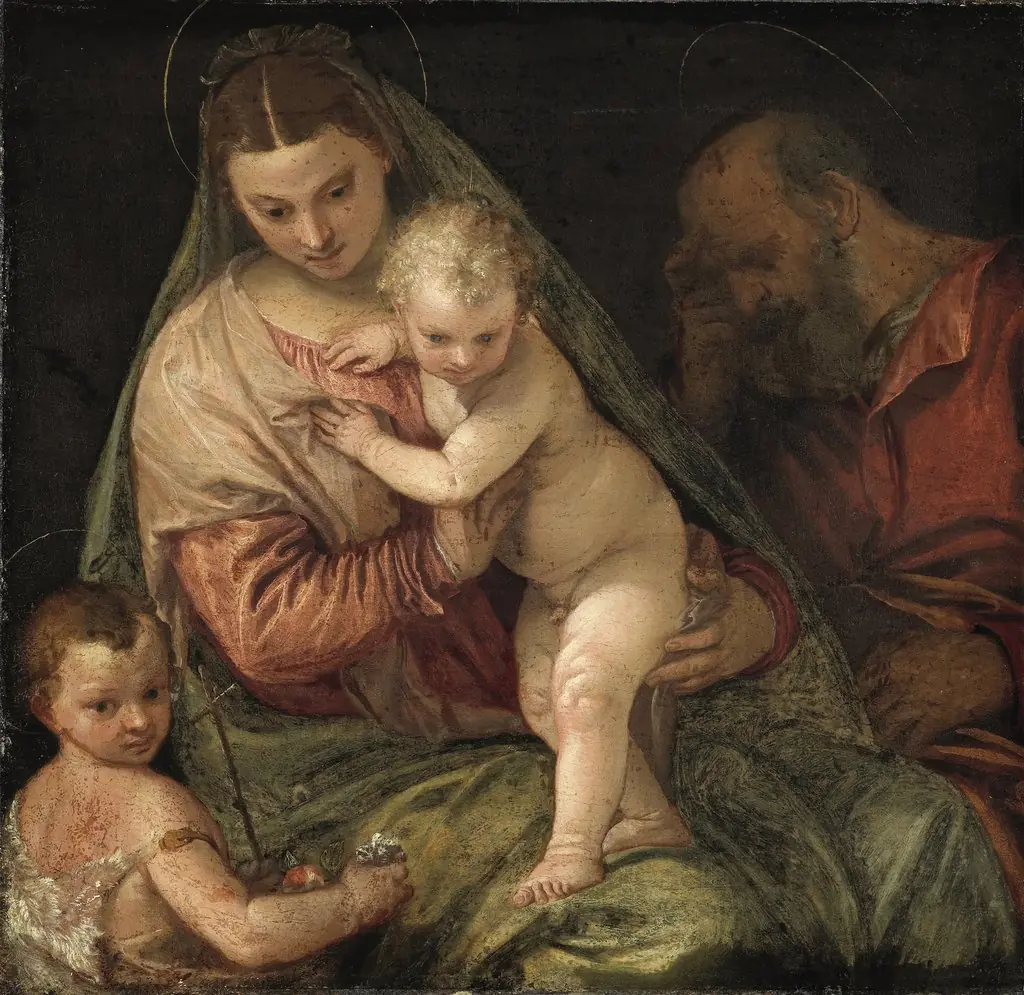 Holy Family with Young Saint John
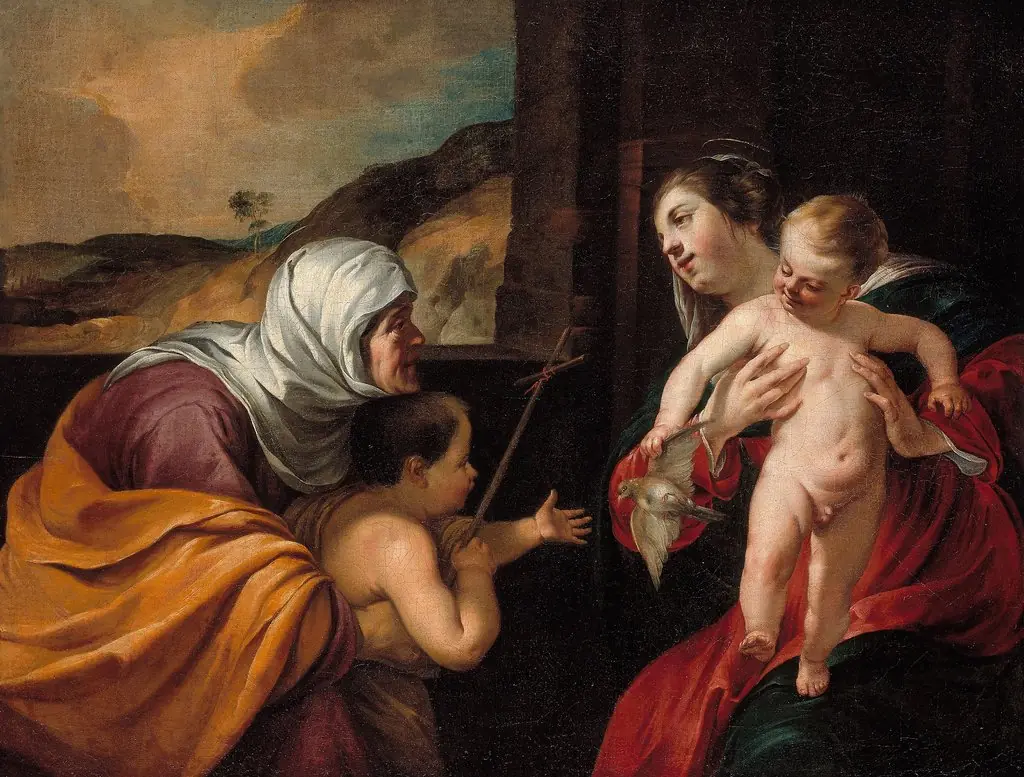 Virgin and Child with Saint Elizabeth and the Infant Saint John the Baptist