Artwork
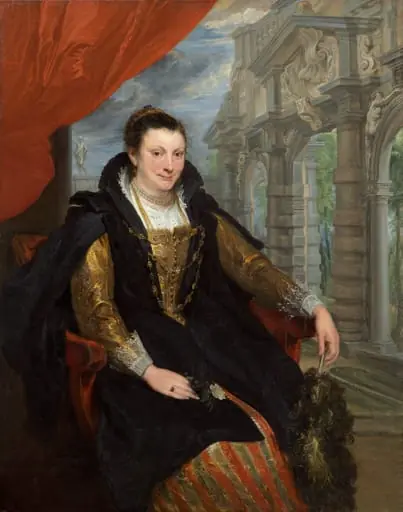
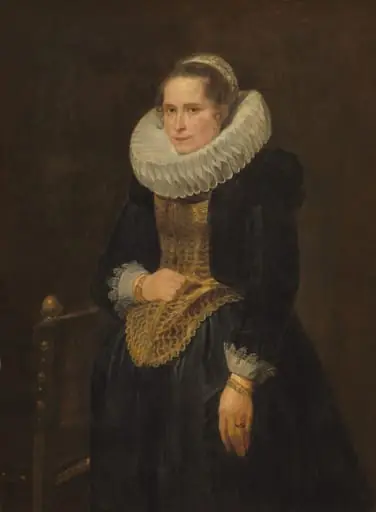
Unknown Lady
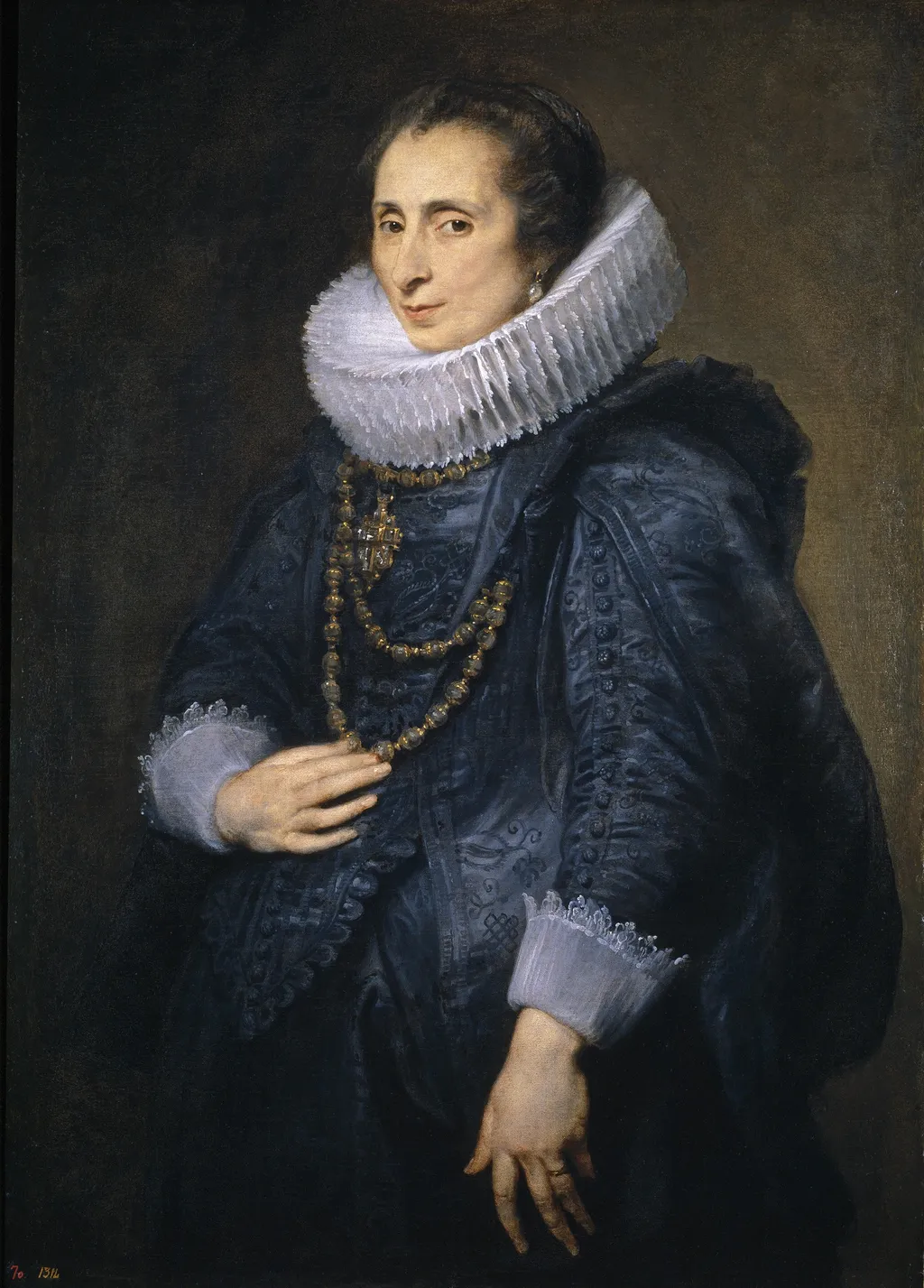
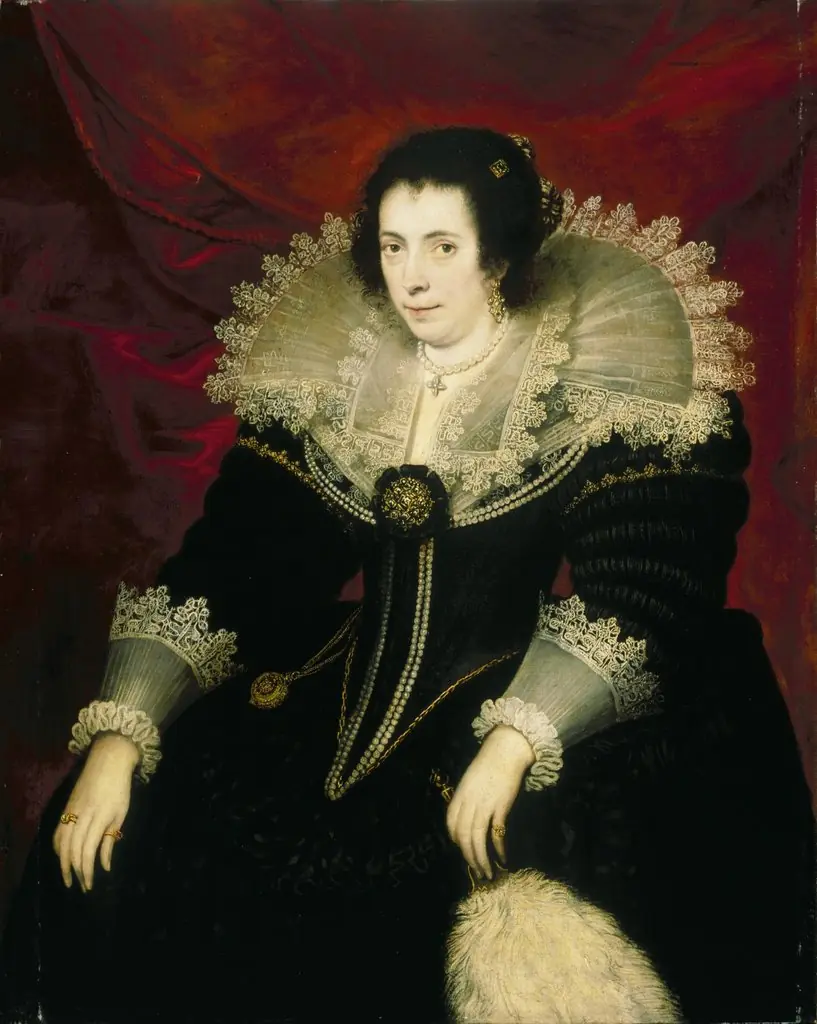
Unknown Lady is an oil painting by the Flemish Baroque painting artist Anthony van Dyck. It dates from 1628 and is held in the collection of the Museo del Prado.
About this work
Subject & Meaning
The portrait depicts a woman whose identity is not recorded, presented in the refined style typical of Anthony van Dyck’s courtly portraits from the late 1620s.
The portrait depicts a woman whose identity is not recorded, presented in the refined style typical of Anthony van Dyck’s courtly portraits from the late 1620s.
Her attire and the restrained elegance of the composition suggest a person of high social standing, possibly a noblewoman or court figure. The work belongs to van Dyck’s mature period in Antwerp, where he developed a fluid, psychologically perceptive approach to portraiture.
The painting’s placement in the Museo del Prado indicates its historical association with the Spanish royal collection, reflecting the trans-European circulation of Flemish art during the seventeenth century.
Technique & Style
Created in 1628, Unknown Lady is an oil painting executed on a canvas support. The work measures 106 cm in height and 75 cm in width, adhering to the standard vertical format for portraiture of the period. Executed by Anthony van Dyck, the piece is classified as a portrait depicting a woman.
The medium consists of oil paint applied to the canvas, a technique characteristic of the artist's output during his early career.
History & Provenance
The portrait titled Unknown Lady was created by Anthony van Dyck in 1628. Executed in oil on canvas, the work measures 106 cm in height and 75 cm in width. The painting is currently held in the collection of the Museo del Prado in Madrid, where it is located within the Royal Palace. Historical records indicate that the work was once owned by Ferdinand VII of Spain.
The painting Unknown Lady by Anthony van Dyck is held in the collection of the Museo del Prado in Madrid. Created in 1628, the oil on canvas portrait was historically owned by Ferdinand VII of Spain before entering the museum's holdings. The work is currently located within the Royal Palace of Madrid, which serves as a site for the institution's display.
Context
The attribution of this work to Anthony van Dyck was first documented in 1628 and has been reinforced by subsequent scholarship examining his early portraiture. Its classification as a Baroque portrait aligns with van Dyck's role in shaping courtly representation in early 17th-century Europe, particularly through his influence on the Spanish Habsburg elite. The painting's composition and technical execution reflect the stylistic innovations characteristic of van Dyck's mature period, as noted in art historical analyses of his workshop practices.
Documentation of its provenance indicates ownership by Ferdinand VII of Spain, underscoring its integration into the royal collection at the Museo del Prado, where it remains publicly accessible.
Scholarly discourse continues to debate the identification of the sitter, with some researchers proposing connections to van Dyck's broader network of patrons while emphasizing the work's significance as an example of his evolving portrait style. Its inclusion in major exhibitions, such as the Prado's retrospective on van Dyck's portraiture, has contributed to renewed critical attention on this piece within the context of European Baroque art.
Overview
Created in 1628 by the Flemish painter Anthony van Dyck, this oil portrait is presently housed in Madrid’s Museo del Prado. The work presents a solitary woman, her identity unknown, rendered in the compositional language of early 17th‑century Flemish portraiture.
Own this work as a print
Artist & collection
Artist
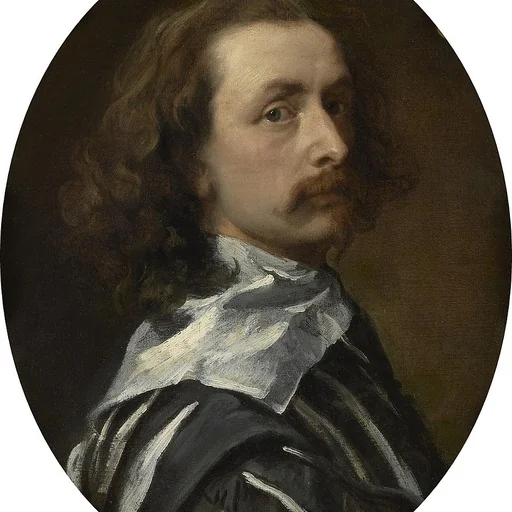
Sir Anthony van Dyck (; Dutch: Antoon van Dijck; 22 March 1599 – 9 December 1641) was a Flemish Baroque artist, who became the leading court painter in England after success in the Spanish Netherlands and Italy.

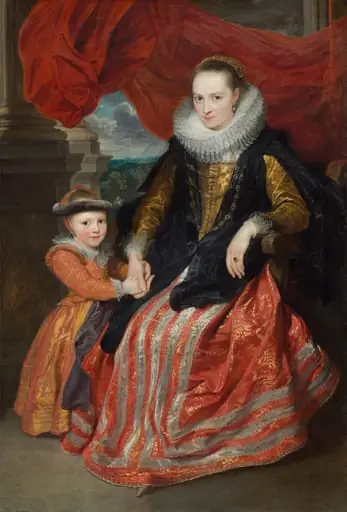
- Portrait of a Woman
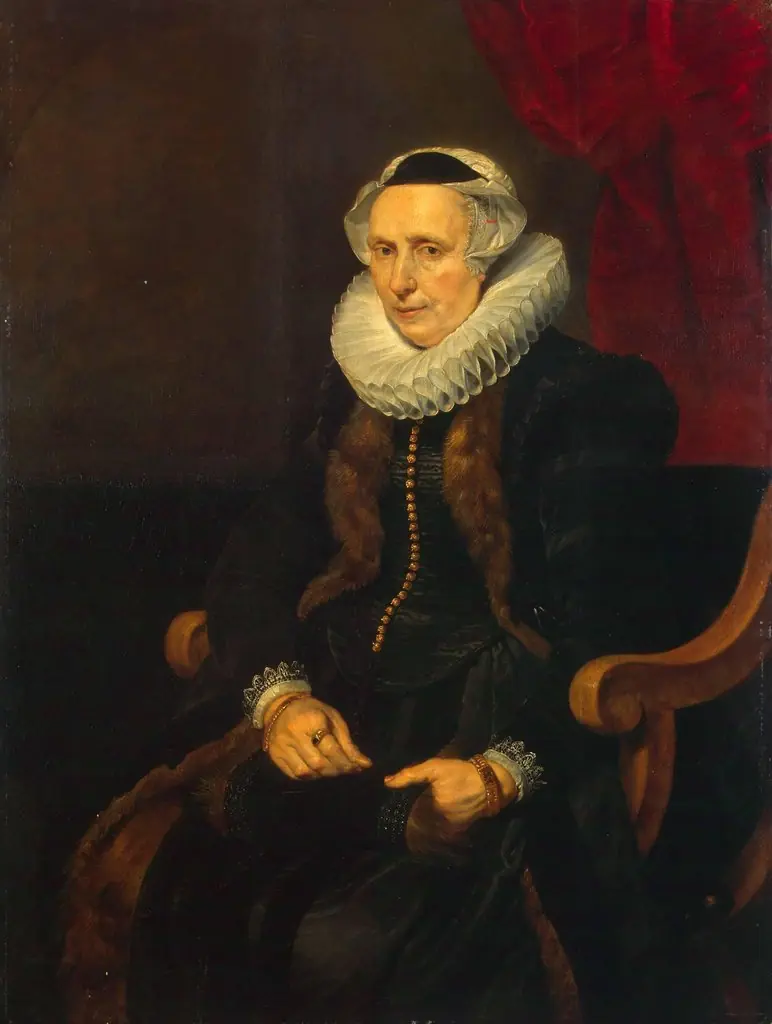 Portrait of an Old Lady Sitting in an Arm-Chair
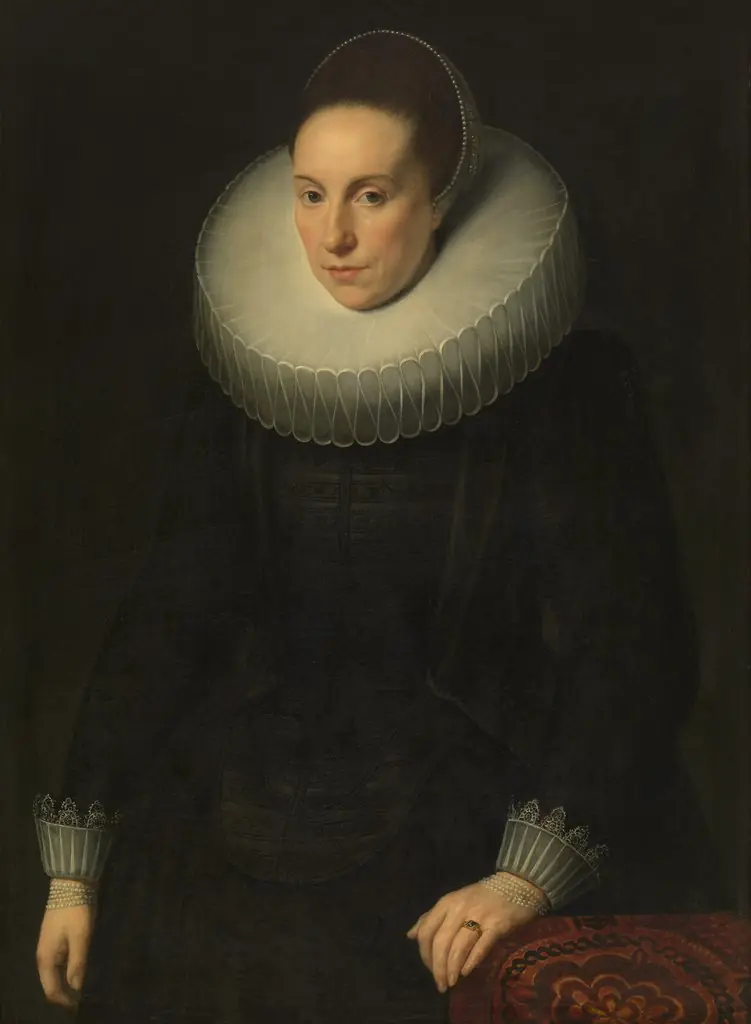 Portret van een vrouw
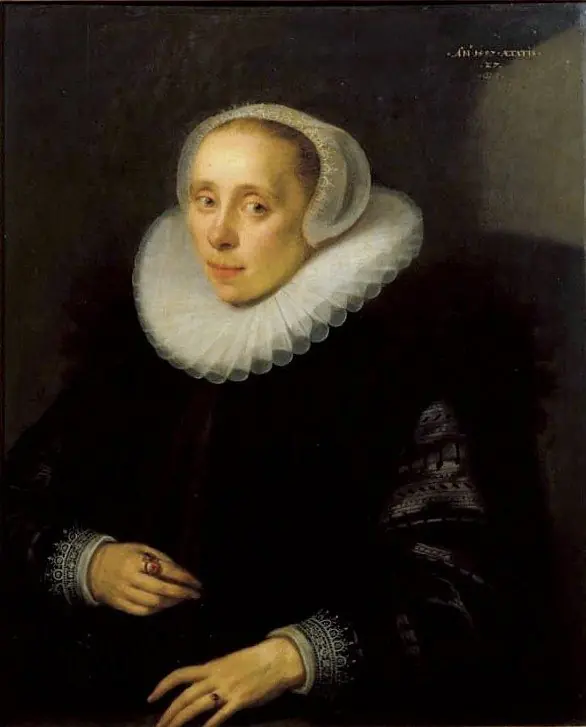 Portrait of a Lady
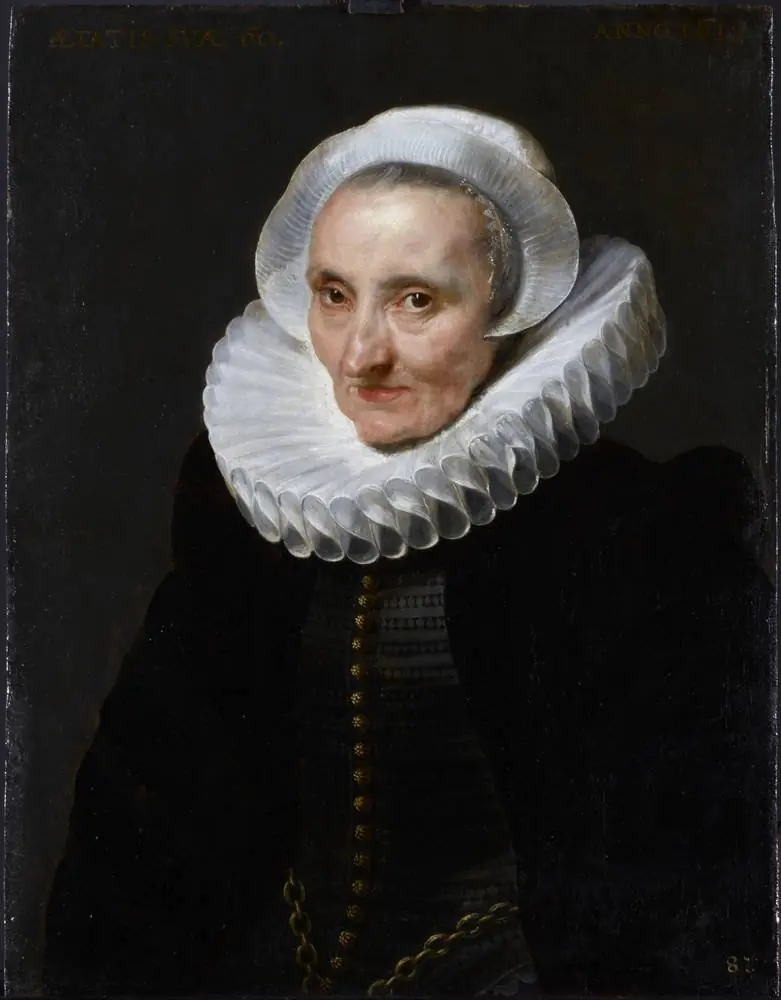 Portrait of a 60-year-old Woman
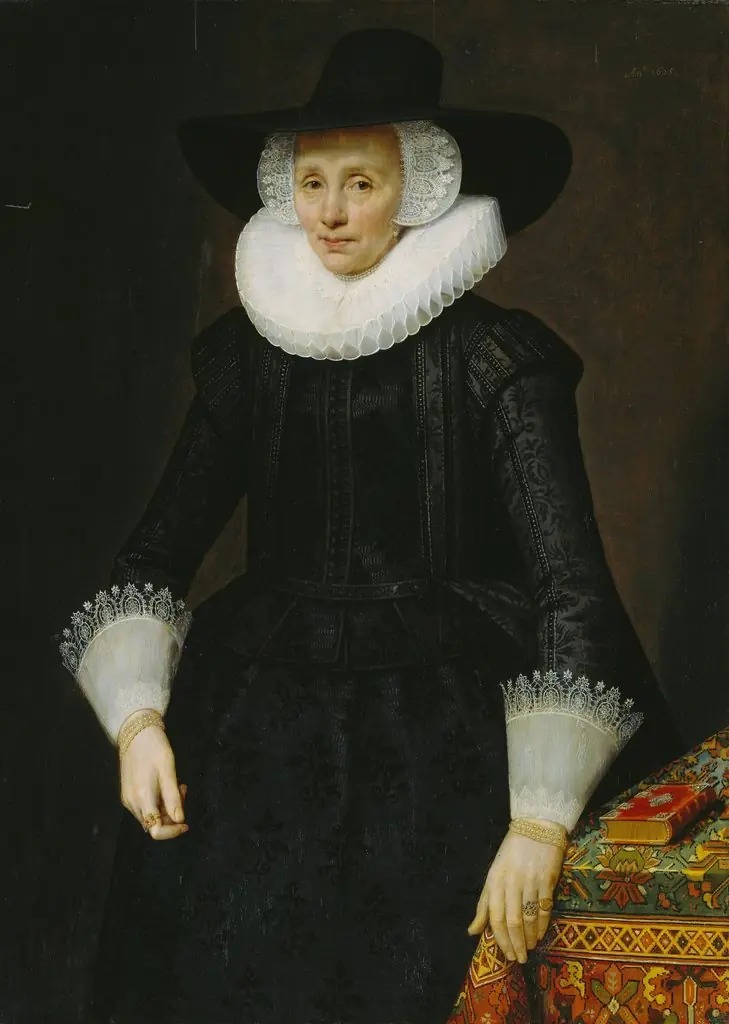 Portrait of Margarita Courten (1564-1640)
 A Woman
 Portrait of a woman of the Vinck/Vincque family
 Portrait of a Lady
 Isabella Clara Eugenia, wife of Albrecht VII
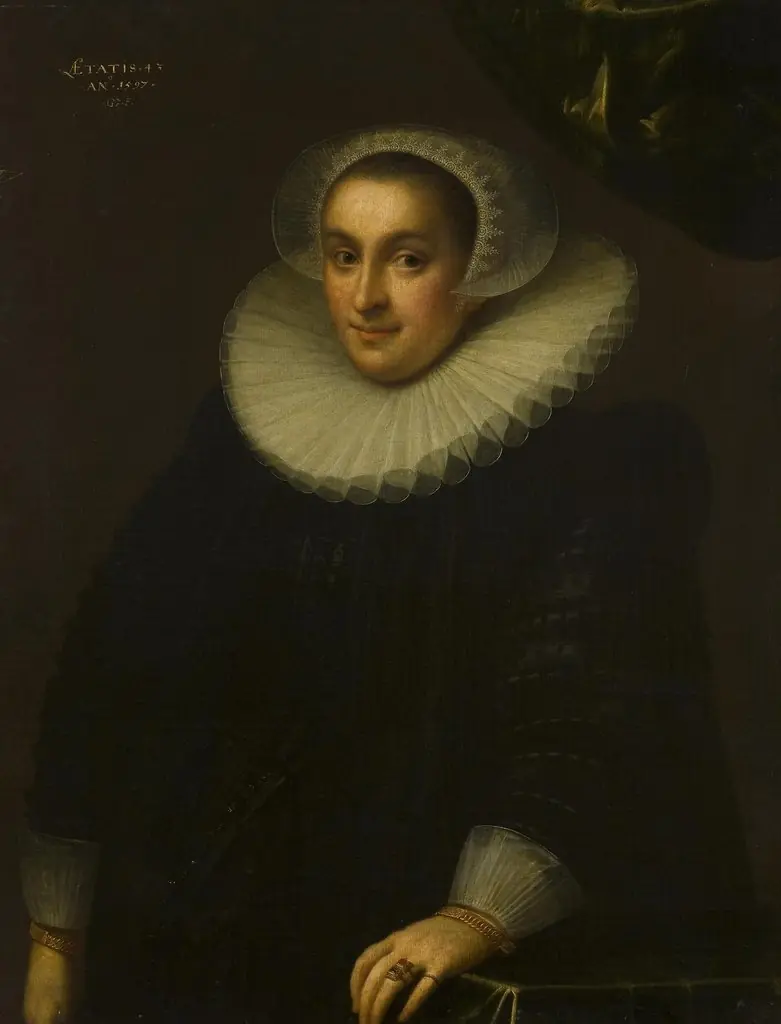 Portrait of Cornelia Bot, wife of Gottfried Houtappel
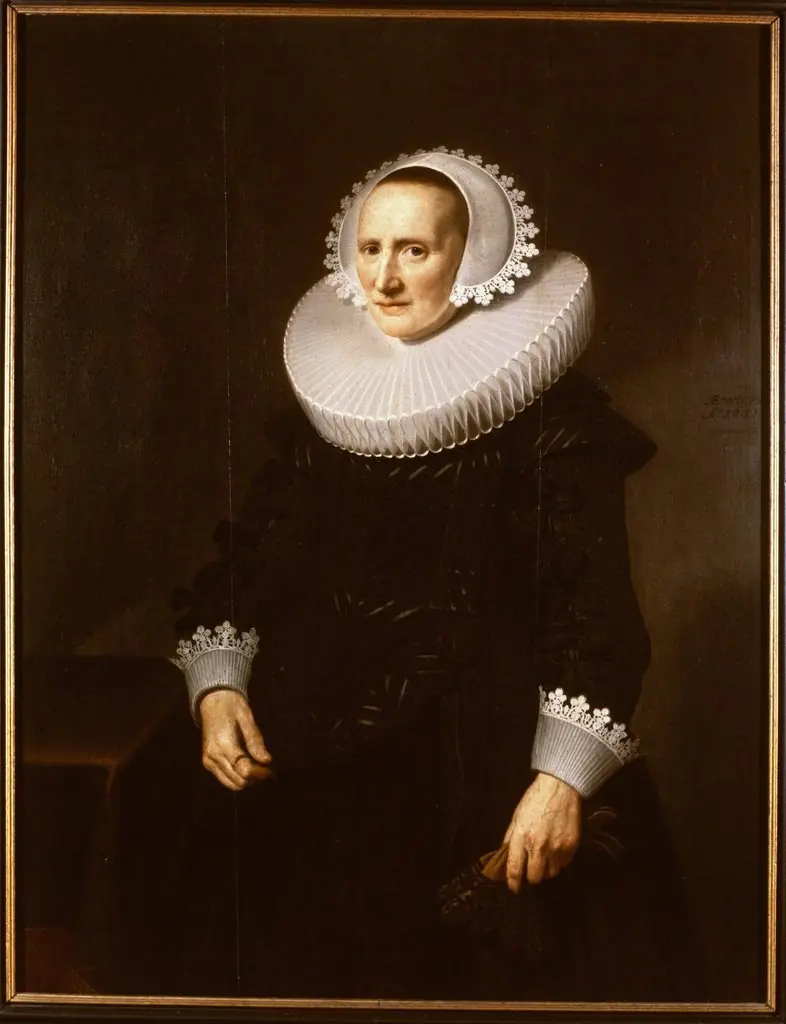 Portrait of Catharina Wielant (1572-1633)