Artwork
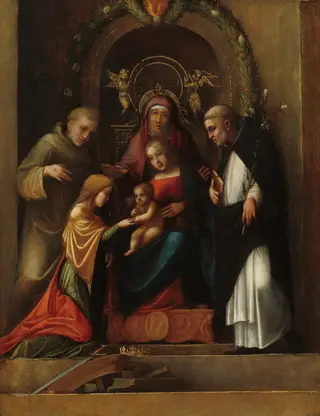
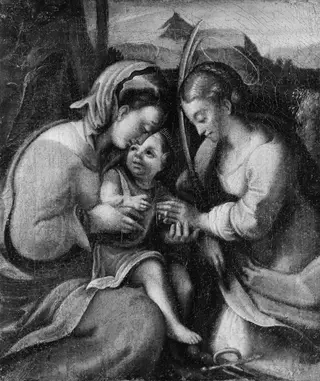
The Betrothal of Saint Catharine
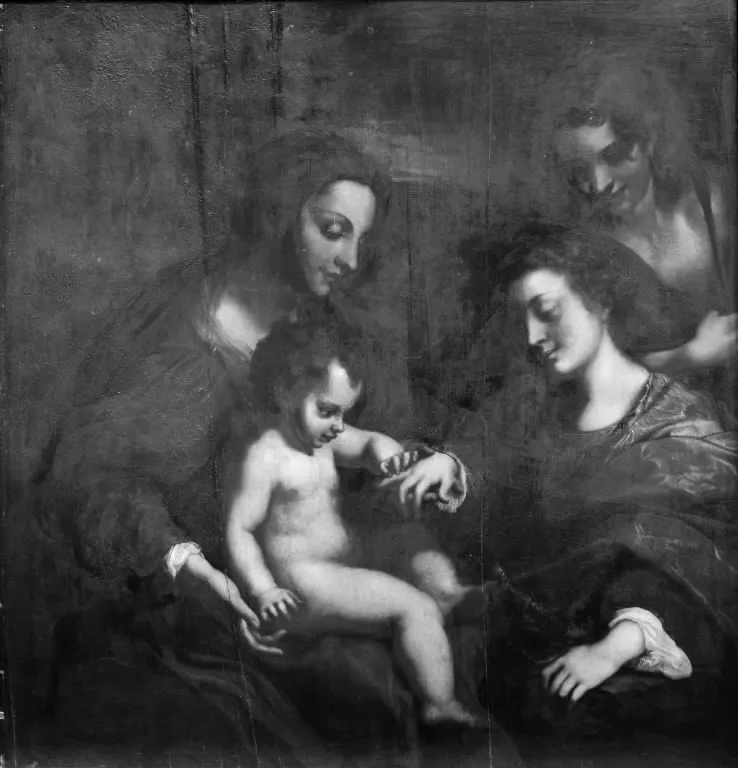
The Betrothal of Saint Catharine is an unspecified painting by the High Renaissance artist Antonio da Correggio. It dates from 1519 and is held in the collection of the Statens Museum for Kunst.
About this work
Subject & Meaning
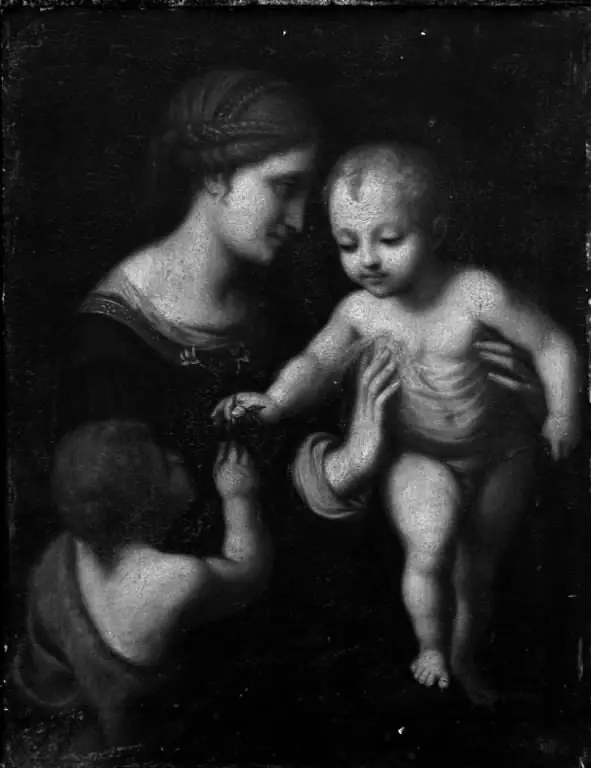
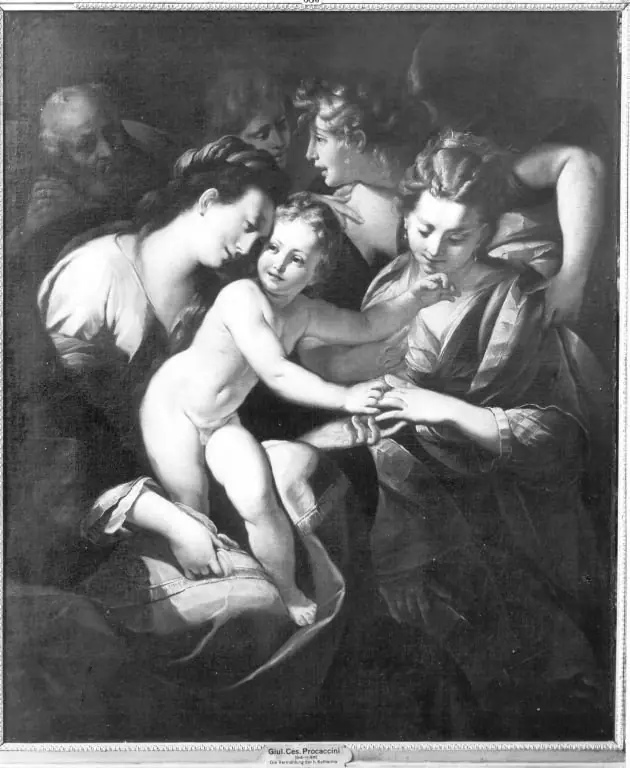
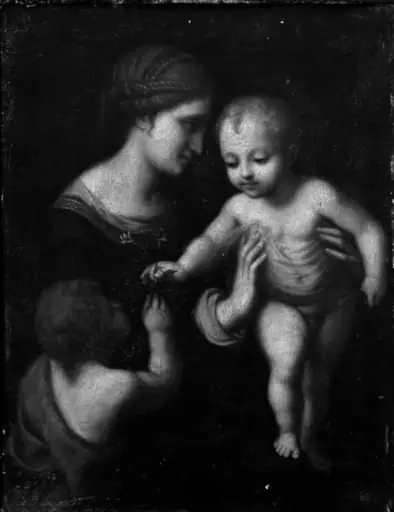
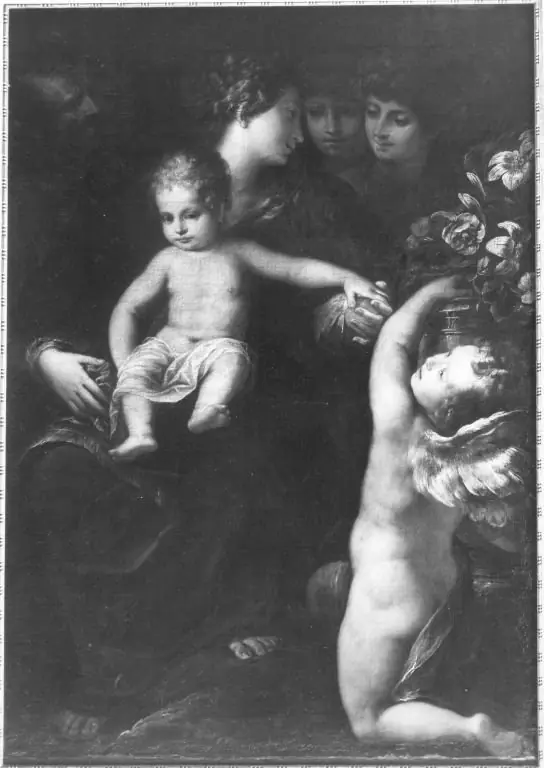
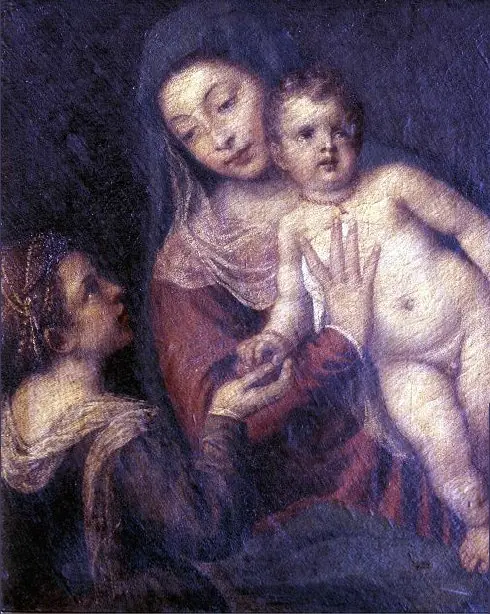
Catherine is shown receiving a ring from the infant Christ, a gesture symbolizing her consecration as a bride of Christ and her vow of perpetual virginity.
The painting depicts the mystical betrothal of Saint Catherine of Alexandria, a popular devotional subject in Renaissance art that portrays the saint's spiritual marriage to the Christ Child rather than a literal wedding. Catherine is shown receiving a ring from the infant Christ, a gesture symbolizing her consecration as a bride of Christ and her vow of perpetual virginity. The scene typically includes attributes identifying the saint, such as the palm of martyrdom and sometimes a fragment of the spiked wheel associated with her attempted execution, reinforcing her identity as a virgin martyr.
The religious genre of the work situates it within a tradition of devotional images intended to inspire contemplation of saintly virtue and mystical union with the divine.
The composition celebrates Catherine's legendary refusal of worldly marriage in favor of a sacred bond with Christ, presenting her betrothal as an act of faith and spiritual perfection rather than a conventional ceremony.
Technique & Style
The painting is executed in oil on wood panel, measuring 1050 cm in height and 1005 cm in width. It depicts the moment of Saint Catherine's betrothal, rendered with Correggio's characteristic soft modeling of forms and delicate tonal transitions. The composition emphasizes intimate interaction between figures, reflecting High Renaissance stylistic developments while maintaining a devotional focus appropriate to its religious genre.
Context
Antonio da Correggio painted The Betrothal of Saint Catharine in 1519, a religious work portraying Catherine of Alexandria, now housed in the Statens Museum for Kunst in Copenhagen. The painting measures 1050 cm by 1005 cm and belongs to the broader tradition of Renaissance religious art, reflecting Correggio's mastery of intimate devotional subjects. Scholarship situates it within his early Venetian-influenced period before his mature works in Parma, highlighting its significance in understanding his development of emotional depth in sacred narratives.
Legacy
The painting's composition and devotional intensity influenced subsequent religious works in Northern Italy, particularly shaping the narrative approaches of later Correggesque painters. Its presence in the Statens Museum for Kunst collection has ensured continued scholarly attention to Correggio's role in the evolution of High Renaissance altarpiece formats.
Overview
Antonio da Correggio’s early work, dated to 1519, presents a quiet devotional scene titled The Betrothal of Saint Catharine. Executed in oil on panel, the composition centers on a domestic interior illuminated by a soft, focused light. The painting resides in the collection of Denmark’s Statens Museum for Kunst, where it is displayed among other Renaissance religious works.
History & Provenance
Created in the early sixteenth century, the painting entered the Danish national collection at an unspecified later date, eventually becoming part of the Statens Museum for Kunst’s holdings. Its provenance before acquisition remains sparsely documented, reflecting the limited archival records for many of Correggio’s lesser‑known works.
Artist & collection

Artist
Antonio Allegri da Correggio, usually known as just Correggio, was an Italian Renaissance painter who was the foremost painter of the Parma school of the High Renaissance, who was responsible for some of the most…