Artwork
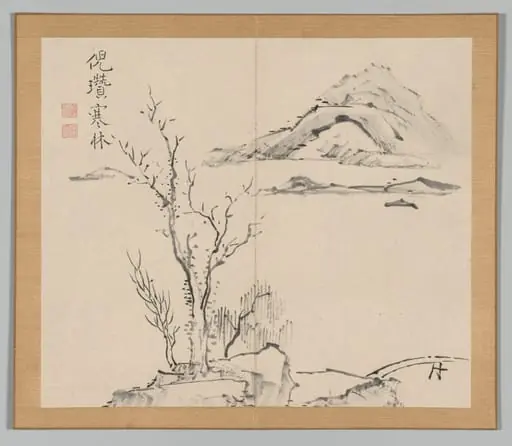
Reverberations of Taiga, Volume 1 (leaf 21)
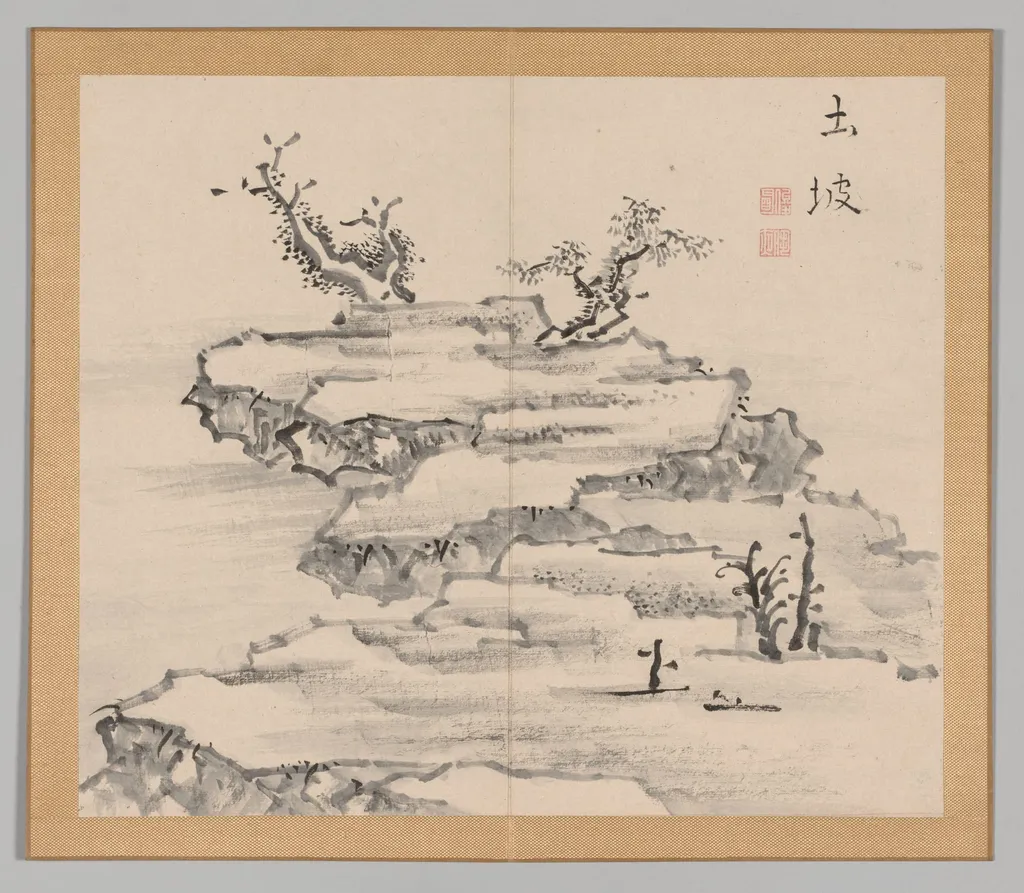
Reverberations of Taiga, Volume 1 (leaf 21) is a work on paper by the Baroque artist Aoki Shukuya. It dates from 1704 and is held in the collection of the Cleveland Museum of Art.
- Accession no.
- 1979.73.1.21
- Credit line
- Andrew R. and Martha Holden Jennings Fund
About this work
Overview
These works are not finished paintings but studies, intended to internalize compositional and technical principles through careful observation and replication.
Reverberations of Taiga, Volume 1 (leaf 21) is one of a series of ink sketches by Aoki Shukuya, created as part of a portfolio that reflects his training under the Kyoto-based painter Ikeno Taiga. These works are not finished paintings but studies, intended to internalize compositional and technical principles through careful observation and replication. The portfolio exemplifies the traditional Japanese method of artistic apprenticeship, where learning occurred through direct emulation of a master’s approach.
Subject & Meaning
The image depicts a sparse arrangement of rocks, trees, and distant mountains rendered in minimal brushwork. These elements are drawn from the natural landscape, a recurring theme in East Asian ink painting. Rather than conveying narrative or symbolism, the subject serves as a vehicle for technical exploration, each form is studied for its structural rhythm and tonal variation, embodying the contemplative relationship between artist and nature central to the tradition.
Technique & Style
Shukuya employs monochrome ink washes with controlled brushstrokes, varying pressure and moisture to suggest texture and depth. The style is restrained, avoiding ornamental detail in favor of essential forms. His handling of ink echoes Taiga’s preference for fluid, spontaneous lines and asymmetrical balance, yet retains a personal sensitivity in the subtlety of gradations. The technique reflects both disciplined training and an emerging individual voice within a prescribed aesthetic framework.
History & Provenance
Created in the mid-18th century, this leaf belongs to a portfolio produced during Shukuya’s formative years as Taiga’s pupil. Such sketchbooks were often kept privately, used for study rather than public display. The portfolio’s survival suggests it was valued by later collectors or students.
Its provenance traces back to Kyoto’s artistic circles, where Taiga’s influence extended beyond his lifetime through the work of his disciples.
Context
In 18th-century Japan, formal art education relied on the master-apprentice system, particularly among literati painters who valued scholarly traditions over commercial production. Taiga, influenced by Chinese Song and Yuan dynasty ink painting, encouraged his students to study nature directly while refining classical techniques. Shukuya’s sketches sit within this intellectual current, where artistic growth was measured by fidelity to tradition and depth of observation.
Legacy
Shukuya’s sketches, though not widely exhibited in his time, contribute to the broader understanding of how Taiga’s aesthetic was transmitted. They reveal the quiet, iterative process behind the development of individual style within a structured lineage. Today, such works are valued not as finished art but as documents of pedagogy, evidence of how artistic knowledge was preserved and evolved through generations of Japanese ink painters.
Own this work as a print
Artist & collection

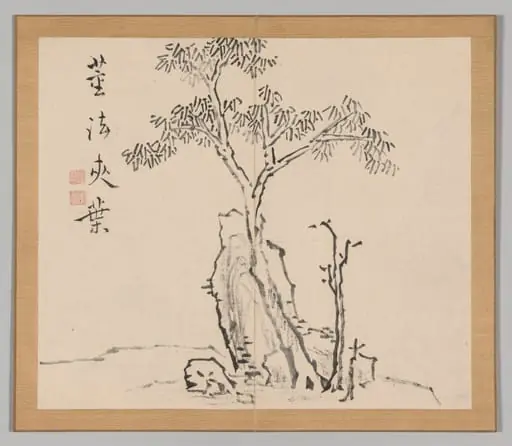 Reverberations of Taiga, Volume 1 (leaf 4)
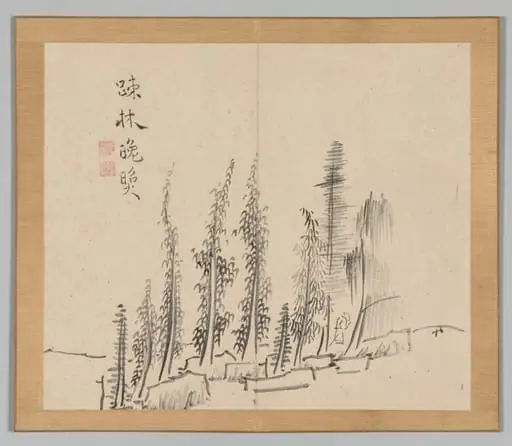 Reverberations of Taiga, Volume 2 (leaf 30)
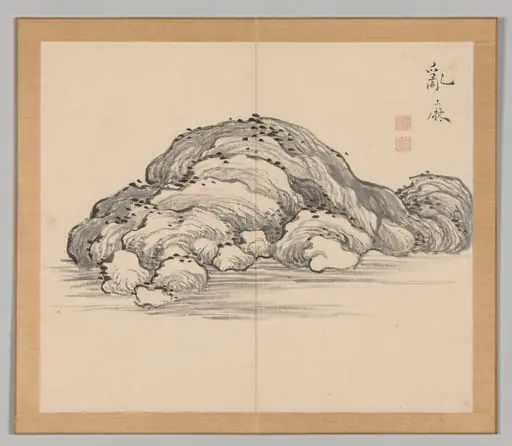 Reverberations of Taiga, Volume 1 (leaf 12)
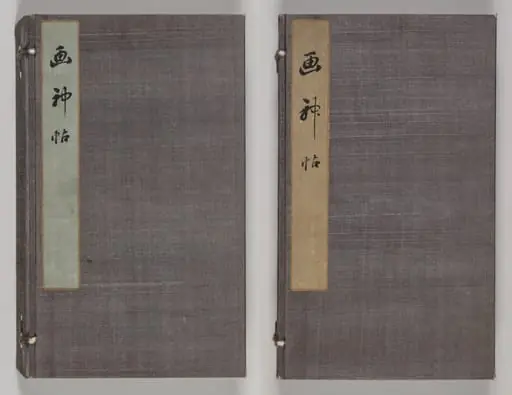 Reverberations of Taiga
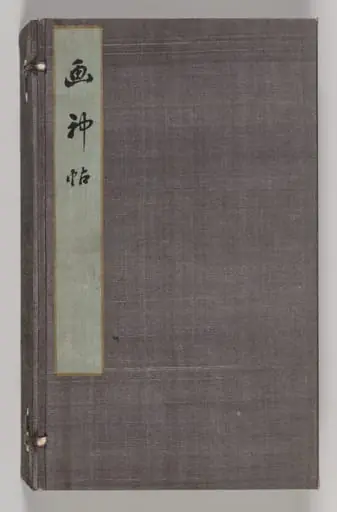 Reverberations of Taiga (Volume 1)
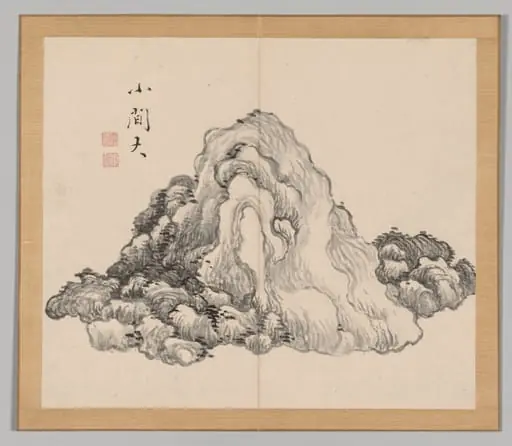 Reverberations of Taiga, Volume 1 (leaf 7)
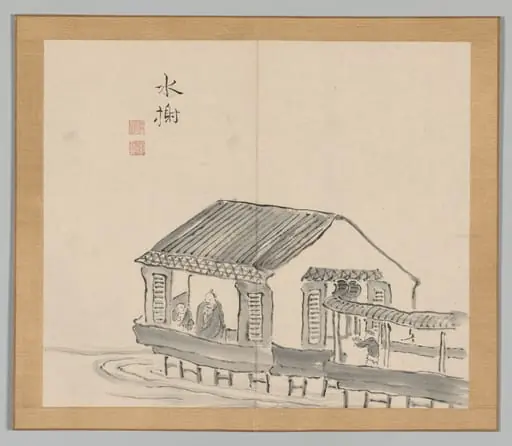 Reverberations of Taiga, Volume 2 (leaf 29)
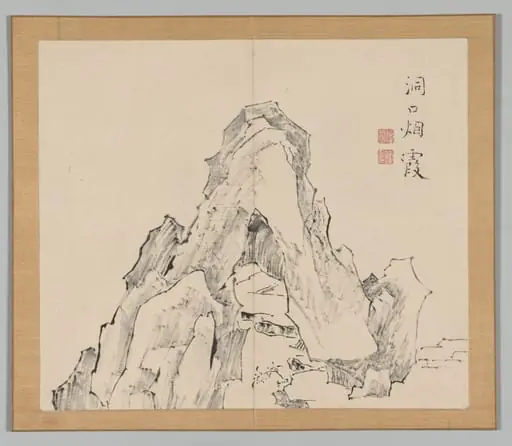 Reverberations of Taiga, Volume 2 (leaf 20)
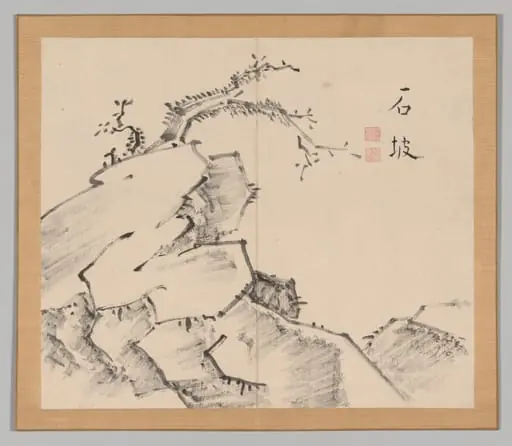 Reverberations of Taiga, Volume 1 (leaf 20)
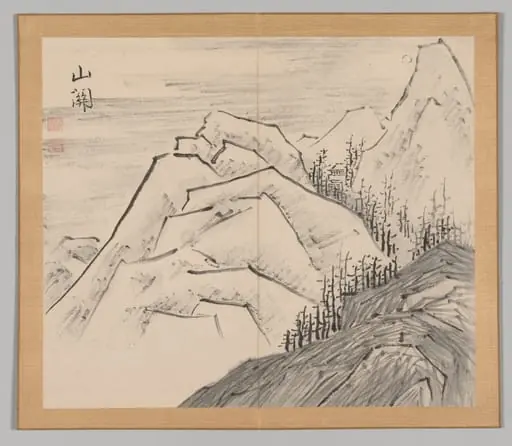 Reverberations of Taiga, Volume 1 (leaf 29)
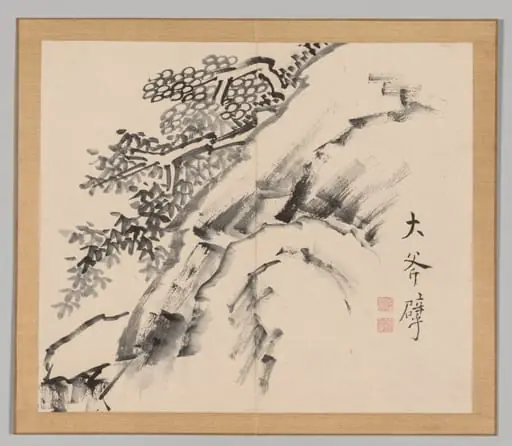 Reverberations of Taiga, Volume 1 (leaf 9)
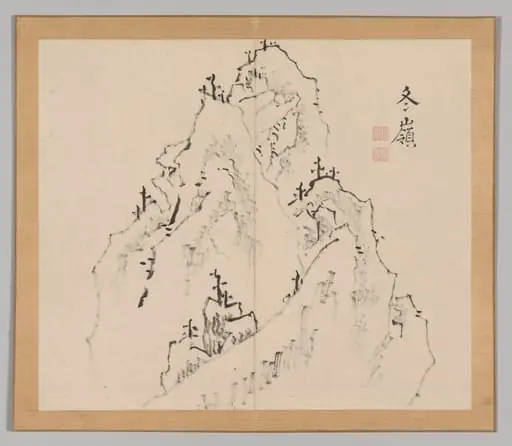 Reverberations of Taiga, Volume 1 (leaf 25)
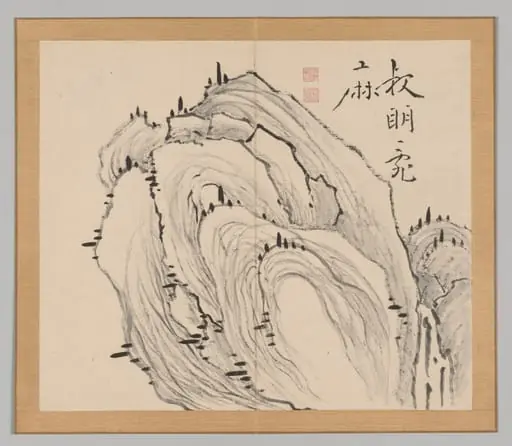 Reverberations of Taiga, Volume 1 (leaf 11)
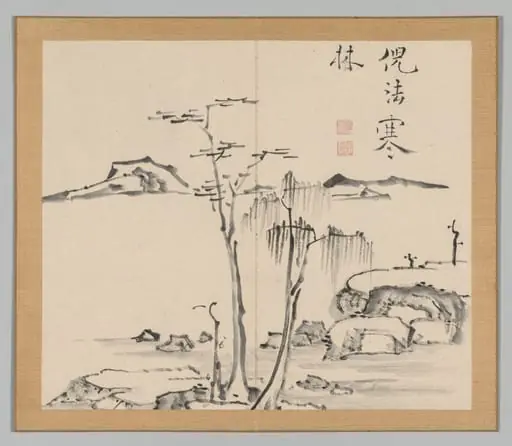 Reverberations of Taiga, Volume 2 (leaf 15)
 Reverberations of Taiga, Volume 2 (leaf 11)