Artwork
The Triumph of Scipio Africanus
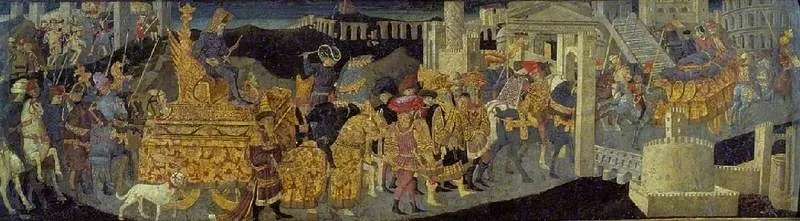
The Triumph of Scipio Africanus is an unspecified painting by Apollonio di Giovanni. It dates from 1447 and is held in the collection of the Fitzwilliam Museum.
About this work
Overview
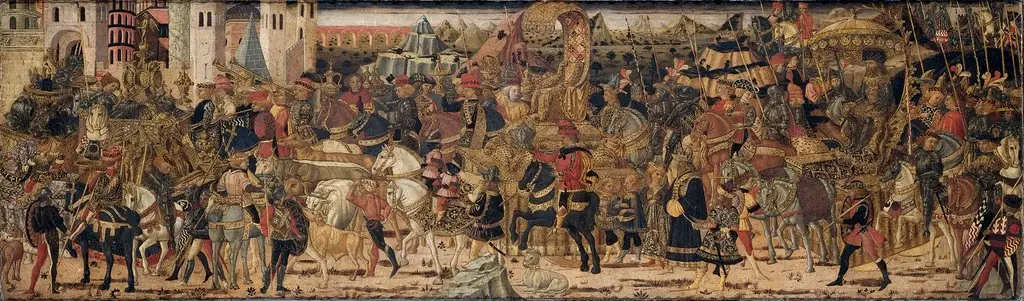
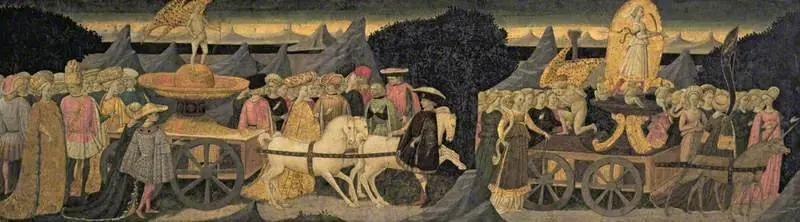
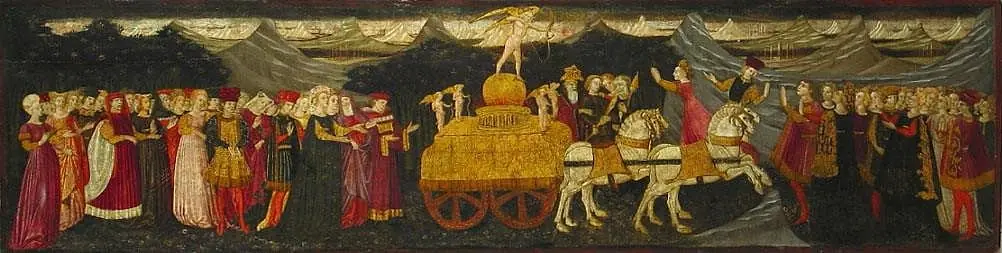
At the center, Scipio stands atop an ornate chariot drawn by two horses, wearing a laurel wreath and a red robe while holding a spear.
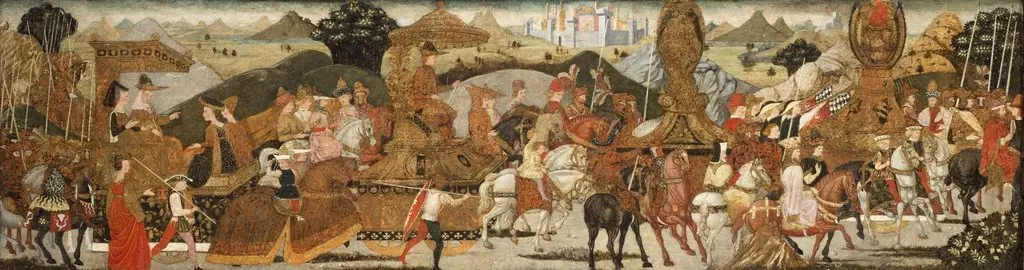
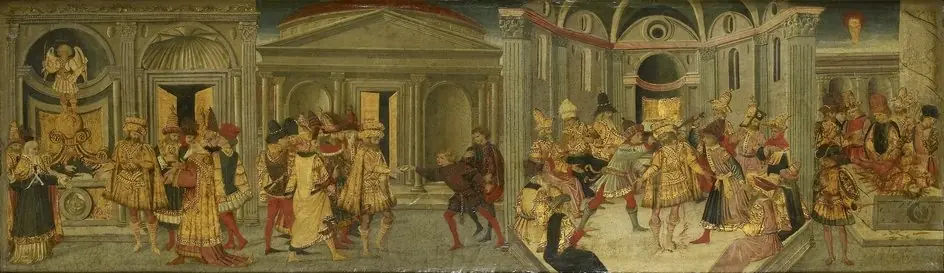
The Triumph of Scipio Africanus, executed by Apollonio di Giovanni in 1447, is a cassone panel depicting the Roman general Scipio Africanus returning to Rome in triumph. The composition is organized as a continuous narrative frieze, characteristic of Florentine marriage chests of the mid-15th century. At the center, Scipio stands atop an ornate chariot drawn by two horses, wearing a laurel wreath and a red robe while holding a spear.
He is flanked by a dense procession of figures, including soldiers on horseback and foot soldiers carrying spoils of war, all rendered with a rhythmic, decorative clarity. The scene captures the moment of victory and the general's clemency, a popular humanist subject in Renaissance Florence. Apollonio di Giovanni, known for his workshop's prolific output of narrative cassoni, employs a flat, linear style with vibrant colors and intricate architectural details in the background.
This work exemplifies the artist's skill in adapting classical history to contemporary domestic contexts, blending historical gravitas with the lively, crowded compositions favored by 15th-century patrons. The painting serves as a moral exemplum of virtue and military success, intended to adorn the private chambers of a wealthy family.
Subject & Meaning
The composition illustrates the historic triumph of the Roman general Scipio Africanus after his victory over Hannibal at Zama. By placing Scipio in a chariot and surrounding him with soldiers and civilians, the work emphasizes his military success and the civic pride associated with Roman conquest, while the laurel wreath underscores his status as a celebrated victor.
Technique & Style
Executed in tempera on panel, the painting showcases the mid‑Quattrocento Florentine style characteristic of Apollonio’s workshop. Figures are rendered with bright, saturated pigments and detailed drapery, while the architectural backdrop is rendered with linear perspective that suggests depth. The use of gold‑leaf accents on the chariot and armor adds a luminous quality typical of the period’s decorative conventions.
History & Provenance
Created in the mid‑15th century, the panel entered the collection of the Fitzwilliam Museum in Cambridge, where it remains on display. Its acquisition history reflects the 19th‑century interest in Italian Renaissance works among British collectors, though earlier ownership records are sparse.
Context
Apollonio di Giovanni worked in the artistic milieu of Florence, where civic and historical subjects were popular among patrons seeking to align contemporary achievements with classical antiquity. The triumph of Scipio resonated with Florentine ideals of republican virtue and military excellence, making the theme a fitting choice for a decorative panel intended for a domestic or civic setting.
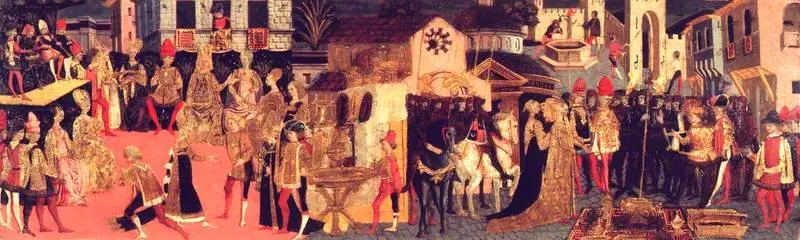
Artist & collection

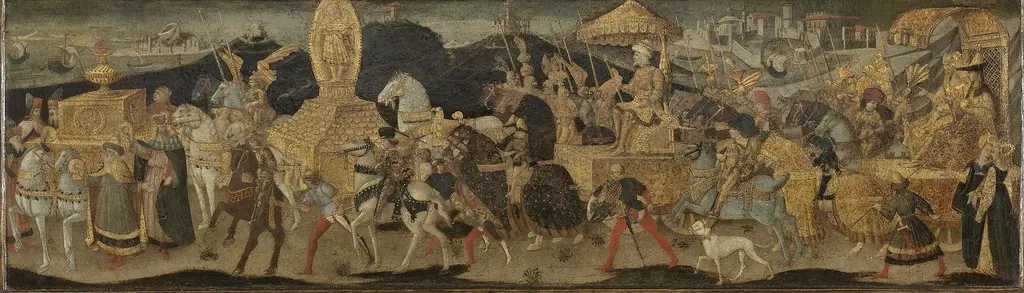 Darius Marching to the Battle of Issus
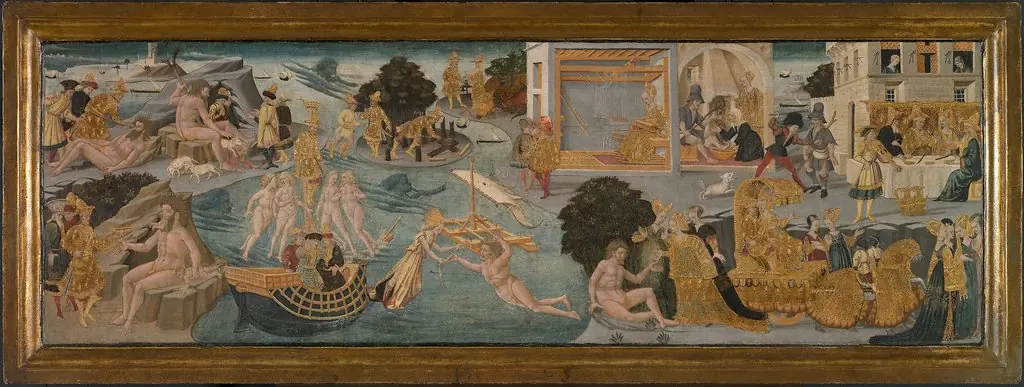 The Adventures of Ulysses
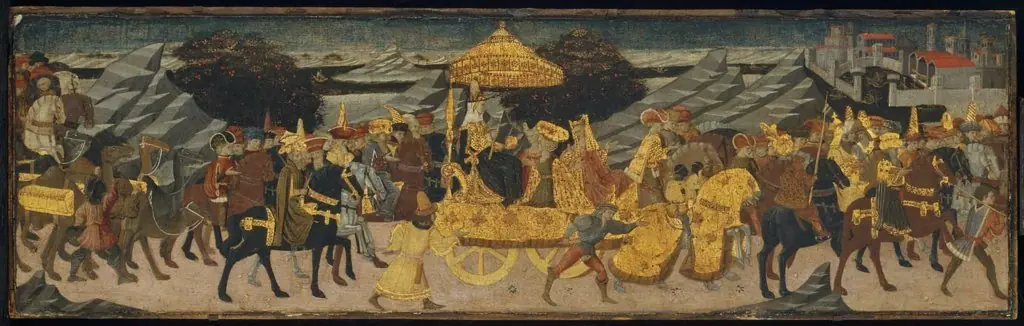 Journey of the Queen of Sheba
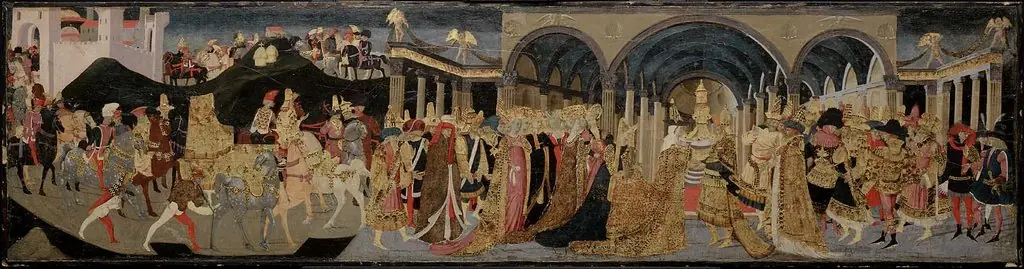 Meeting of Solomon and the Queen of Sheba
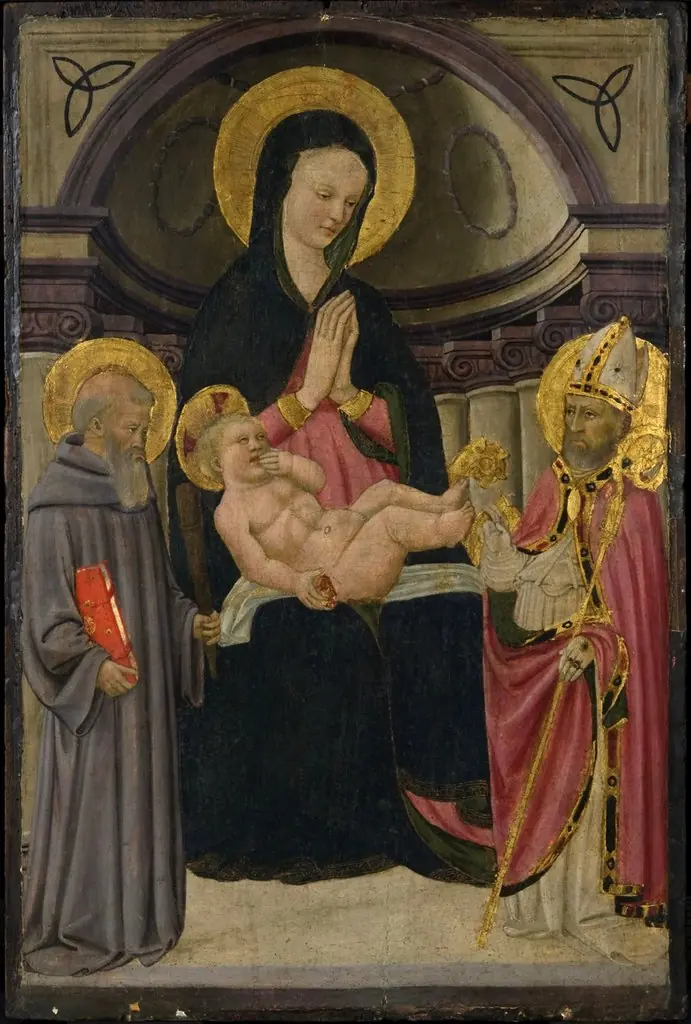 Virgin and Child Enthroned with Saint Benedict and a Bishop Saint
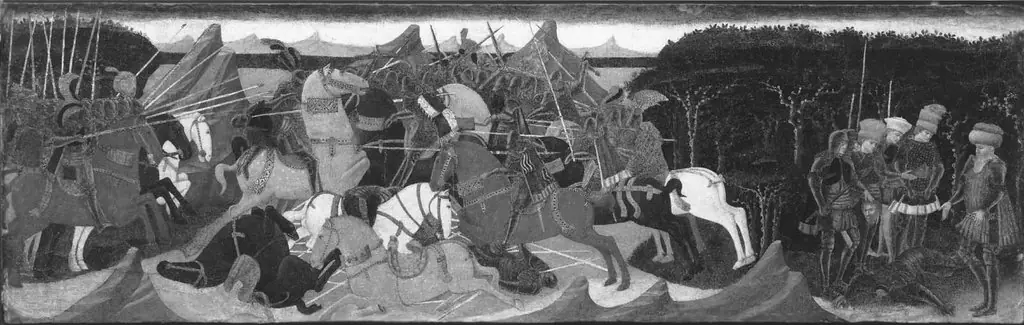 Battle of Pharsalus and the Beheading of Pompey
- The Continence of Scipio
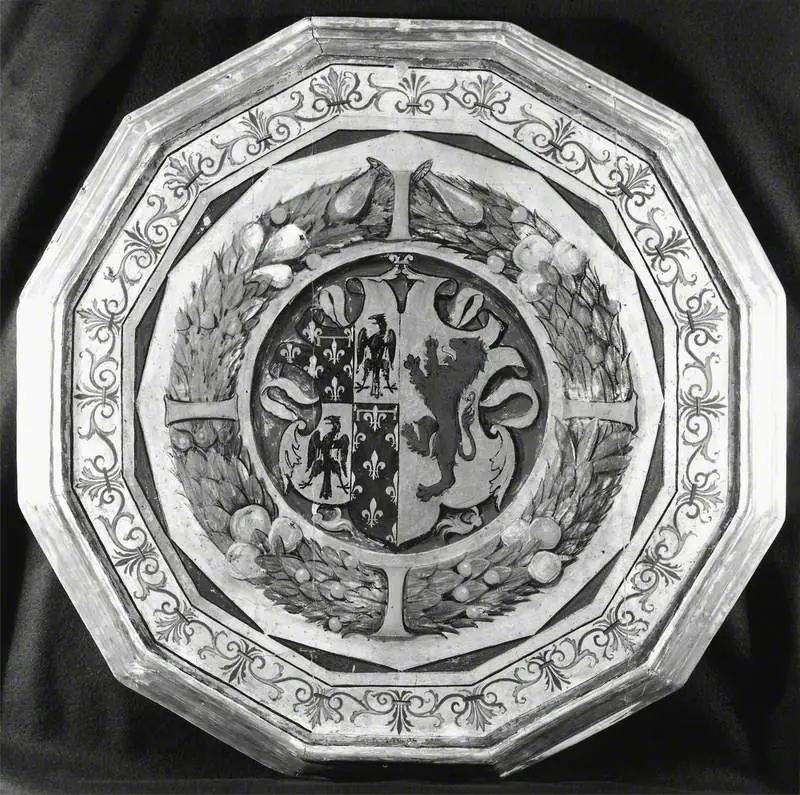 Shield with Two Arms Framed by a Garland (birth tray, back)