Artwork
Mars, Venus and Amor
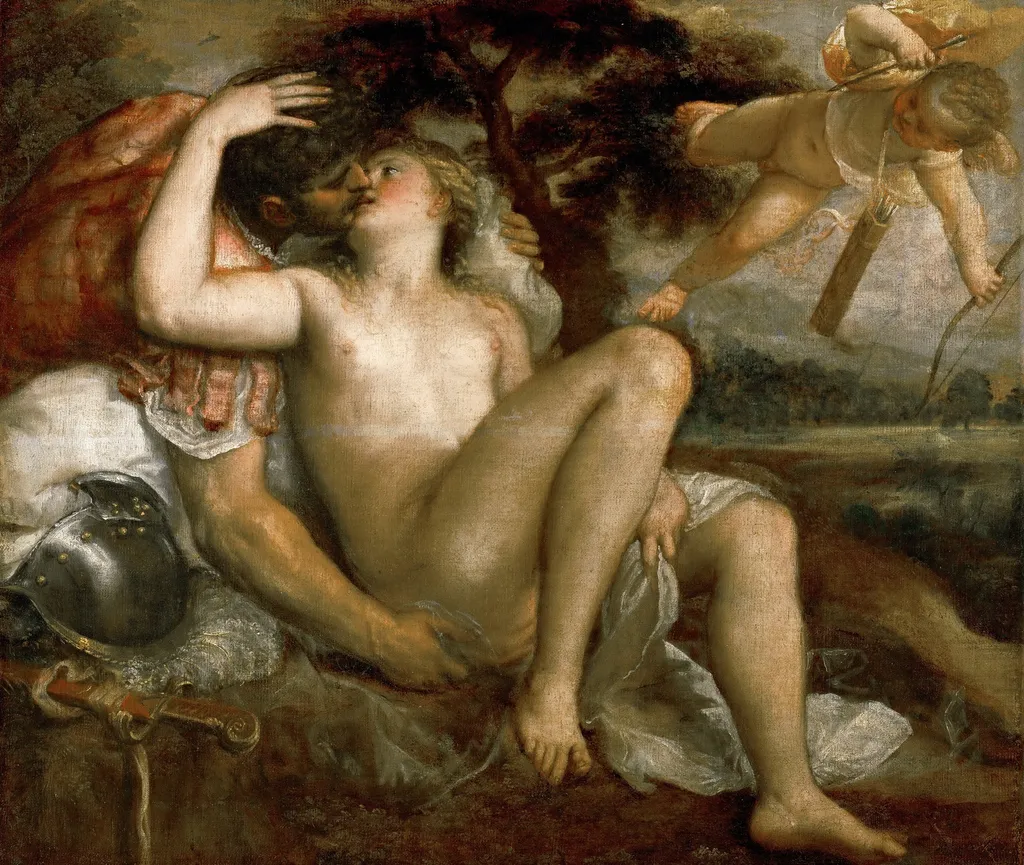
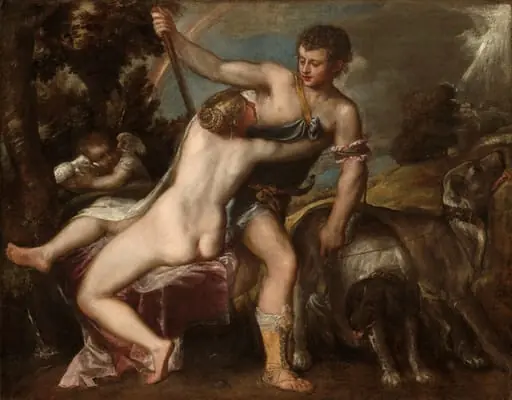
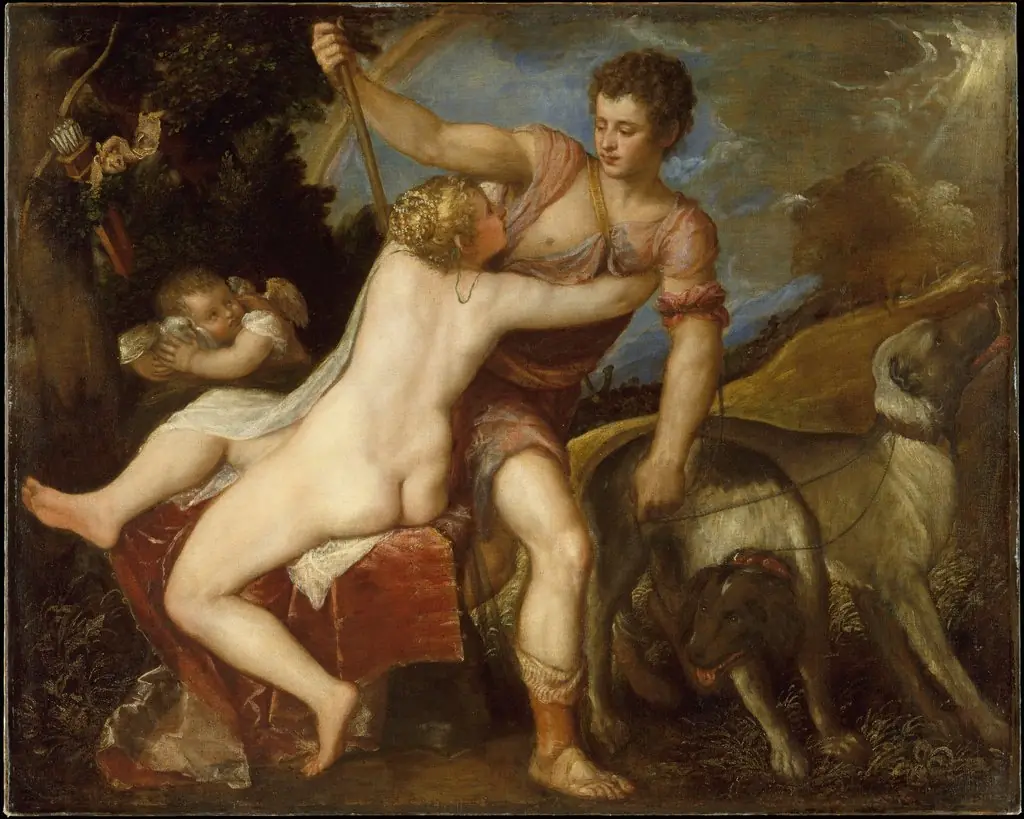
Mars, Venus and Amor is an oil painting by the Mannerist artist Titian. It dates from 1550 and is held in the collection of the Kunsthistorisches Museum.
About this work
It’s been part of the museum’s collection since at least 1783, indicating its long history in the Austrian capital.
Mars, Venus and Amor is an oil on canvas by Titian, dated around 1550. The work lives in the Kunsthistorisches Museum in Vienna.
The painting shows the mythological love affair between Venus and Mars, a story from Graeco‑Roman myth. It’s been part of the museum’s collection since at least 1783, indicating its long history in the Austrian capital.
If you liked this, you might want to explore more about the subject Mars and Venus.
Subject & Meaning
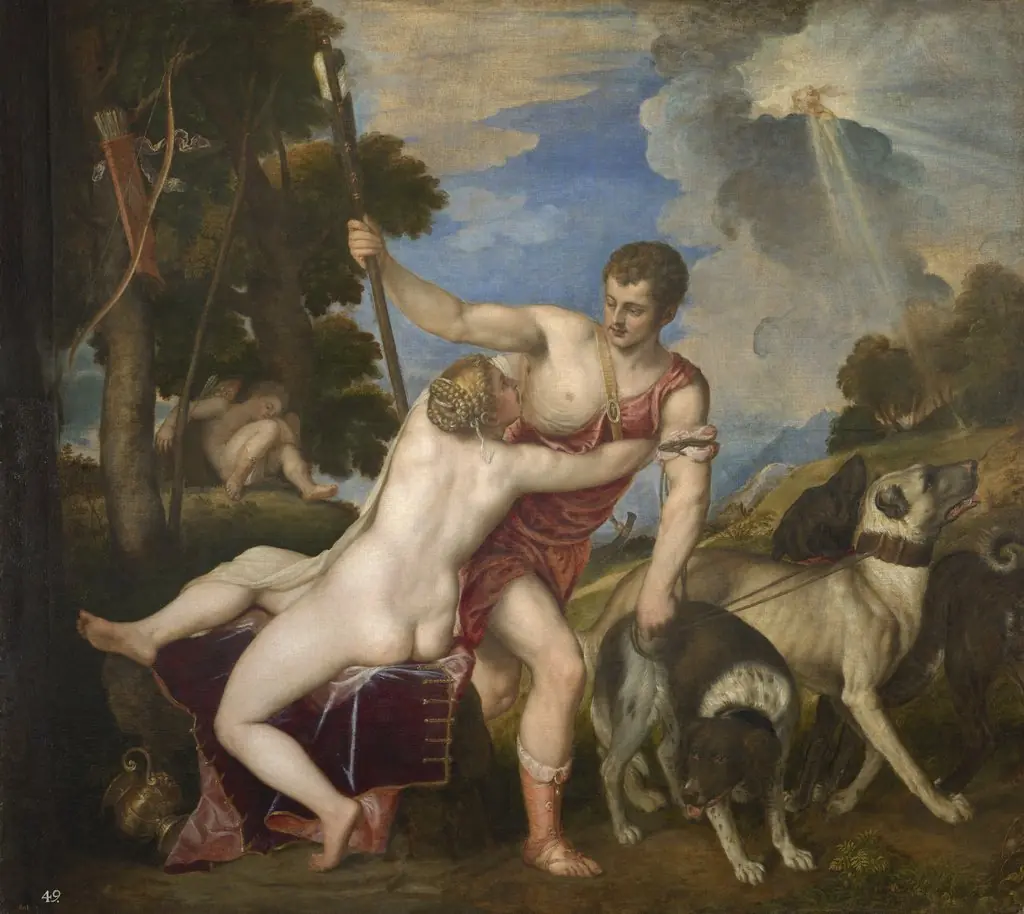
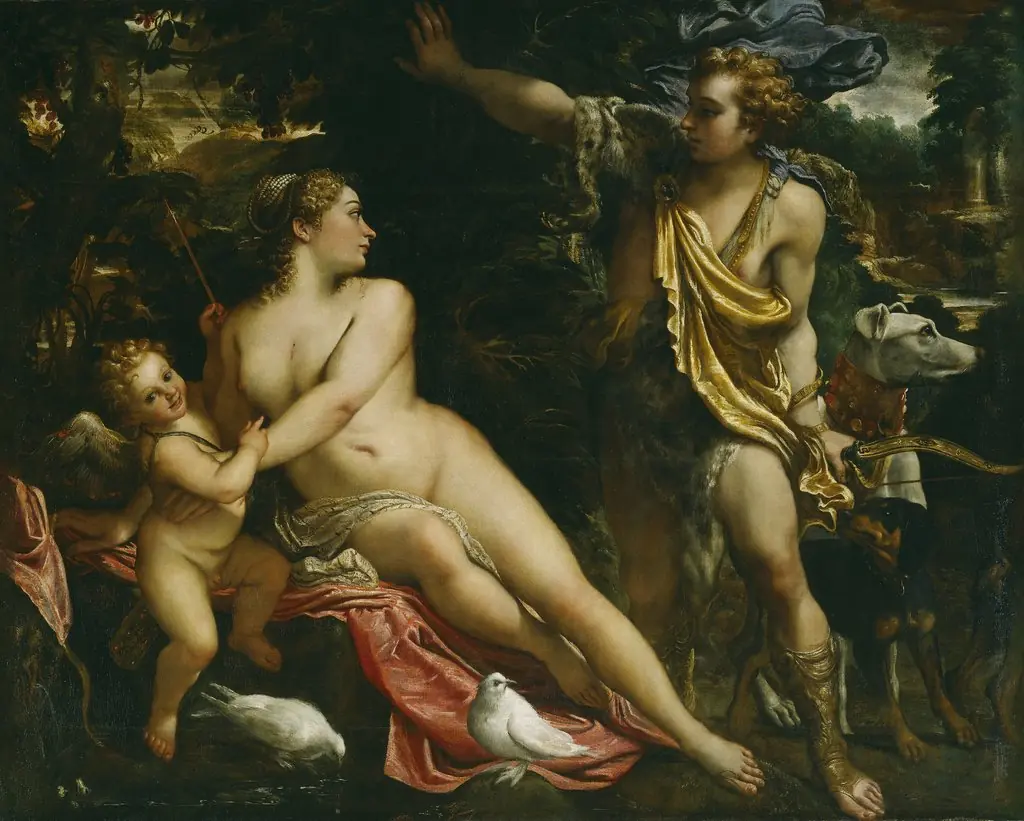
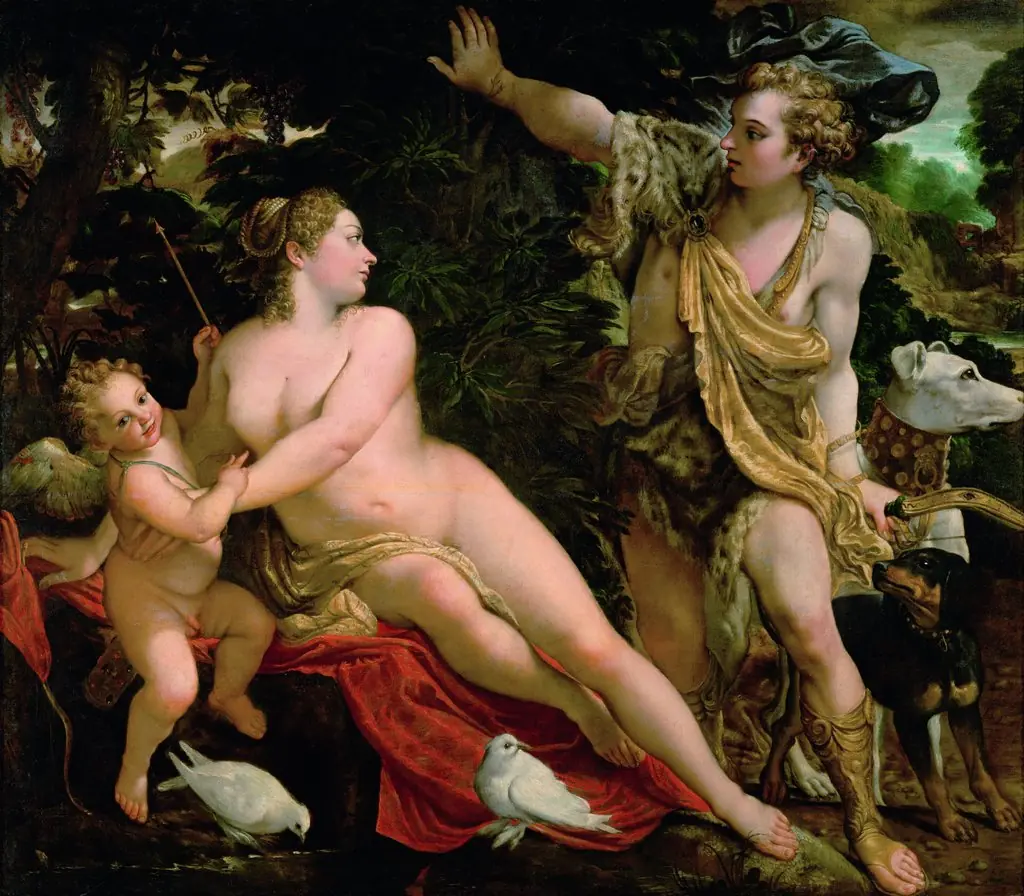
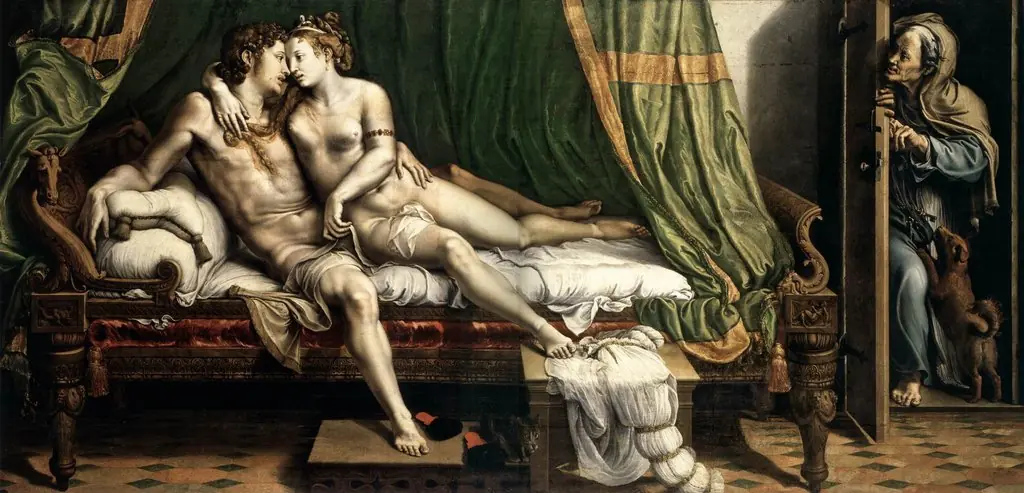
This painting depicts the classical myth of Venus and Mars, whose adulterous love affair is recounted in Homer’s Odyssey. Venus, the goddess of love, reclines nude while embracing Mars, the god of war, who is armored and partially shielded by a pillow. Cupid hovers above, holding bow and arrow, signaling the erotic charge of the scene.
The composition underscores the tension between martial power and amorous desire, a theme Titian revisited in his late period after 1570. The Mediterranean landscape and single tree frame the couple, grounding the divine encounter in an earthly setting.
Art historical readings connect the work to Titian’s mature Venetian style, where mythological subjects become vehicles for amorous poetry and expressive movement. Ekkehard Mai situates this version within the artist’s late phase, characterized by dramatic bodily interplay and emotional intensity.
Technique & Style
Mars, Venus and Amor is executed in oil paint on canvas support. The work measures 97 by 109 centimeters and is housed within a frame of 111.5 by 130 by 8 centimeters. Stylistically, the painting belongs to the Venetian school and reflects Titian's late period, characterized by dramatic and expressive portrayals of lovers with dynamic, emotionally charged interactions.
The composition features a nude female figure in the foreground engaging in a complex embrace, a motif noted for its "typical Titianesque amorous poetry." The handling of the figures includes a reclining Venus propped on a white pillow and a partially visible Mars in a red breastplate, set against a Mediterranean landscape with a nearby tree and rolling hills. The scene captures the adulterous love of the mythological couple with a focus on their physical entanglement and the hovering presence of Cupid.
History & Provenance
The painting Mars, Venus and Amor is dated to Titian’s late period, after 1570, when the artist developed a distinctive compositional style marked by dramatic and expressive portrayals of lovers. The work entered the collection of the Kunsthistorisches Museum in Vienna by at least 1783, where it has remained since. The museum’s holdings note that the Vienna version may be an autograph original or a studio variant, reflecting the collaborative practices of Titian’s workshop.
Earlier German scholarship proposed a date around 1550, but recent art-historical consensus places the painting in the artist’s final decade.
The painting’s ownership chain prior to 1783 is undocumented, and no record of a specific commission survives. Its subject derives from classical mythology, depicting Venus and Mars in an amorous encounter observed by Cupid, a motif linked to Ovidian and Homeric sources that Titian reinterpreted in his late mythologies.
The painting is held in the collection of the Kunsthistorisches Museum in Vienna. It is recorded in the museum's Picture Gallery under inventory number 13. The work has been documented in the museum's holdings since at least 1783.
While the piece is attributed to Titian's late period, sources note uncertainty regarding whether the specific canvas in Vienna is an autograph original or a version produced by his workshop.
Context
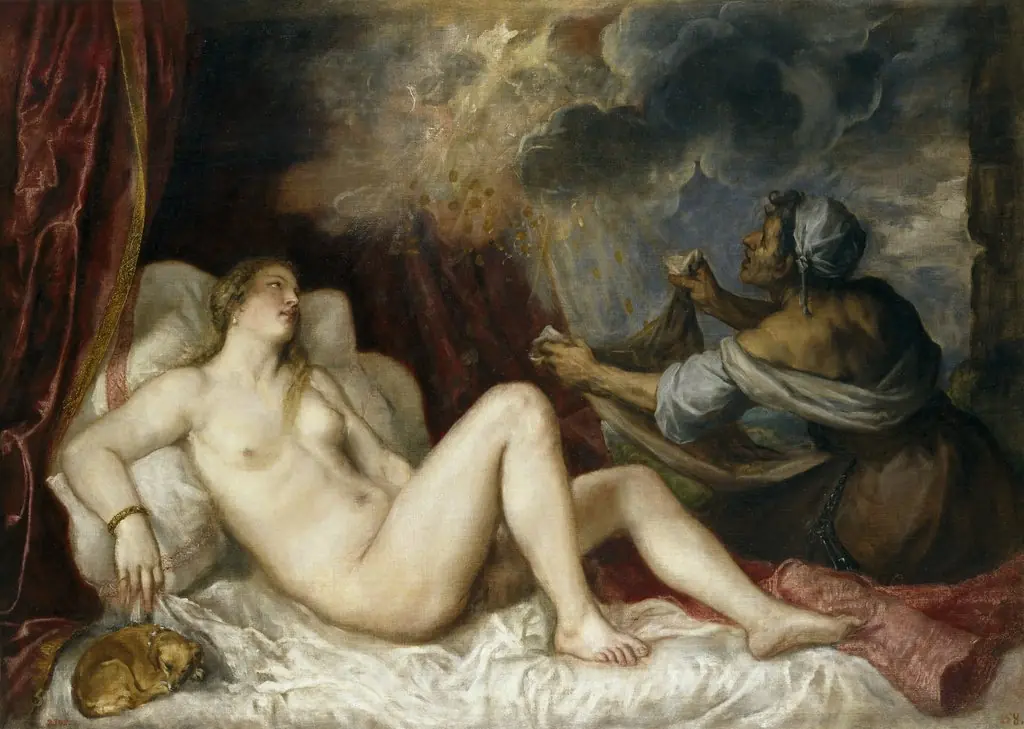
The painting is situated within Titian’s late period, with scholarship dating the work to after 1570, despite some earlier cataloging suggesting a date around 1550. Art historian Ekkehard Mai characterizes the composition as typical of this final phase, noting its dramatic and expressive portrayal of lovers. This interpretation aligns the piece with other late works such as Danaë and Venus and Adonis, which feature similar foregrounded nude figures and emotionally charged interactions.
Mai identifies the work as a variation of the traditional Venus and Mars motif, drawing potential visual parallels to Michelangelo’s Leda and the Swan and ancient depictions of Ariadne. While the Kunsthistorisches Museum holds the work, provenance records from 1783 leave open the question of whether the Vienna canvas is a primary autograph work or a version produced by the artist's workshop.
Legacy
The painting’s late Titianesque style and dramatic coupling became a touchstone for later Venetian and Baroque artists who adapted its charged eroticism and dynamic figural arrangement into their own mythological scenes. Ekkehard Mai’s analysis situates the work within Titian’s late oeuvre, noting its influence on compositions that privilege expressive bodily entanglement and heightened emotional tension.
Its presence in the Kunsthistorisches Museum since at least 1783 ensured continued visibility, anchoring the image in European museum culture and shaping later receptions of Titian’s late mythologies.
Overview
Titian's "Mars, Venus and Amor" is an oil on canvas painting created around 1550. This work portrays a scene from classical mythology, specifically depicting the illicit romantic entanglement between the Roman goddess of love, Venus, and the god of war, Mars. The composition also includes Amor, further emphasizing the theme of desire.
The painting is a notable example of Titian's engagement with mythological subjects and is currently held in the collection of the Kunsthistorisches Museum in Vienna.
Own this work as a print
Artist & collection
Artist
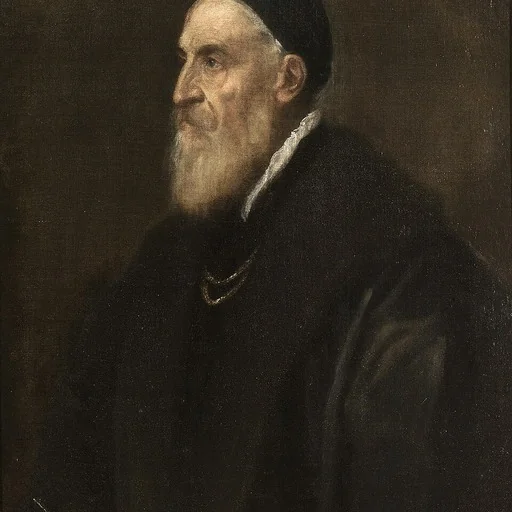
Tiziano Vecellio (Italian:; c. 1488/1490 – 27 August 1576), Latinized as Titianus, hence known in English as Titian ( TISH-ən), was an Italian Renaissance painter. The most important artist of Renaissance Venetian…