Artwork
Venus und Merkur
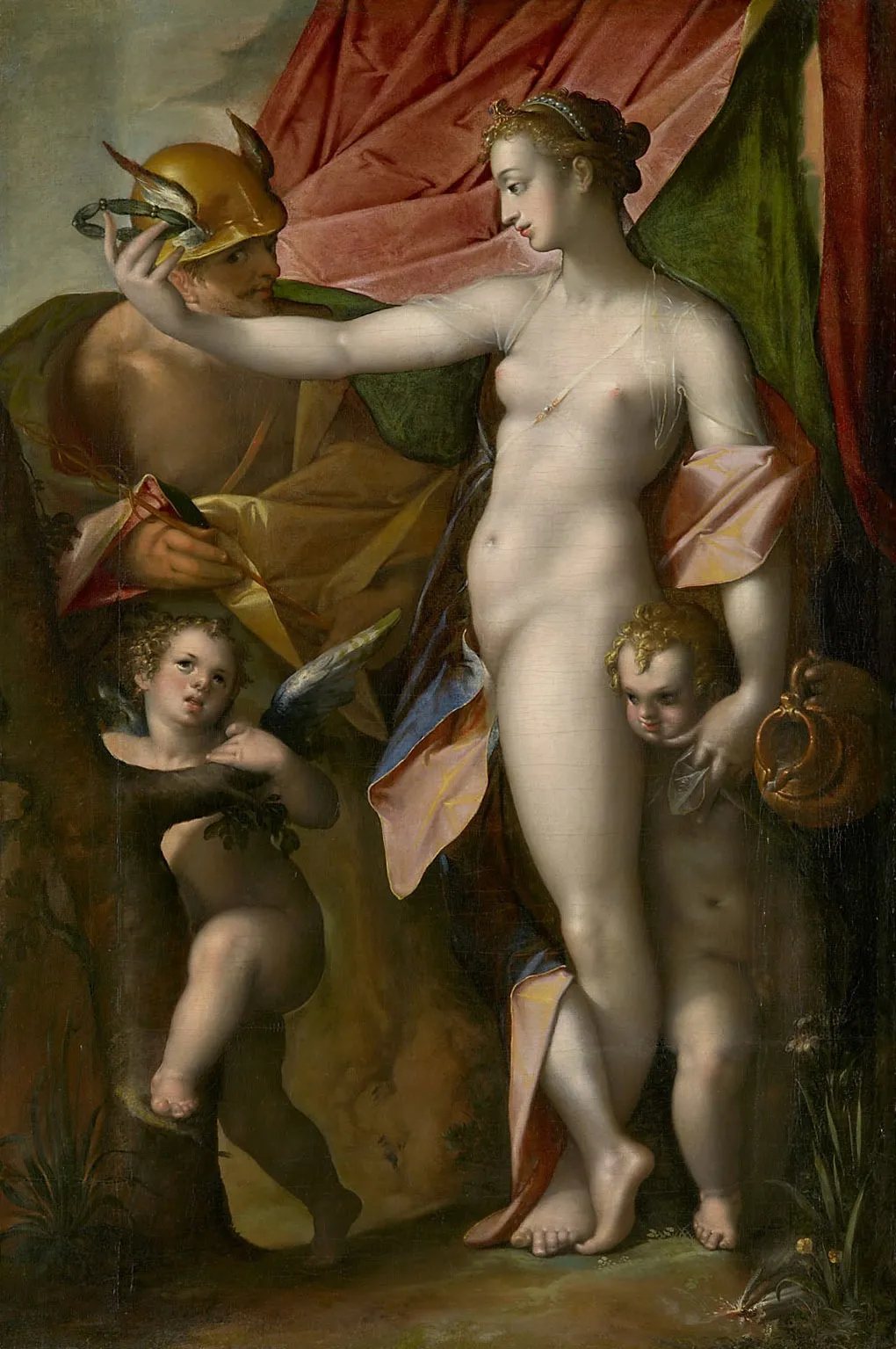
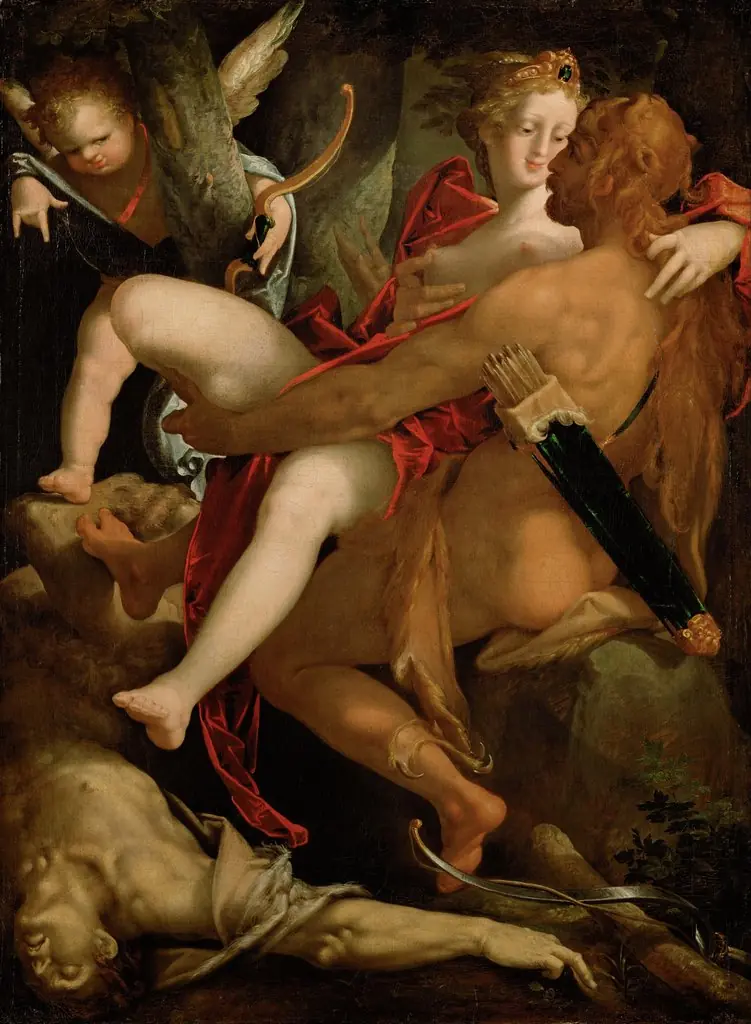
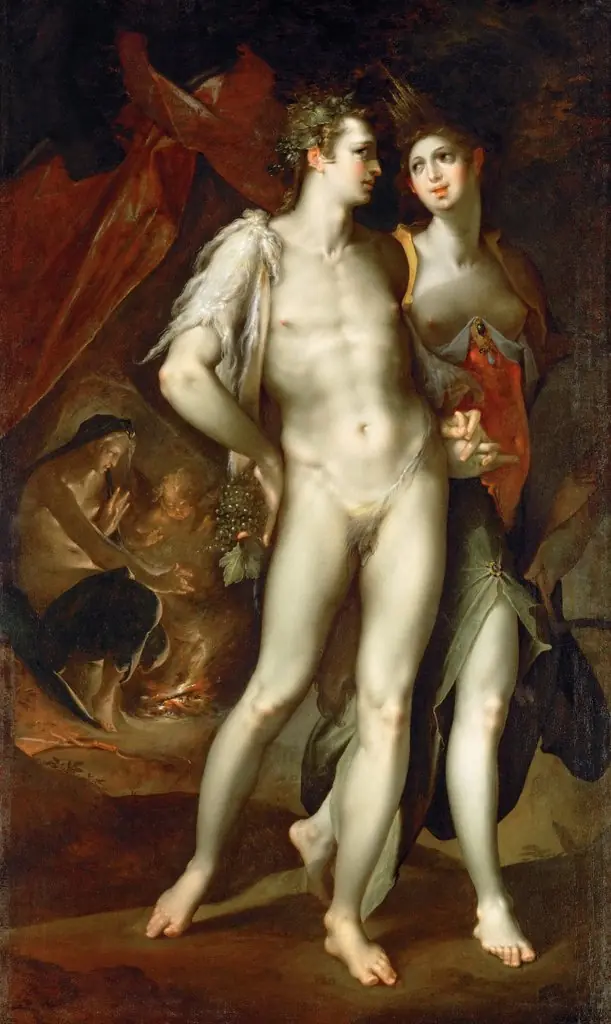
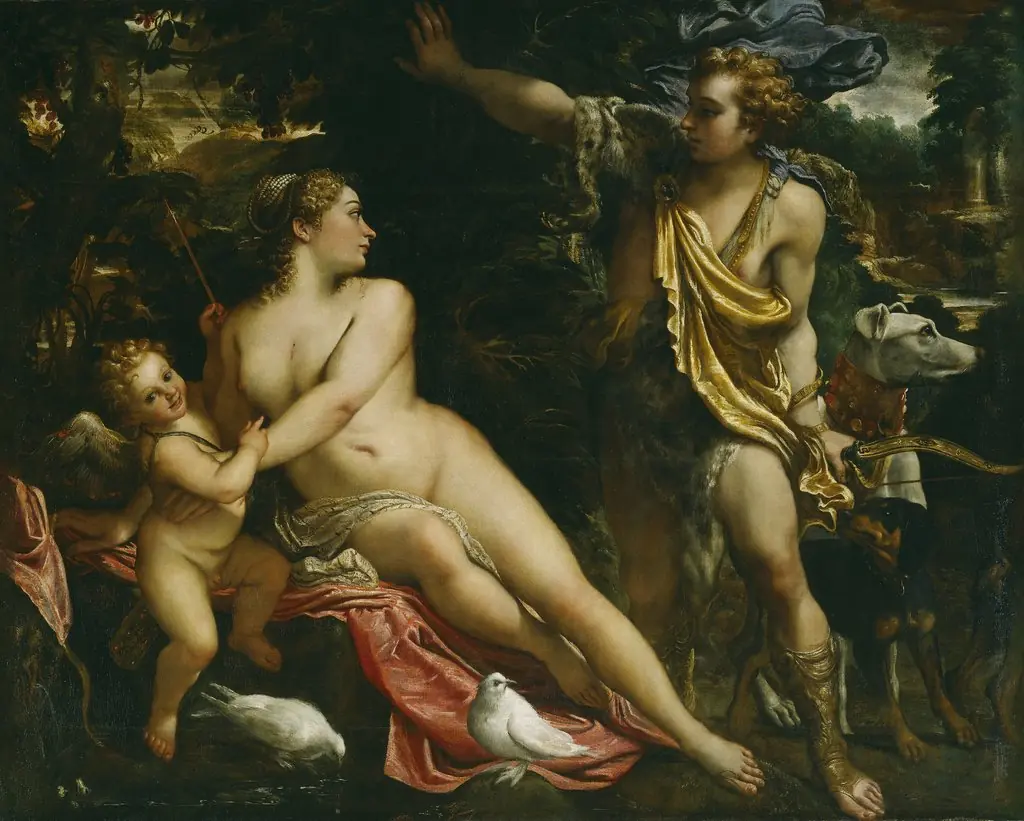
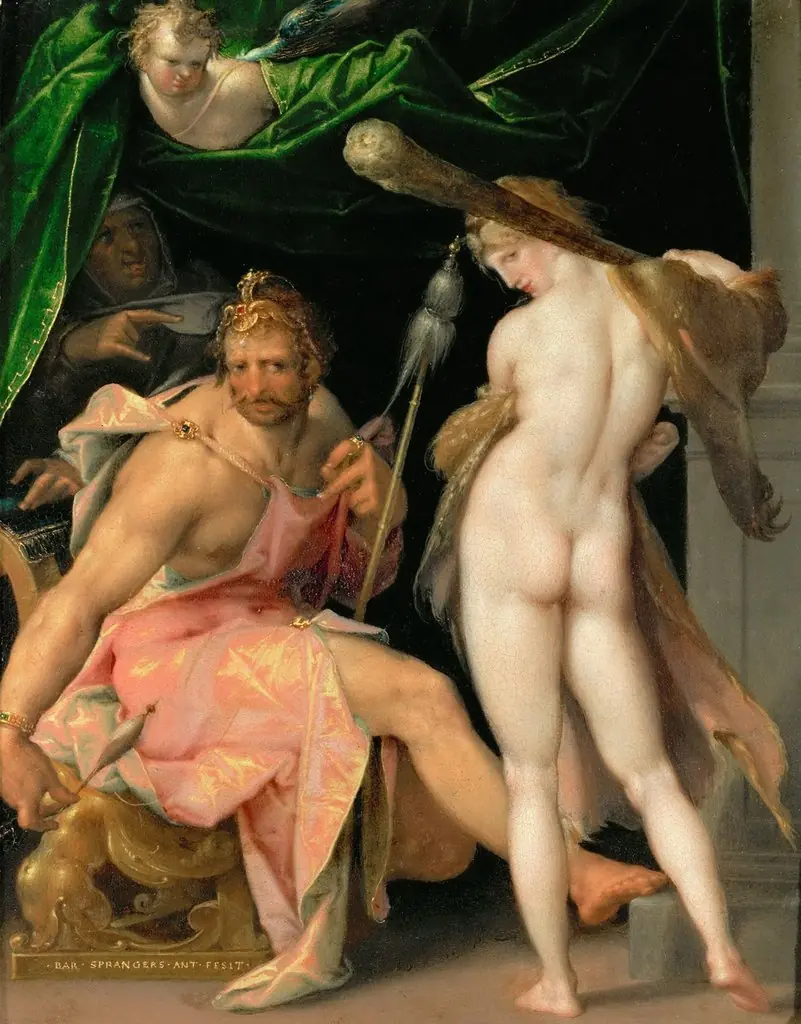
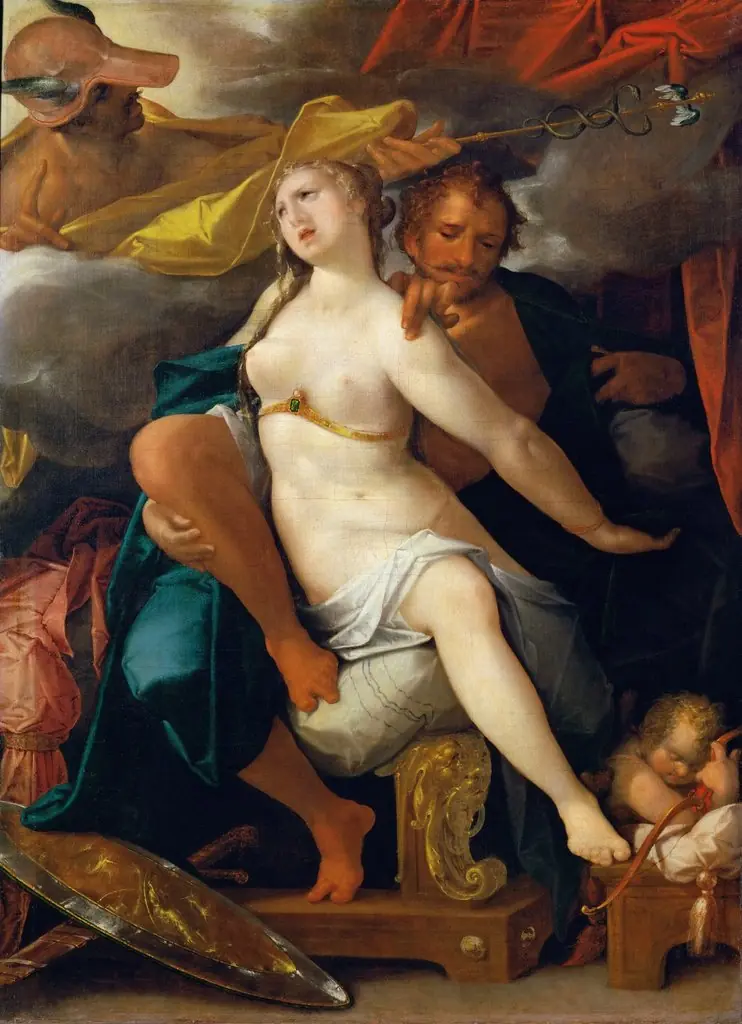
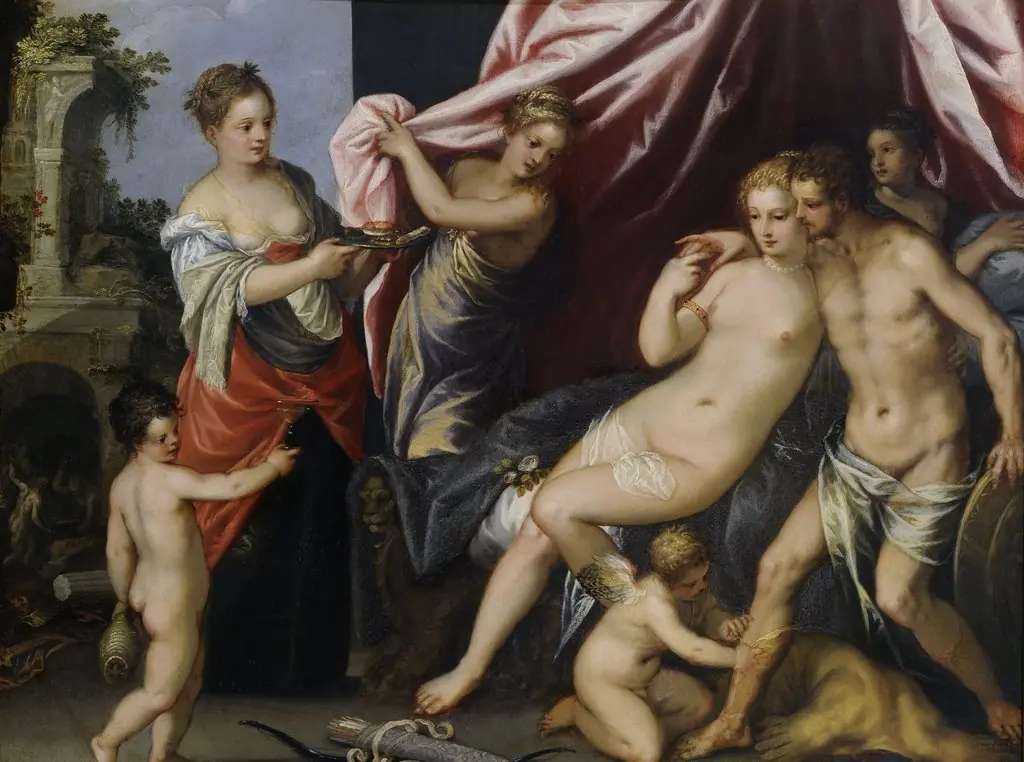
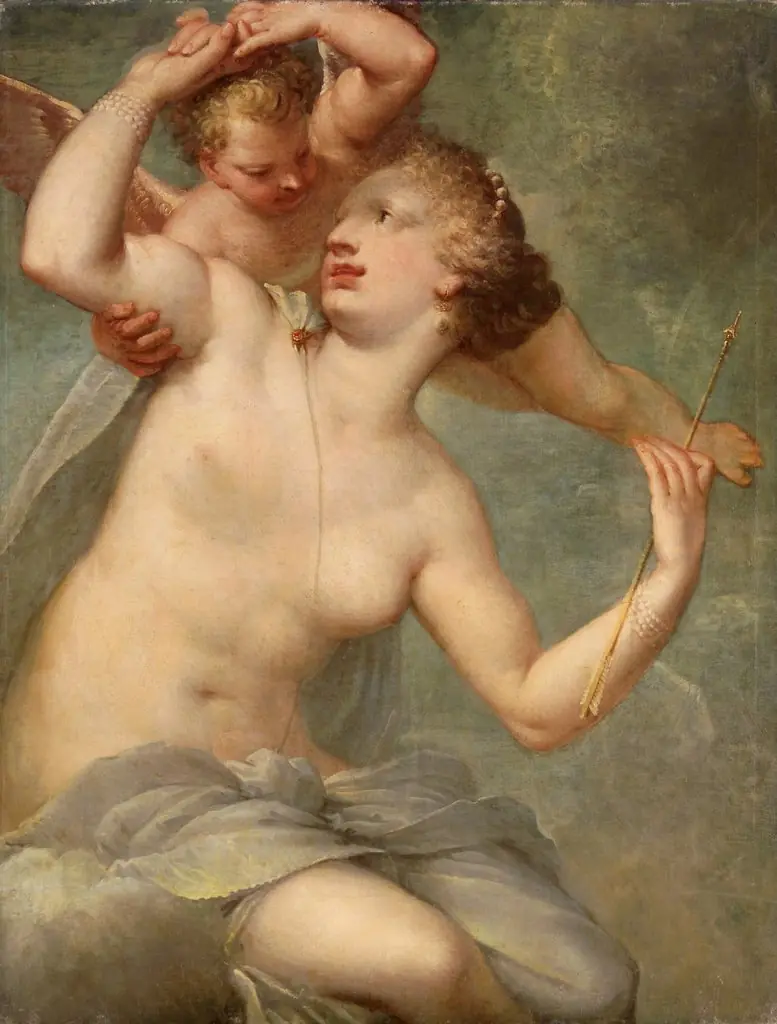
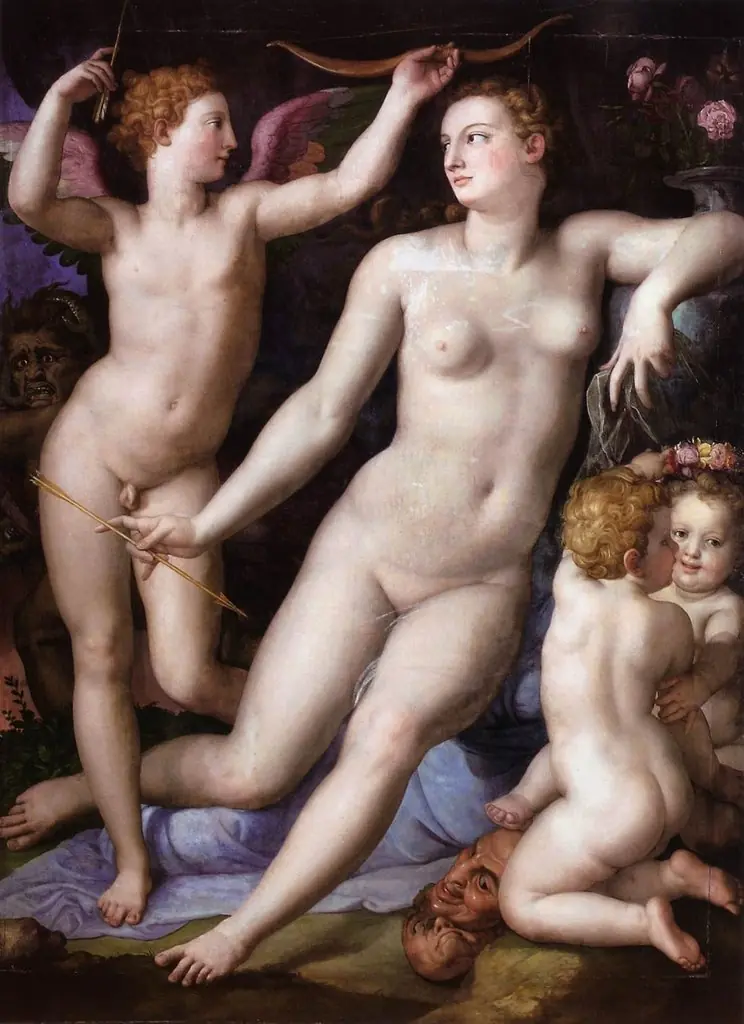
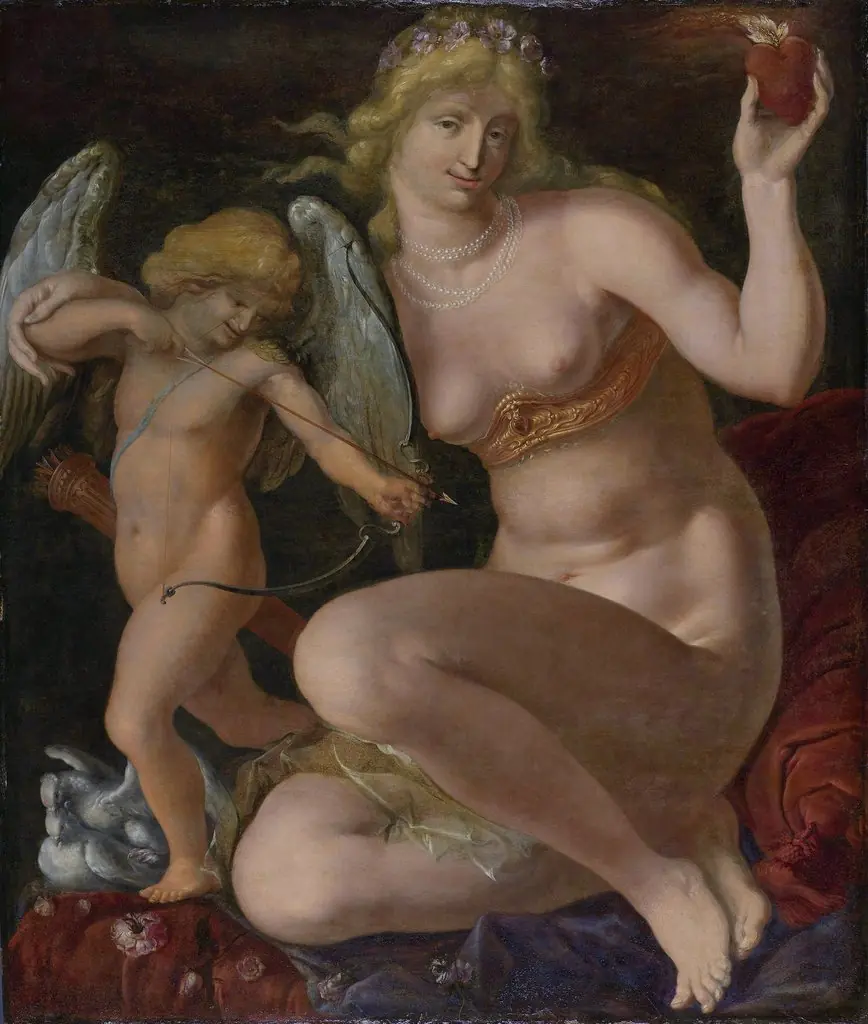
Venus und Merkur is an unspecified painting by the Mannerist artist Bartholomeus Spranger. It dates from 1593 and is held in the collection of the Kunsthistorisches Museum.
About this work
Subject & Meaning
The composition focuses on the interaction between the deities, utilizing their established identities in classical tradition to convey the subject matter.
Bartholomeus Spranger's 1585 canvas, Venus und Merkur, is a mythological painting that depicts the goddess Venus and the god Mercury. As a work of mythology, the piece centers on these two classical figures, presenting them within a narrative context typical of the genre. The composition focuses on the interaction between the deities, utilizing their established identities in classical tradition to convey the subject matter.
The painting serves as a visual representation of these specific mythological characters, anchoring the work in the stories and iconography associated with them.
Technique & Style
Venus und Merkur is an oil painting executed on canvas, a support consistent with Spranger's late-sixteenth-century mythological output. The work measures 110 cm in height by 72 cm in width, a relatively intimate vertical format suited to its allegorical subject.
Stylistically, the canvas reflects the refined Mannerist idiom associated with Spranger's courtly commissions, characterized by elongated figures, graceful contrapposto, and polished surface handling. The mythological theme, depicting Venus, is rendered with the sensuous linearity and cool, enamel-like finish typical of late Rudolfine painting, in which anatomical idealization is tempered by sophisticated decorative elegance.
History & Provenance
The mythological painting Venus und Merkur was created by Bartholomeus Spranger in 1585. Executed on canvas, the work measures 110 cm in height and 72 cm in width. The piece is currently held in the collection of the Kunsthistorisches Museum, where it remains located.
The work is held at the Kunsthistorisches Museum, where it is recorded in the collection with the accession number Kunsthistorisches Museum. It has been displayed in exhibitions dedicated to mythological painting at the museum, including presentations of works from the 16th century that feature Venus and other figures from classical mythology.
Context
Bartholomeus Spranger's Venus und Merkur, painted in 1585 on canvas, occupies a significant position within the mythological painting genre of the late Renaissance. The work depicts the intimate encounter between Venus and Mercury, showcasing the artist's skill in rendering complex narrative scenes with sensual grace. It is housed in the Kunsthistorisches Museum, where it remains part of their collection of mythological works.
Scholars have examined its composition and symbolic elements within the broader context of Spranger's output and the evolution of mythological painting in Northern European art during the late 16th century.
Overview
Bartholomeus Spranger’s Venus und Merkur, executed in 1593, is an oil painting on canvas that now belongs to the Kunsthistorisches Museum. The work presents a mythological tableau rendered in the elaborate visual language of Northern Mannerism, a style that flourished at the court of Holy Roman Emperor Rudolf II in Prague.
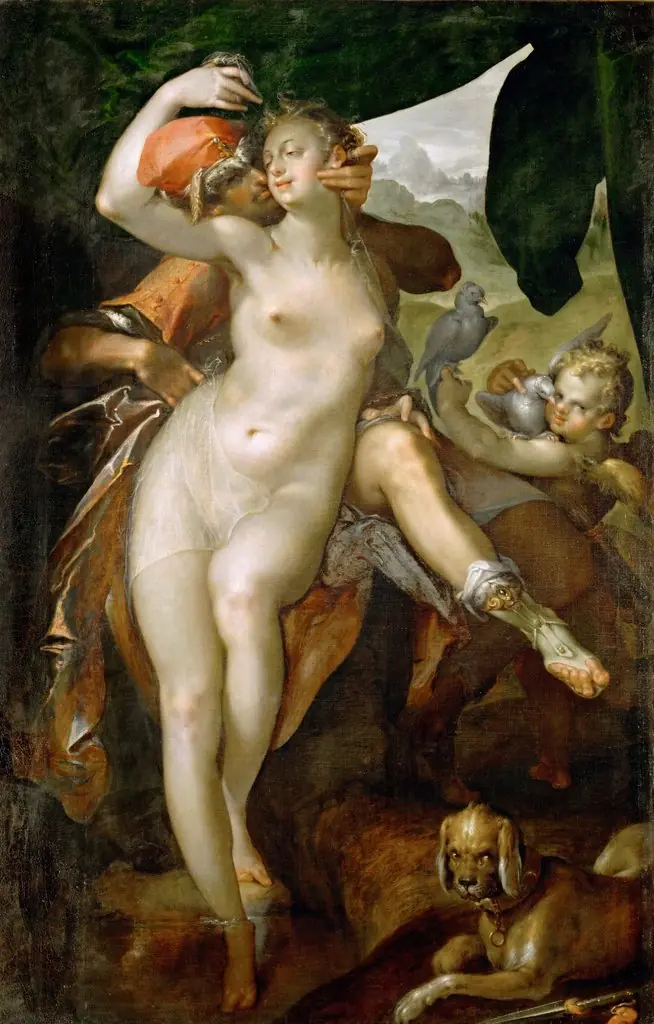
Artist & collection
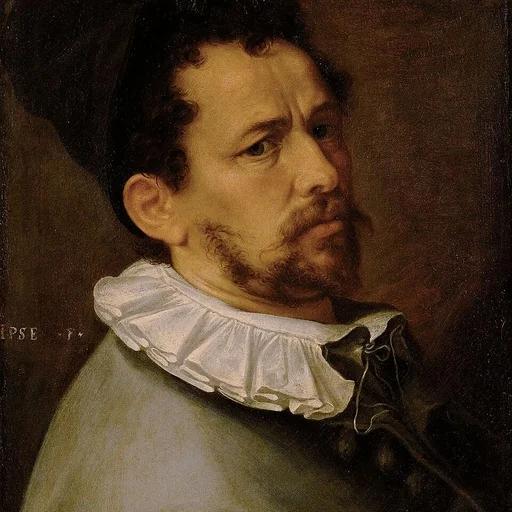
Artist
Bartholomeus Spranger or Bartholomaeus Spranger (21 March 1546 – 27 June 1611) was a Flemish painter, draughtsman, sculptor, and designer of prints.