Artwork
Conversion of Saint Paul
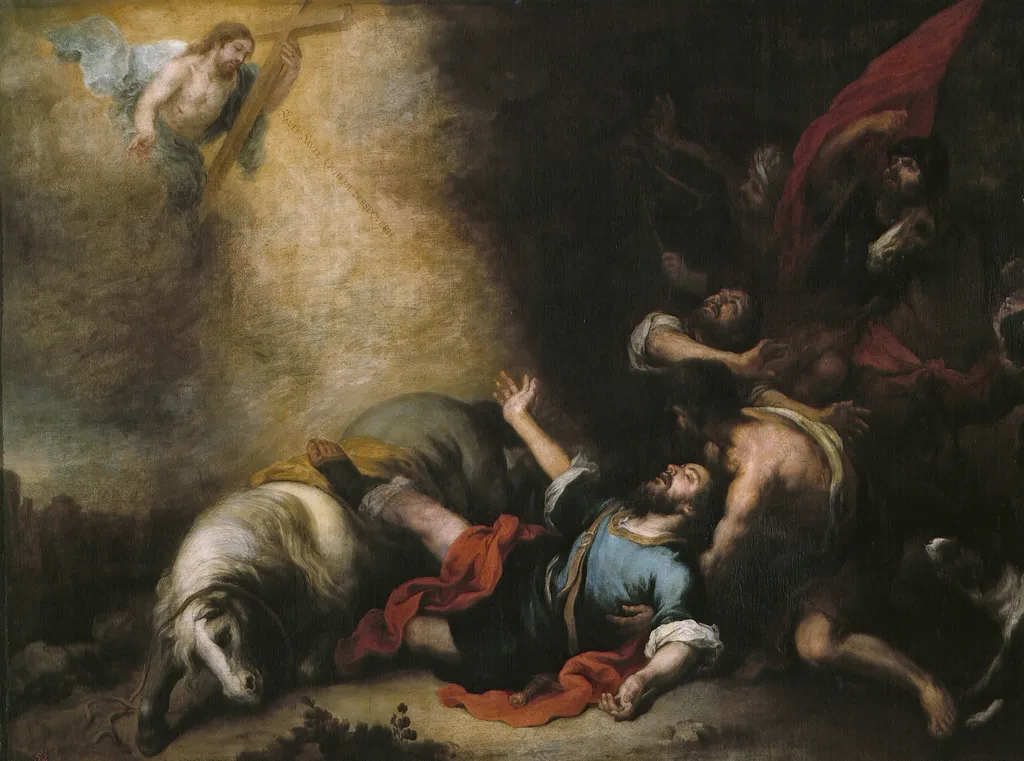
Conversion of Saint Paul is an oil painting by the Spanish Baroque Tenebrist artist Bartolomé Esteban Murillo. It dates from 1675 and is held in the collection of the Museo del Prado.
About this work
Subject & Meaning
Through light and shadow the artist conveys the transformative power of divine revelation and the beginning of Saul’s conversion to Saint Paul.
The work depicts the New Testament moment when Saul of Tarsus, en route to Damascus to persecute Christians, is struck by a blinding light and hears the voice of the risen Christ asking, “Saul, Saul, why do you persecute me?” The scene is divided between a radiant, celestial apparition on the left and a shadowed terrestrial realm on the right.
Murillo renders Saul’s collapse with dramatic foreshortening and a fallen horse pinning his leg, while his companions recoil in terror yet remain sightless to the vision. A small dog in the lower right appears to acknowledge the divine presence. The Latin inscription on the canvas quotes Acts 26:14, anchoring the iconography in scripture.
Through light and shadow the artist conveys the transformative power of divine revelation and the beginning of Saul’s conversion to Saint Paul.
Technique & Style
Created between approximately 1675 and 1680, this work is an oil painting executed on a canvas support measuring 125 cm in height and 169 cm in width. The artist employs a distinctly Baroque handling of light and shadow to structure the composition and convey the religious narrative. A dramatic chiaroscuro effect divides the scene, with the upper portion illuminated by bright colors representing the divine vision, while the lower section remains in deep shadow.
This contrast highlights the fallen figure of Saul, whose leg is pinned by an overturned horse, and the terrified reactions of his companions who hear the voice but see nothing. The formal arrangement directs the viewer's gaze from the luminous apparition down to the earthly chaos, including a faintly visible dog in the lower right corner and the distant outline of Damascus.
History & Provenance
Bartolomé Esteban Murillo executed The Conversion of Saint Paul as an oil on canvas work, with creation dates variously cited as 1675 or within the range of 1675 to 1680. The painting entered the Spanish royal collection through acquisition by King Charles IV. It subsequently became the property of Ferdinand VII of Spain. Today, the work is held in the collection of the Museo del Prado in Madrid.
The work is held by the Museo del Prado in Madrid. It entered the collection of Ferdinand VII of Spain and remains in the museum's holdings. The painting was acquired by Charles IV of Spain and has been part of the Prado Museum's collection since its acquisition.
It was exhibited in the 1835 exhibition of the Royal Palace of Aranjuez and later featured in the 1886 exhibition of the Museo del Prado.
The work is cataloged with inventory number P00968.
Overview
Bartolomé Esteban Murillo’s oil on canvas, dated between 1675 and 1680, portrays the biblical moment of Saint Paul’s conversion. The work entered the Spanish royal collection under Charles IV and presently hangs in the Prado Museum, Madrid.
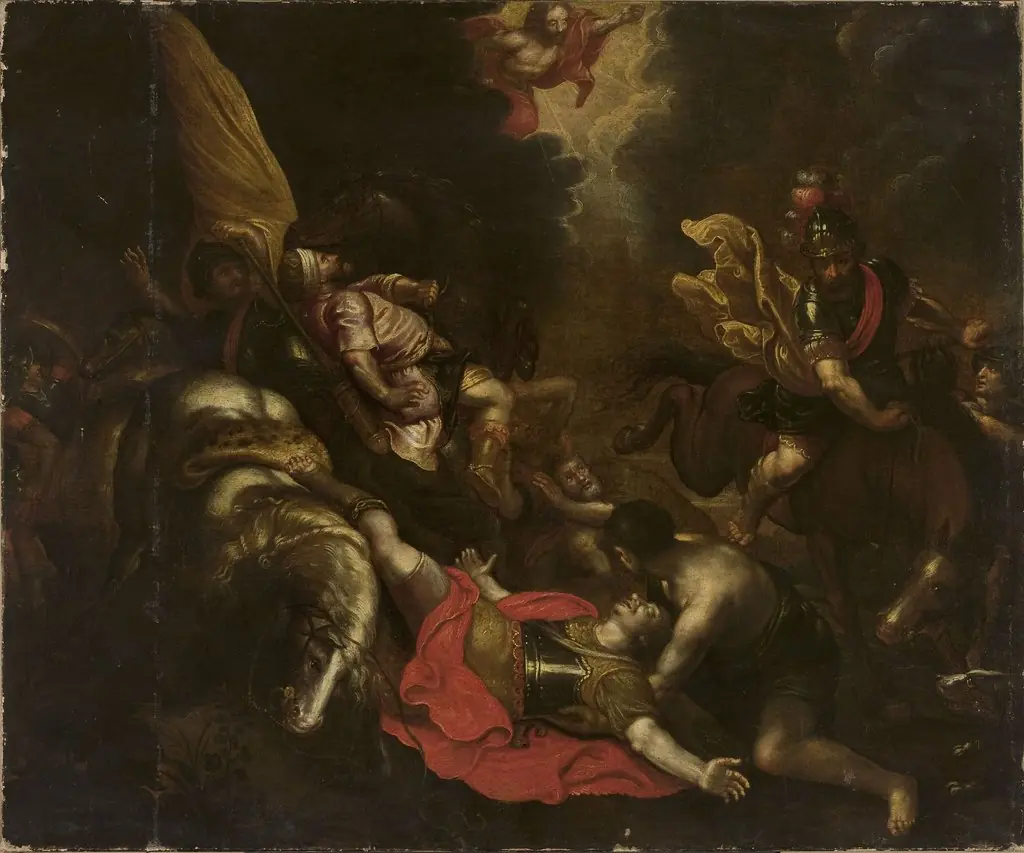
Own this work as a print
Artist & collection
Artist
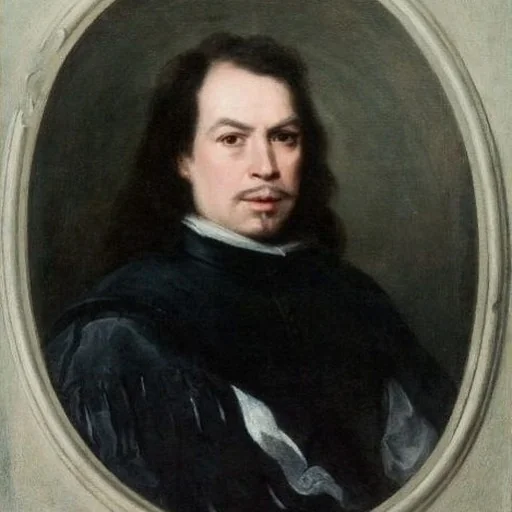
Bartolomé Esteban Murillo ( mure-IL-oh, m(y)uu-REE-oh, Spanish:; late December 1617, baptised 1 January 1618 – 3 April 1682) was a Spanish Baroque painter.

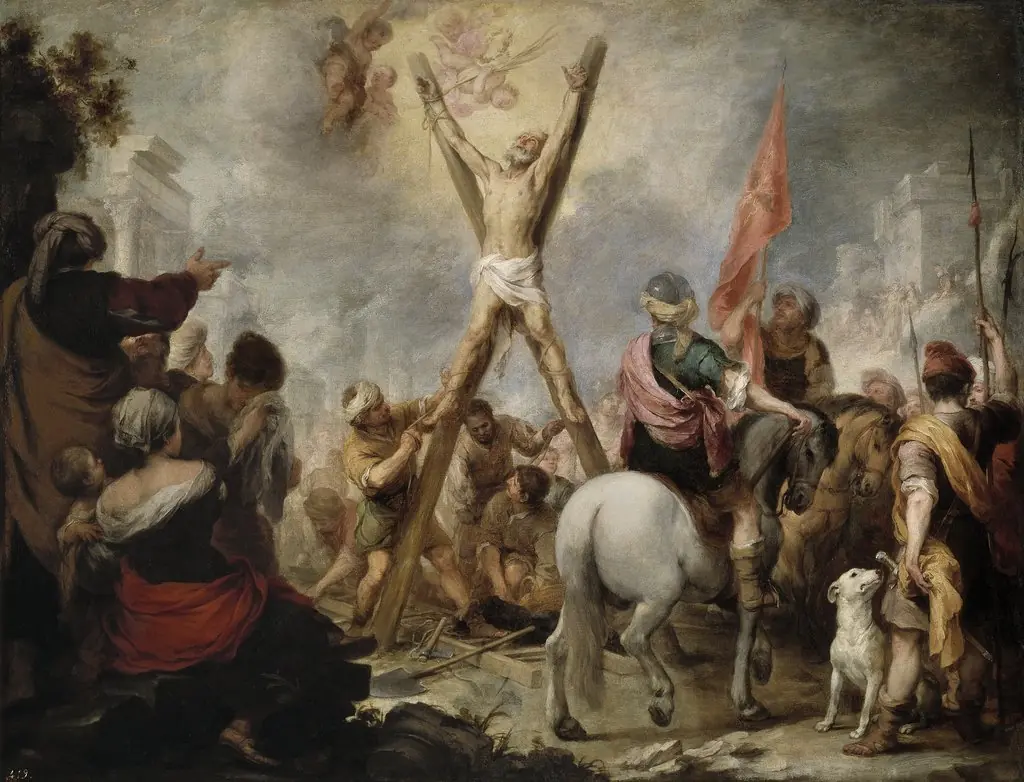 The Martyrdom of St. Andrew
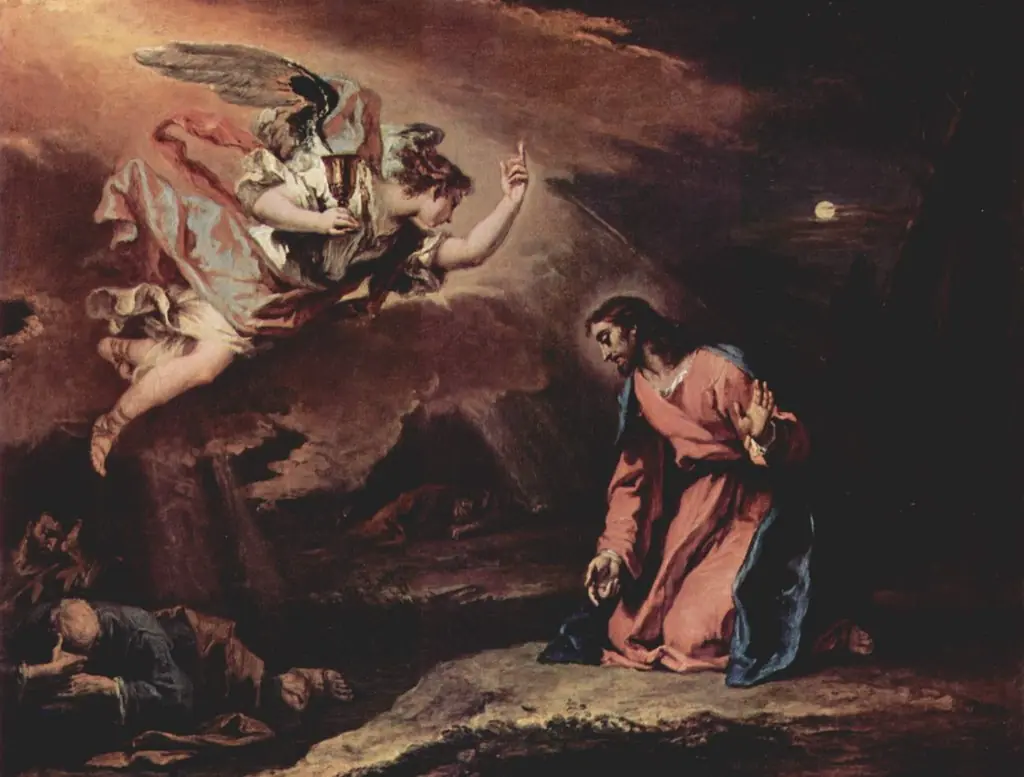 Christ on the Mount of Olives
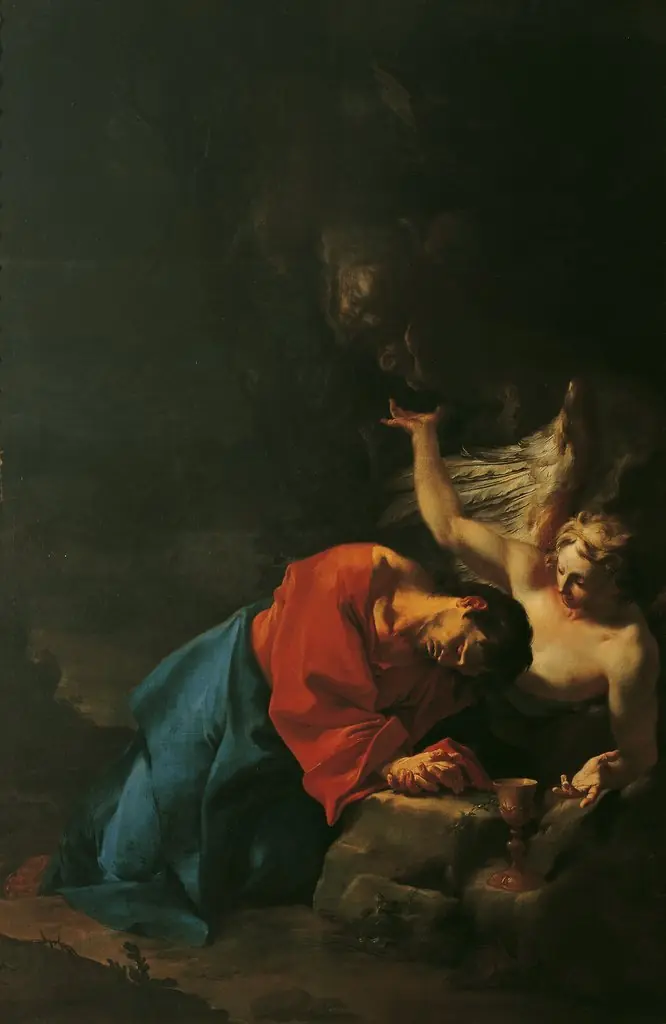 Christ on the Mount of Olives
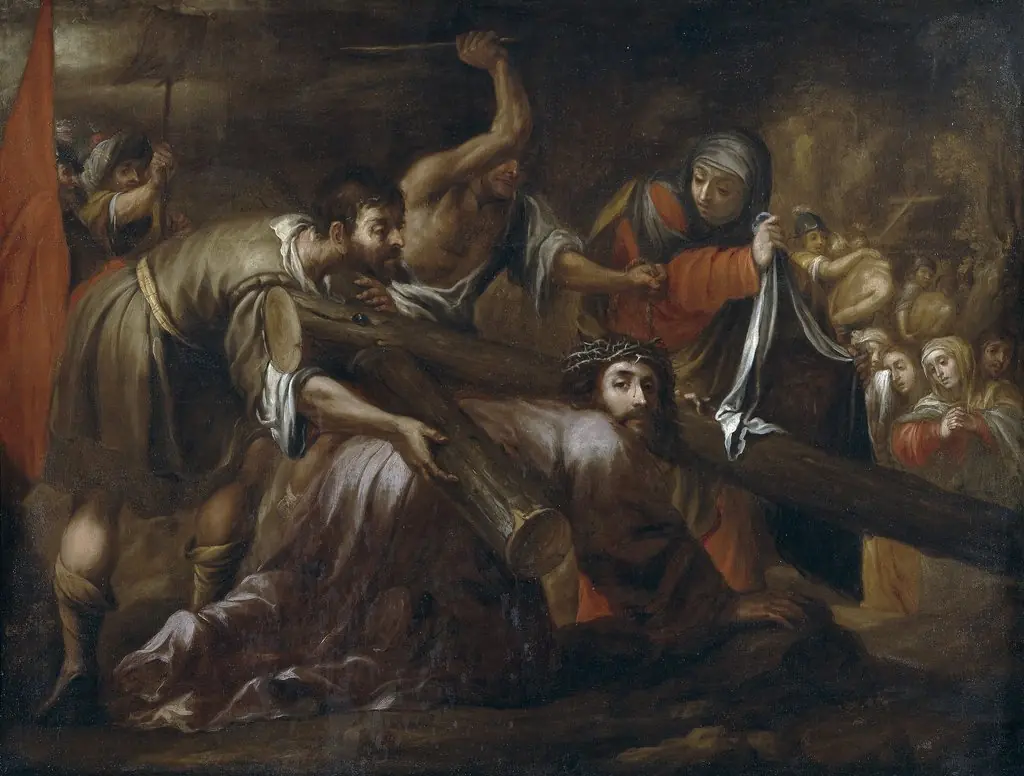 Christ on the way to Calvary and Saint Veronica
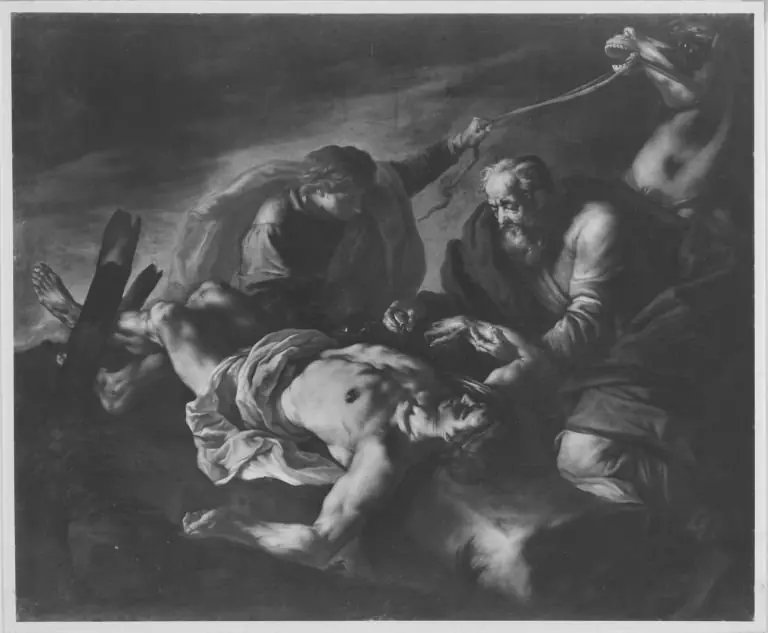 Barmherziger Samariter (?)
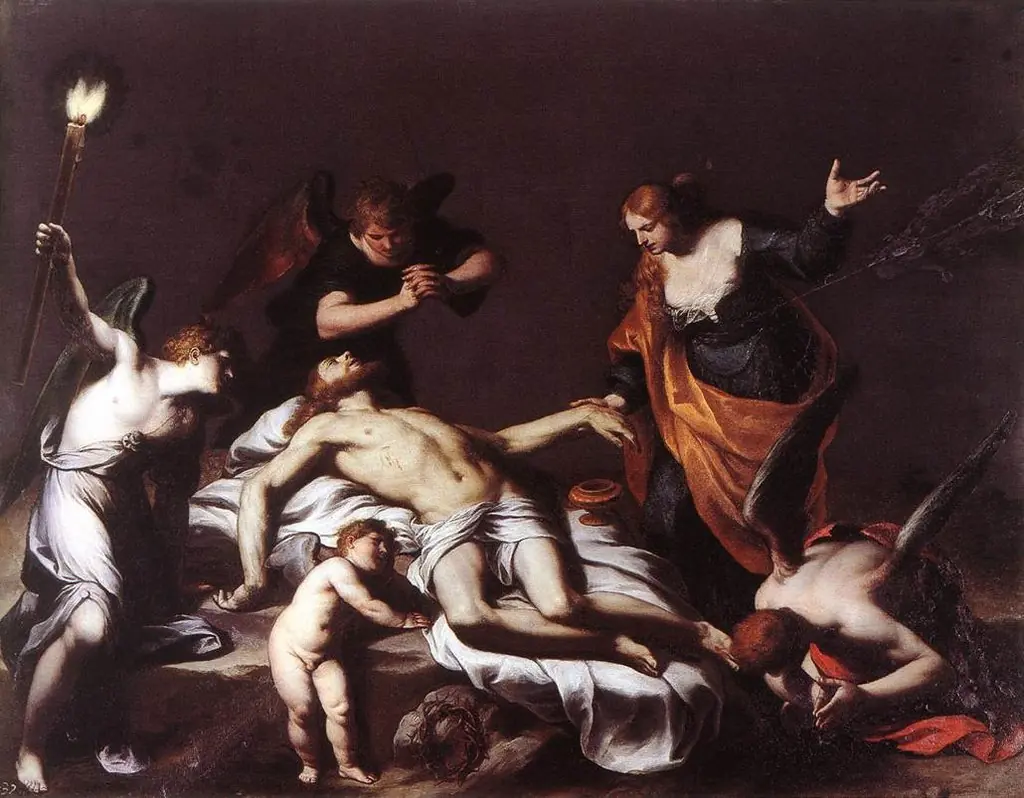 The lamentation over the dead Christ
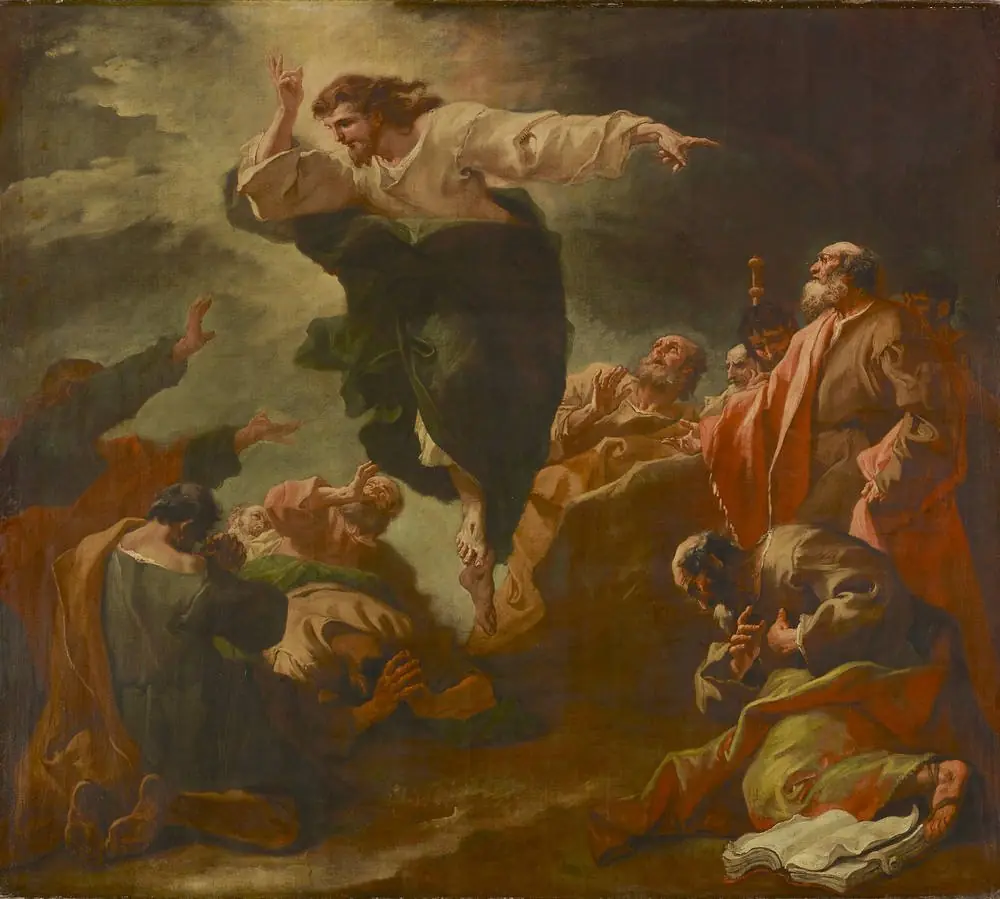 Christi Himmelfahrt
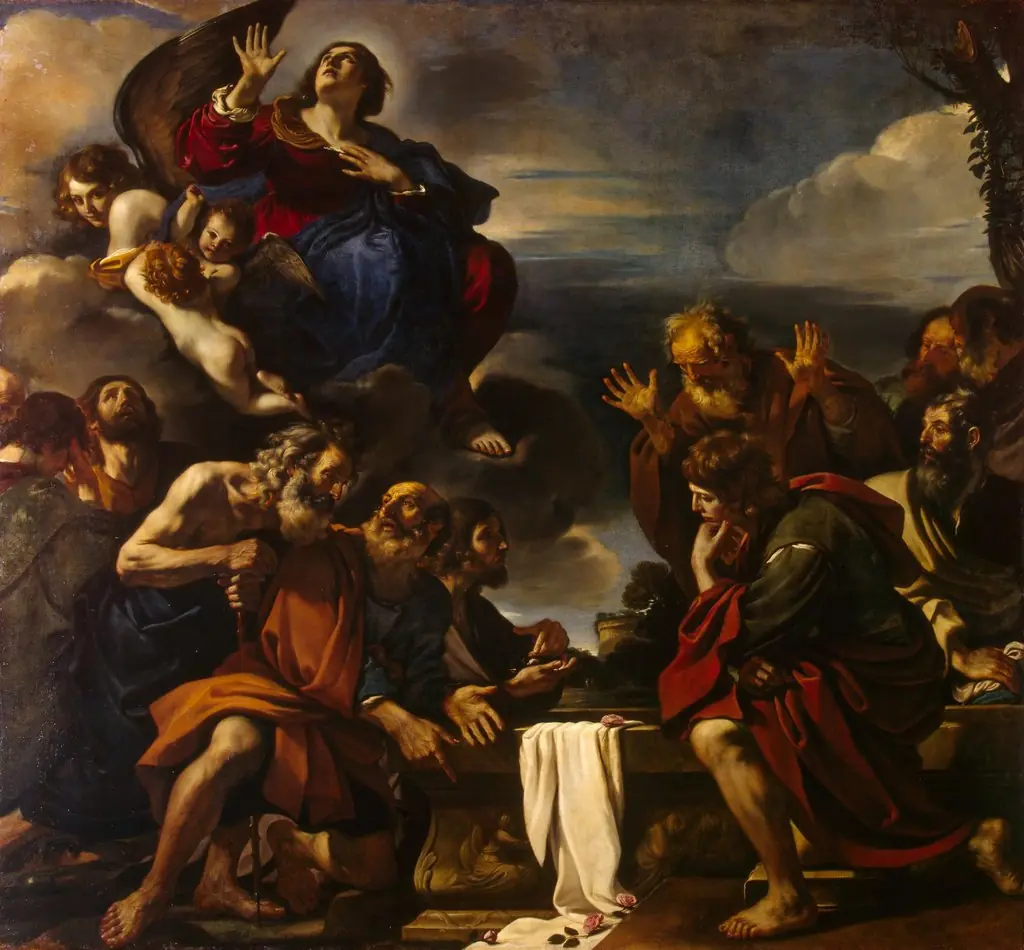 Assumption of the Virgin Mary
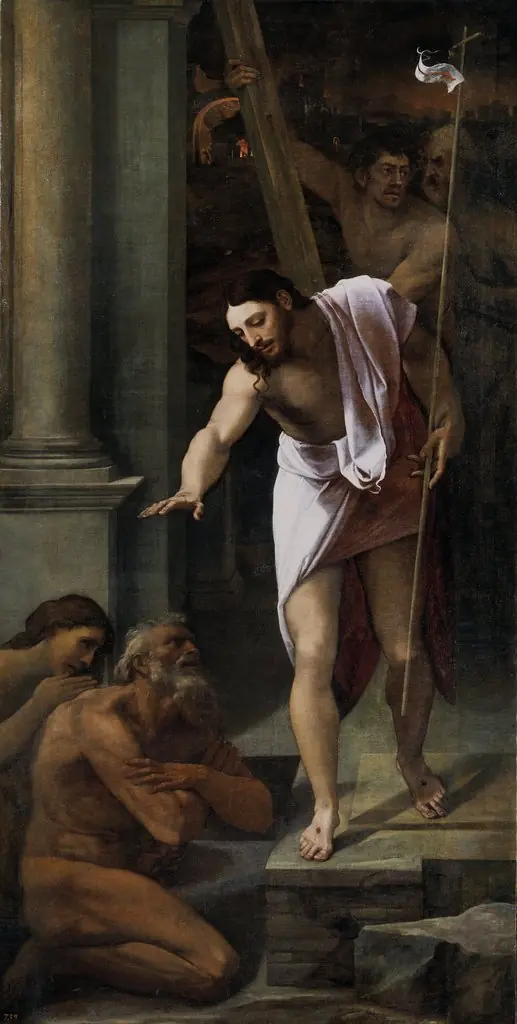 Christ’s Descent into Limbo
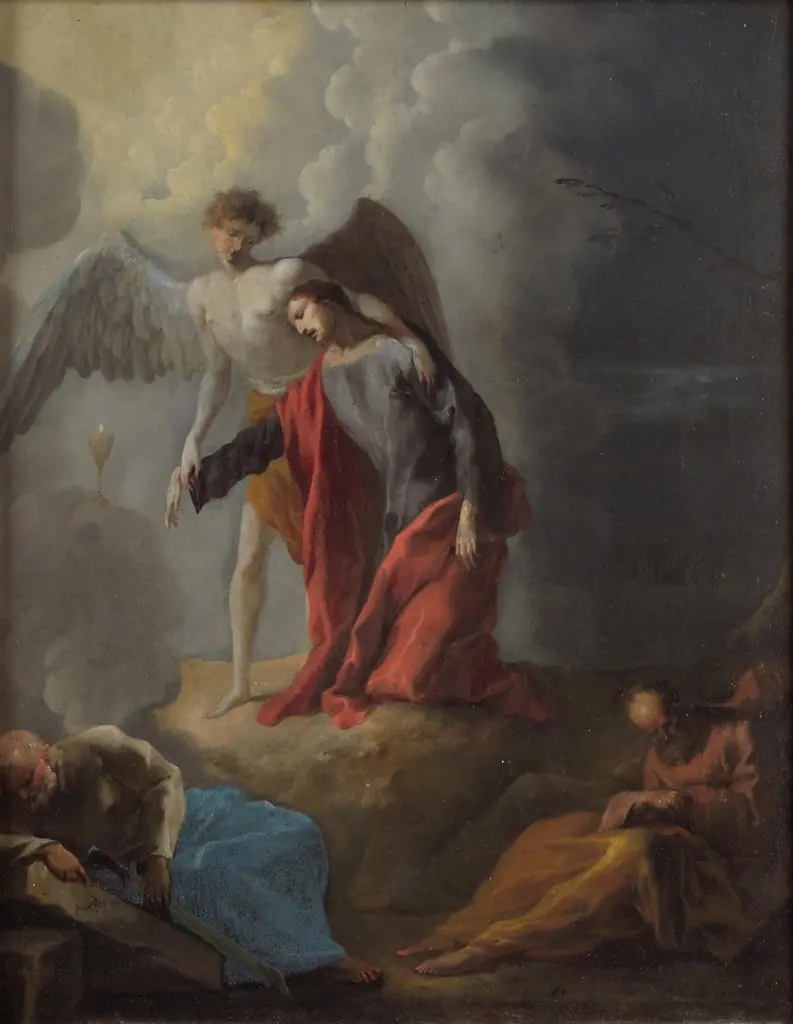 Christ on the Mount of Olives
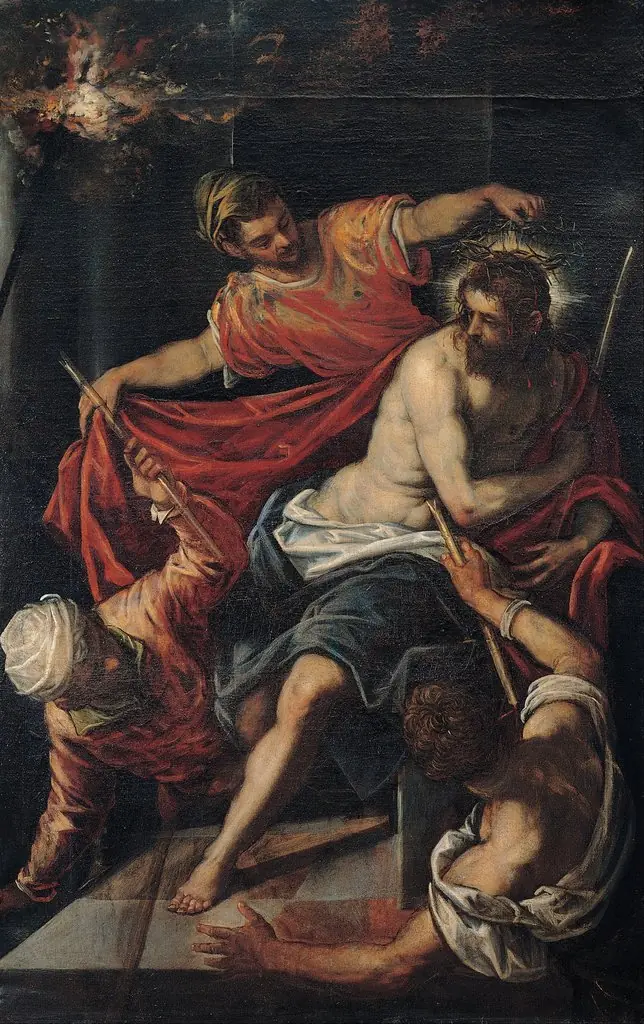 The Flagellation
- Conversion of St. Paul (Acts 9:3-6)