Artwork
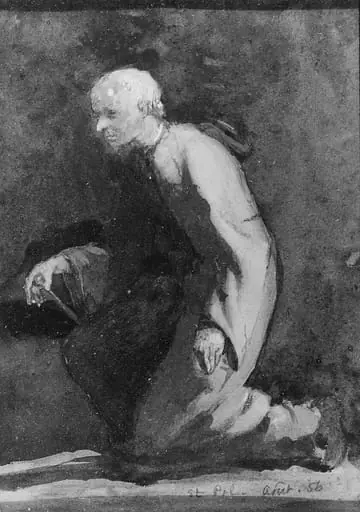
Der hl. Thomas von Villanueva heilt einen Lahmen (Skizze)
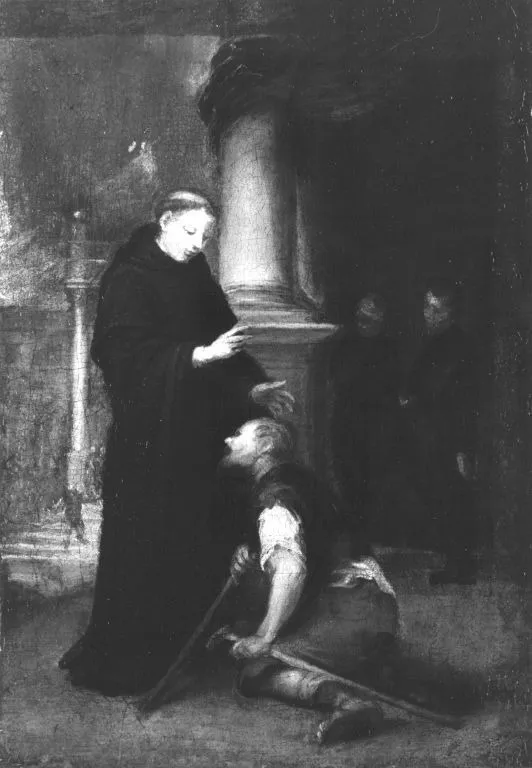
Der hl. Thomas von Villanueva heilt einen Lahmen (Skizze) is an unspecified painting by the High Baroque Italian artist Bartolomé Esteban Murillo. It dates from 1675 and is held in the collection of the Bavarian State Painting Collections.
About this work
Subject & Meaning
Thomas is identified by his bishop’s vestments and pastoral staff, attributes that signal his ecclesiastical authority and role as a miracle‑working saint.
The sketch shows Saint Thomas of Villanueva performing a miracle in which he heals a lame man, a scene drawn from hagiographic tradition emphasizing charity and divine intercession. Thomas is identified by his bishop’s vestments and pastoral staff, attributes that signal his ecclesiastical authority and role as a miracle‑working saint. The work belongs to the religious art genre and reflects Counter‑Reformation ideals of saintly intercession and charitable action, themes central to Murillo’s devotional imagery.
It is housed in the Alte Pinakothek, part of the Bavarian State Painting Collections, and dates to 1675.
The composition captures the moment of healing, underscoring Thomas’s reputation as a compassionate miracle‑worker and reinforcing his saintly identity within the Catholic tradition.
History & Provenance
The oil sketch titled Der hl. Thomas von Villanueva heilt einen Lahmen was created by Bartolomé Esteban Murillo in 1675. This religious work depicts the saint healing a lame individual and is classified as a painting within the religious genre.
The piece is currently held by the Bavarian State Painting Collections at the Alte Pinakothek in Munich. Its physical dimensions measure 34 cm in height and 23.5 cm in width.
The sketch is held in the collection of the Bavarian State Painting Collections and is located at the Alte Pinakothek. While the work dates to 1675, the provided sources do not contain specific inventory numbers or details regarding its exhibition history.
Overview
Created in 1675 by the Spanish Baroque artist Bartolomé Esteban Murillo, this sketch portrays a moment of miraculous healing performed by Saint Thomas of Villanova. Executed in the high Baroque idiom, the work is part of the collection of the Alte Pinakothek in Munich and exemplifies Murillo’s blend of religious narrative and intimate human expression.
Technique & Style
Murillo employs a restrained chiaroscuro, allowing a soft light from the upper left to illuminate the devotee’s face and hands against a deep, shadowed background. This contrast creates a three‑dimensional presence while maintaining the delicate line work typical of a preparatory sketch, highlighting both volume and emotional focus.
Context
In 17th‑century Spain, religious art served both liturgical and didactic functions, reinforcing Counter‑Reformation ideals. Murillo’s choice of Saint Thomas of Villanova, a figure celebrated for his charity, reflects contemporary concerns with social welfare and the saint’s reputation for miraculous healings, aligning the work with prevailing devotional practices.
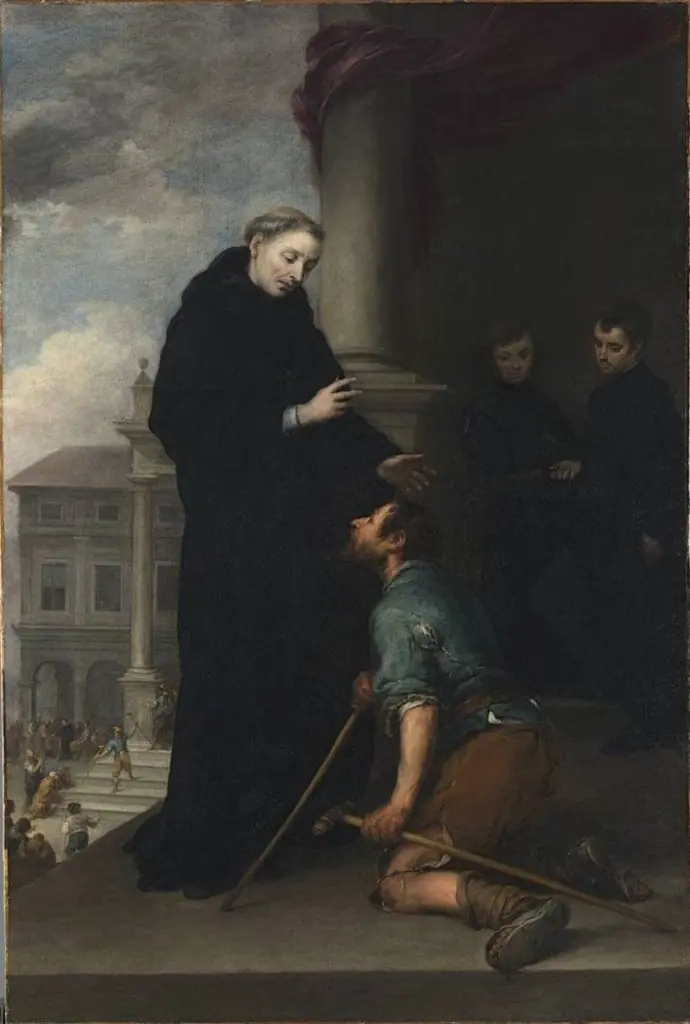
Artist & collection
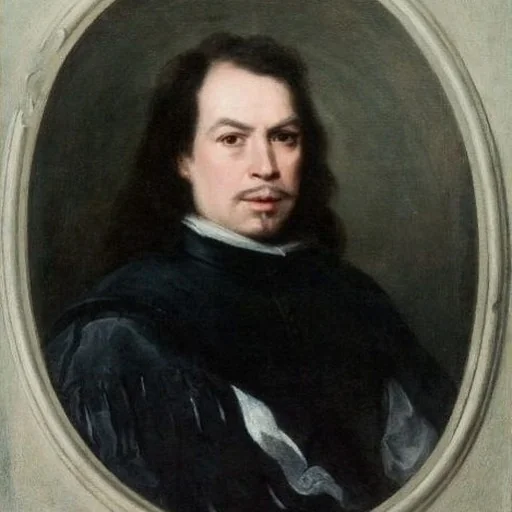
Artist
Bartolomé Esteban Murillo ( mure-IL-oh, m(y)uu-REE-oh, Spanish:; late December 1617, baptised 1 January 1618 – 3 April 1682) was a Spanish Baroque painter.

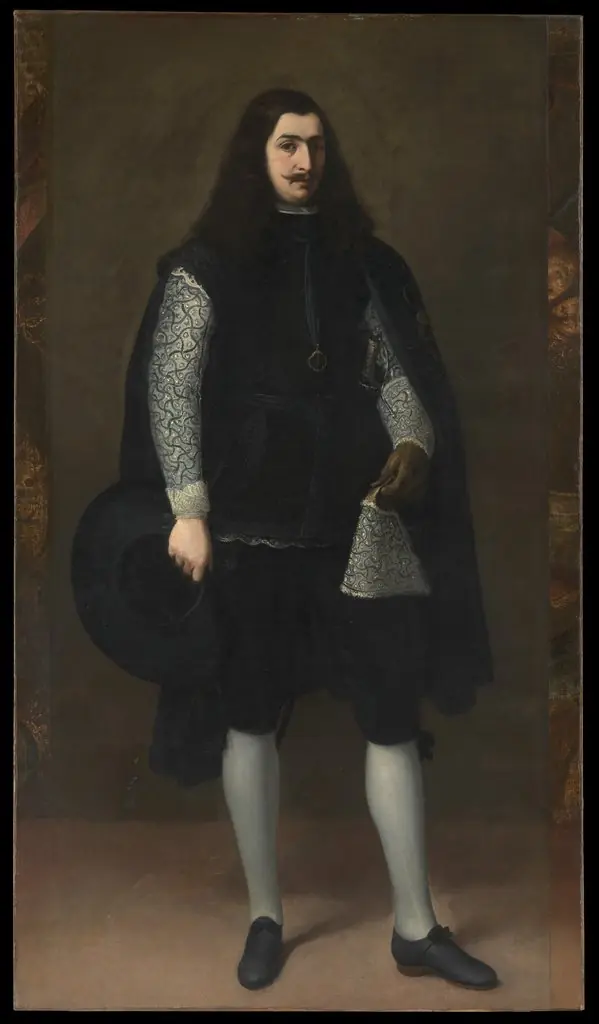
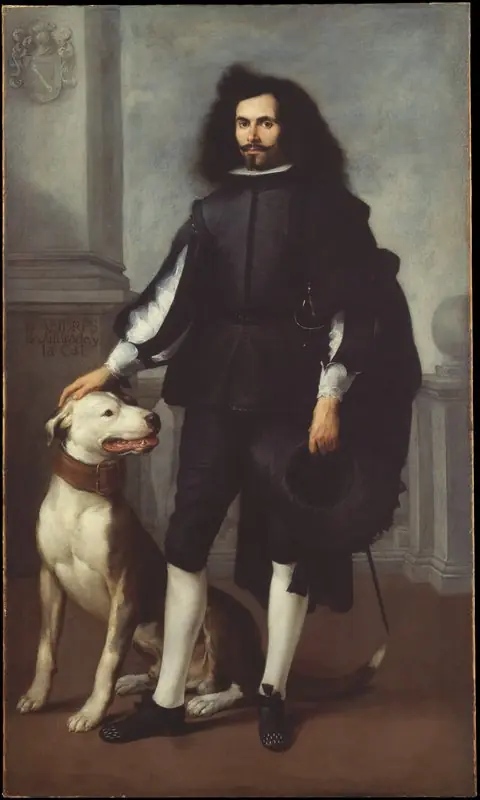
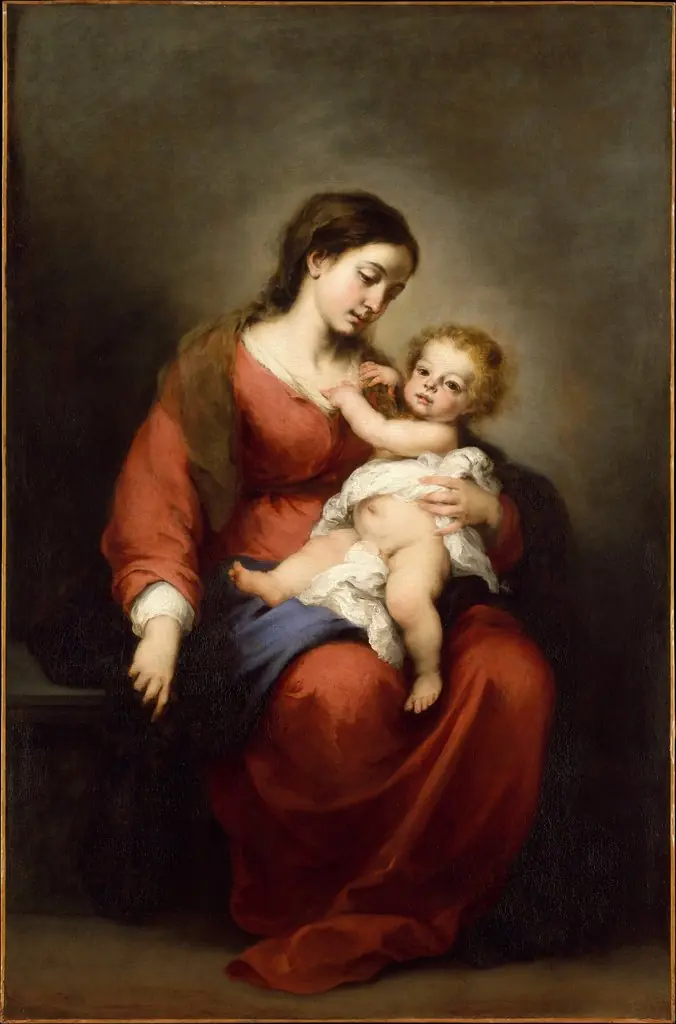
- Thomas of Villanova heals the sick
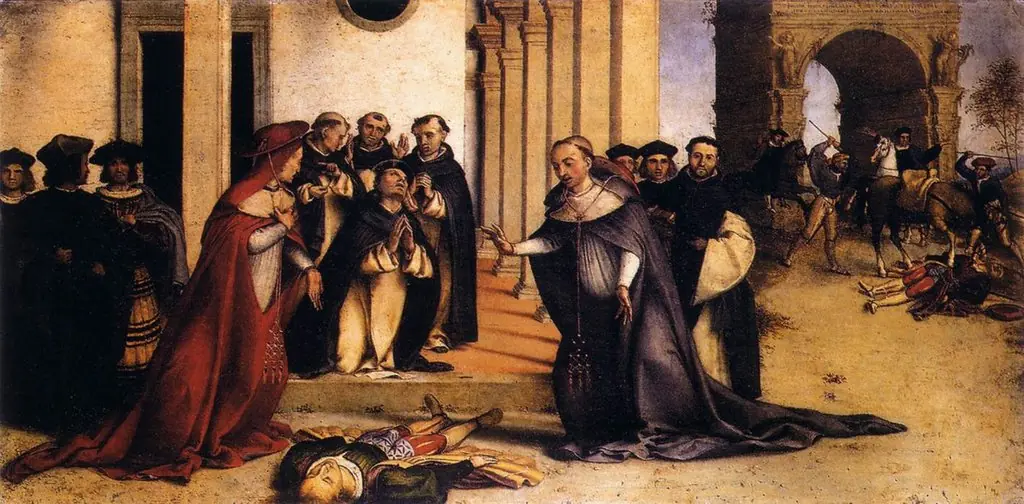 St Dominic Raises Napoleone Orsini
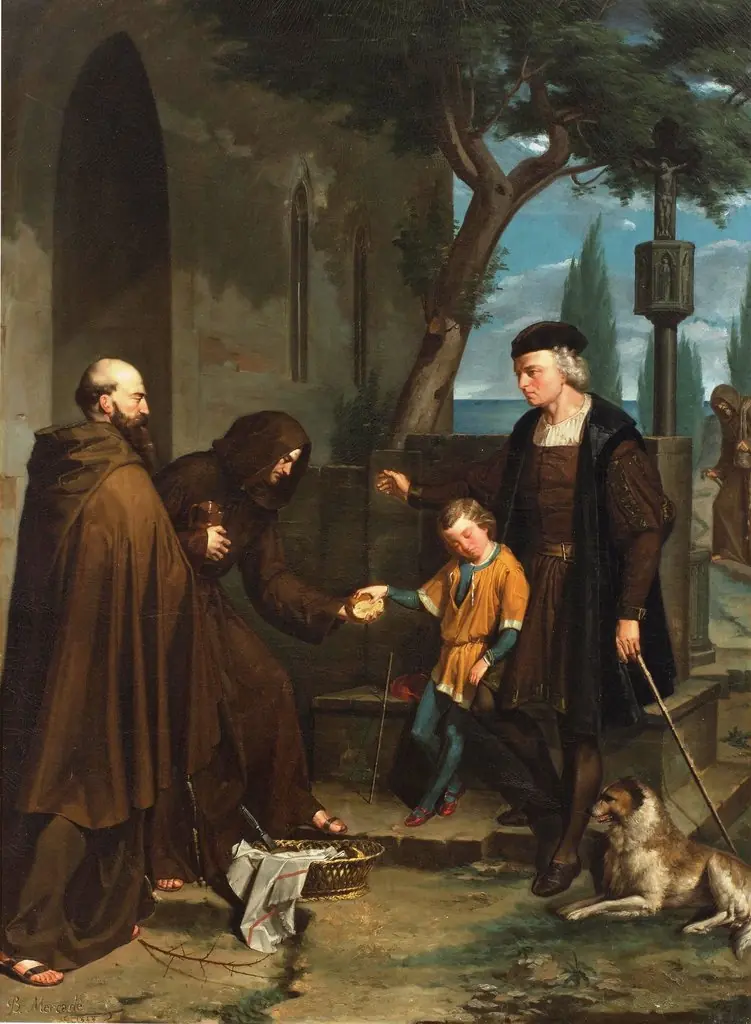 Colón en las puertas del convento de Santa María de la Rábida pidiendo pan y agua para su hijo
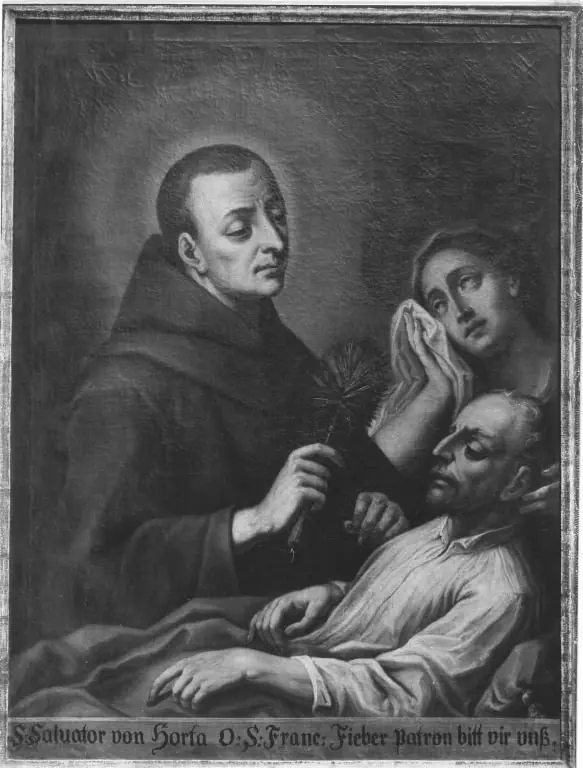 Der hl. Salvator da Horta mit einem Fieberkranken
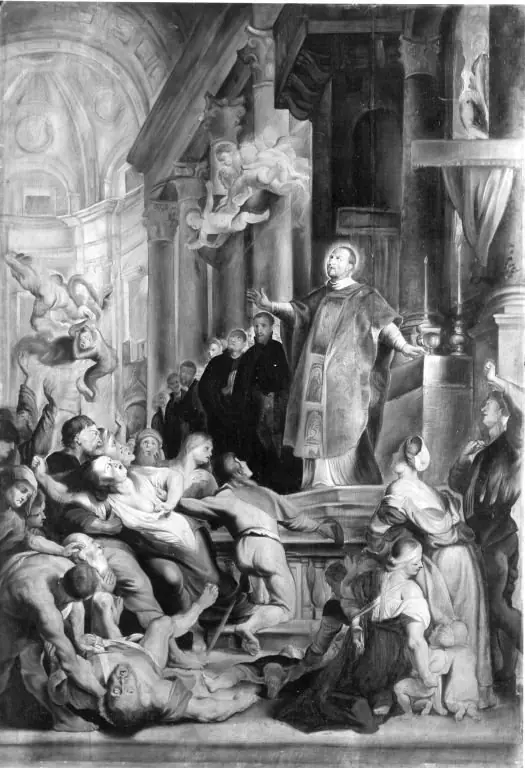 Sermon by St Ignatius of Loyola
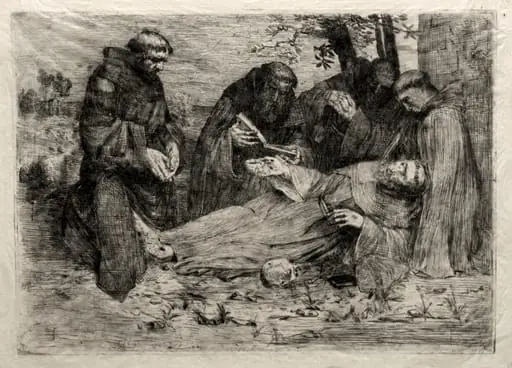 The Death of St. Francis
 Auferweckung des Lazarus
 Ignatius von Loyola
 The Confession
 The arrival of Cardinal Wolsey at Leicester Abbey, 1530
 A Brittany Beadle—Sketch from Nature
 La última comunión de San Diego de Alcalá